The medieval bastides of the Tarn: a complete guide to the most beautiful villages
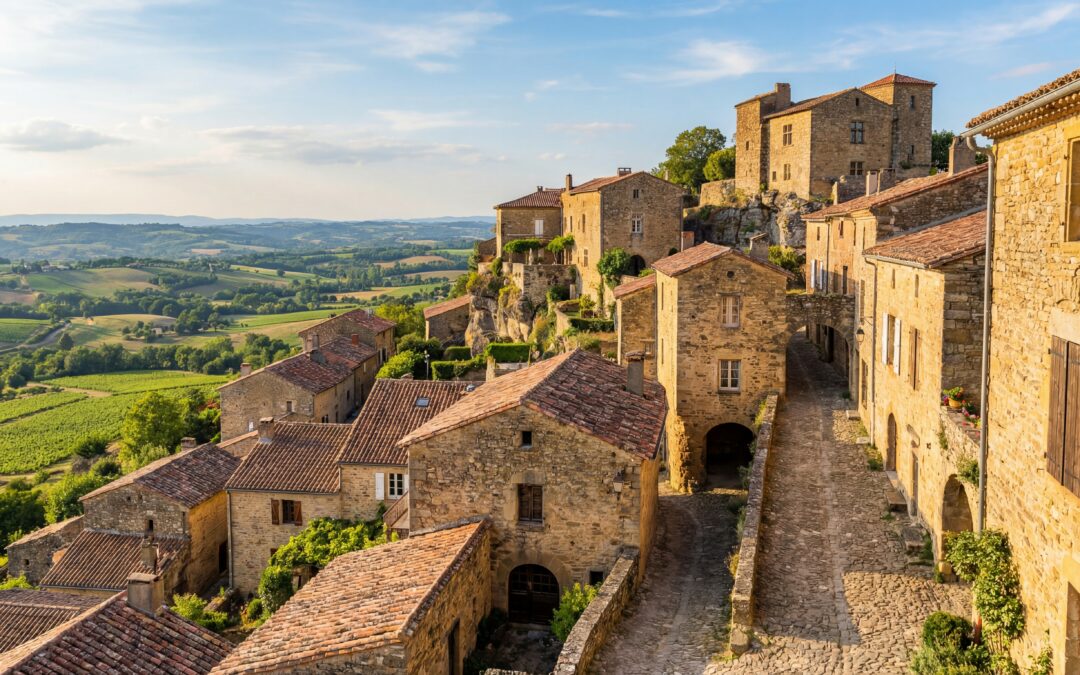
Perched on rocky hilltops, nestled along the banks of the Tarn or tucked among the vineyards, the medieval bastides of the Tarn are among the best-kept treasures of Occitanie. These villages, built during the Middle Ages according to a structured plan — central square, arcaded walkways, grid-pattern streets — have survived the centuries with remarkable authenticity. Cobbled lanes, ochre sandstone or red brick facades, breathtaking panoramas… Each bastide tells a story, each stone carries the memory of a fascinating past. Here is our complete guide to discovering the most beautiful bastides of the Tarn, just a few kilometres from our cottages.
What is a medieval bastide?
The word bastide refers, from the 13th century onwards in south-west France, to a new town built according to a structured plan around a large central space surrounded by public, religious and commercial buildings. These planned villages were founded between the 13th and 14th centuries, often at the initiative of the Counts of Toulouse or the kings of France and England, in a context of political rivalry and reconstruction following the Albigensian Crusade.
Their defining feature? A central square surrounded by covered arcades that served as the economic and social heart of the community, with a grid of streets radiating outward. Some bastides were built on elevated ground for defensive purposes; others were established on plains or riverbanks to facilitate trade. All share the same timeless atmosphere that makes them so irresistibly charming.
According to historical research, nearly 700 bastides were built between 1222 and 1372, most of them in south-west France. The Tarn is one of the richest regions in France for medieval bastides, with several listed among the Most Beautiful Villages of France and some recognised as UNESCO World Heritage Sites.
Cordes-sur-Ciel: the queen of the Tarn’s bastides
No guide to the bastides of the Tarn would be complete without beginning with Cordes-sur-Ciel, widely considered one of the finest medieval villages in France. Founded in 1222 during the Albigensian Crusade by Raymond VII, Count of Toulouse, it sits 305 metres above sea level, dominating the Cérou valley with sweeping views over vineyards and forests stretching as far as the eye can see.
Its nickname — “sur Ciel”, meaning “above the sky” — says it all: on misty mornings, the village appears to float above the clouds. Voted the French People’s Favourite Village in 2014, Cordes-sur-Ciel enjoyed great prosperity in the 13th and 14th centuries through the trade of cloth, silk and leather. Wealthy merchants and nobles built magnificent residences here, whose Gothic sculpted facades are still visible today: the Maison du Grand Écuyer, the Maison du Grand Veneur, the Maison du Grand Fauconnier… Gothic palaces adorned with dragons, animals and figures that seem to watch over every visitor.
Strolling along the steep cobbled lanes, you will discover exceptionally well-preserved medieval architecture, artisan workshops, art galleries and unique boutiques. In summer, the Fêtes du Grand Fauconnier plunge the village into a medieval atmosphere with costumes, jousting tournaments and historical re-enactments.
Good to know: Cordes-sur-Ciel is approximately 25 km from our cottages. Allow at least half a day to enjoy it fully.
Castelnau-de-Montmiral: the Most Beautiful Village with a hidden treasure
Nestled in the Tarn hills at 485 metres above sea level, Castelnau-de-Montmiral — whose name literally means “the mount from which you can see” — is one of the most authentic and least crowded bastides in the Tarn. Built around 1220, the same year as Cordes-sur-Ciel, at the end of the Albigensian Crusade, it is often nicknamed “the little sister of Cordes” — with the added bonus of peace and quiet.
Listed among the Most Beautiful Villages of France, Castelnau-de-Montmiral offers a breathtaking panorama over the vineyards and the Vère valley. Its historic heart is a true gem: the place des arcades, surrounded by magnificently restored medieval buildings, invites you to stroll and contemplate at your own pace. Its winding lanes reveal beautiful medieval residences, surprising architectural details and a timeless atmosphere at every turn.
In 2018, Castelnau-de-Montmiral joined the prestigious circle of Grands Sites Occitanie, alongside Cordes-sur-Ciel and Puycelsi — a label that reflects the exceptional quality of its heritage.
Not to be missed: the permanent exhibition “Castelnau, pages d’Histoire” at the tourist office, and the walk along the old rampart path for stunning views over the Grésigne forest.
Puycelsi: the fortress of the woods
Nicknamed “the fortress of the woods”, Puycelsi stands at 367 metres on a rocky spur overlooking the majestic Grésigne forest, one of the largest oak forests in France. This fortified village, also listed among the Most Beautiful Villages of France, has preserved its medieval ramparts in remarkable condition, offering an exceptional circular walkway with 360° views over the Tarn landscapes.
Puycelsi is a living village, inhabited year-round, which has managed to preserve its authentic character. Its cobbled lanes, golden stone houses, hanging gardens and panoramas over the forest make it one of the most photogenic bastides in the Tarn. At sunset, the golden light on the stones and the forest canopy creates moments of contemplation you will never forget.
Useful tip: Puycelsi is approximately 25 km from our cottages. Combine the visit with Castelnau-de-Montmiral for a wonderful full day of medieval discovery.
Lisle-sur-Tarn: the riverside port bastide
Just 9 km from our Peyrole cottages and 10 km from Brens, Lisle-sur-Tarn is the most accessible bastide from our accommodation. Founded around 1229 by Raymond VII, Count of Toulouse, it holds the unique distinction of being the only flat-land bastide in the Tarn with its own river port. This fluvial port on the right bank of the Tarn brought the town great prosperity for centuries, enabling the transport and trade of local products: wine, grain and pastel (woad).
Its historic heart is dominated by the place Paul Saissac, surrounded by shaded arcaded walkways — the largest arcaded square in the South-West of France at 4,425 m². Its cobbled lanes, half-timbered red brick facades, overhanging upper floors and “pountets” (living spaces built between two buildings, overhanging the street below) all bear witness to a prosperous past.
Lisle-sur-Tarn is also home to the Musée Raymond Lafage and the Musée Art du Chocolat, two original addresses for visitors of all ages. In summer, art exhibitions and festivals bring the central square to life. And every Sunday morning, the farmers’ market under the arcades is a perfect invitation to slow down over a coffee and enjoy the moment.
Gaillac: the wine-growing soul of the Tarn
Just 9 km from Peyrole and 5 minutes from Brens, Gaillac is far more than a simple market town. Home to one of the oldest vineyards in France — the Gaillac AOC — this medieval town on the banks of the Tarn blends historical heritage and Occitan art de vivre in perfect harmony.
Its historic centre is full of treasures: the Abbaye Saint-Michel founded in the 10th century, the Château and Parc Foucaud housing the Musée des Beaux-Arts, the Maison des Vins de Gaillac installed within the abbey, the lively places du Griffoul and de la Libération, and numerous half-timbered facades that speak of the town’s prosperous merchant past in the Middle Ages.
Gaillac is also a vibrant, living town, with its Tuesday and Friday morning markets, its restaurants, its wine-tasting cellars and its warm atmosphere throughout the year. An unmissable stop on any visit to the Tarn.
Rabastens: the red brick city on the banks of the Tarn
Nestled on the right bank of the Tarn some twenty kilometres from our cottages, Rabastens is a city of red bricks that glows like embers in the setting sun. Classified as a Site Patrimonial Remarquable (Outstanding Heritage Site) by ministerial decree in December 2021, it boasts exceptional heritage with 8 buildings protected as historic monuments.
Its absolute jewel? The Église Notre-Dame du Bourg, built between 1230 and 1260 at the initiative of the Benedictine monks of Moissac. Thanks to its exceptionally well-preserved 14th-century wall paintings, it is listed as a UNESCO World Heritage Site as part of the remarkable sites along the Routes of Santiago de Compostela. A little-known artistic treasure that is well worth the detour.
Rabastens is also a former stopping point on the pilgrimage routes to Compostela, a town intimately linked to the Gaillac vineyard and the history of pastel. Its Saturday morning market is one of the most lively in the region.
Montans: the Gallo-Roman Archéosite at the gateway to our cottages
Just 5 km from our Peyrole cottages and 4 km from Brens, Montans is a village nestled in the heart of a thousand-year-old vineyard that hides a fascinating secret. Known for its ceramic production during the Gaulish and then Roman periods, Montans is home to the Archéosite, a museum that takes you on an incredible journey through time.
Step through the doors and discover the world of Gallo-Roman potters: archaeological objects, life-size reconstructions, sigillata ceramics that were exported across the entire Atlantic coast during the 1st and 2nd centuries AD… A highly lucrative trade, as evidenced by the coin deposits preserved in the treasure room. Temporary exhibitions, events, conferences and educational workshops are organised throughout the year.
The bastide circuit: how to organise your visit
The Tarn’s wealth of medieval bastides lends itself perfectly to a multi-day circuit from our cottages. Here are a few suggested itineraries depending on the length of your stay.
Weekend (2 days)
- Day 1: Lisle-sur-Tarn in the morning (Sunday market), Gaillac in the afternoon (Maison des Vins, historic centre)
- Day 2: Cordes-sur-Ciel in the morning, Castelnau-de-Montmiral in the late afternoon for the sunset
One-week stay
- Day 1: Montans and its Archéosite (5 km) + Gaillac
- Day 2: Lisle-sur-Tarn (Sunday market)
- Day 3: Cordes-sur-Ciel
- Day 4: Castelnau-de-Montmiral + Puycelsi
- Day 5: Rabastens + riverside walk along the Tarn
- Day 6: Albi UNESCO (25 km) — Sainte-Cécile Cathedral, Toulouse-Lautrec Museum
- Day 7: Relaxing at the cottage, farmers’ market
Practical tips for visiting the bastides of the Tarn
When to go?
The medieval bastides of the Tarn can be visited year-round, but each season has its own appeal. Spring and autumn offer the best conditions: soft light, pleasant temperatures and fewer crowds. Summer is the most lively season, with markets, festivals and medieval events — though the most popular villages like Cordes-sur-Ciel can be busy in July and August. Winter allows you to discover these villages in absolute calm, wrapped in an almost mystical atmosphere.
How to get around?
A car remains the most practical way to travel between bastides, as the distances are short (15 to 25 km between each village). But for outdoor enthusiasts, cycling is a wonderful option: the wine routes and greenways allow you to connect several bastides through vineyards and Tarn countryside. From our cottages, you will find signposted routes for all levels.
What to bring home?
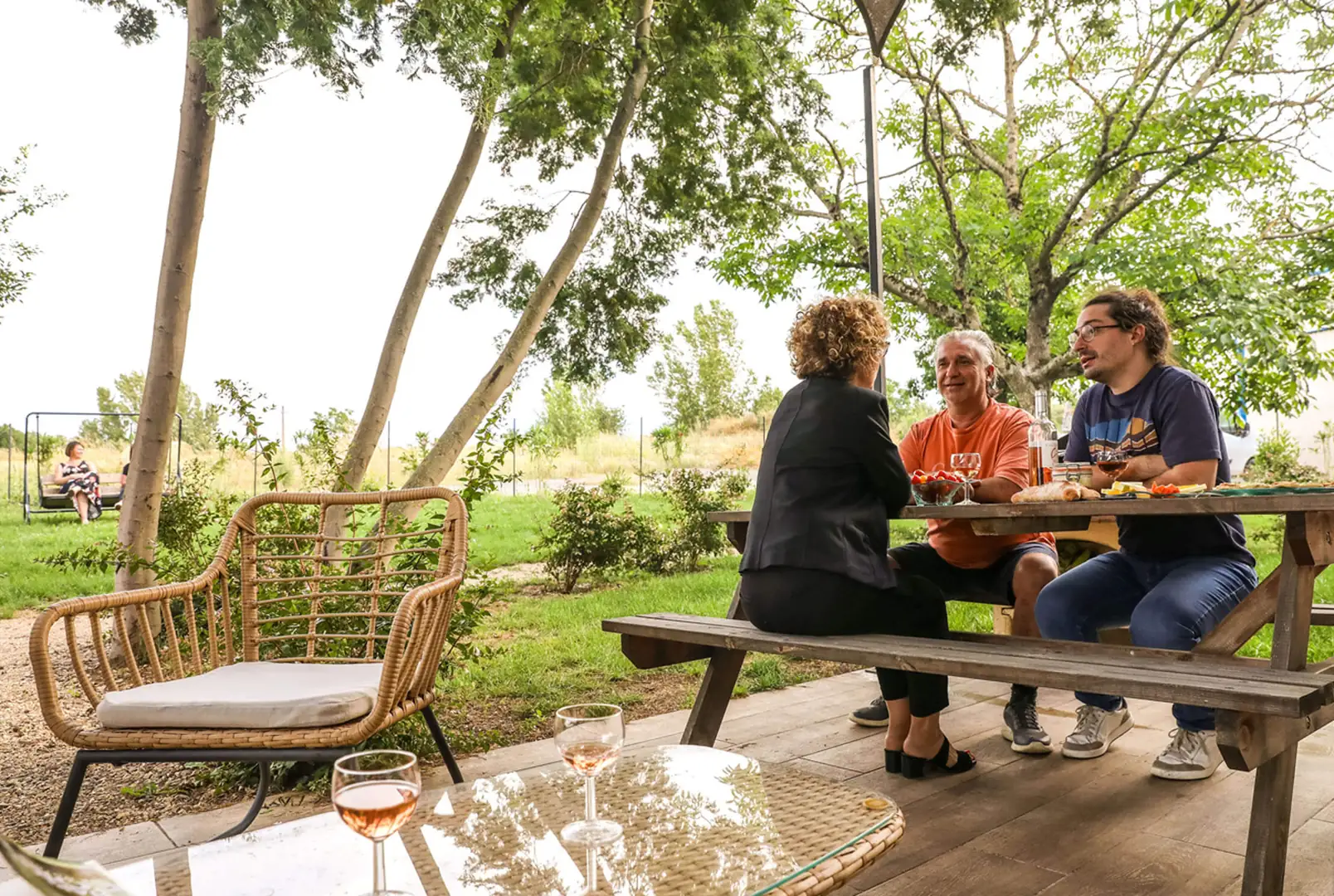
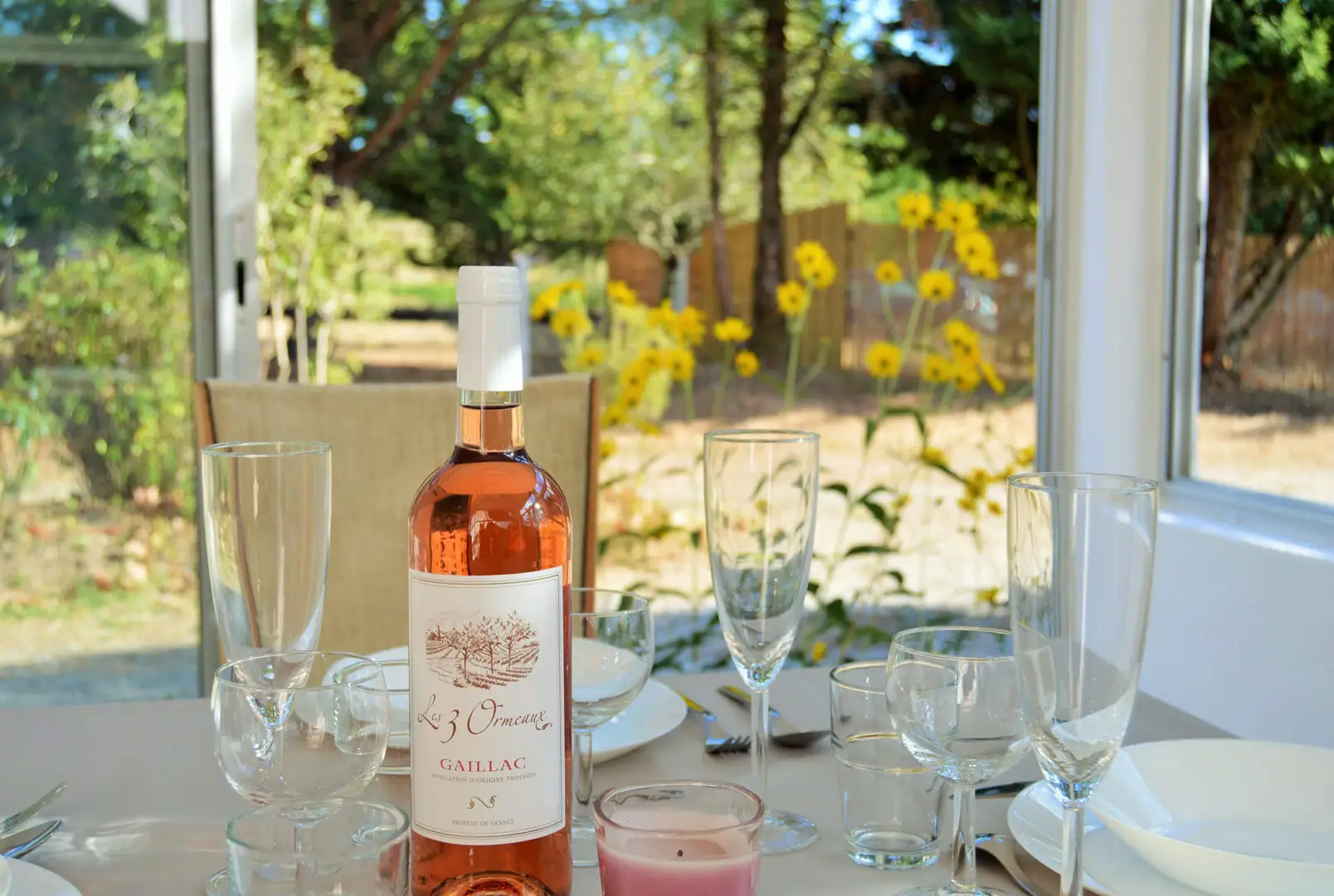
The bastides of the Tarn are also exceptional food and drink destinations. Perfect souvenirs to pack in your bags: Gaillac AOC wines (white, red, rosé, sparkling), croquants de Cordes (delicious dry almond biscuits, a local speciality), artisan ceramics, local produce (honey, duck confit, foie gras) and creations from the many craftspeople and artists based in the bastides.
Les Cottages du Tarn: your ideal base for exploring the bastides
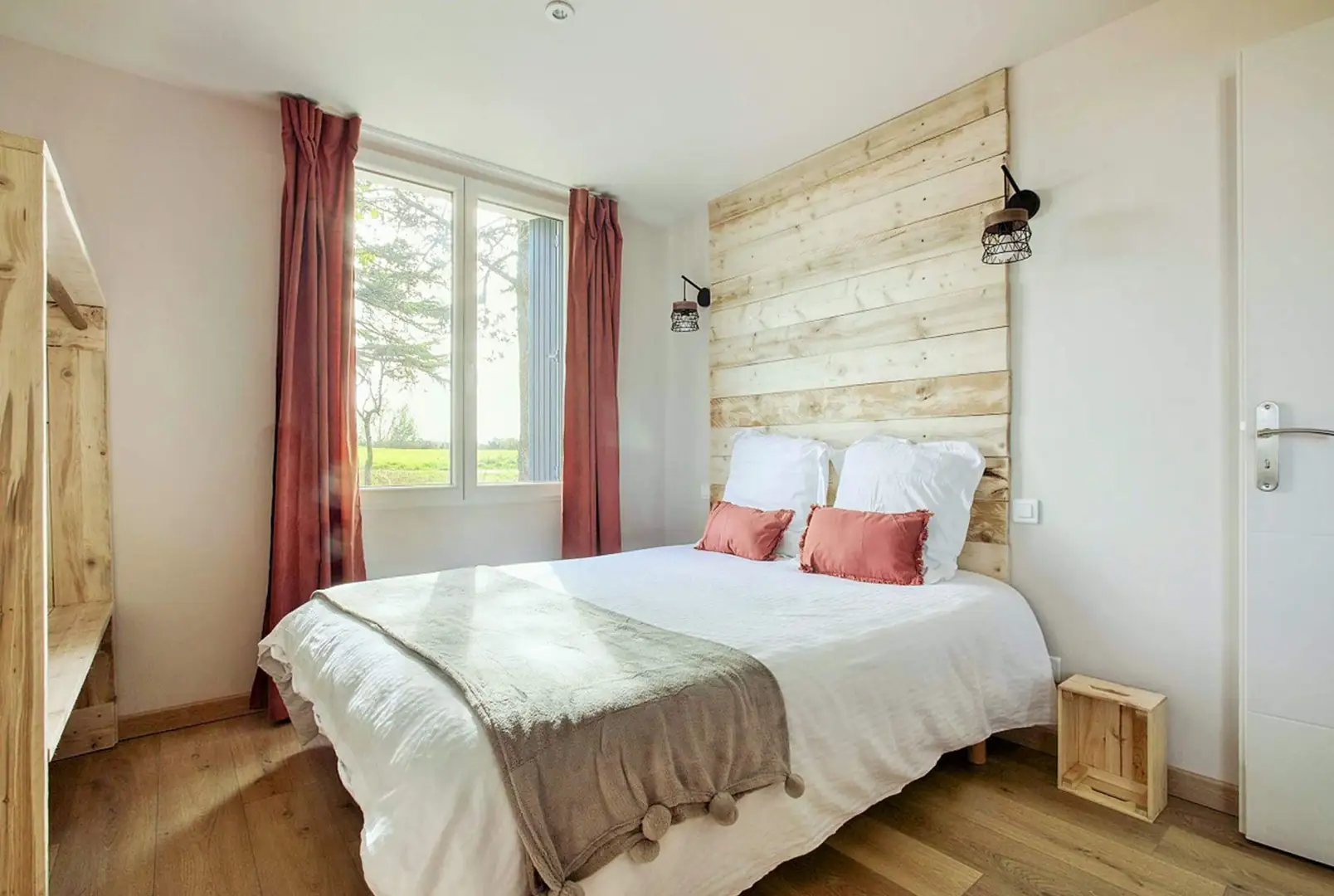
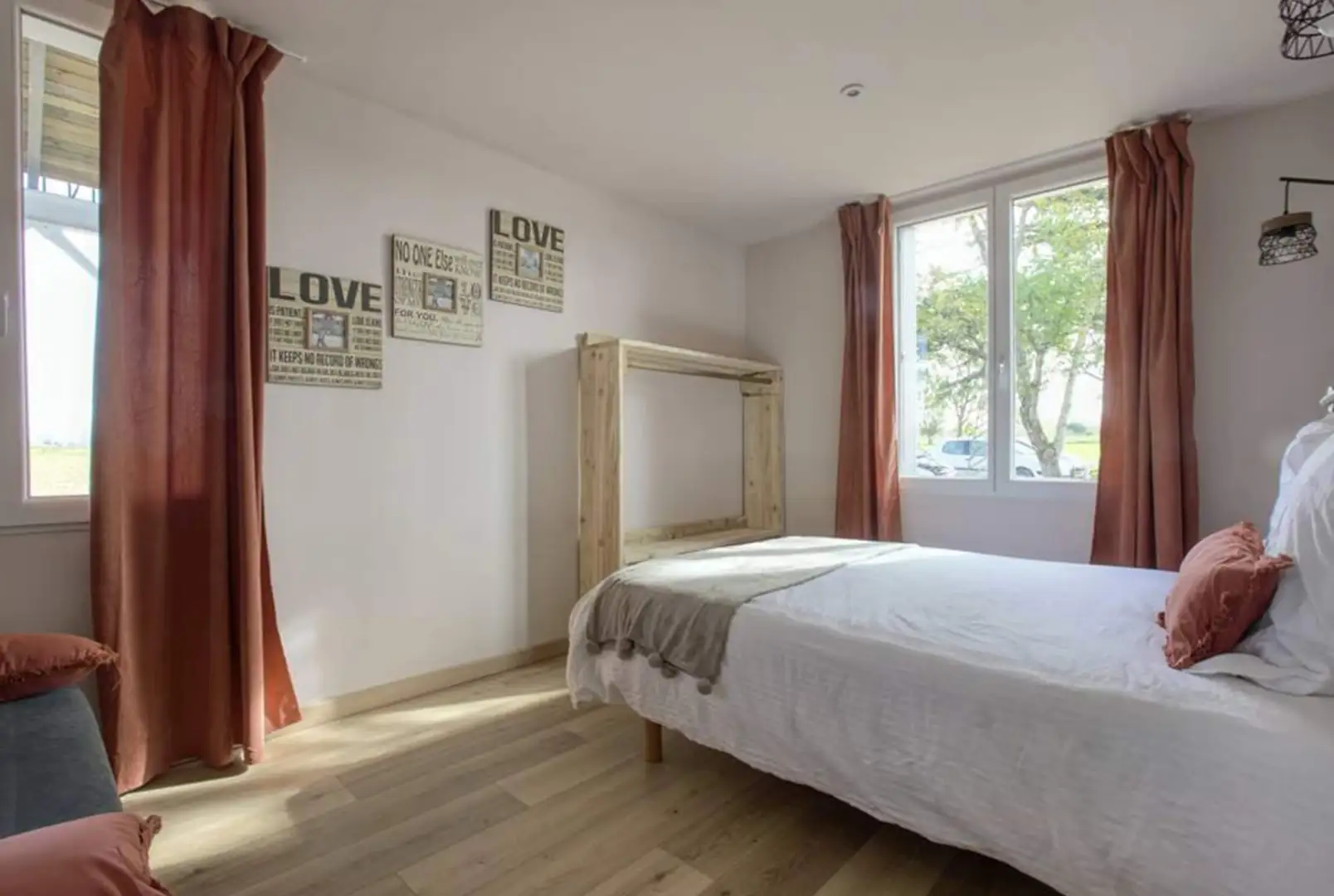
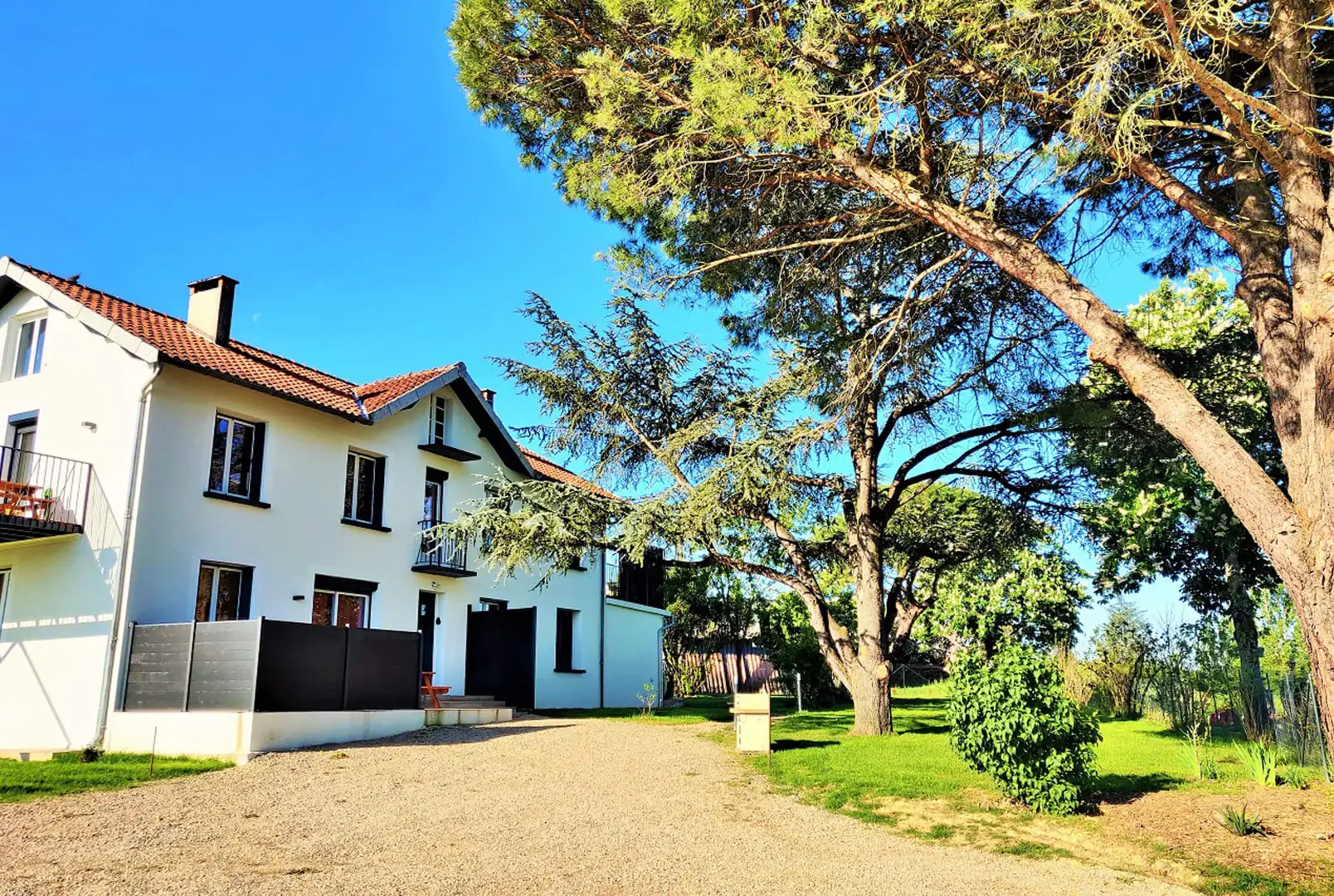
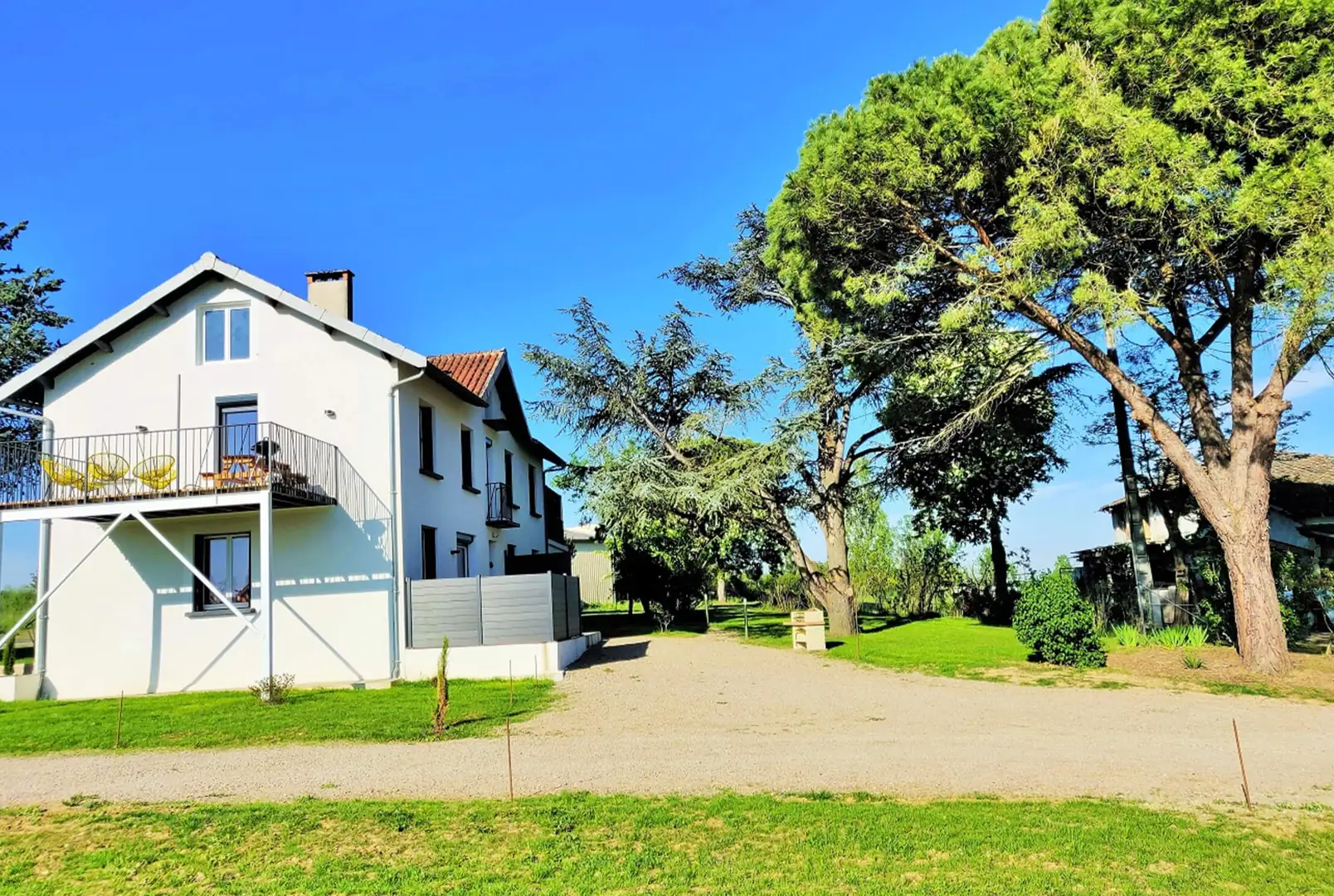
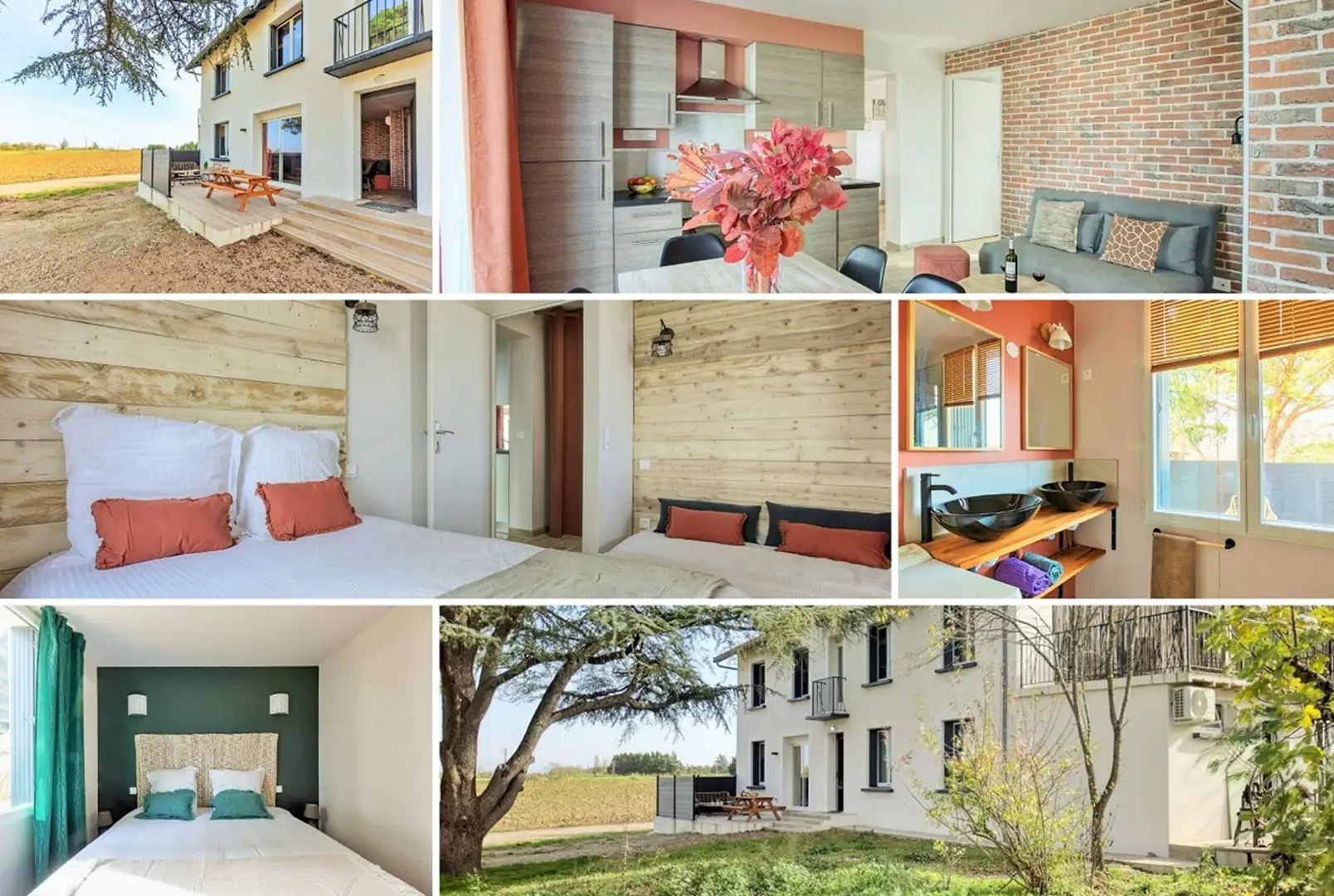
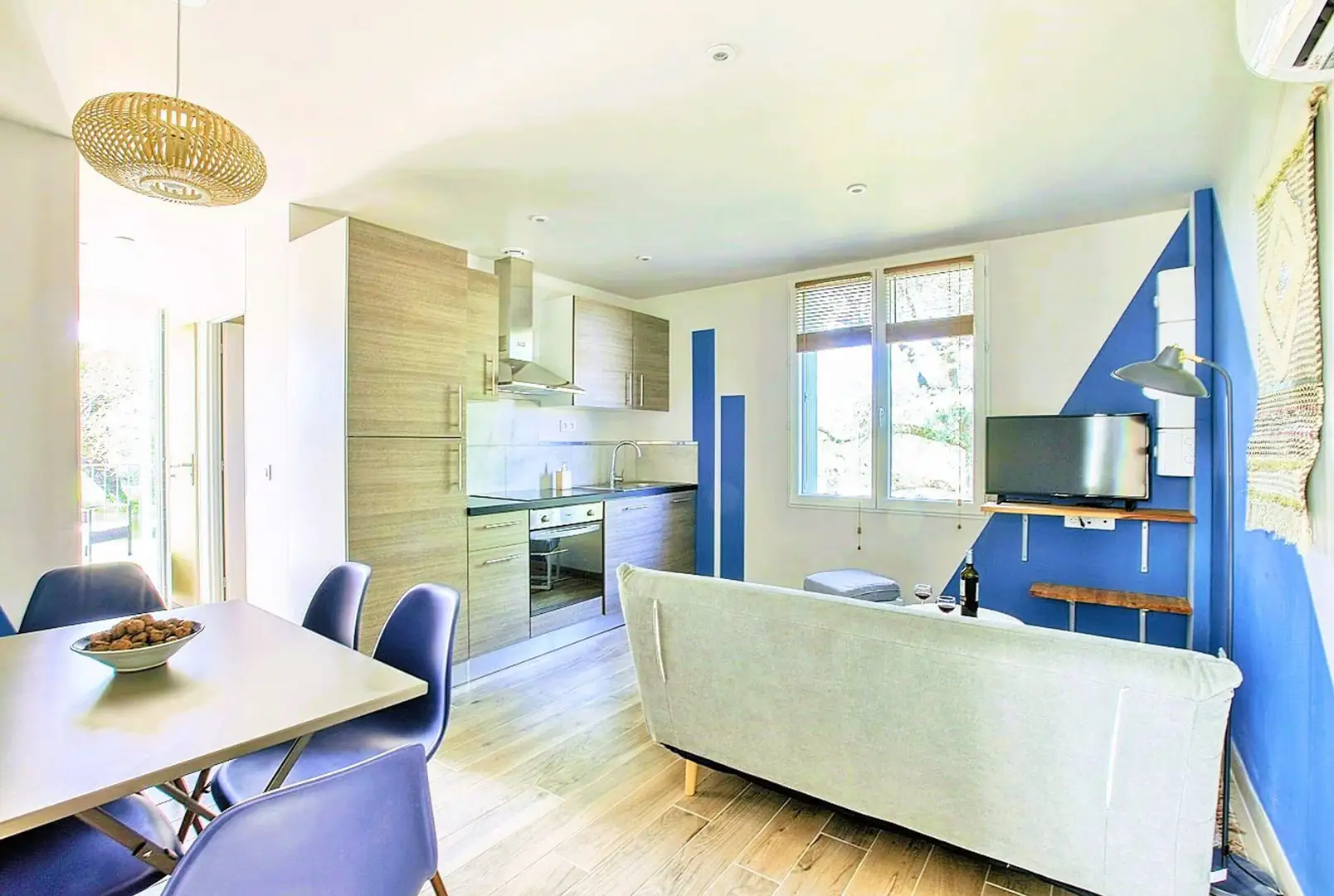
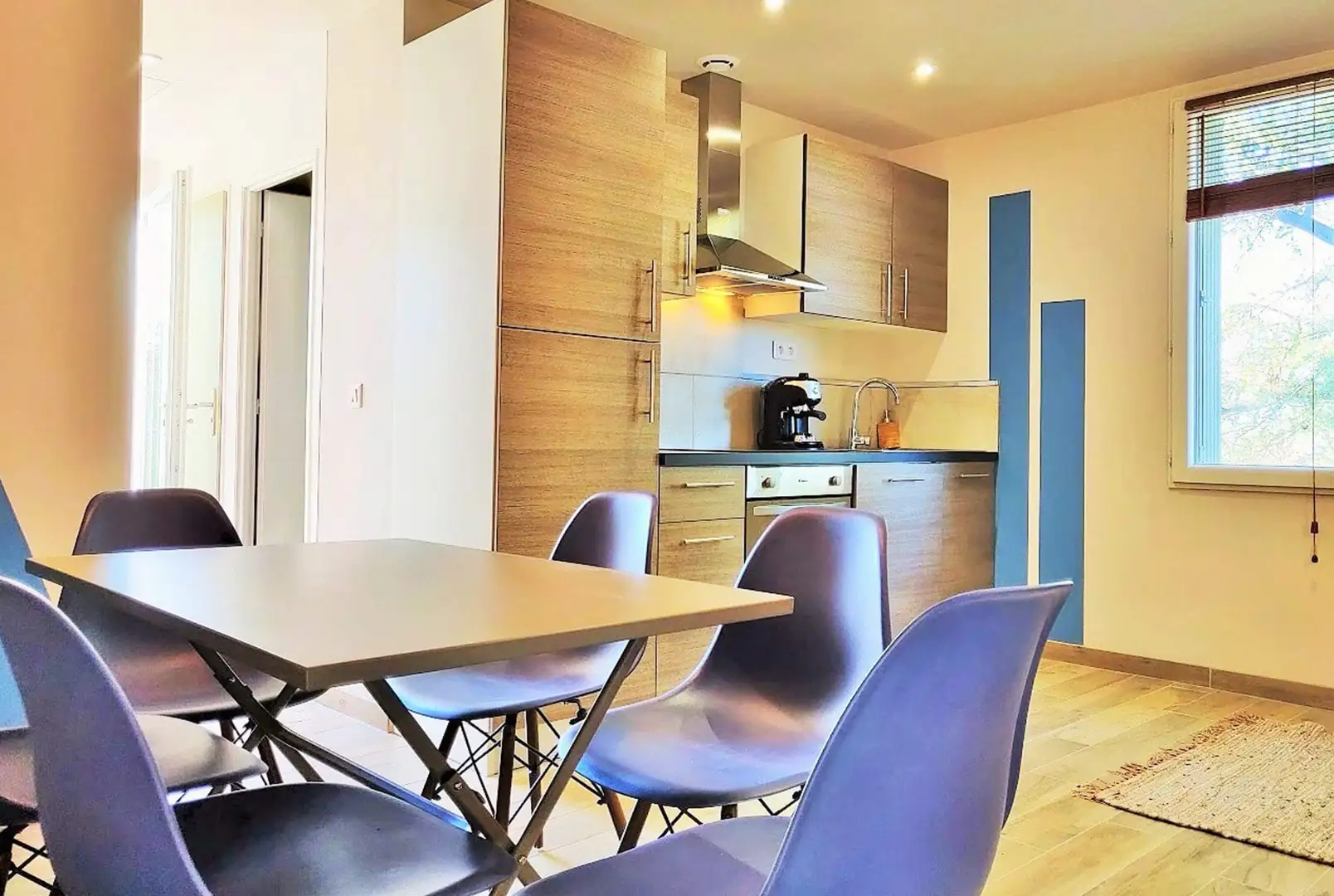
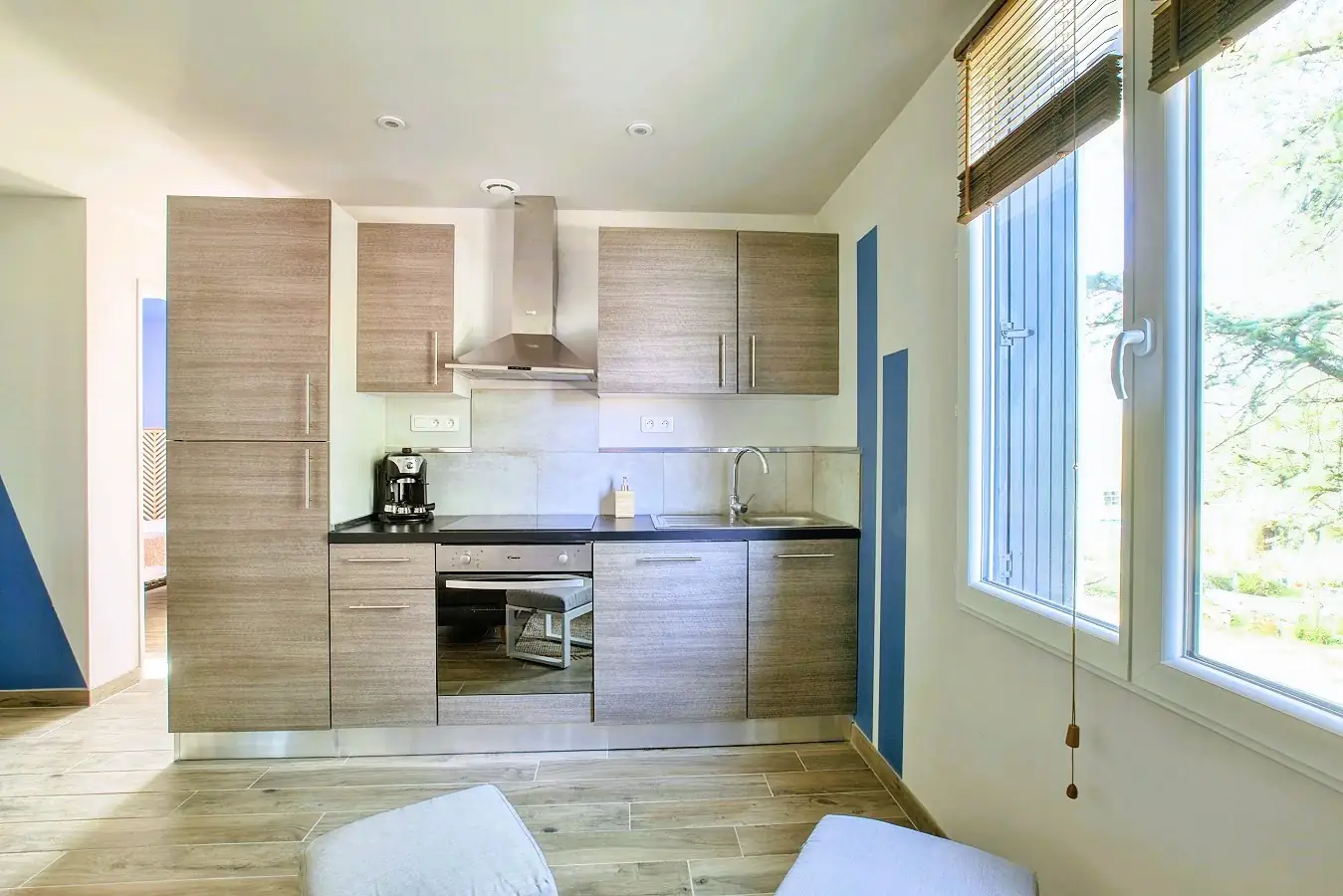
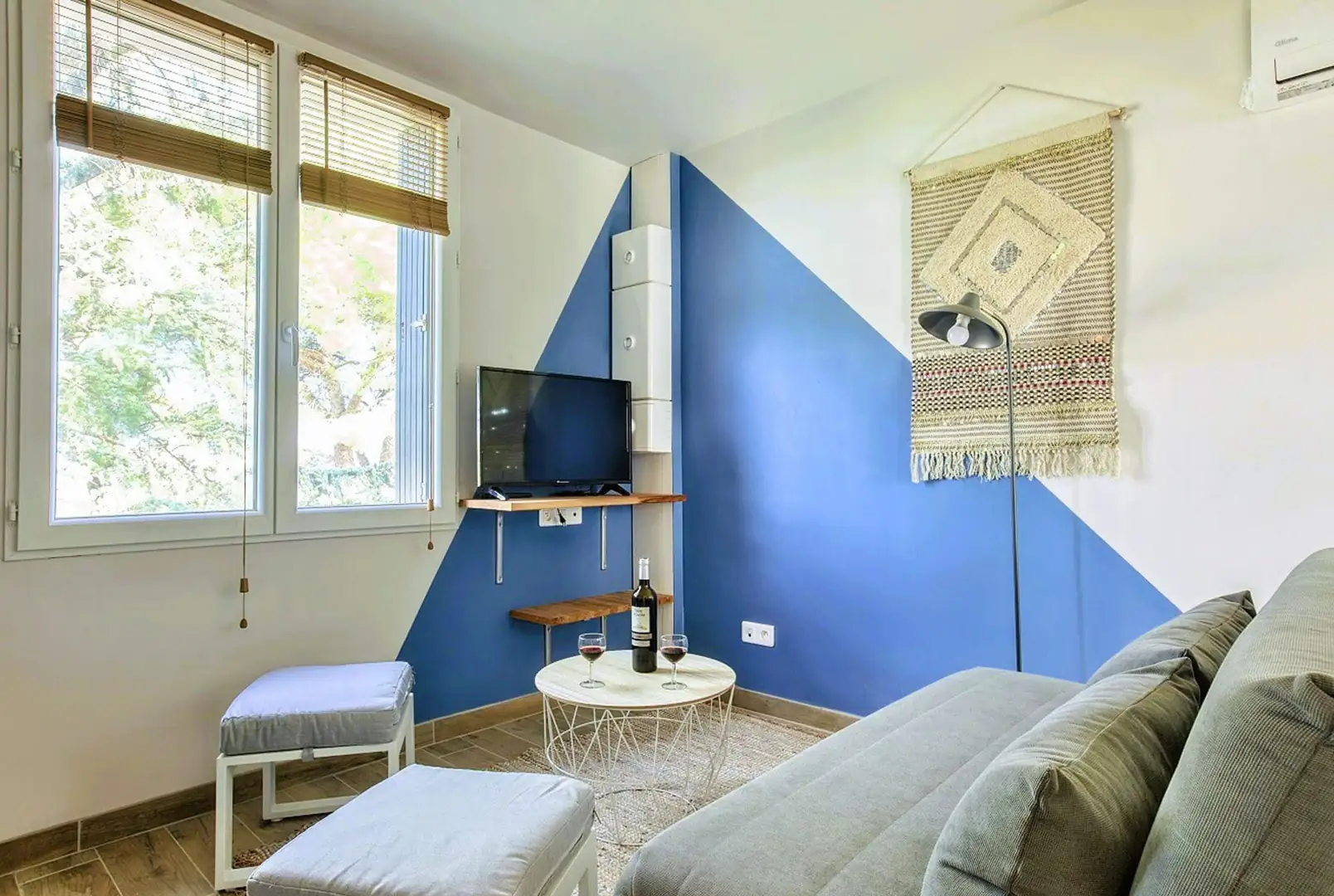
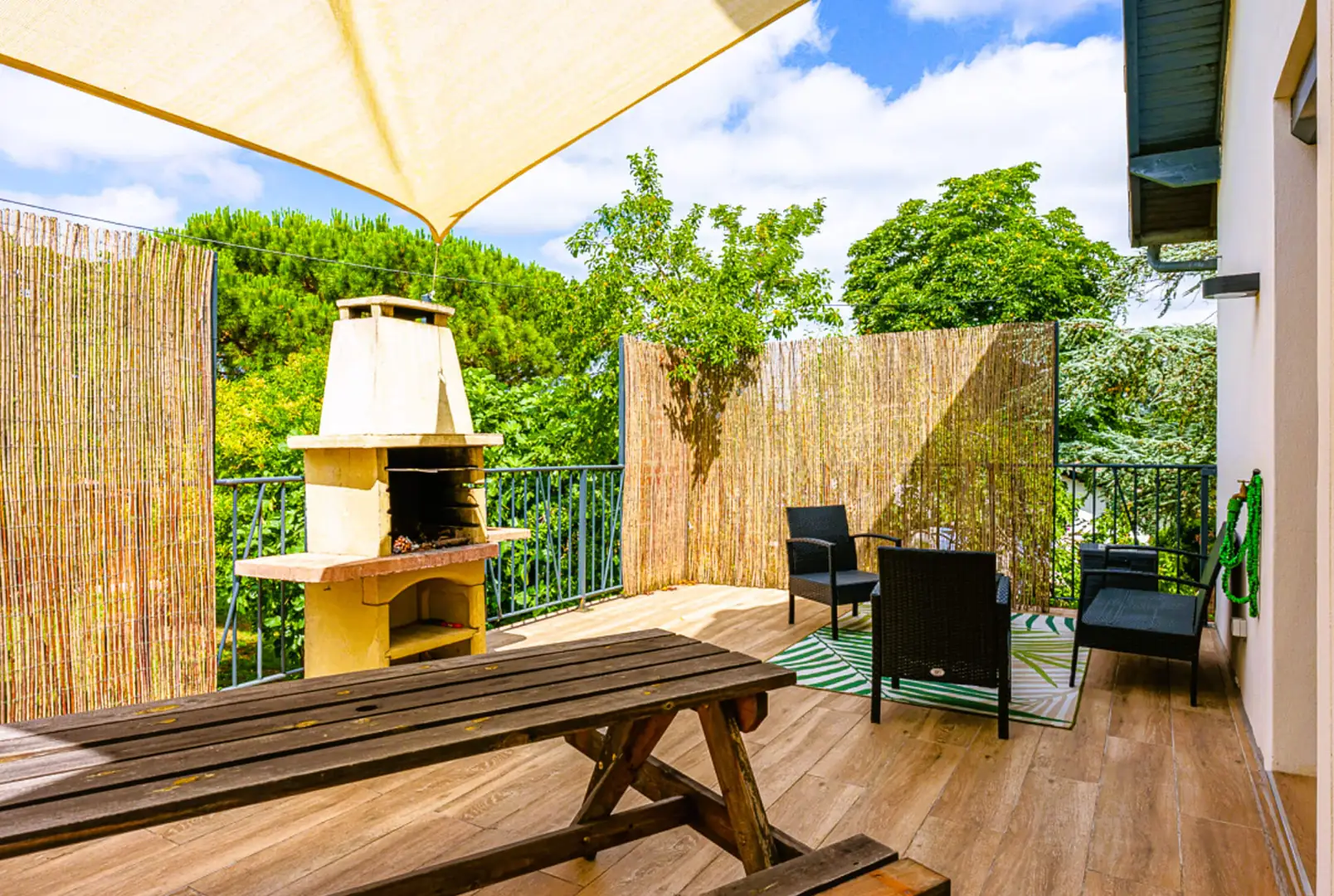
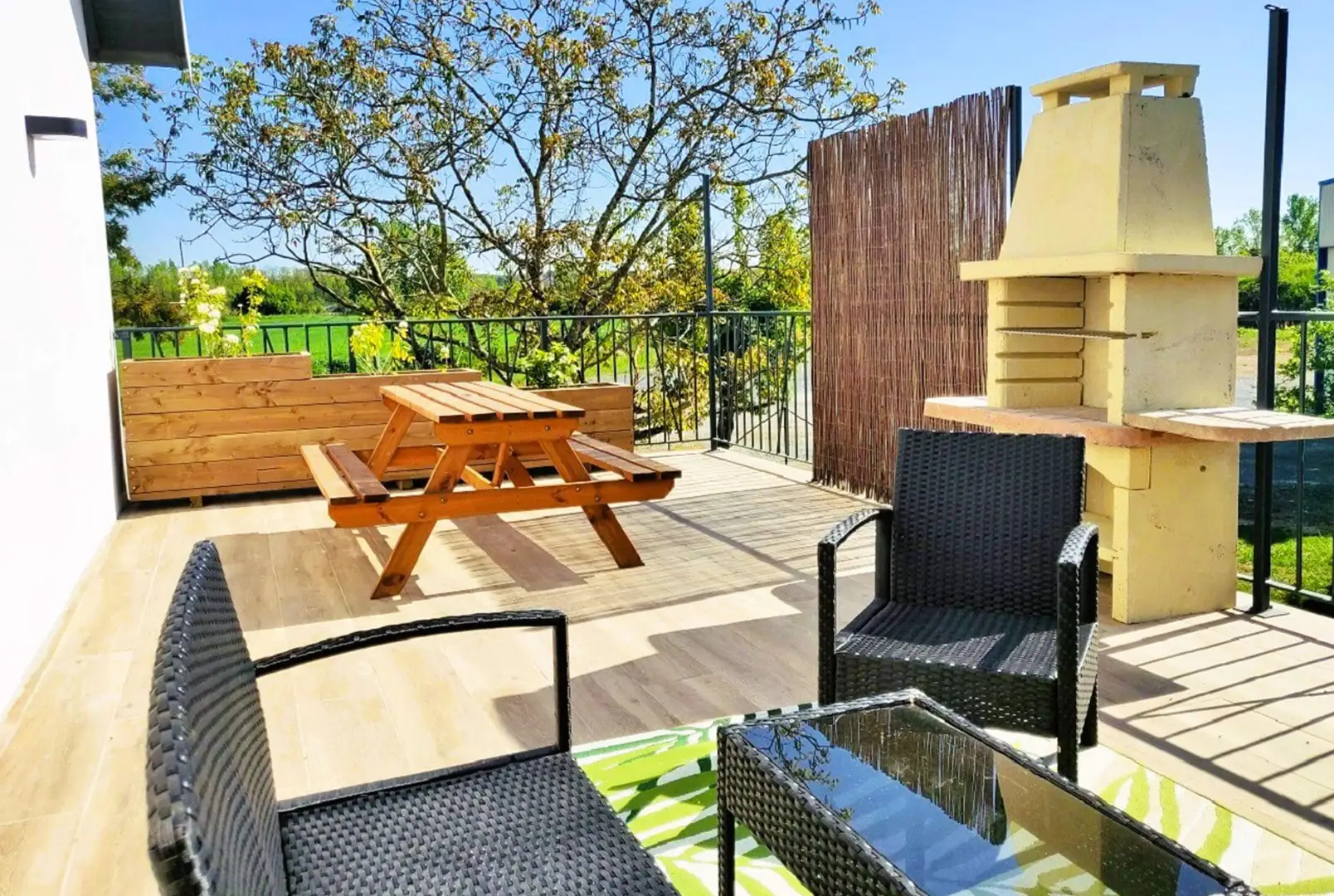
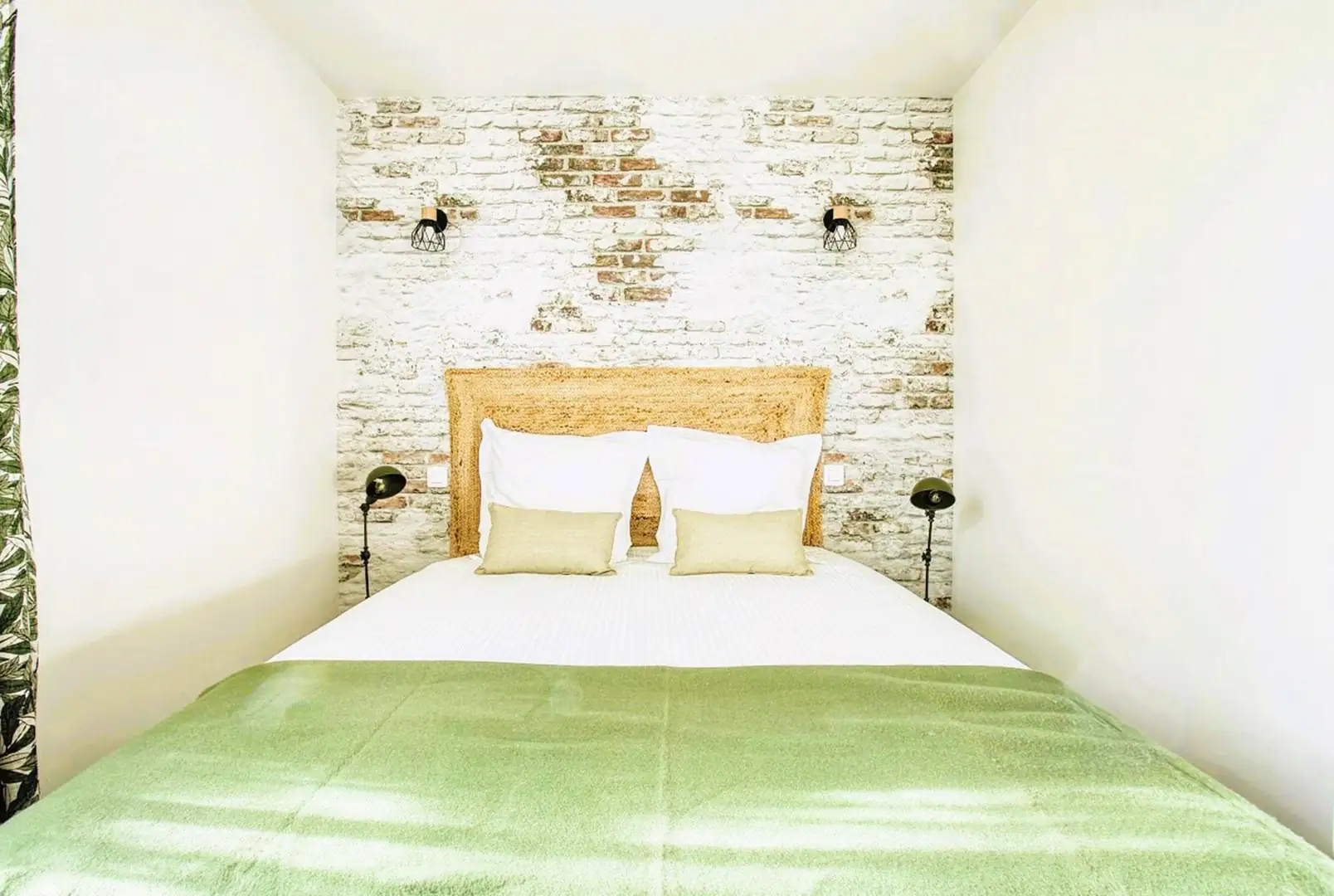
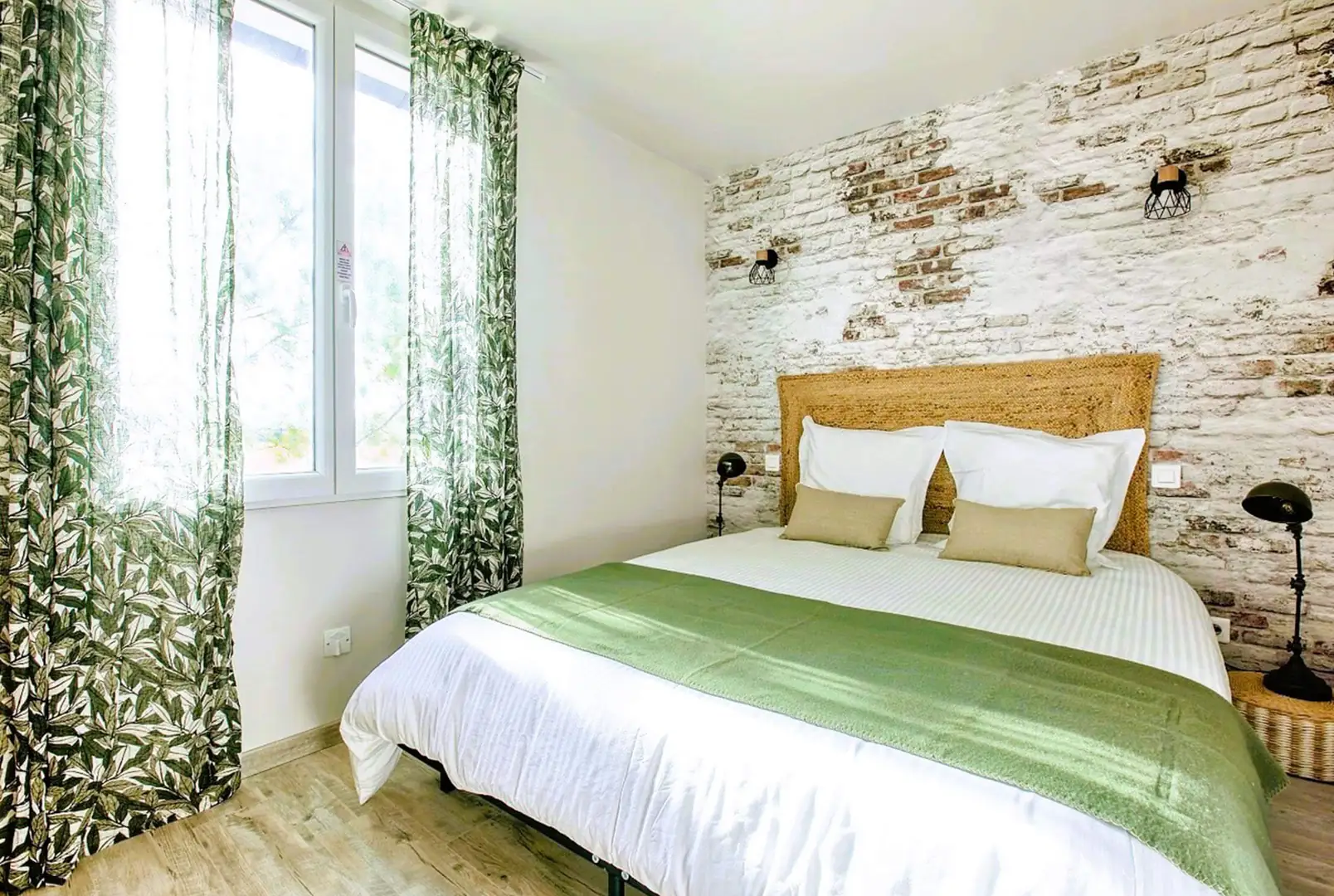
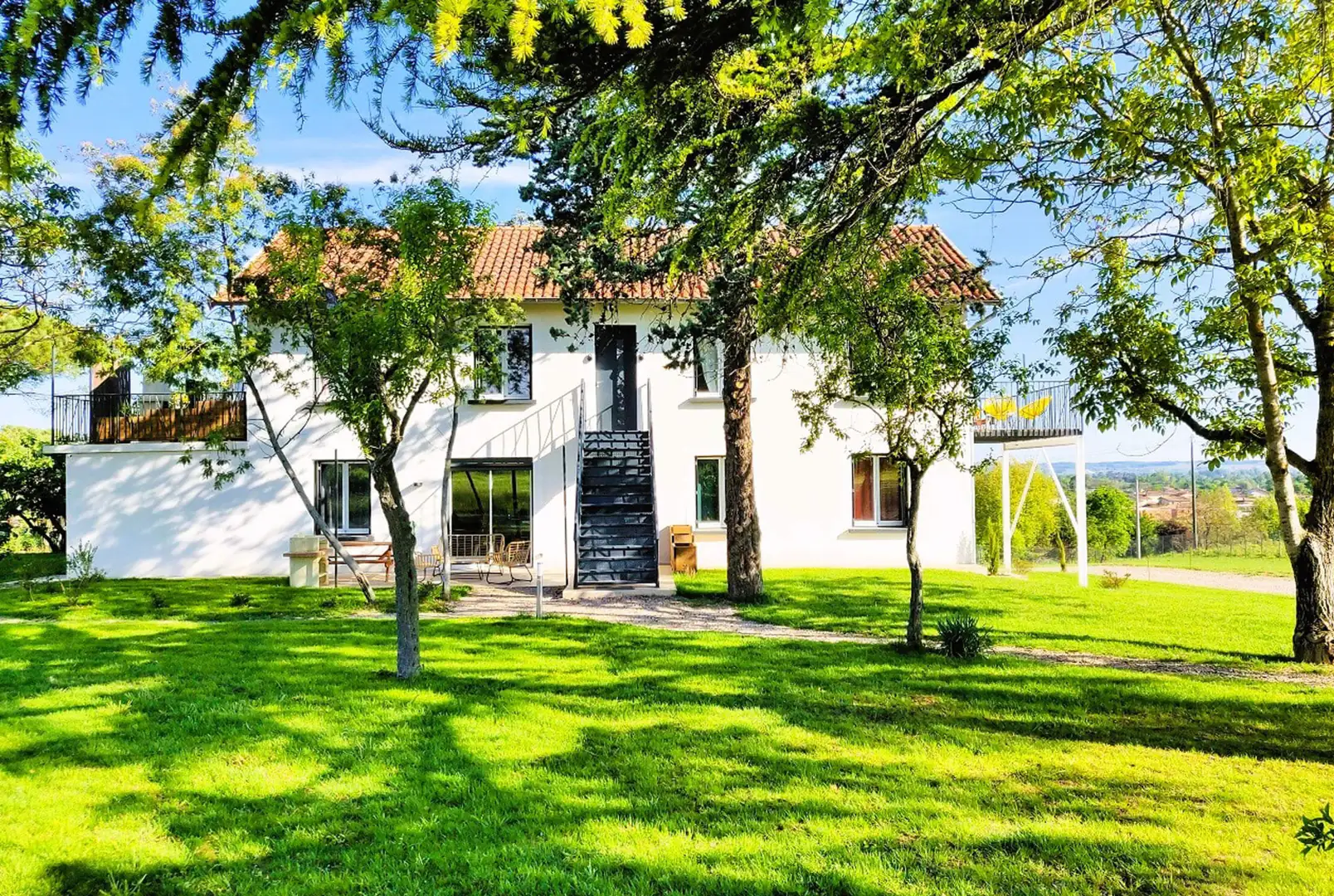
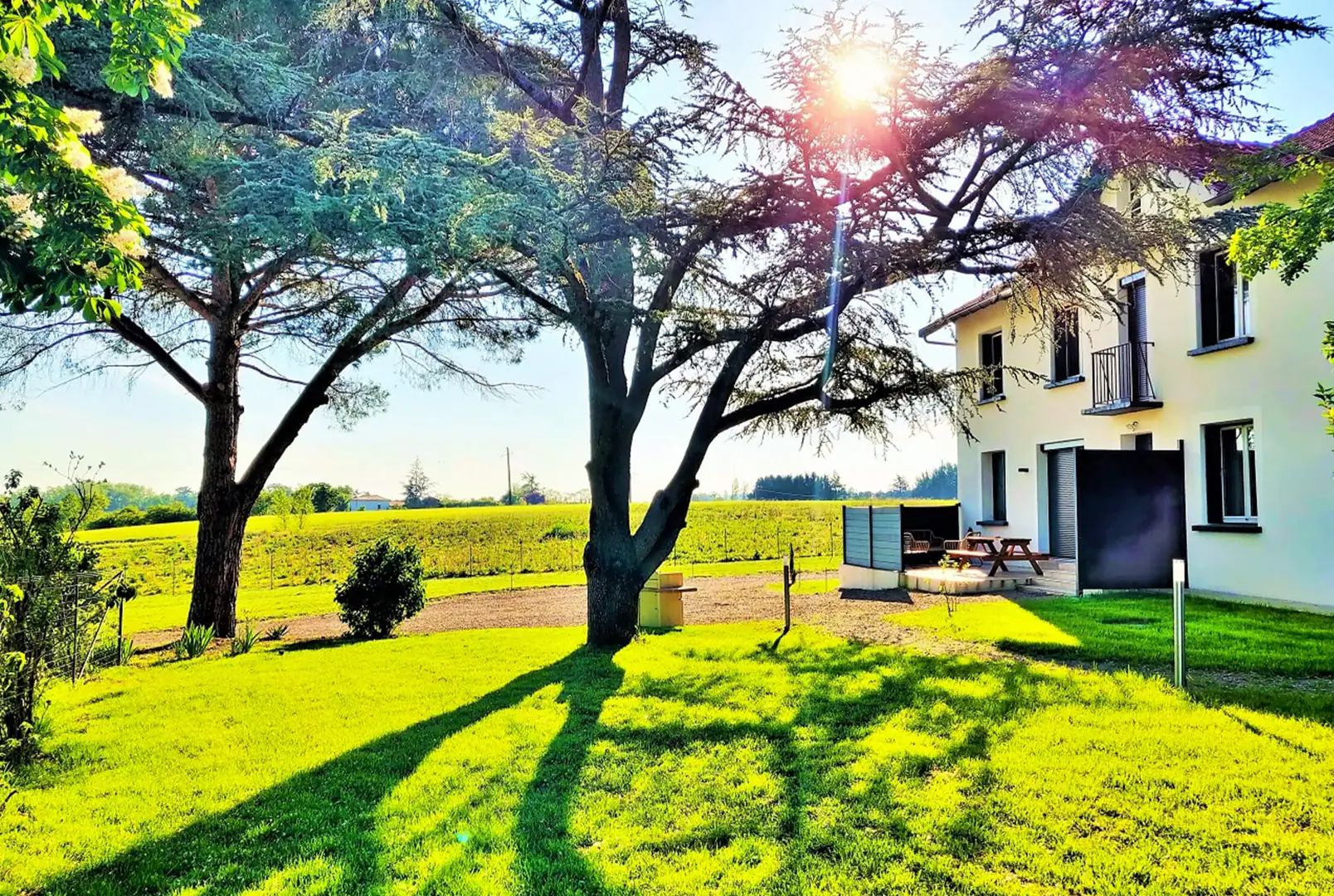
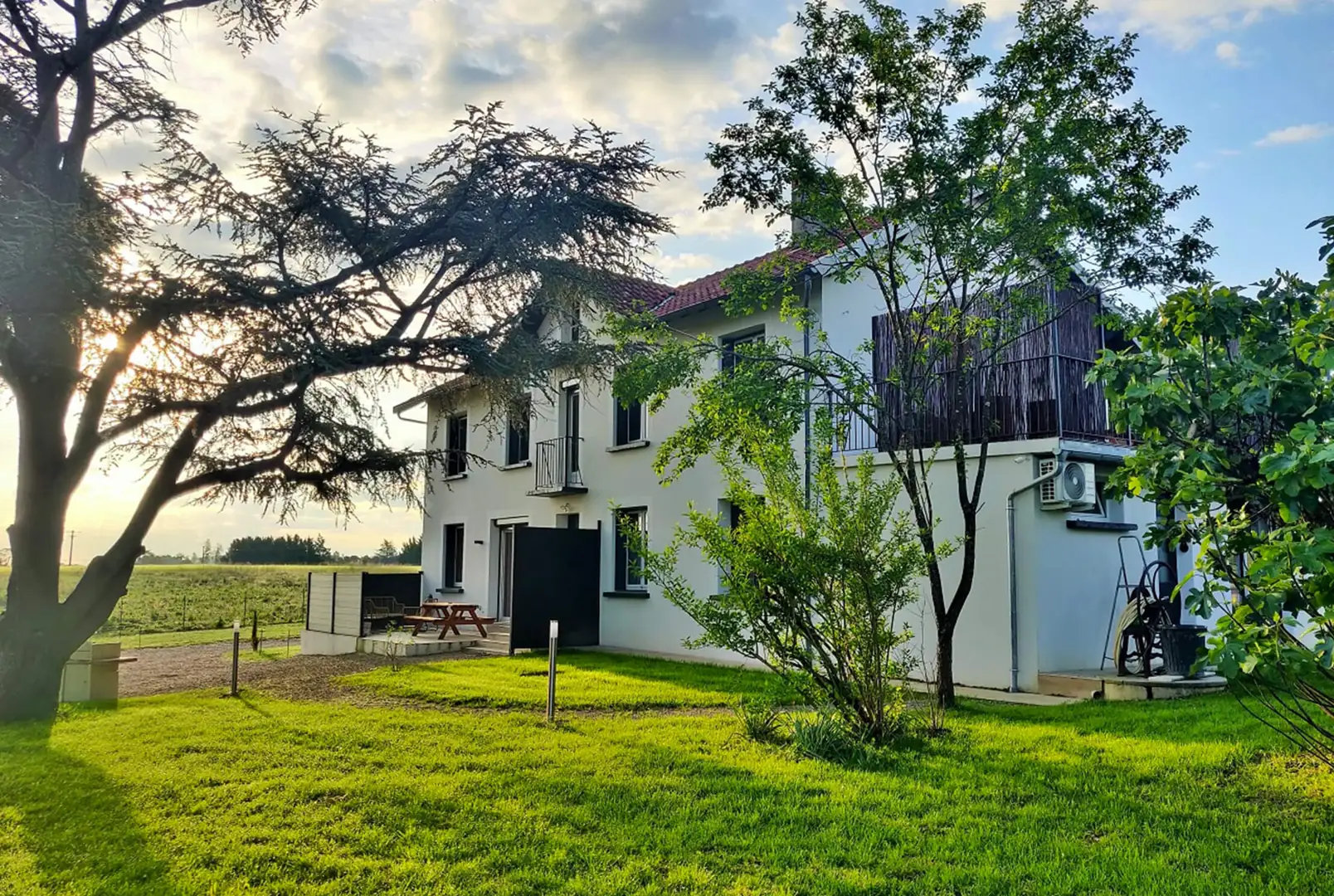
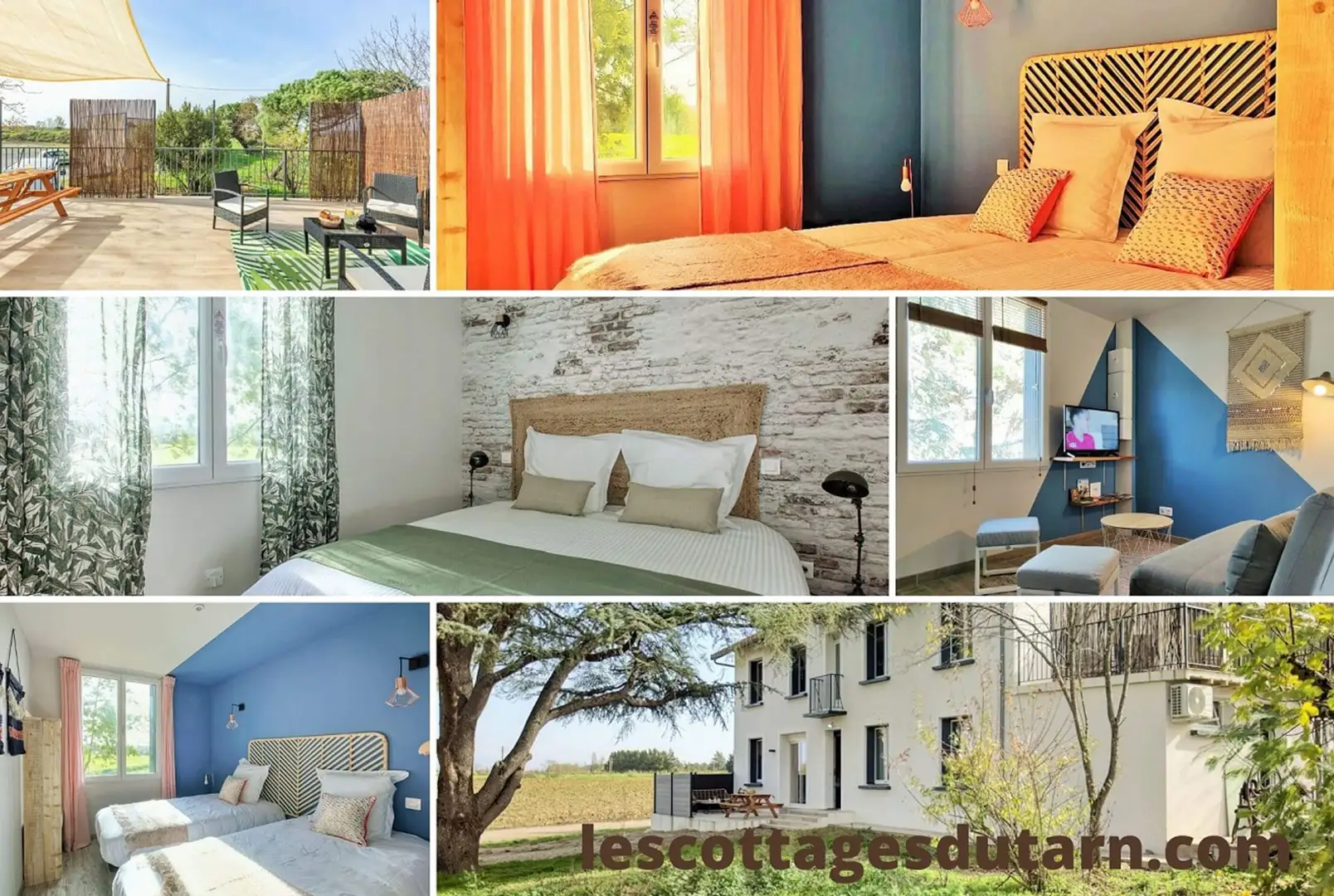
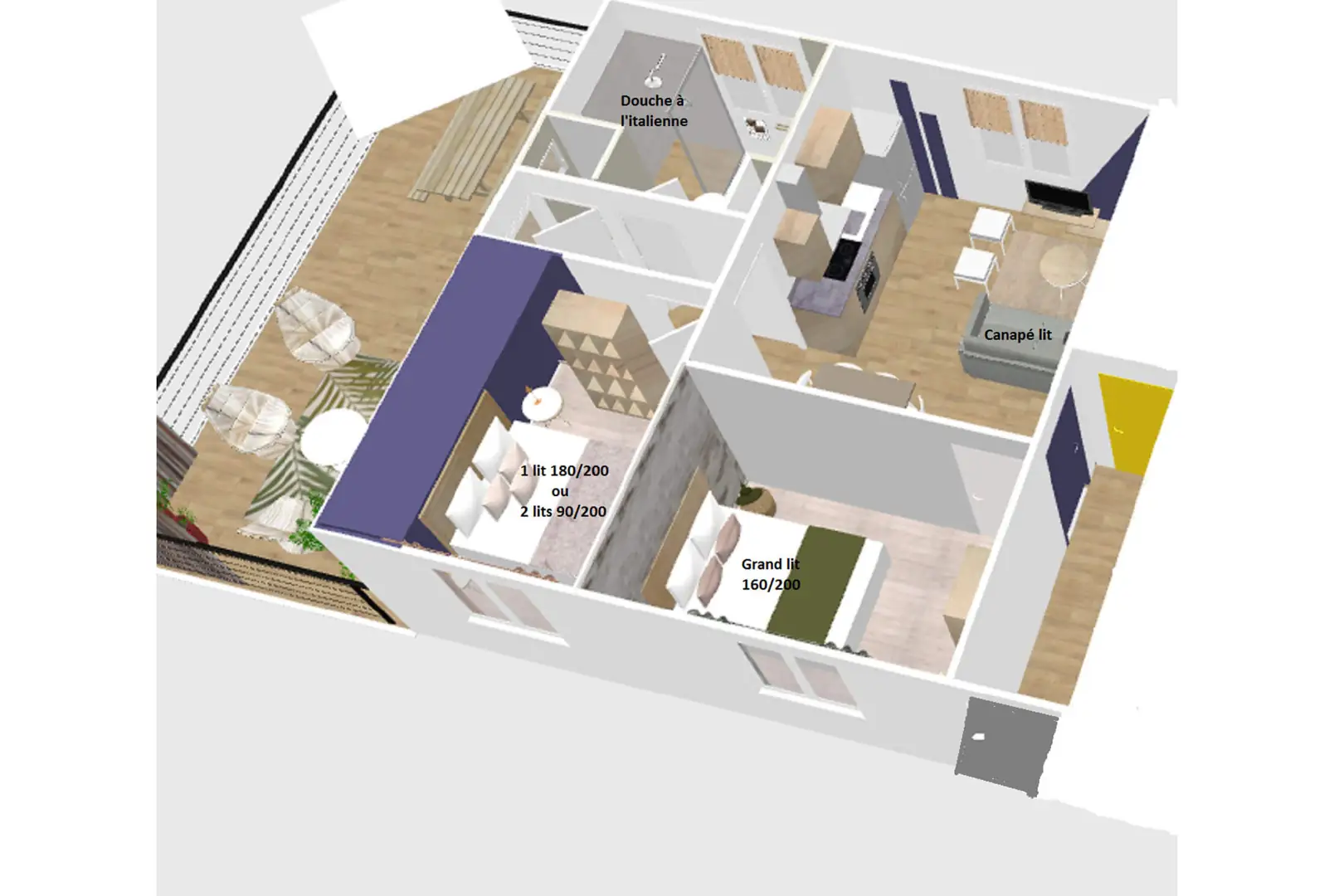
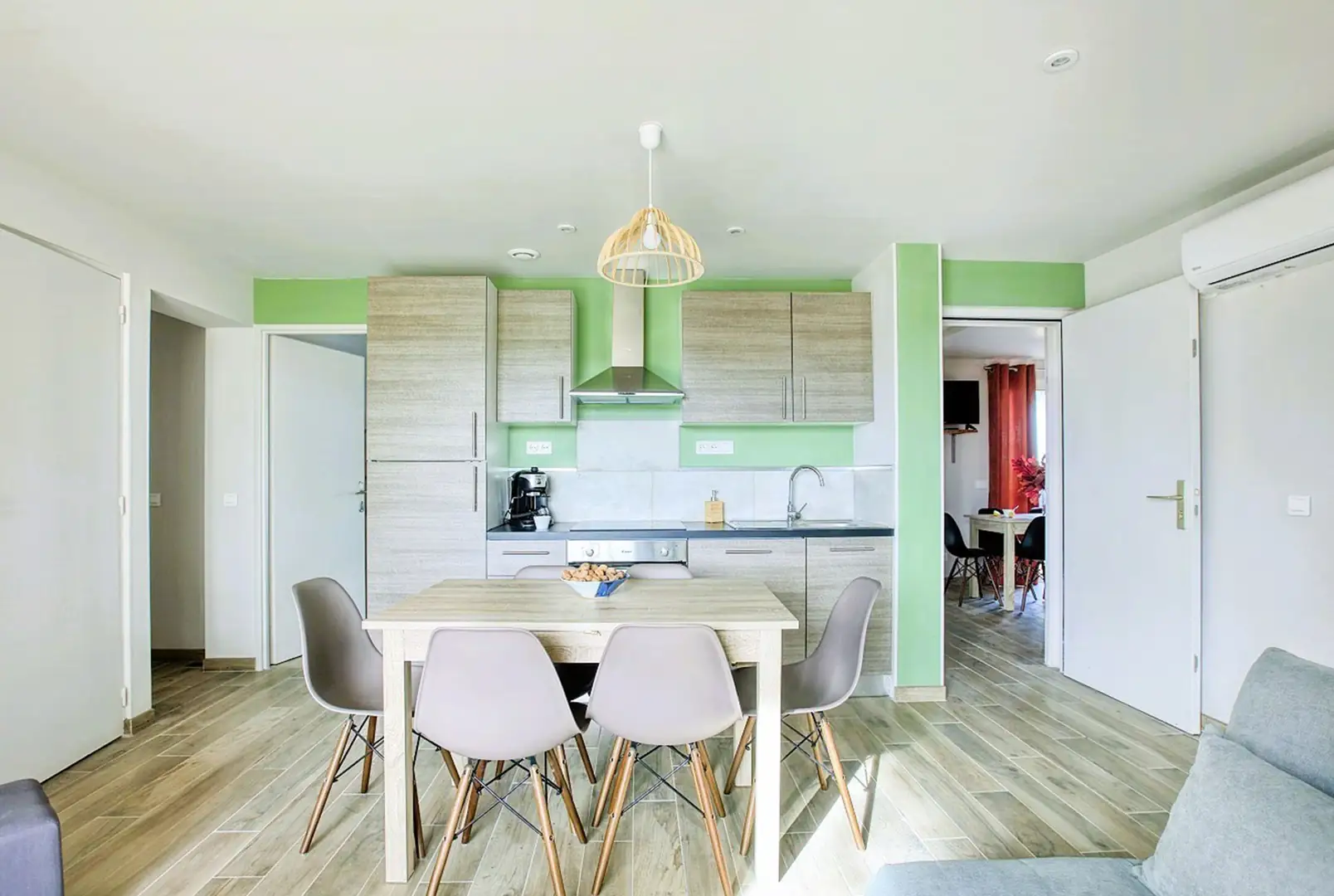
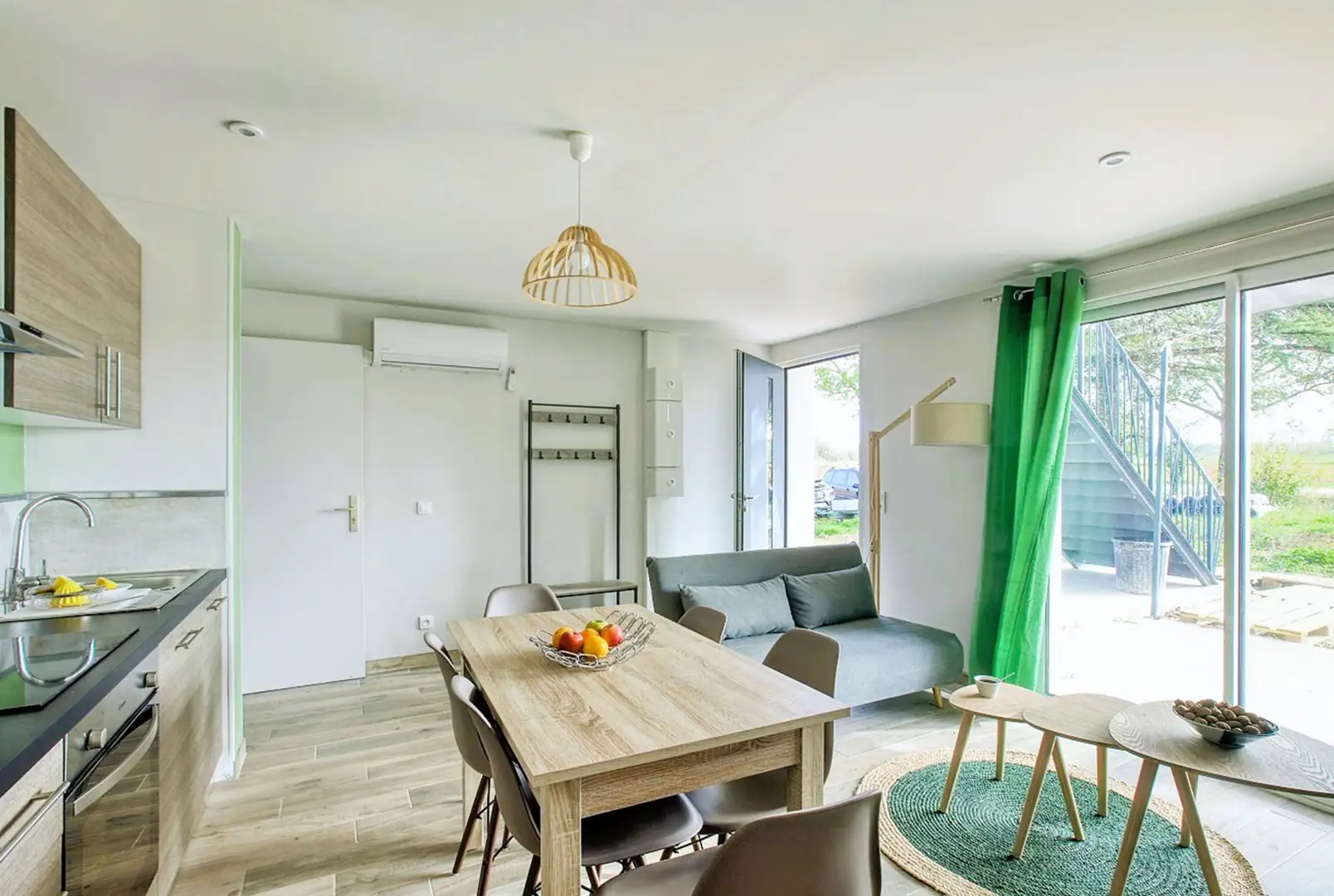
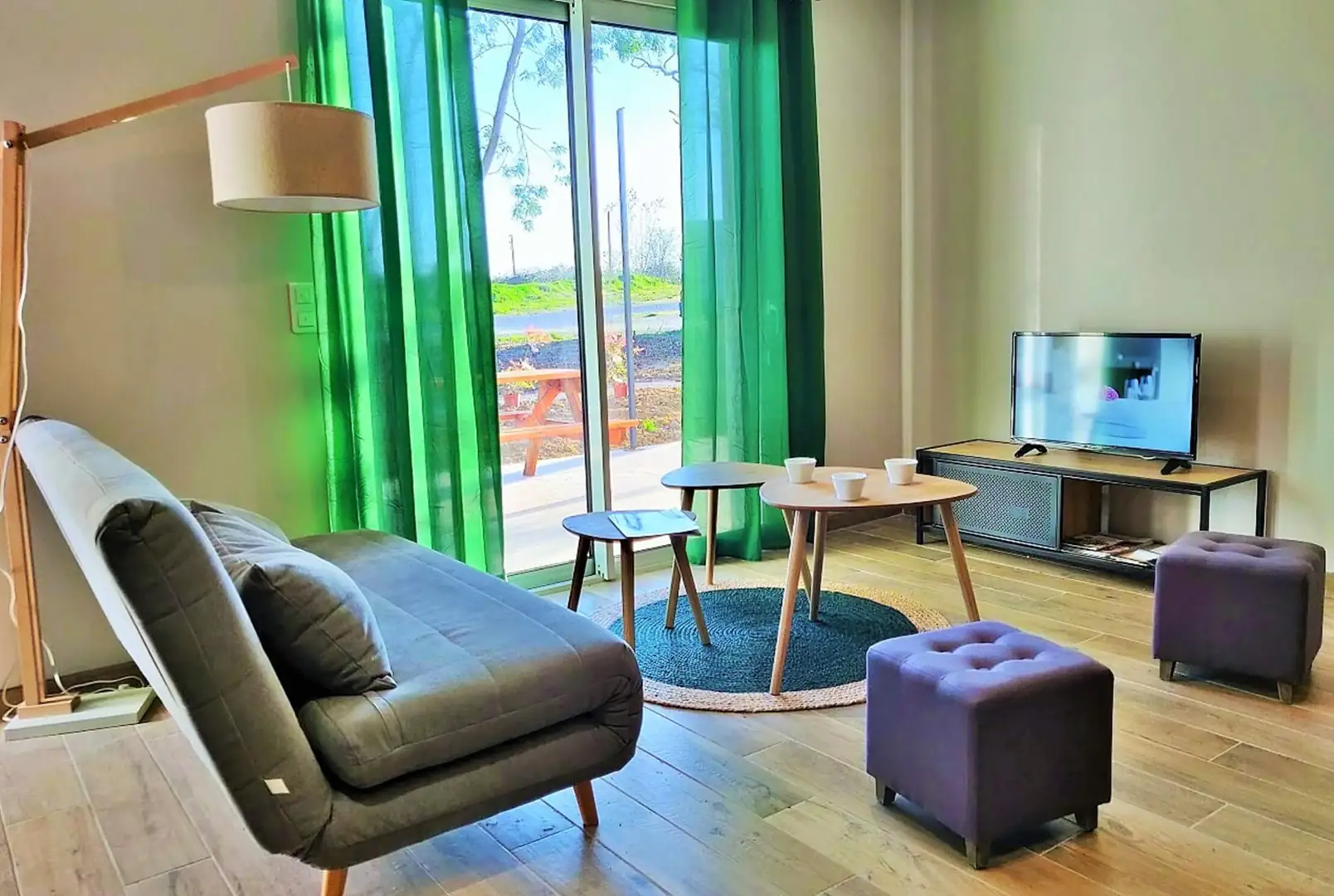
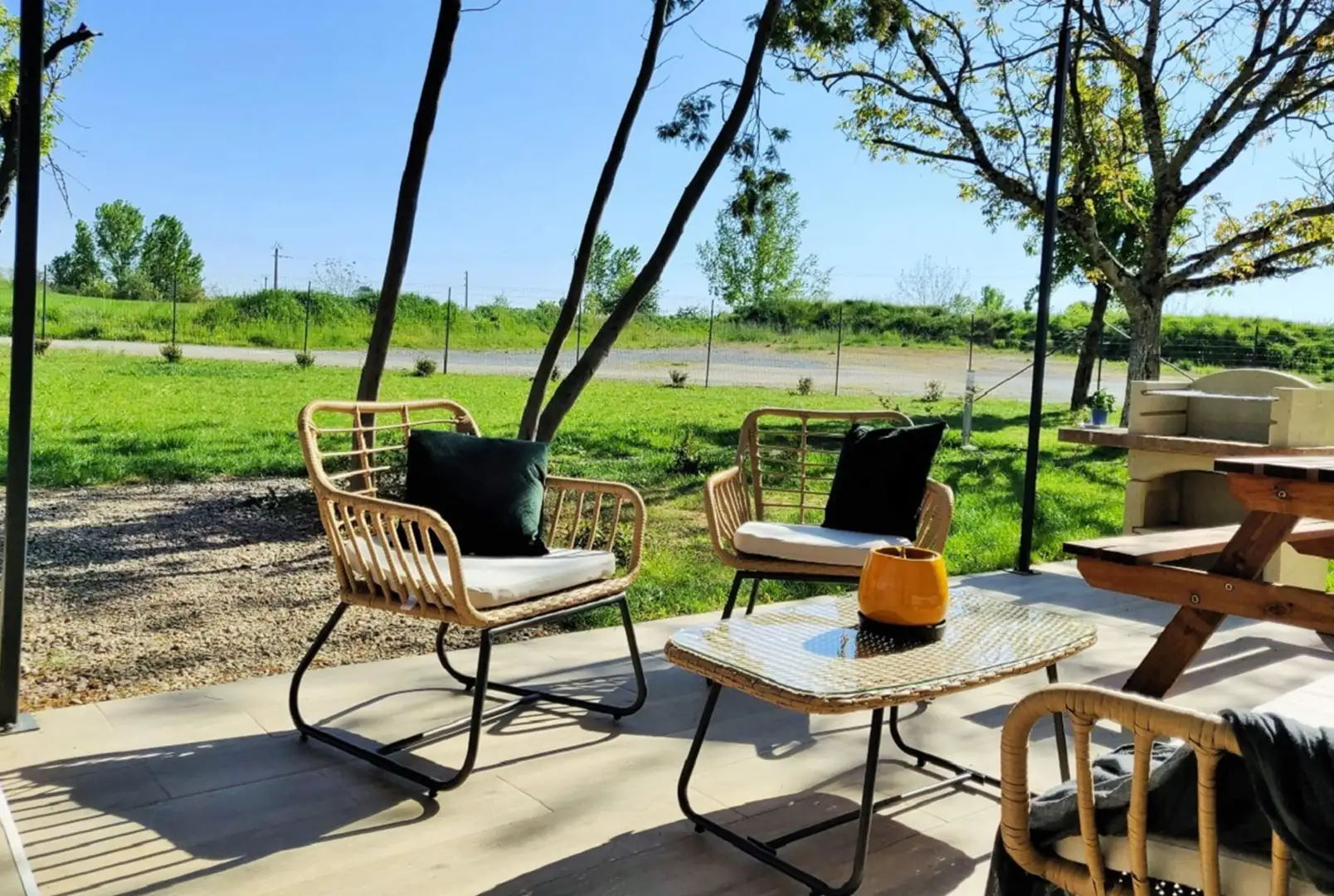
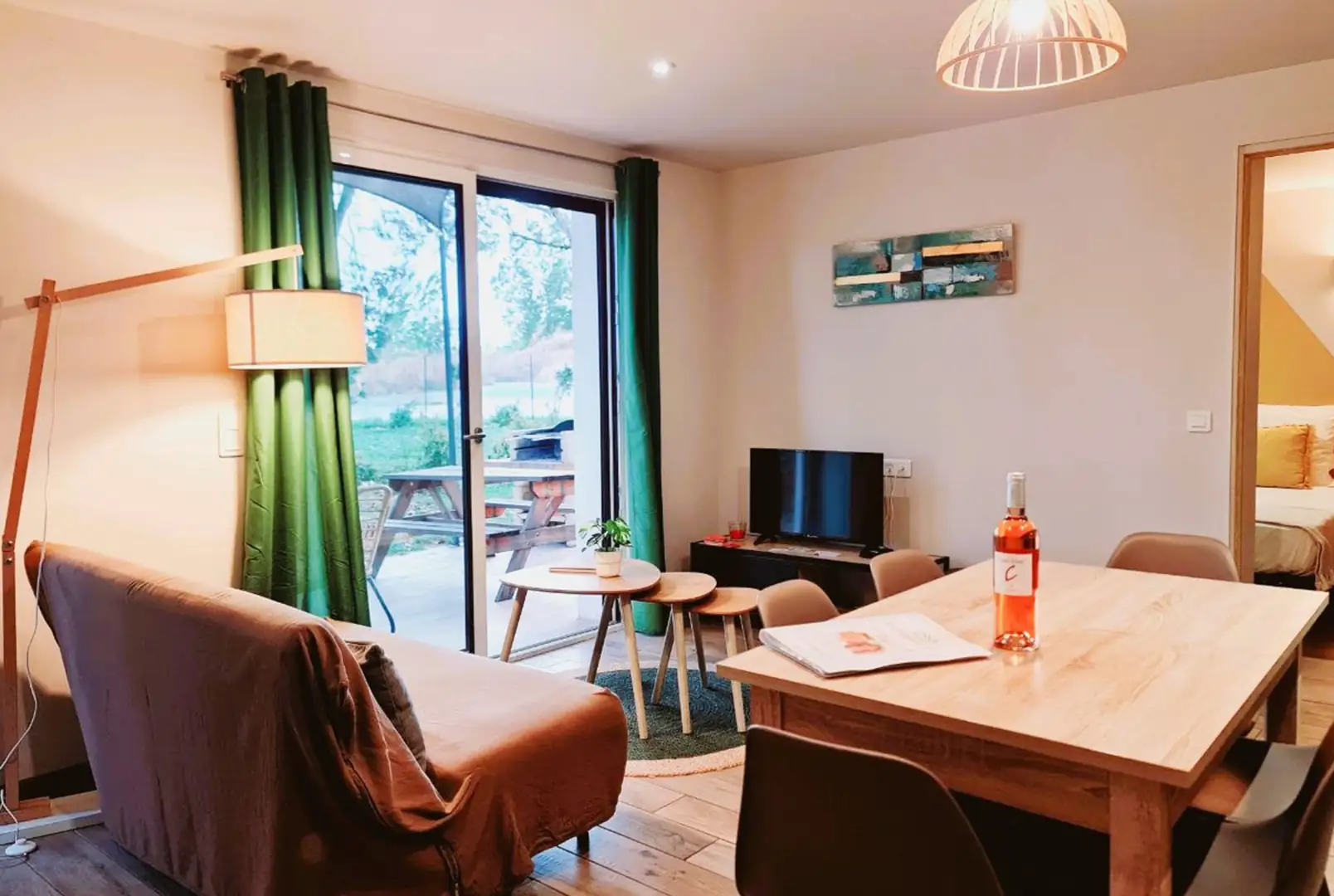
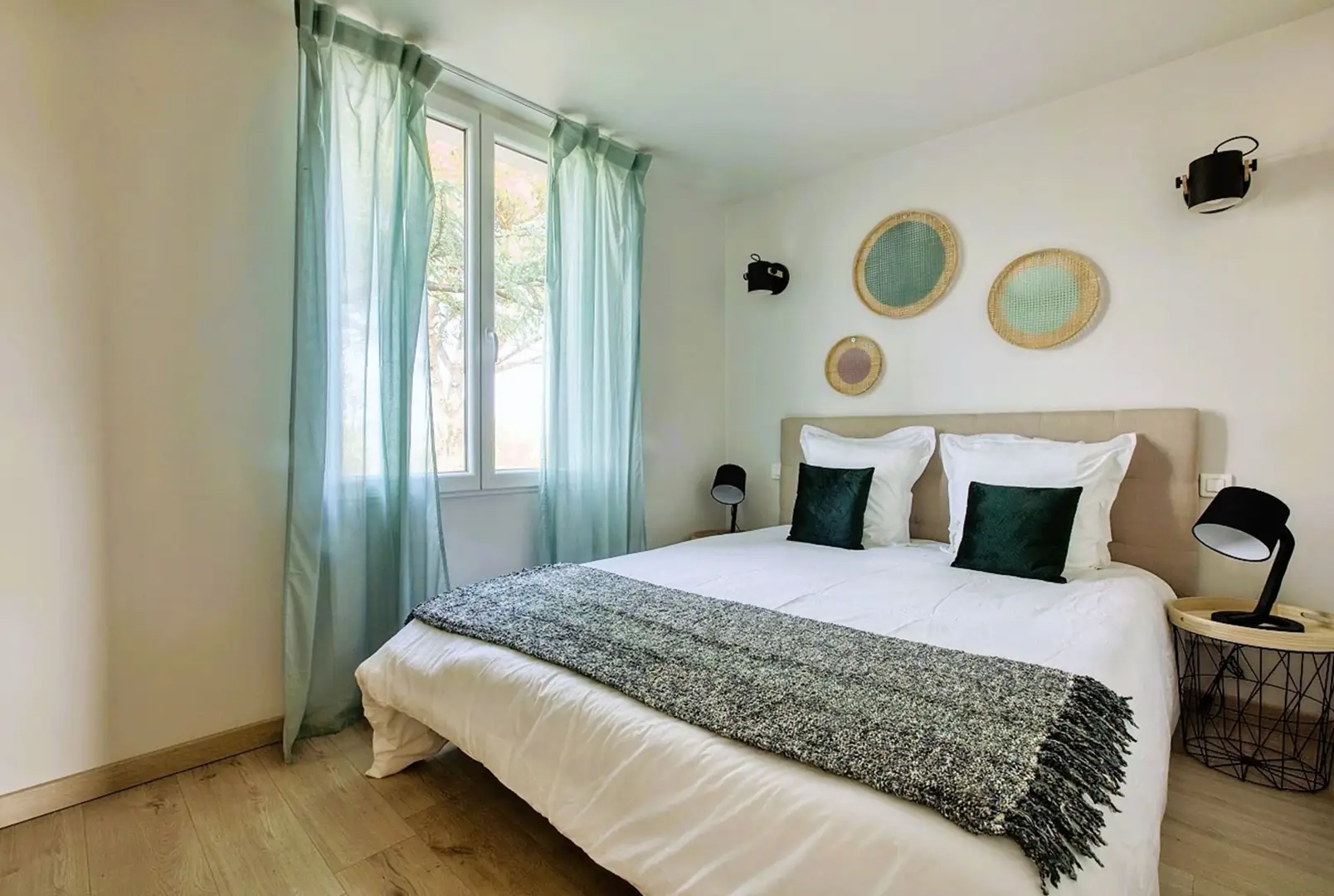
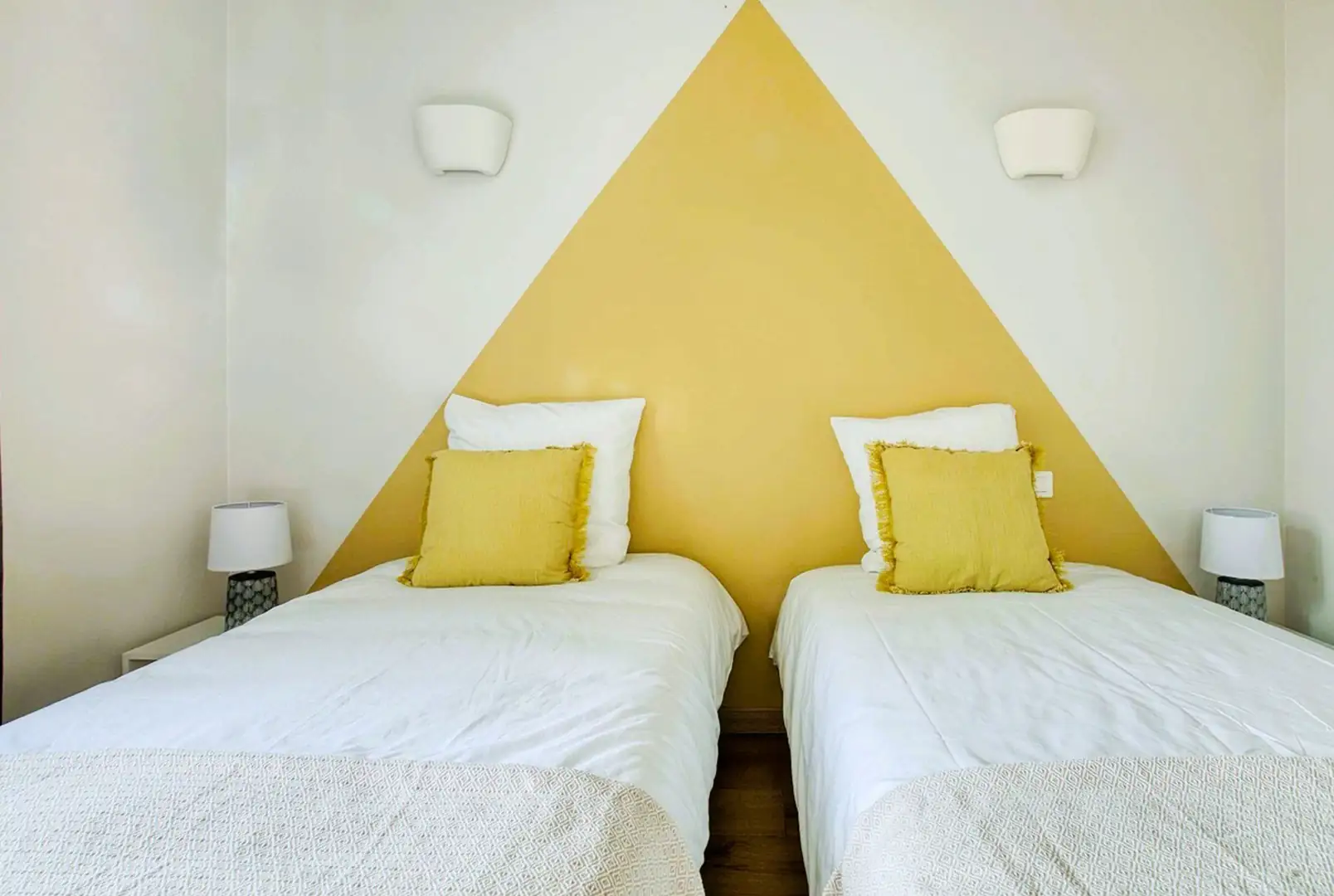
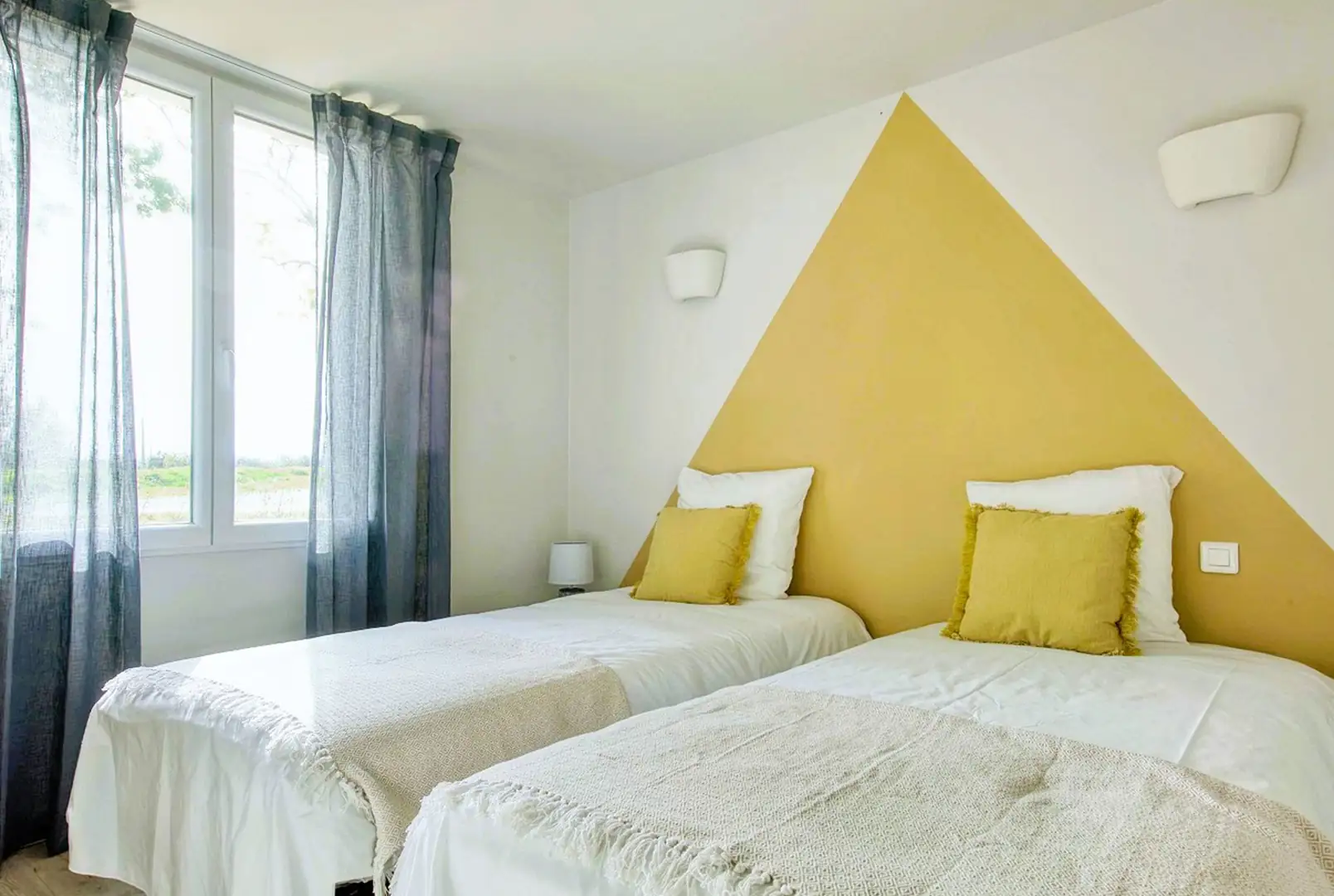
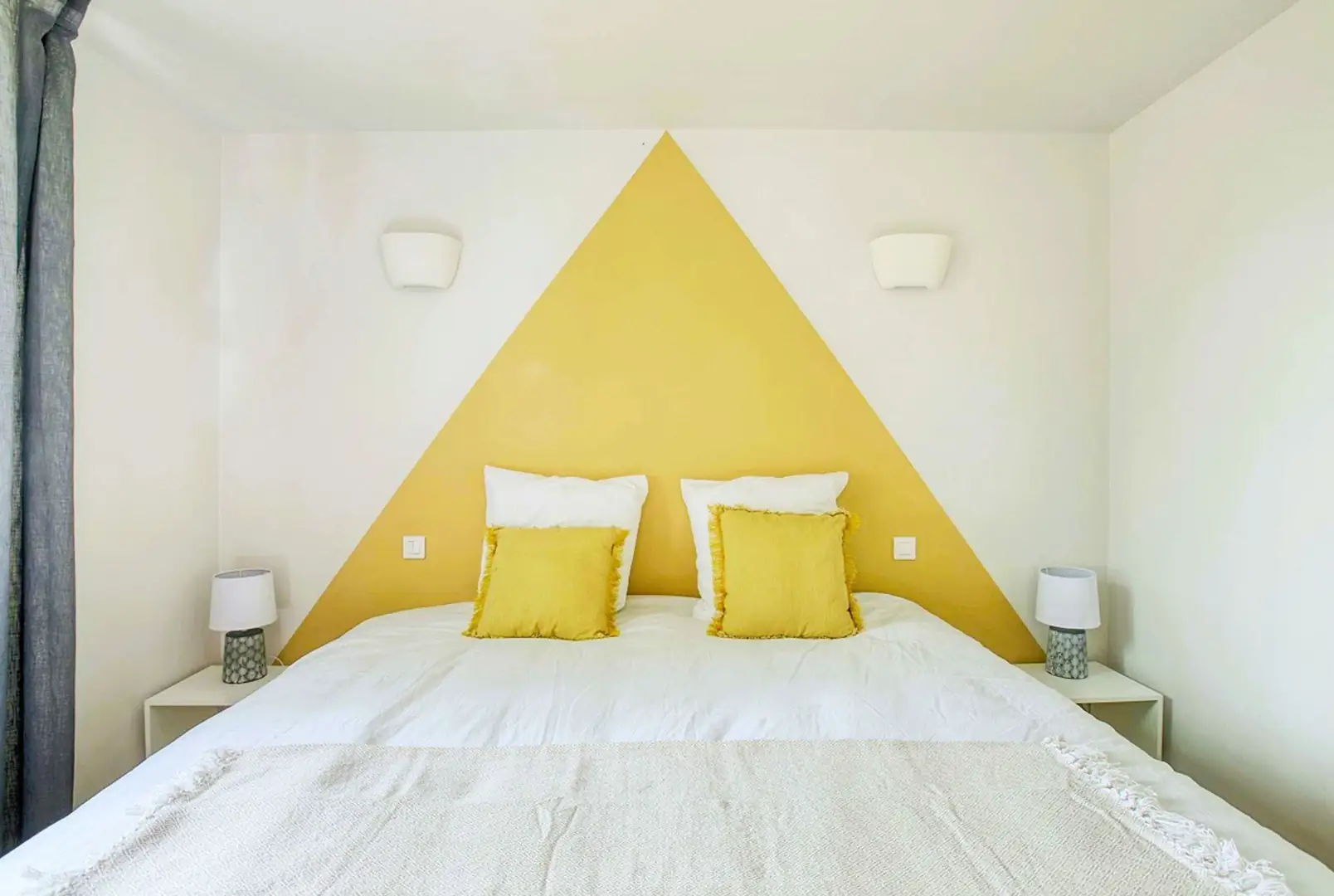
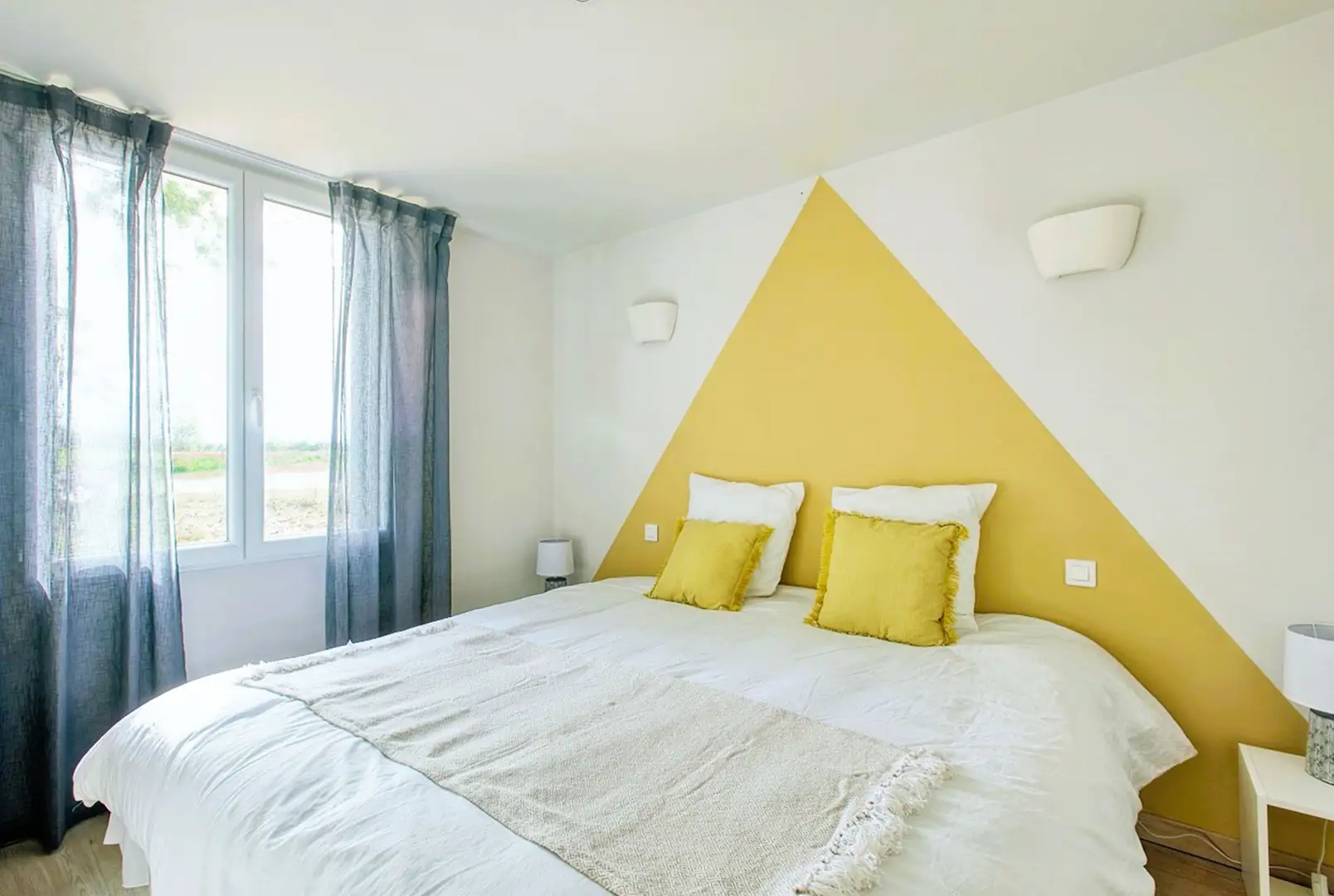
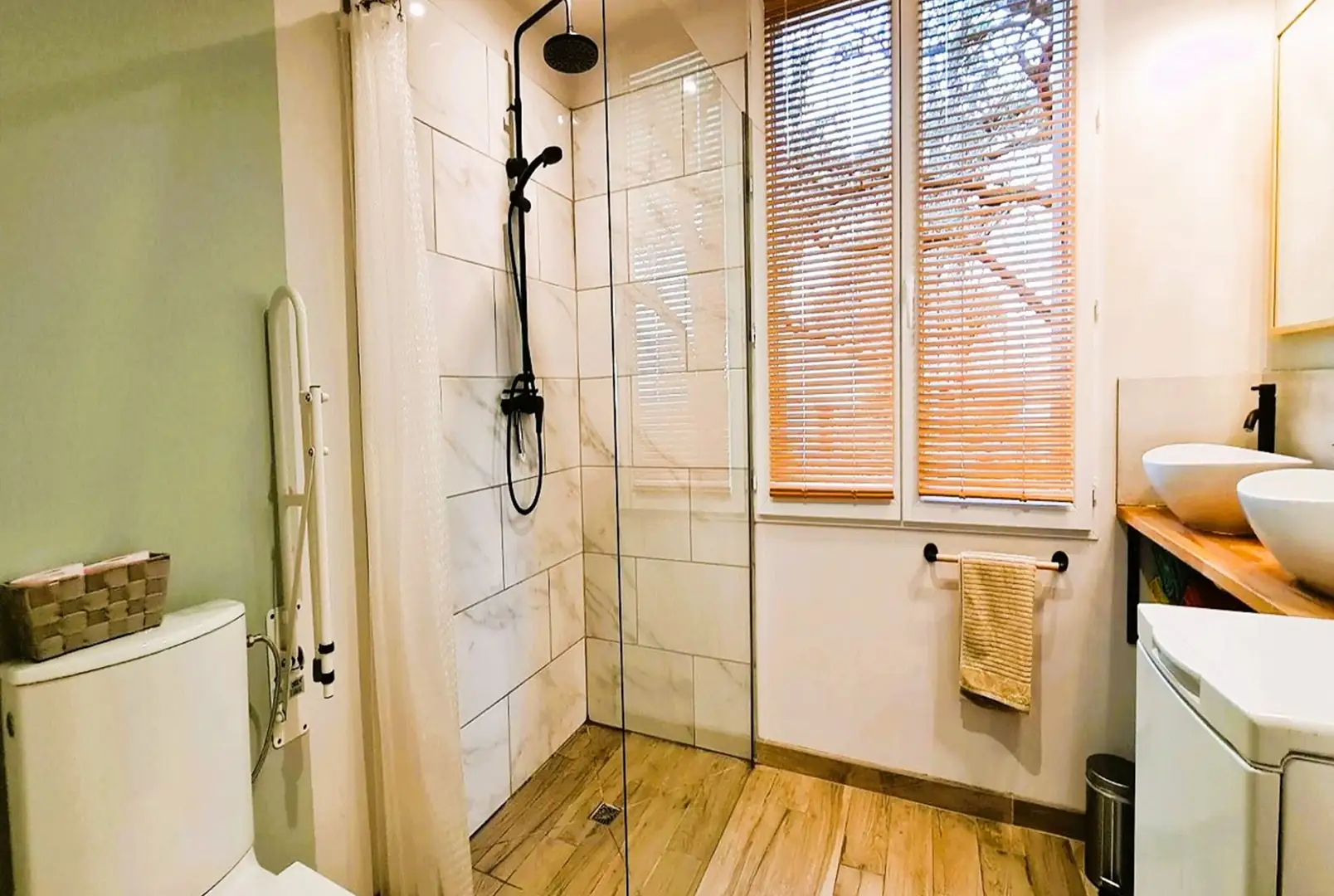
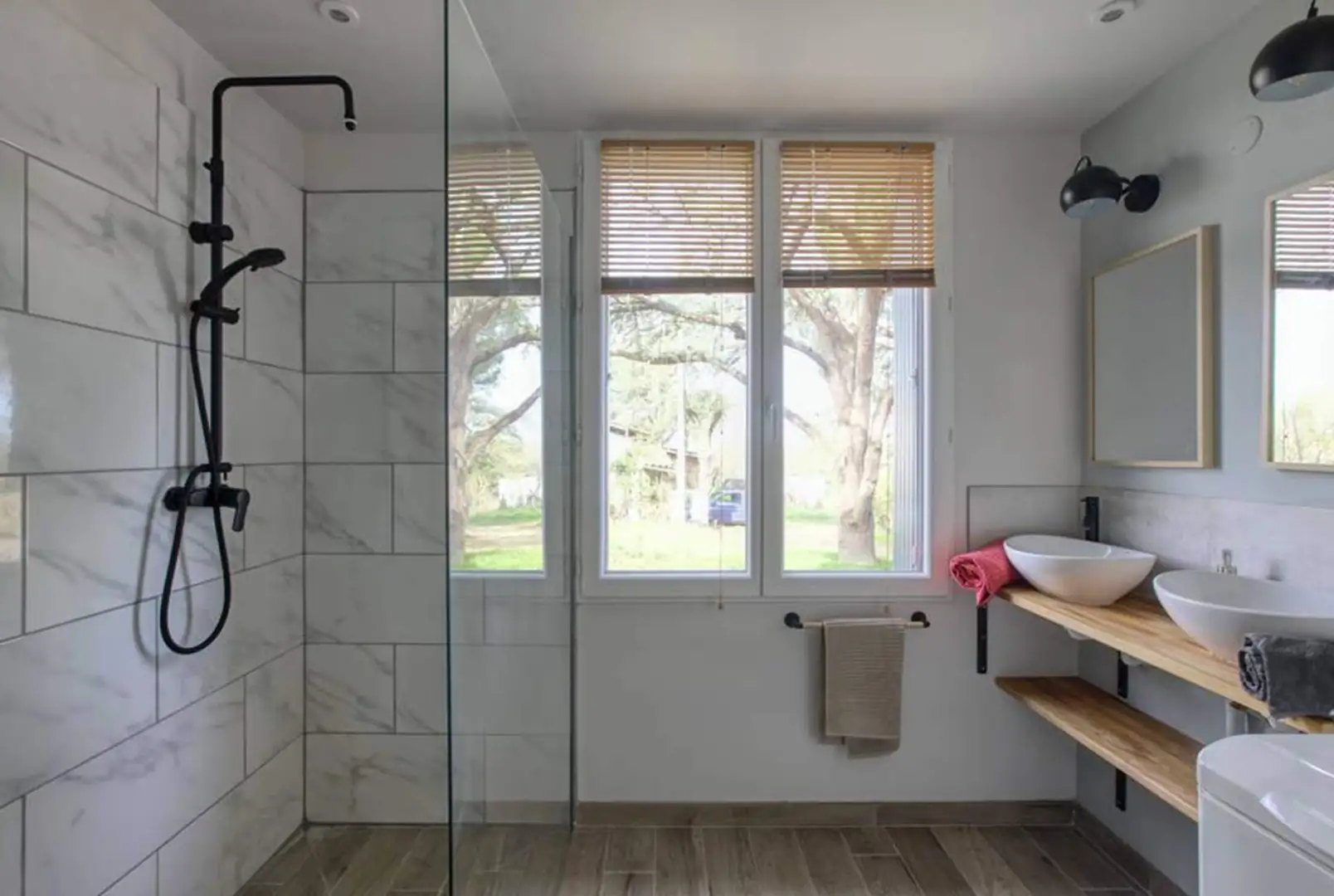
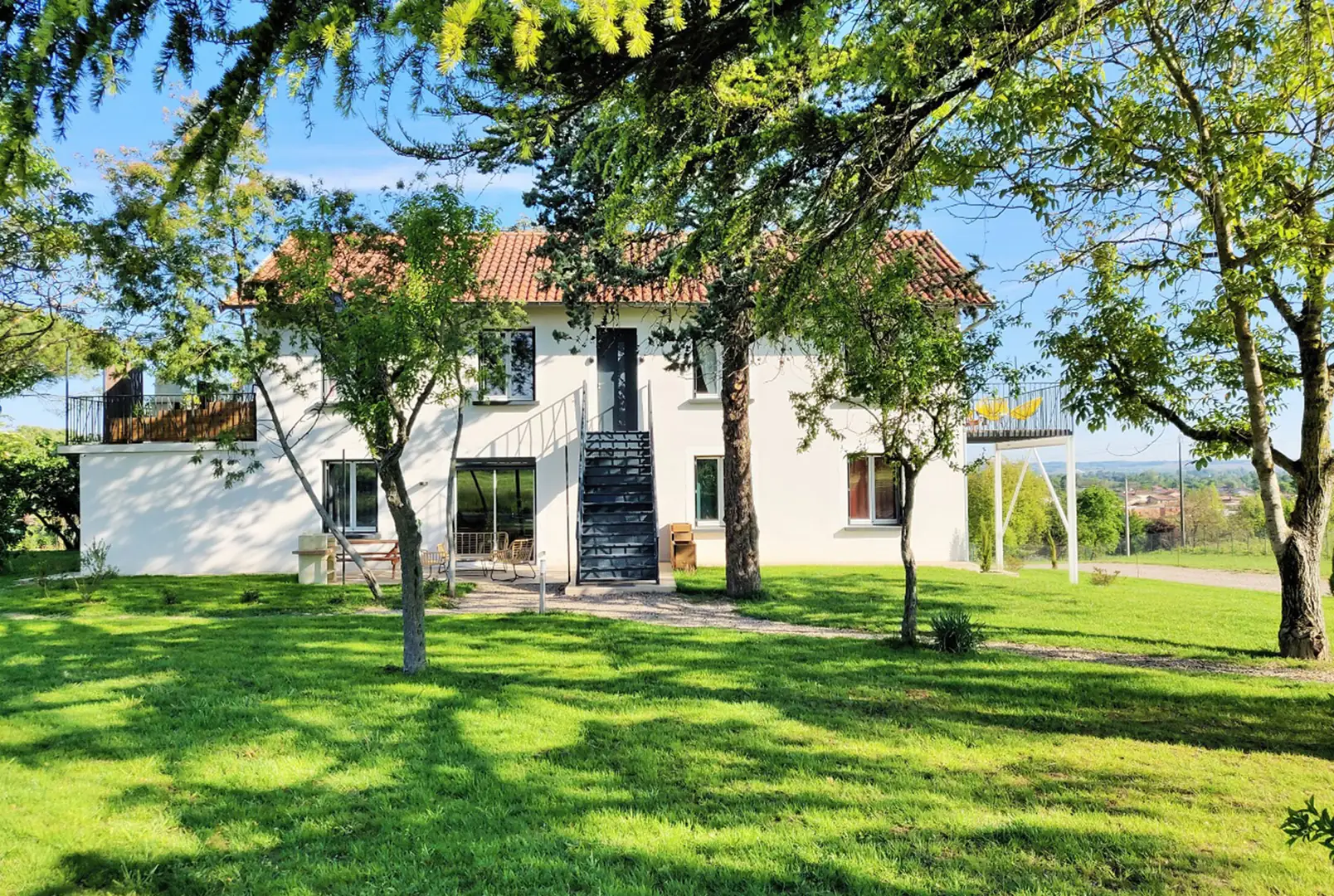
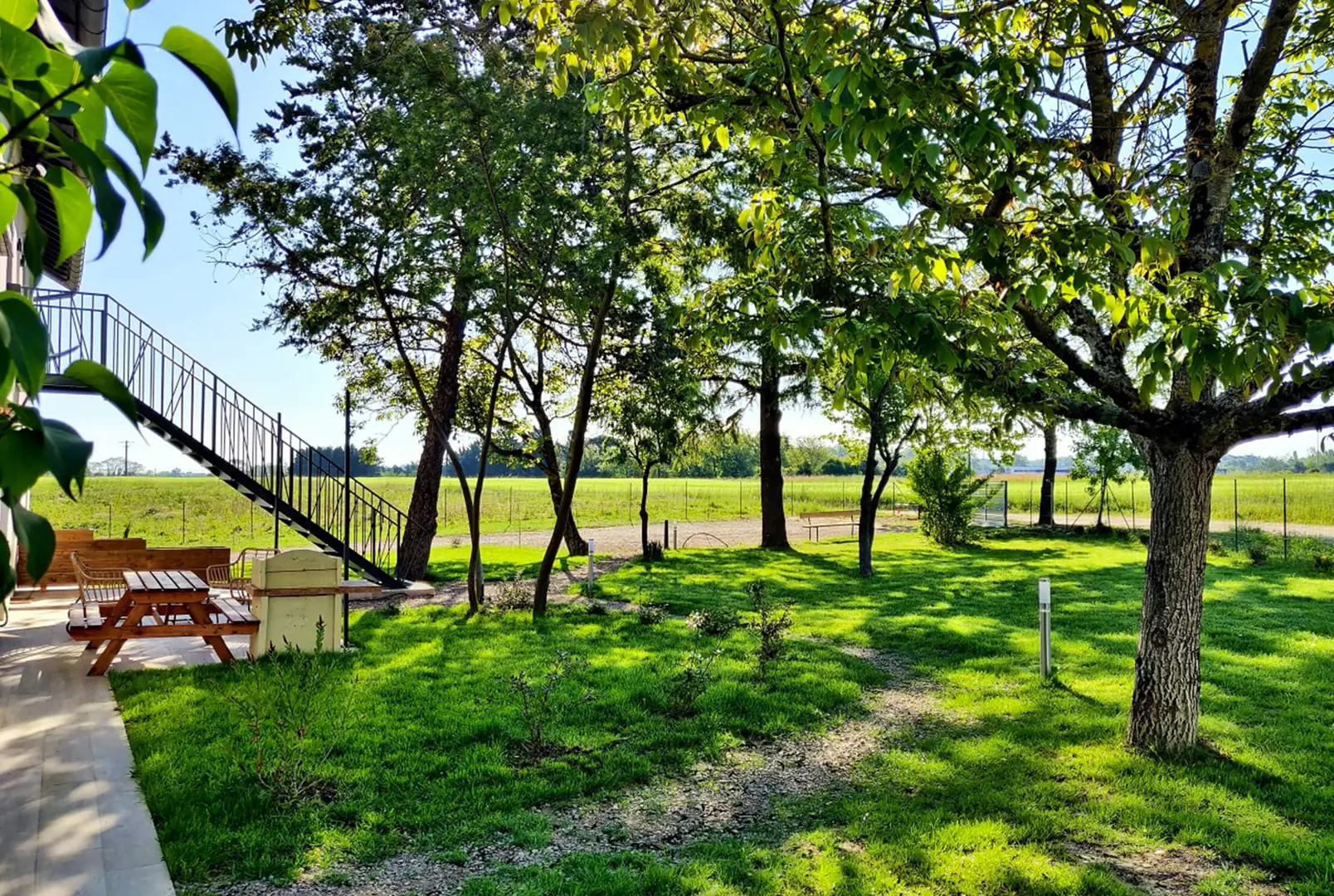
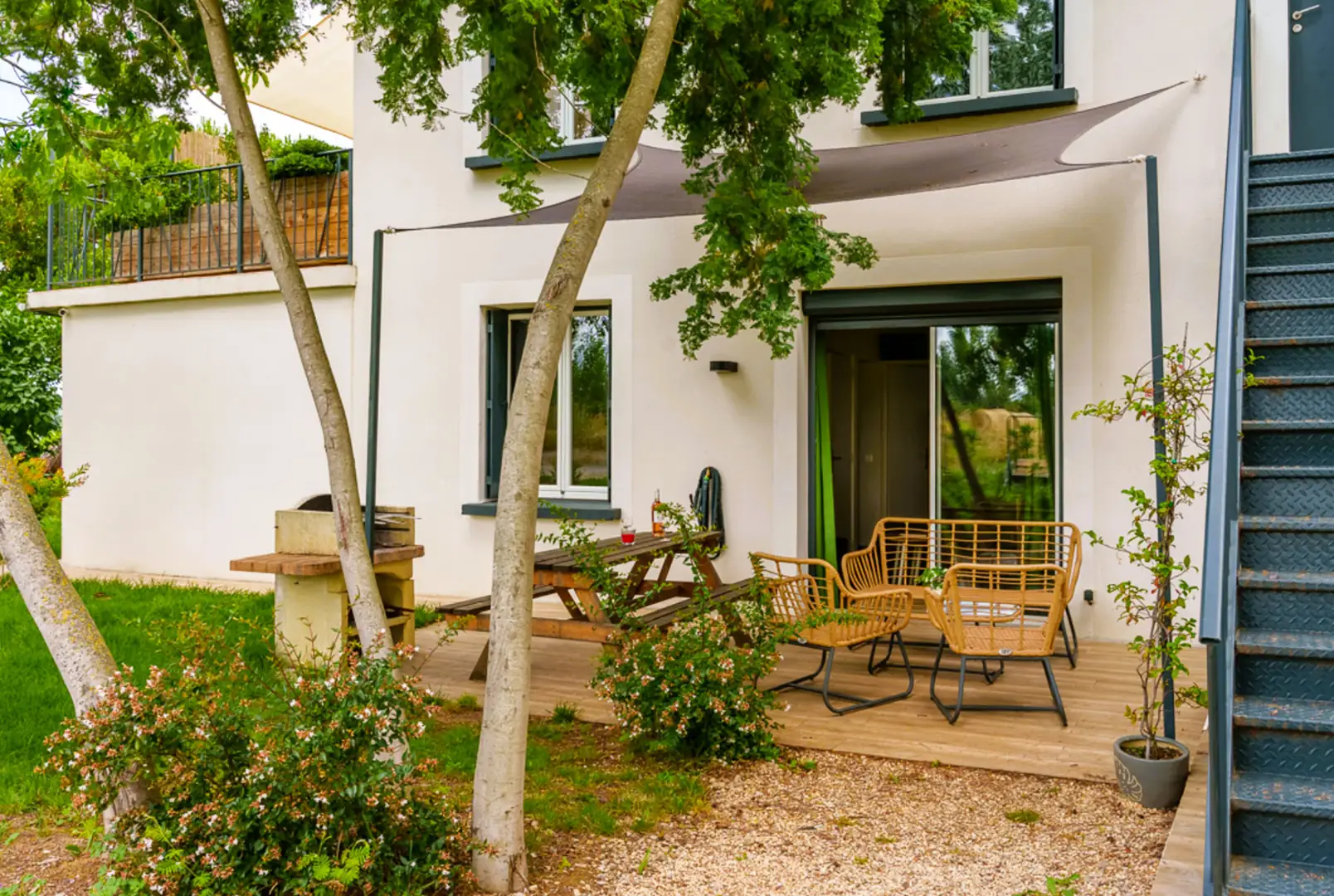
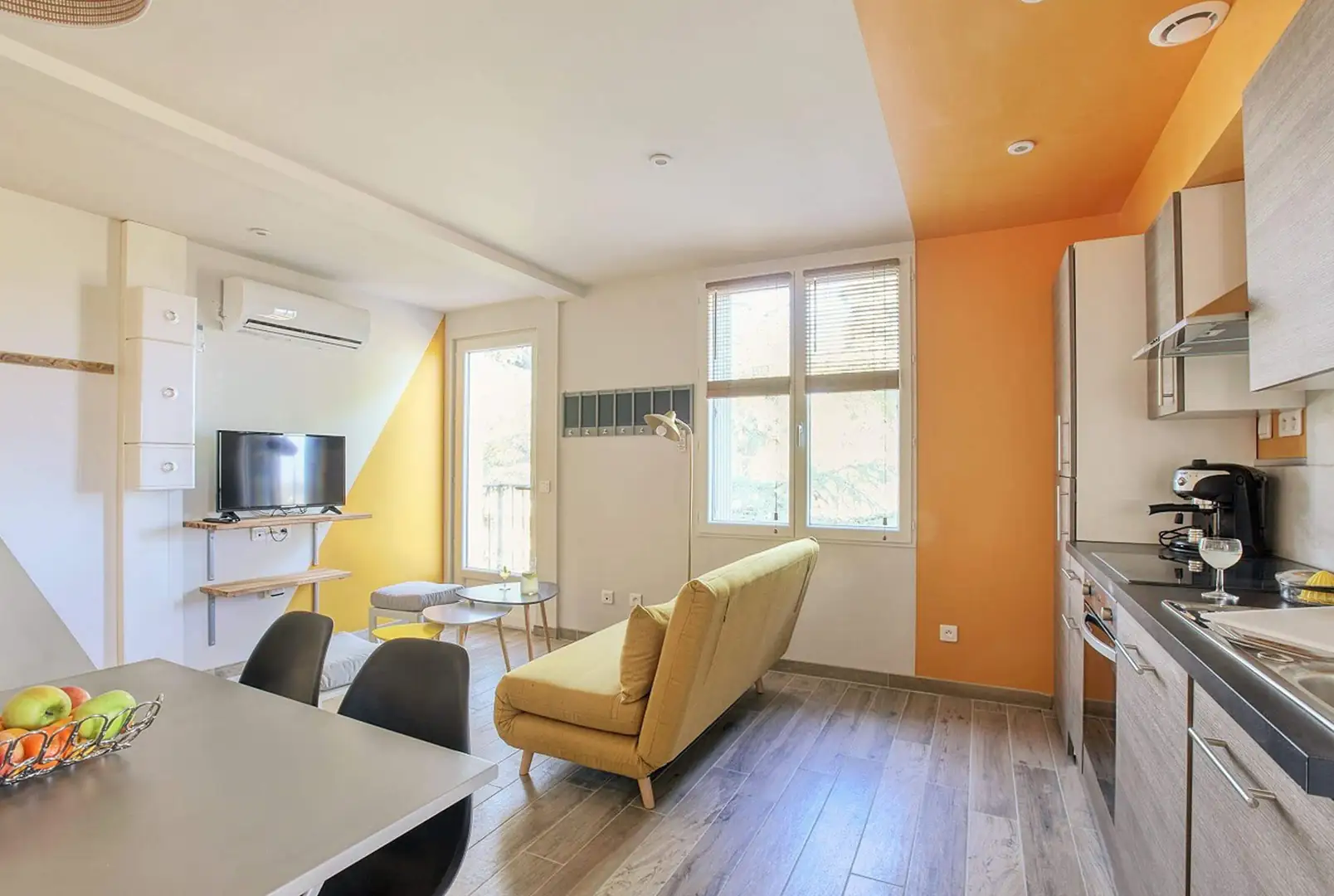
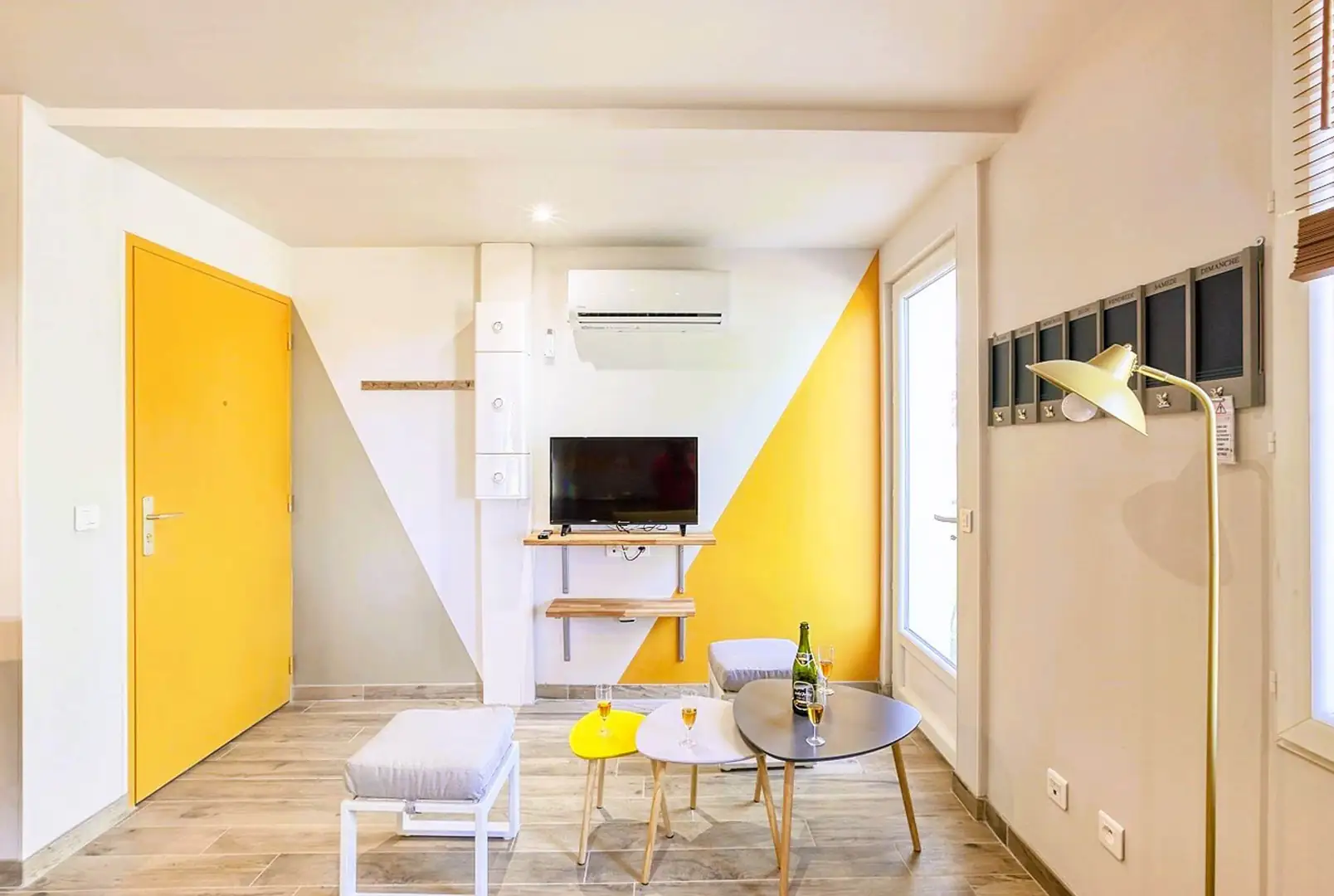
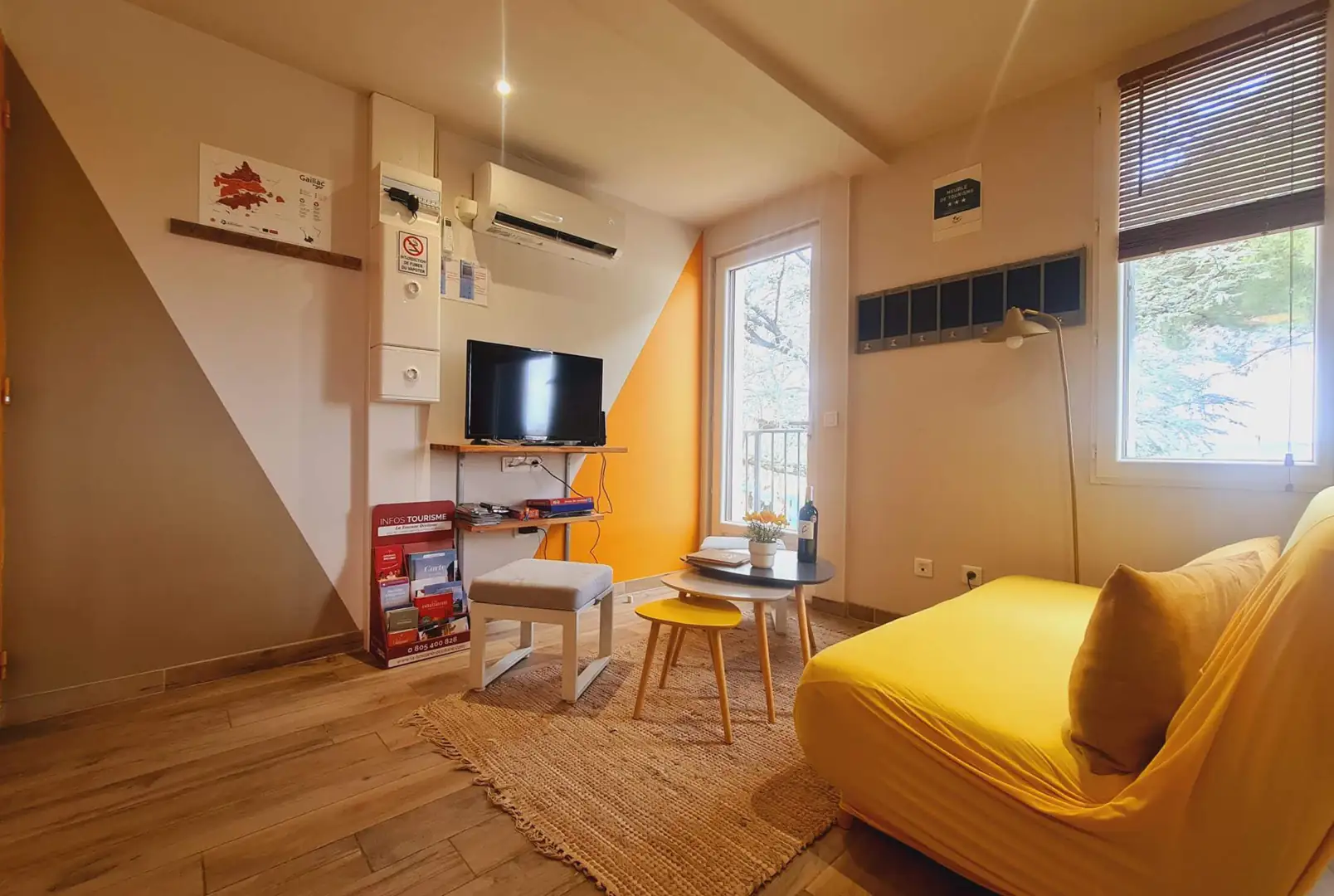
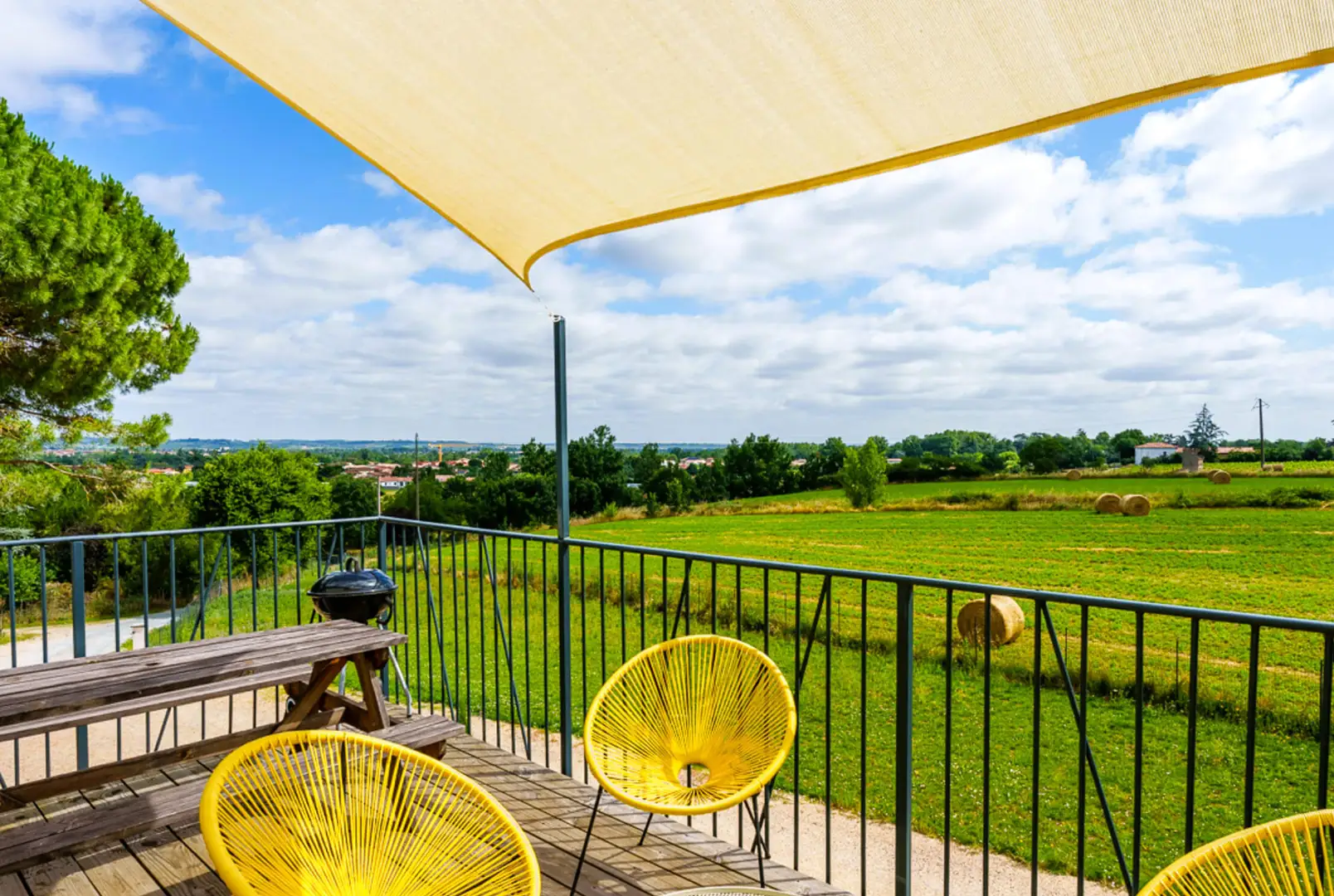
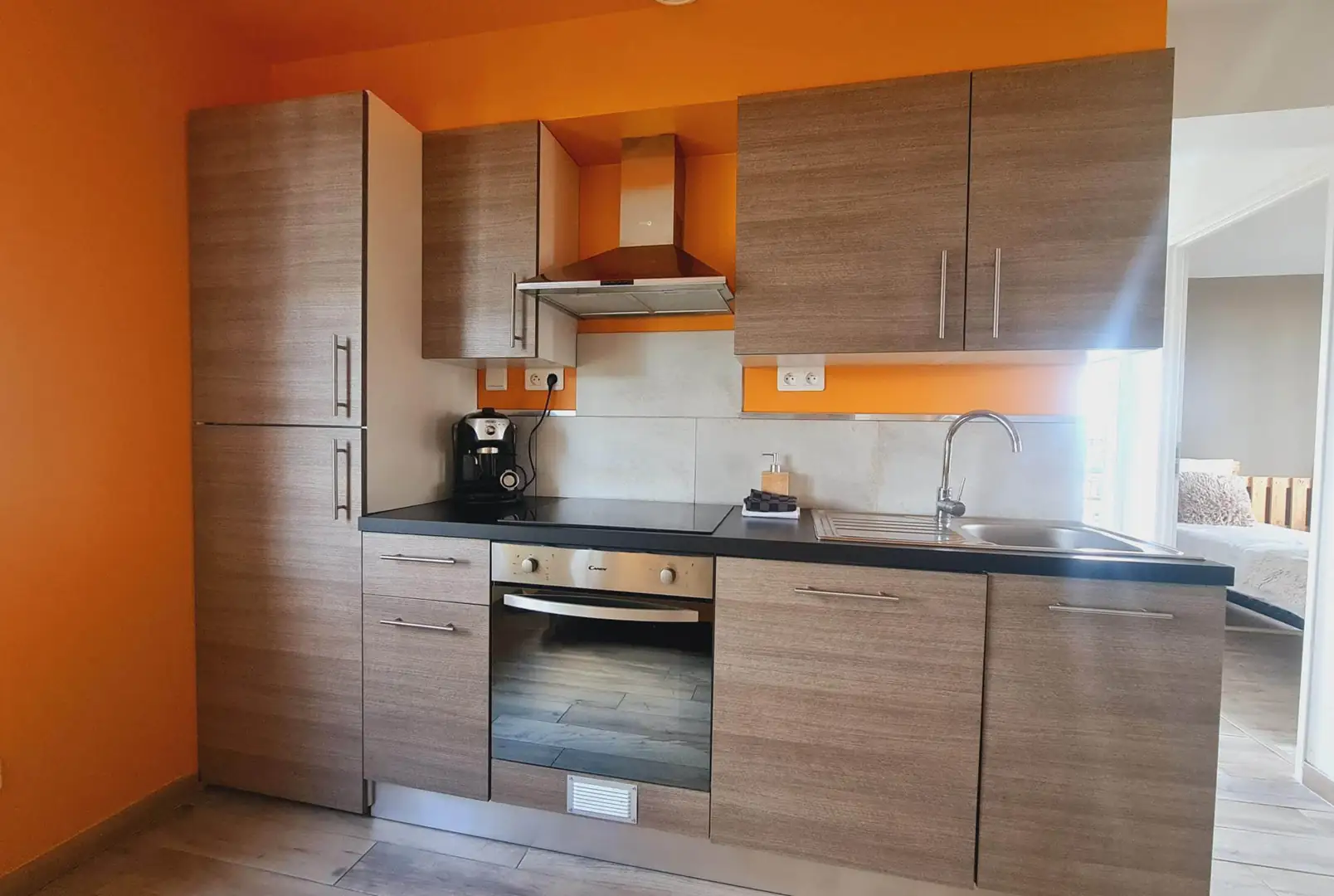
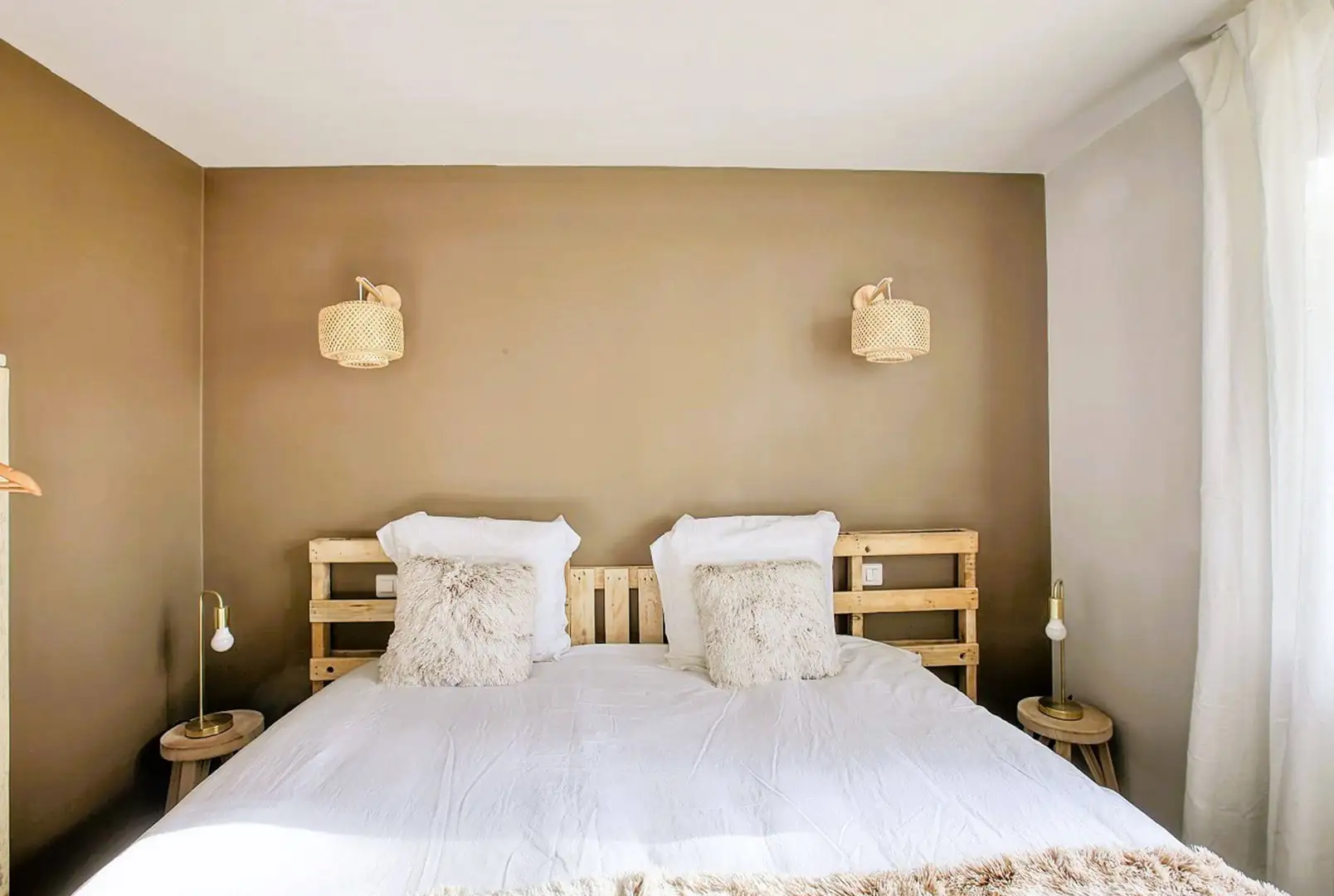
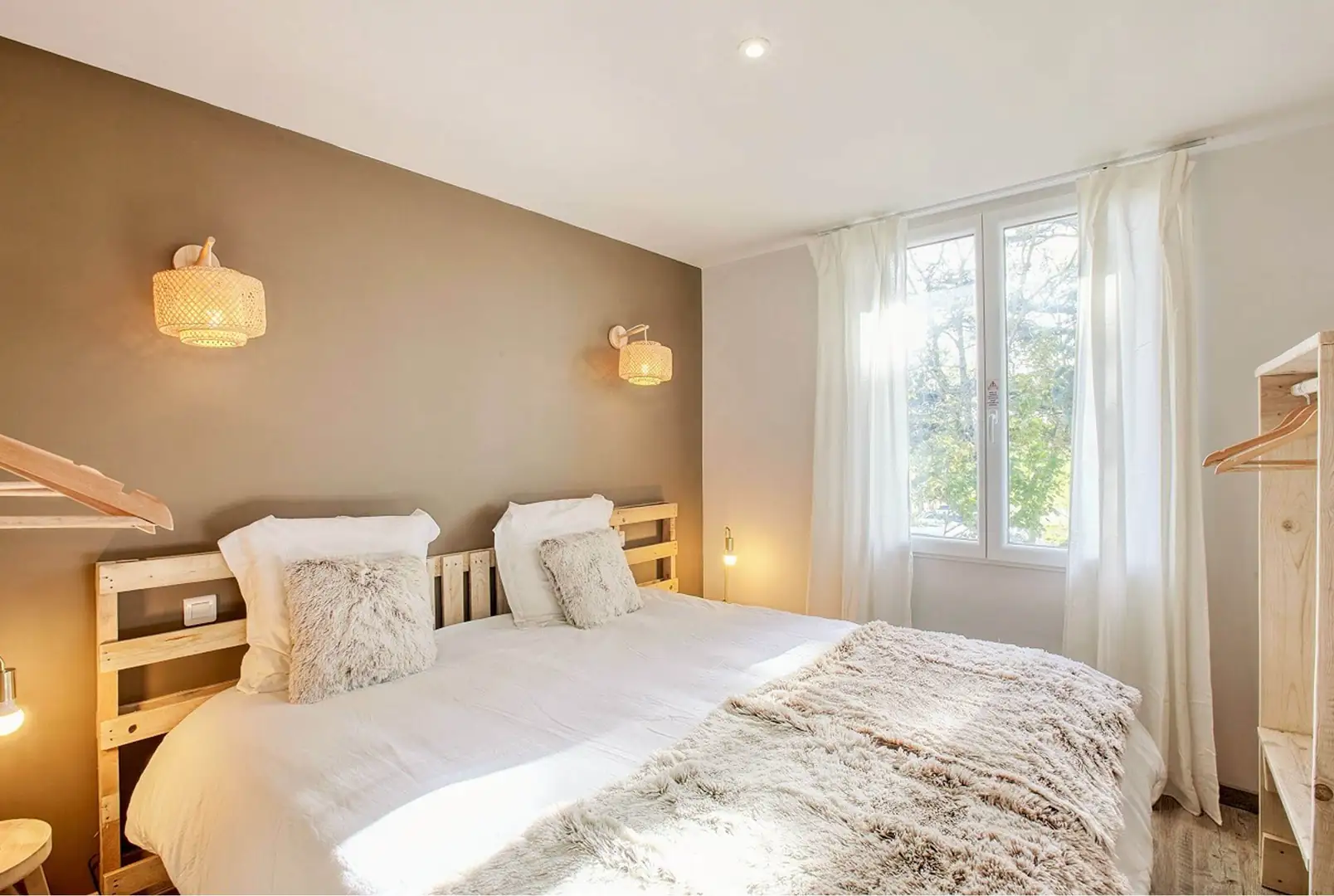
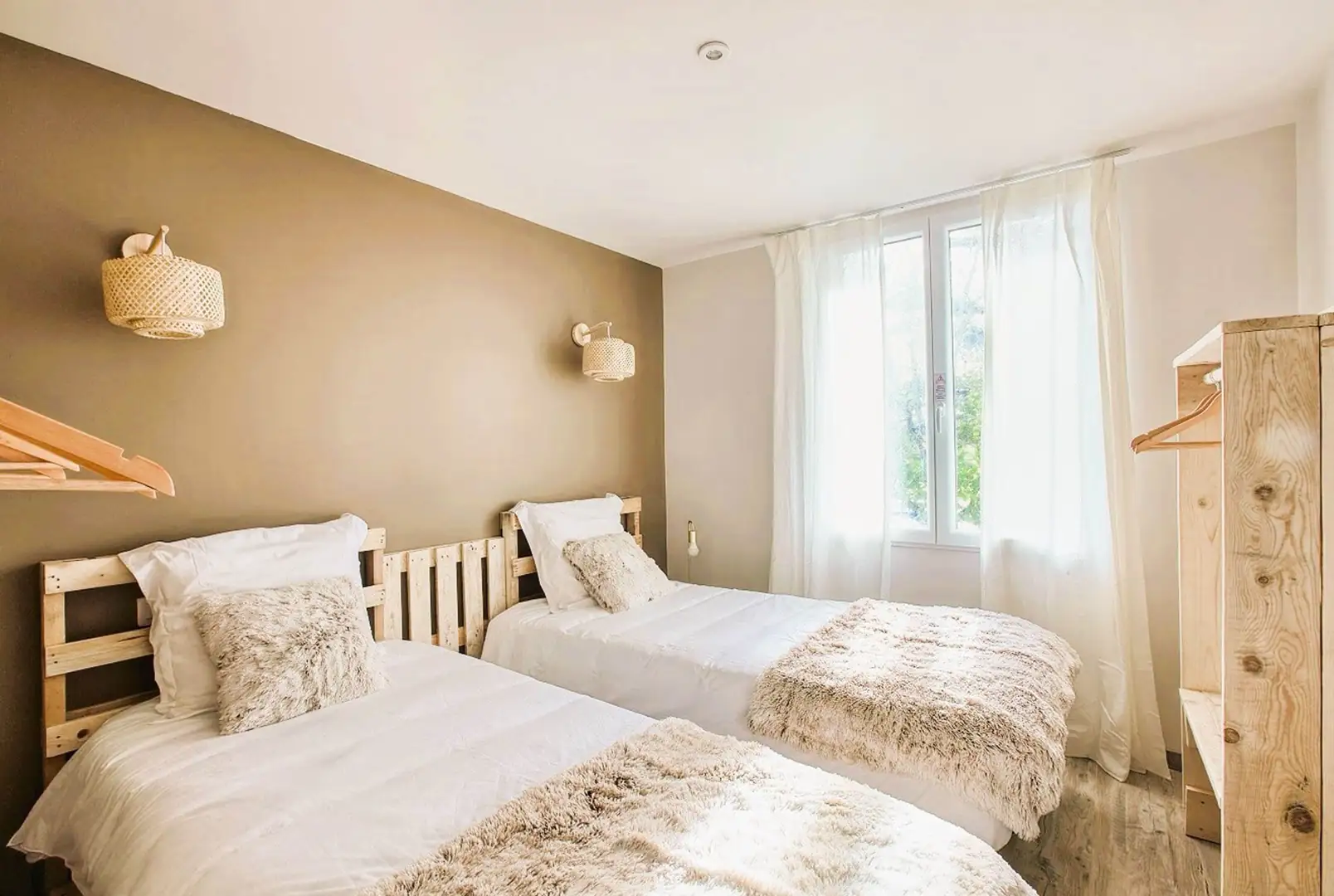
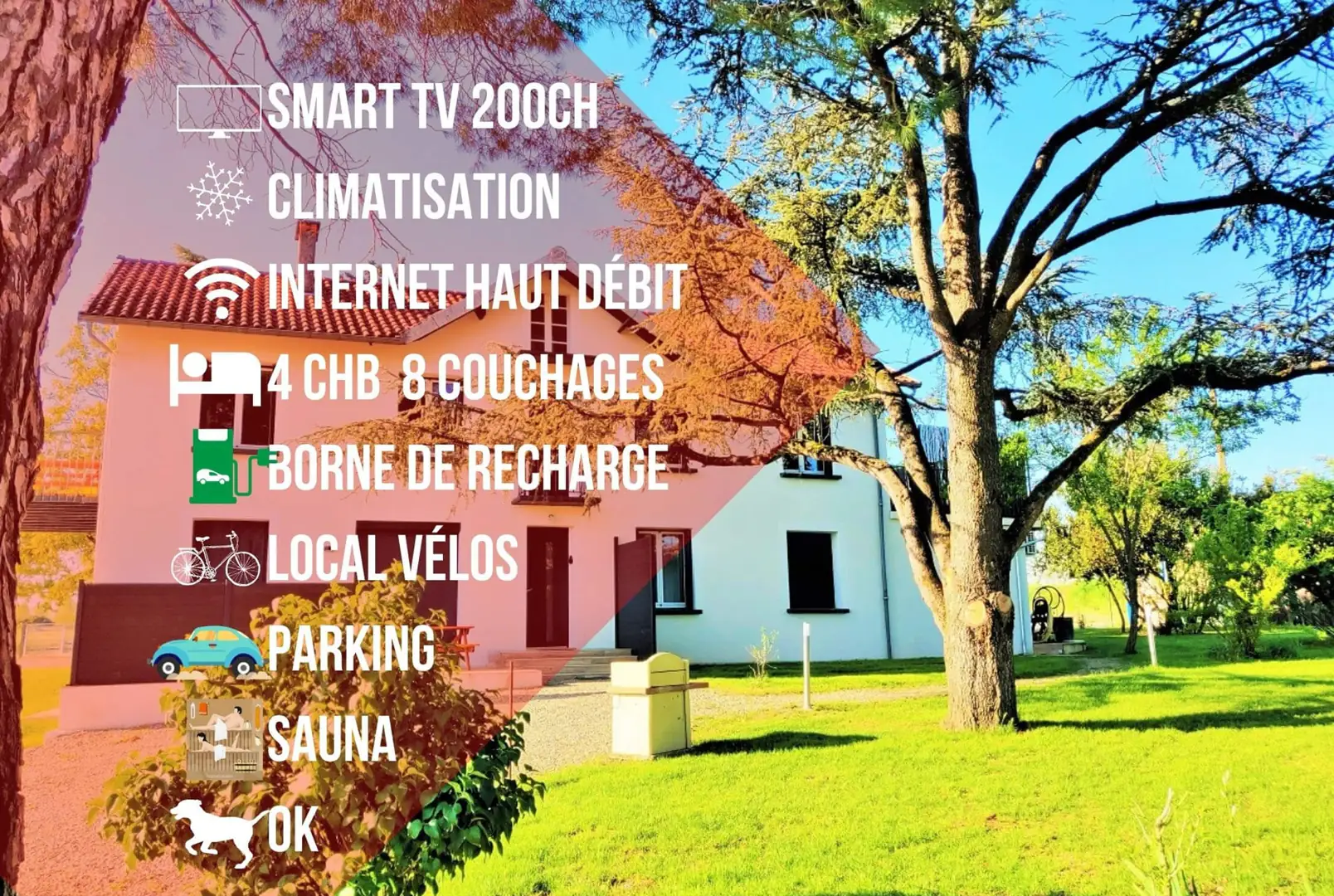
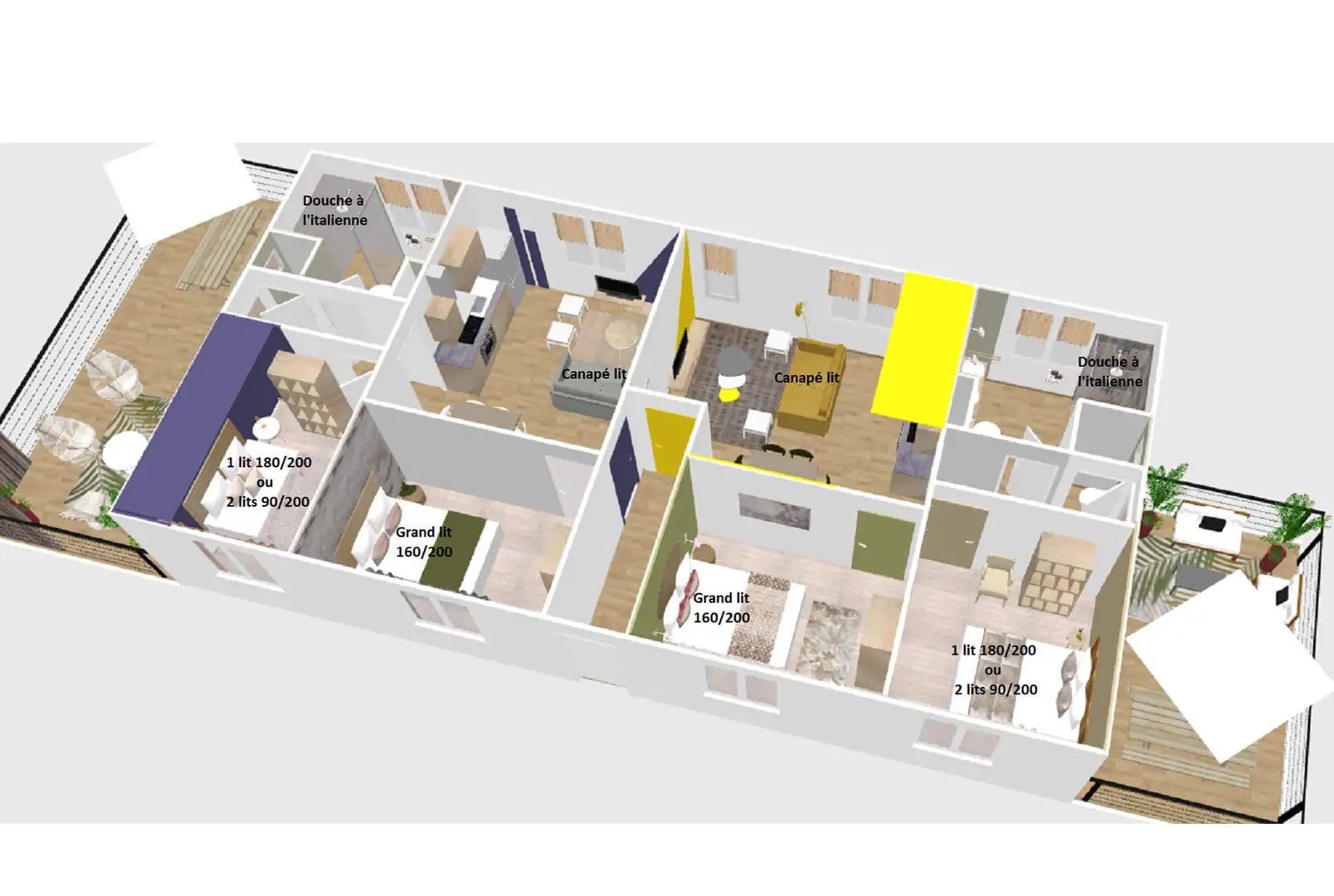
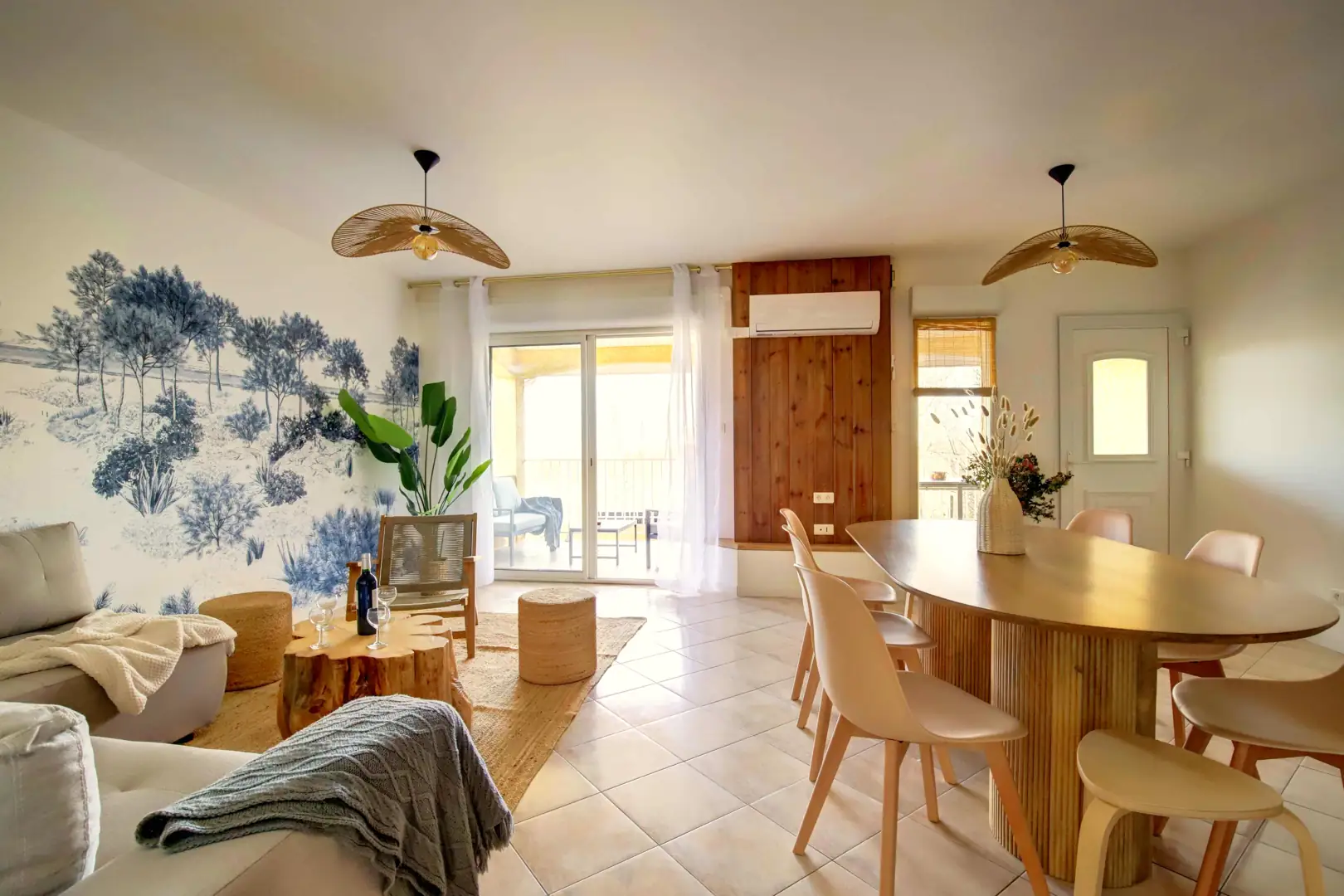
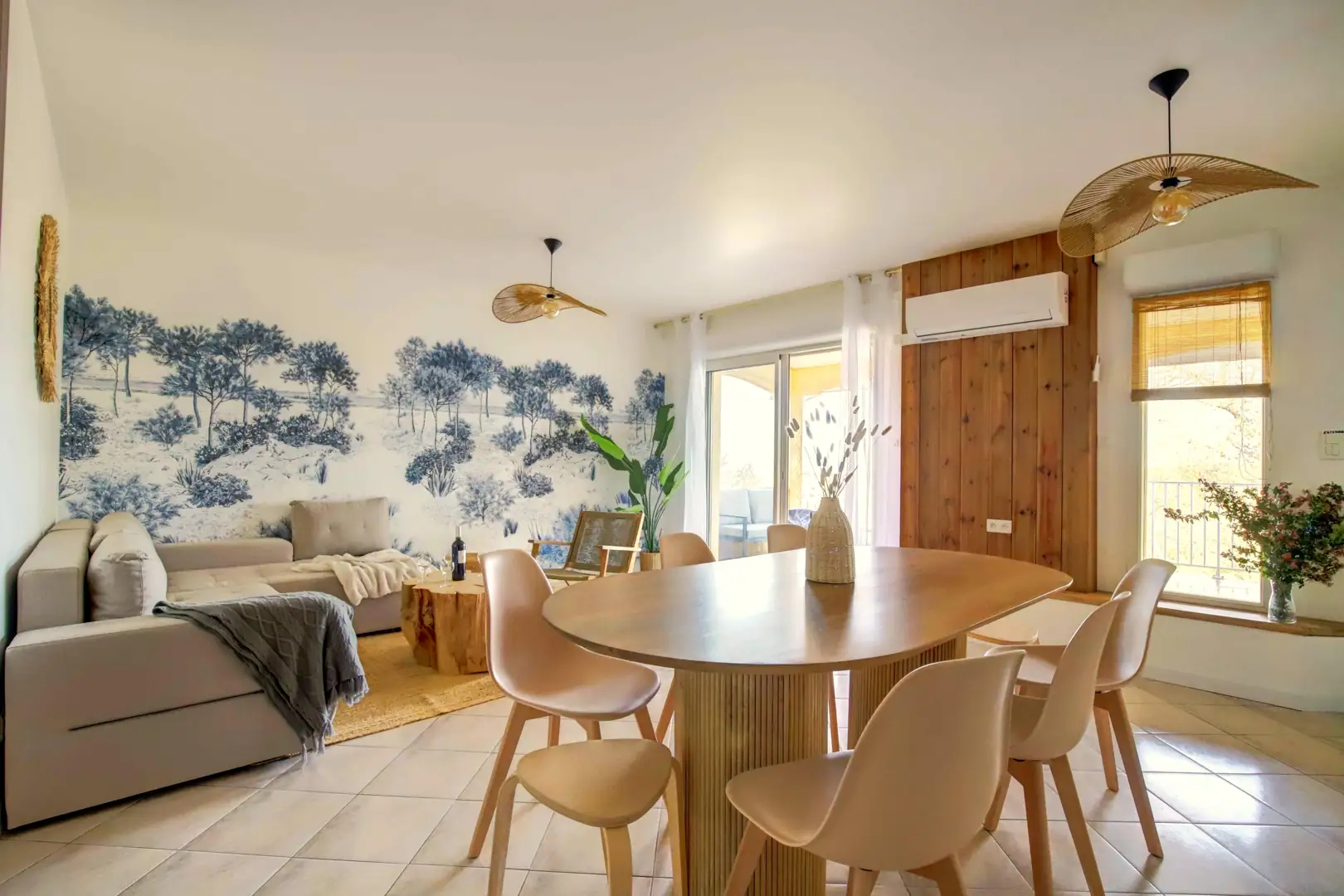
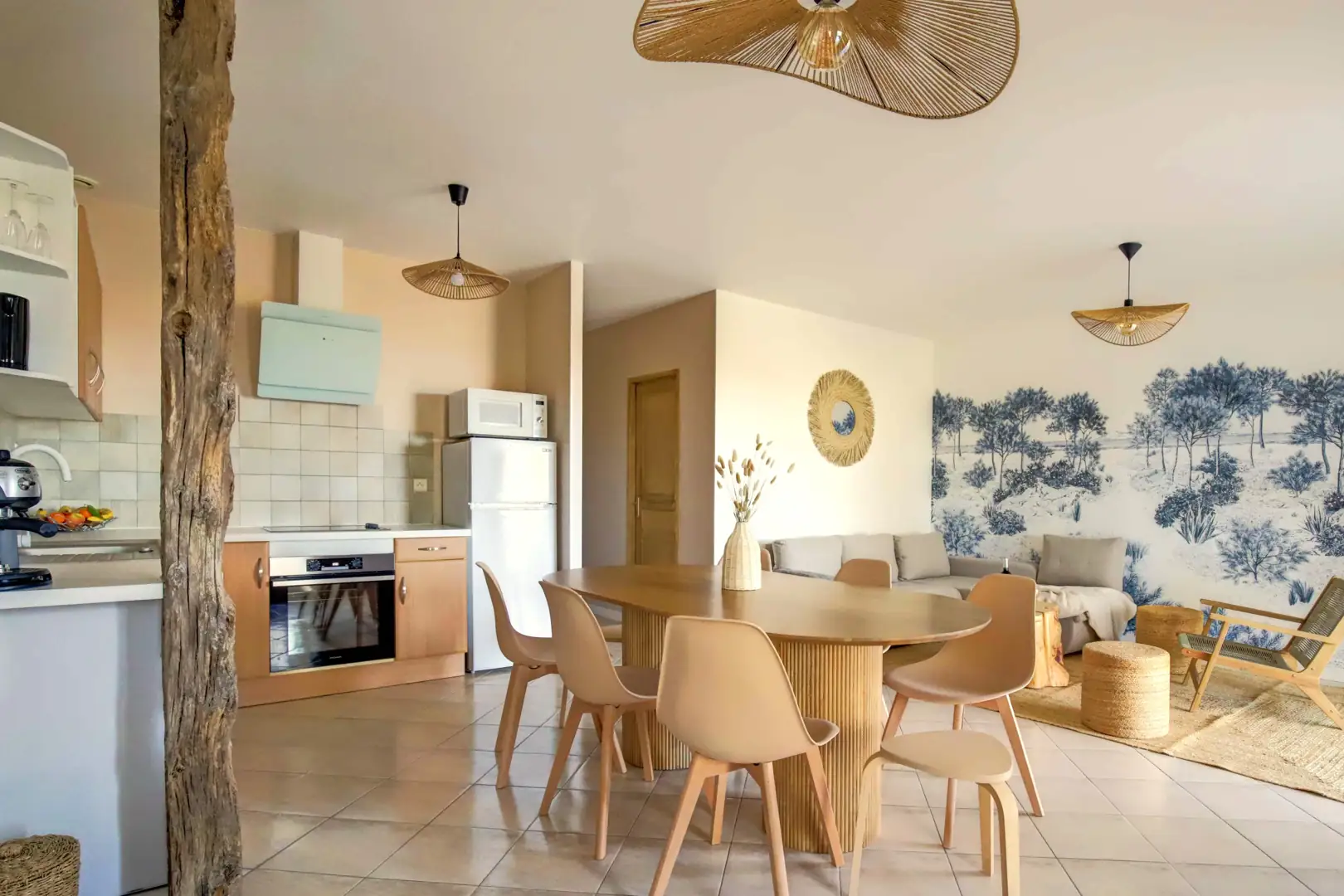
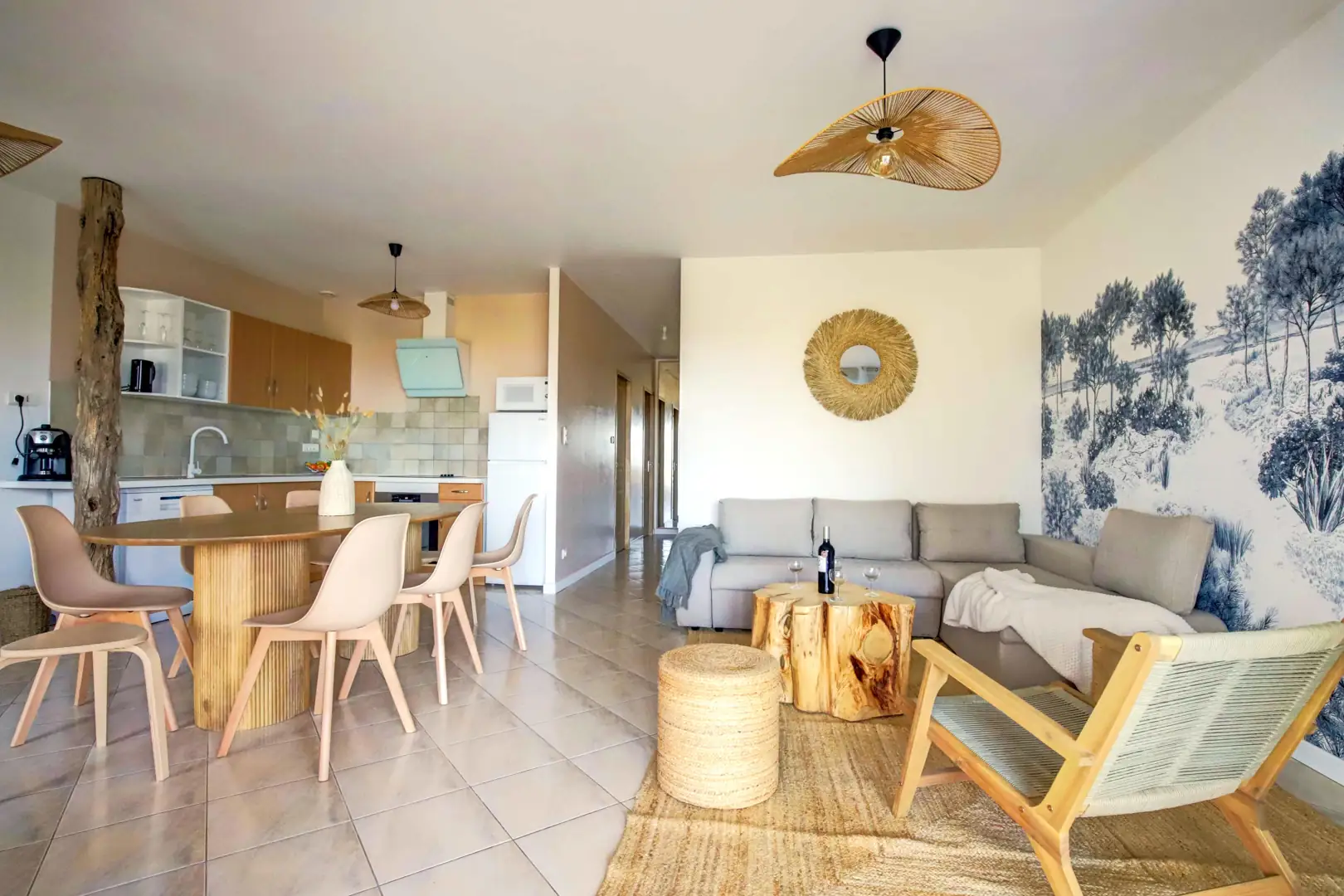
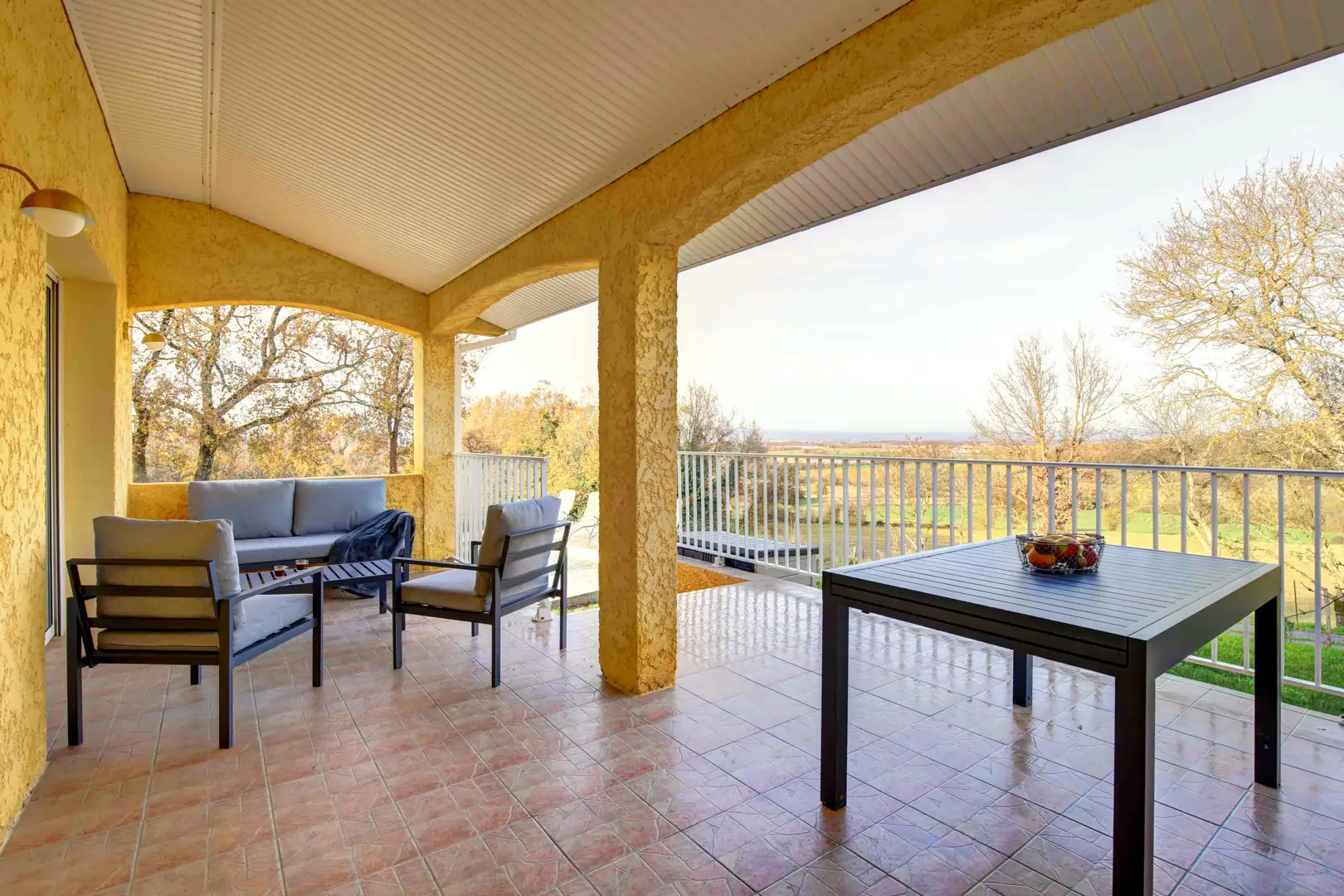
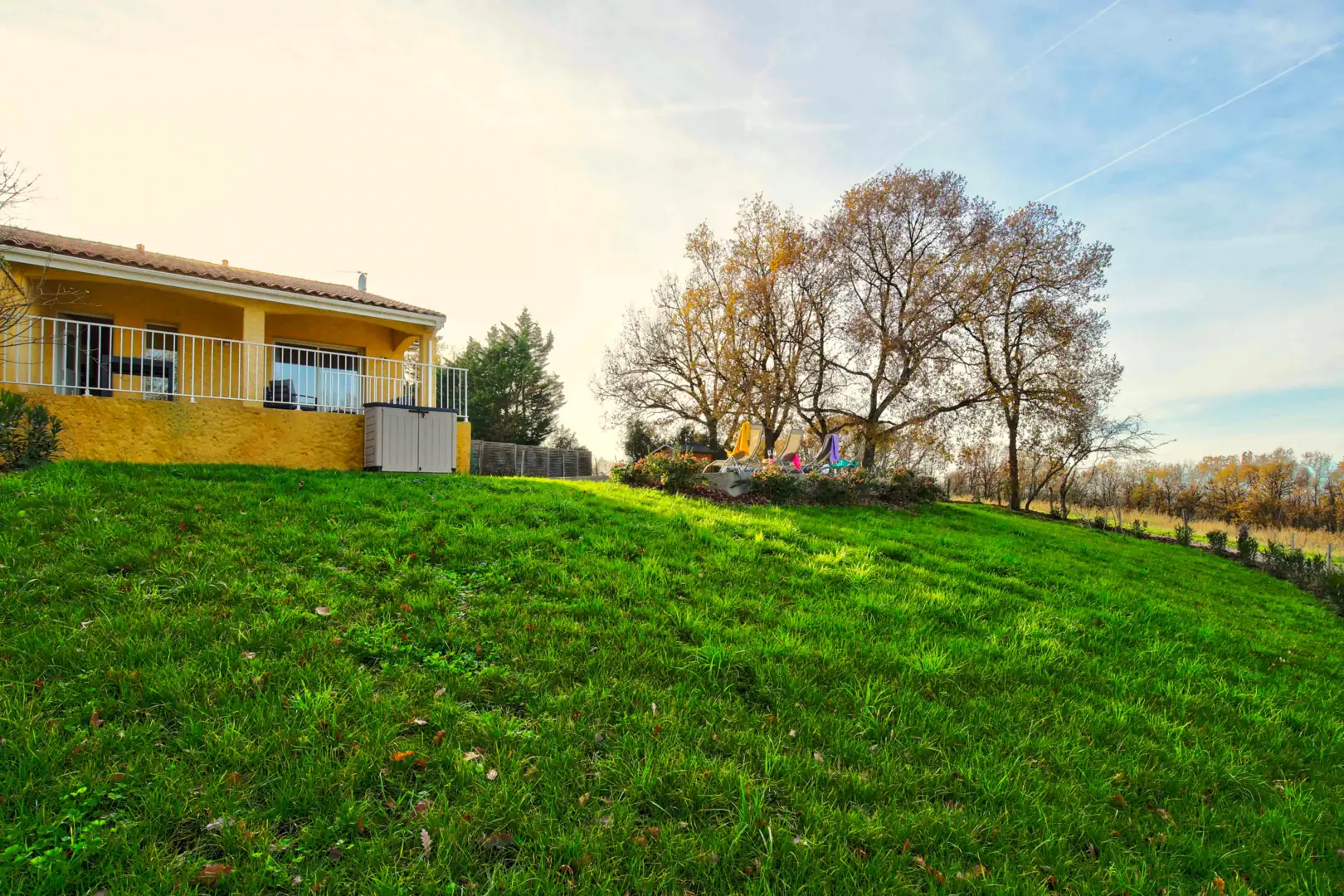
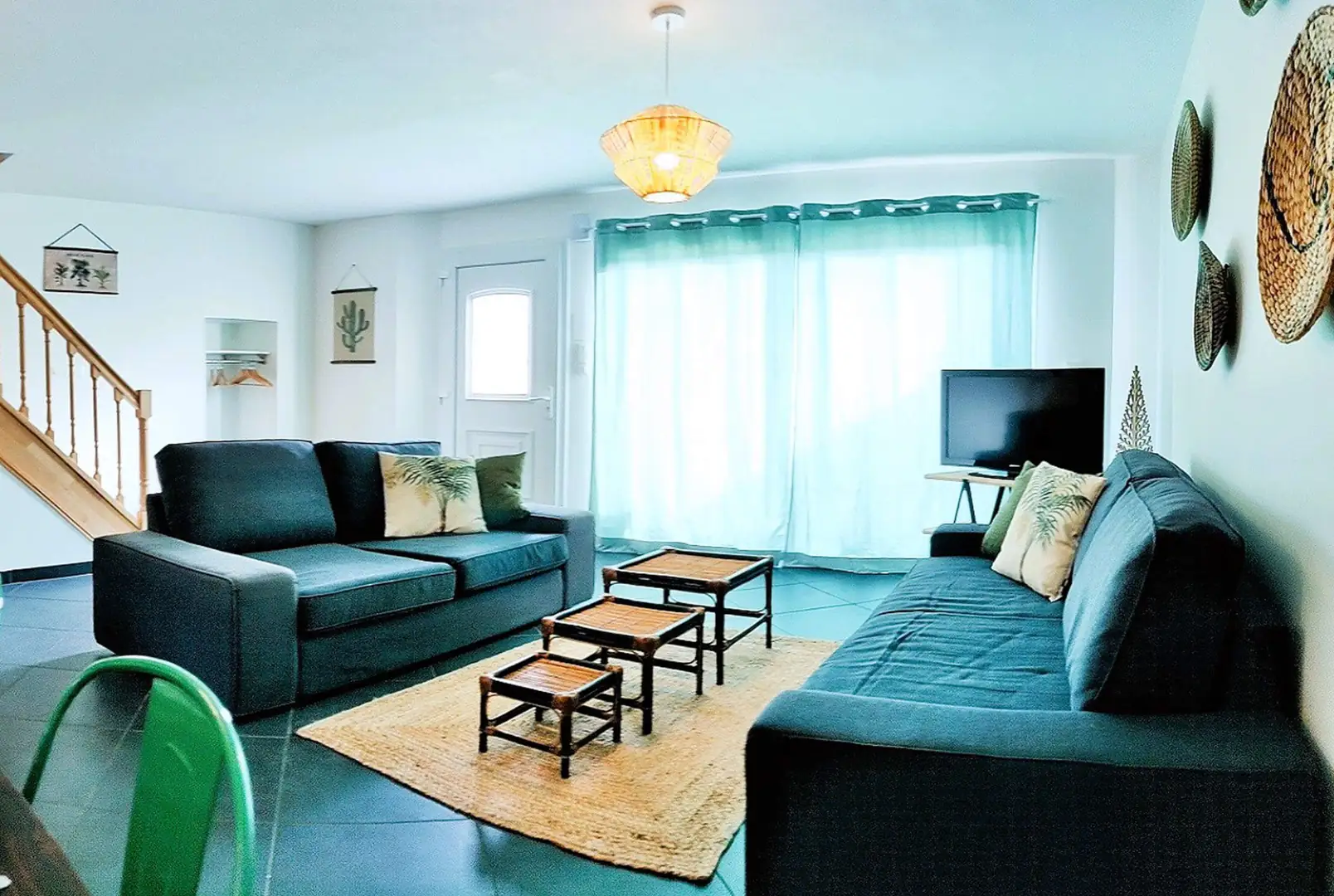
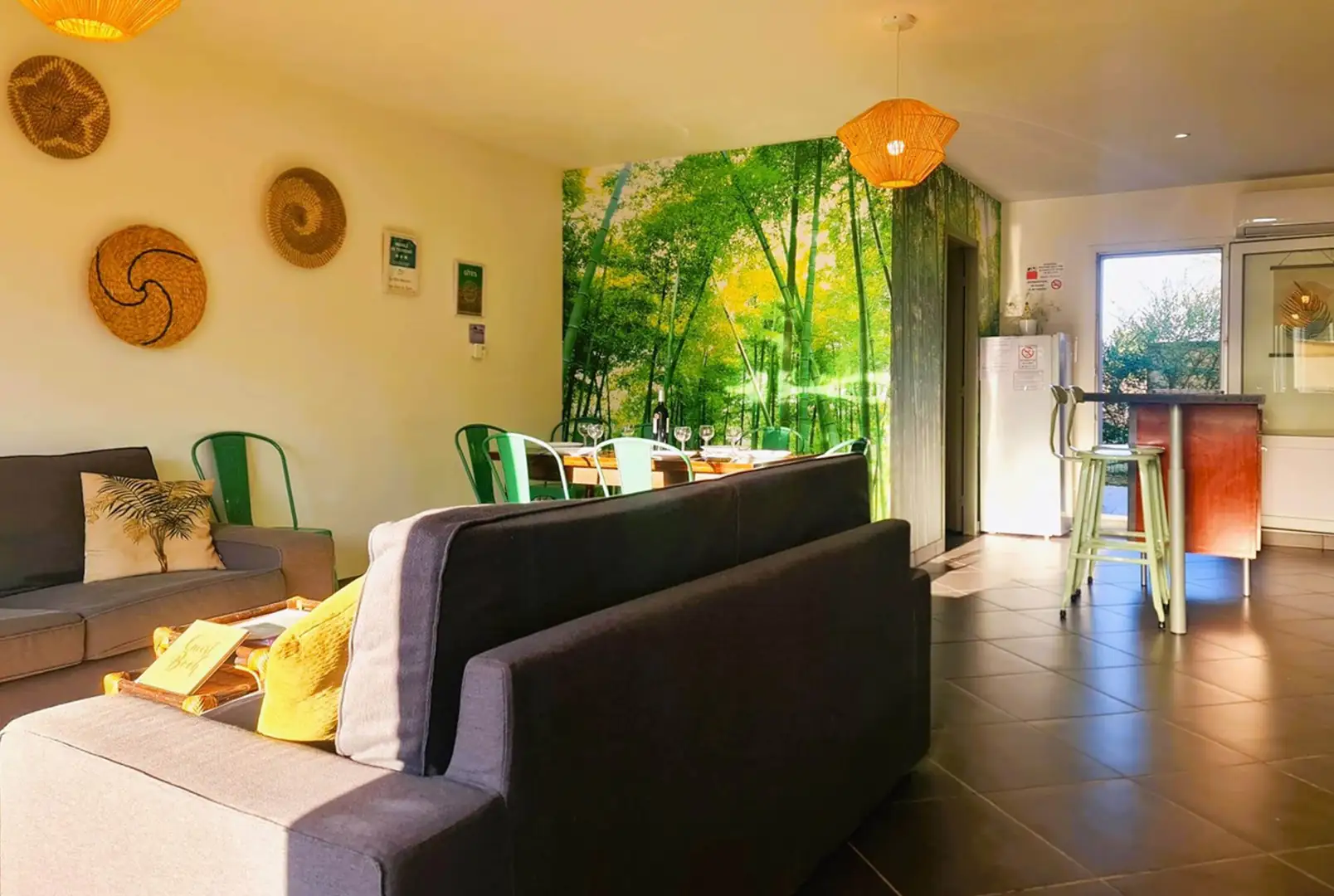
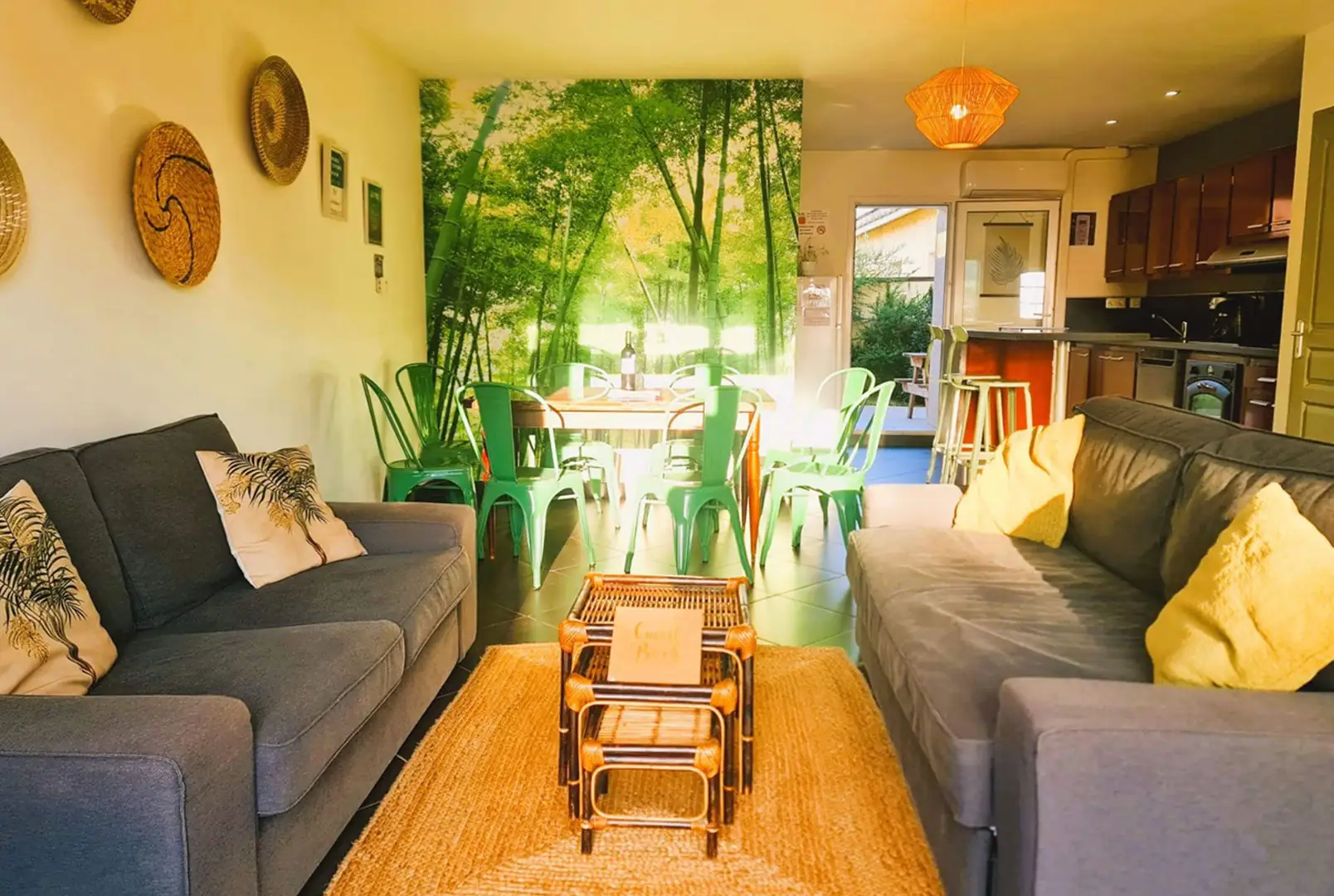
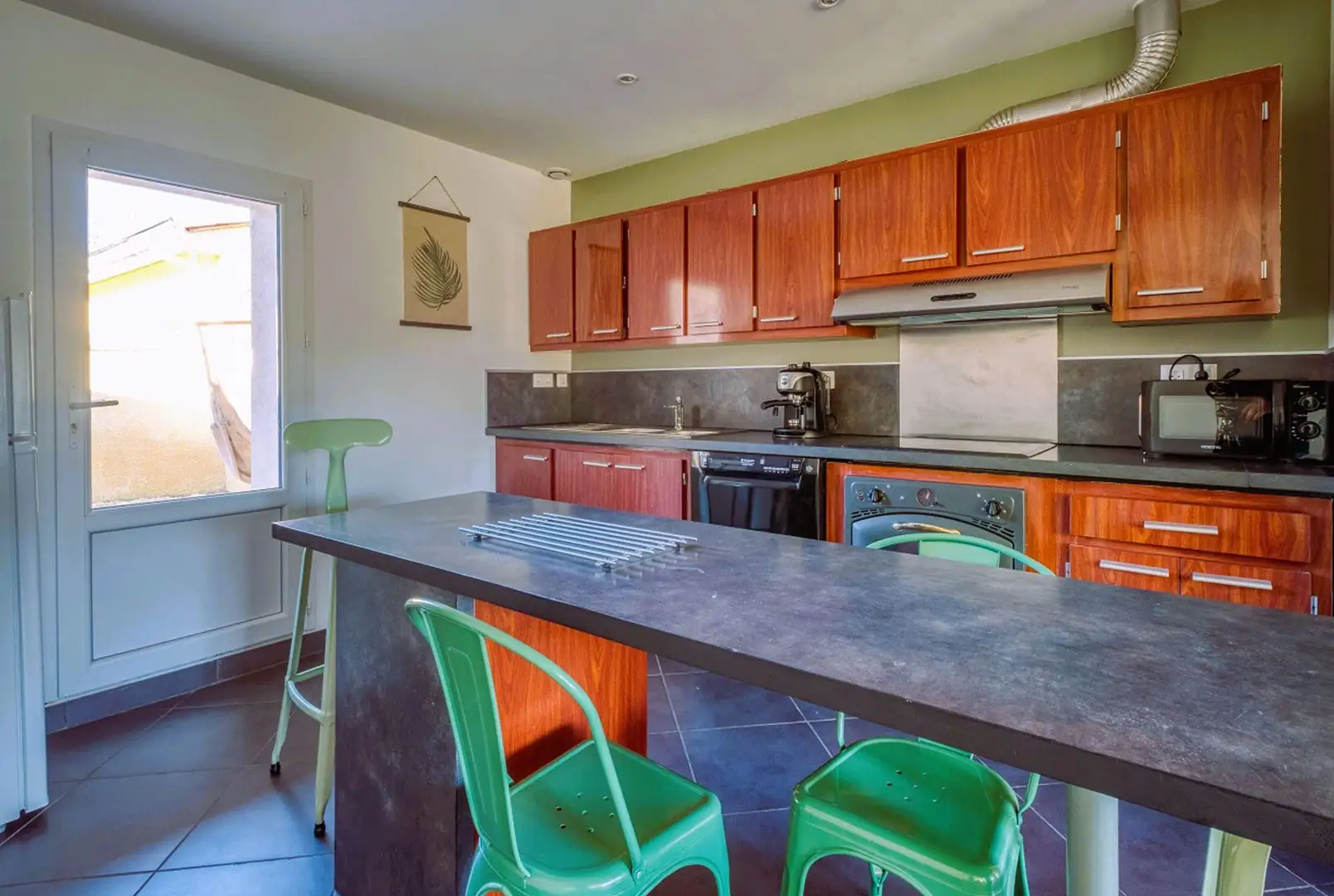
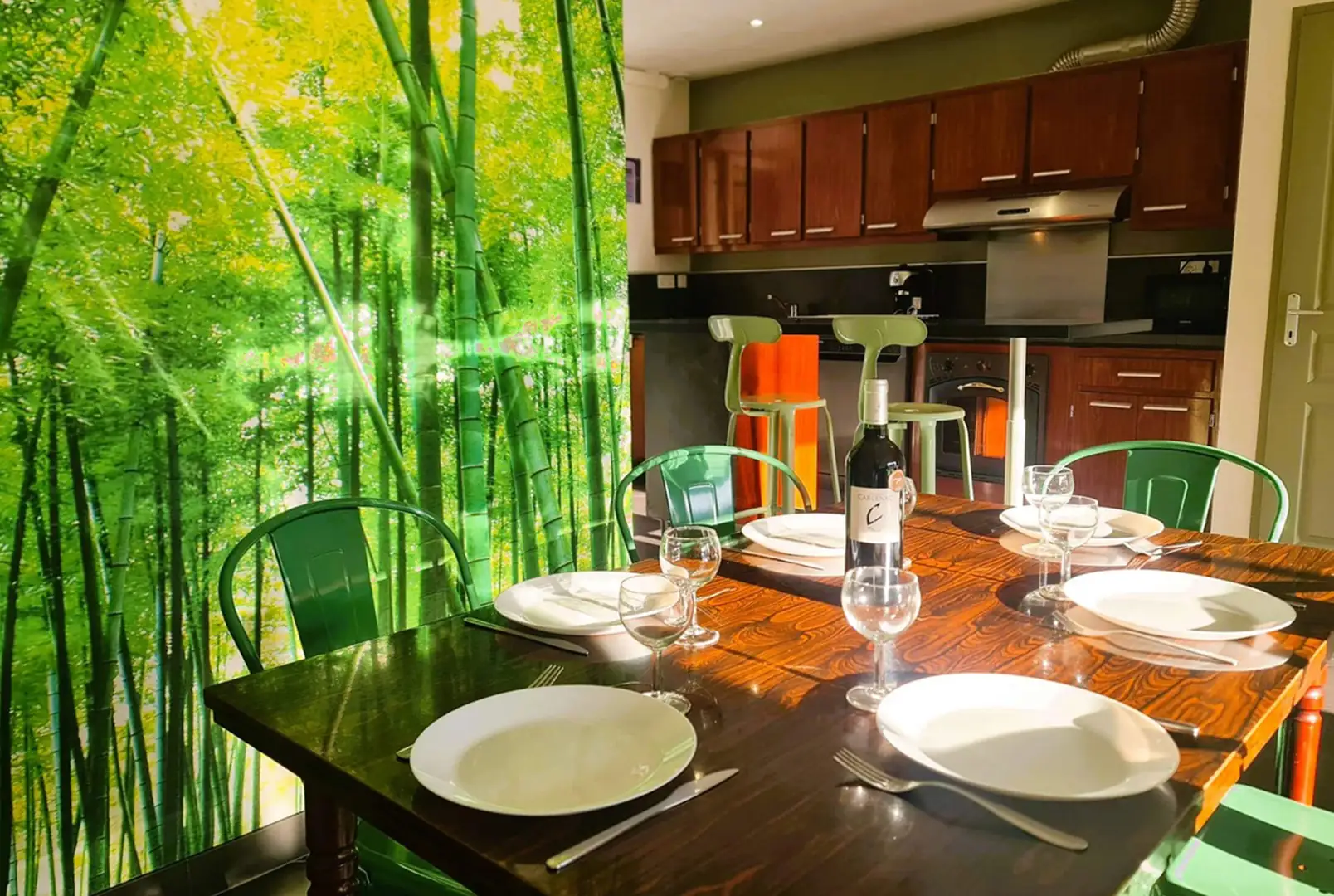
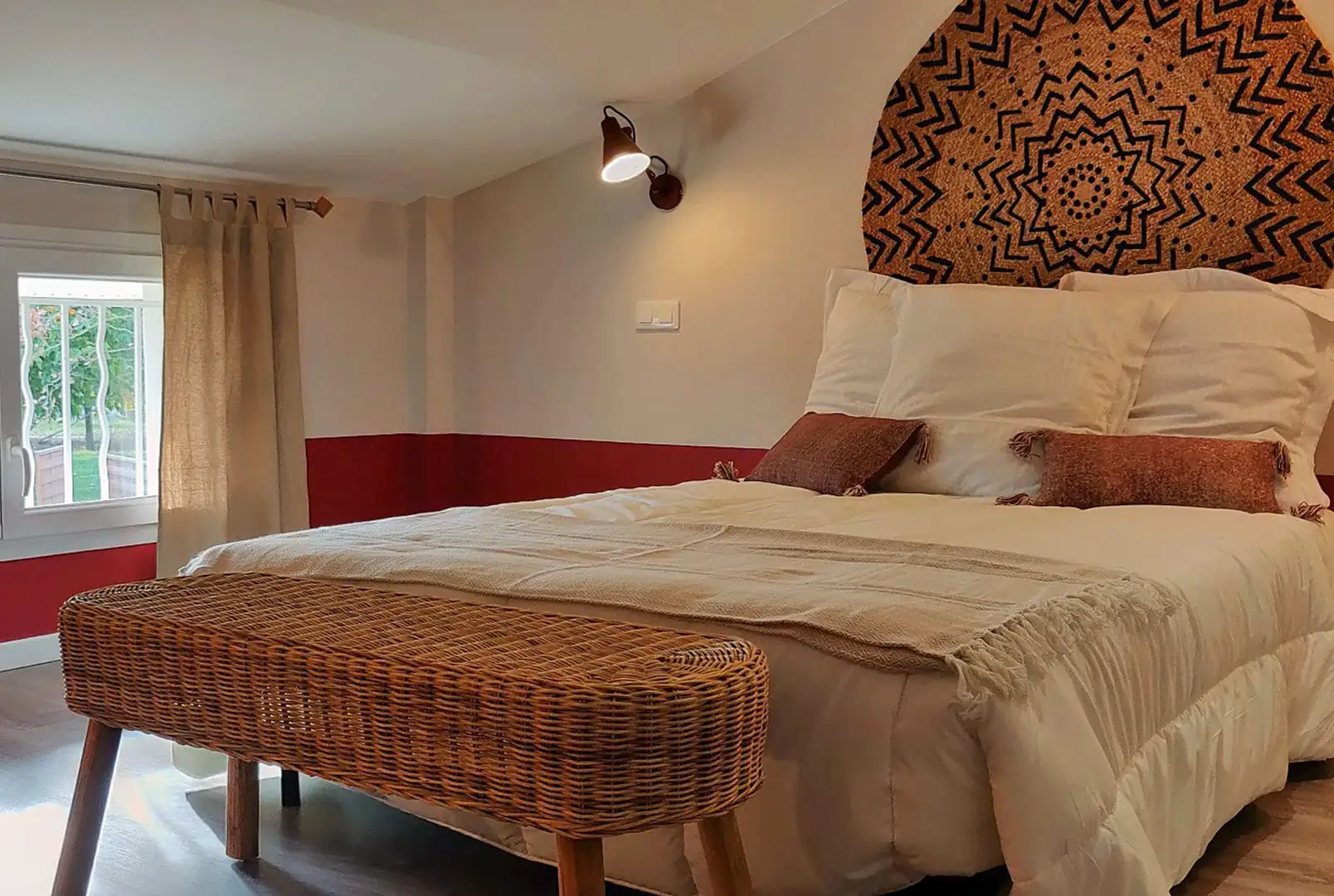
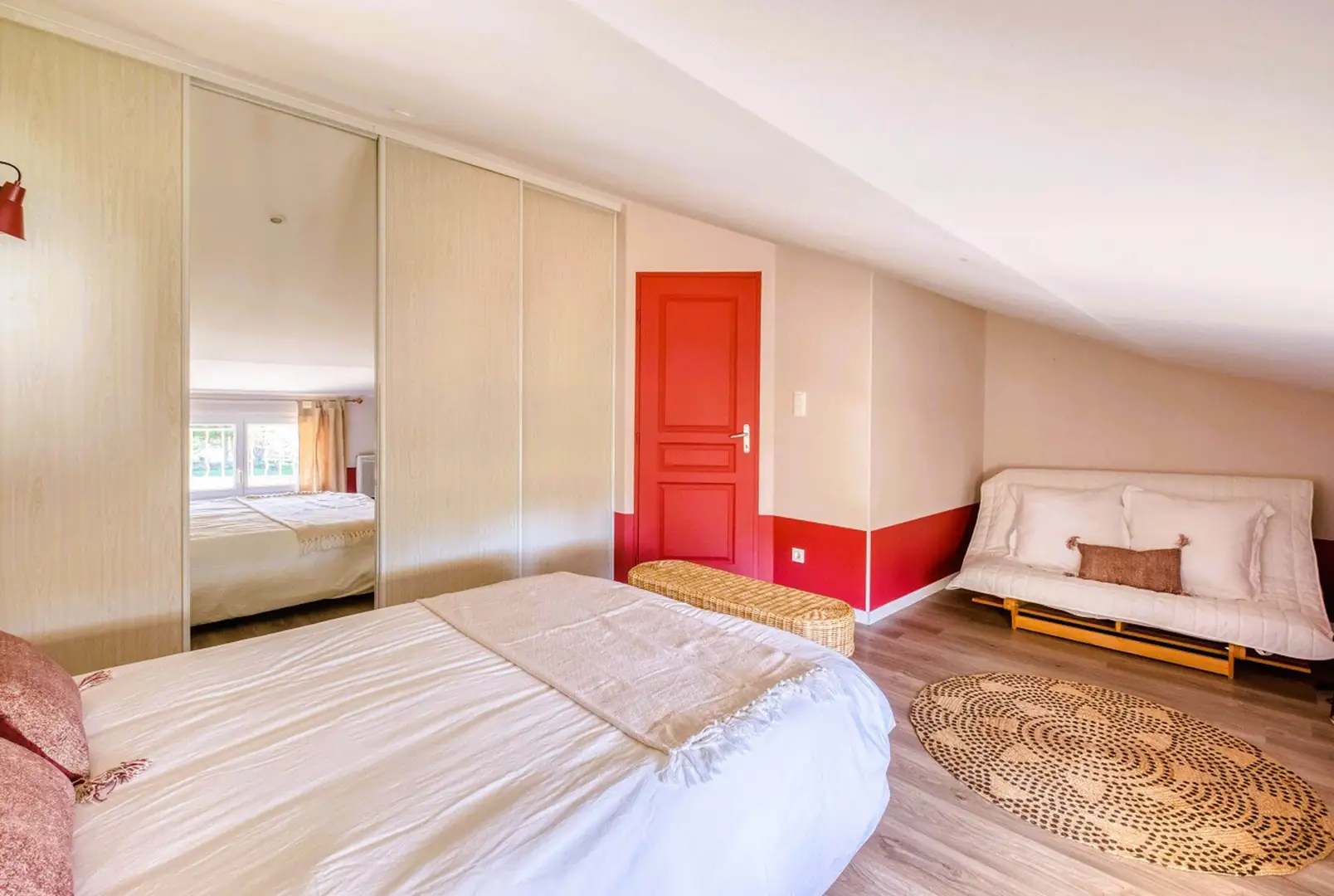
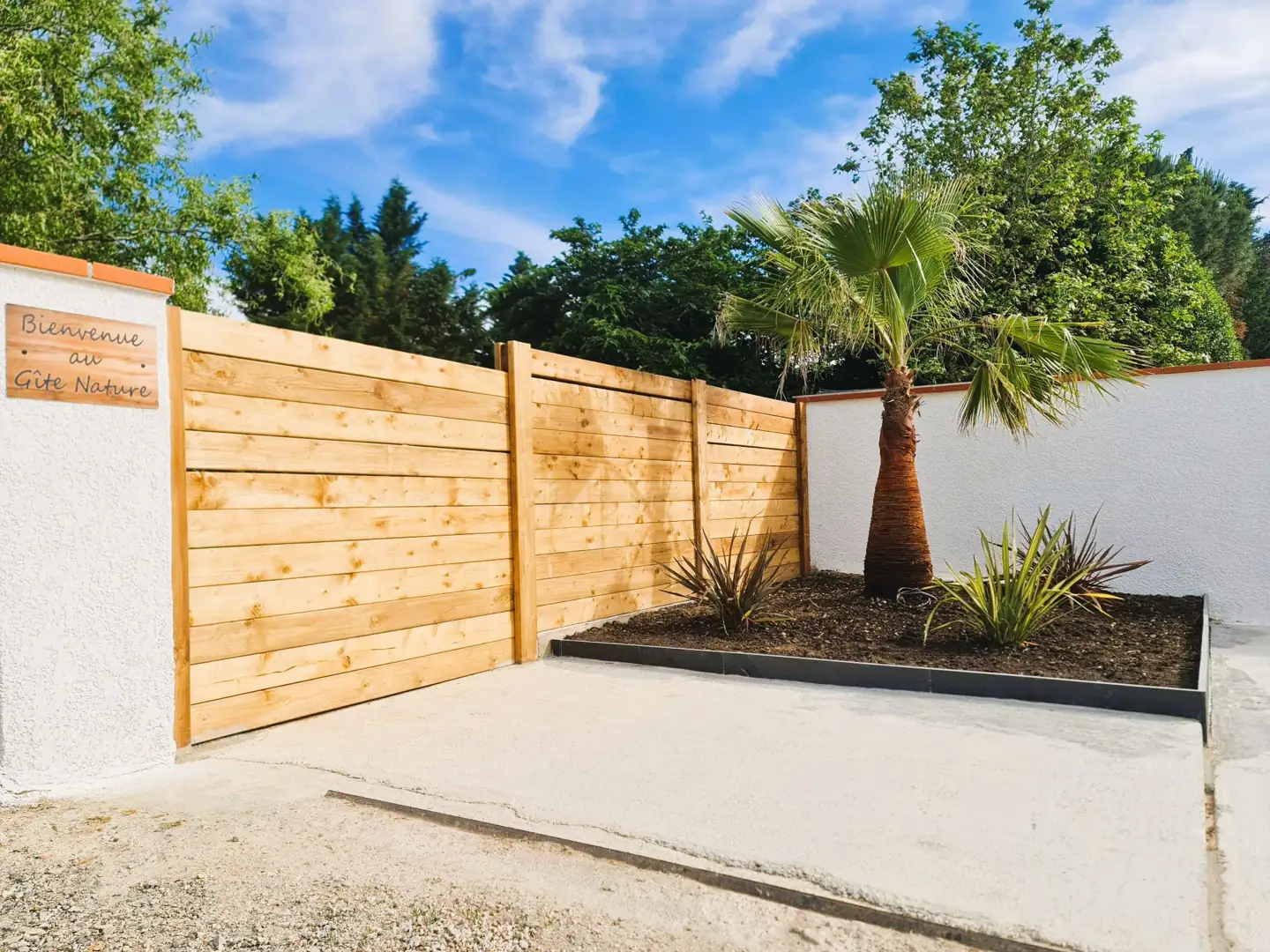
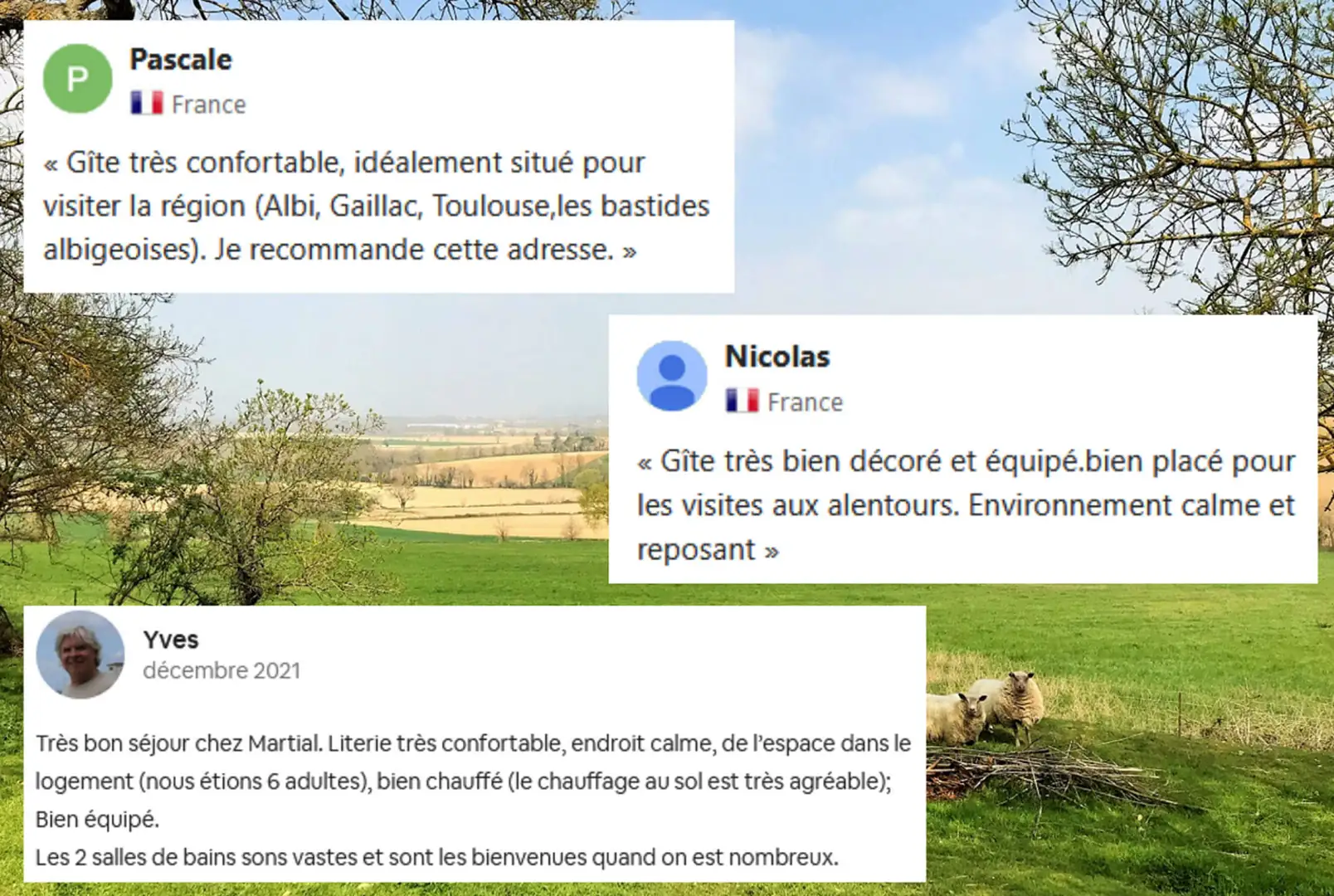
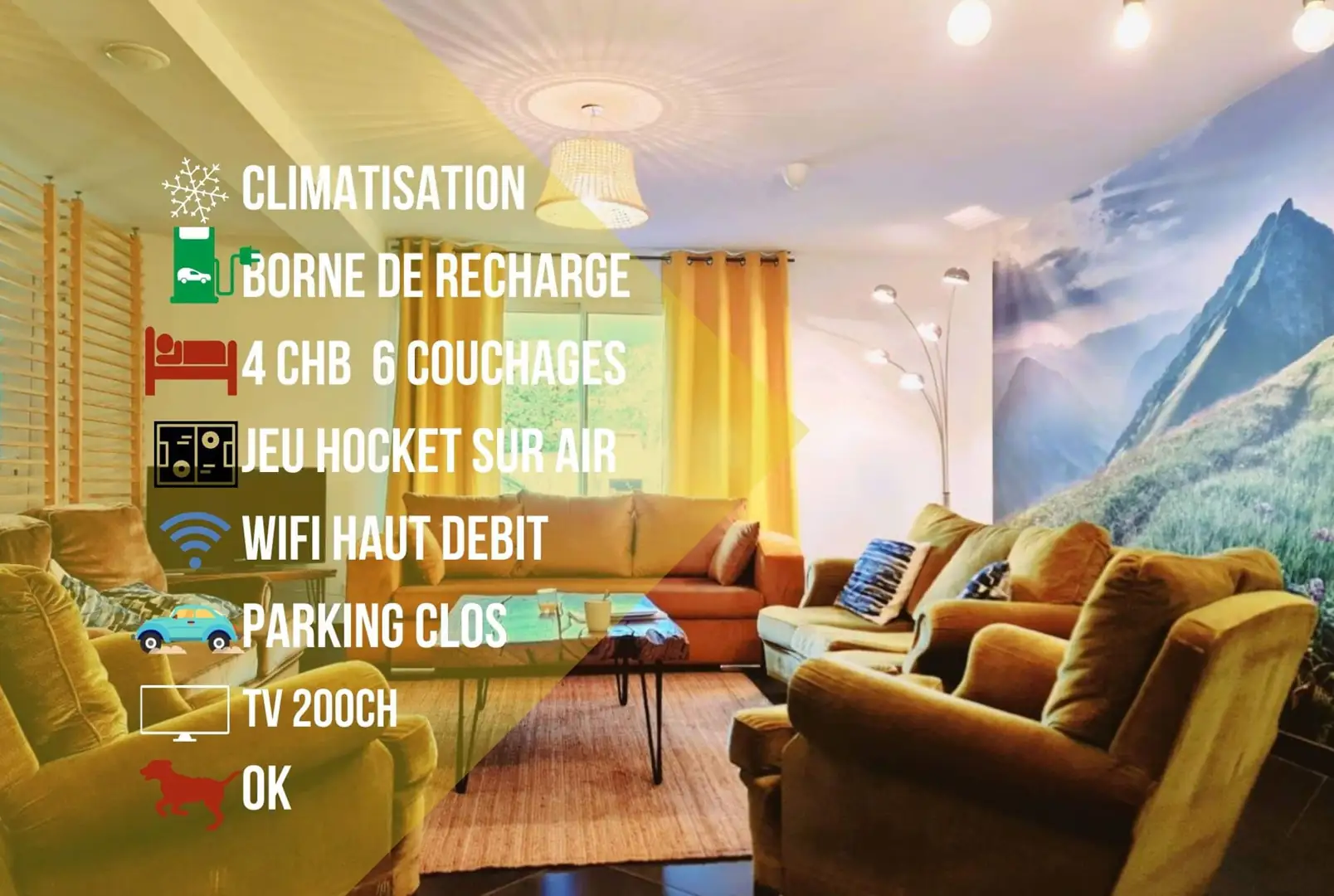
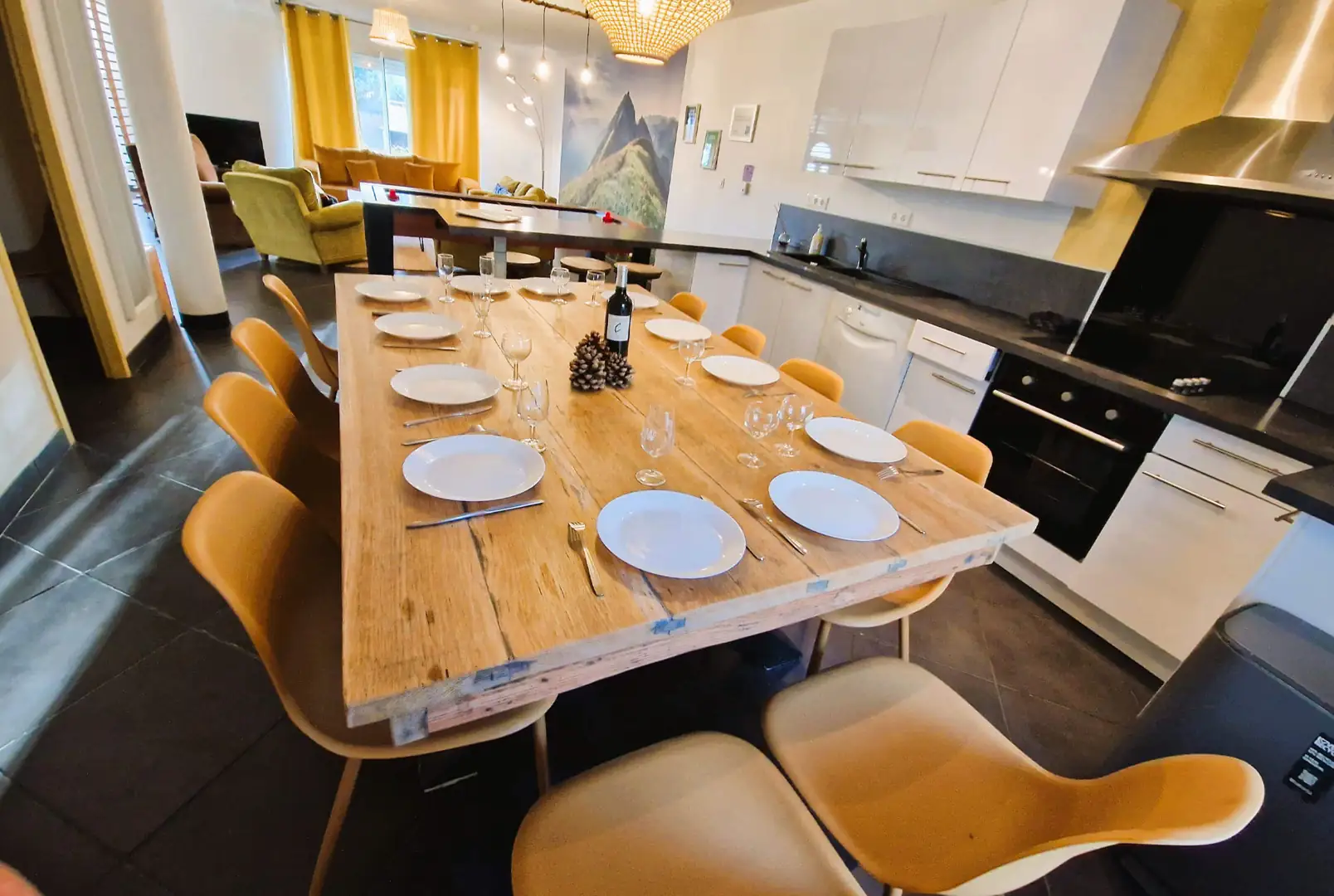
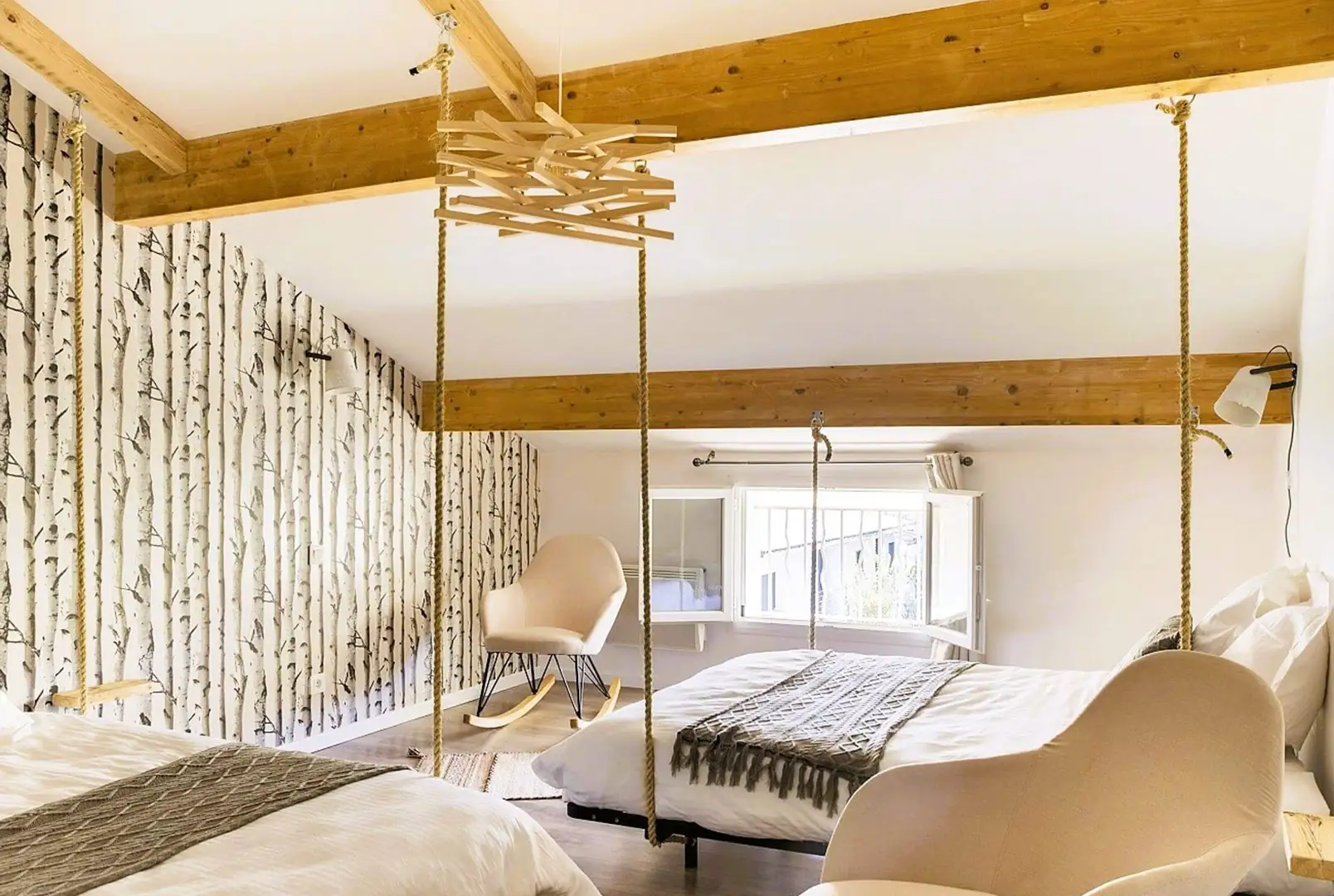
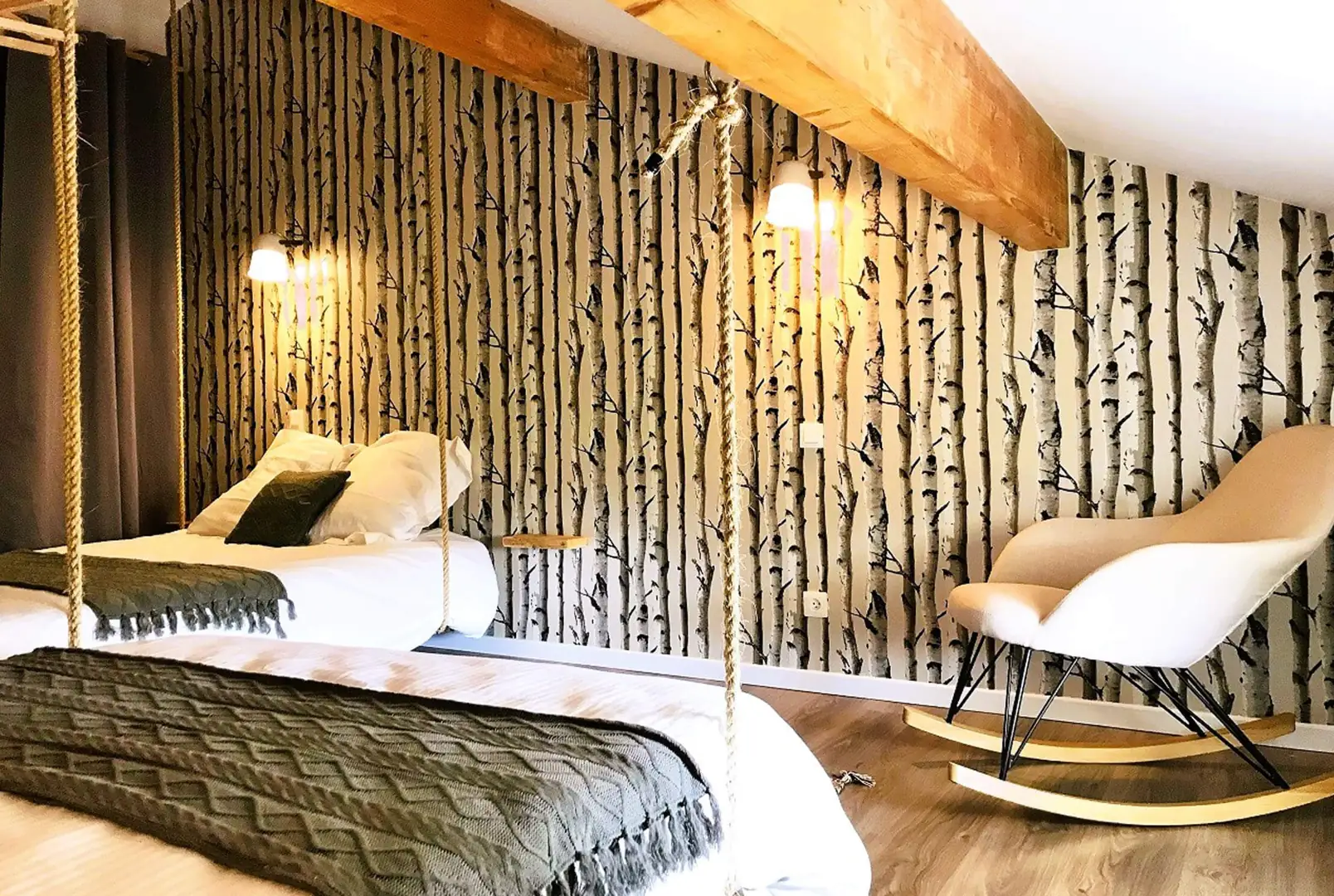
Ideally located between Albi and Toulouse, in the heart of the Gaillac vineyard, our cottages are the perfect starting point for exploring all the medieval bastides of the Tarn. From Peyrole or Brens, no bastide is more than 30 minutes away by car — and most are reachable in under 15 minutes.
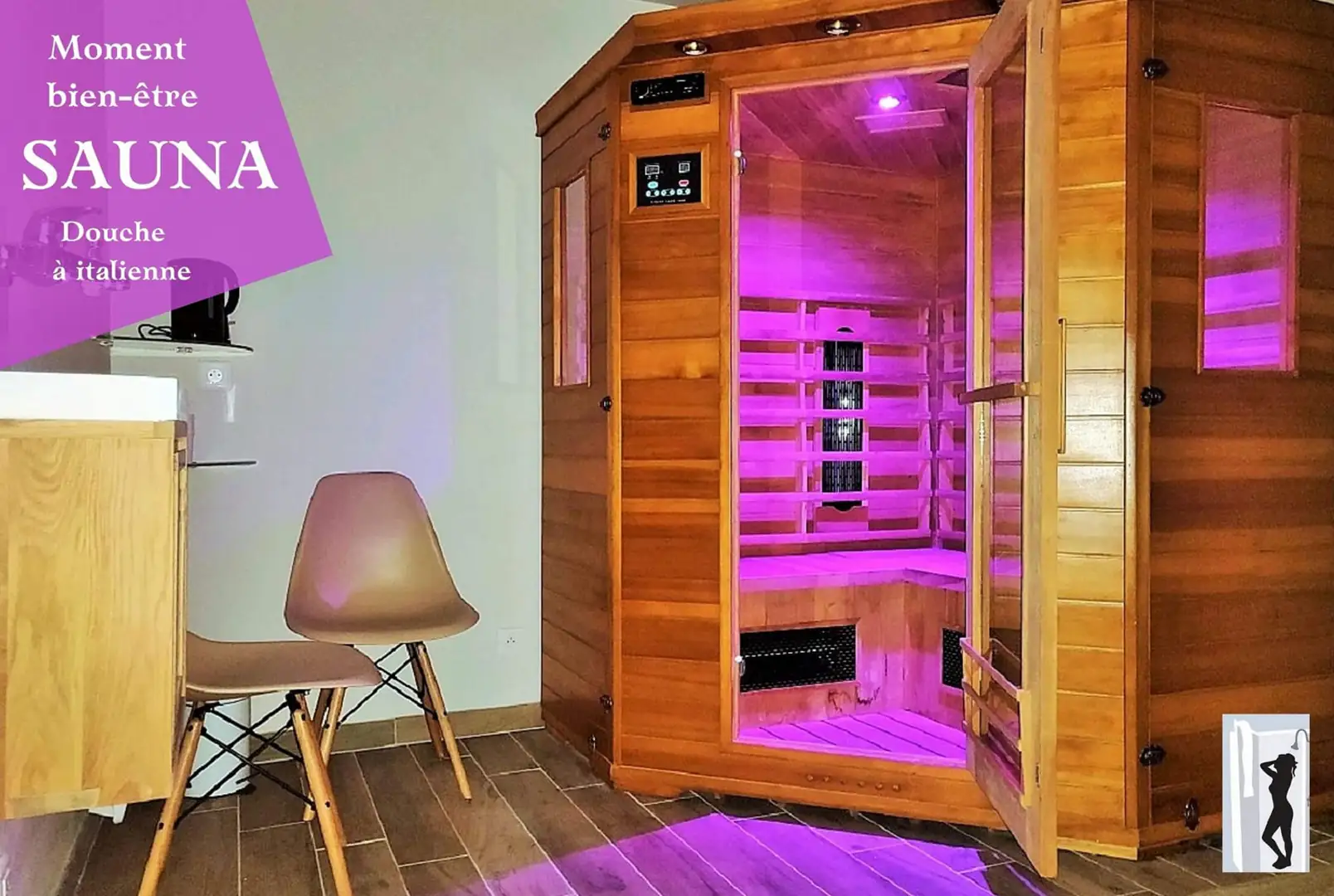
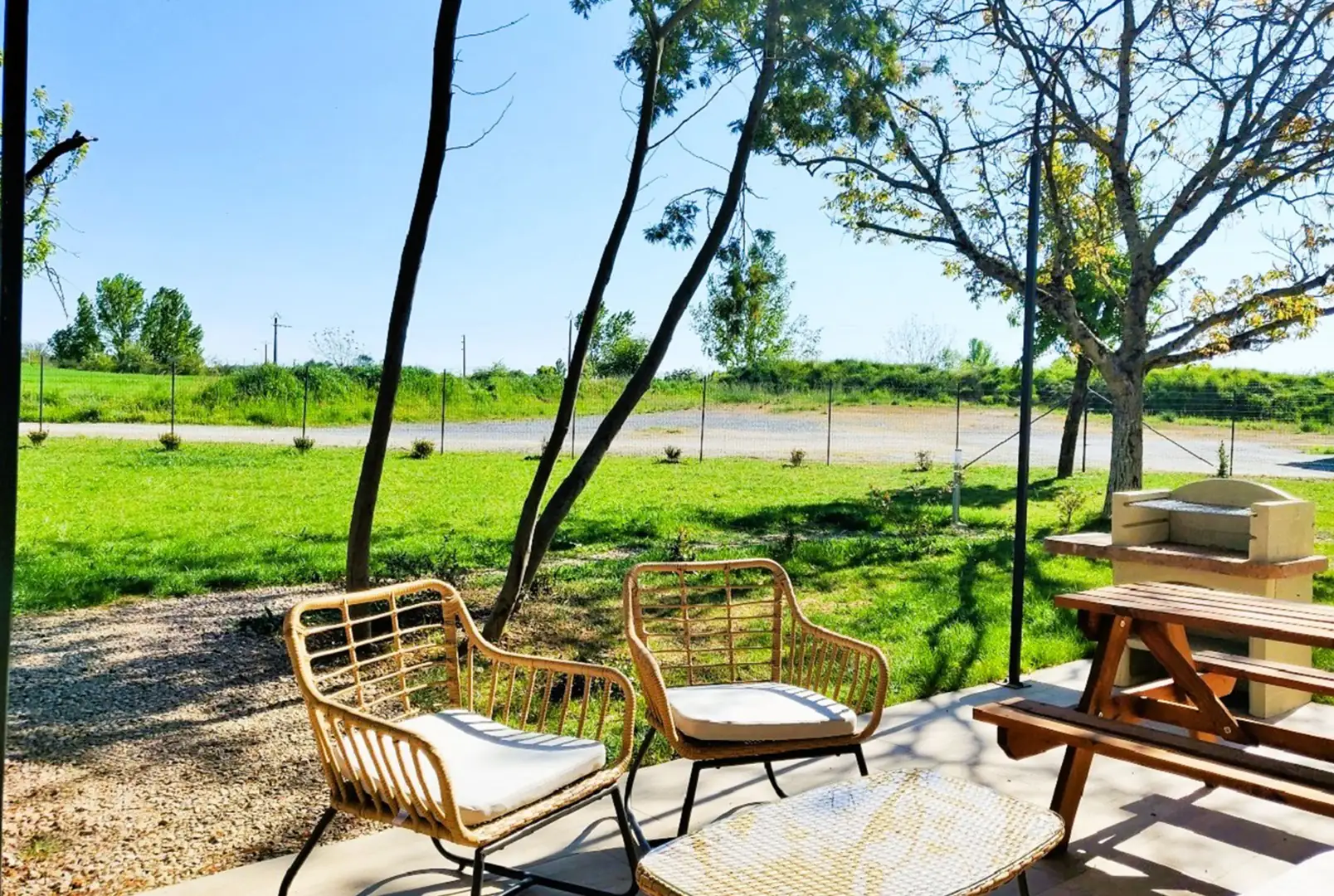
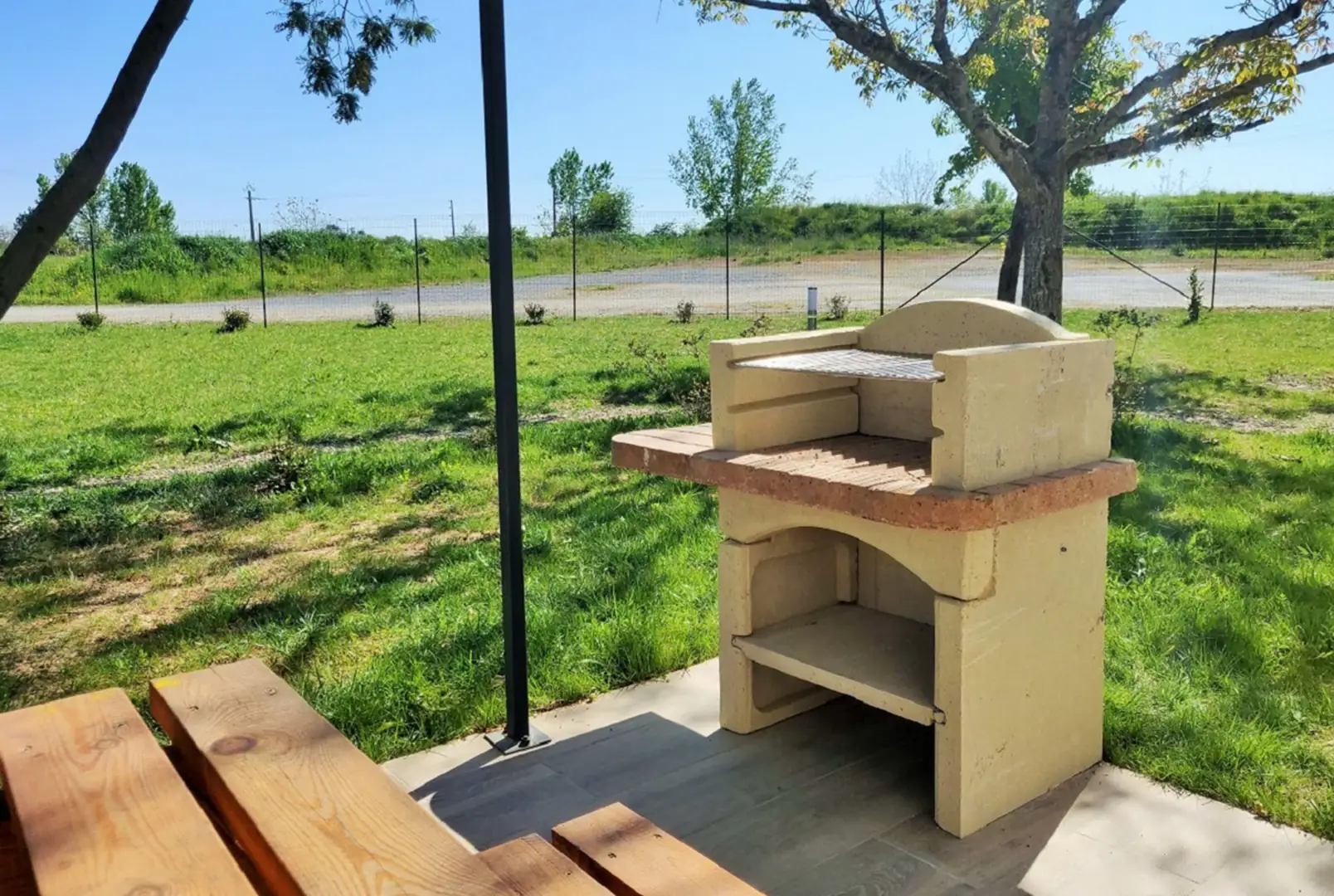
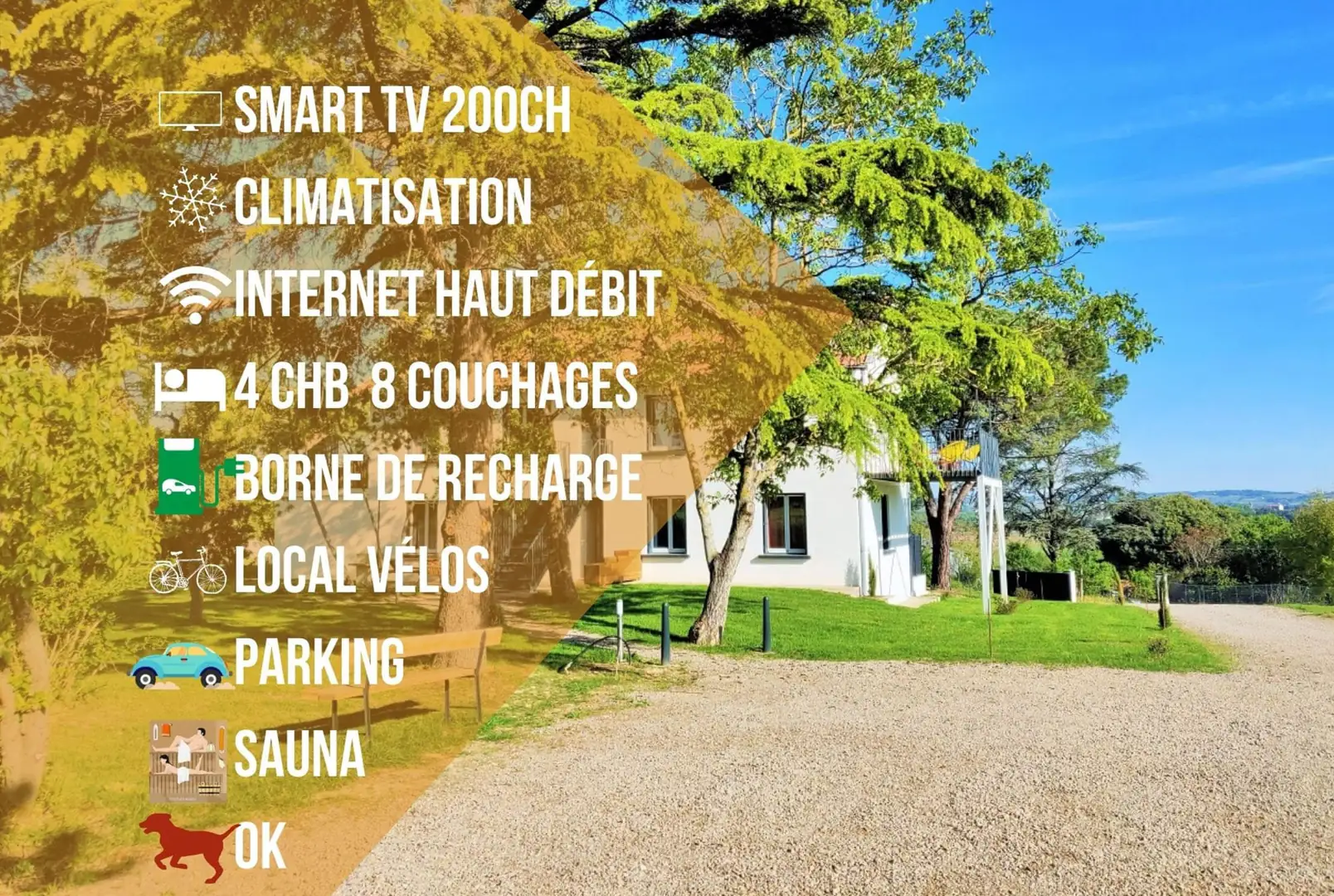
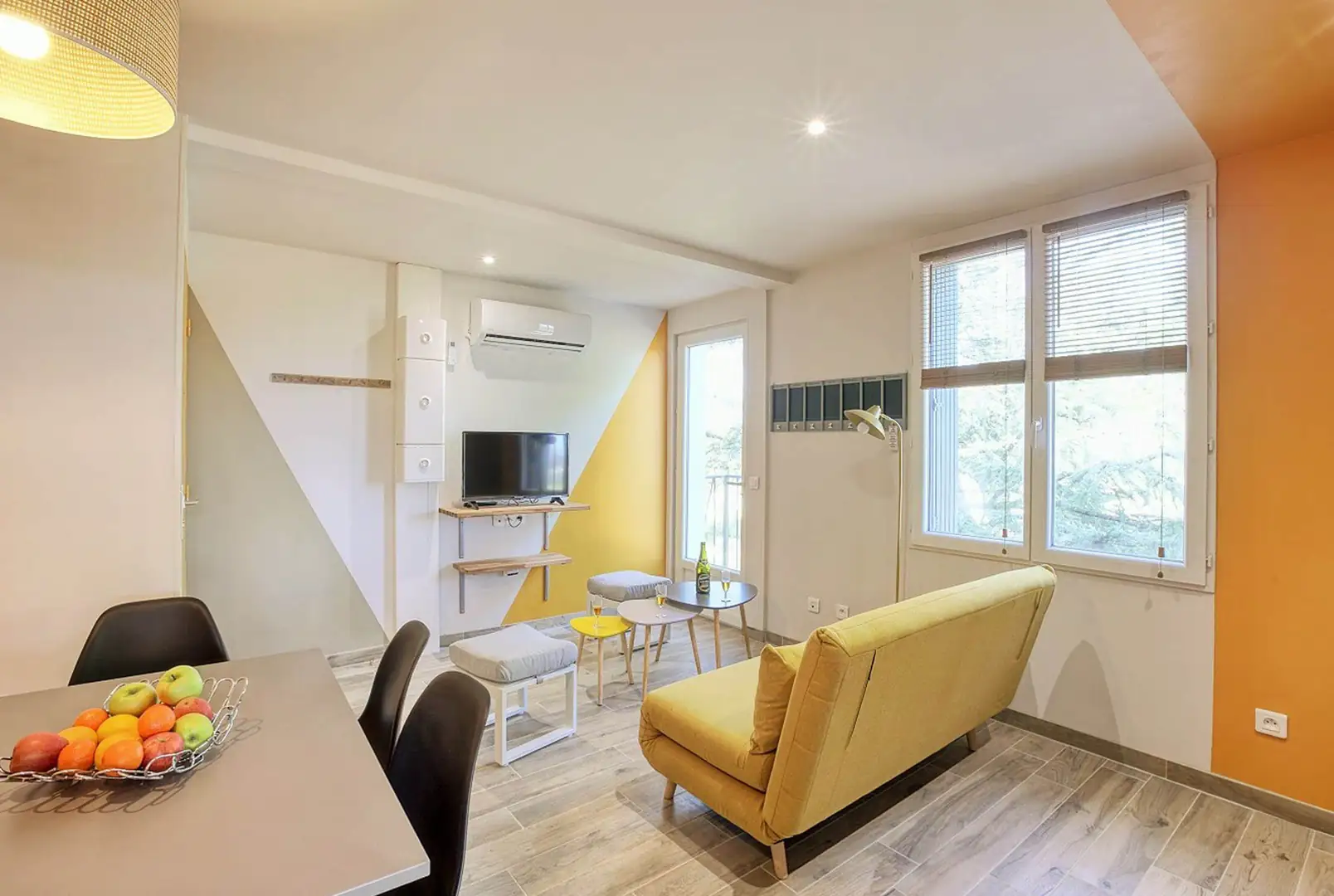
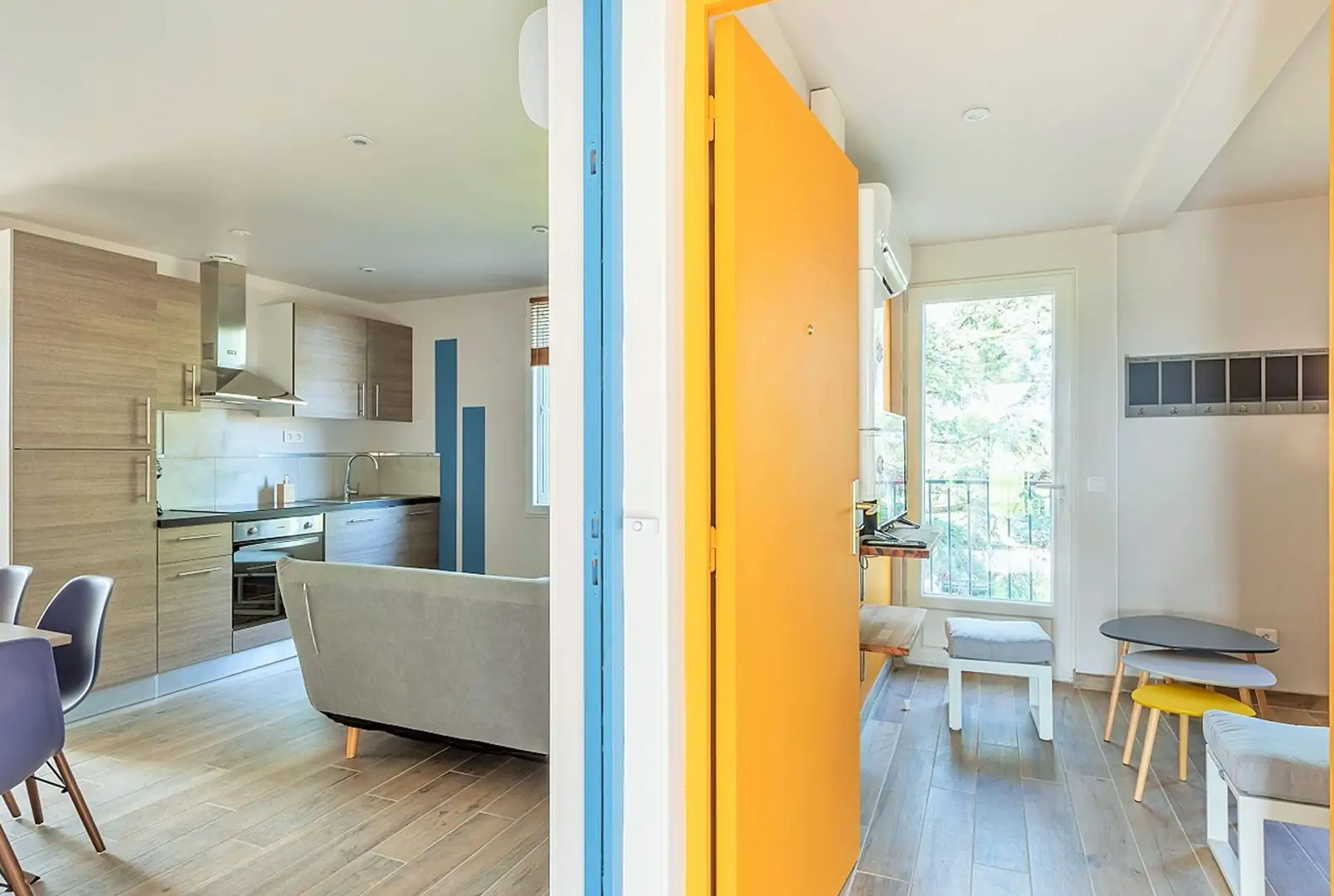
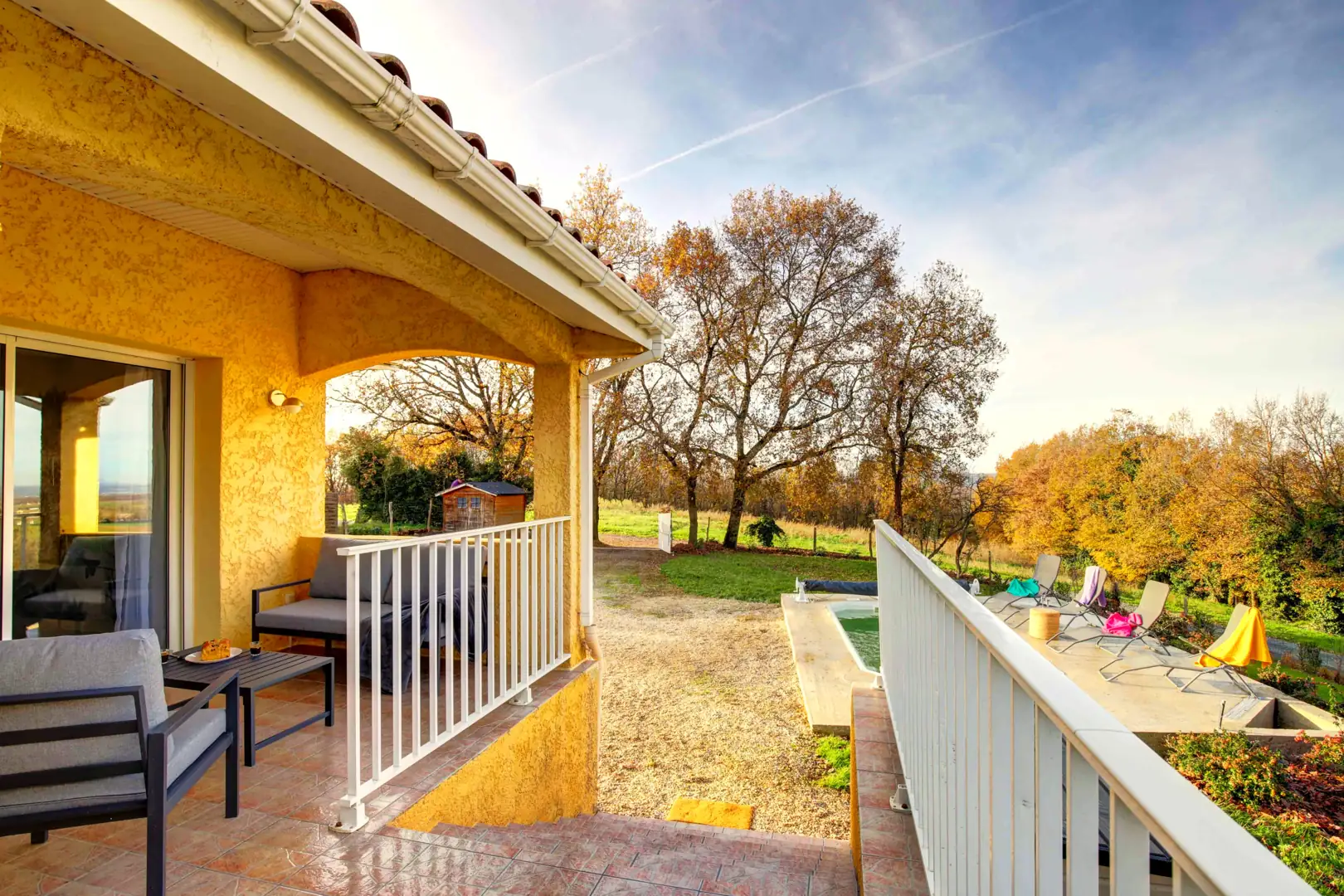
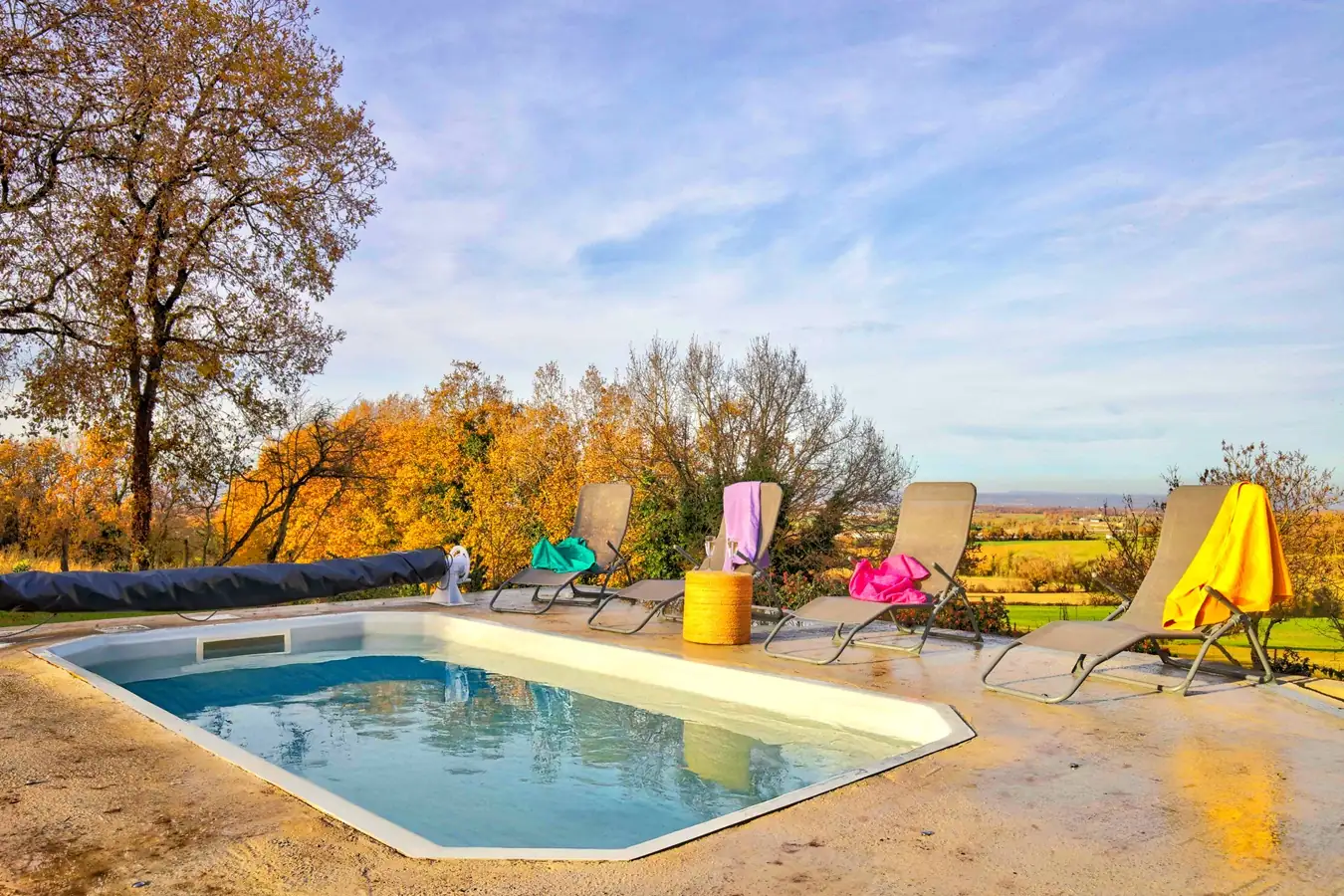
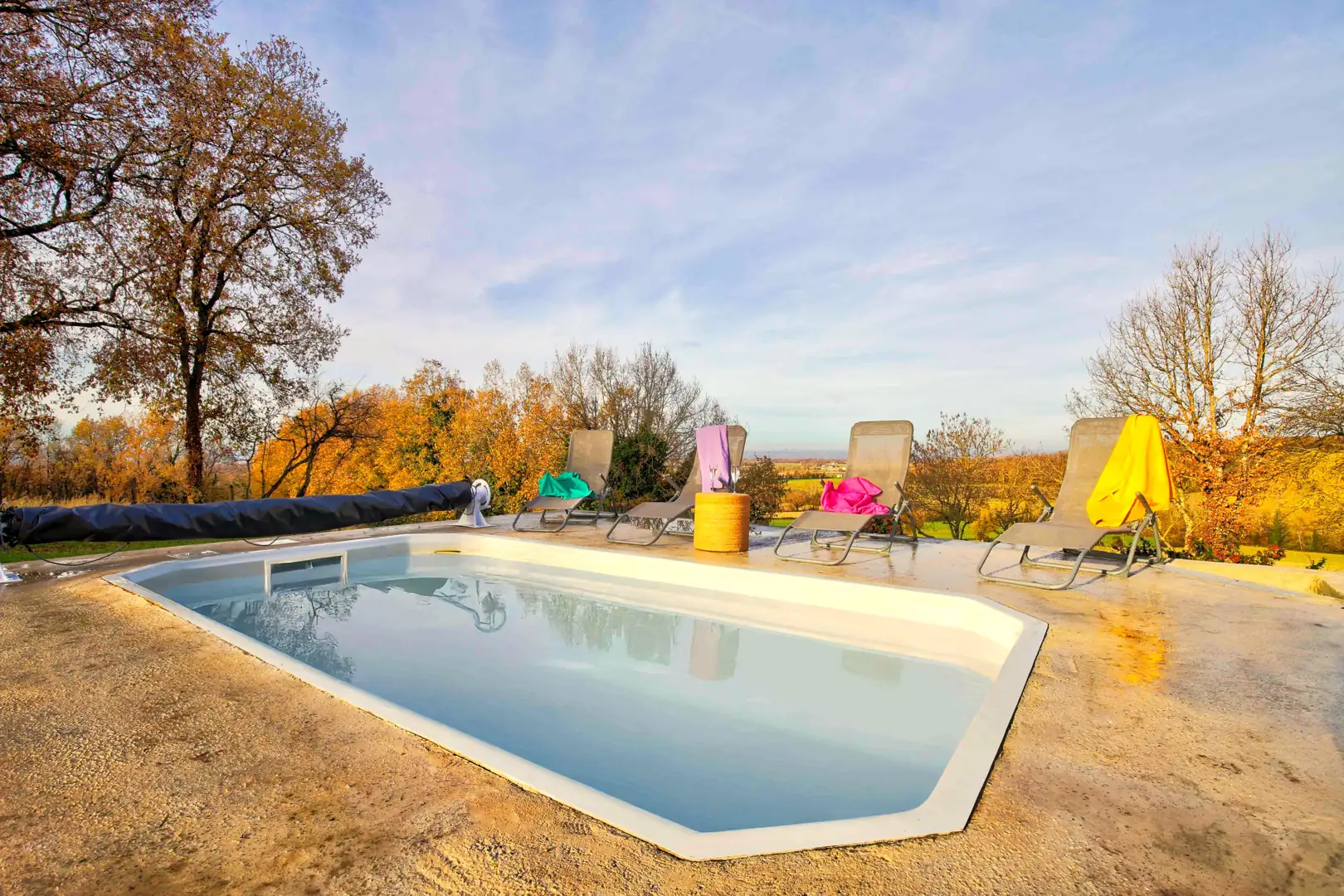
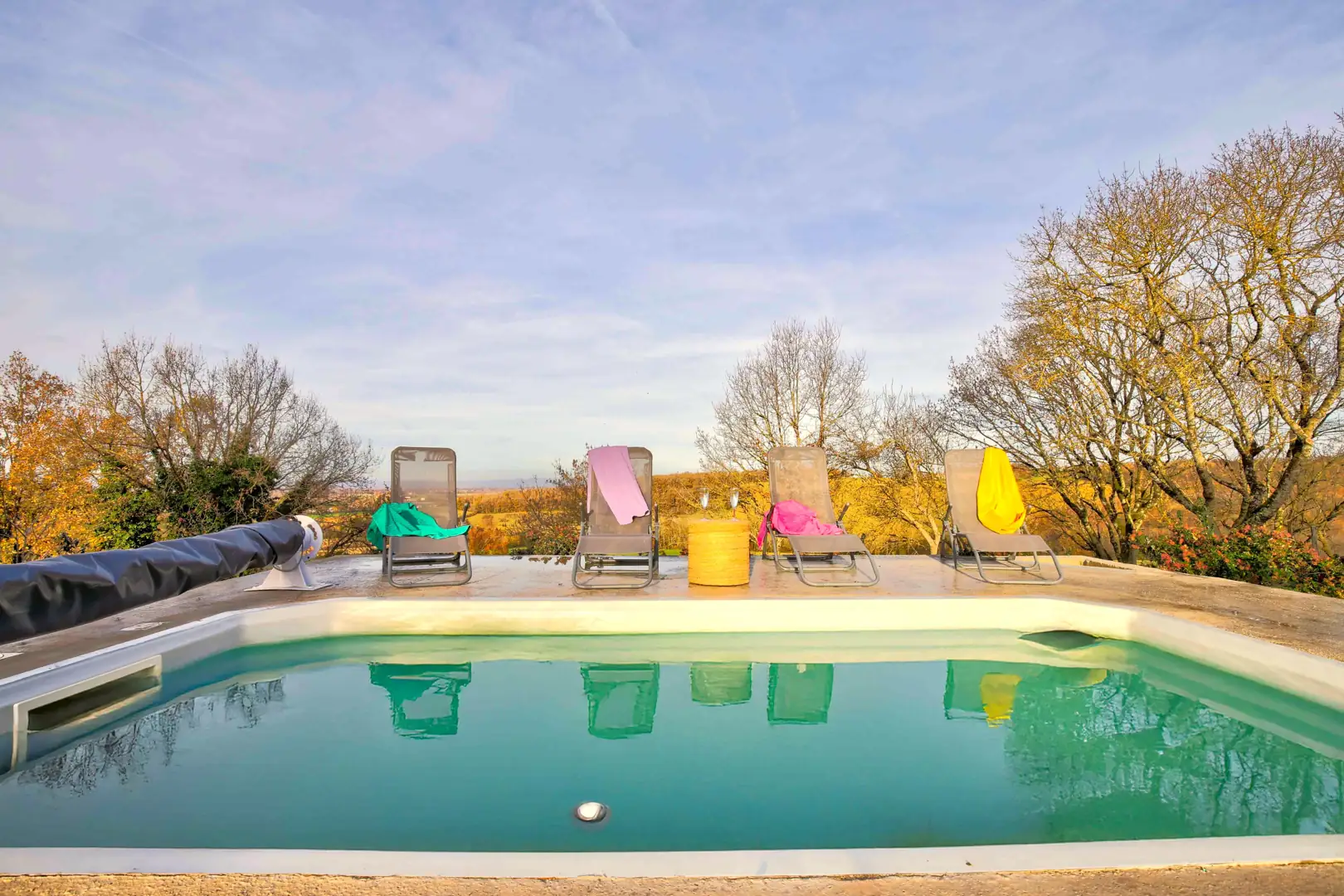
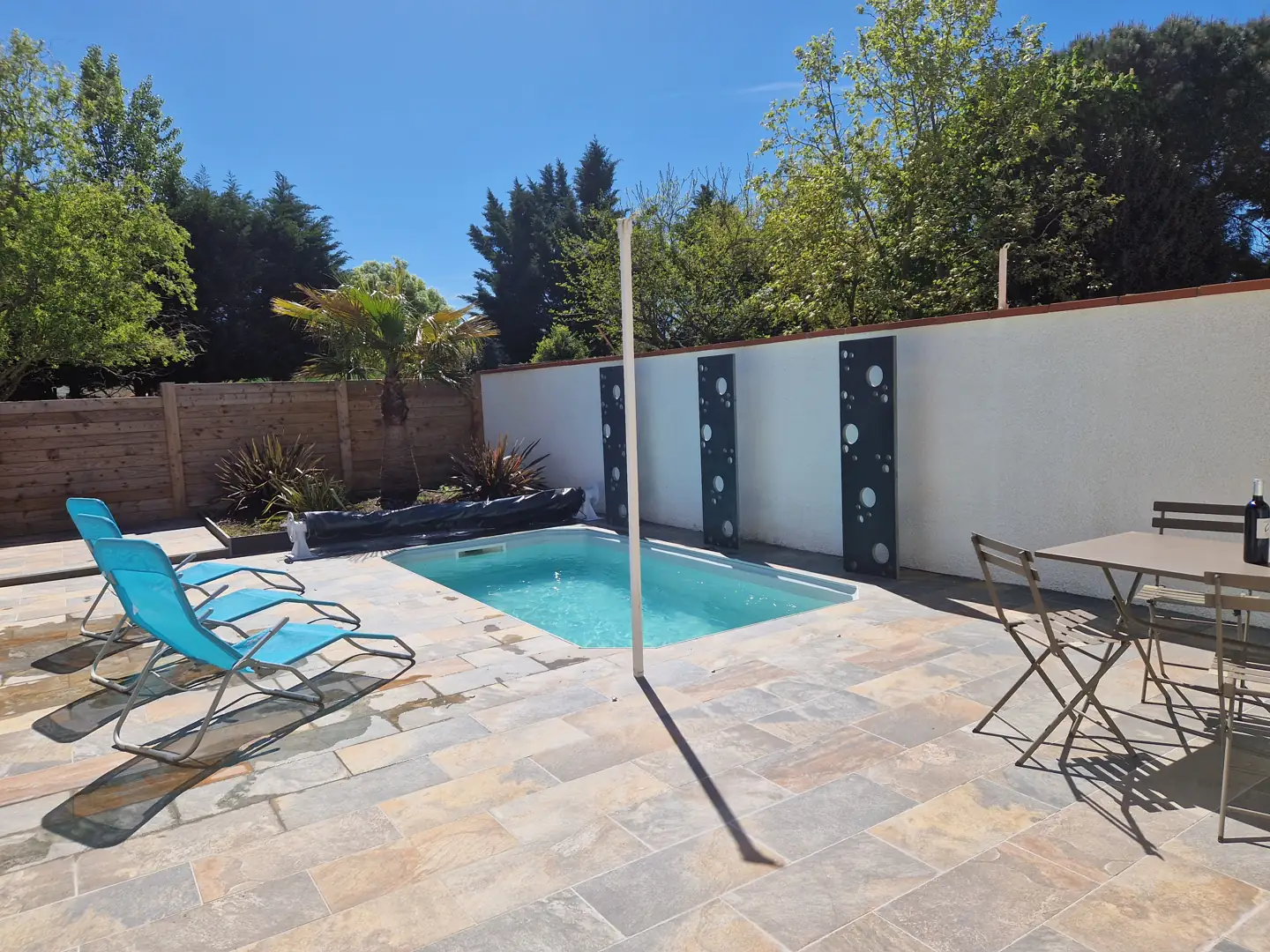
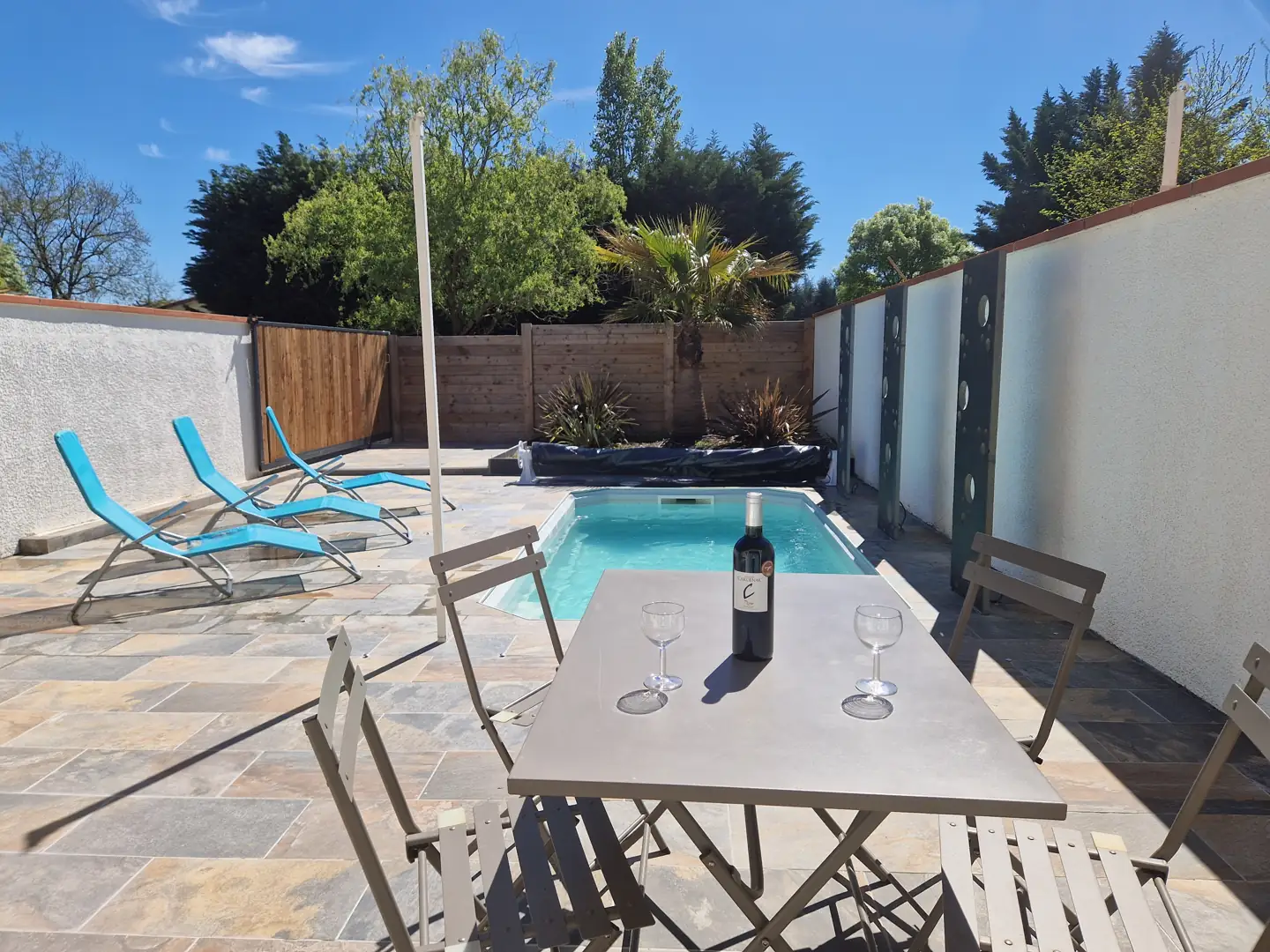
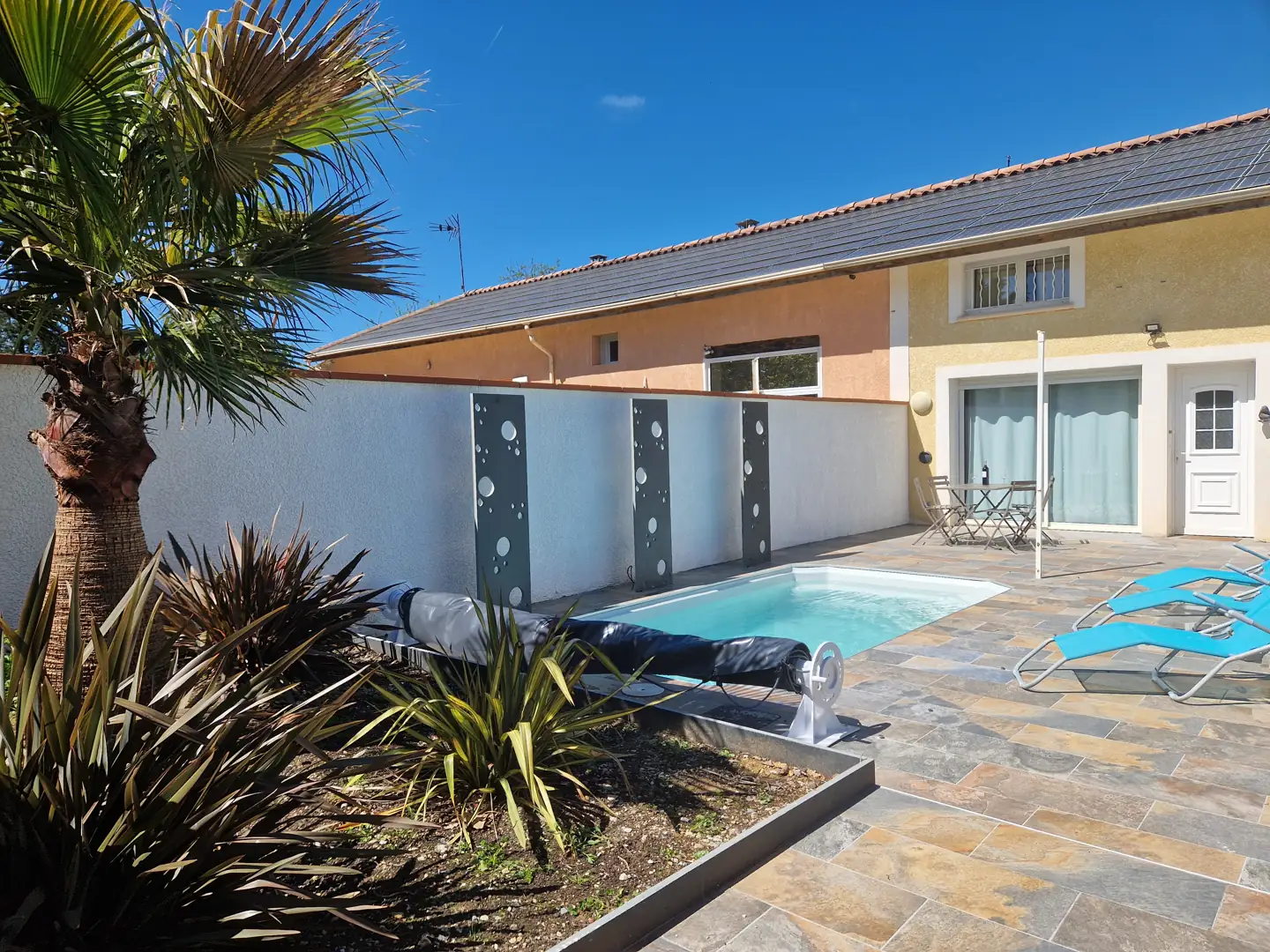
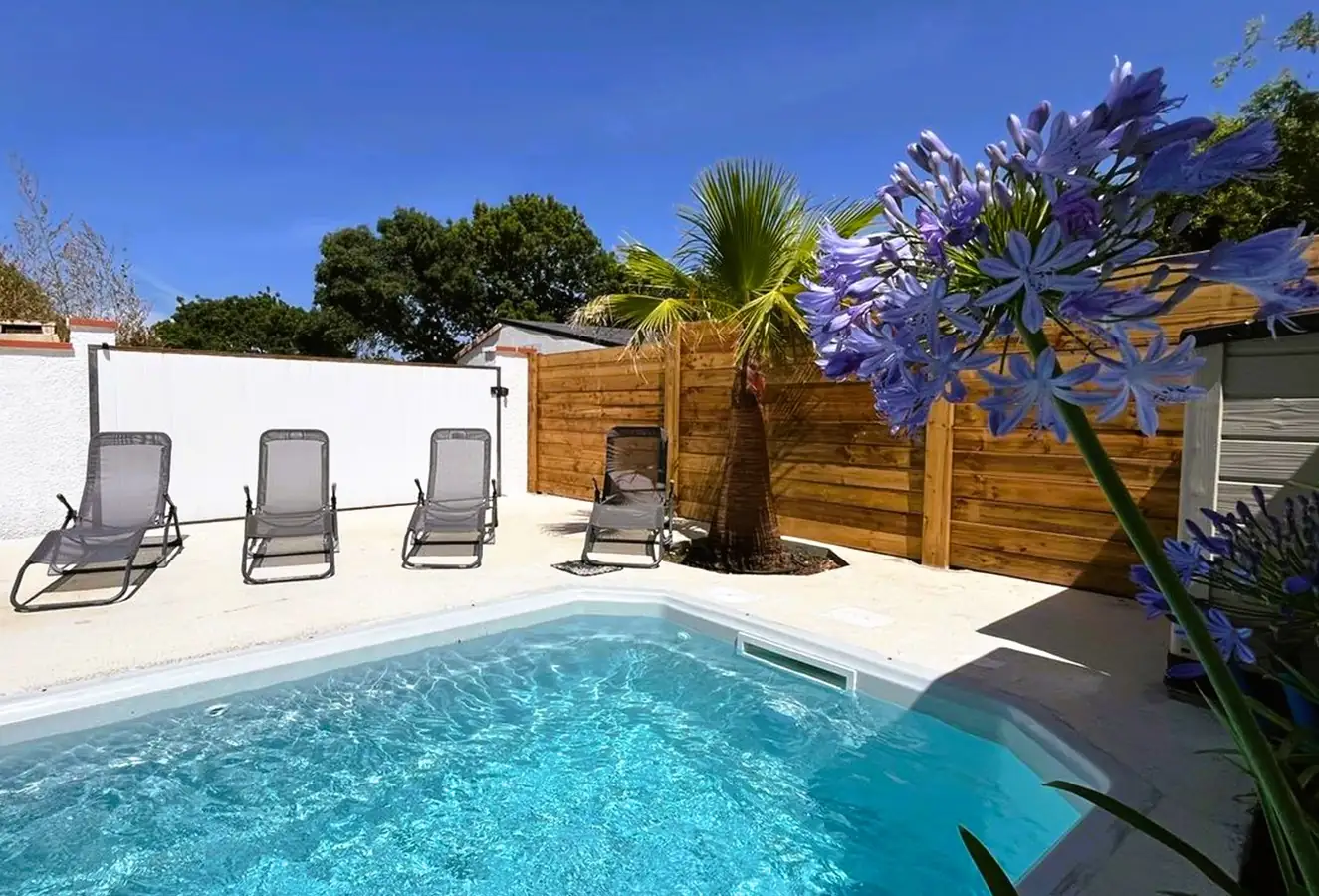
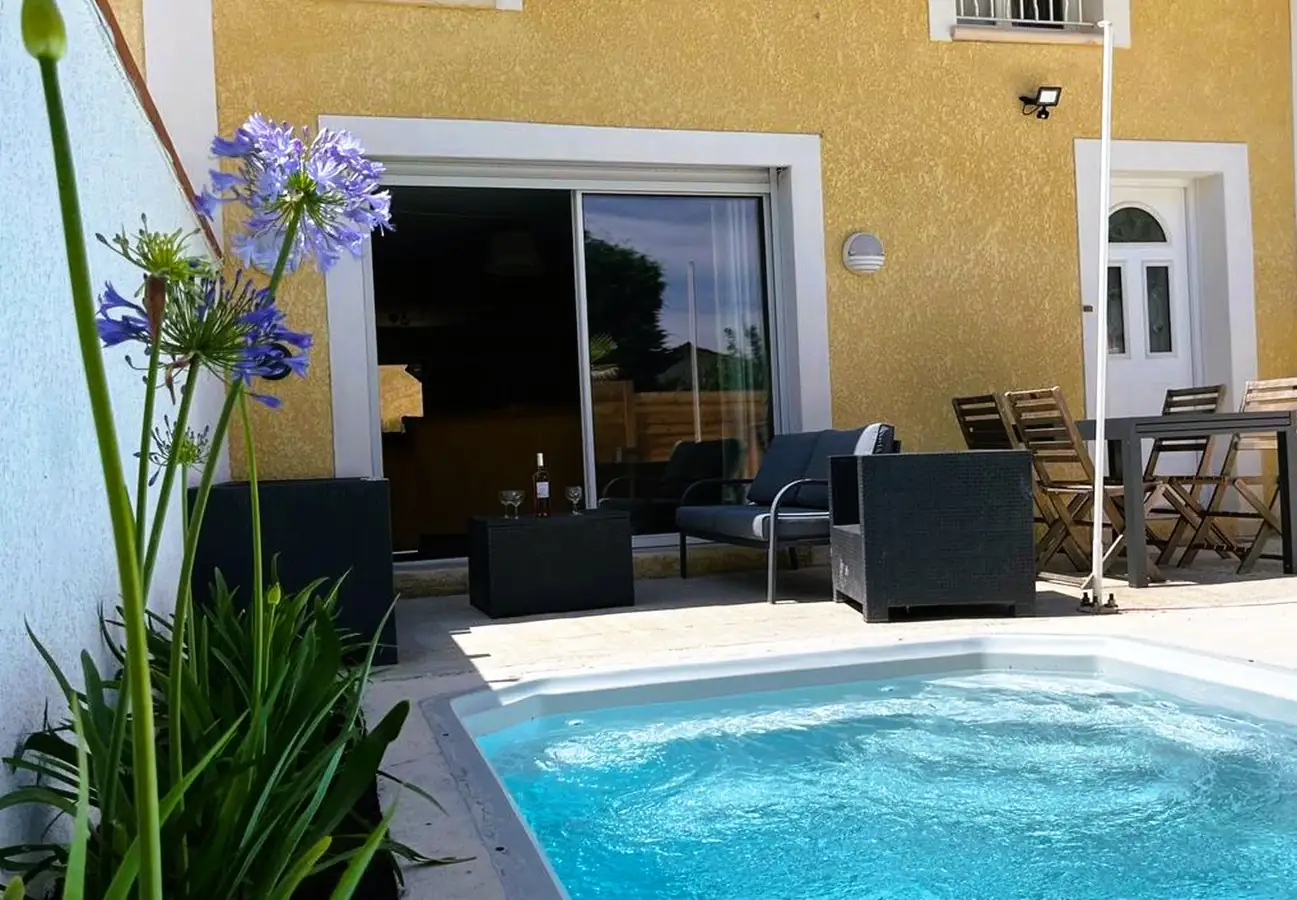
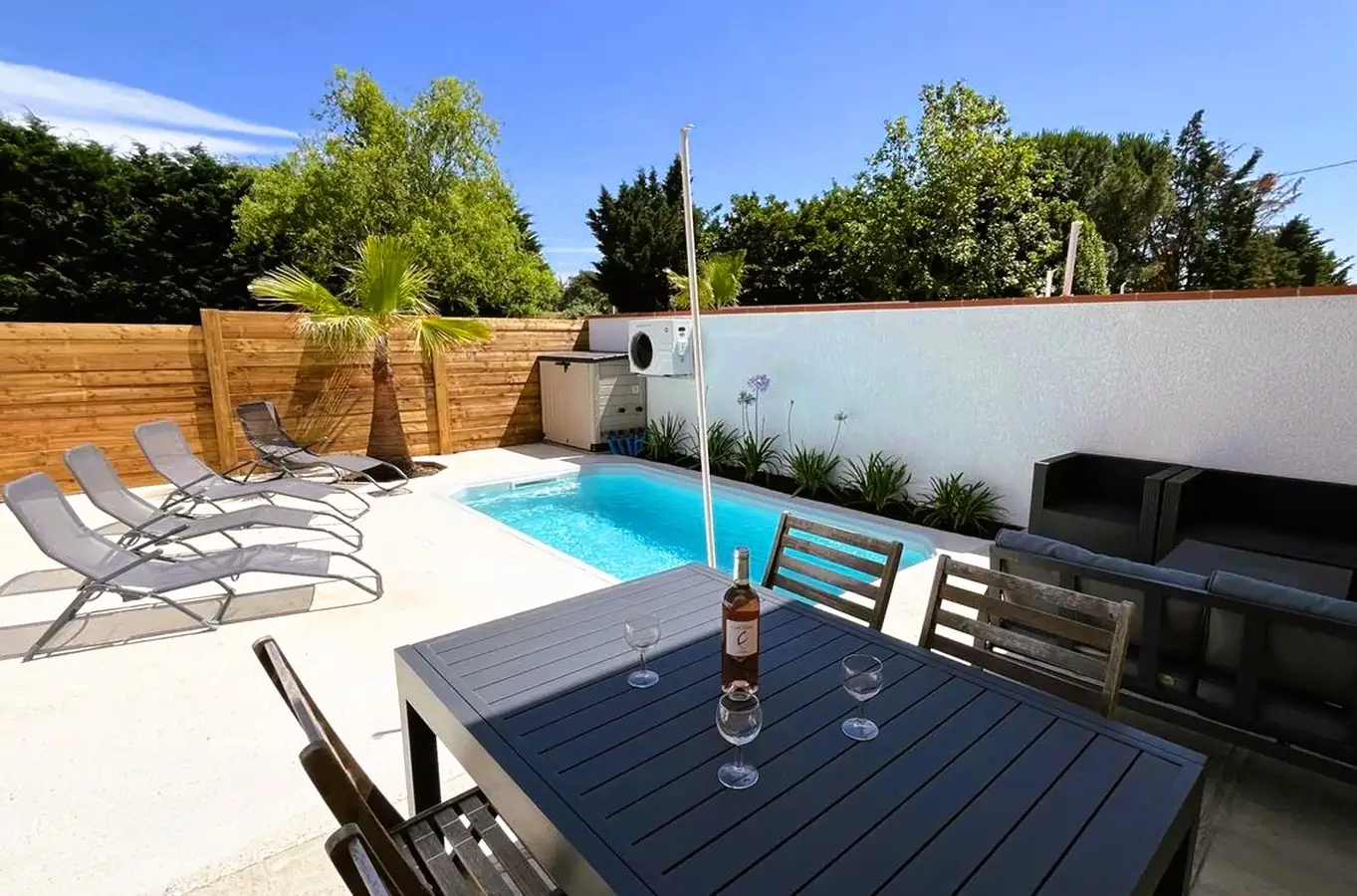
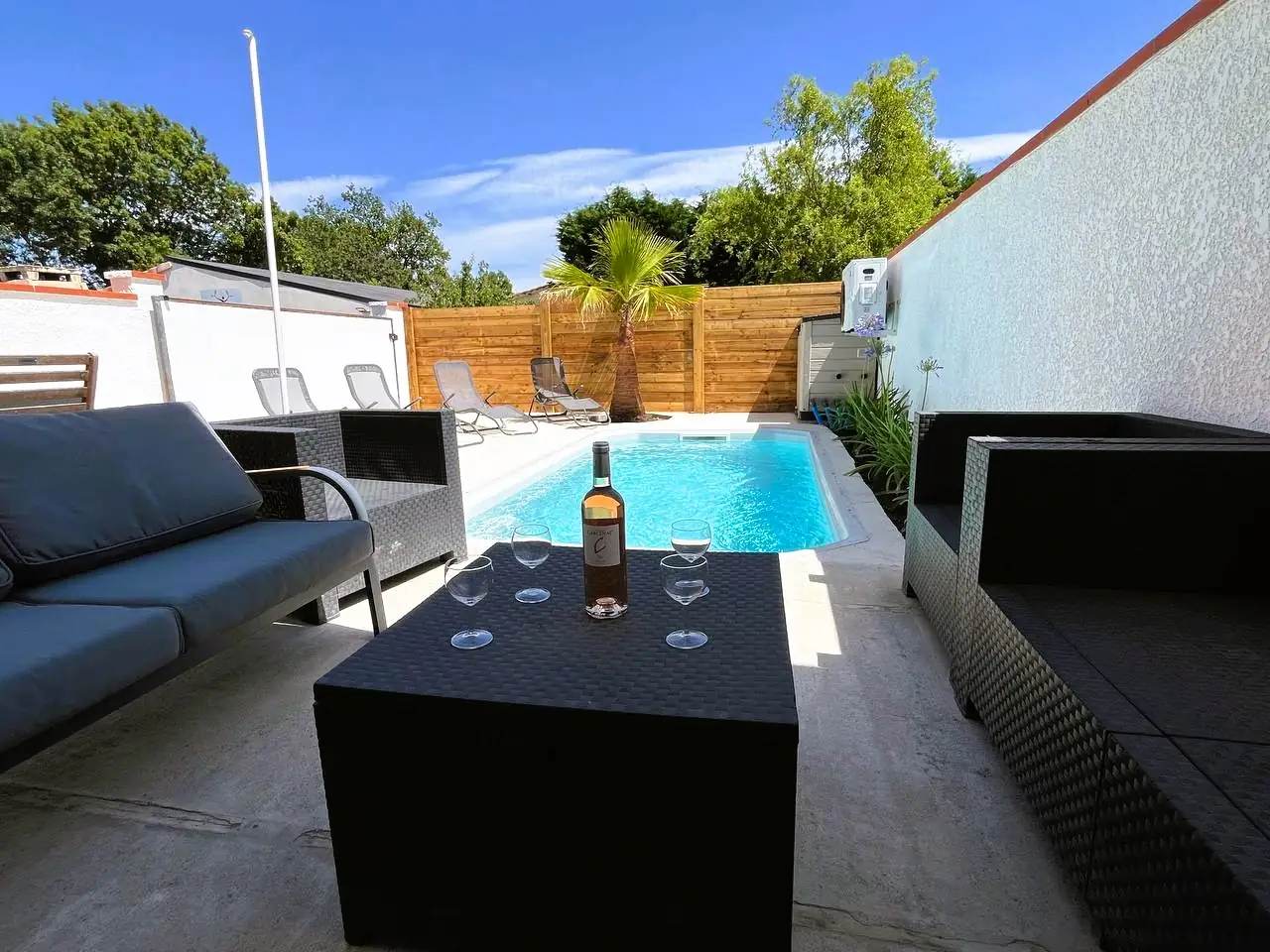
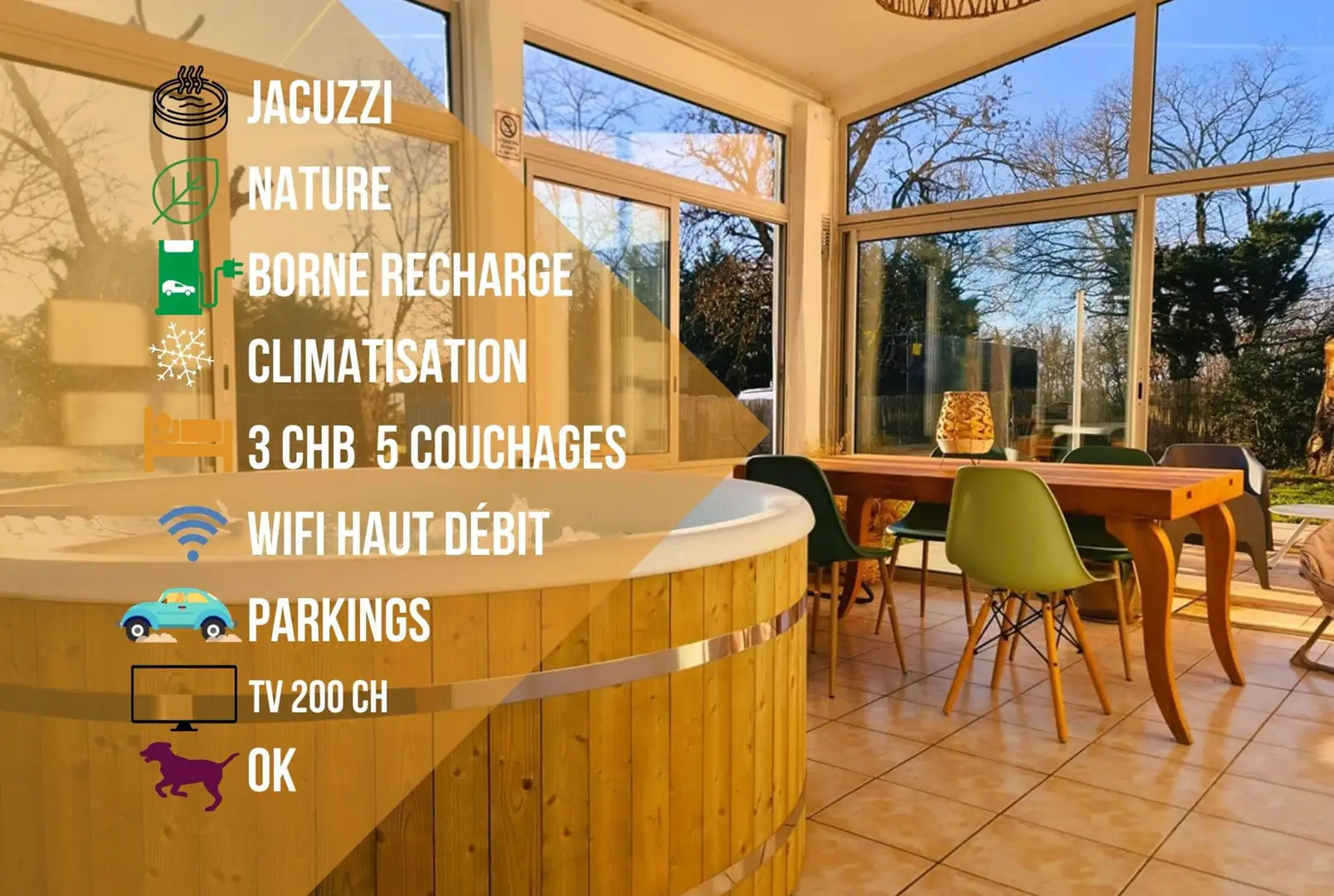
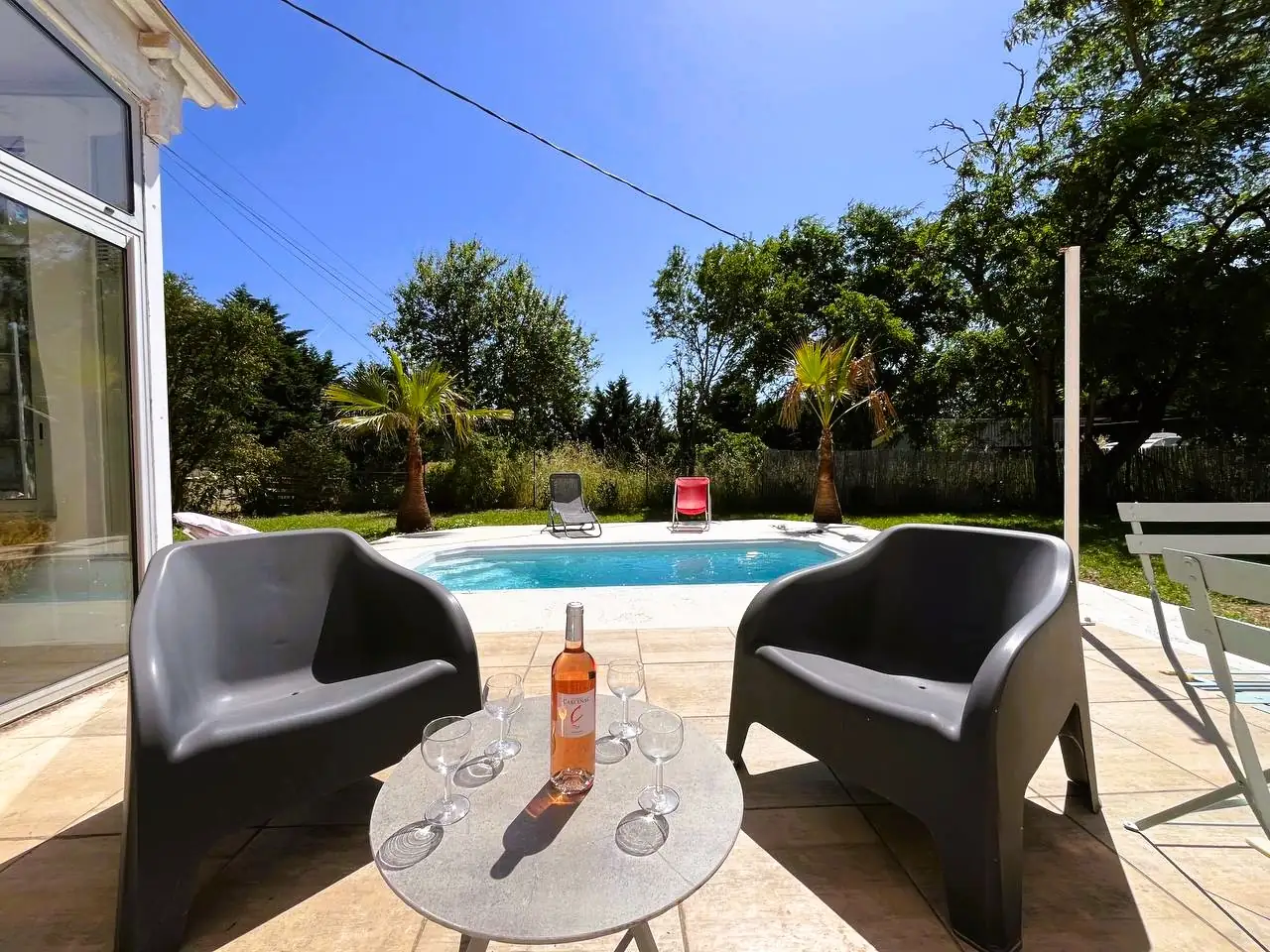
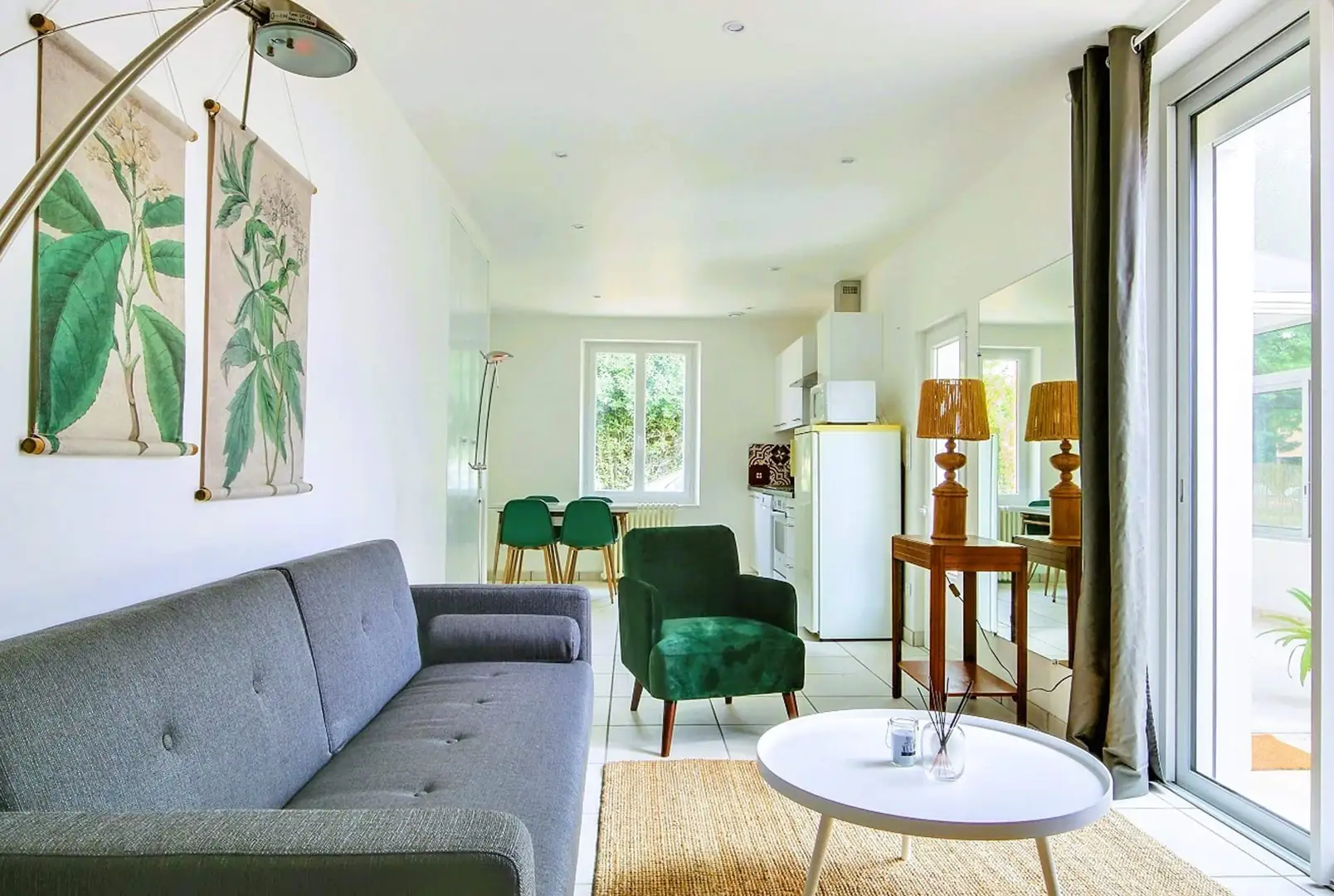
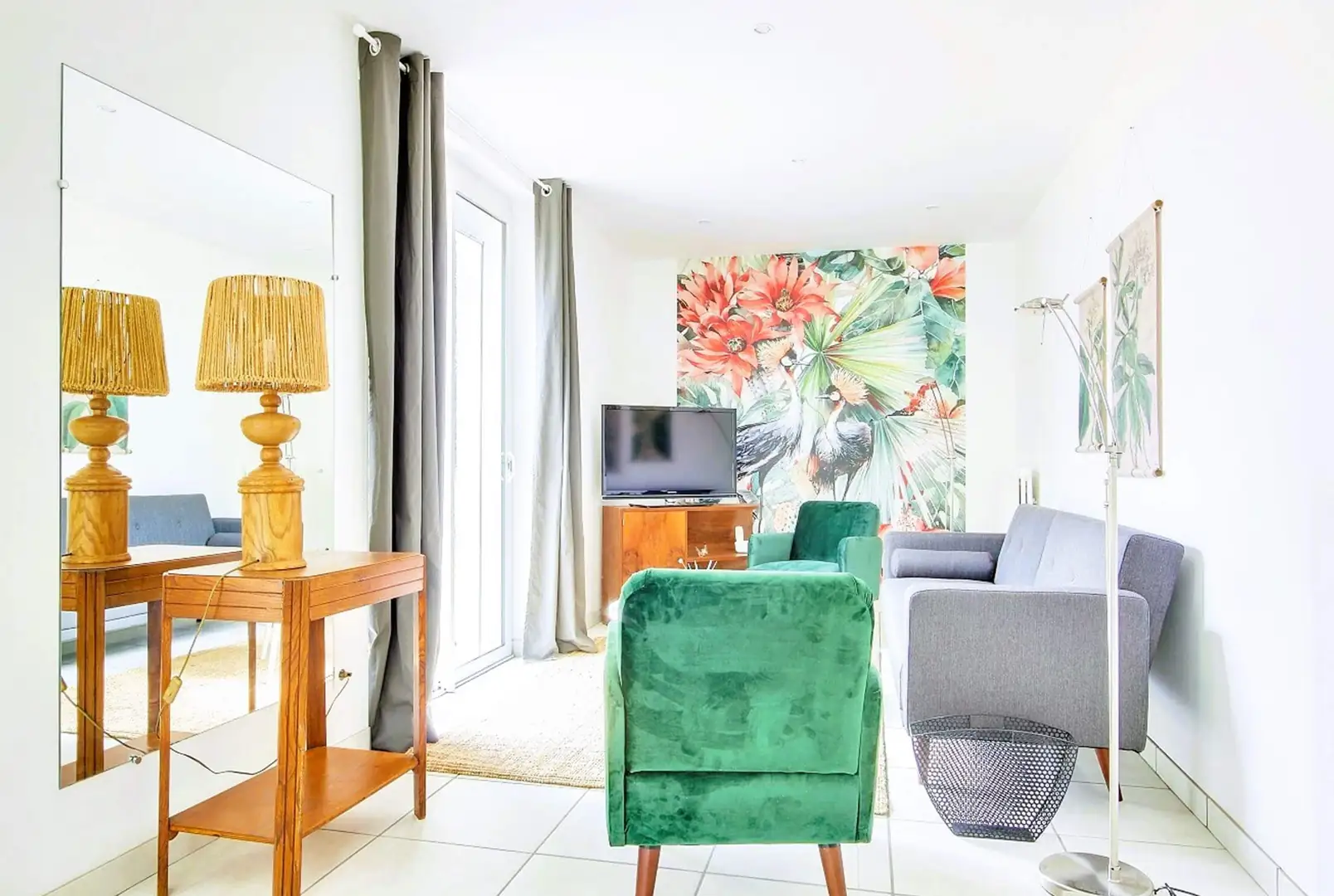
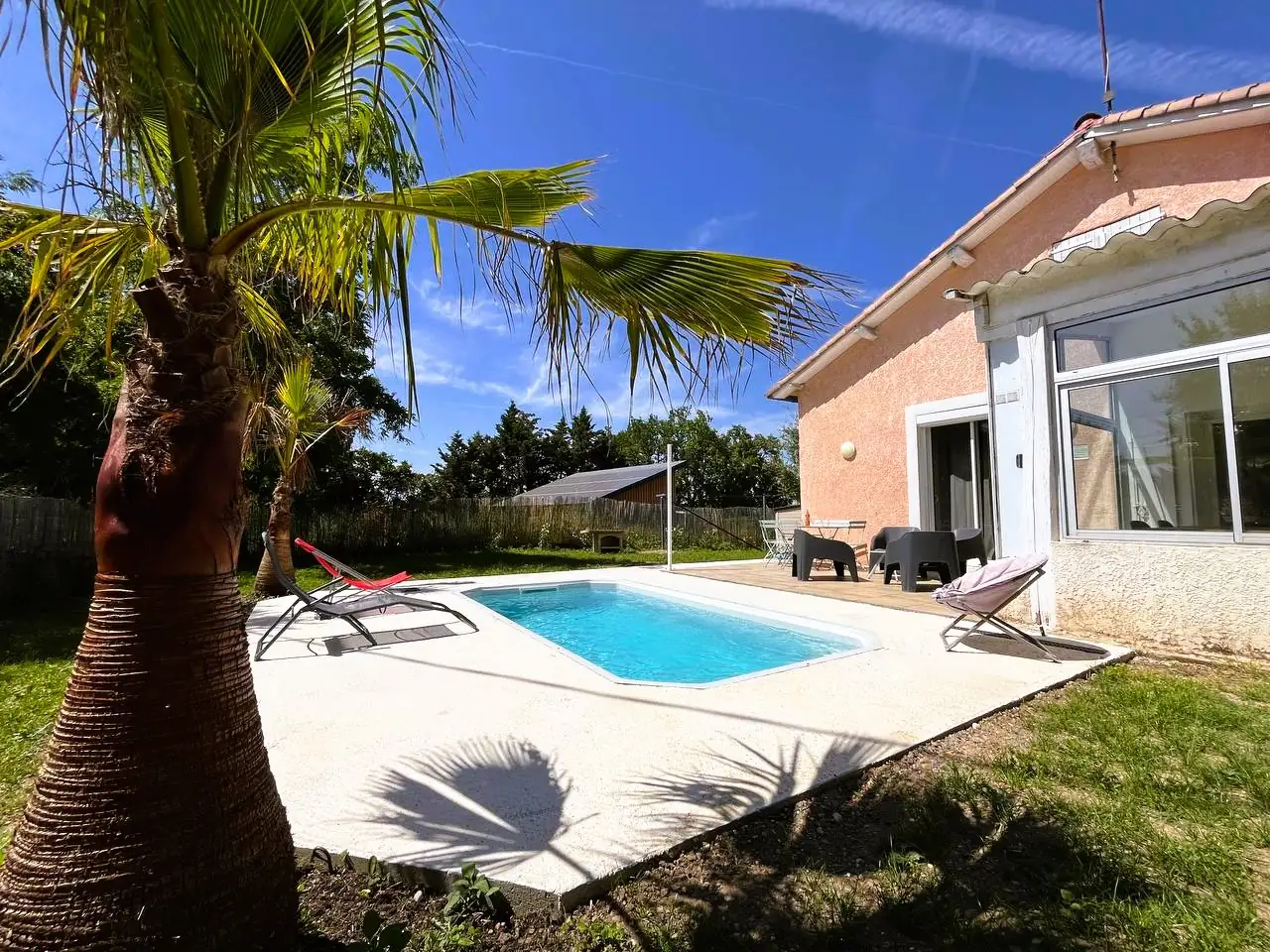
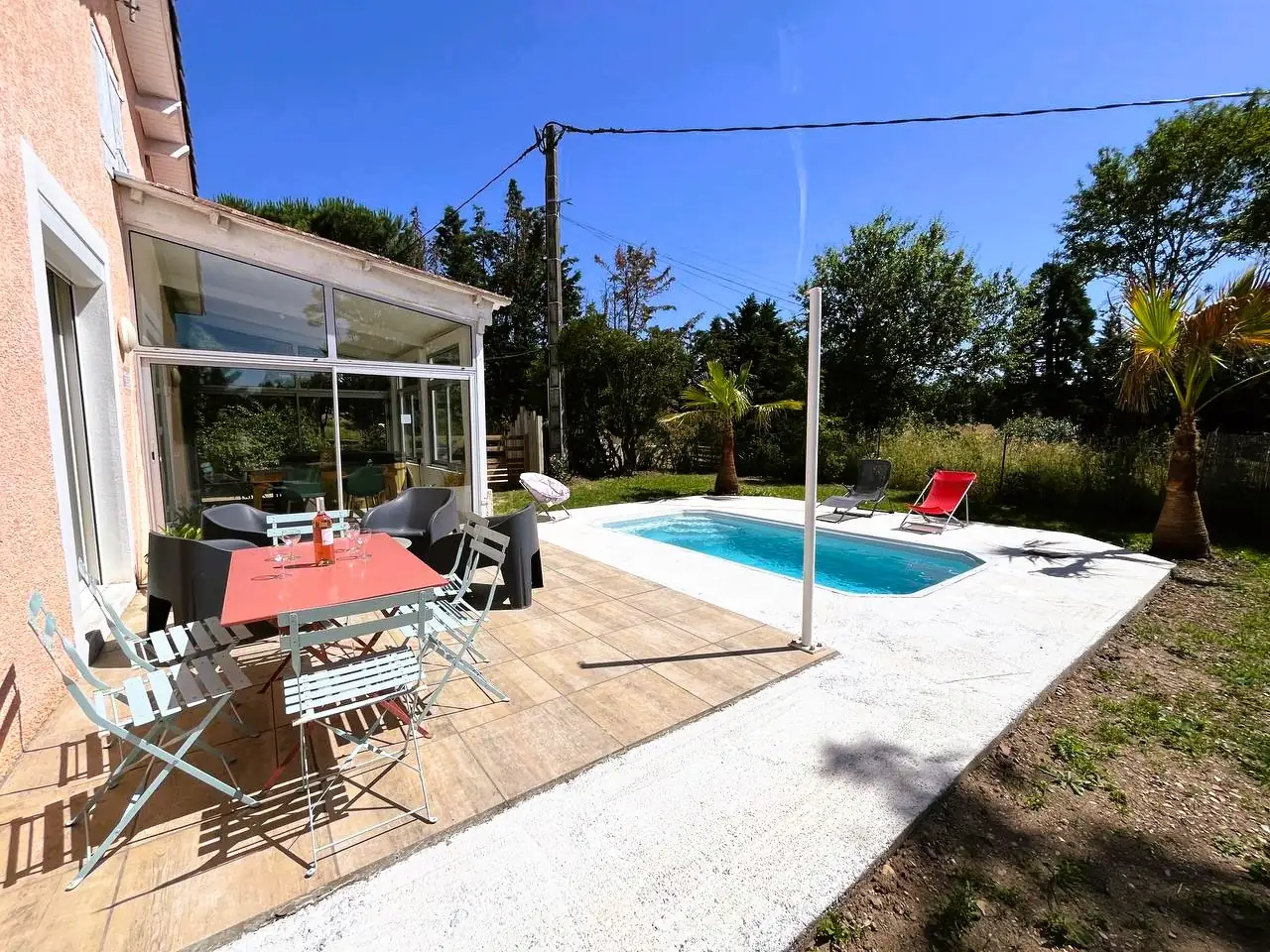
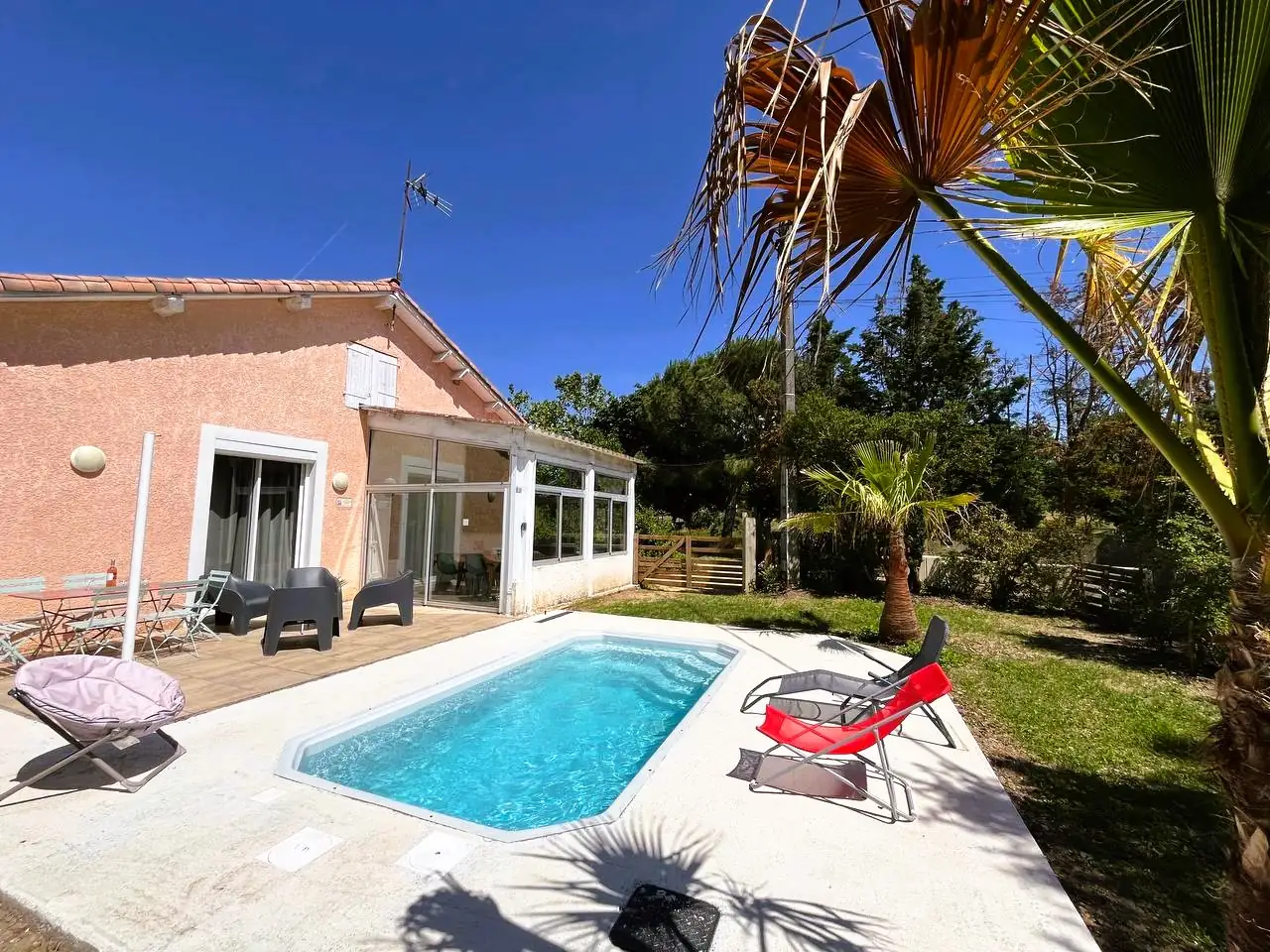
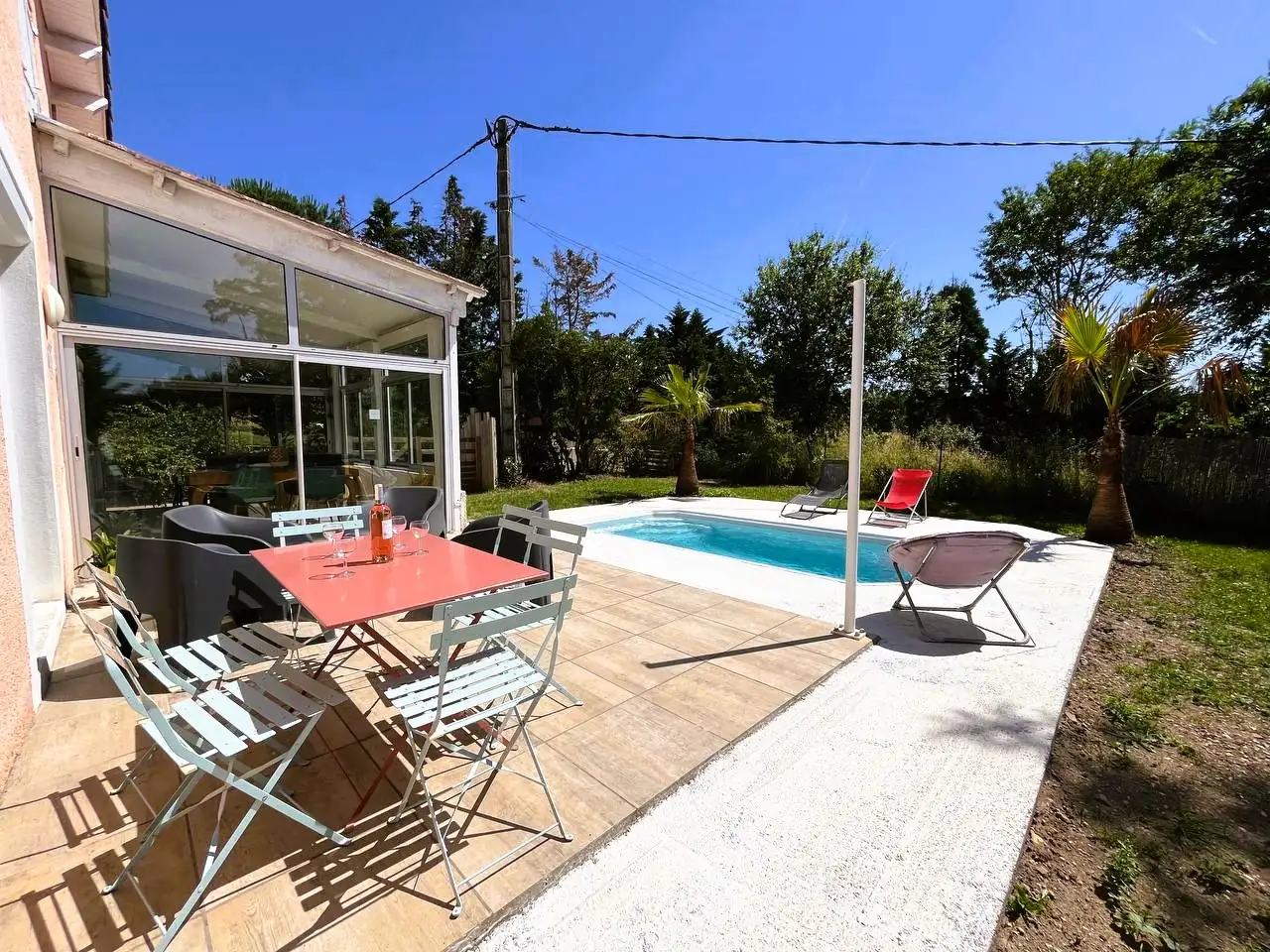
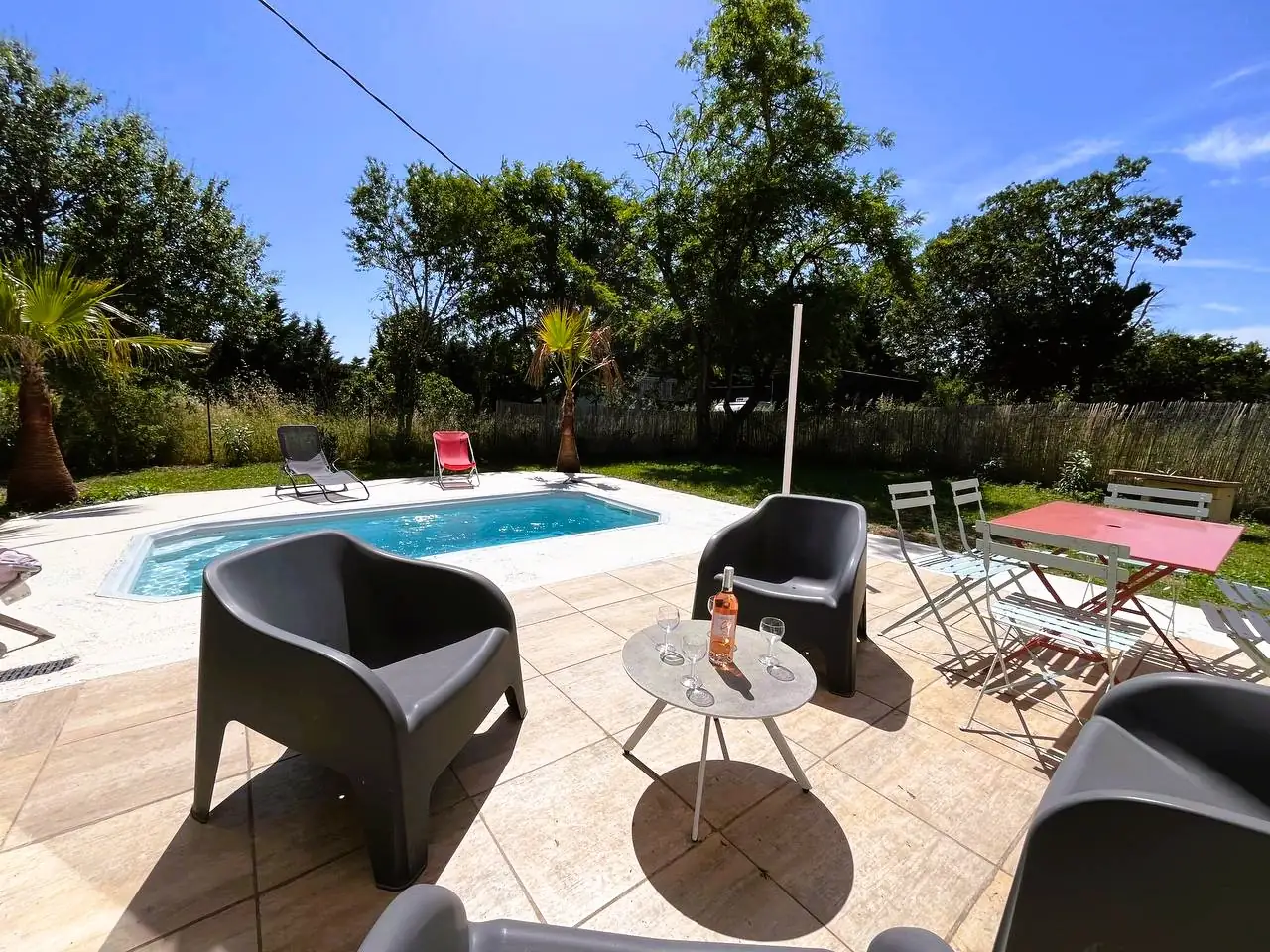
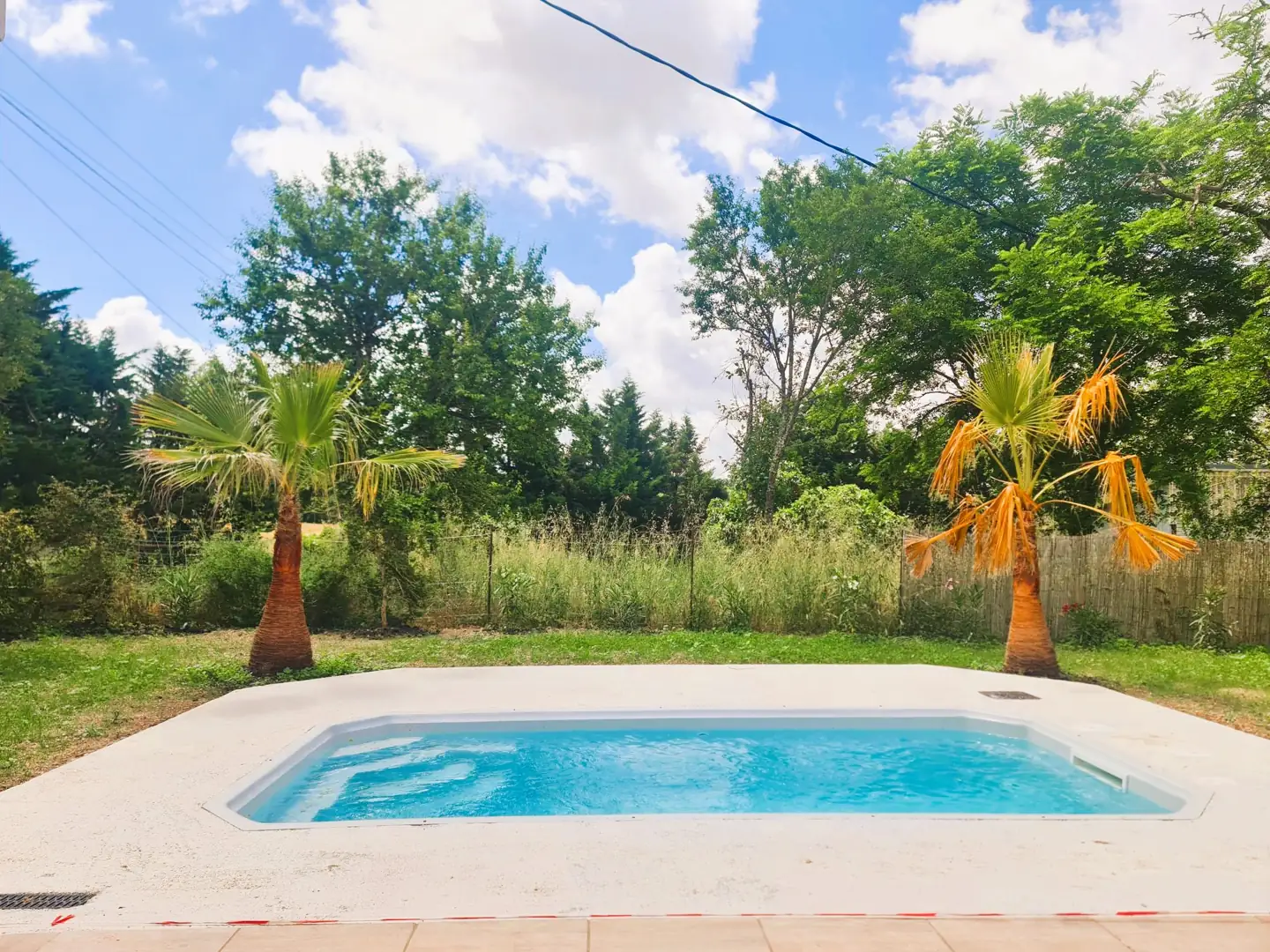
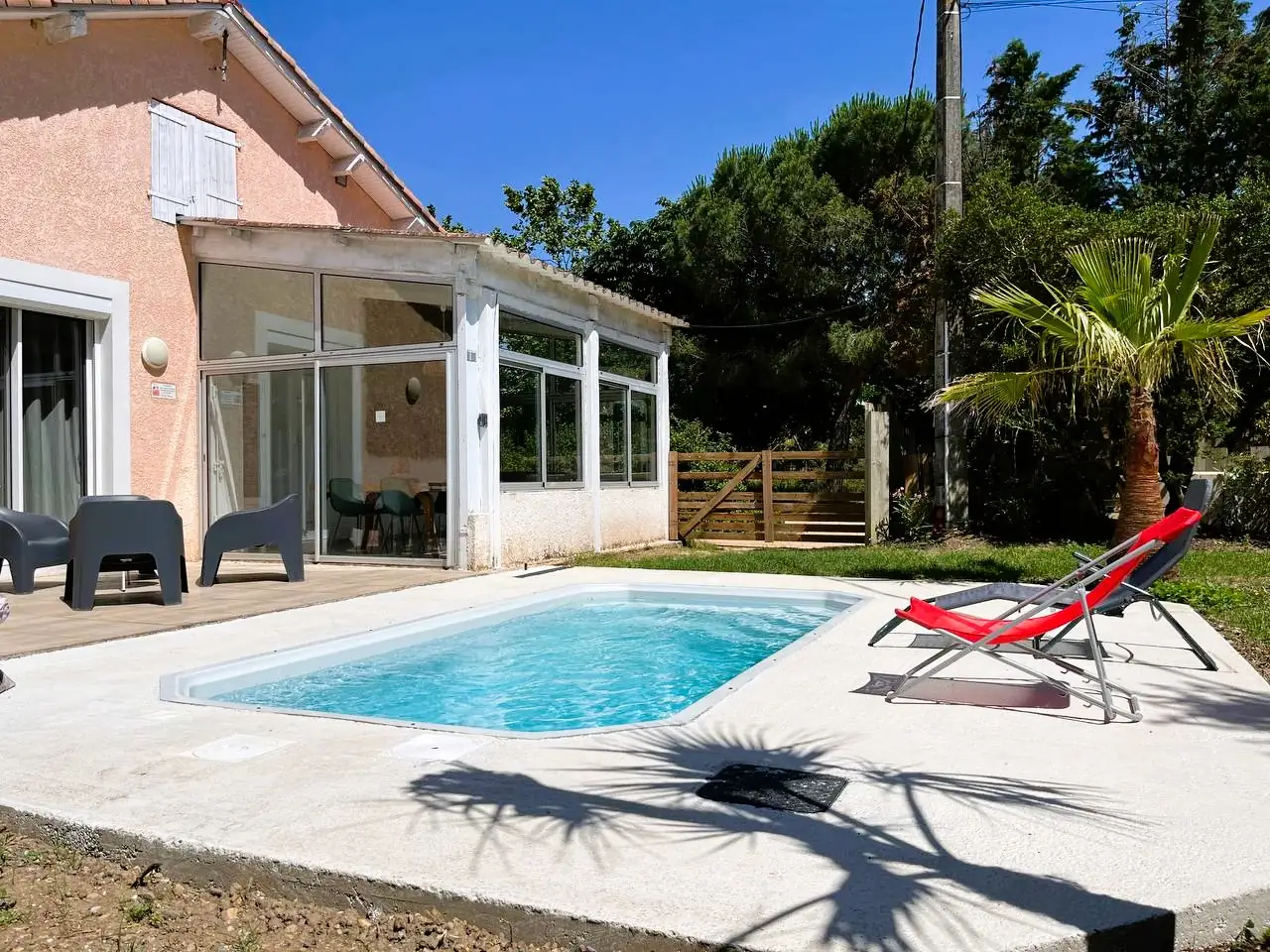
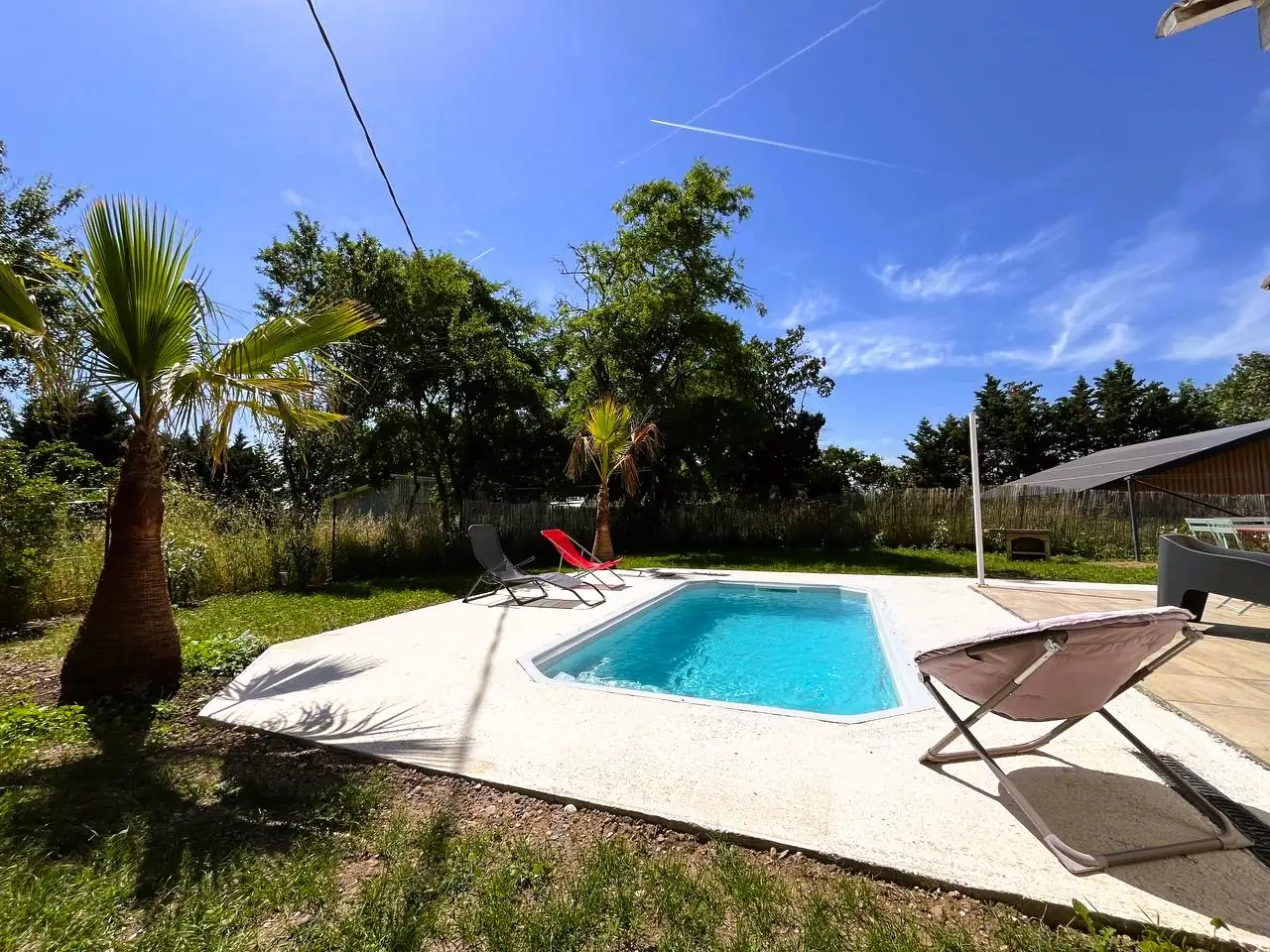
After a day of discovery and medieval wandering, nothing beats returning to your cottage to unwind. At Peyrole, your private heated pool awaits for a peaceful swim surrounded by nature. At Brens, the complimentary infrared sauna promises deep relaxation after a day of walking cobbled streets.
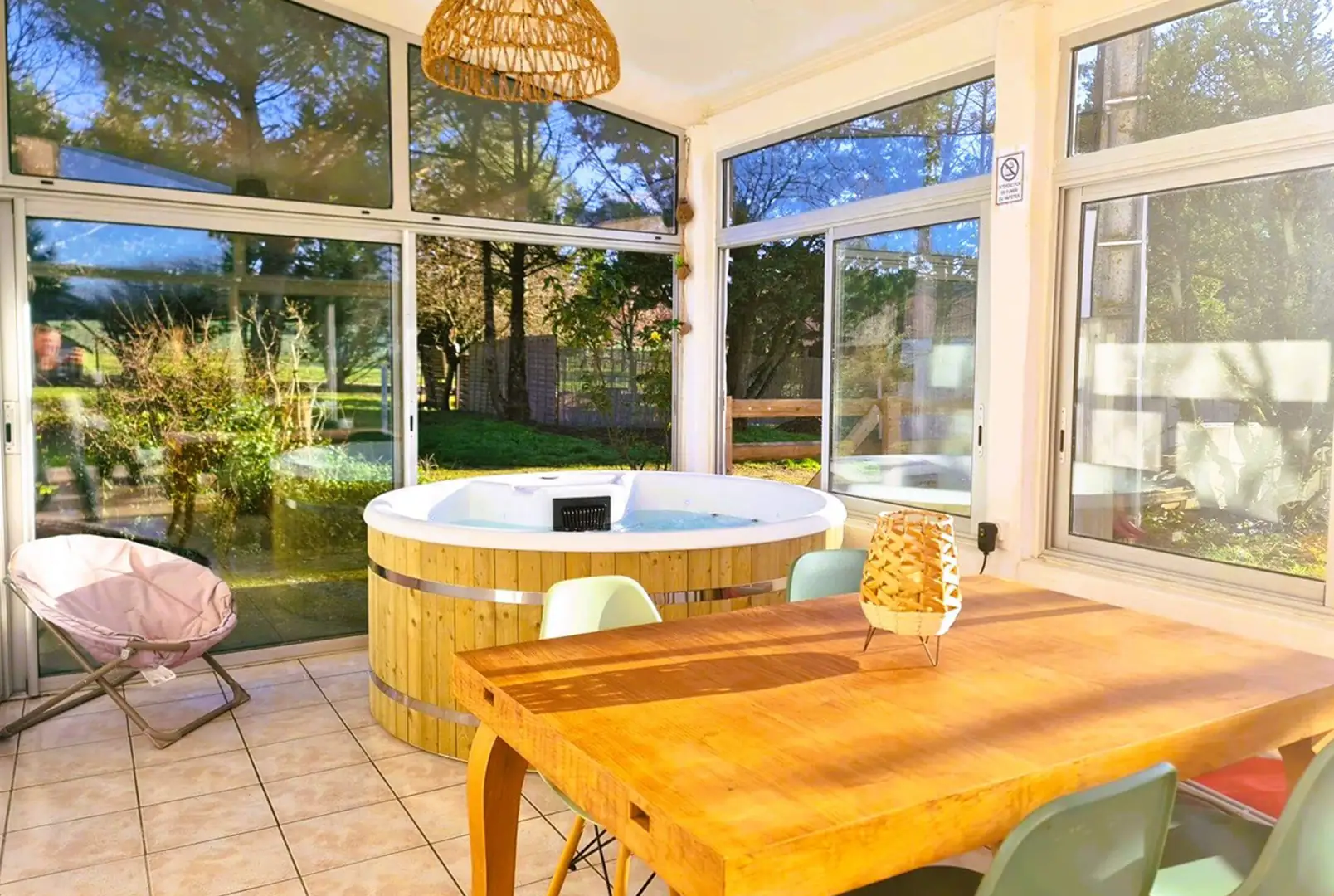
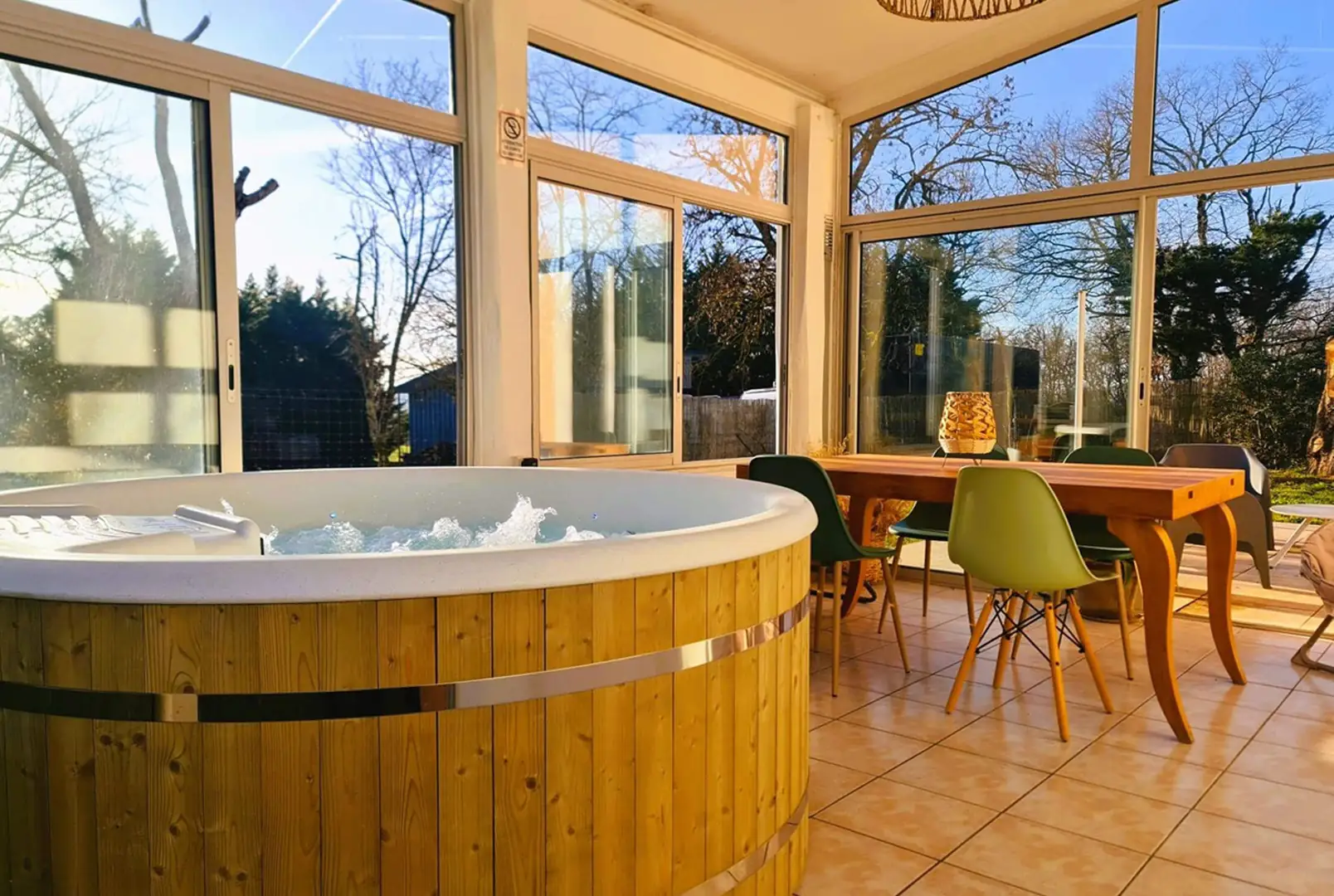
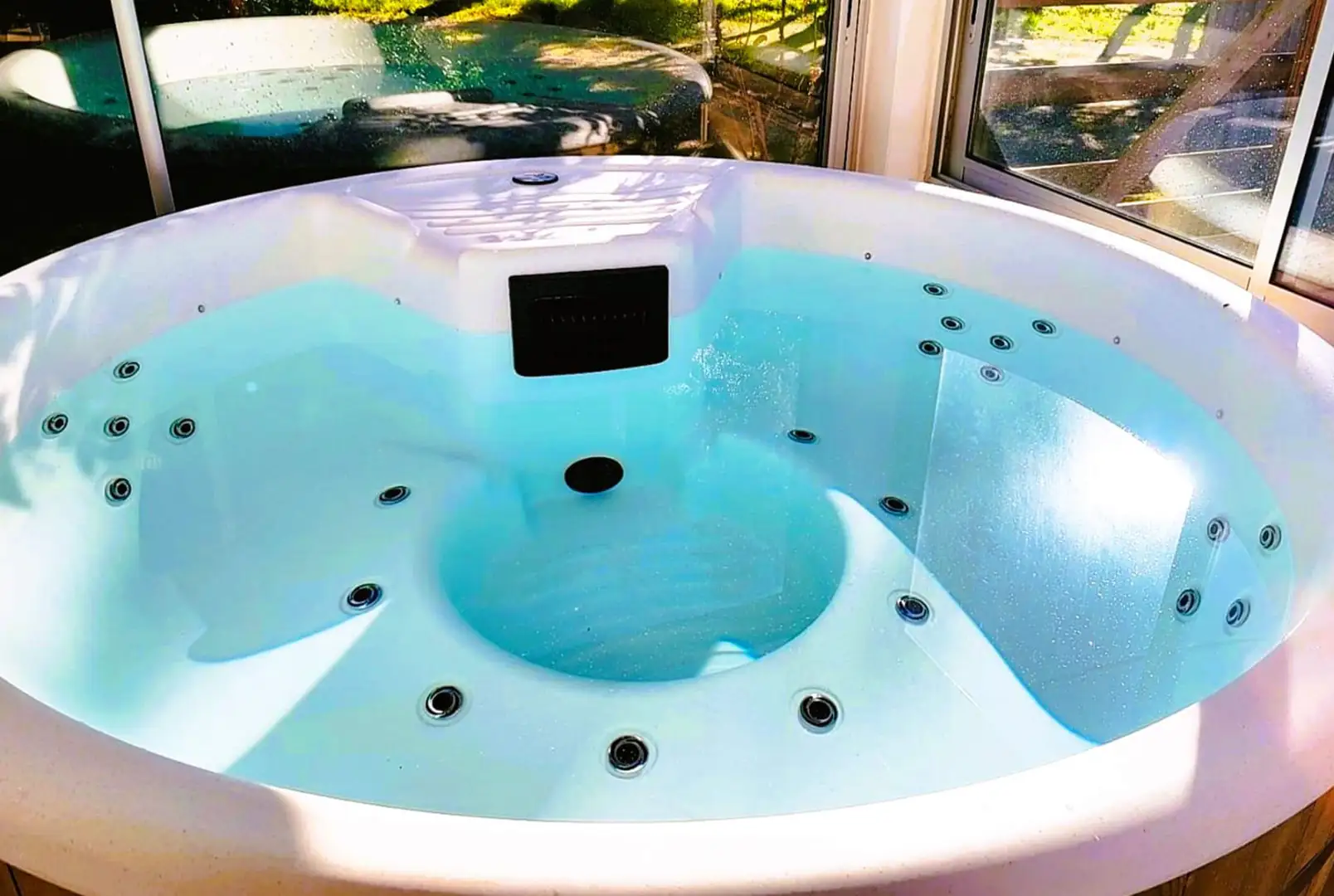
- Stay at the Bien-Être Jacuzzi Cottage for a romantic weekend between bastides and wellbeing
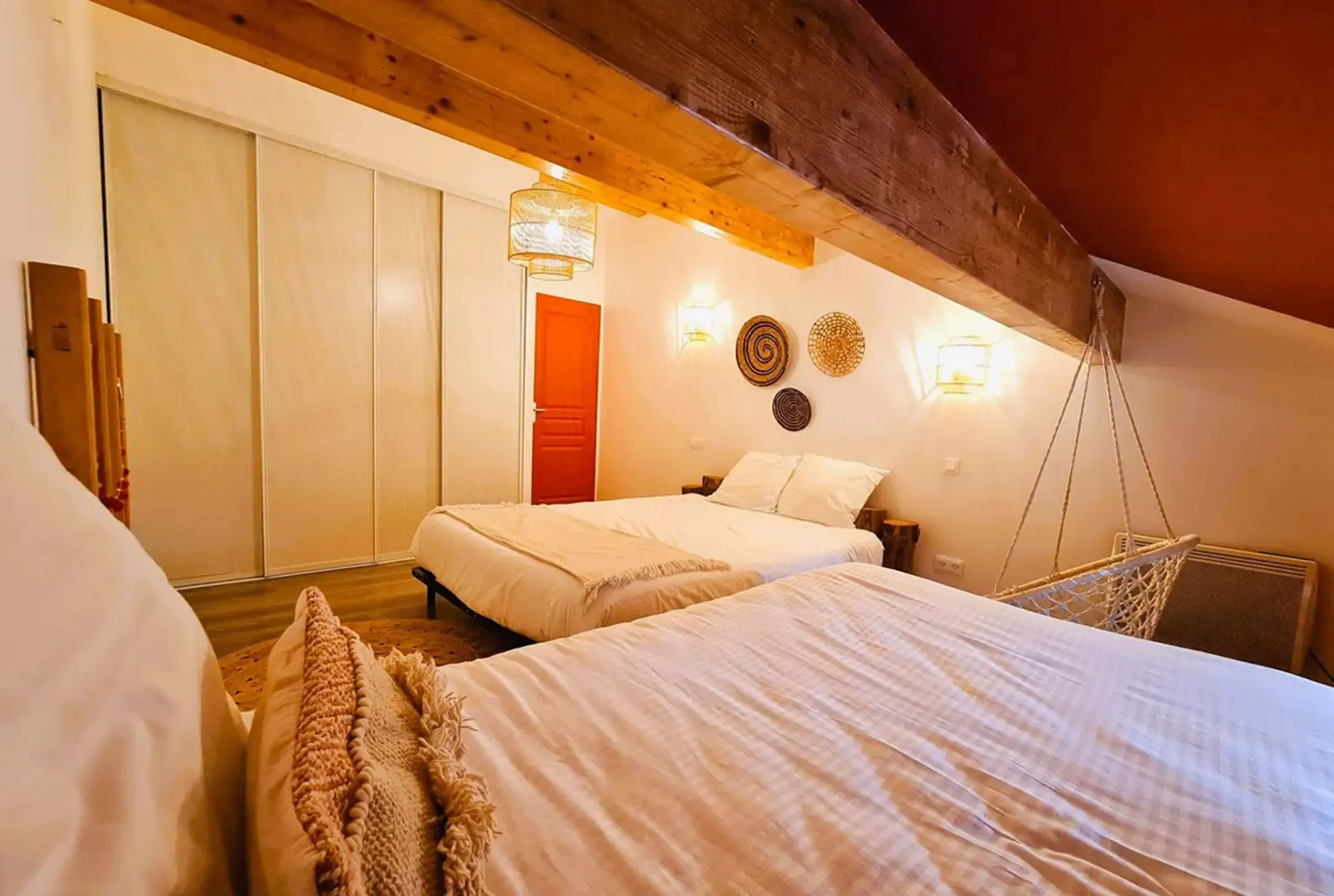
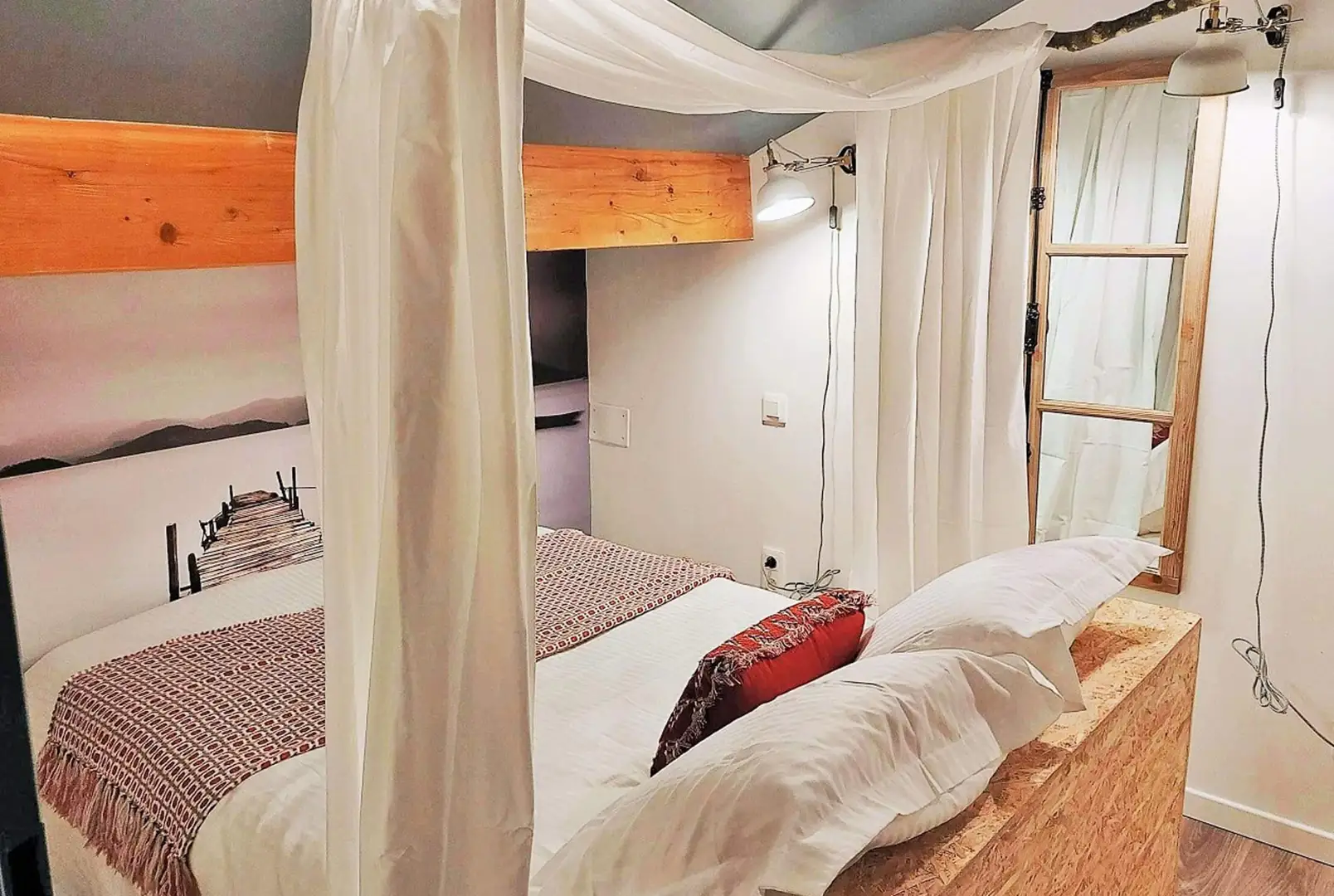
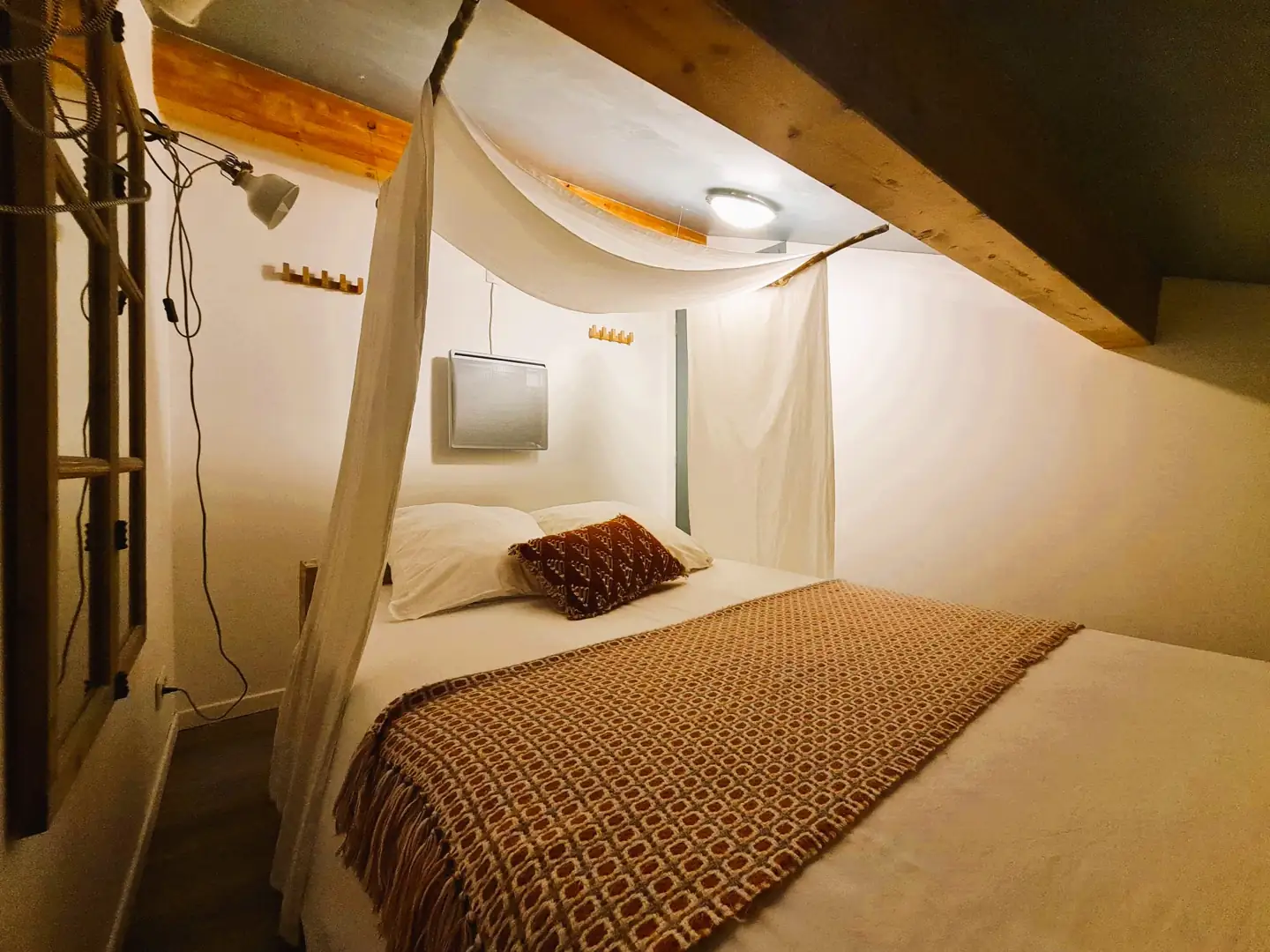
- Choose the Nature Loft for a group stay exploring the bastides of the Tarn
- Opt for the Grand Cottage for a family escape discovering the region’s medieval heritage
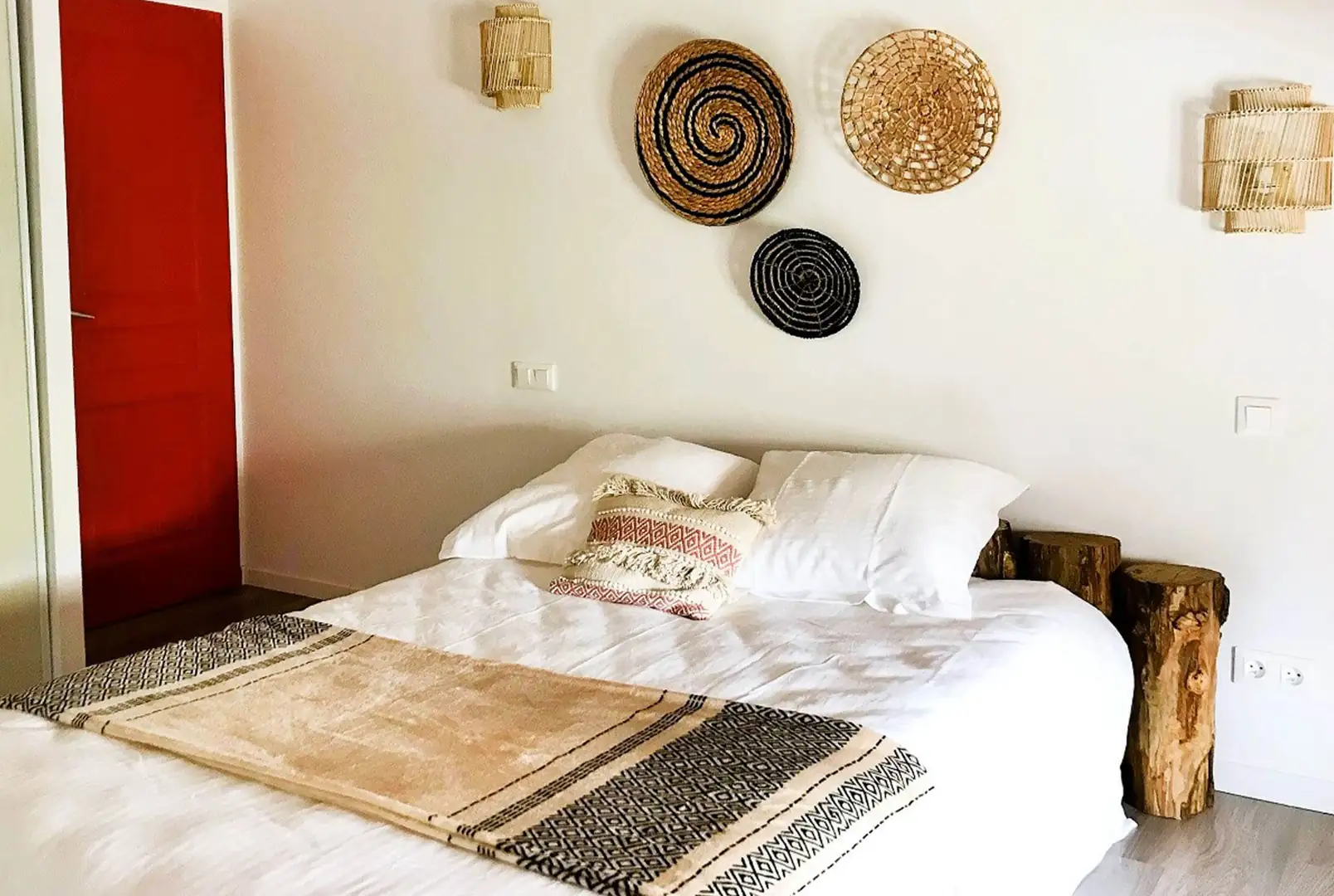
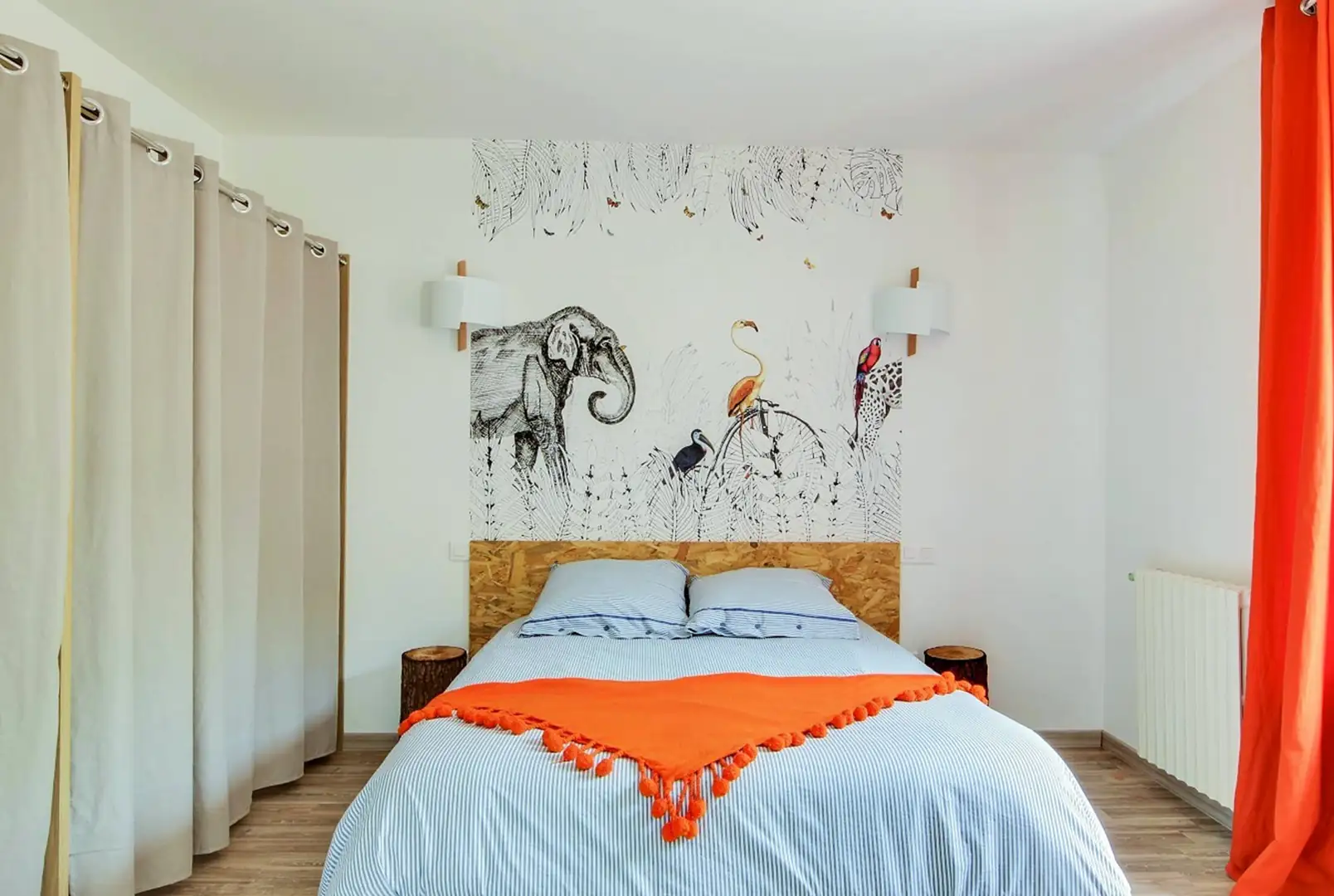
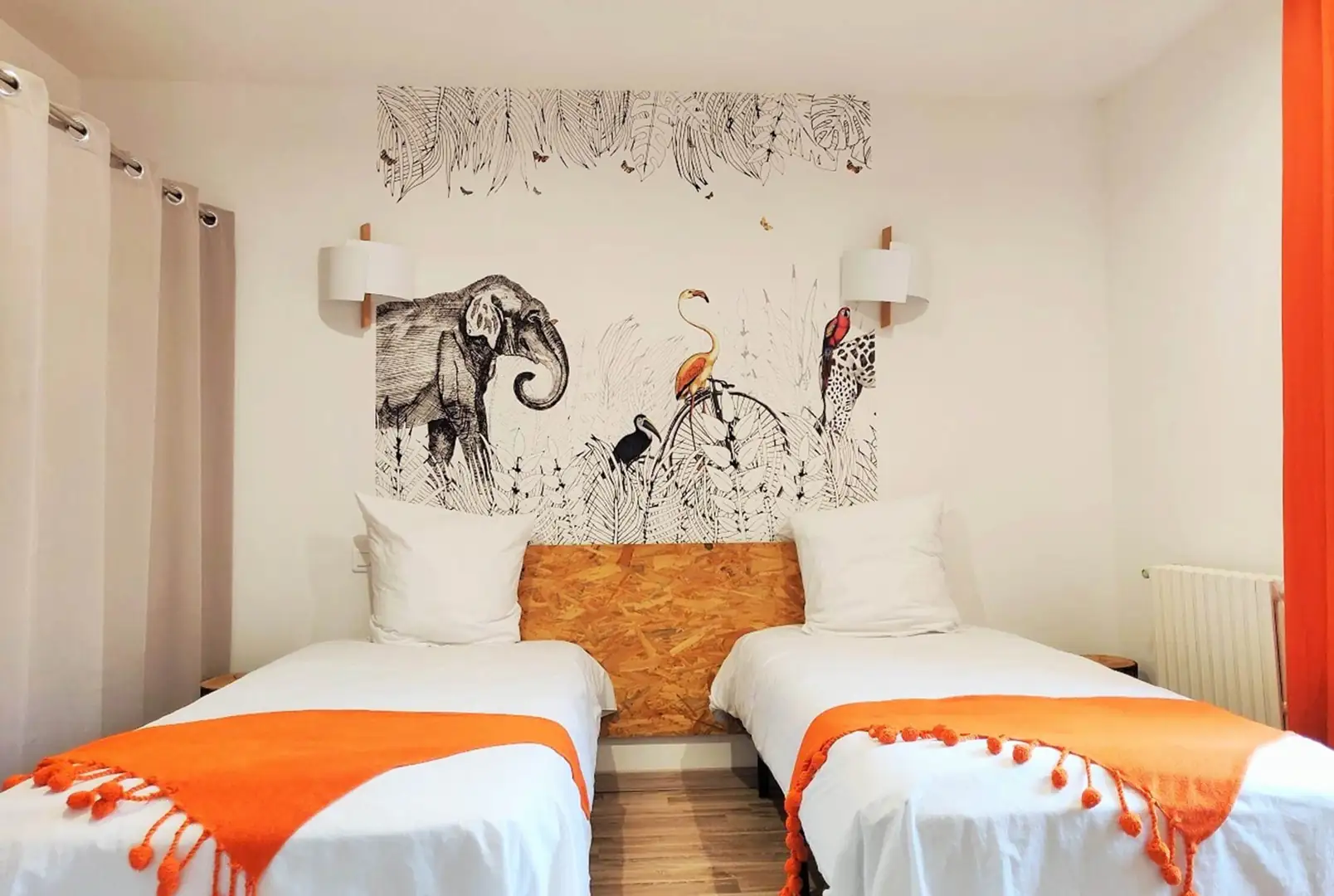
- Discover the Bohème Cottage or the Safari Cottage for a full immersion in the Tarn countryside
- From Brens, set off to explore Gaillac, Lisle-sur-Tarn and Rabastens just minutes away
Our hosts will be delighted to share their favourite addresses, the best times to visit each bastide and the little secrets that only locals know.
👉 Book your stay in the heart of the Tarn’s medieval bastides at lescottagesdutarn.com.