Cassoulet and Occitan specialities: a food lover’s guide to the Tarn
Occitan cuisine is one of the richest and most generous in all of France. Slow-cooked cassoulet, pink garlic from Lautrec, Gaillac wines, foie gras, charcuterie from the Monts de Lacaune, croquants and curbelets… The Tarn is a land of authentic flavours where every meal tells a story and every product carries the imprint of an exceptional terroir. Whether you are a lover of traditional cuisine, curious about regional gastronomy or simply a food enthusiast, here is your complete guide to savouring the best of Occitan cooking during your stay in the Tarn.
Cassoulet: the god of Occitan cuisine
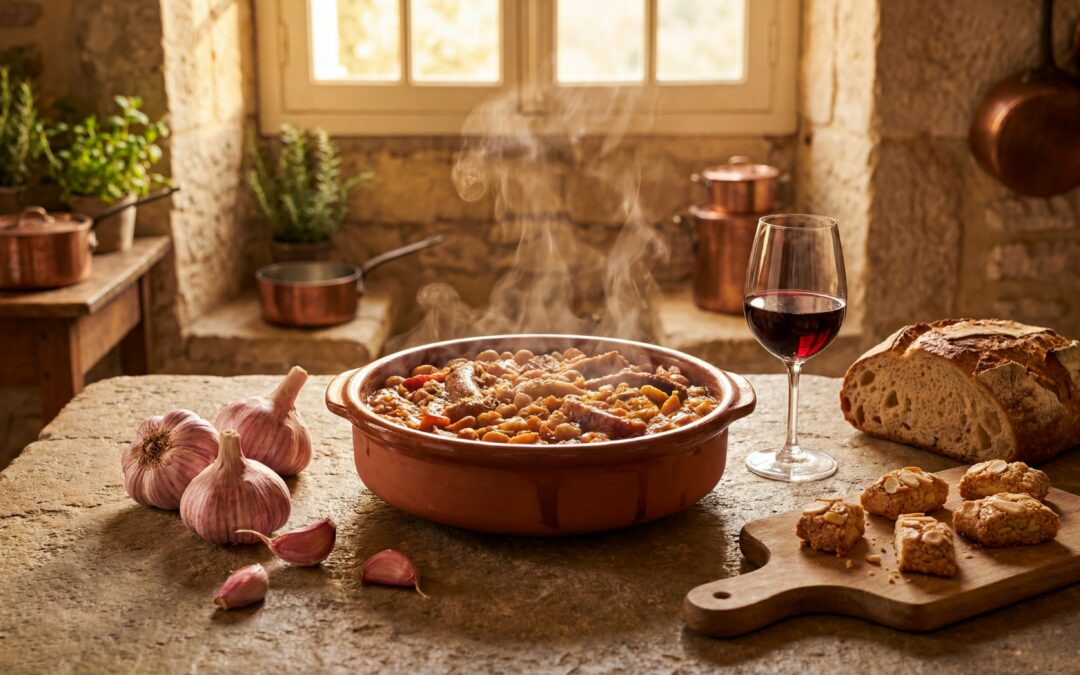
It is impossible to talk about Occitan gastronomy without starting with cassoulet — that mythical dish immortalised by the famous Carcassonne chef Prosper Montagné, who described it as “the God of Occitan cuisine”. A sacred gastronomic trinity in three persons: Castelnaudary the Father, Carcassonne the Son, Toulouse the Holy Spirit.
A history stretching back to the Middle Ages
The origins of cassoulet date back to medieval times, when it was known simply as a ragoût — a meat stew that simmered slowly over an open fire. The Viandier by Taillevent, a landmark cookery book from the 14th century, already mentions a stew of mutton and pork with beans. It was at the beginning of the 16th century, with the introduction of lingot beans from the Americas, that the recipe took the form we know today.
The very word “cassoulet” derives from the cassole — a terracotta dish handcrafted in the Lauragais region, in which the stew simmers for hours. An object inseparable from the recipe, and a powerful symbol of a local craft tradition passed down from generation to generation.
The three versions of cassoulet
While cassoulet is one dish, its variations are many. Three versions compete for supremacy:
- Cassoulet de Castelnaudary — considered the original, it is made with lingot beans, pork rind, pork knuckle, sausage and duck confit. The recipe was made official in 1909, and local tradition dictates that it be cooked in a baker’s oven, heated with wood from the Montagne Noire.
- Cassoulet de Carcassonne — distinguished by the addition of red partridge and a piece of mutton, giving it a distinctive and refined flavour.
- Cassoulet de Toulouse — enriched with Toulouse sausage and sometimes goose confit, it is the most widely known version beyond the region’s borders.
The secrets of a great cassoulet
A true cassoulet takes time, patience and a scrupulous respect for quality ingredients. A few golden rules: use high-quality lingot beans, flavoursome meat from local farms and a long, gentle cook that allows the flavours to meld harmoniously. And the ultimate secret? Prepare the cassoulet the day before and reheat it the next day in the oven at 150°C — the resting time allows the beans to absorb all the flavours of the stock.
During your stay in the Tarn, do not miss the chance to enjoy a cassoulet at one of the local restaurants. In Gaillac, La Planque des Bons Vivants and Chez Germaine serve generous, flavoursome dishes rooted in the local terroir. In Montans, Le Montanais is an unmissable gastronomic address (booking essential).
Pink garlic from Lautrec: the Tarn’s pink gold
Just an hour from our cottages, Lautrec is the world capital of pink garlic — a unique variety recognised with a Label Rouge and a Protected Geographical Indication (PGI). Harvested by hand each summer, braided into bunches and naturally dried, pink garlic from Lautrec stands out for its mild and subtle flavour, far less pungent than ordinary varieties.
Every August, the Fête de l’ail rose de Lautrec celebrates this exceptional product with markets, events and tastings. An unmissable occasion for lovers of authentic gastronomy. Pink garlic from Lautrec features in many local recipes — soups, meat dishes, sauces — and can be bought directly from producers or at the Tarn’s markets.
Gaillac wines: one of France’s oldest vineyards
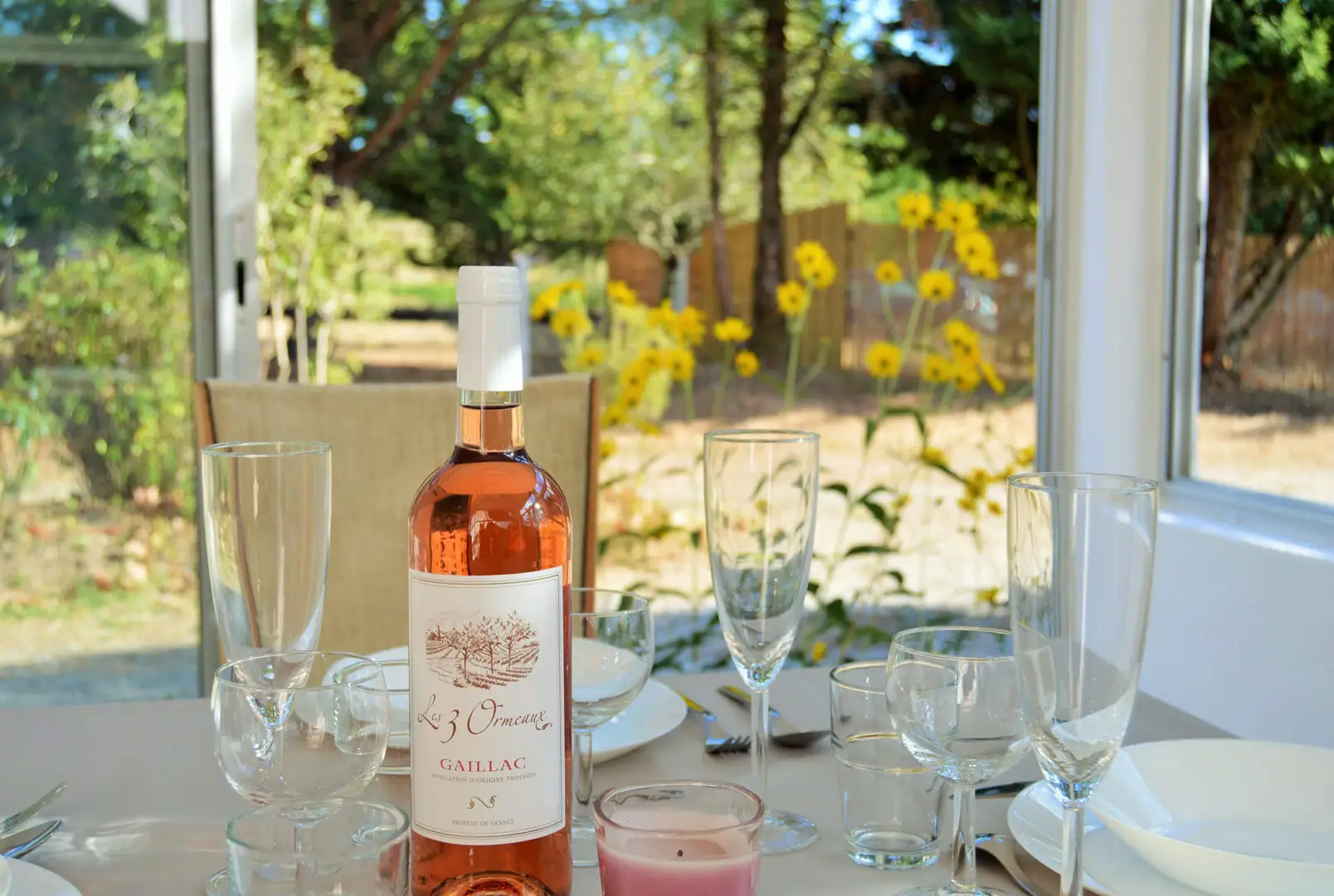
It is impossible to talk about Tarn gastronomy without mentioning Gaillac AOC wines. With over 2,000 years of history, the Gaillac vineyard is one of the oldest in France. It stretches across both banks of the Tarn, just a few kilometres from our cottages at Brens and Peyrole.
Its great strength? A palette of unique and indigenous grape varieties found nowhere else: Mauzac, Len de l’El (Loin de l’Œil), Duras, Braucol, Prunelart… Varieties that produce wines of remarkable diversity: dry and sweet whites, full-bodied reds, fruity rosés, sparkling and semi-sparkling wines.
The Maison des Vins de Gaillac, housed in the Abbaye Saint-Michel in Gaillac (9 km from Peyrole), is the ideal starting point for discovering the full appellation. Tastings, expert advice, direct sales… An unmissable address. And for a deeper experience, the vineyard estates open their doors to visitors for tours and tastings throughout the year.
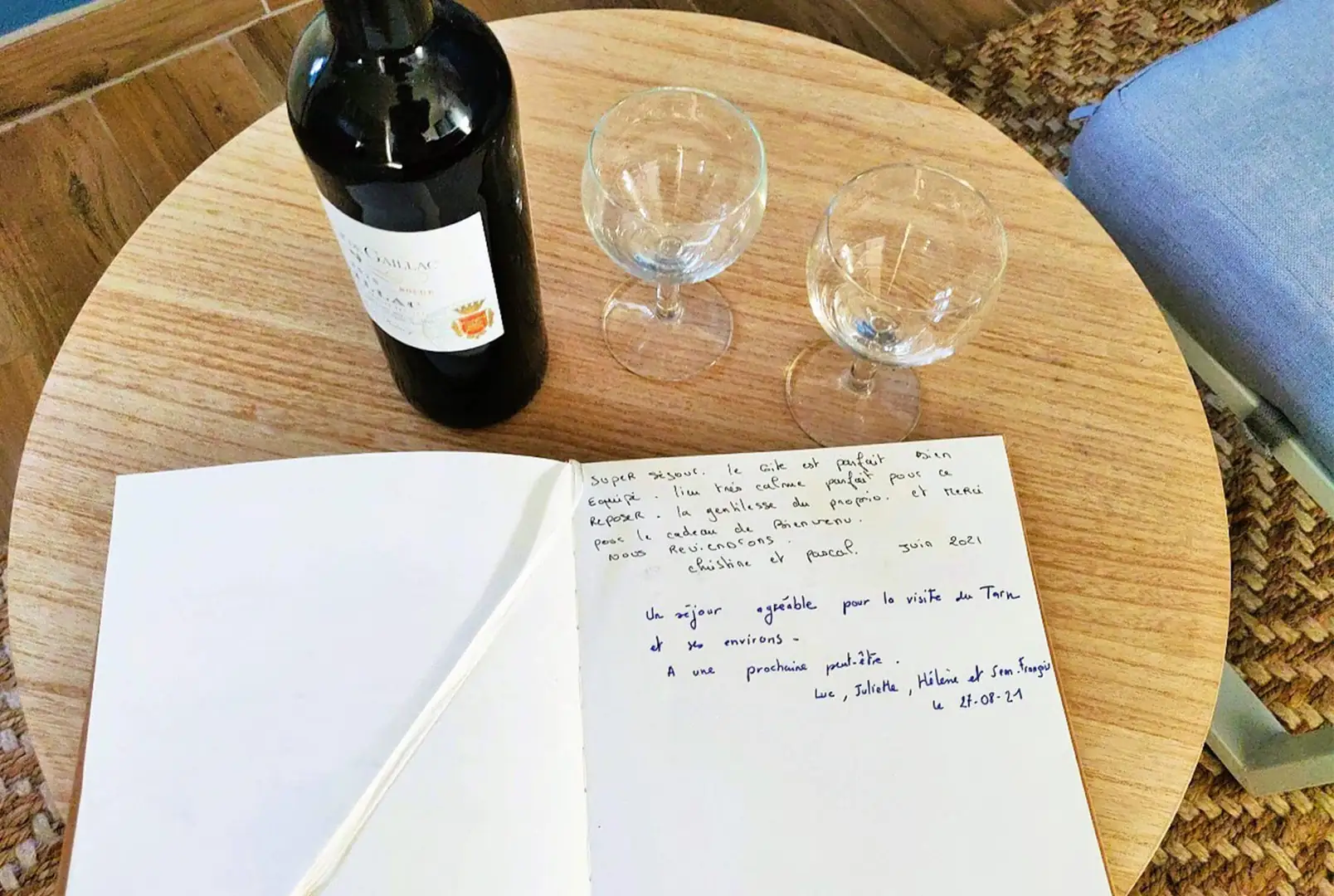
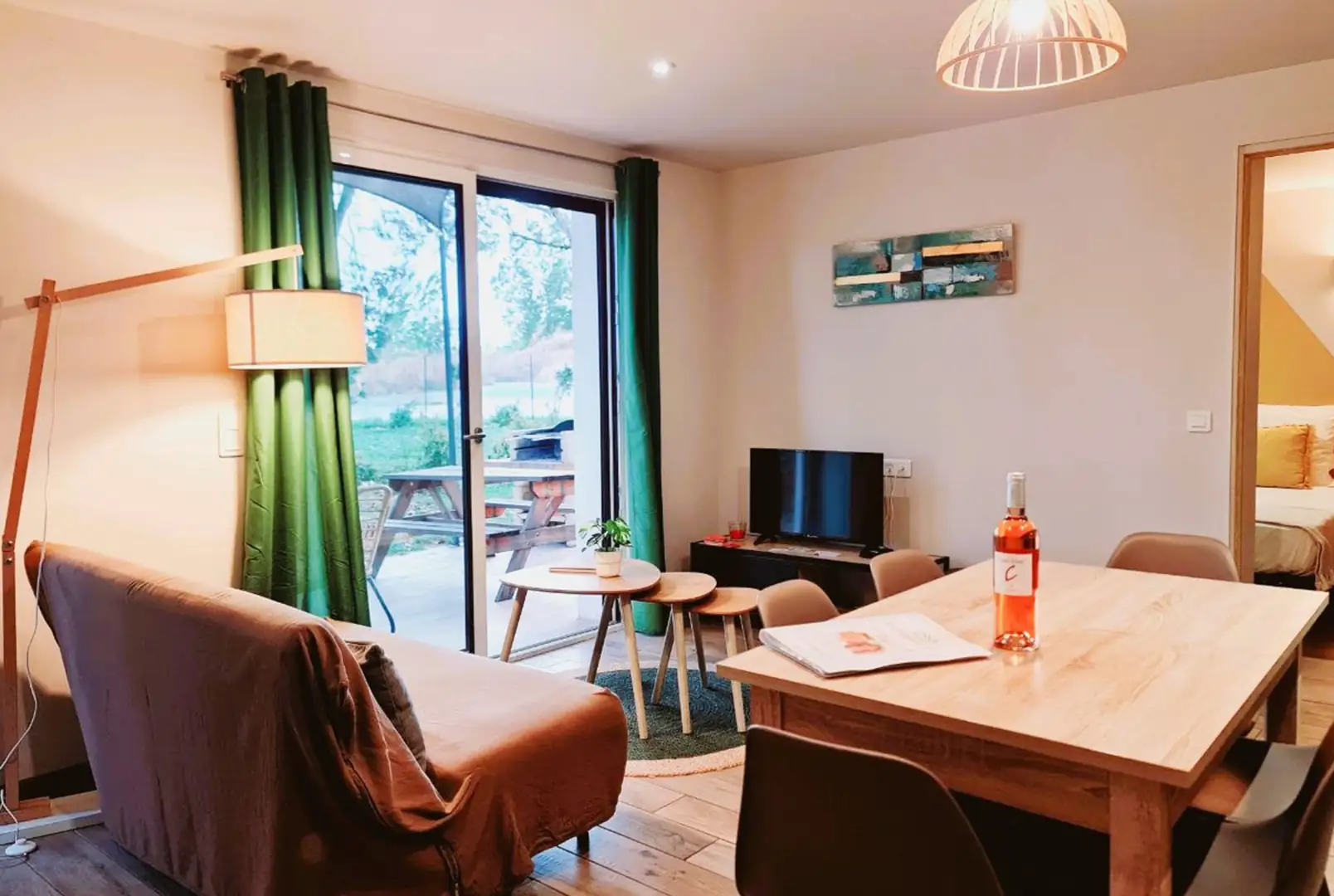
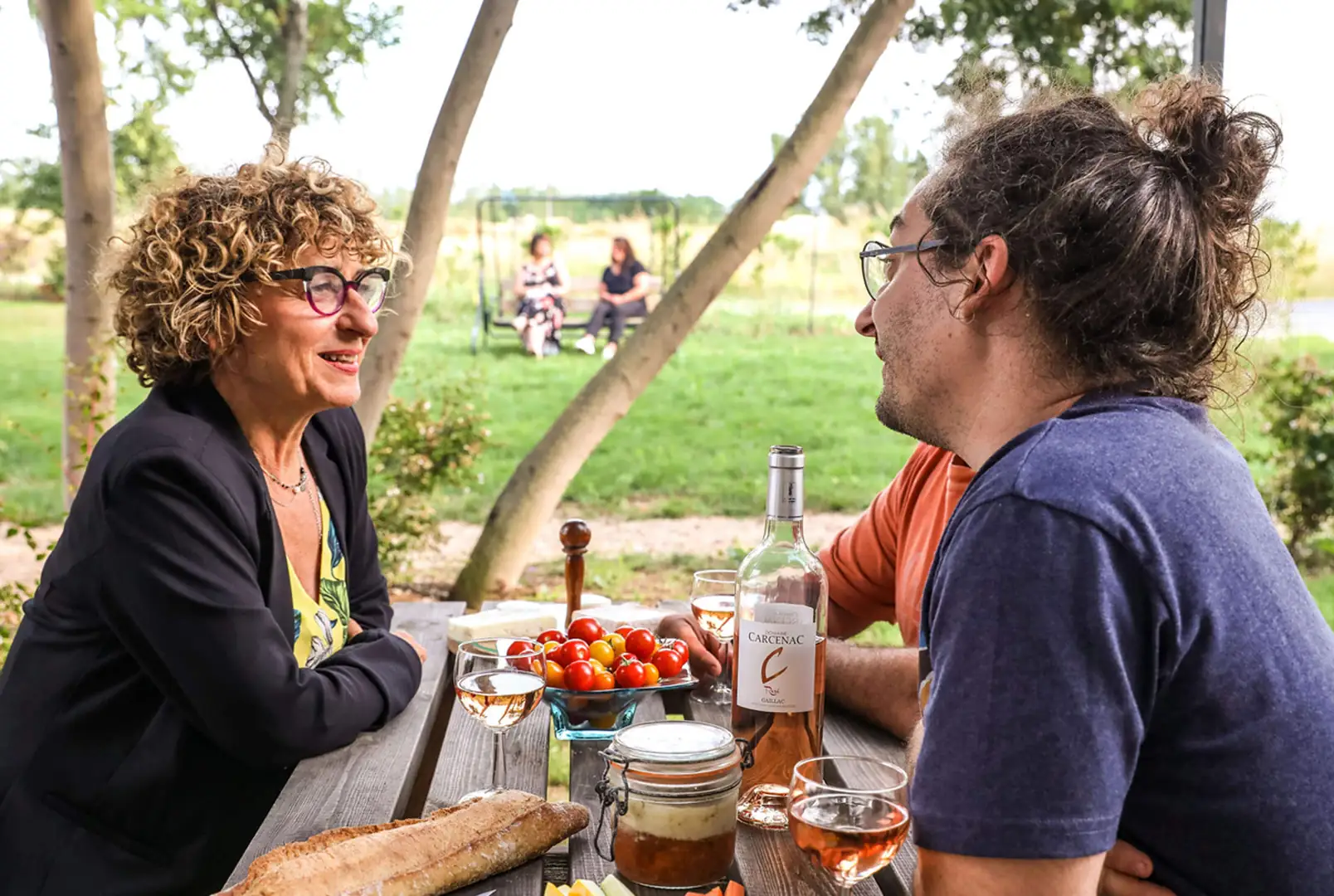
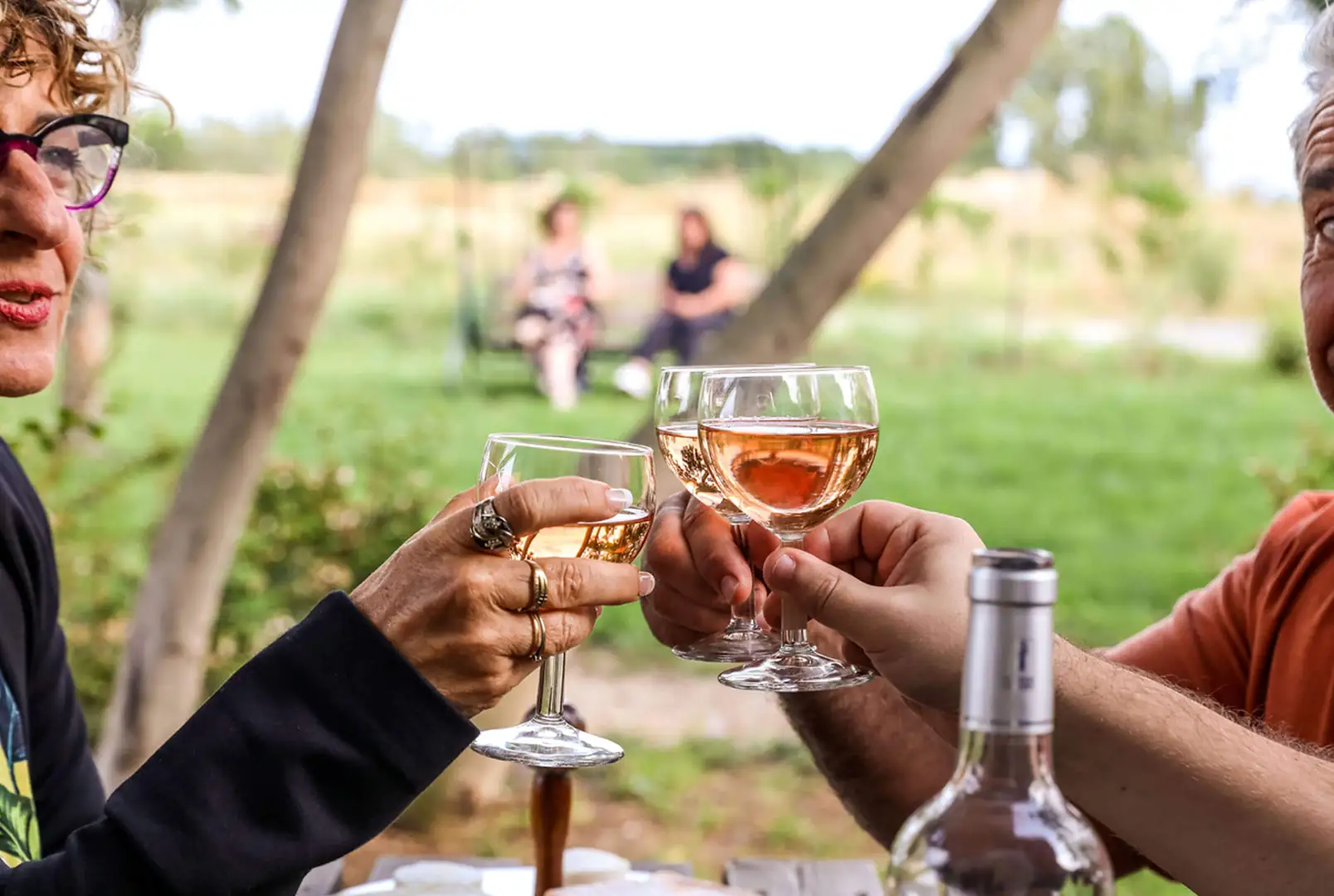
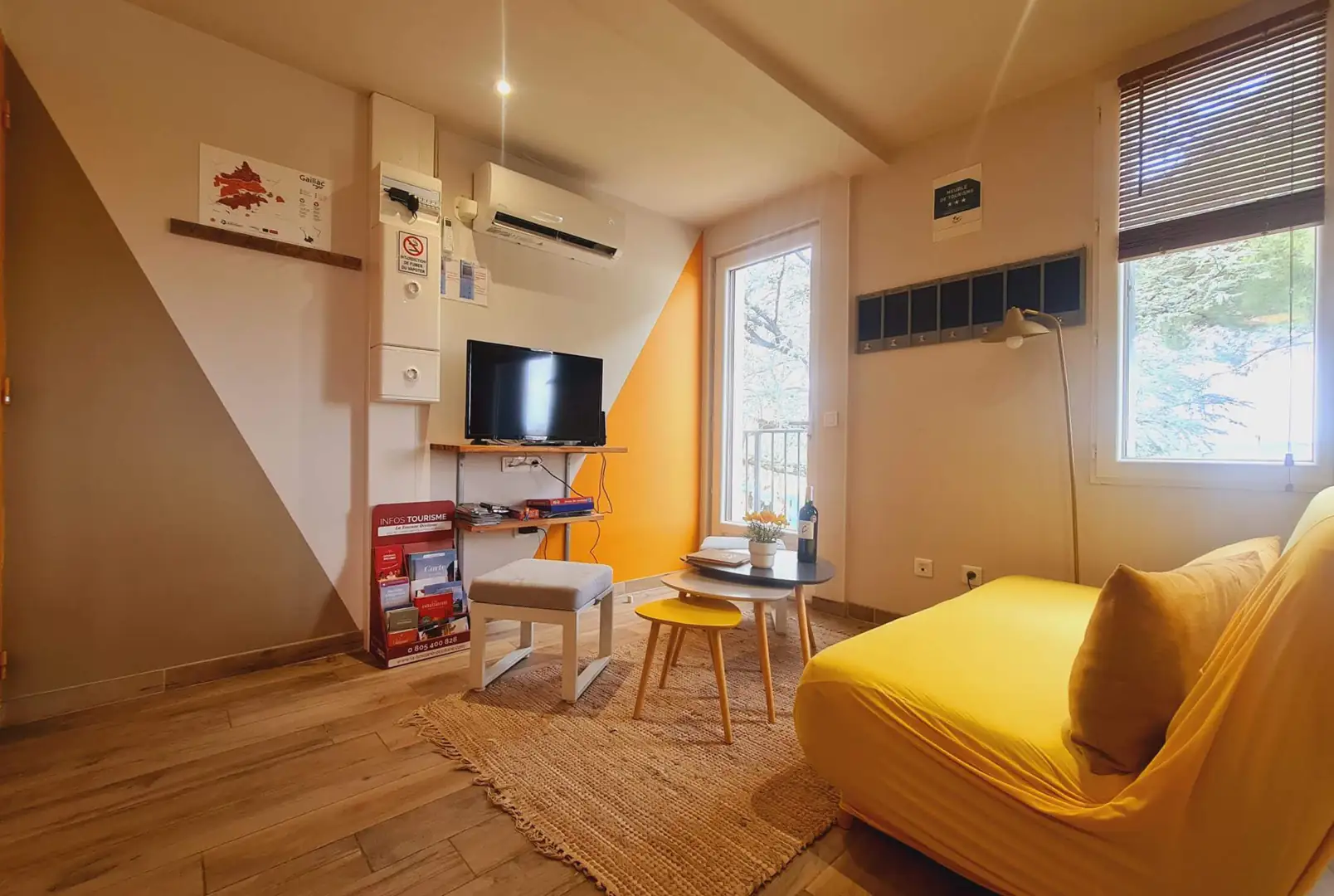
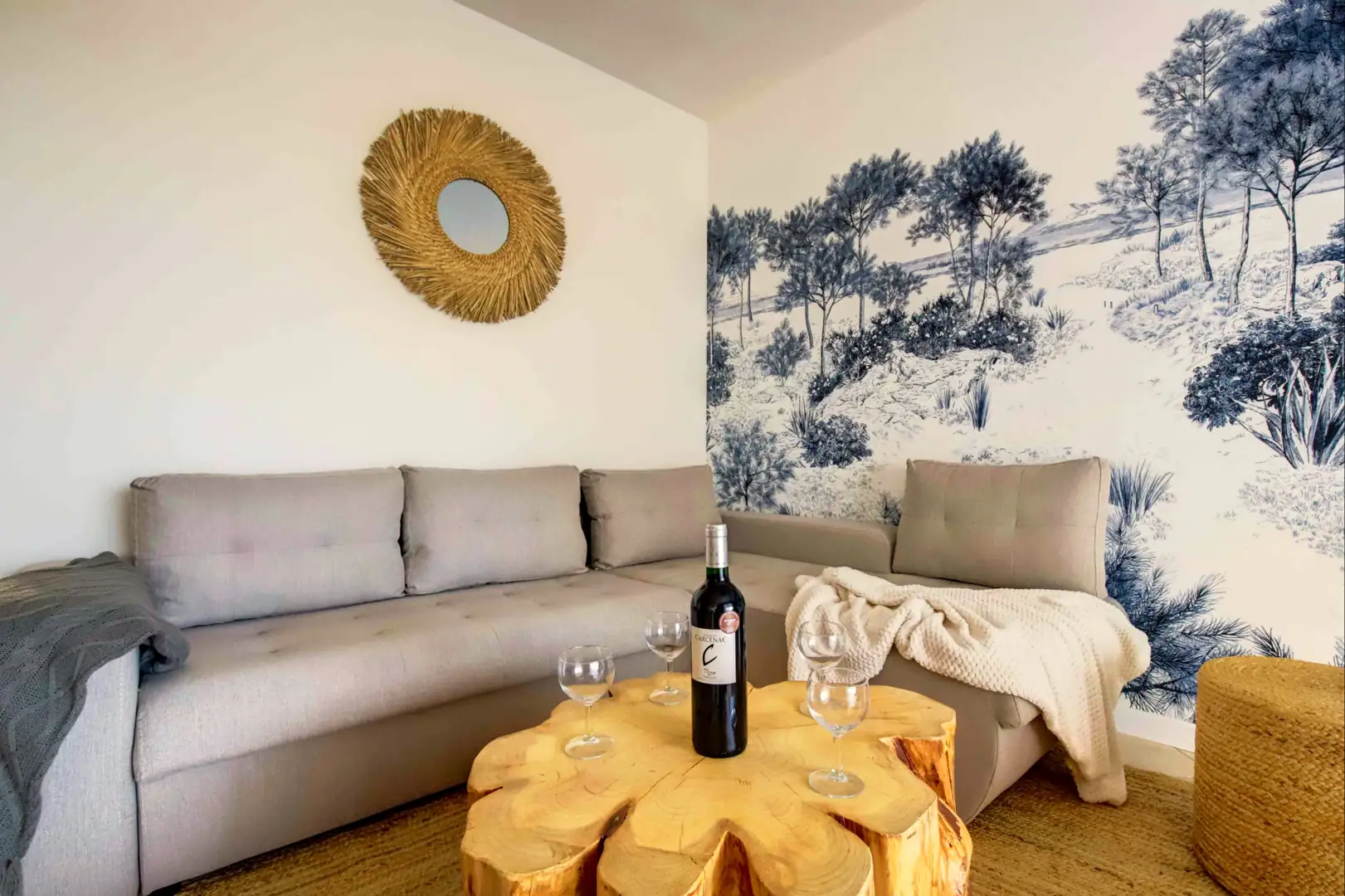
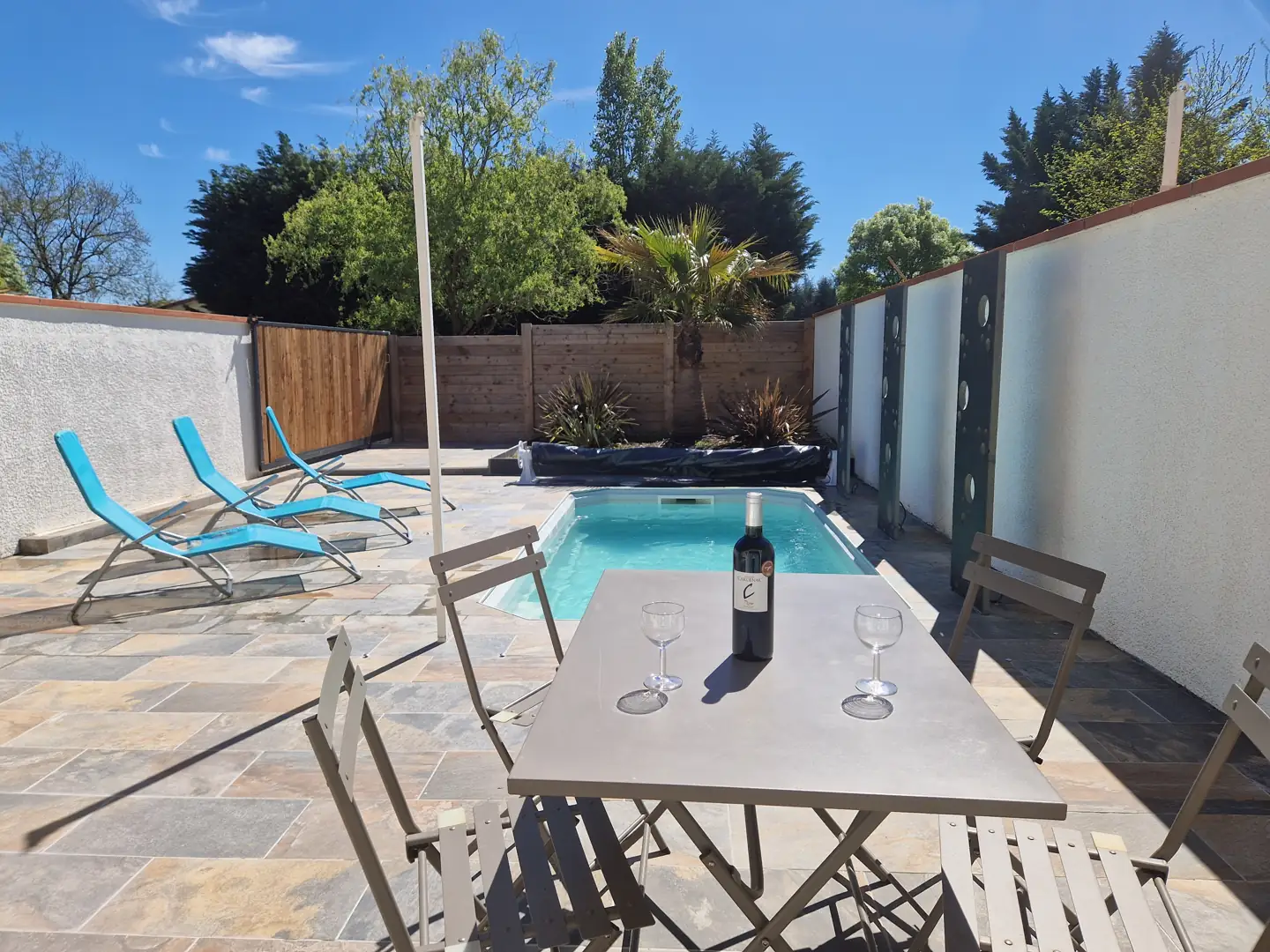
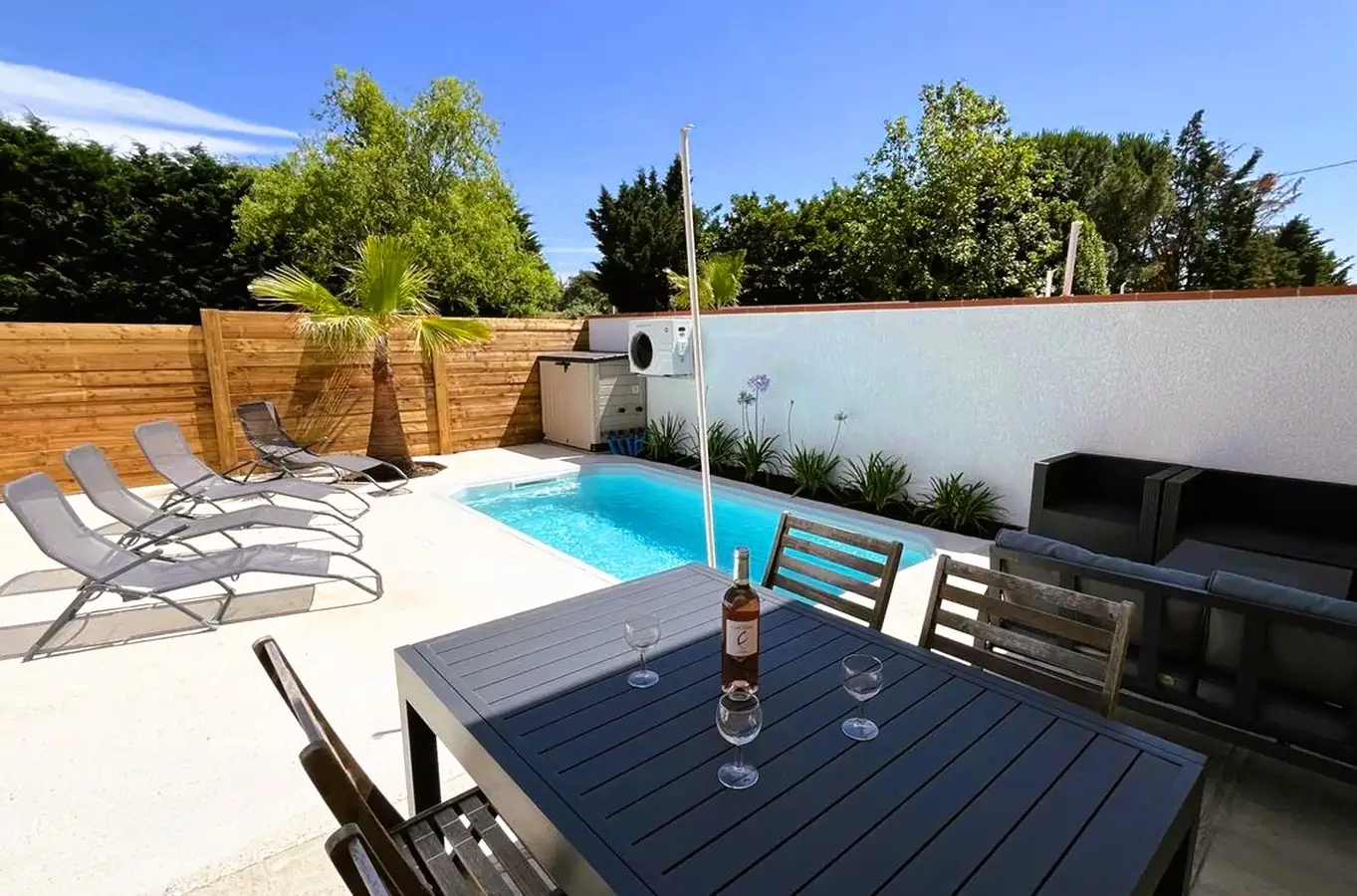
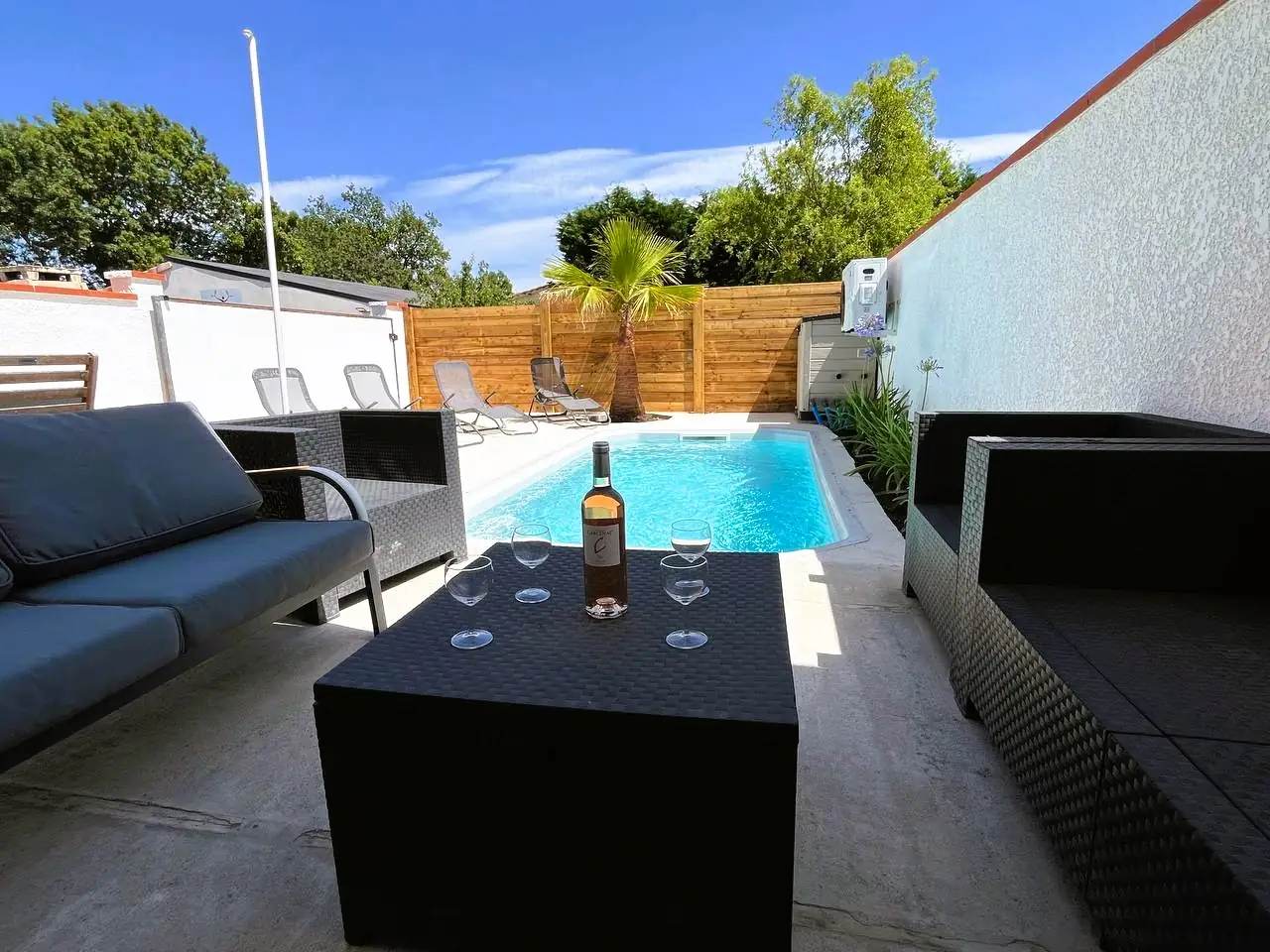
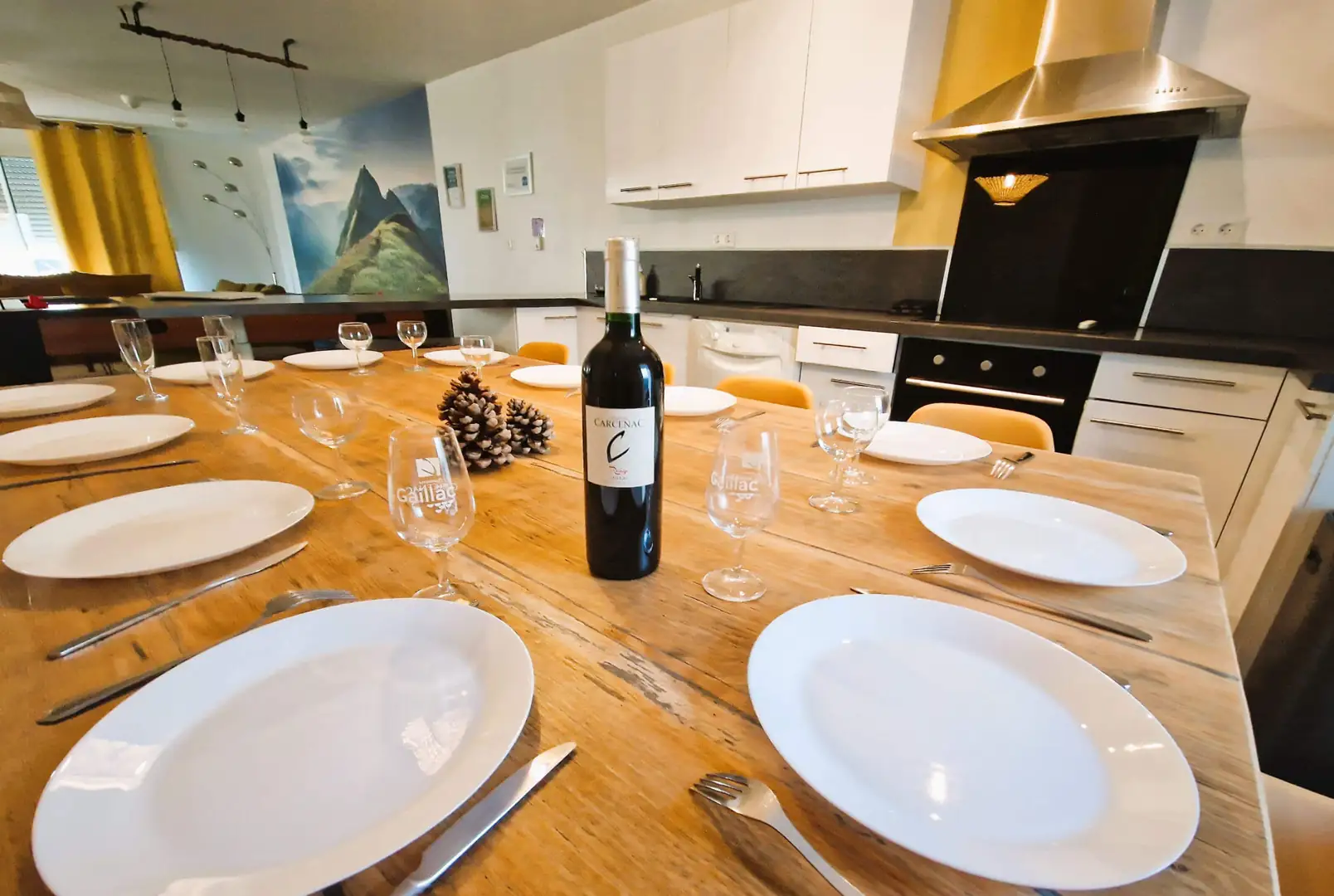
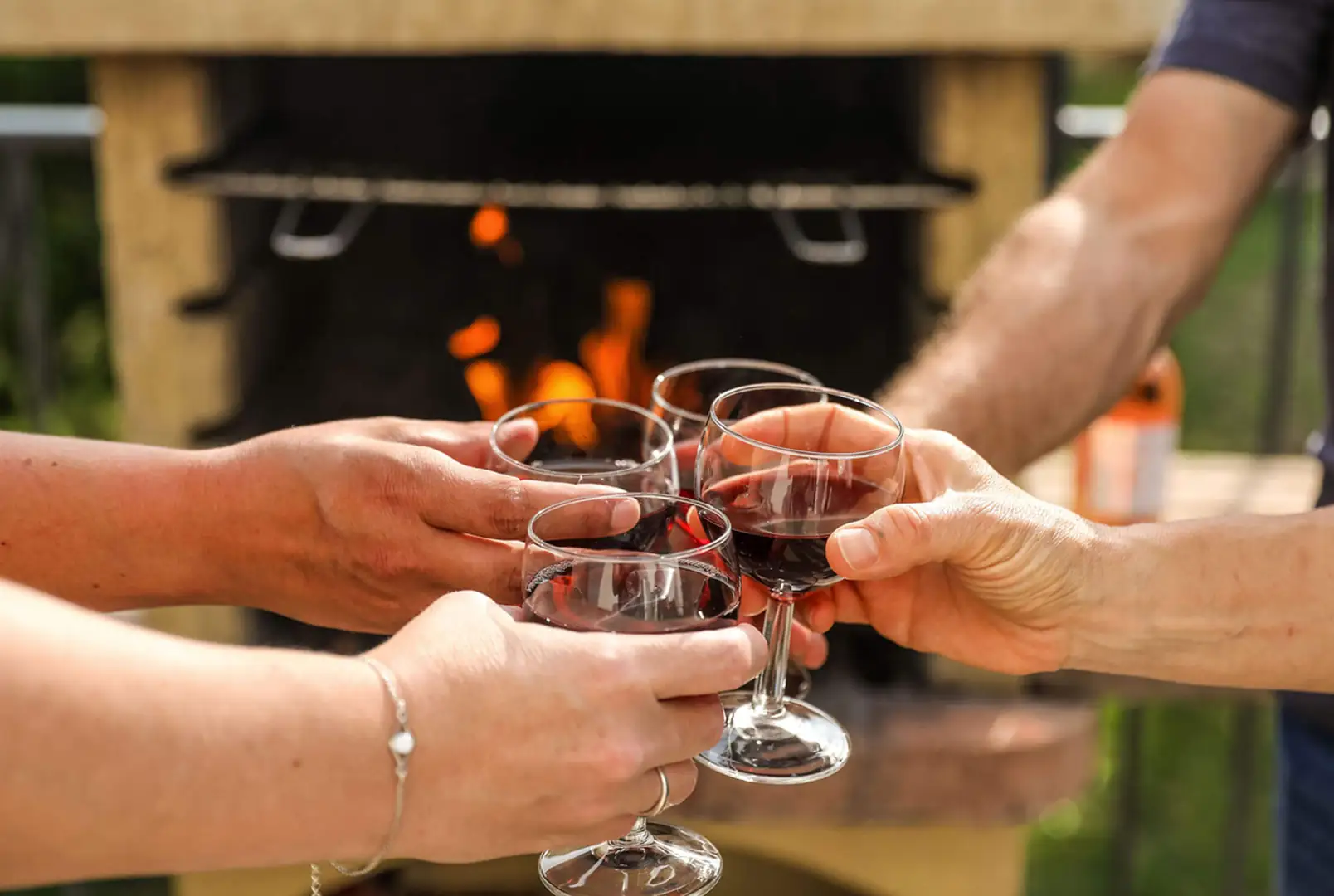
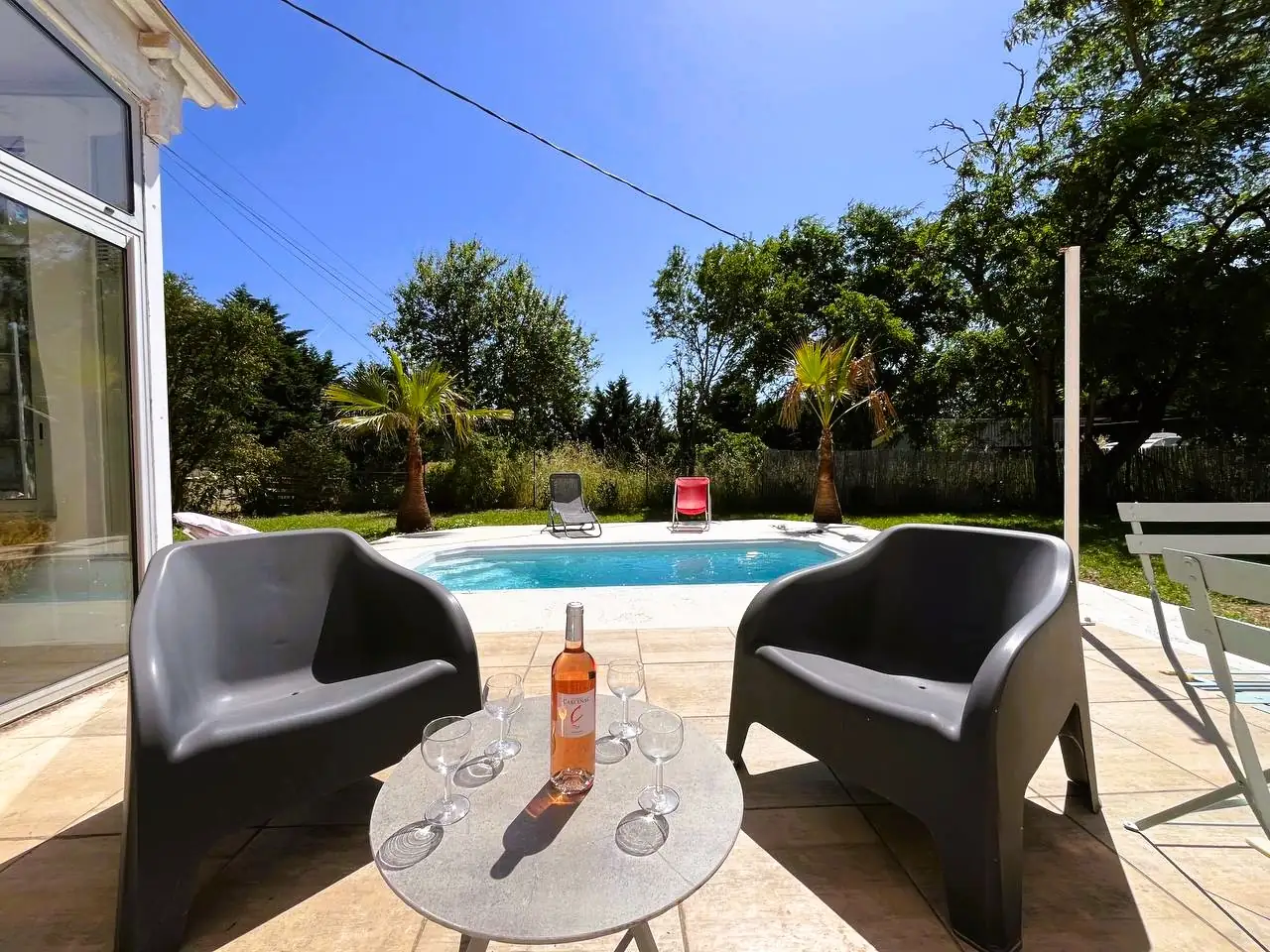
On every stay at Les Cottages du Tarn, we offer you a bottle from Domaine de Carcenac as a welcome gift — a wonderful way to discover Gaillac wines from the very moment you arrive.
Foie gras and South-West confits
Foie gras is one of the cornerstones of South-West French gastronomy. In the Tarn and its surroundings, many producers raise ducks and geese using traditional methods that respect both animal welfare and ancestral know-how. Fresh foie gras, semi-cooked or preserved, dried duck breast, duck confit, rillettes, gizzard confit… A generous range of products that grace both festive tables and everyday meals alike.
At the Tarn’s farmers’ markets — Sunday mornings in Lisle-sur-Tarn, Saturday mornings in Brens and Rabastens, Tuesday and Friday mornings in Gaillac — you will find local producers selling their products directly. A unique opportunity to chat with them and head home with authentic flavours in your bags.
Charcuterie from the Monts de Lacaune
To the east of the department, the Monts de Lacaune are the birthplace of an exceptional charcuterie tradition recognised throughout France. Lacaune saucisson and Lacaune dry sausage both hold a Protected Geographical Indication (PGI) that guarantees their origin and traditional production method.
Matured at altitude in the pure mountain air of the Tarn highlands, these products stand out for their firm texture, intense flavour and incomparable aroma. They can be found at all the Tarn’s markets, in specialist delicatessens and directly from artisan charcutiers. Perfect as an apéritif, on a charcuterie board or alongside a glass of Gaillac red.
Curbelets and Tarn sweet specialities
The Tarn is also a region of sweet treats well worth discovering. Curbelets are the emblematic sweet speciality of the department: thin, crispy wafers, once made during winter evening gatherings using a specific long-handled iron — the curbèl in Occitan. Light, delicate and fragrant, they can be found in bakeries and patisseries throughout the Tarn.
Croquants de Cordes are another must-try speciality: delicious small dry almond biscuits, typical of the bastide of Cordes-sur-Ciel, perfect for nibbling during a village visit or bringing home as a souvenir. And fouace, that sweet crown-shaped bread flavoured with orange blossom, is enjoyed at breakfast, as an afternoon snack or on special occasions.
Cooking local from your cottage
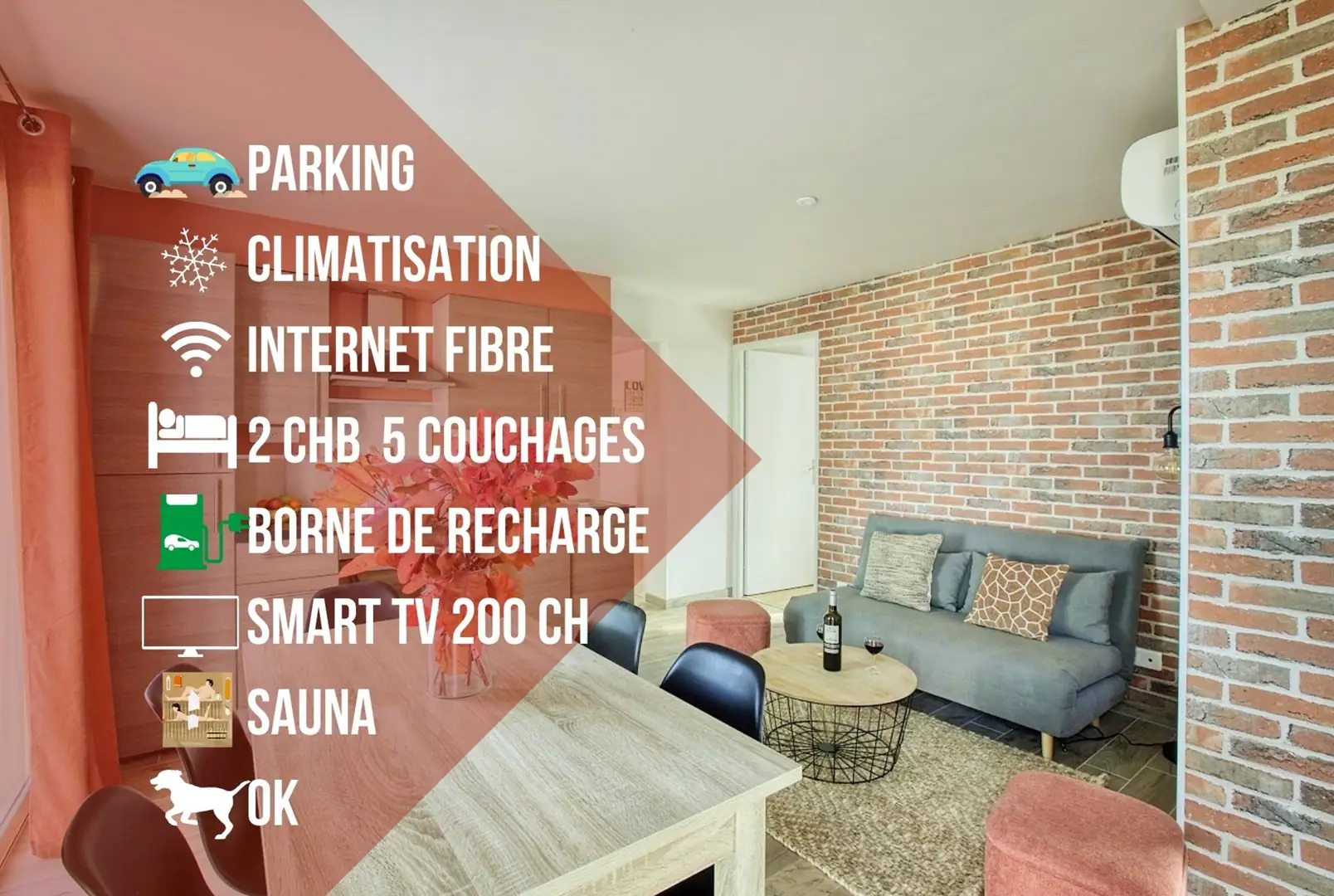
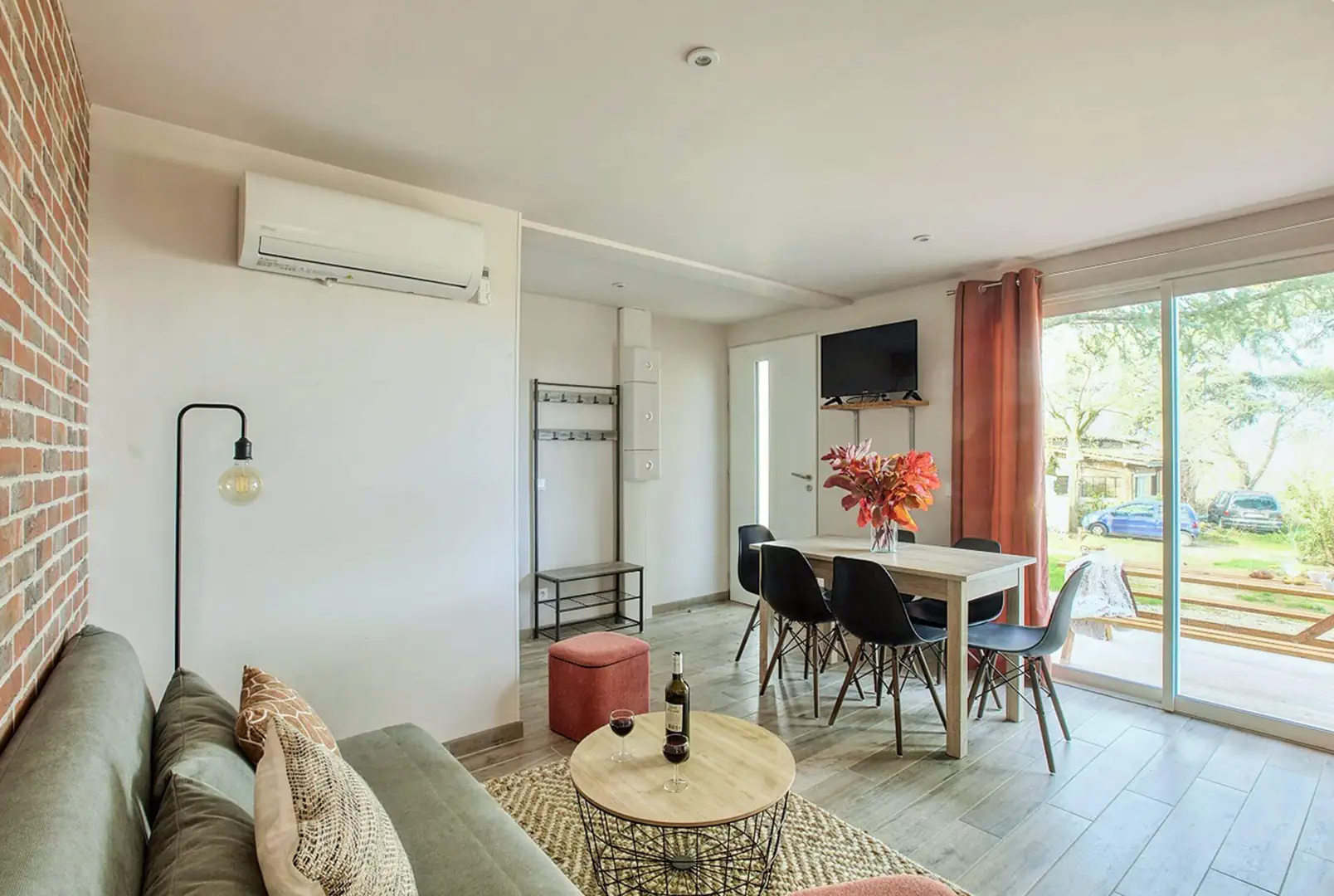
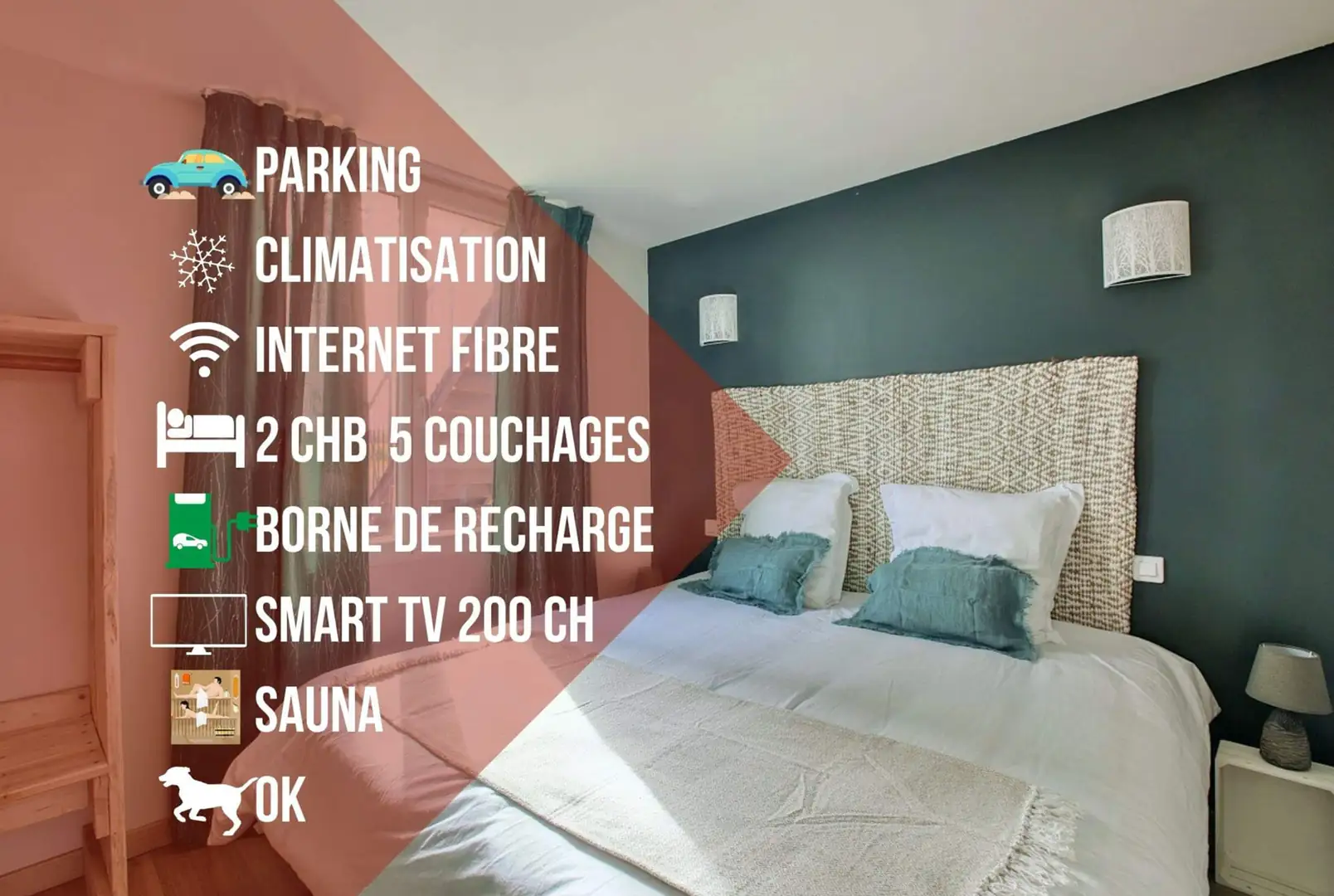
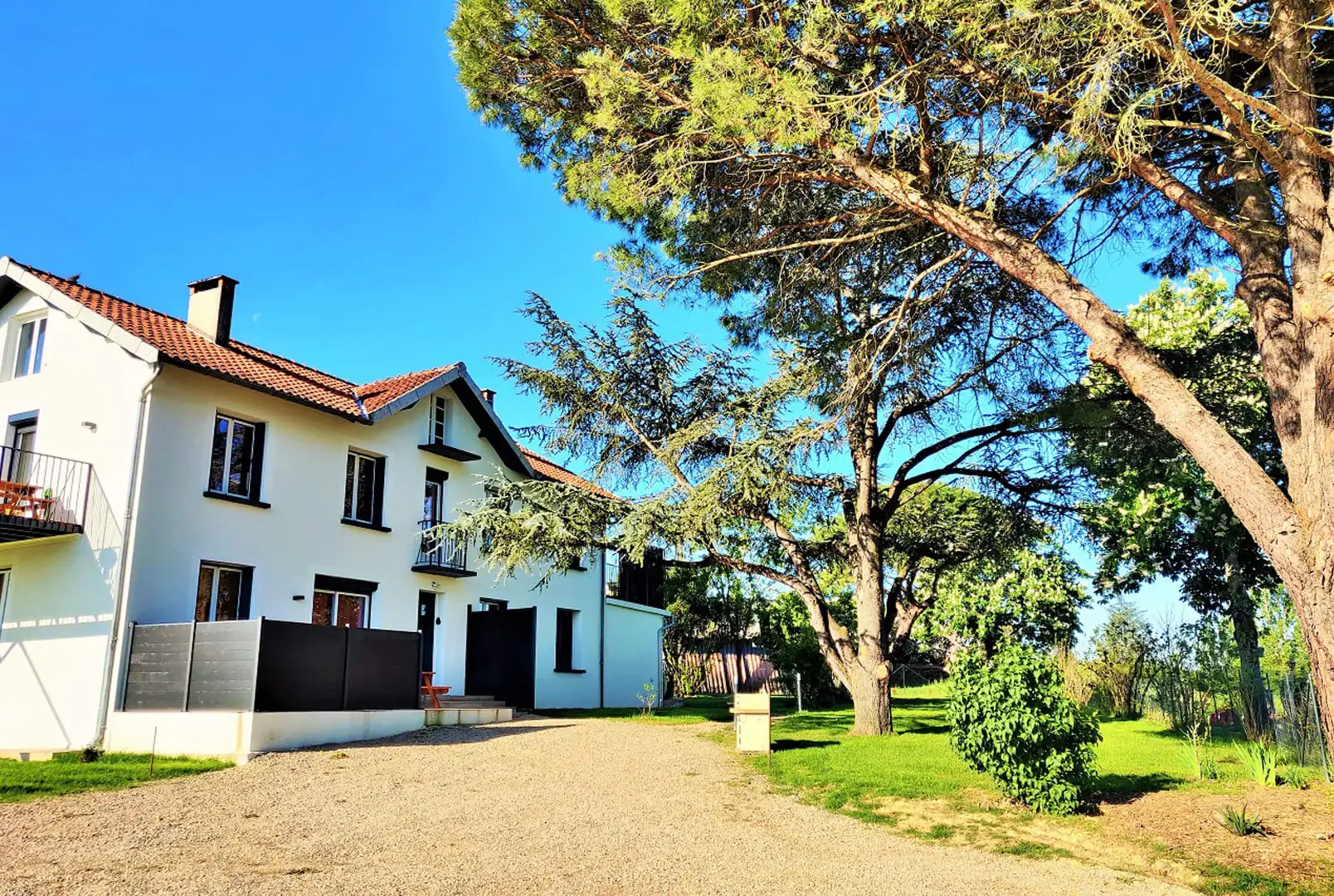
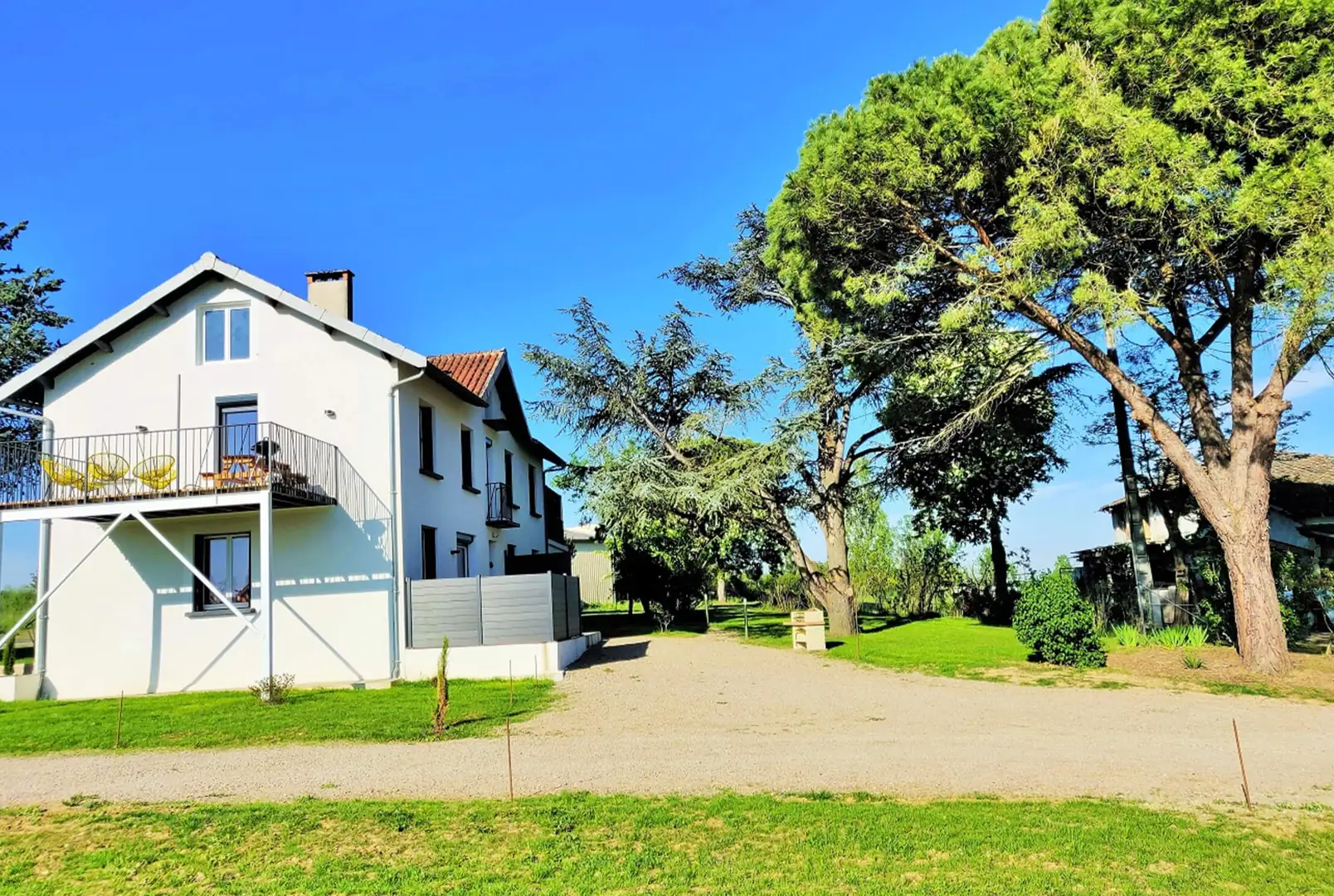
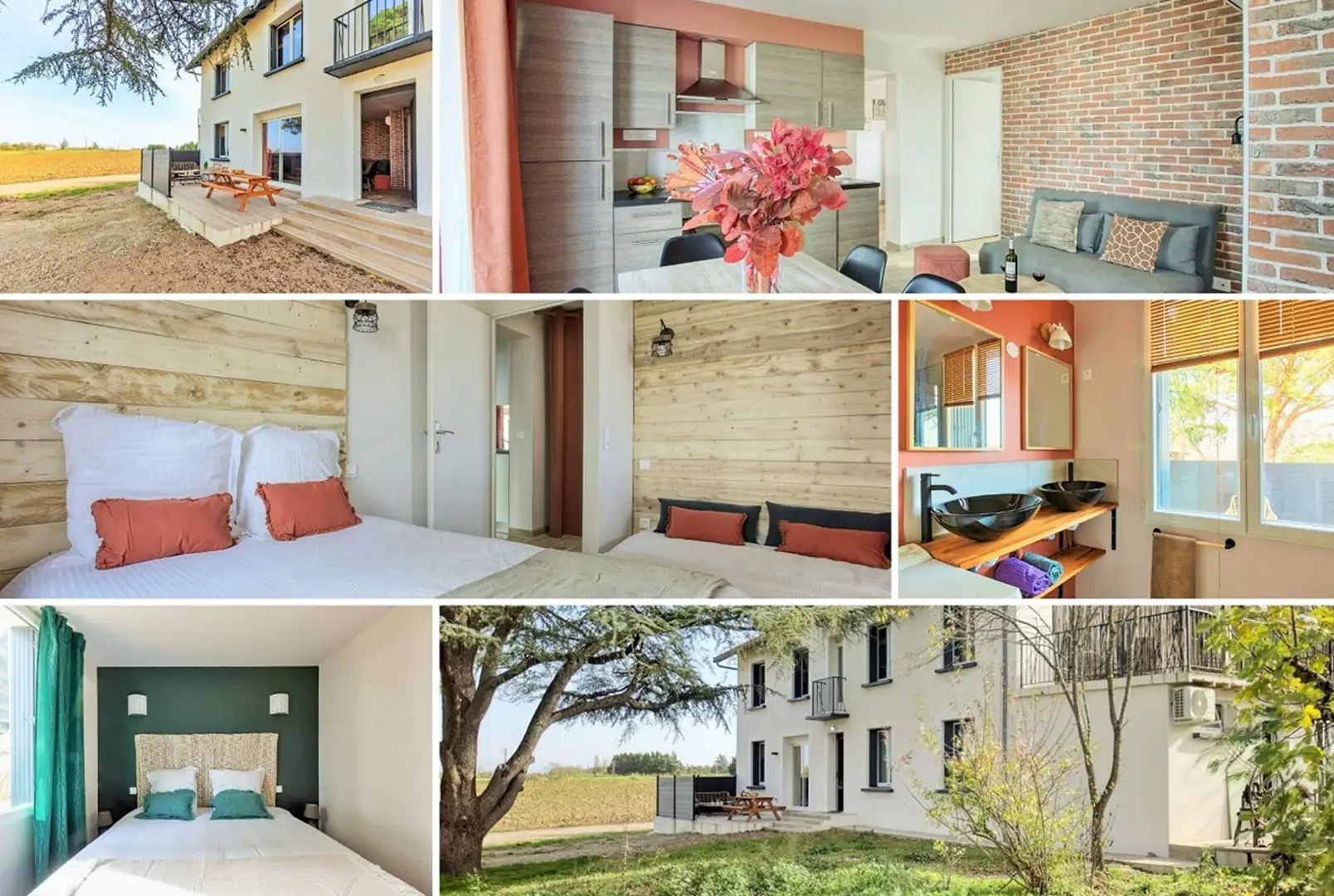
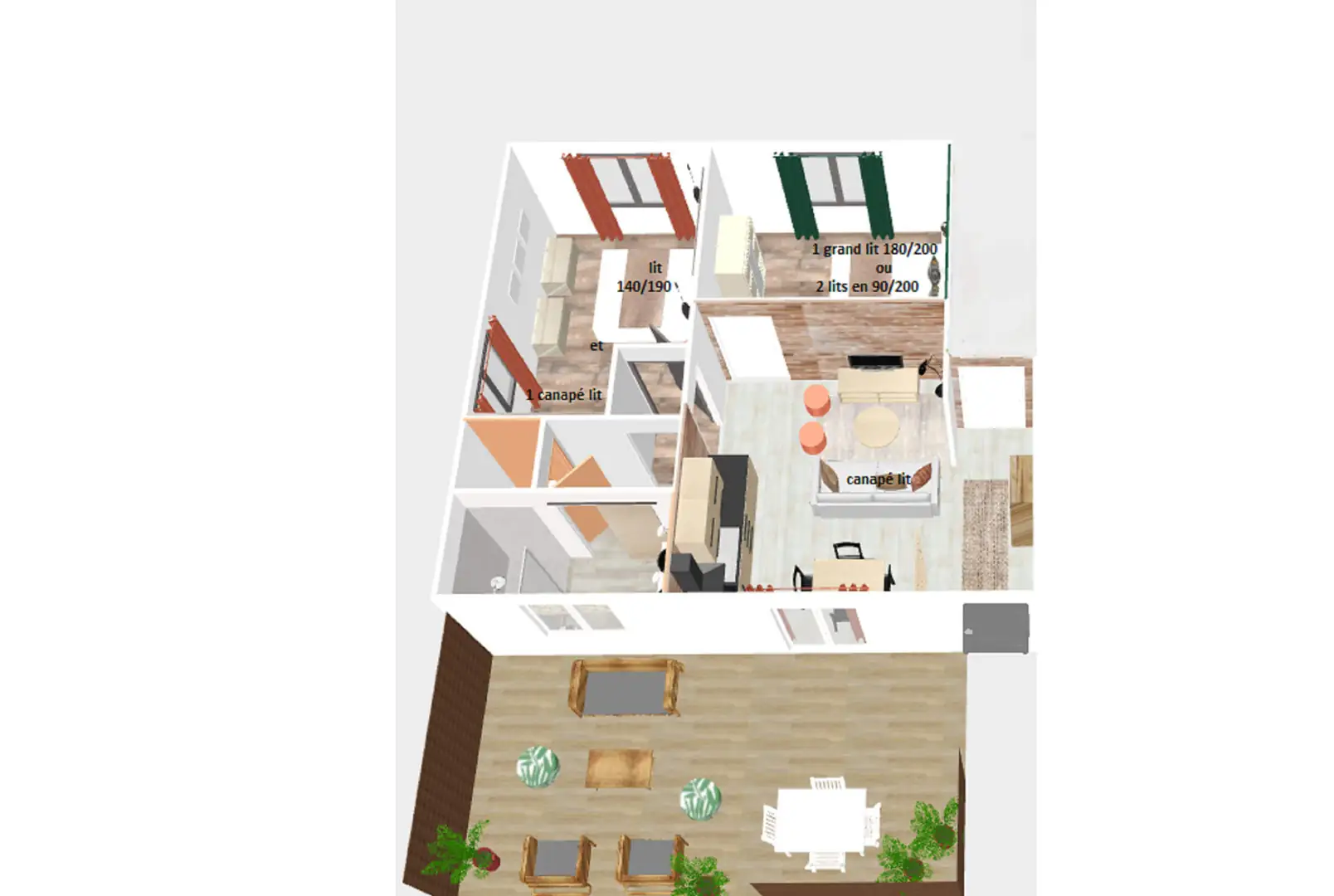
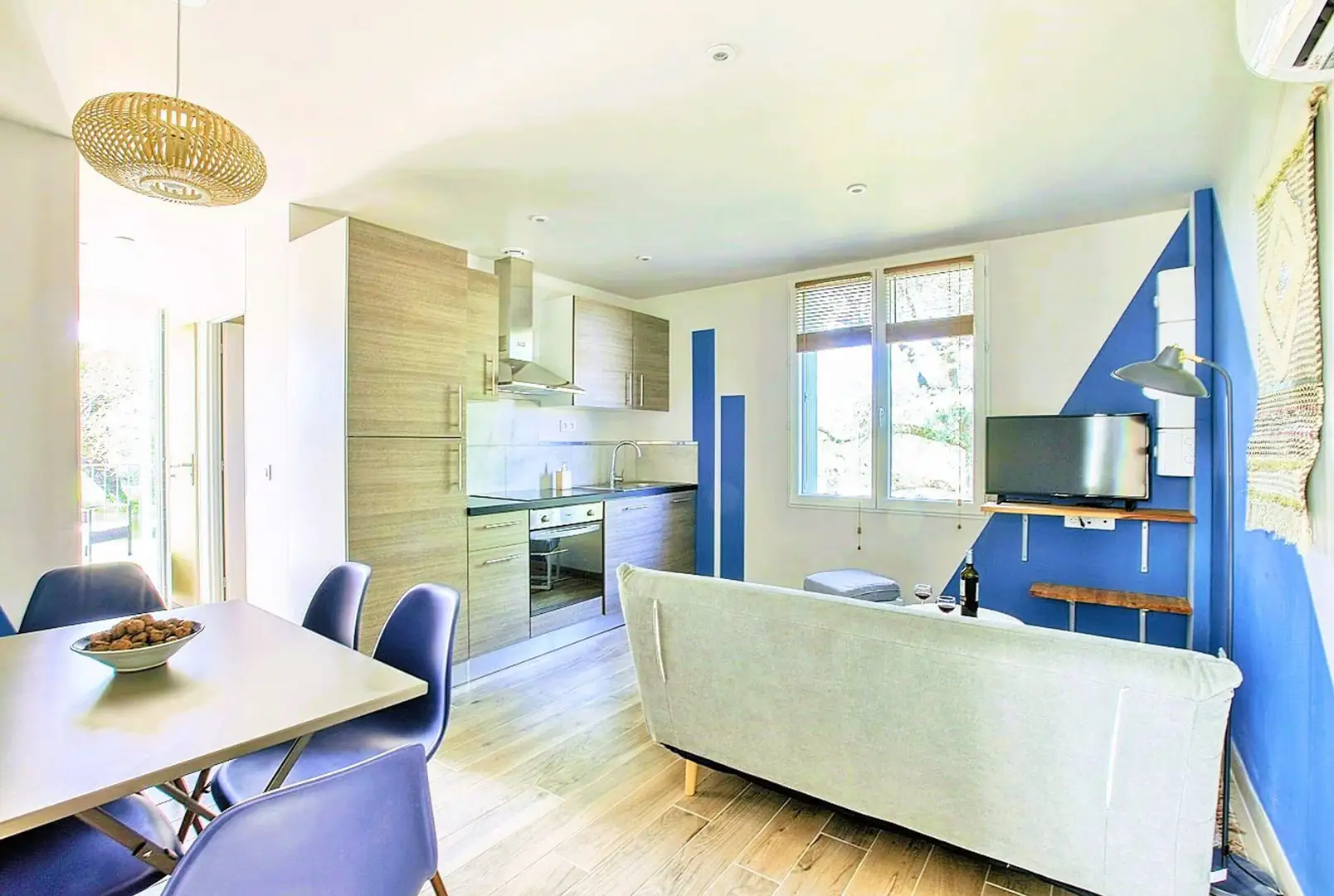
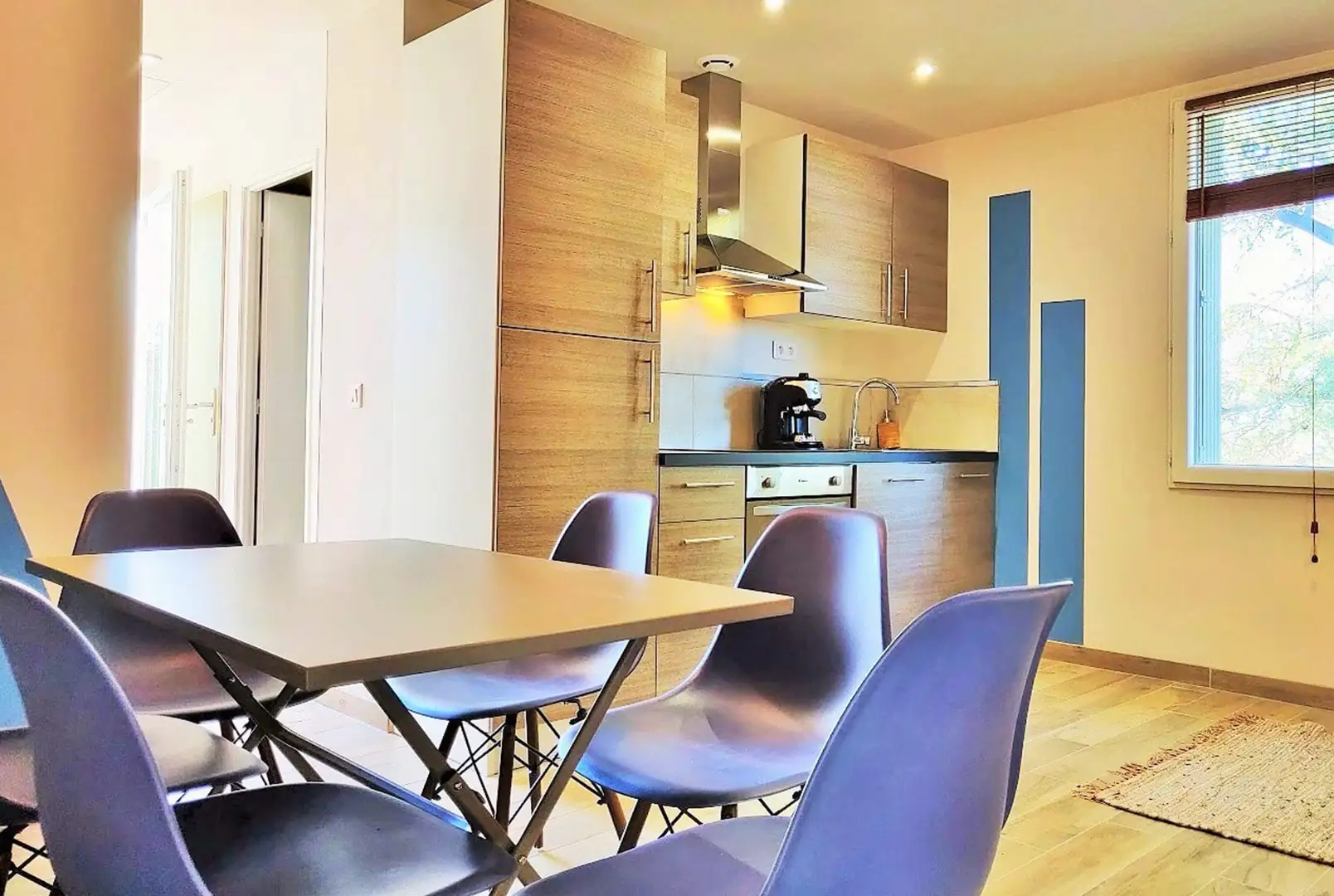
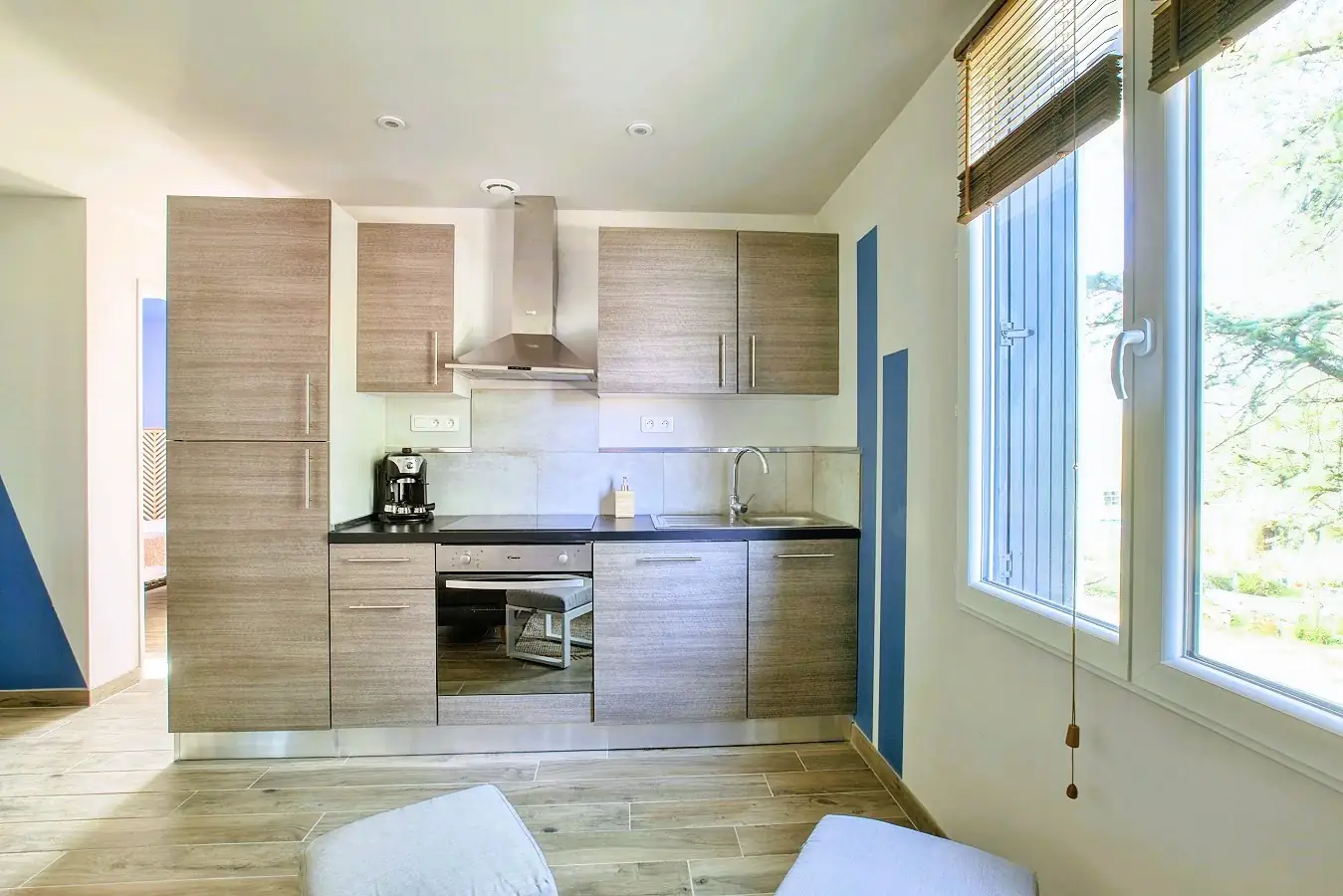
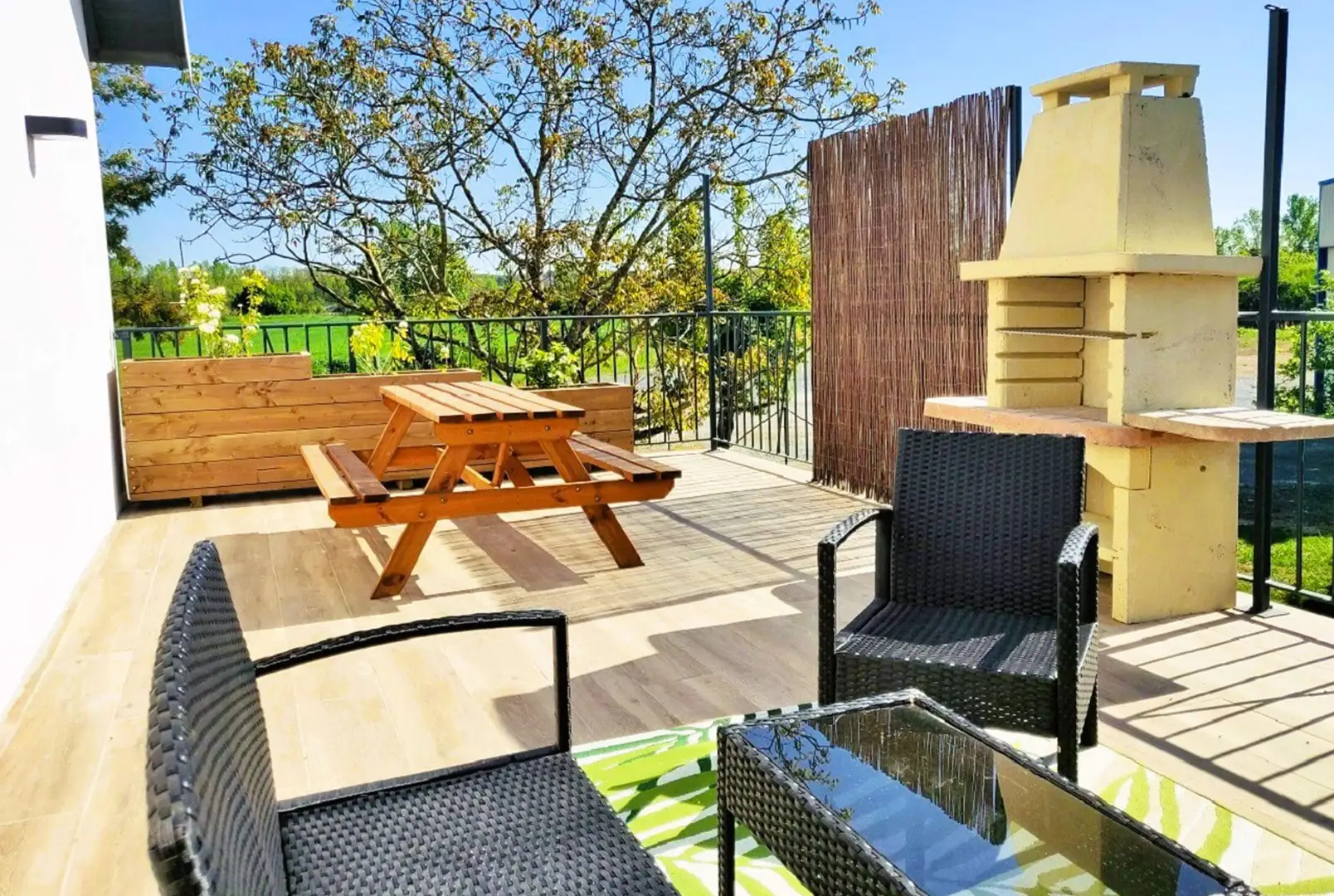
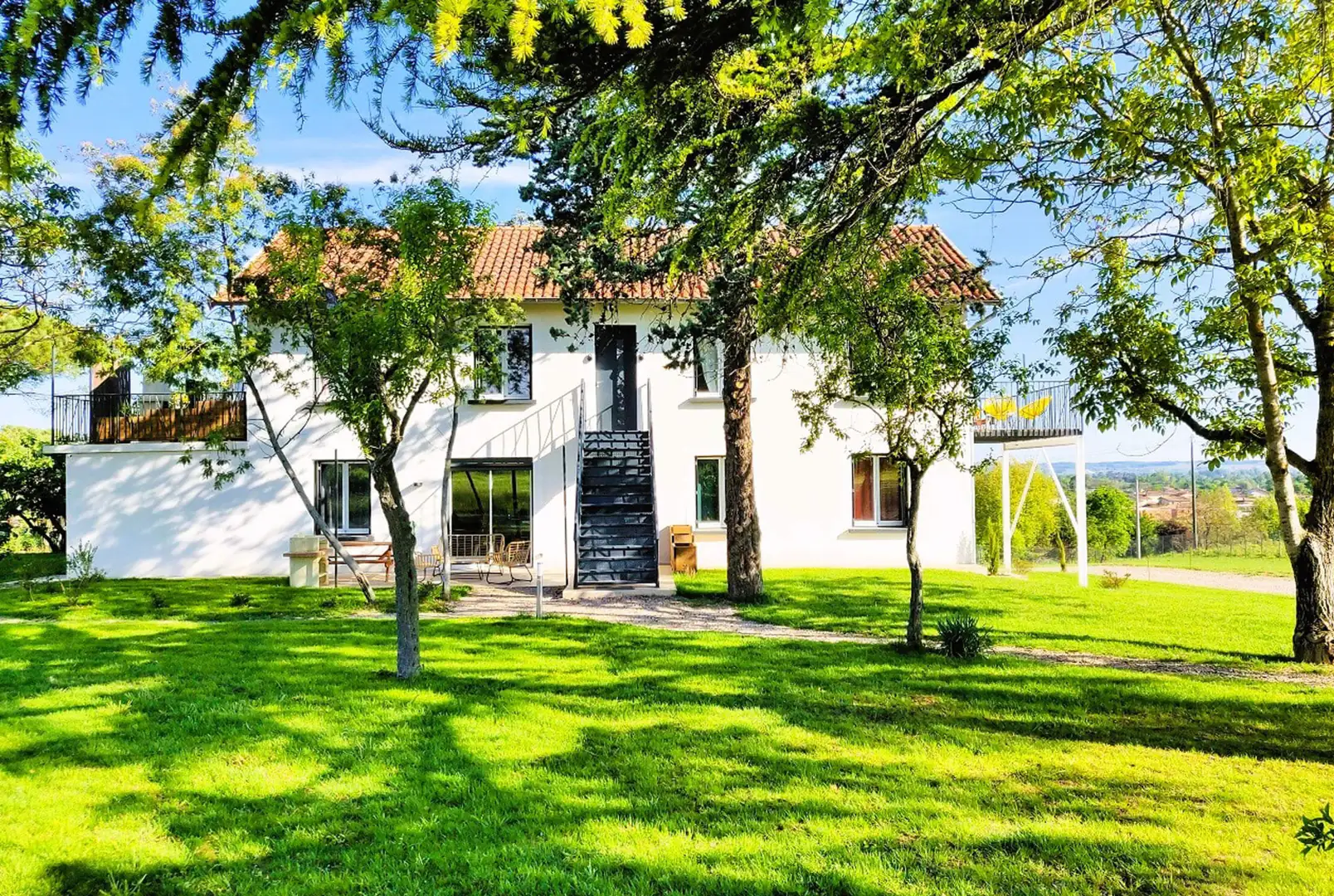
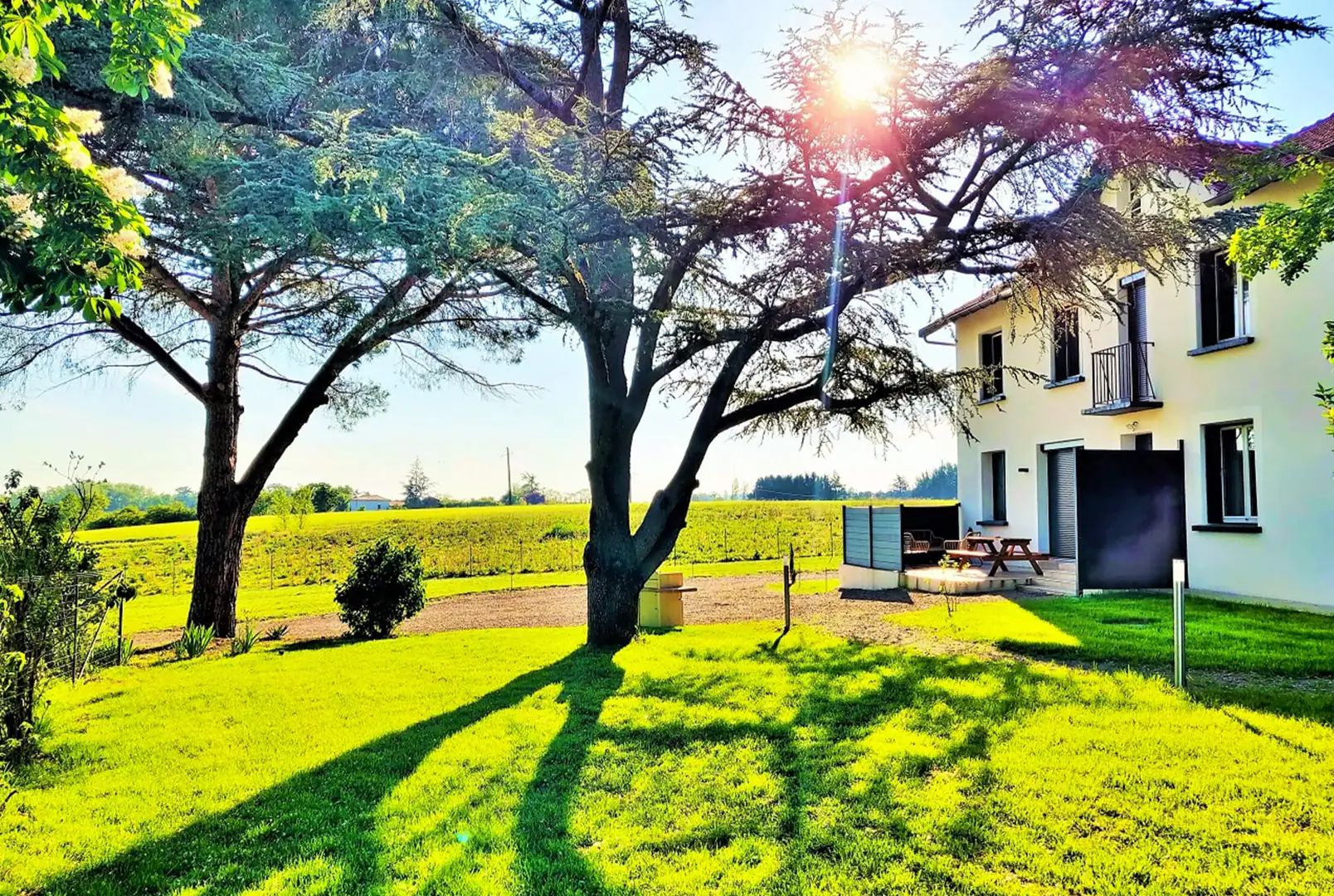
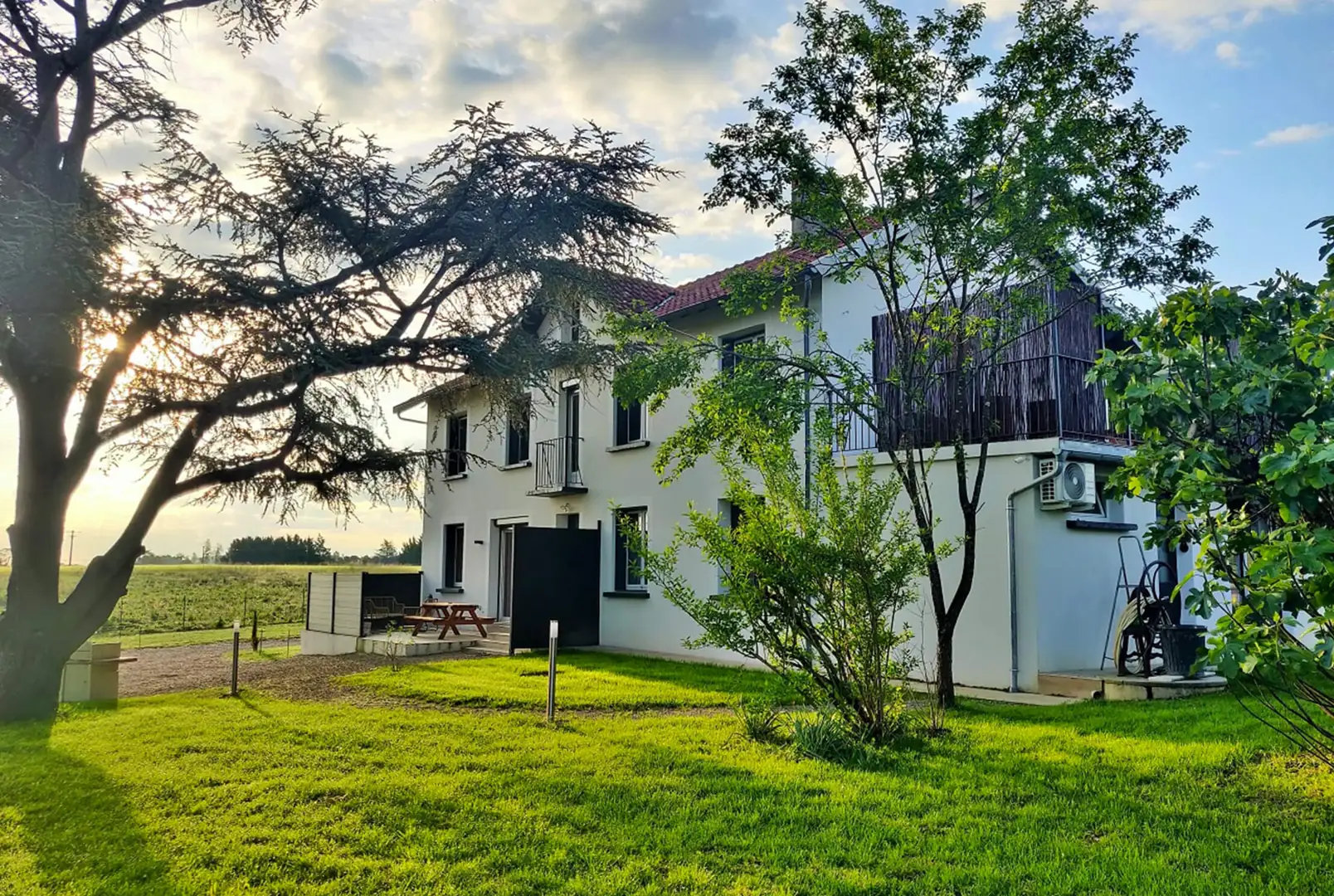
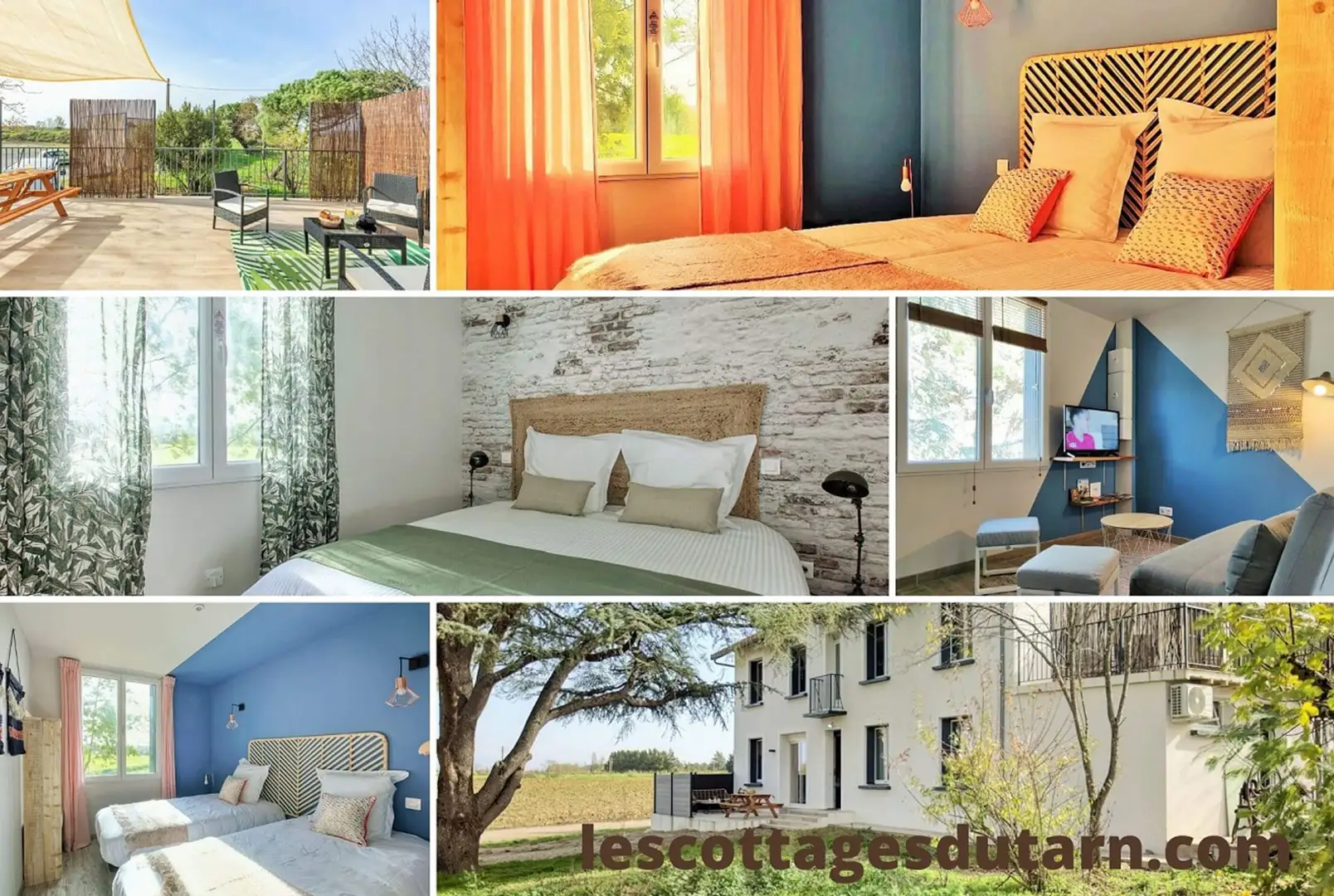
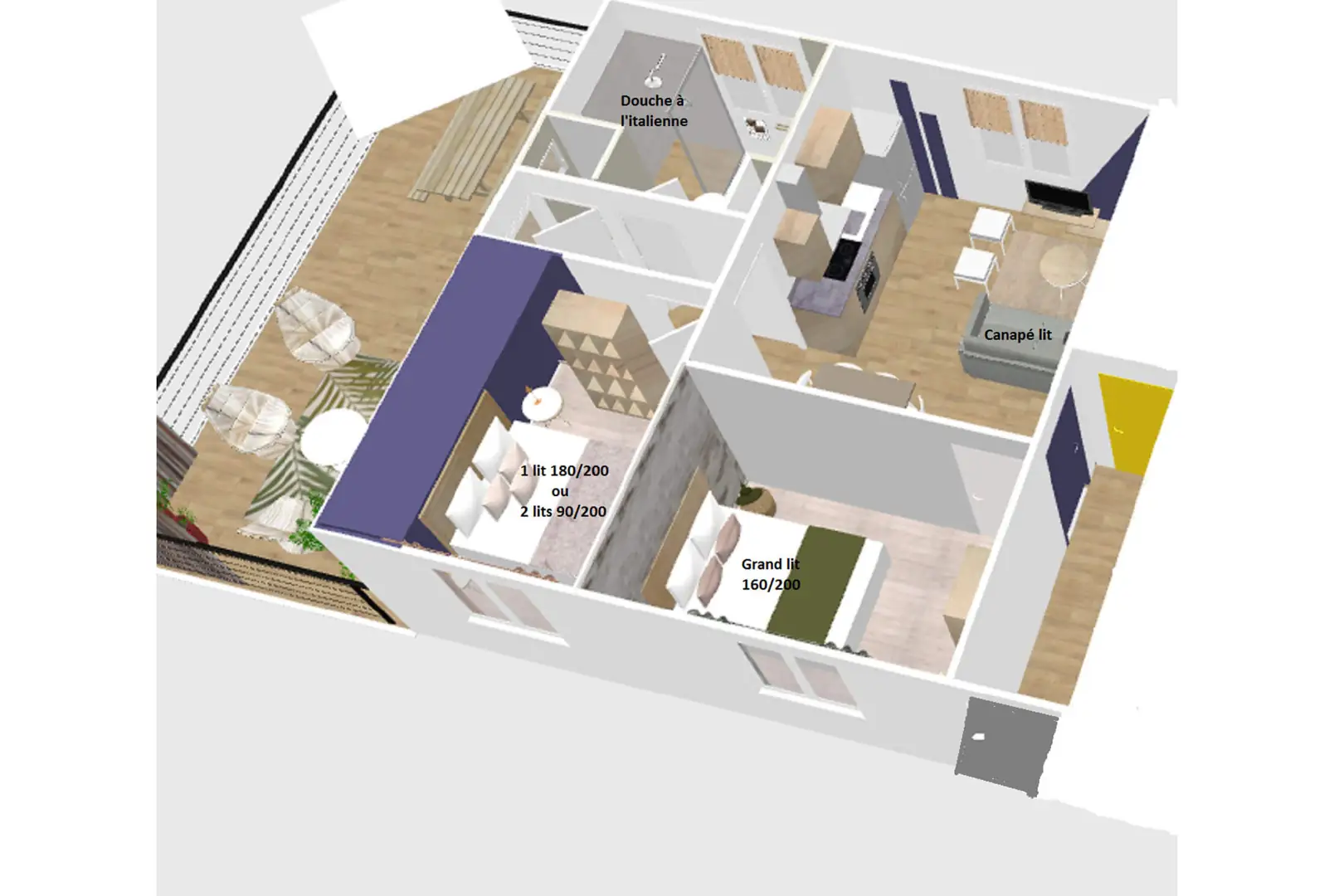
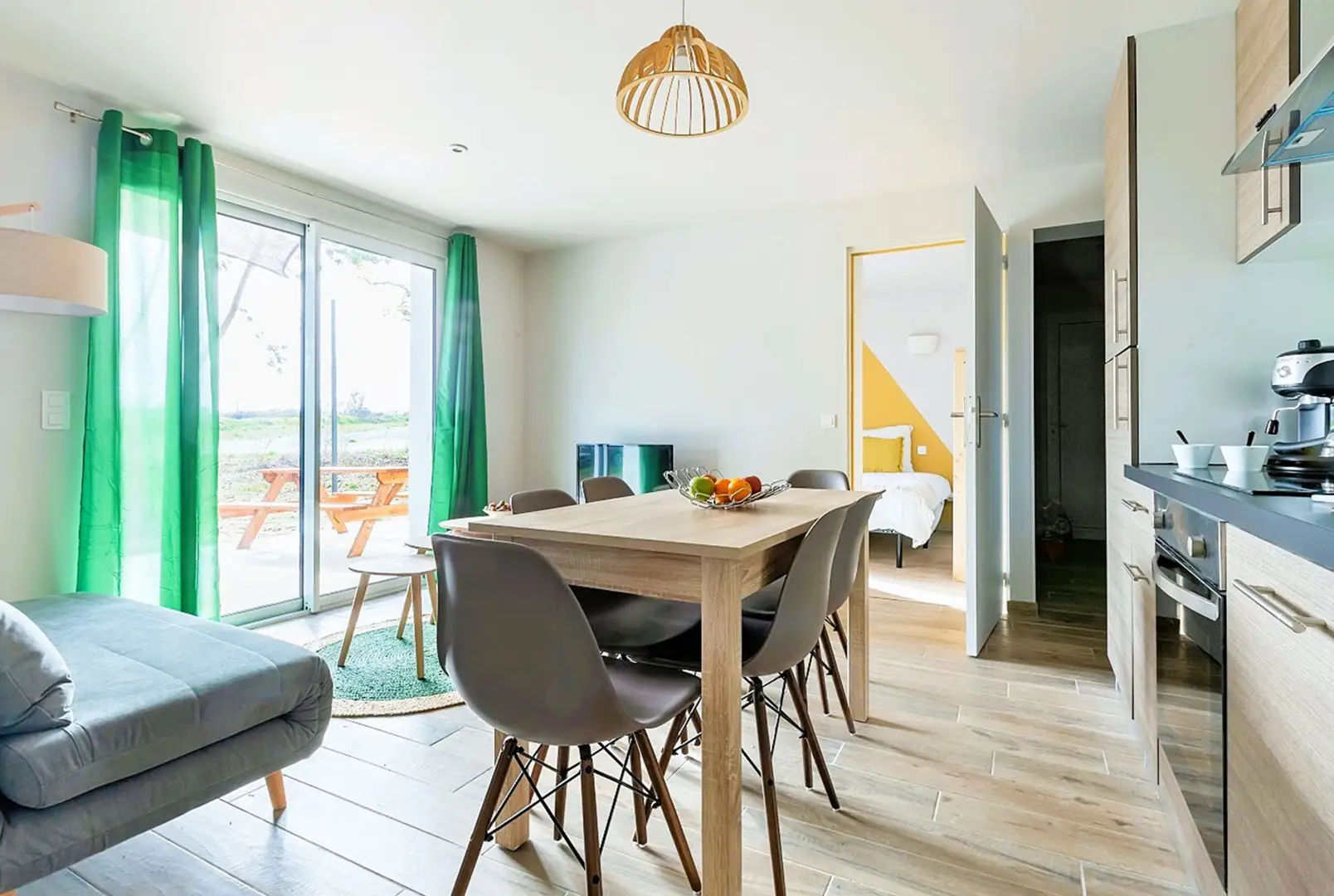
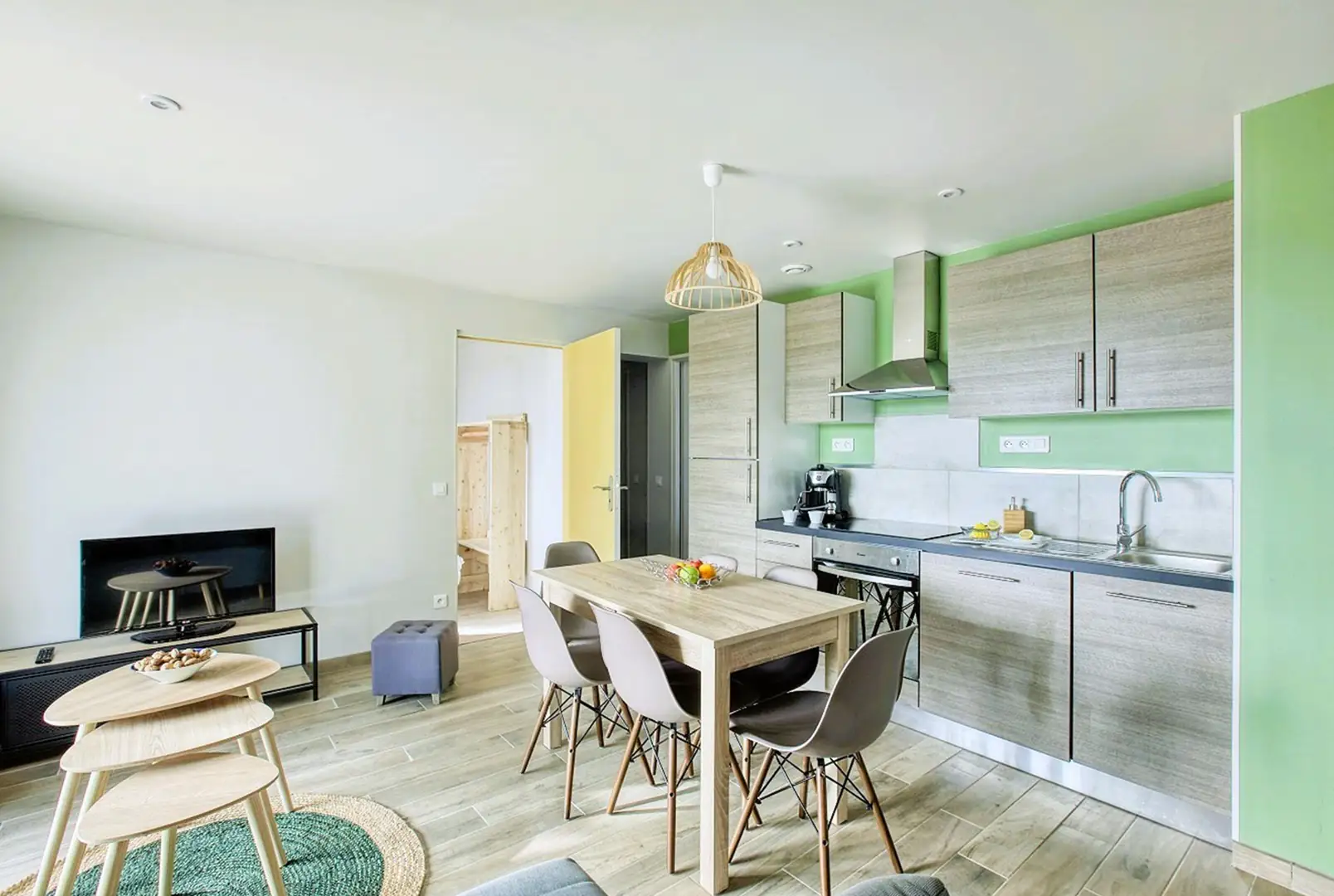
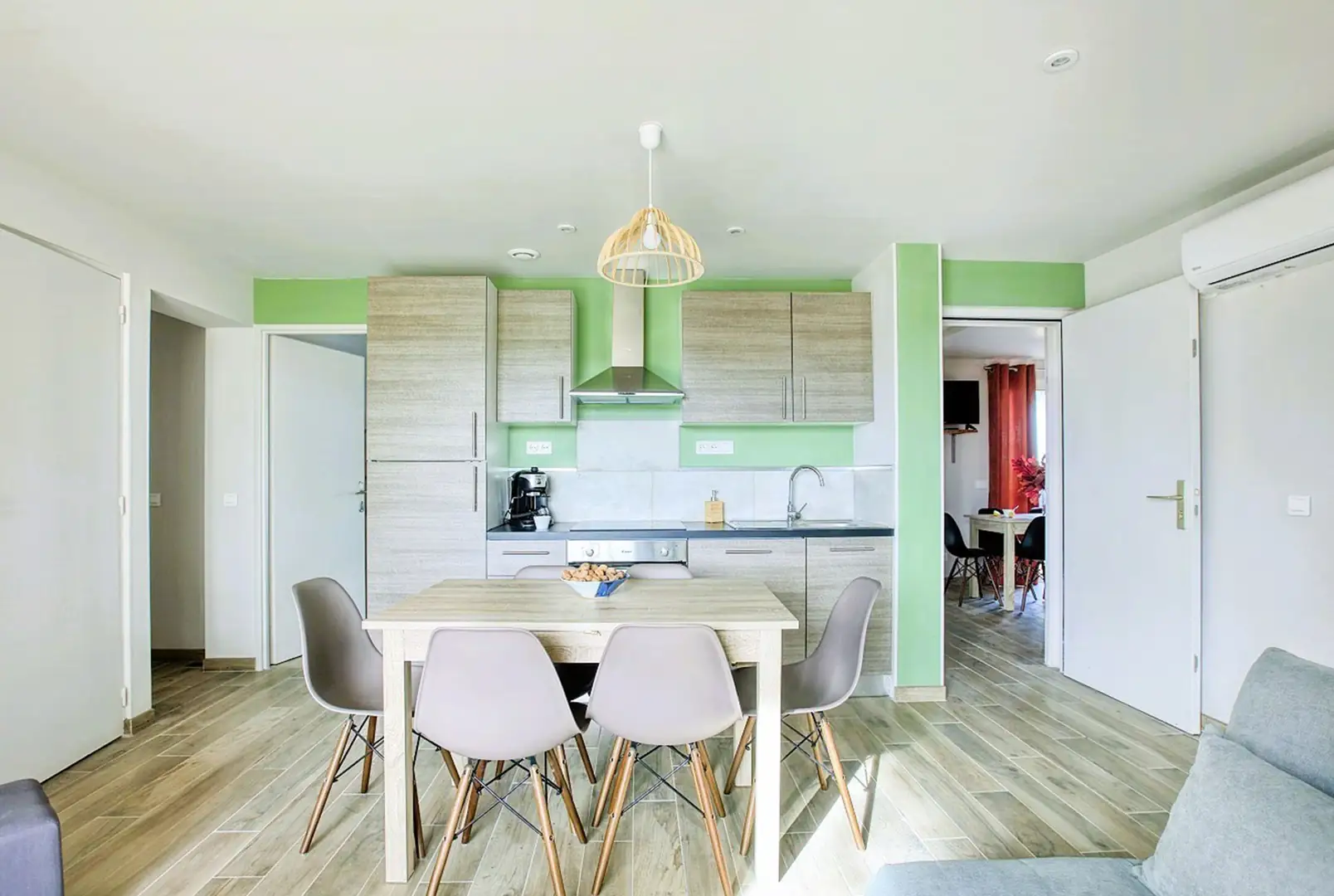
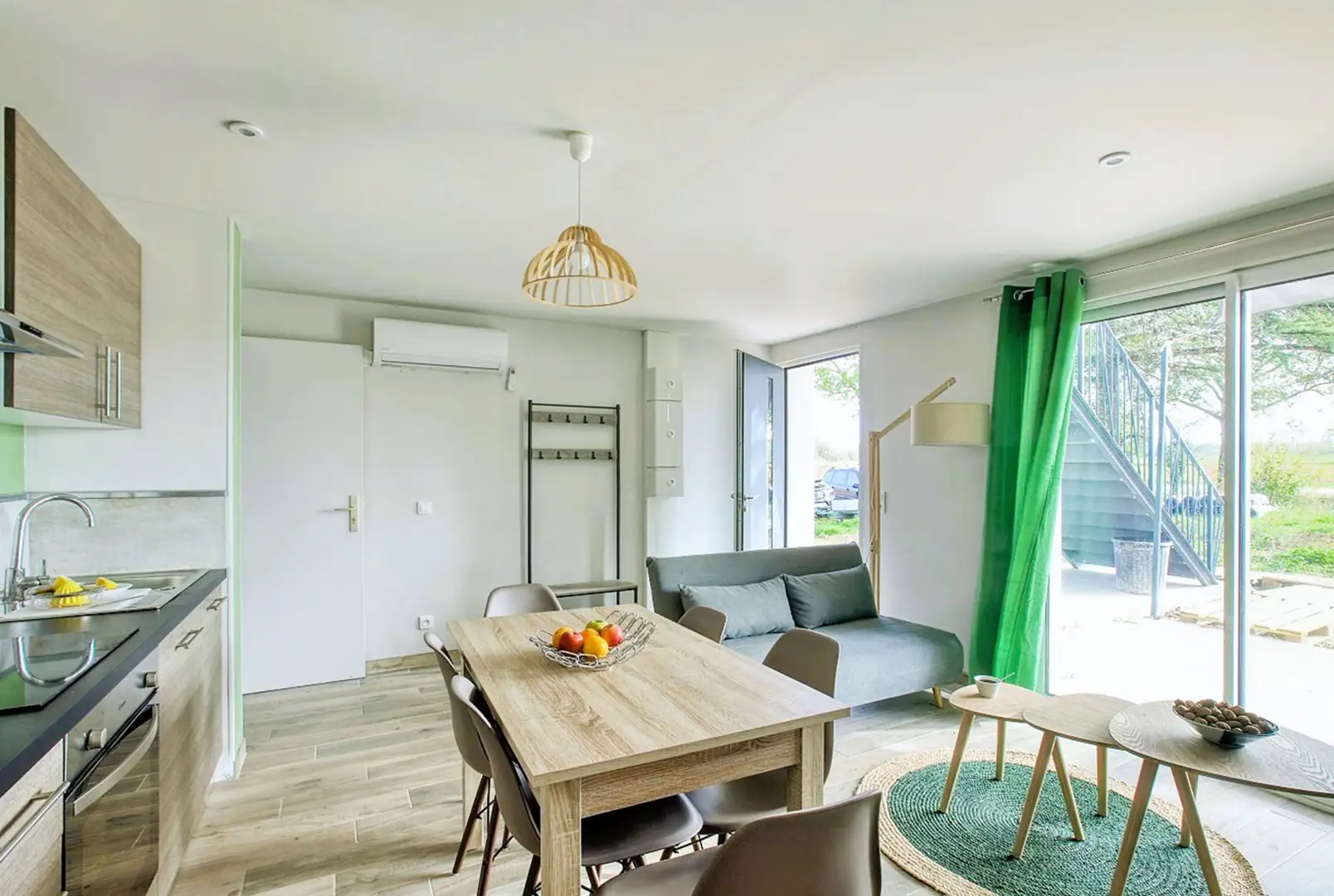
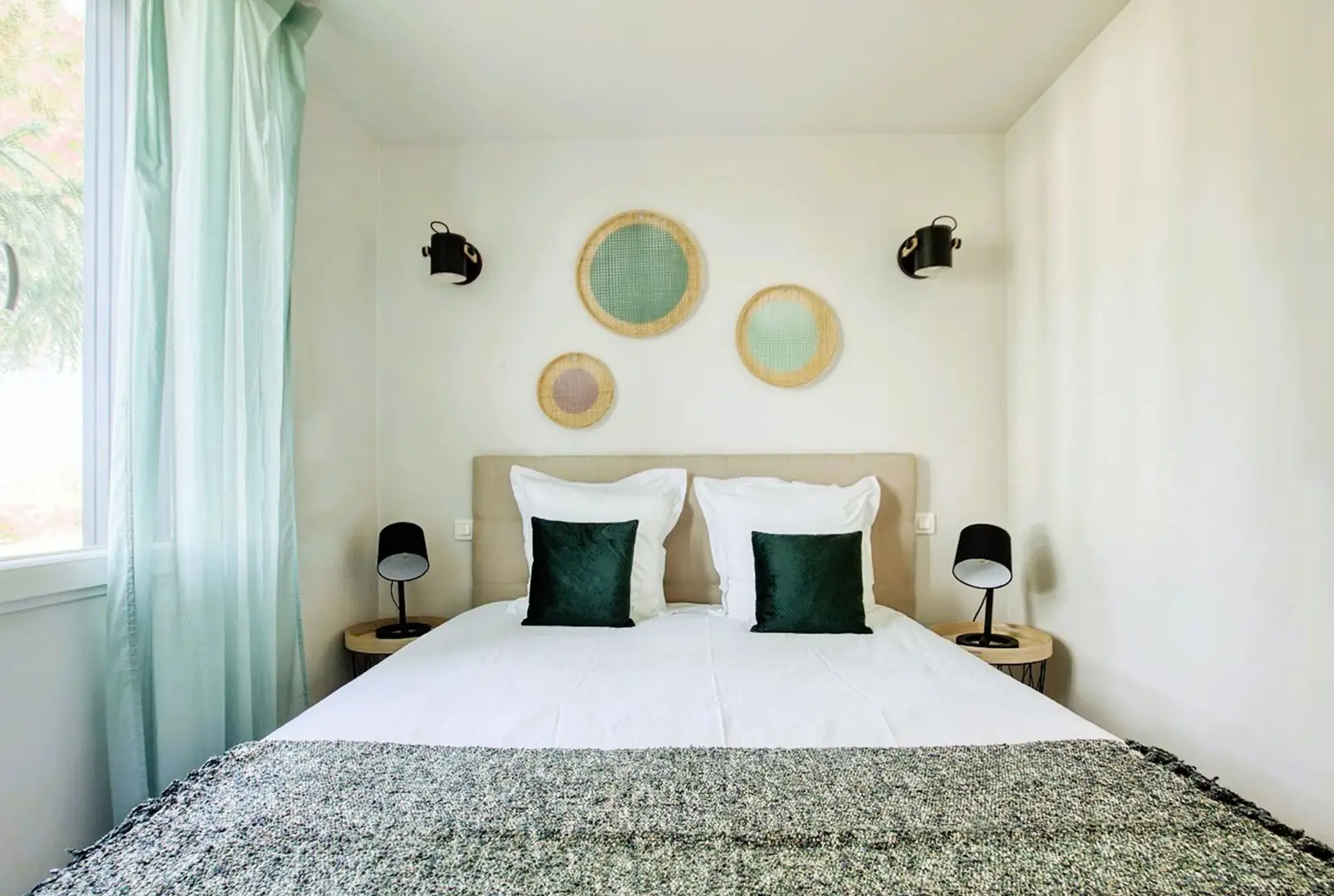
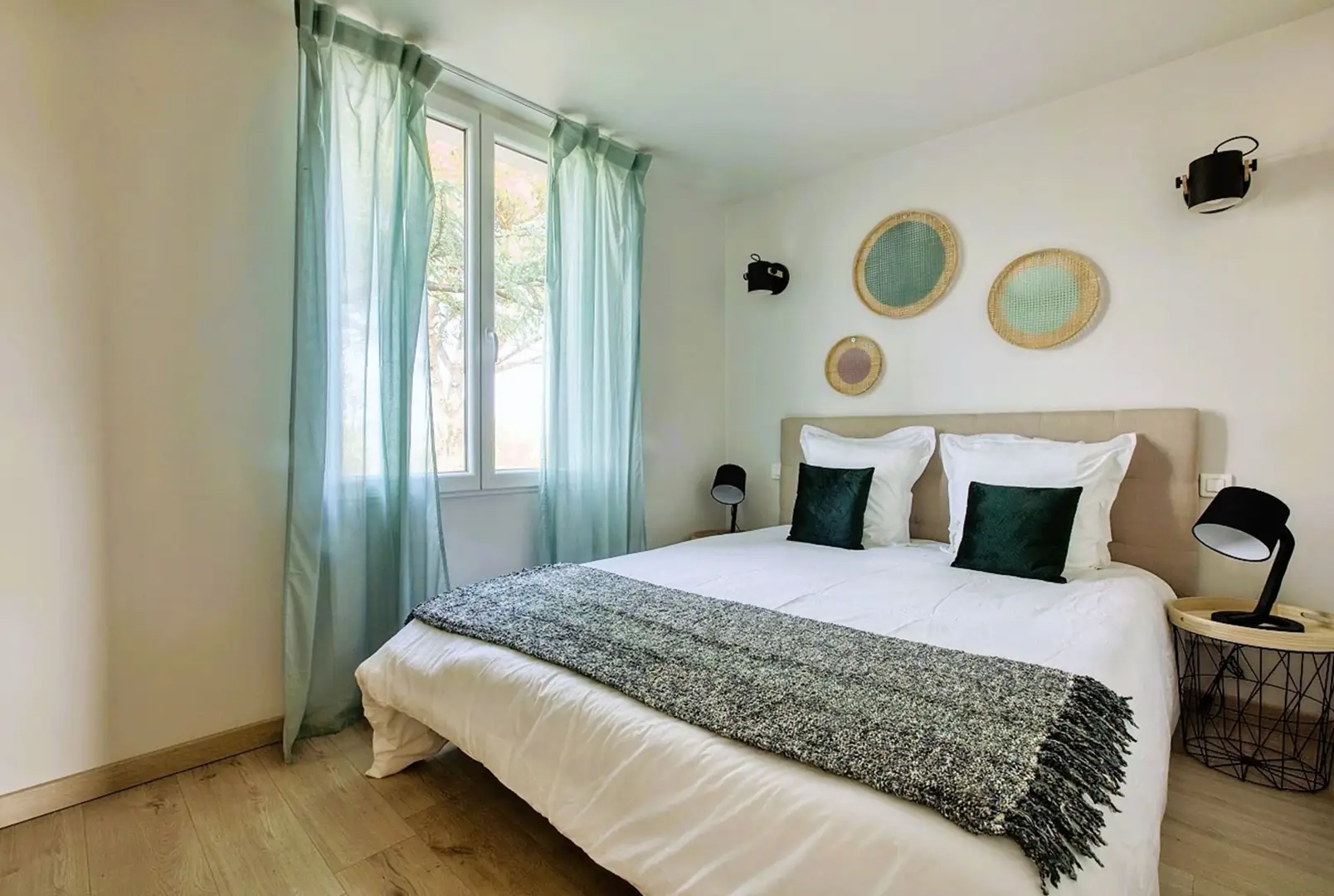
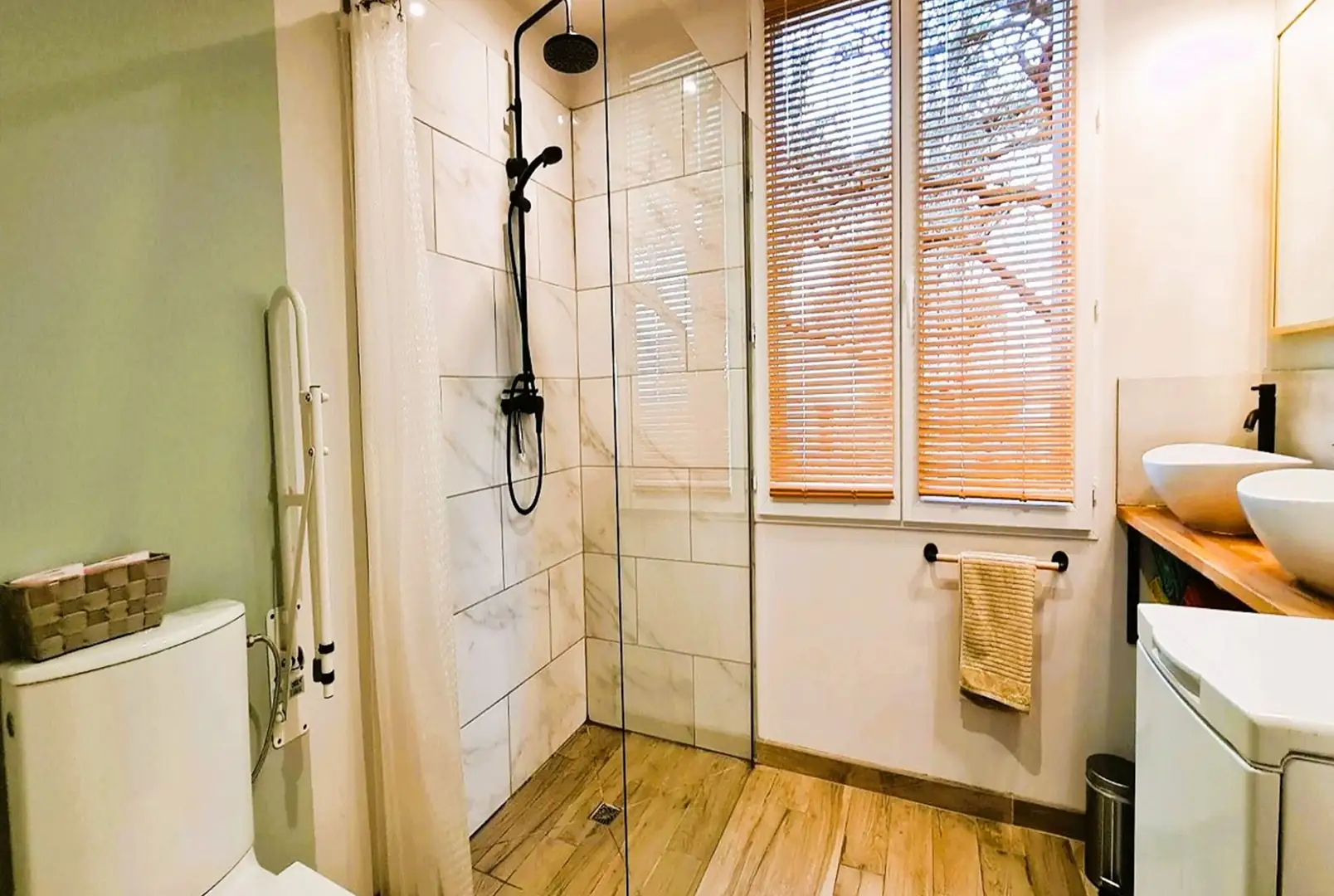
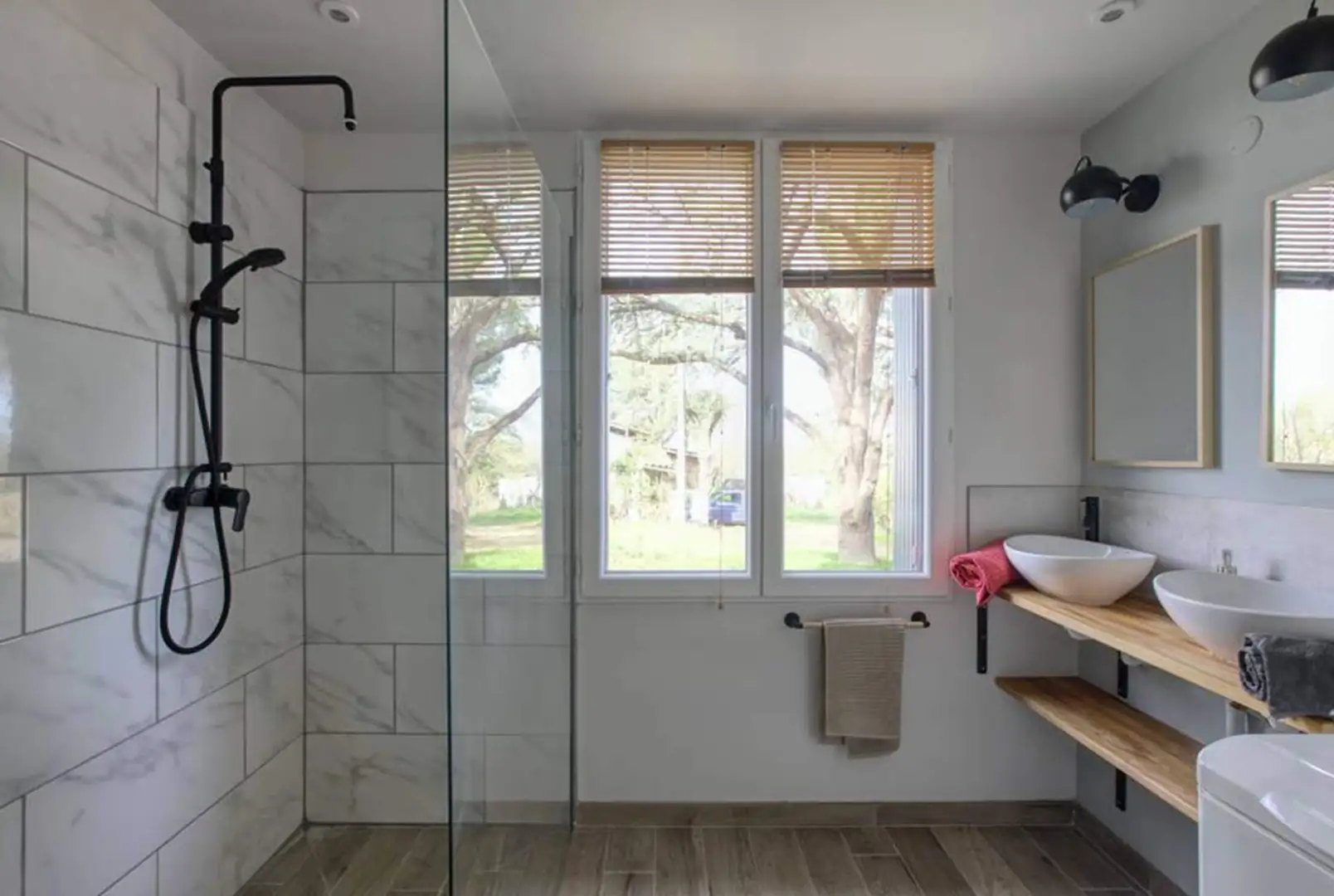
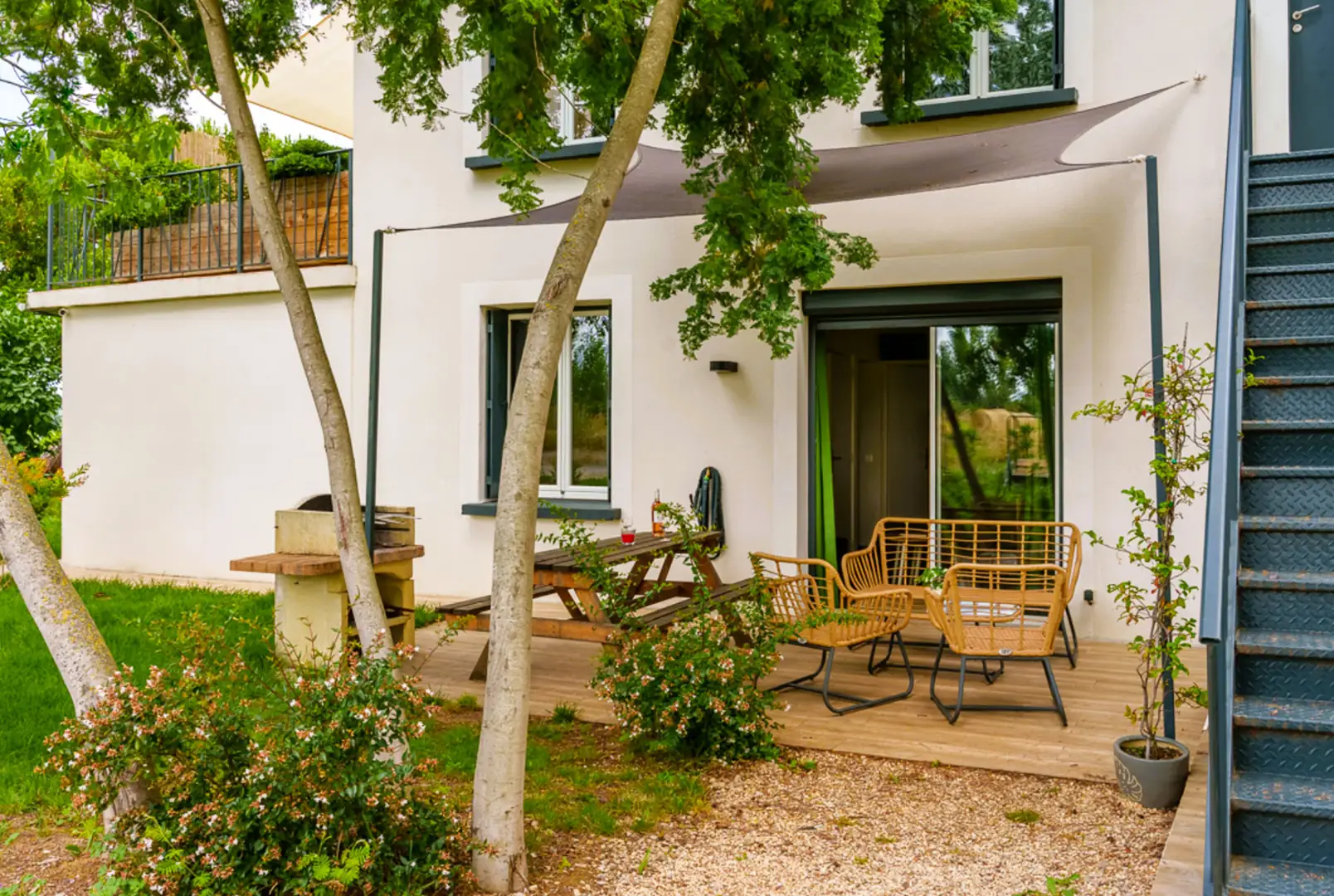
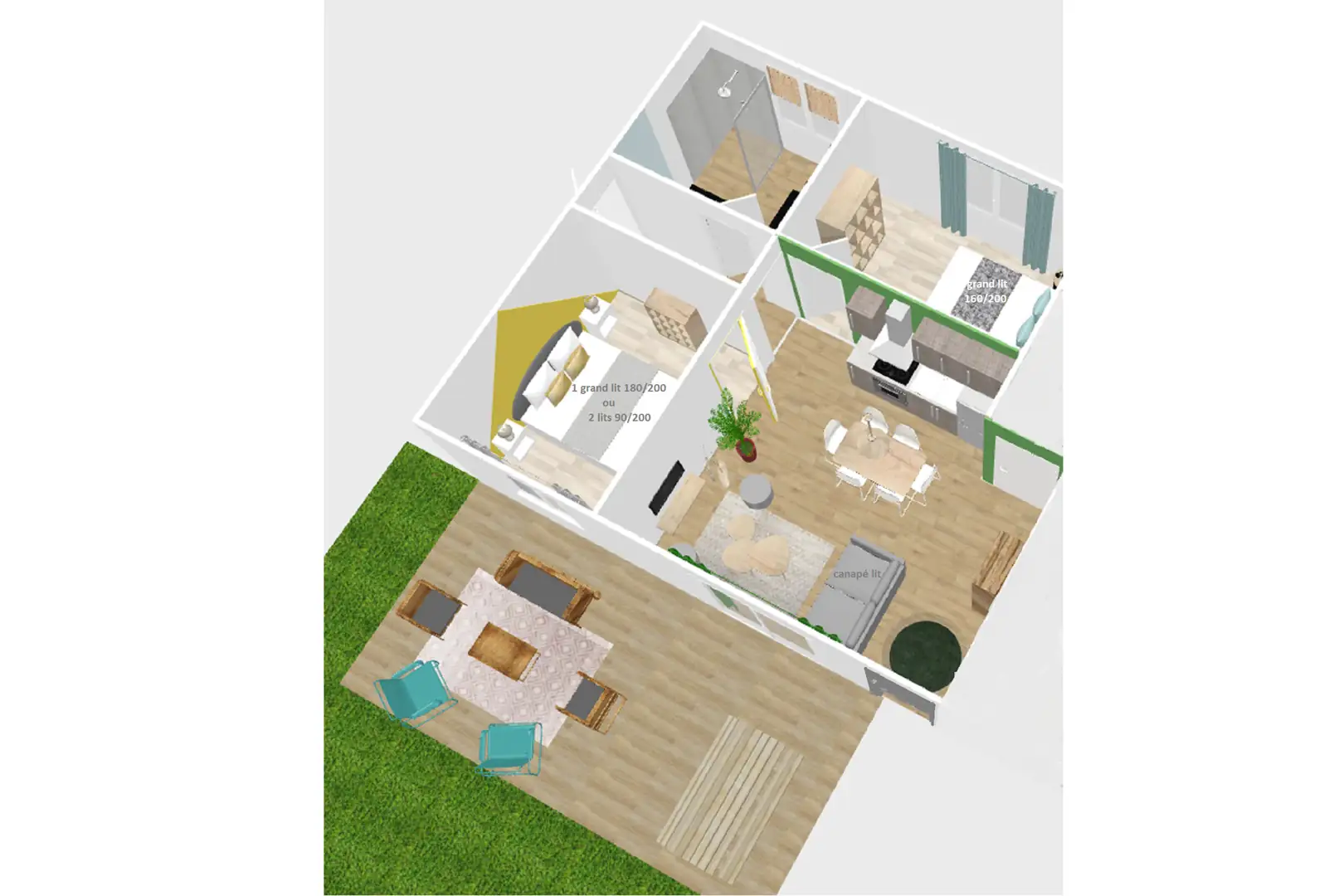
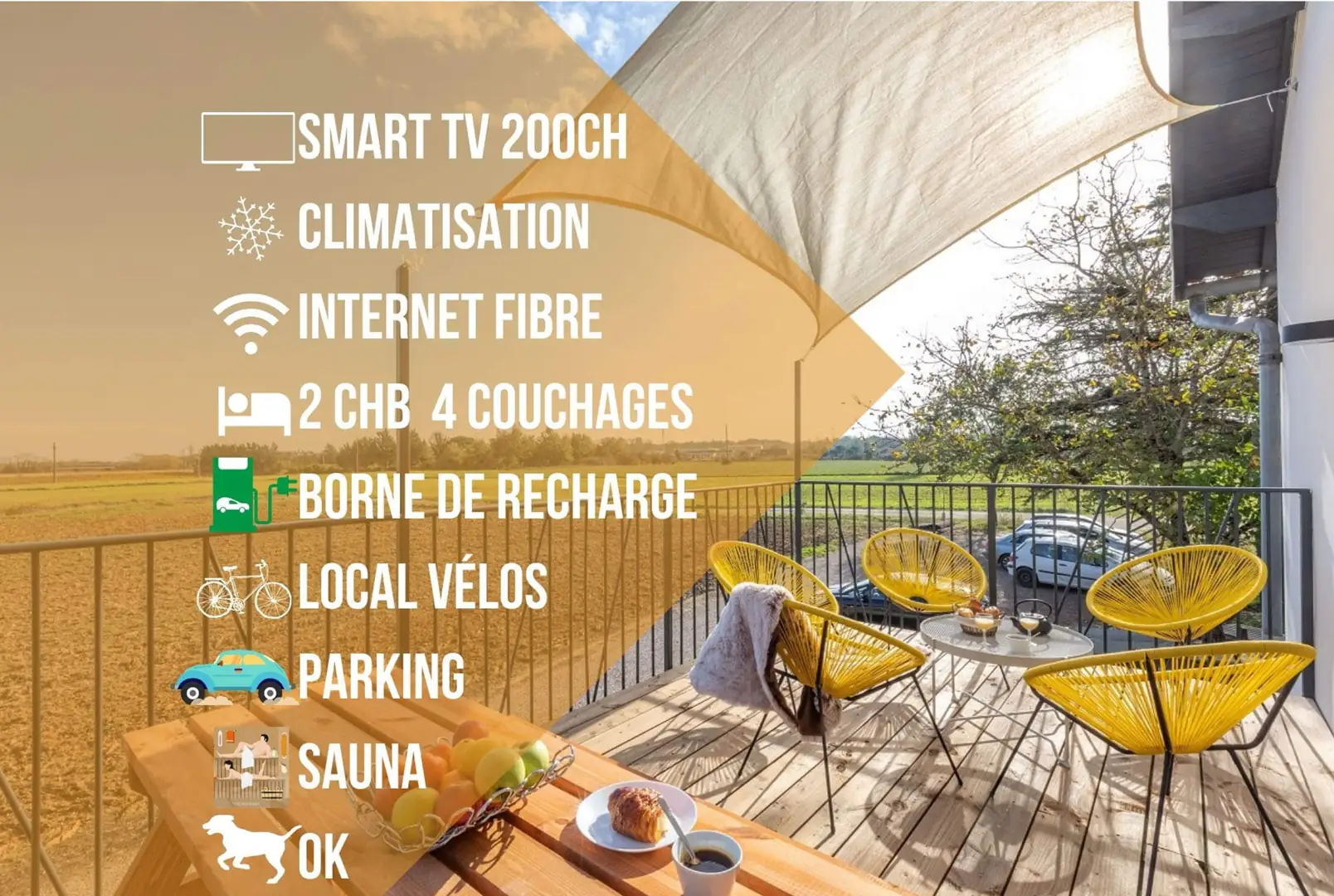
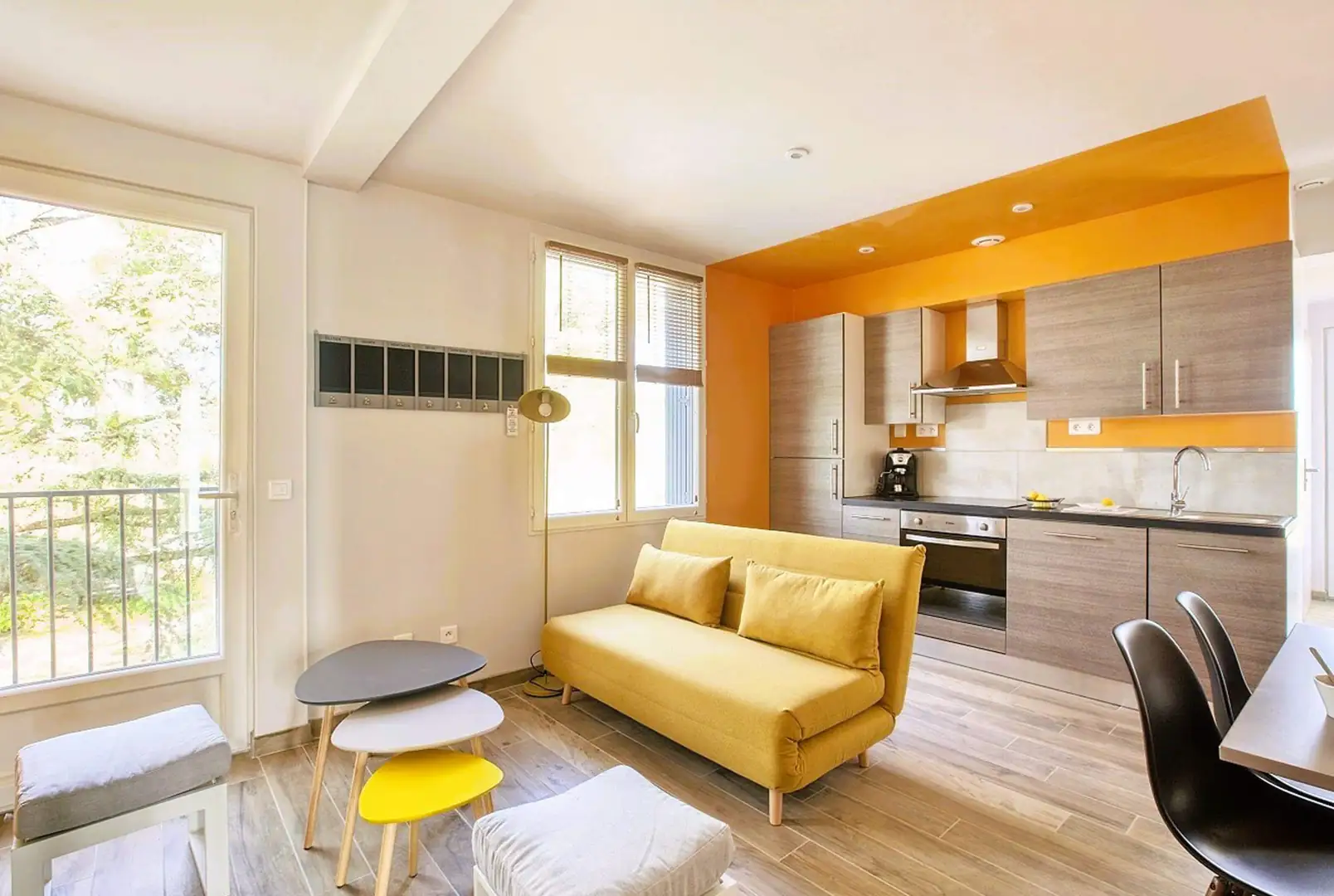
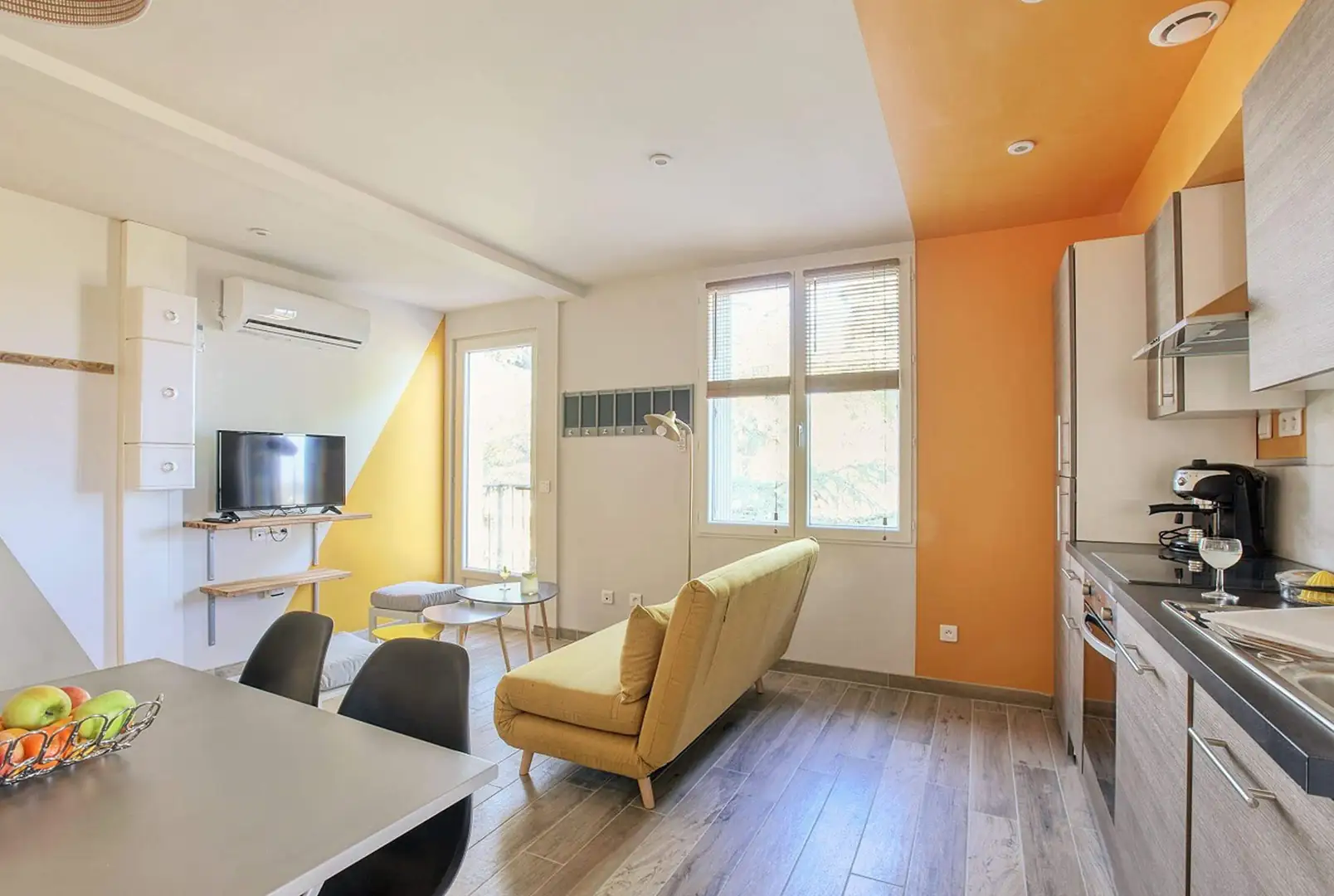
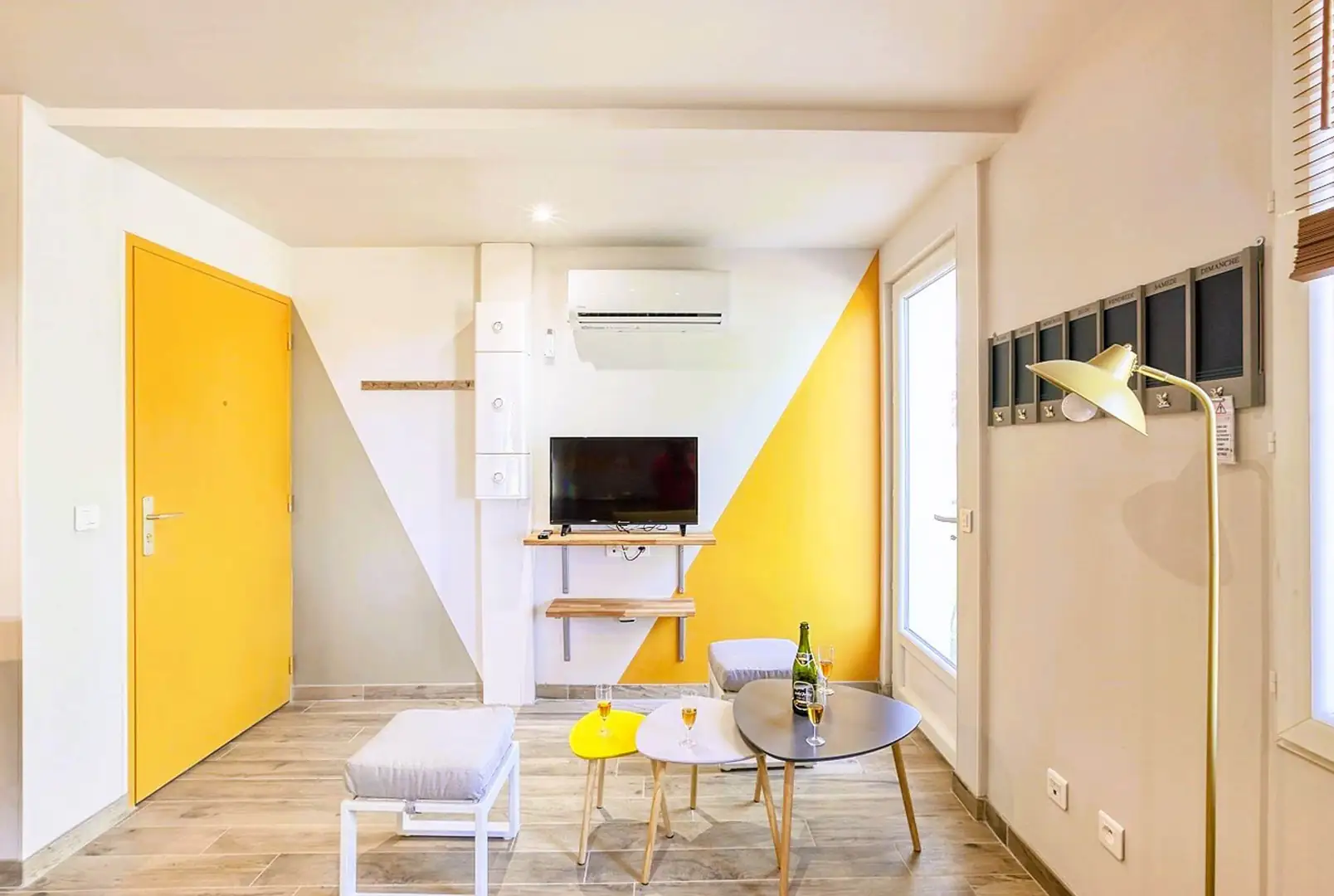
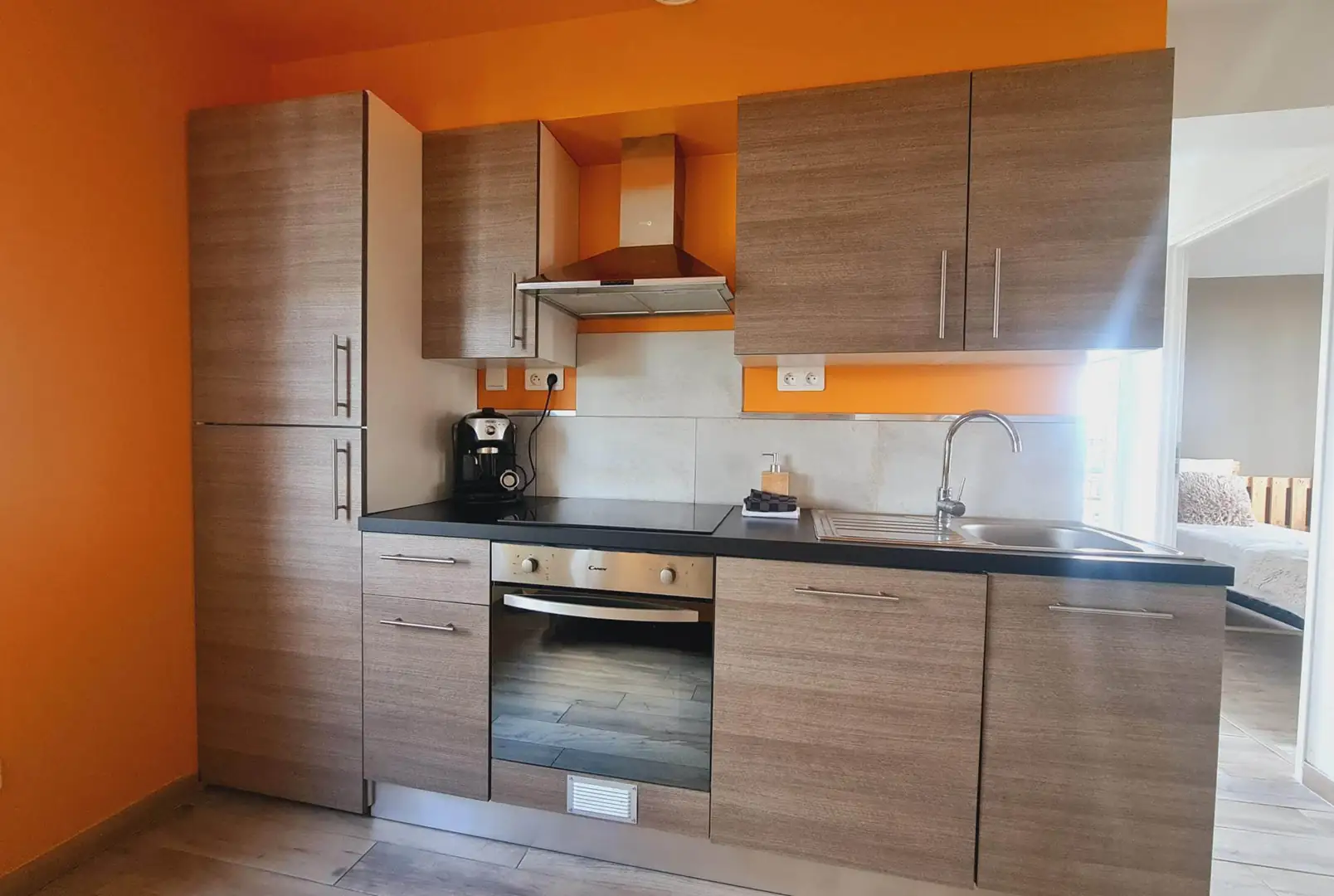
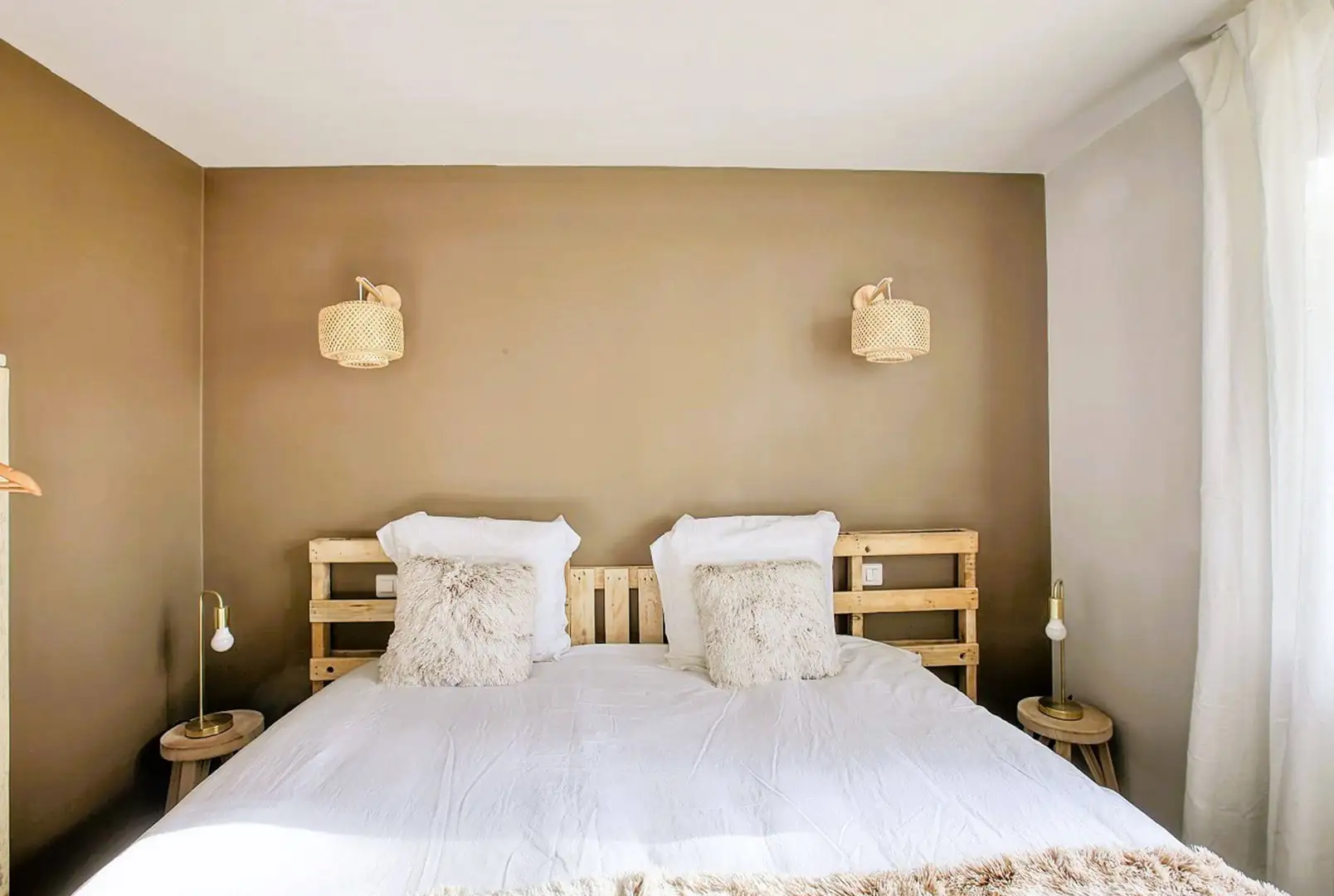
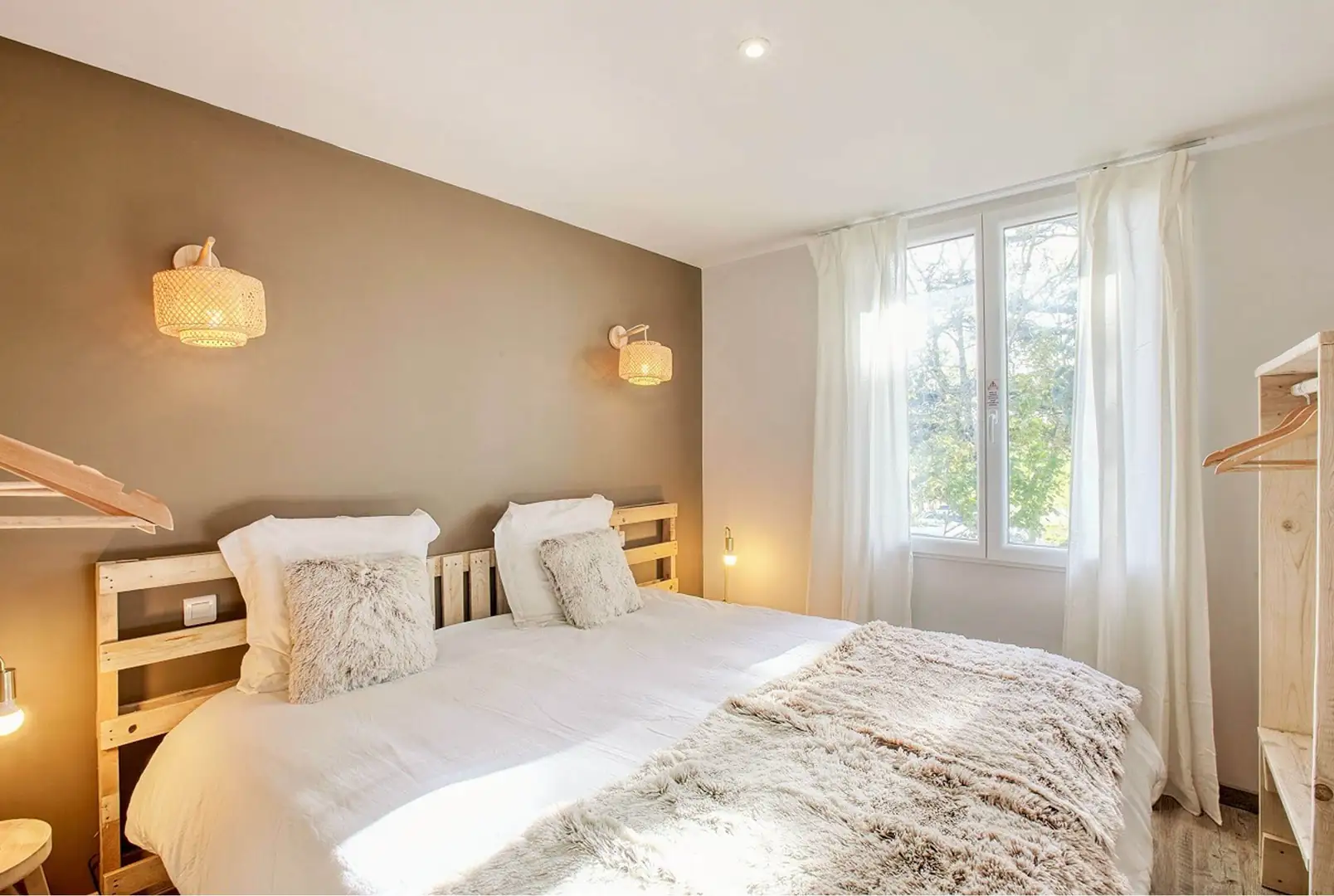
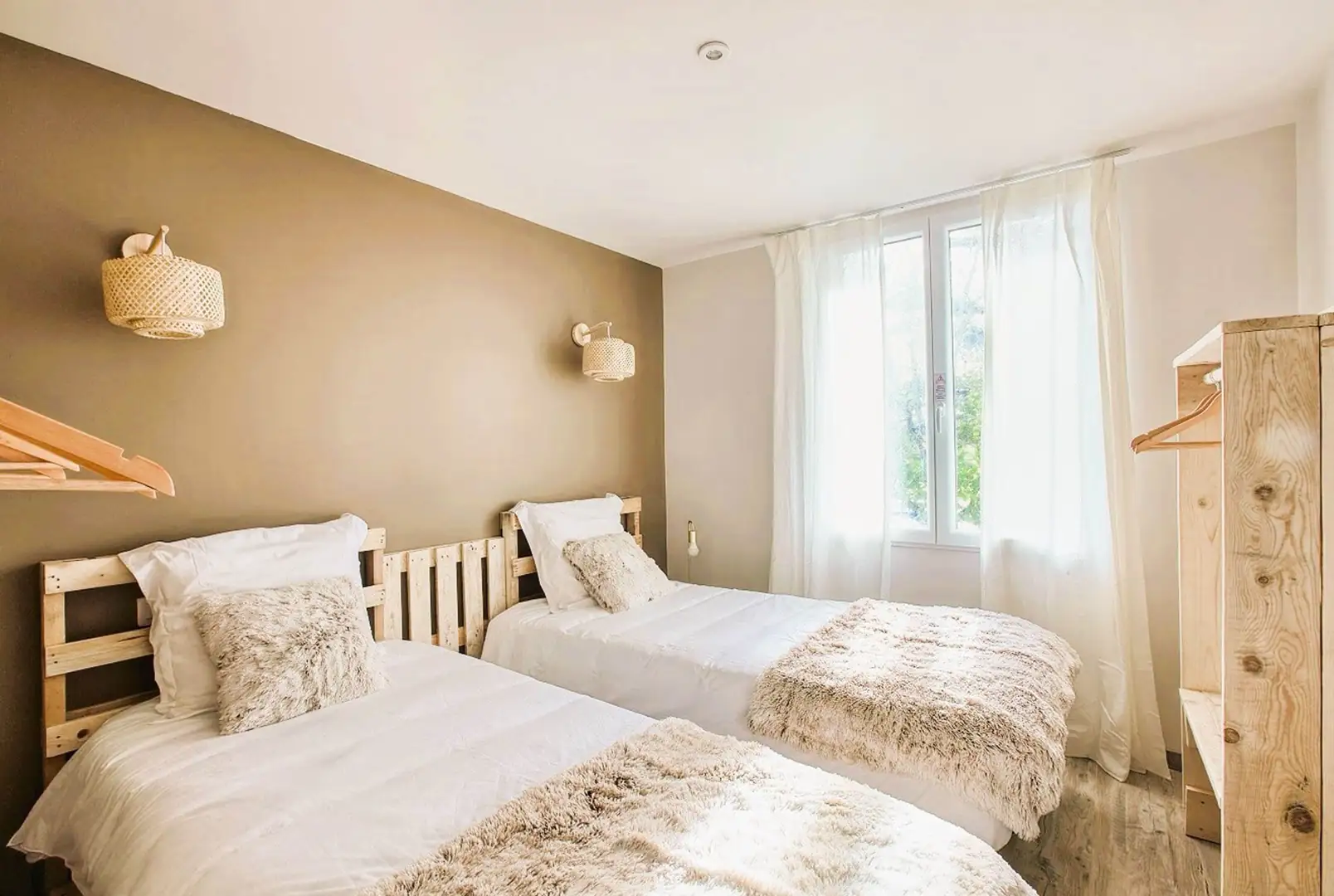
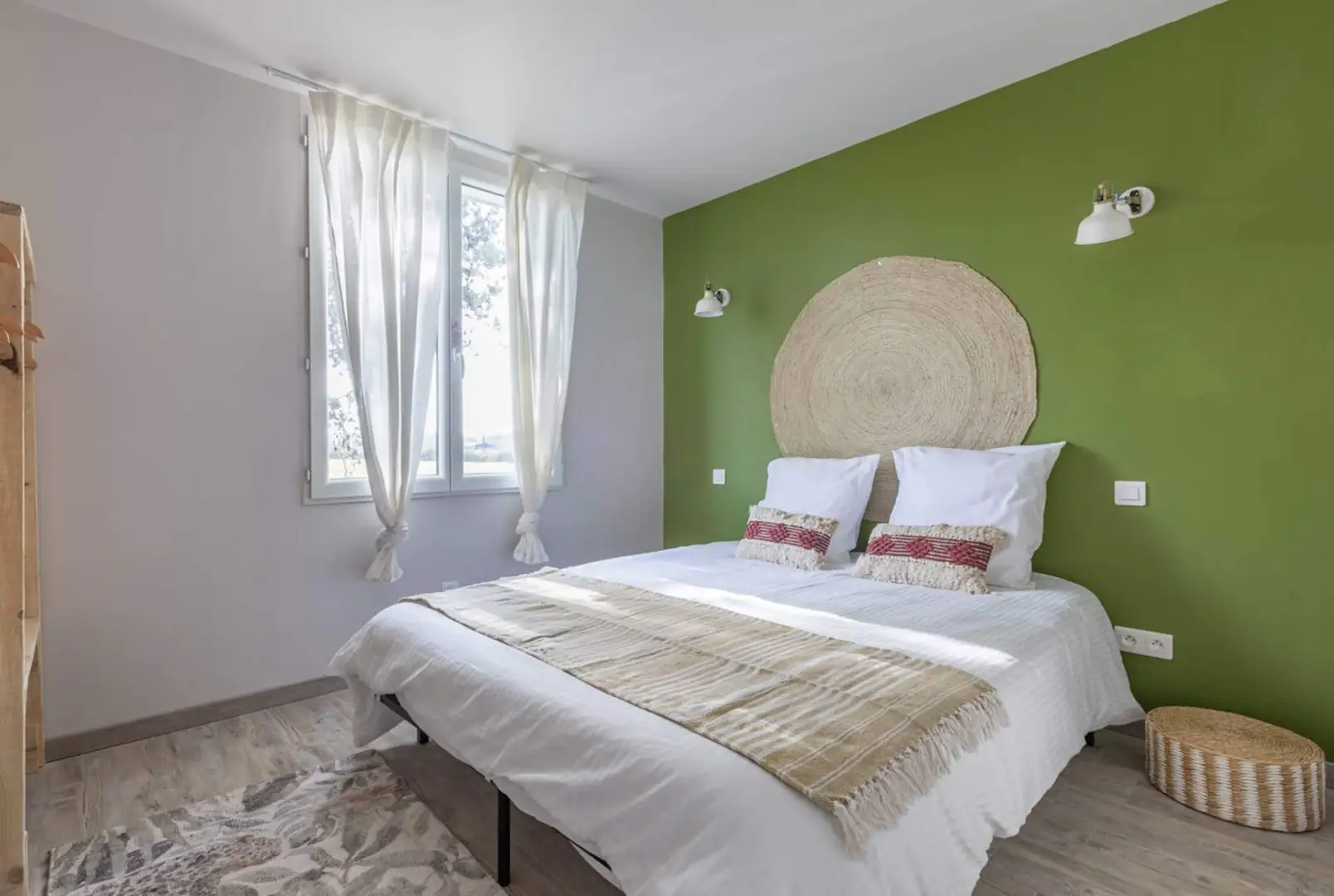
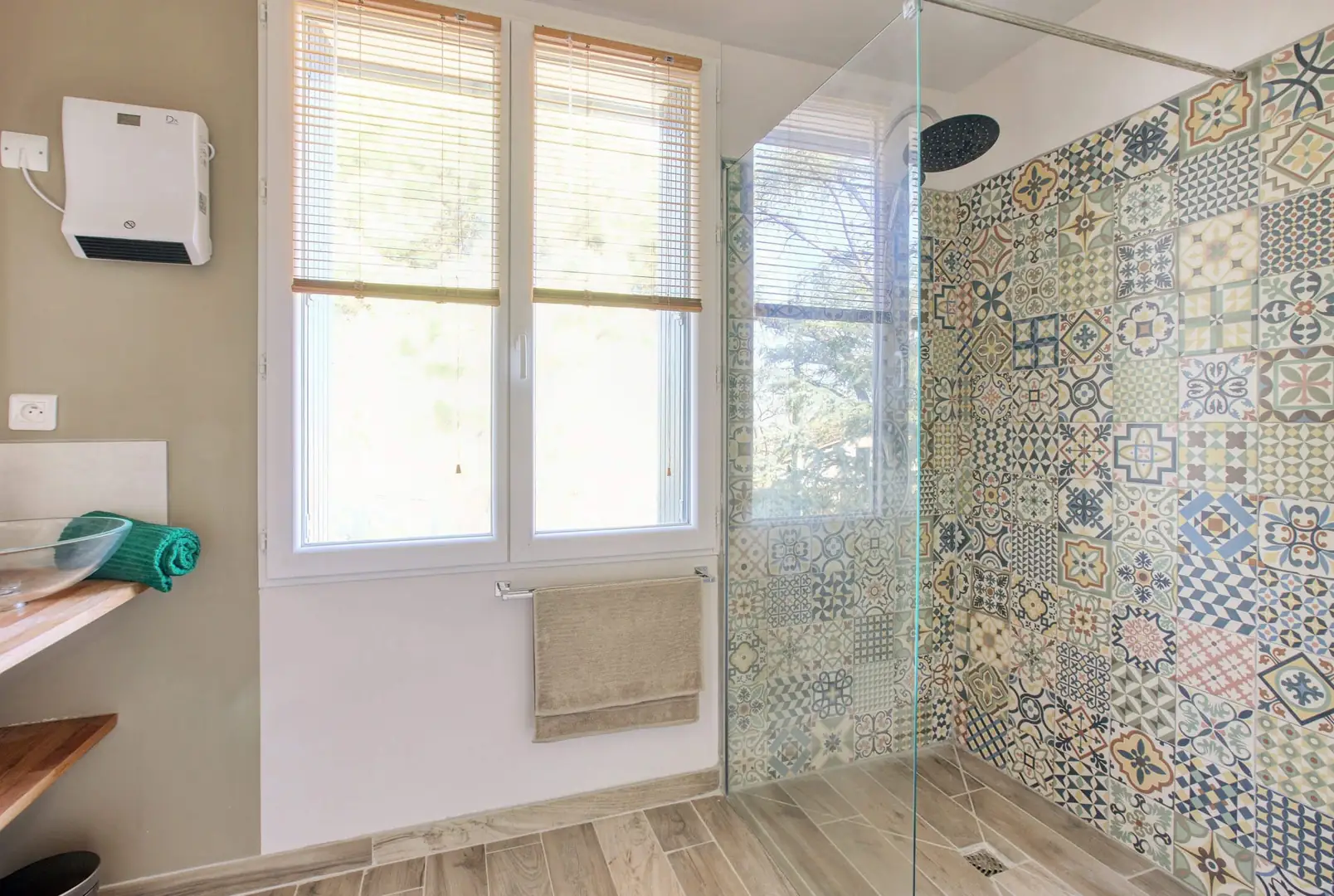
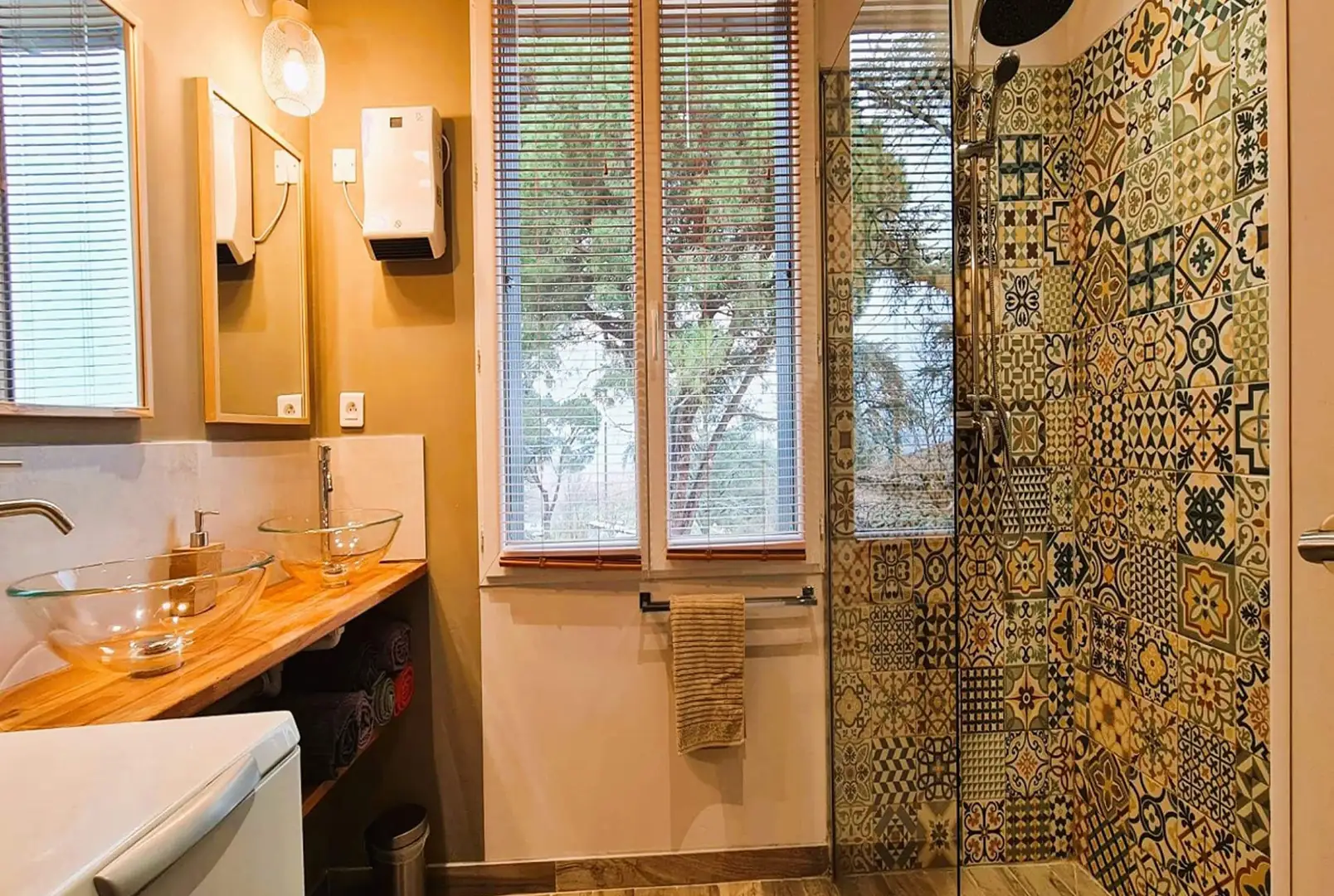
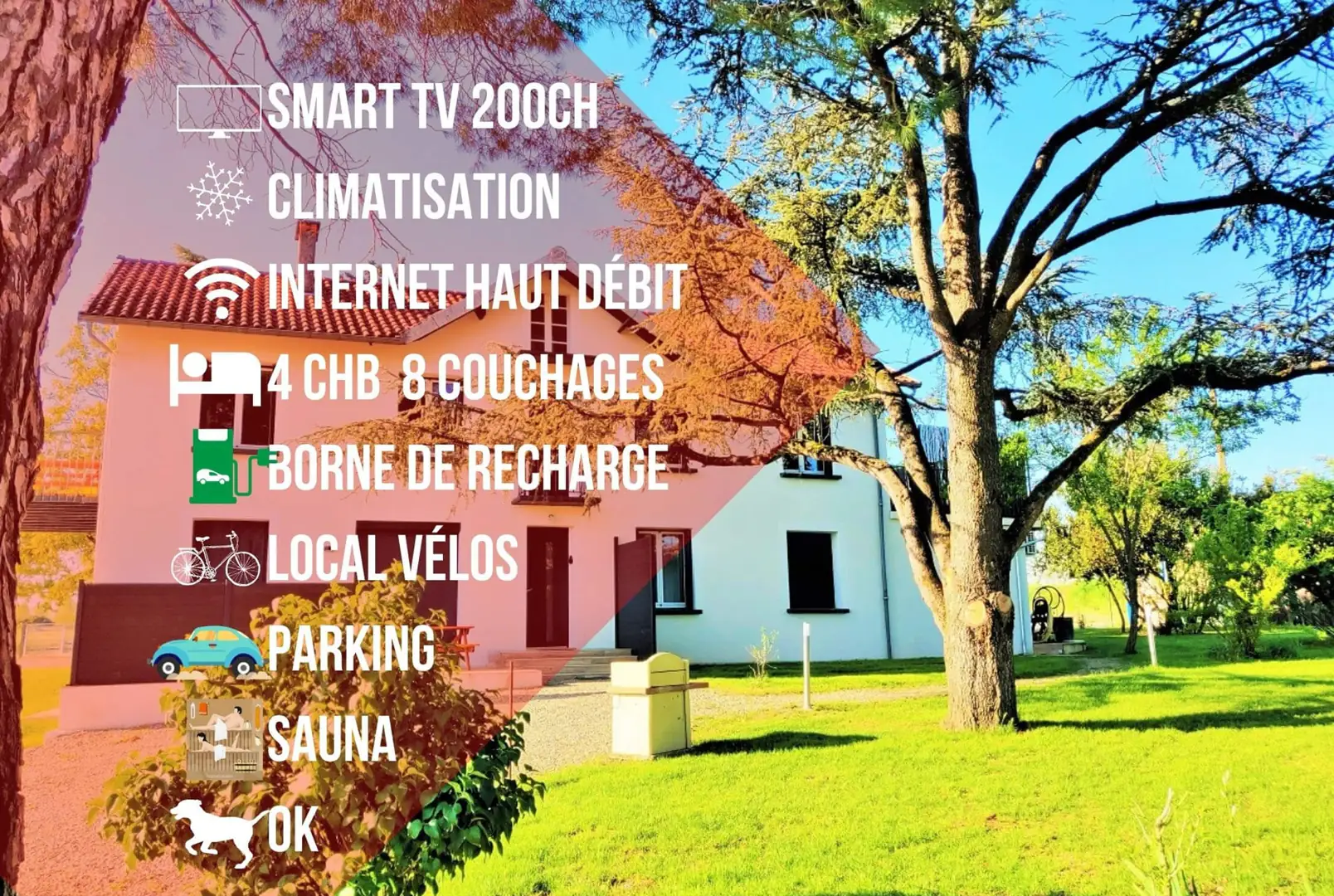
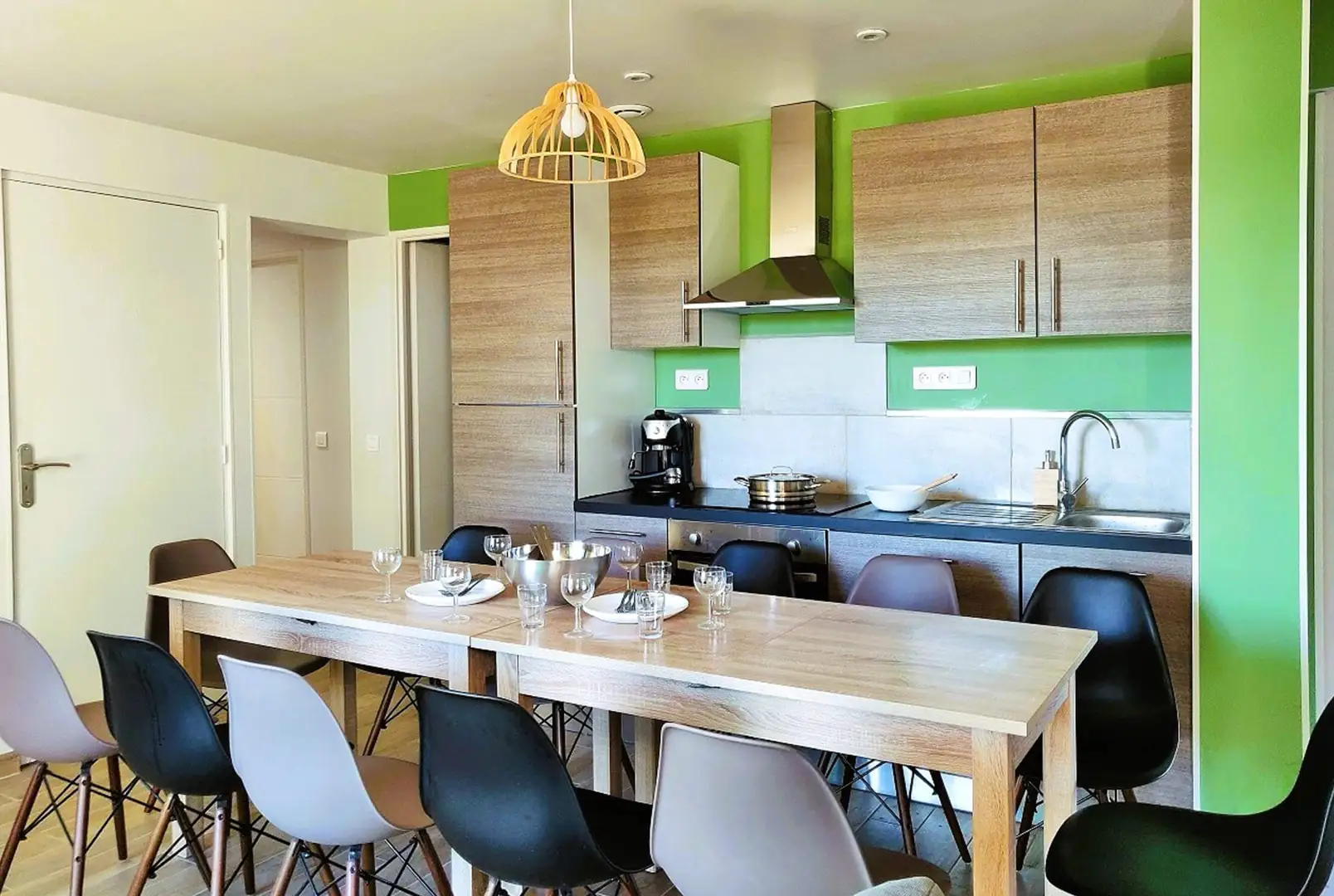
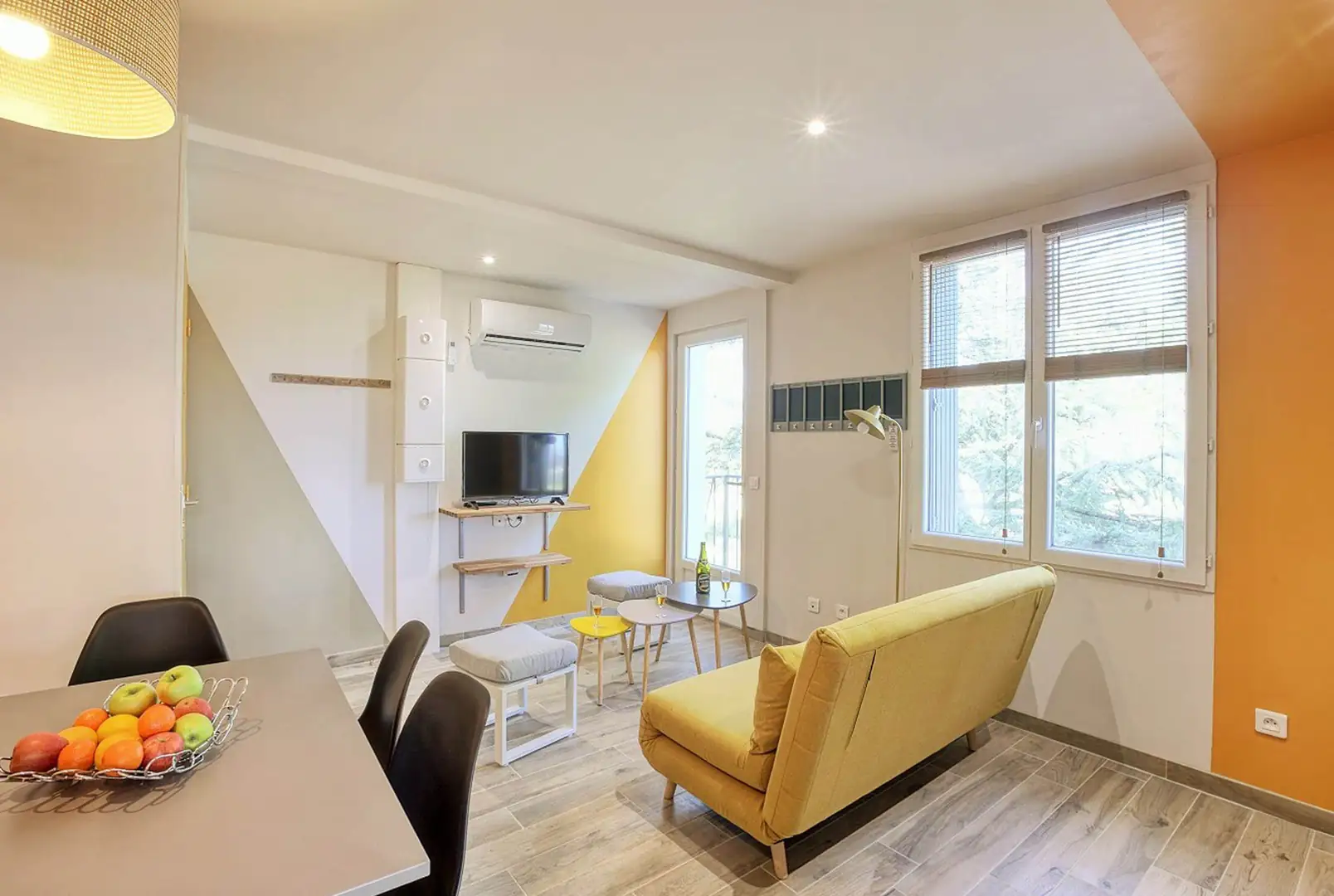
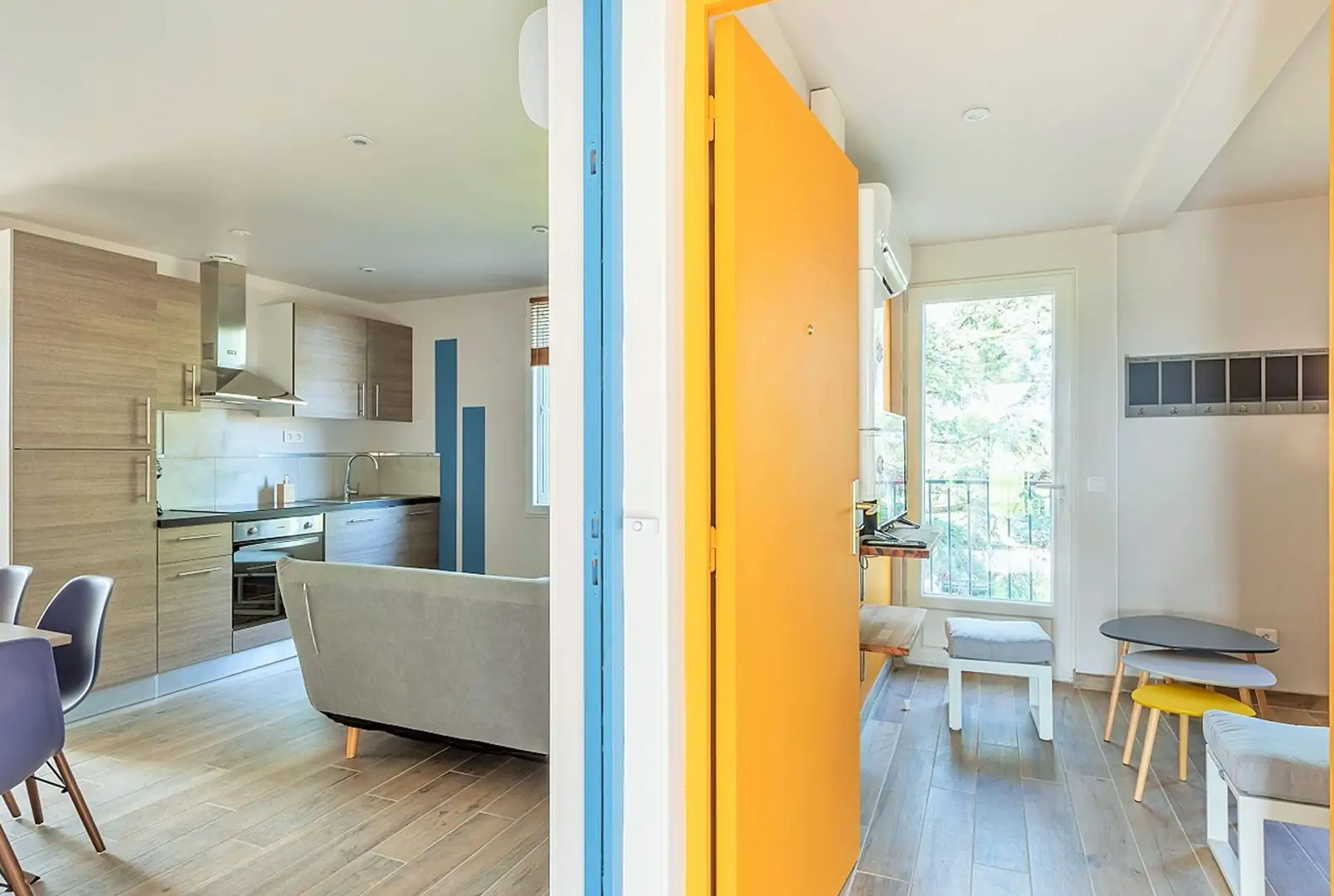
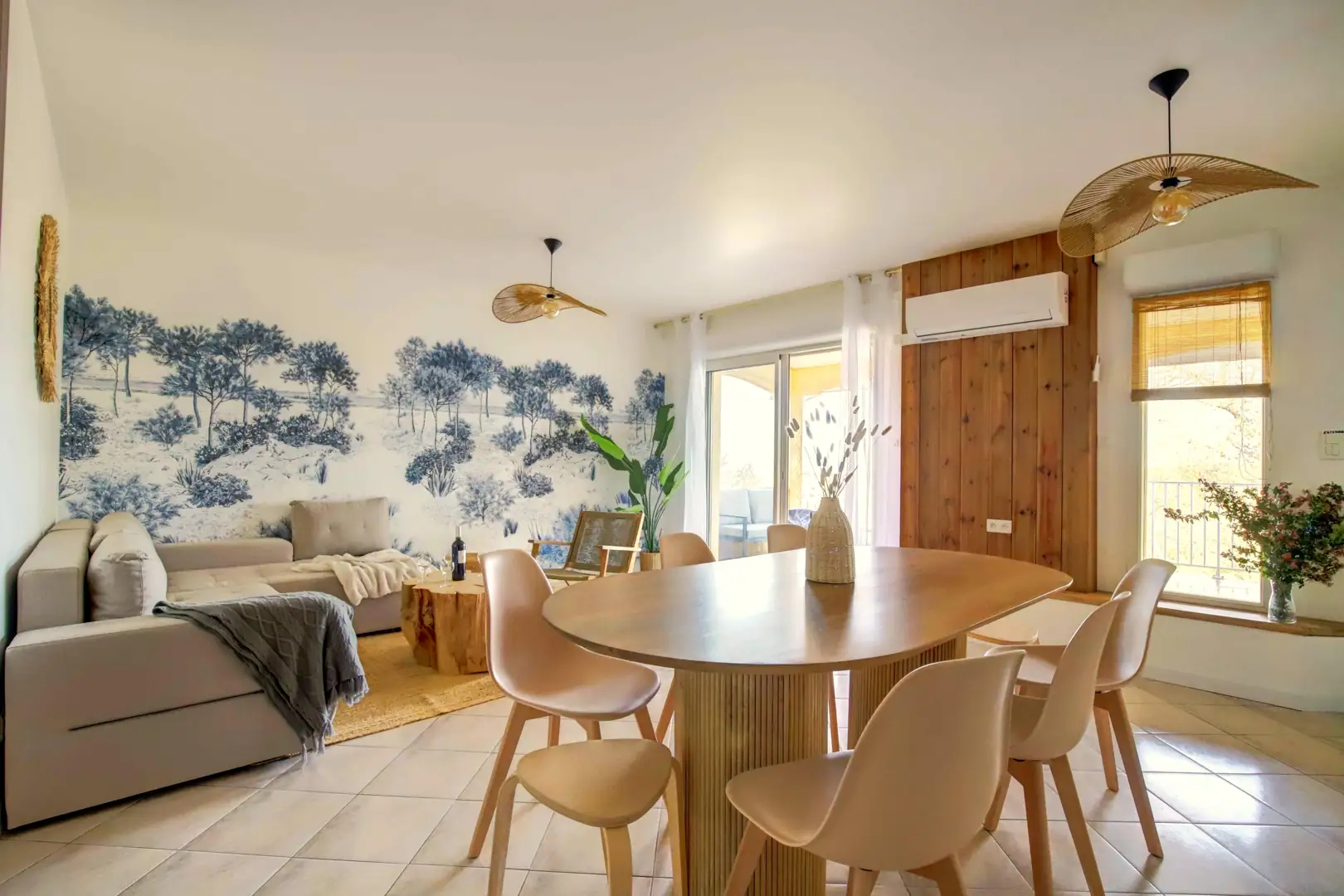
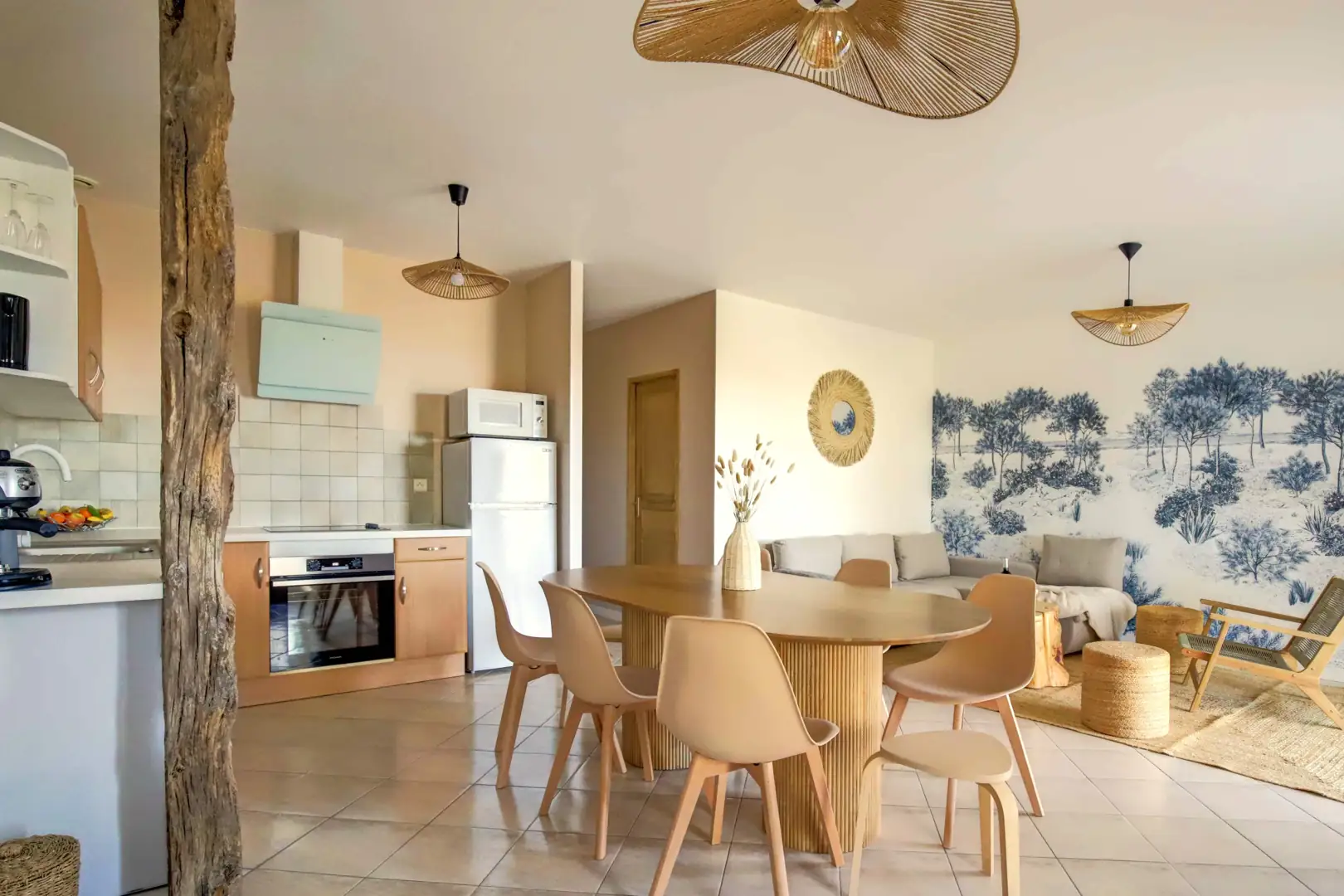
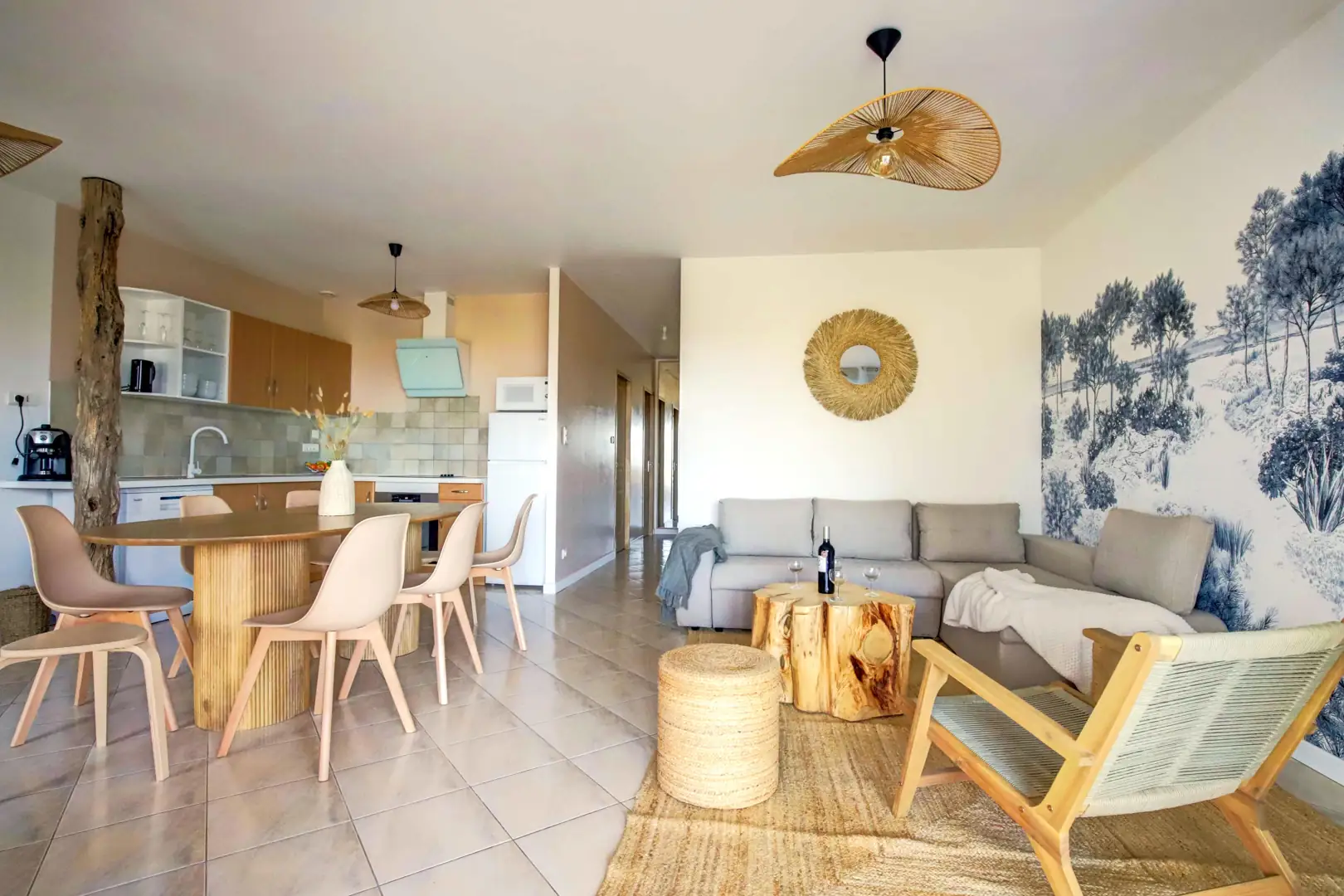
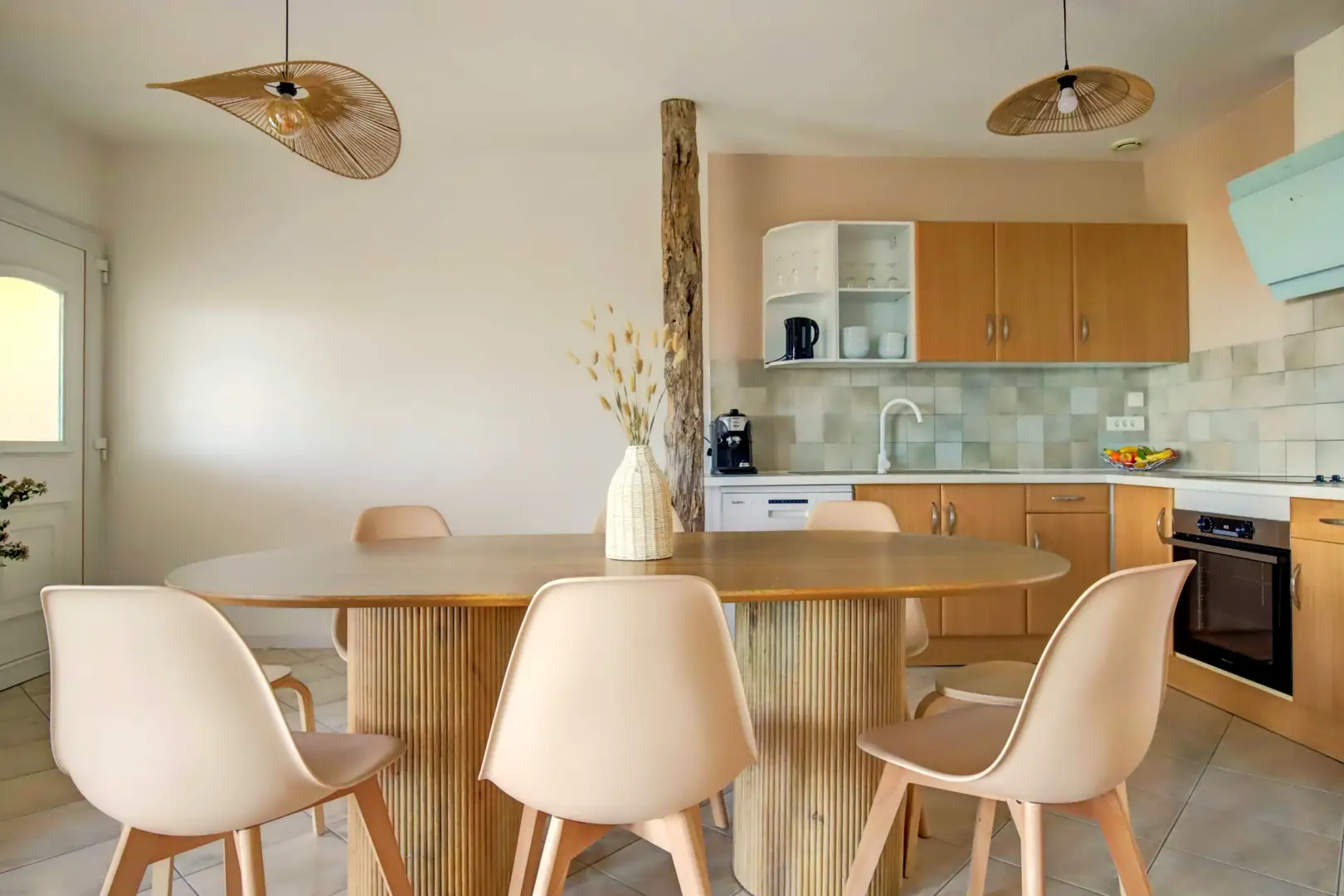
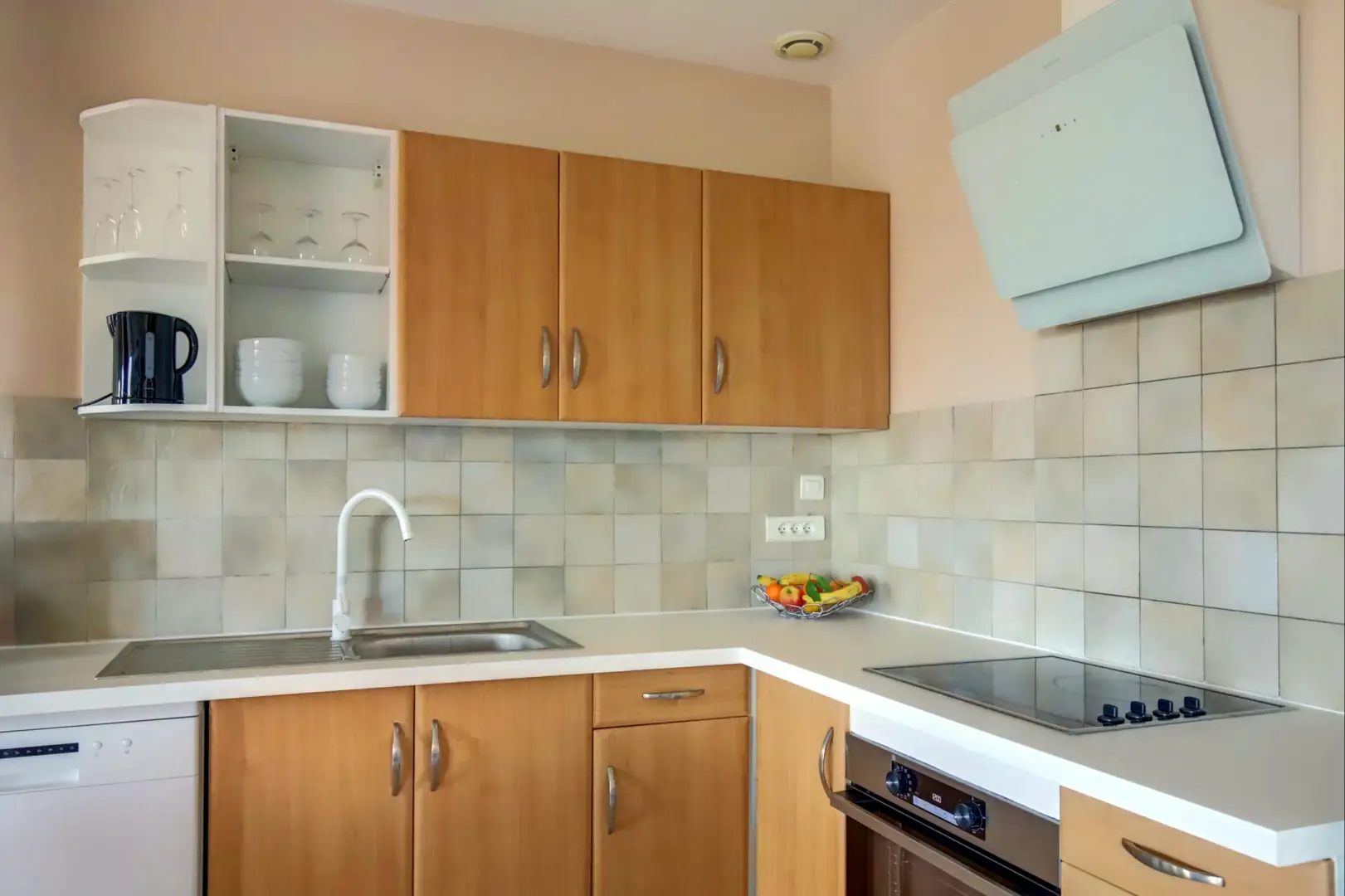
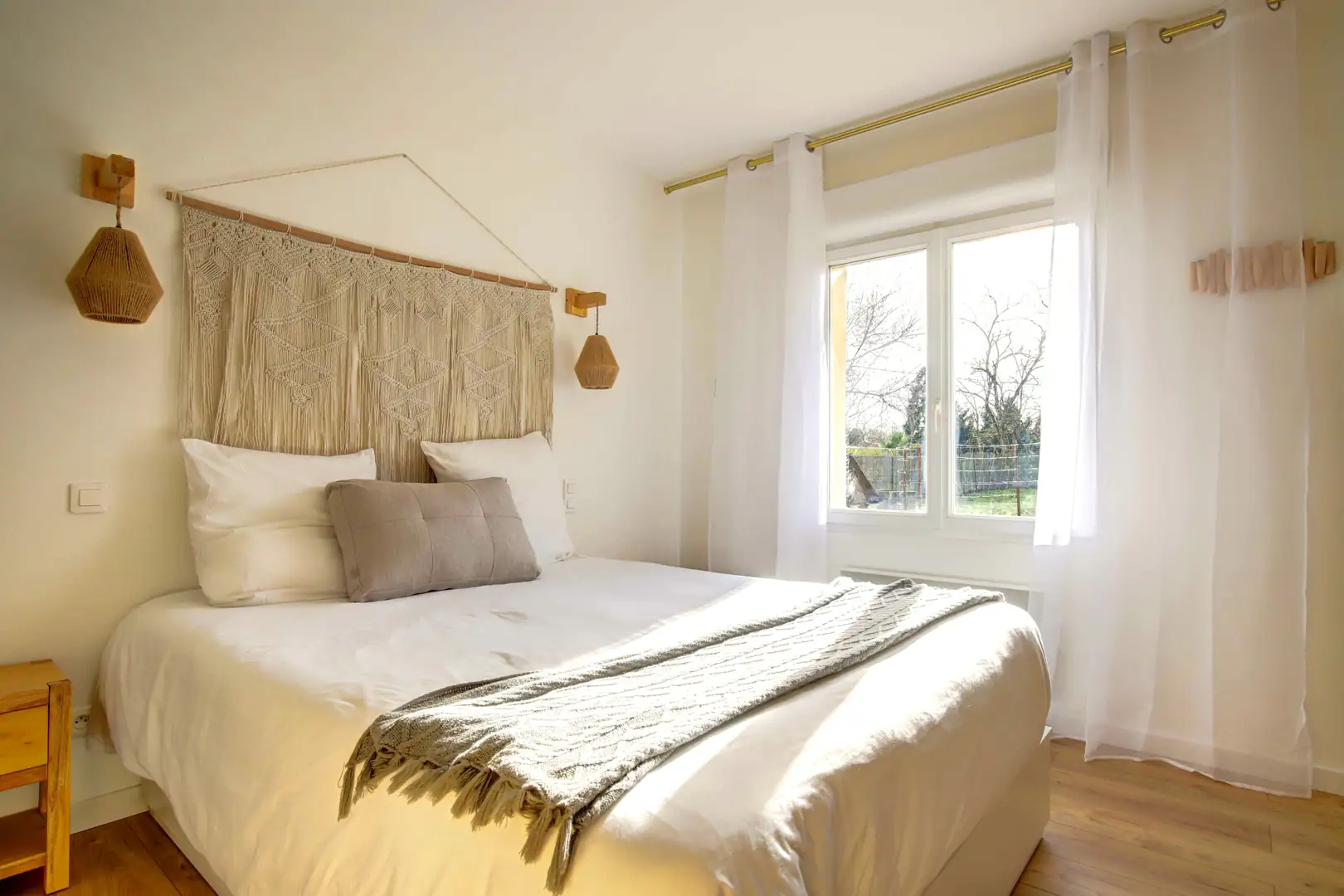
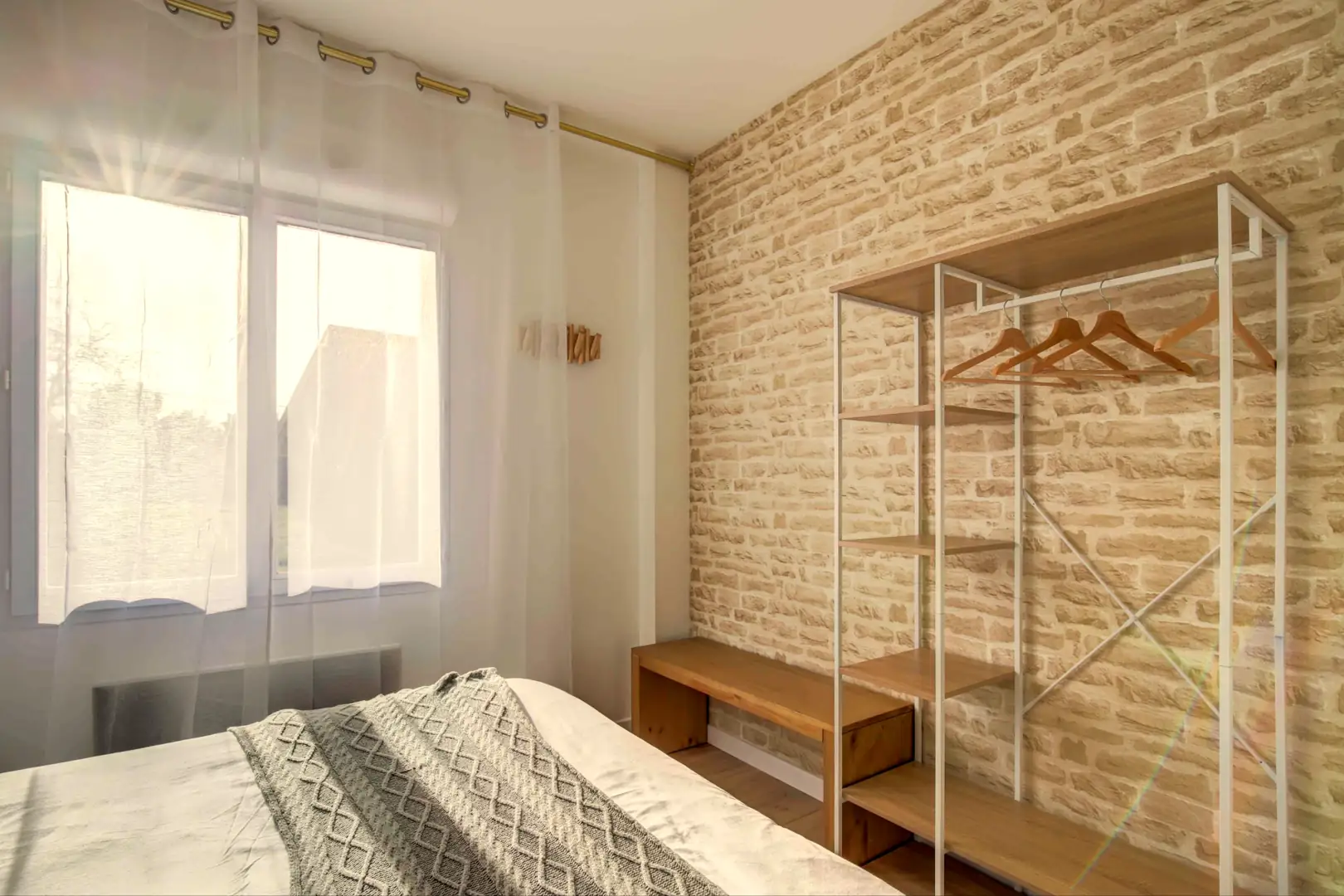
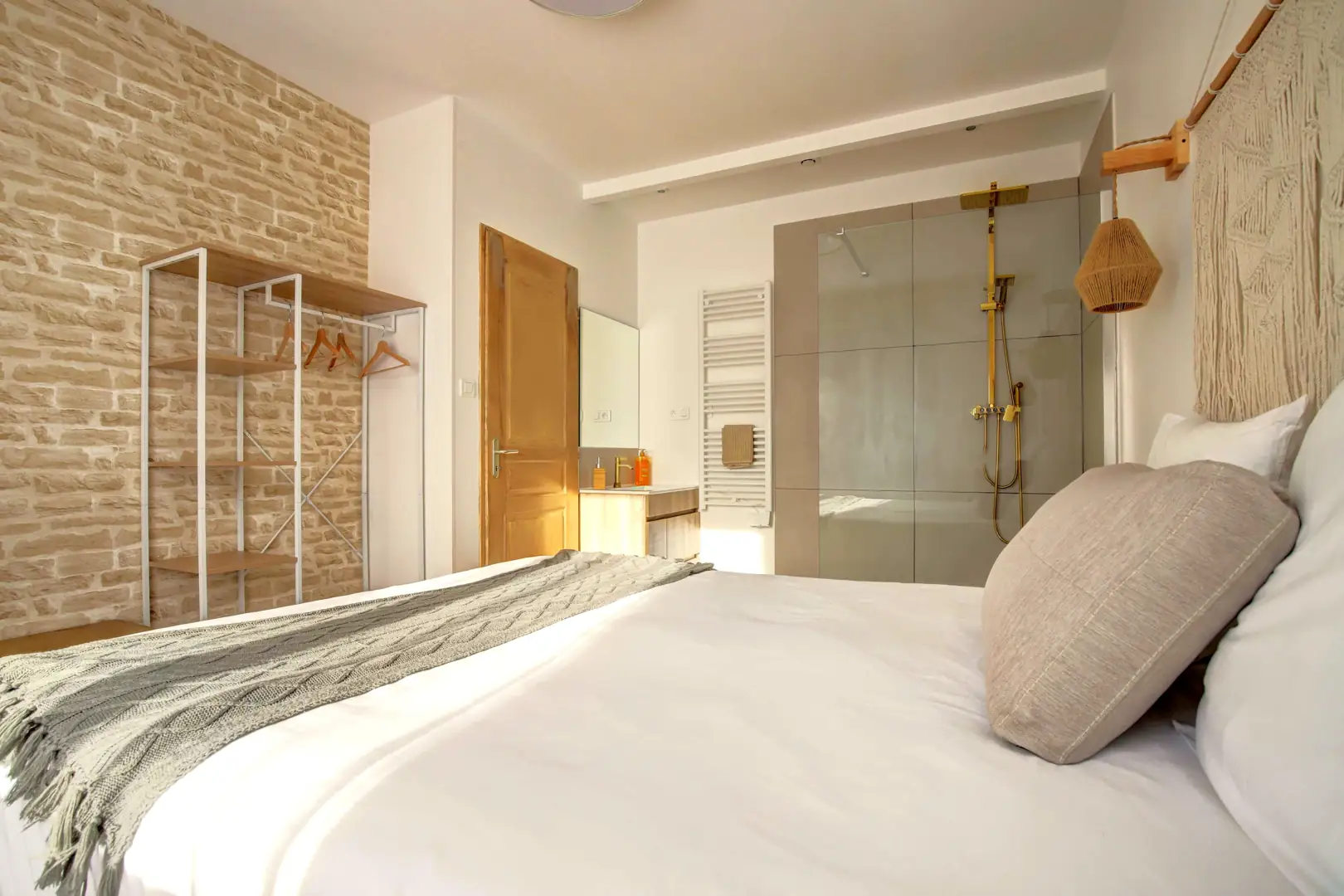
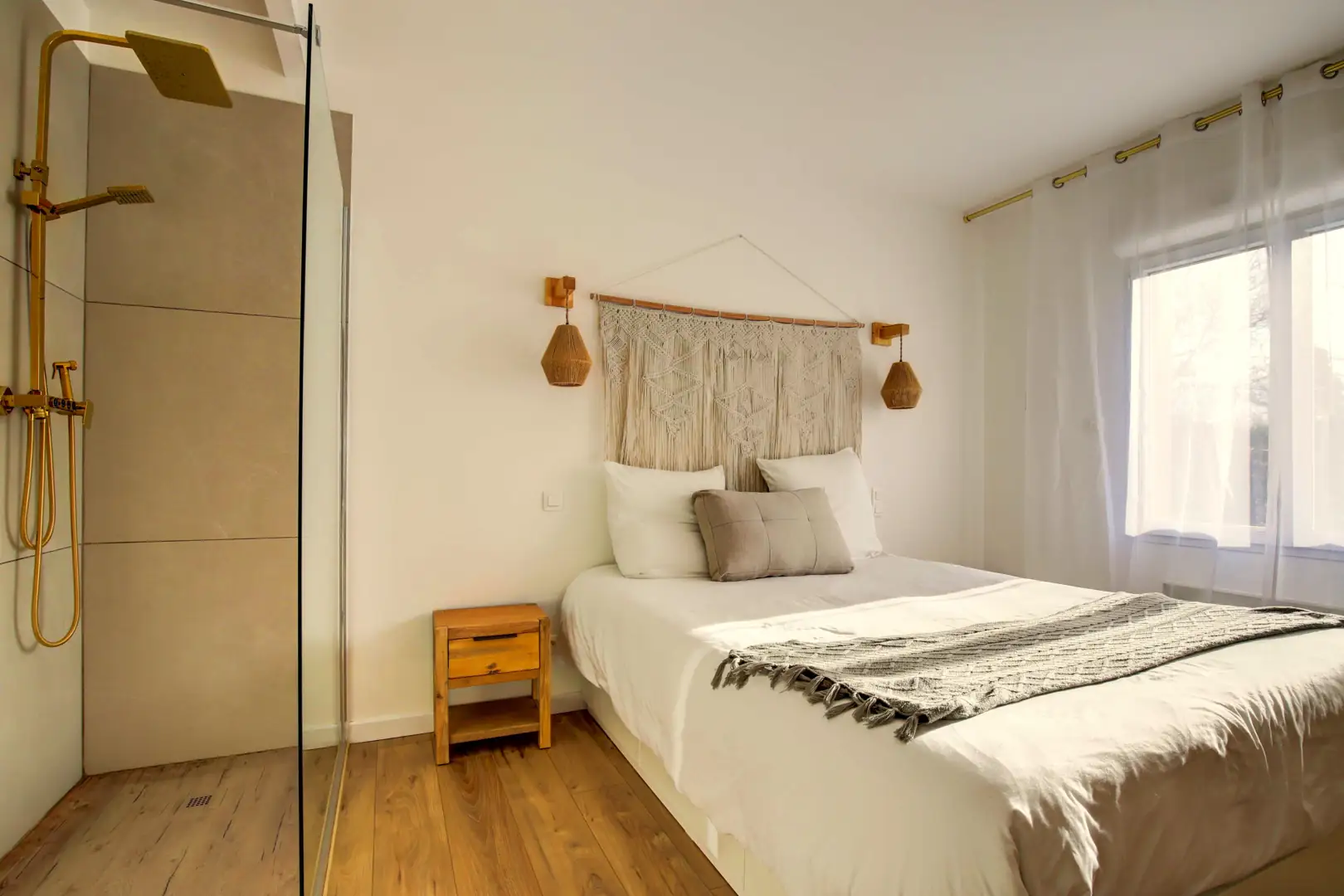
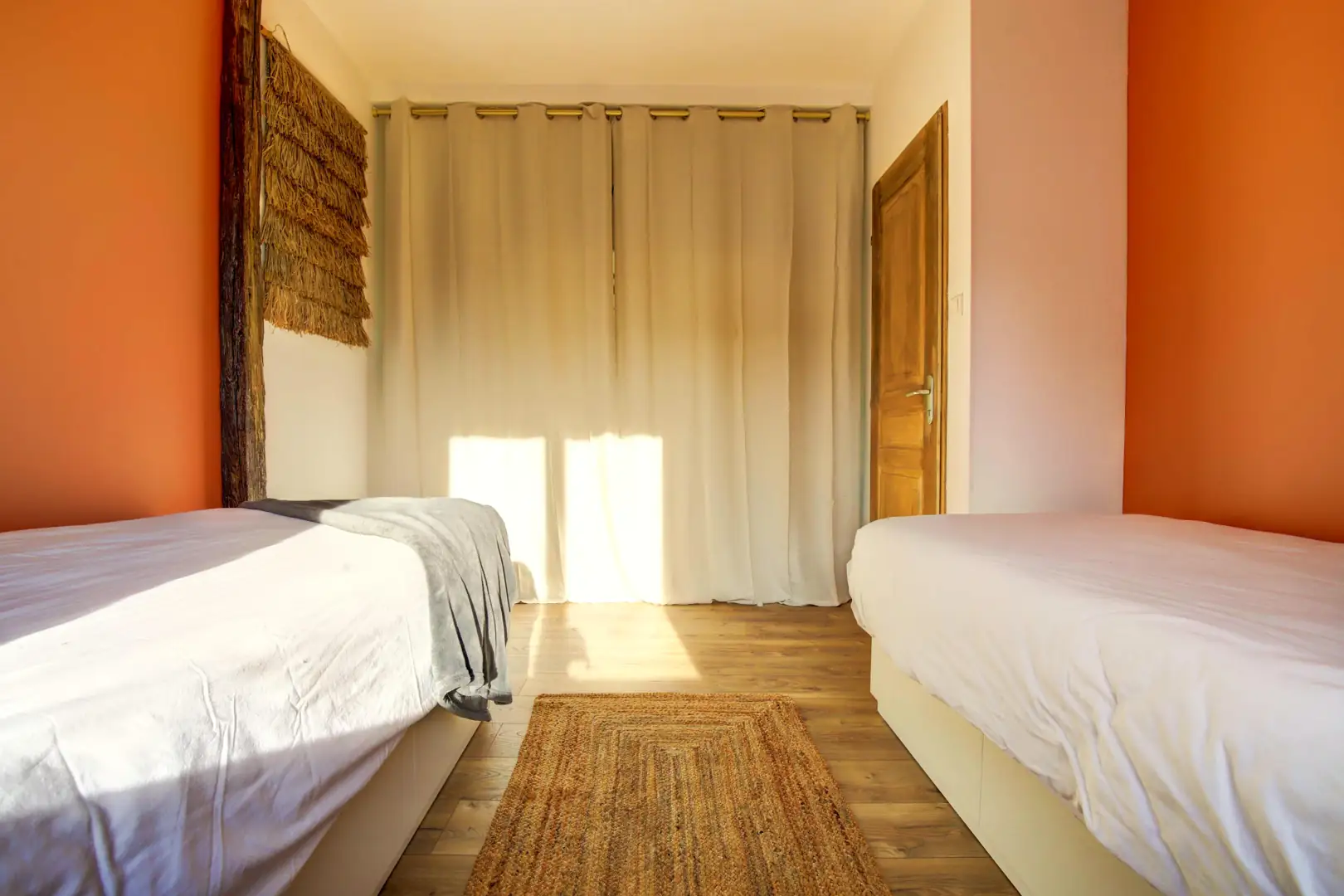
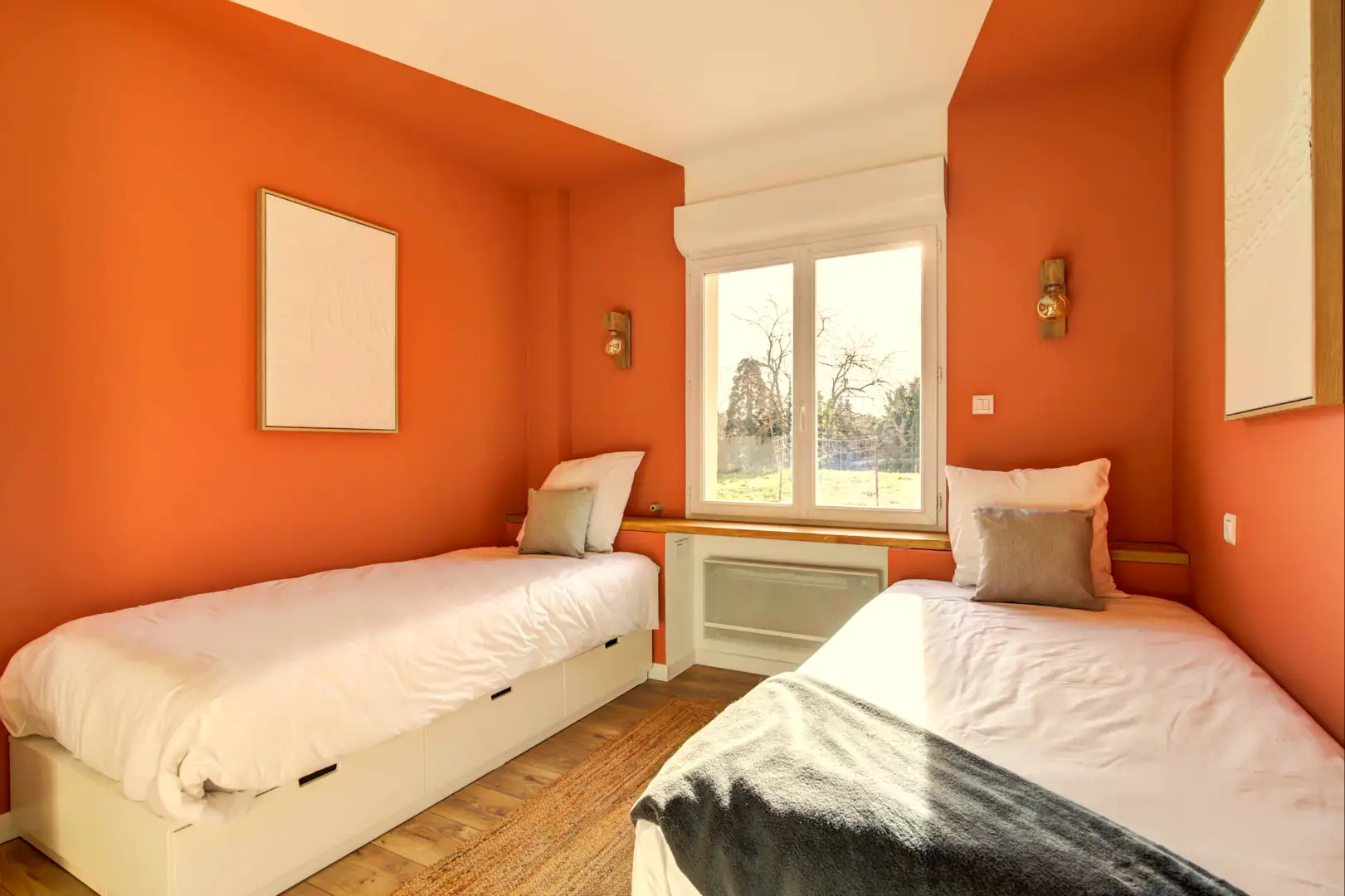
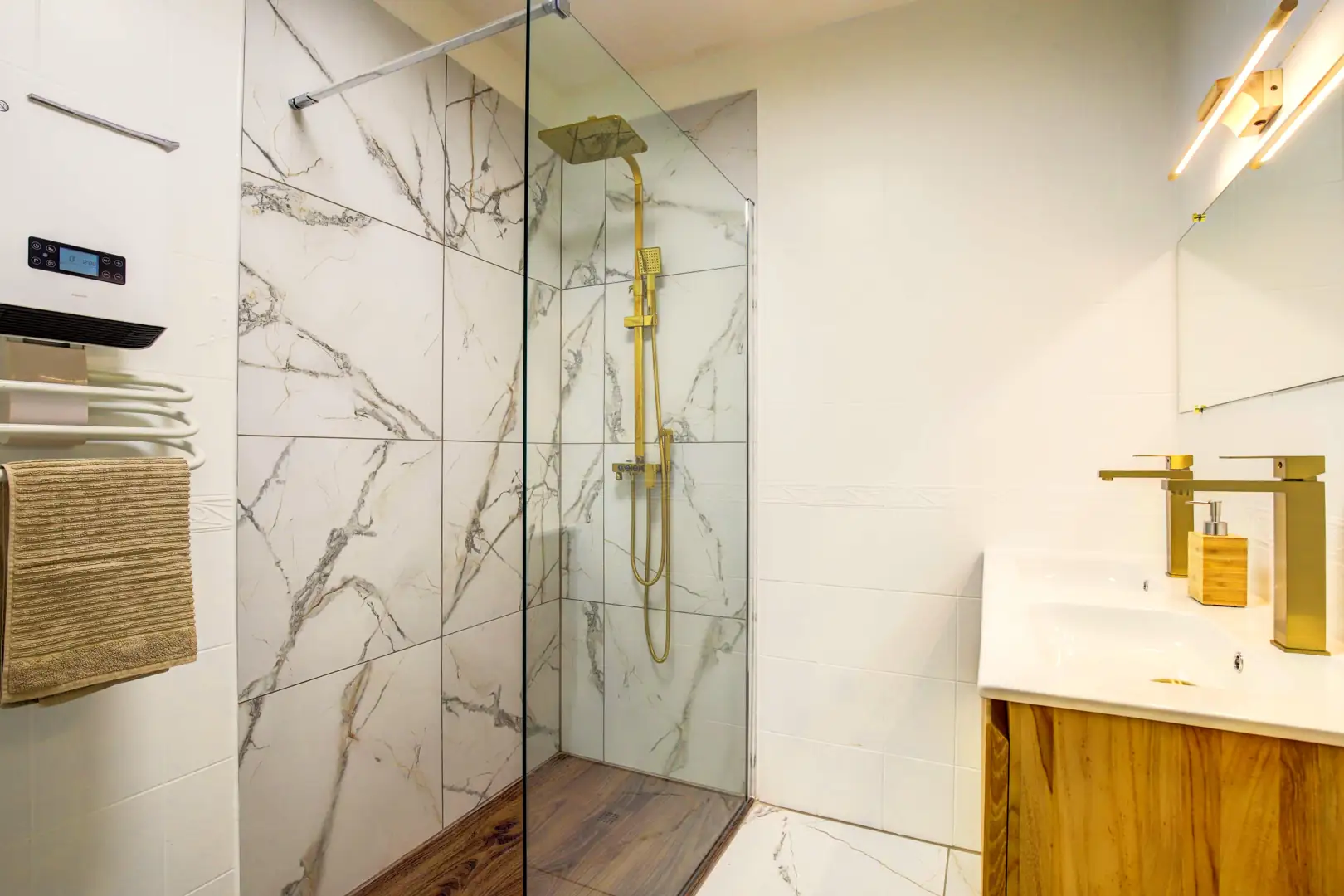
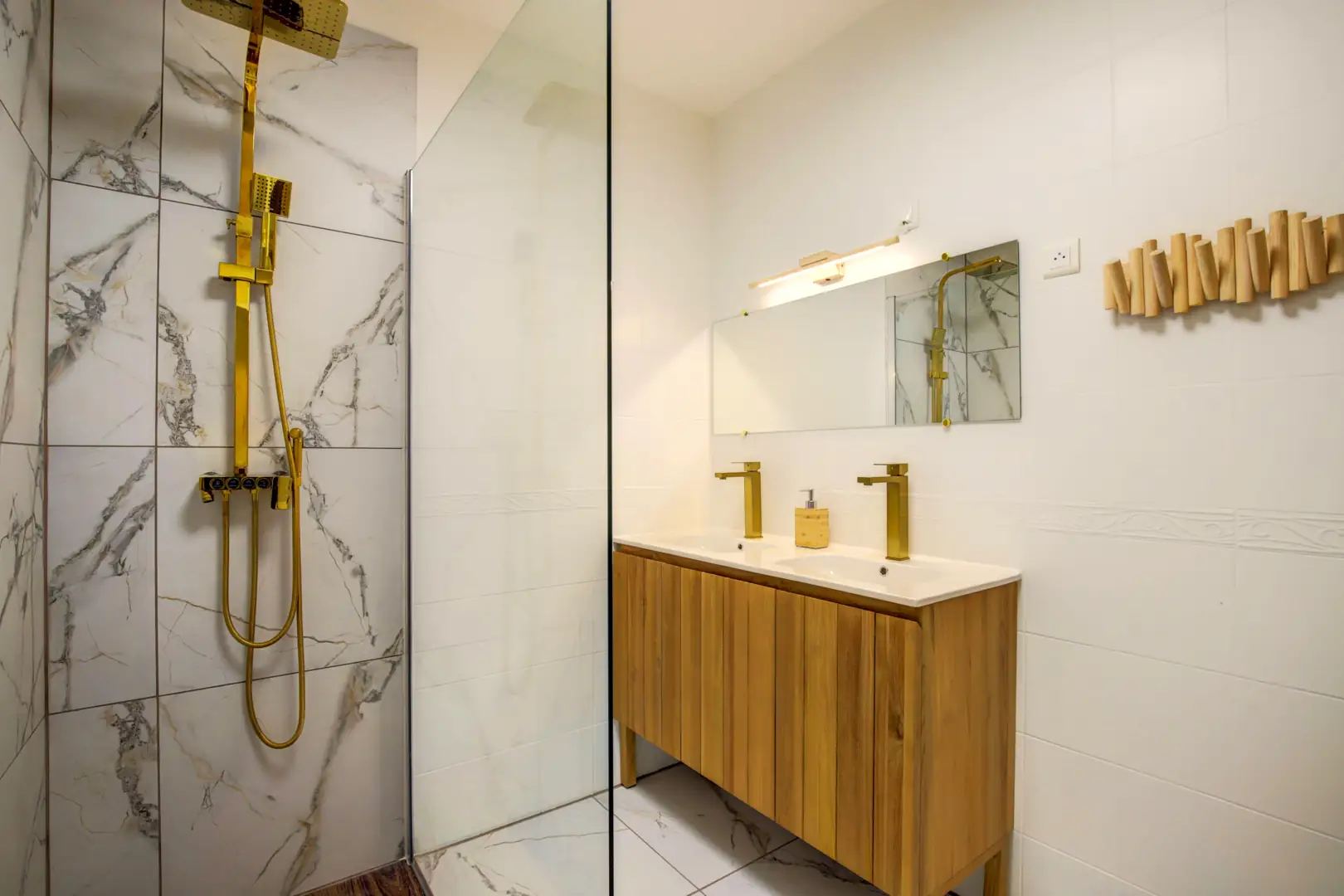
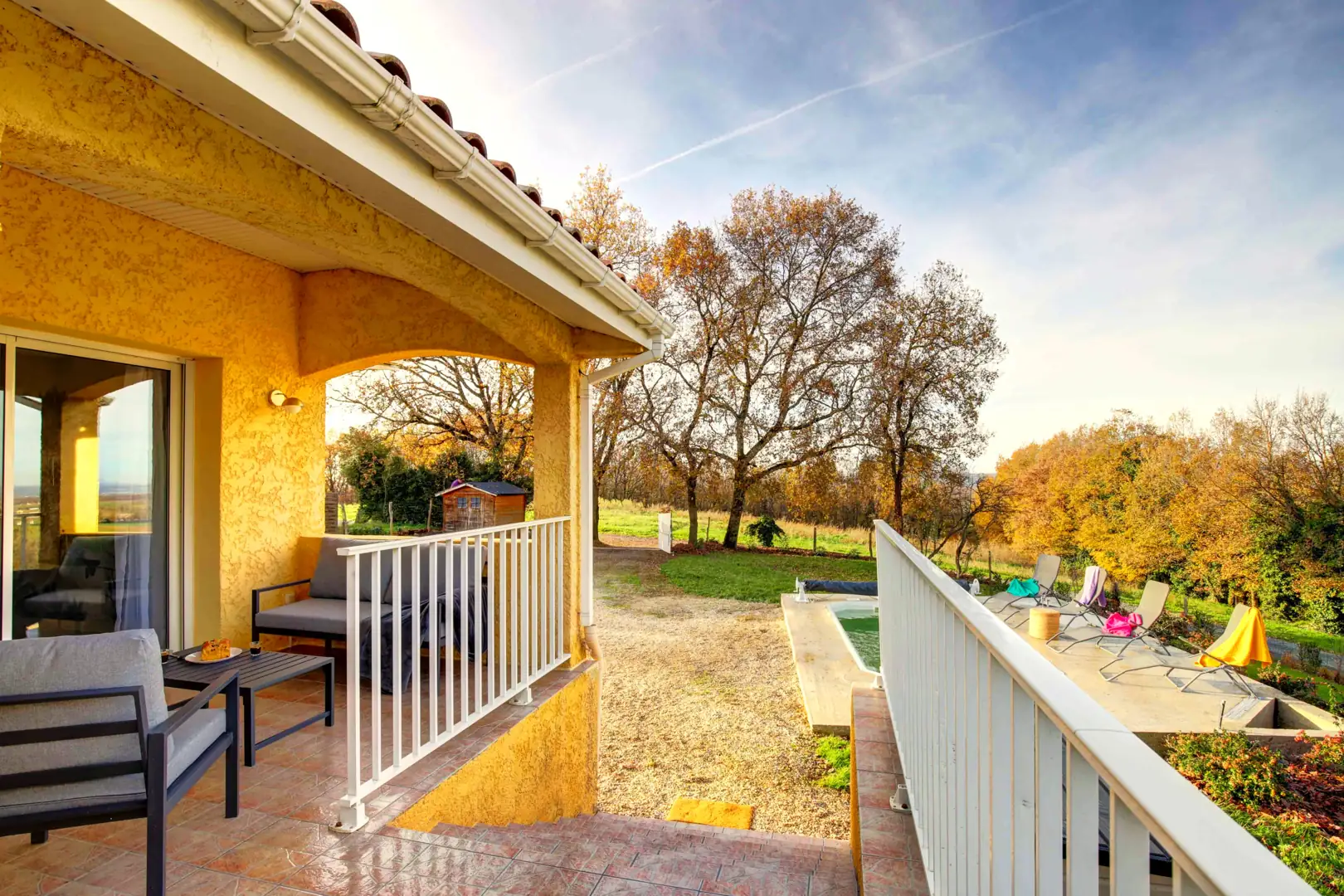
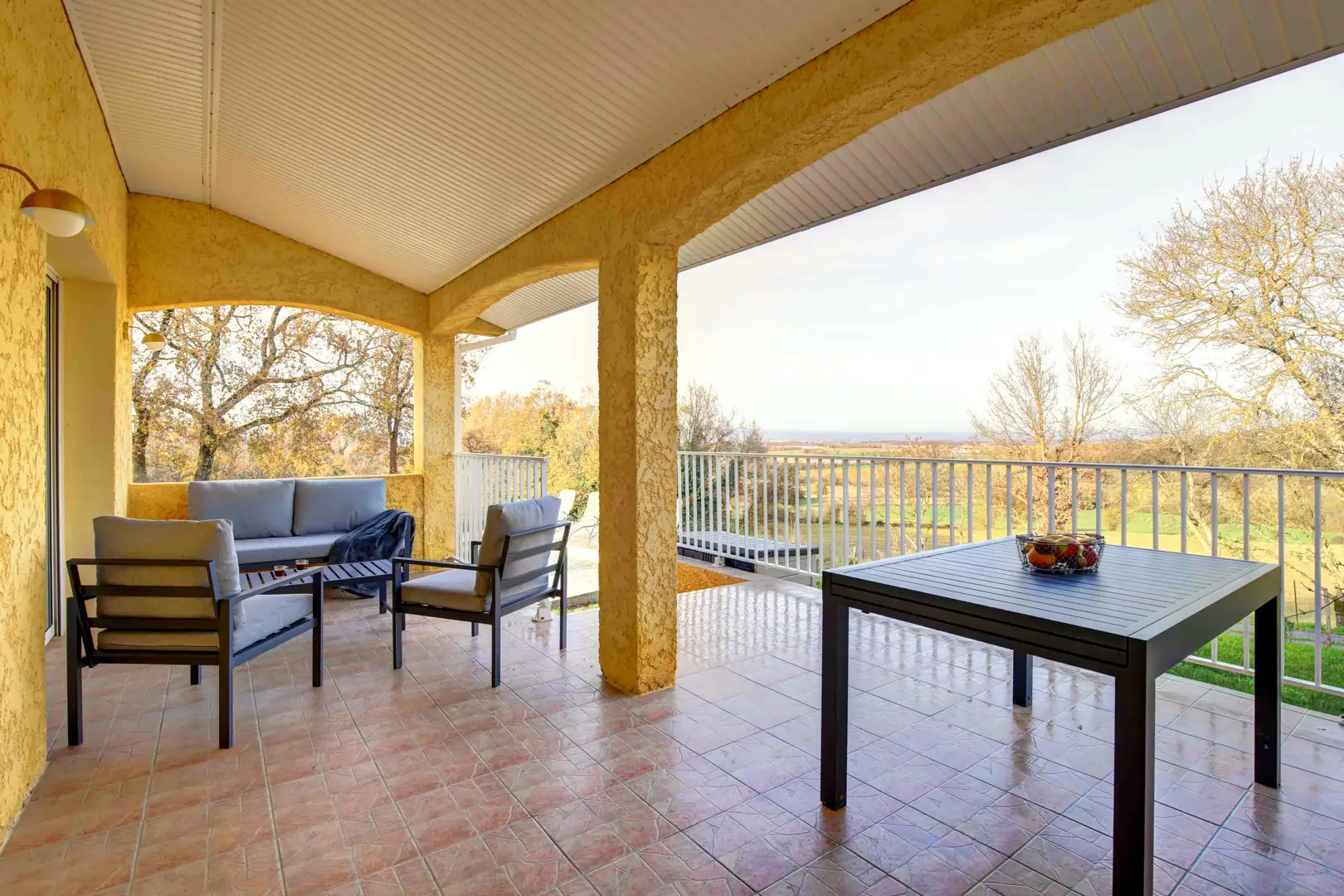
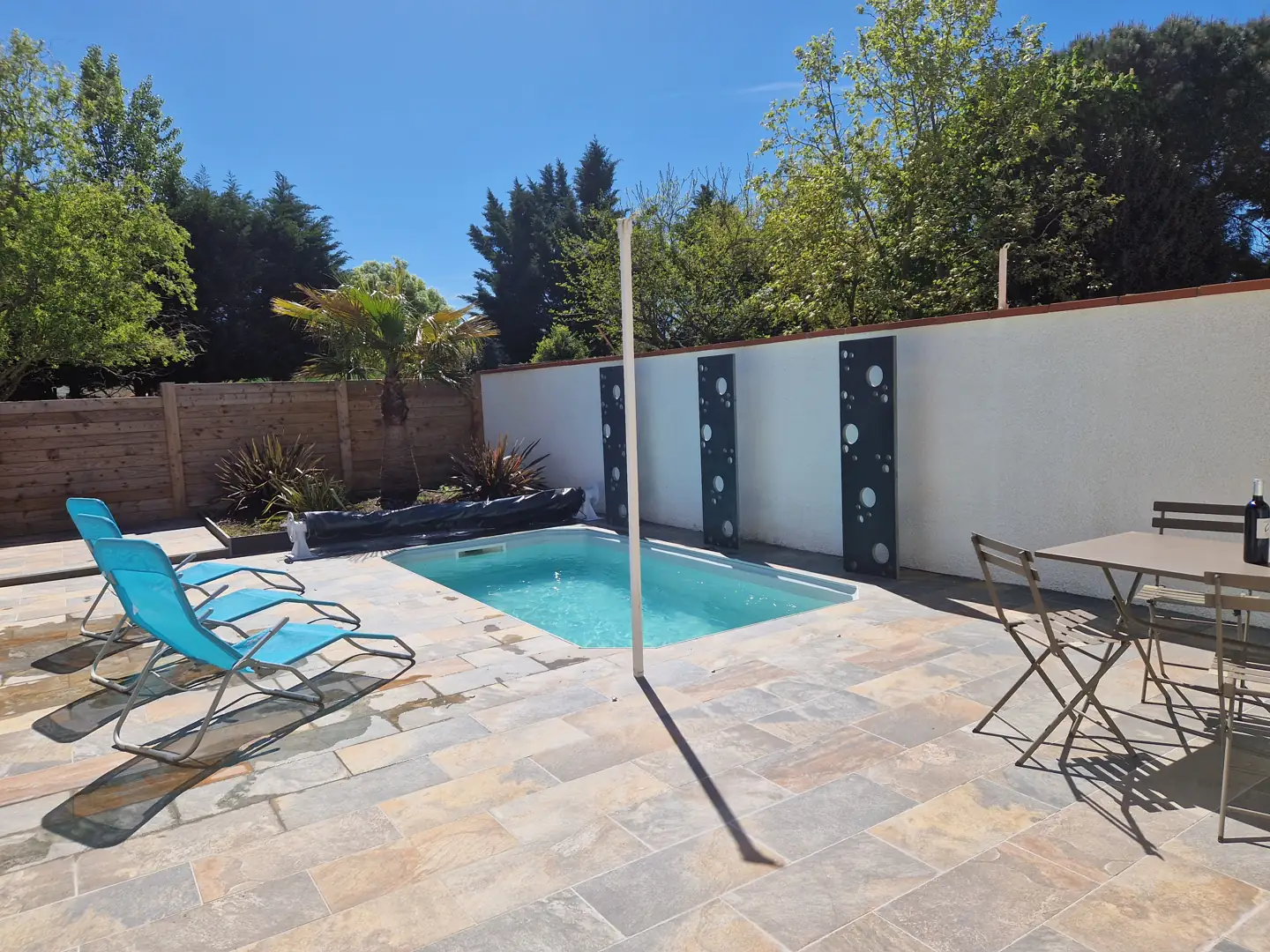
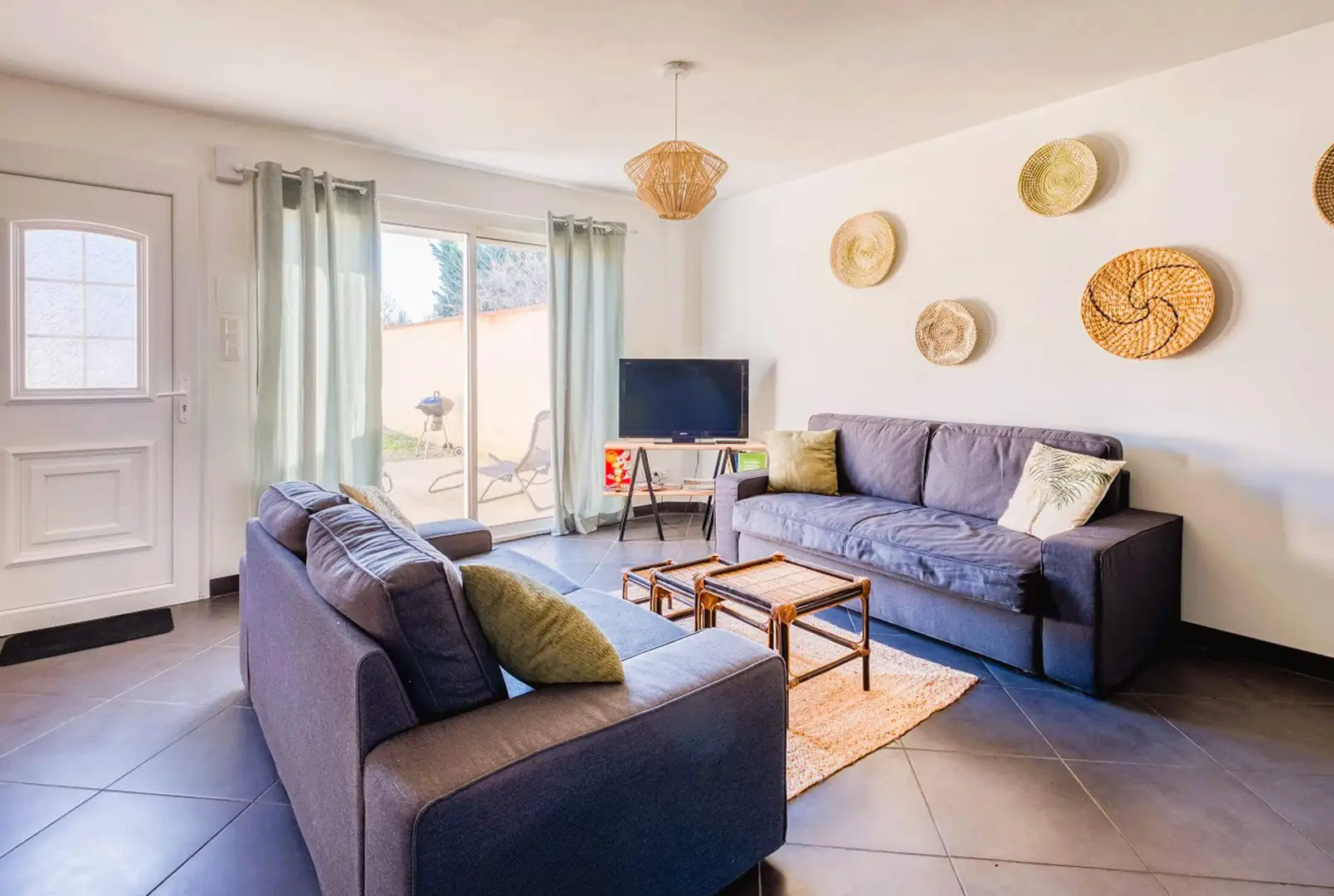
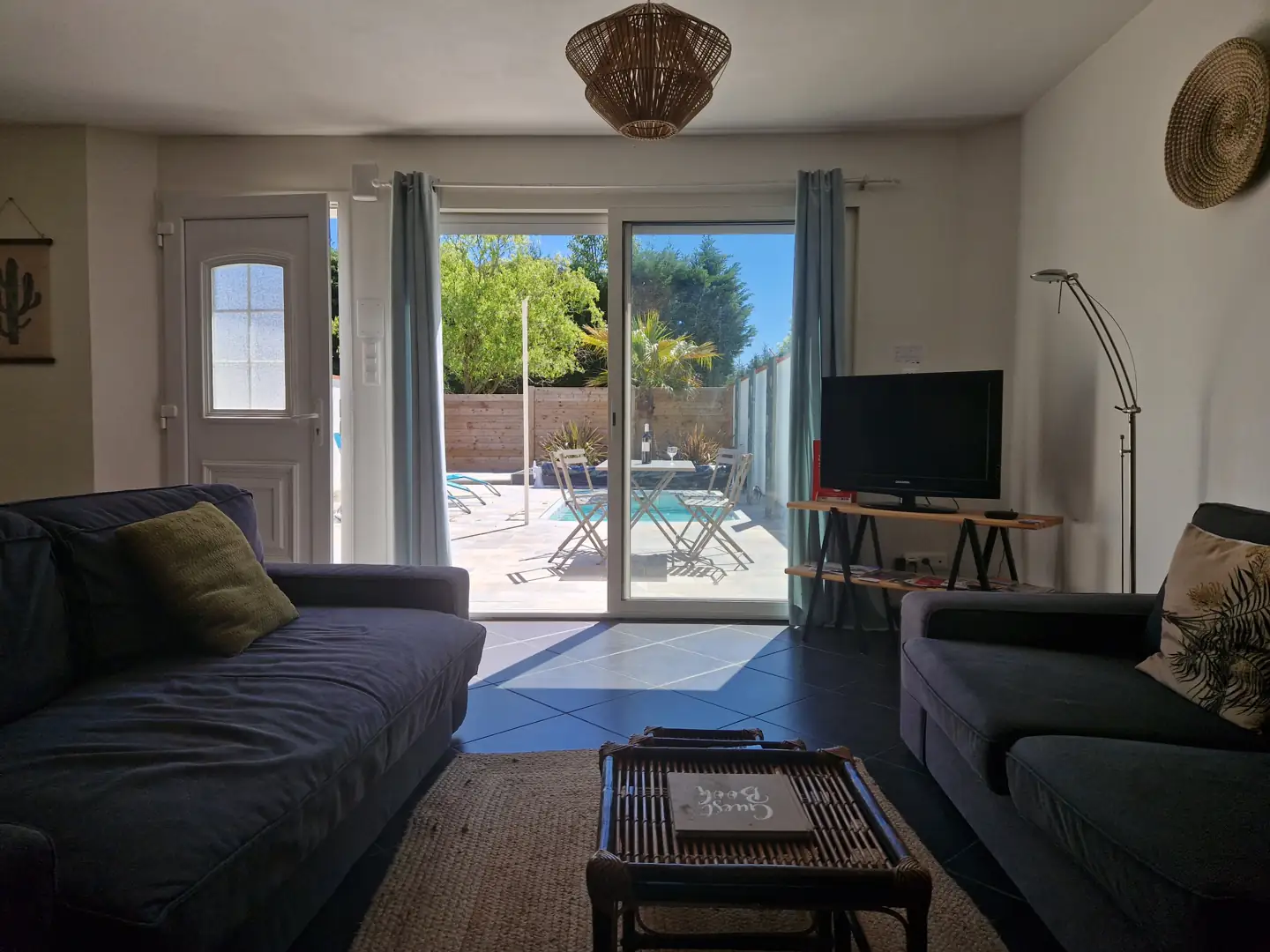
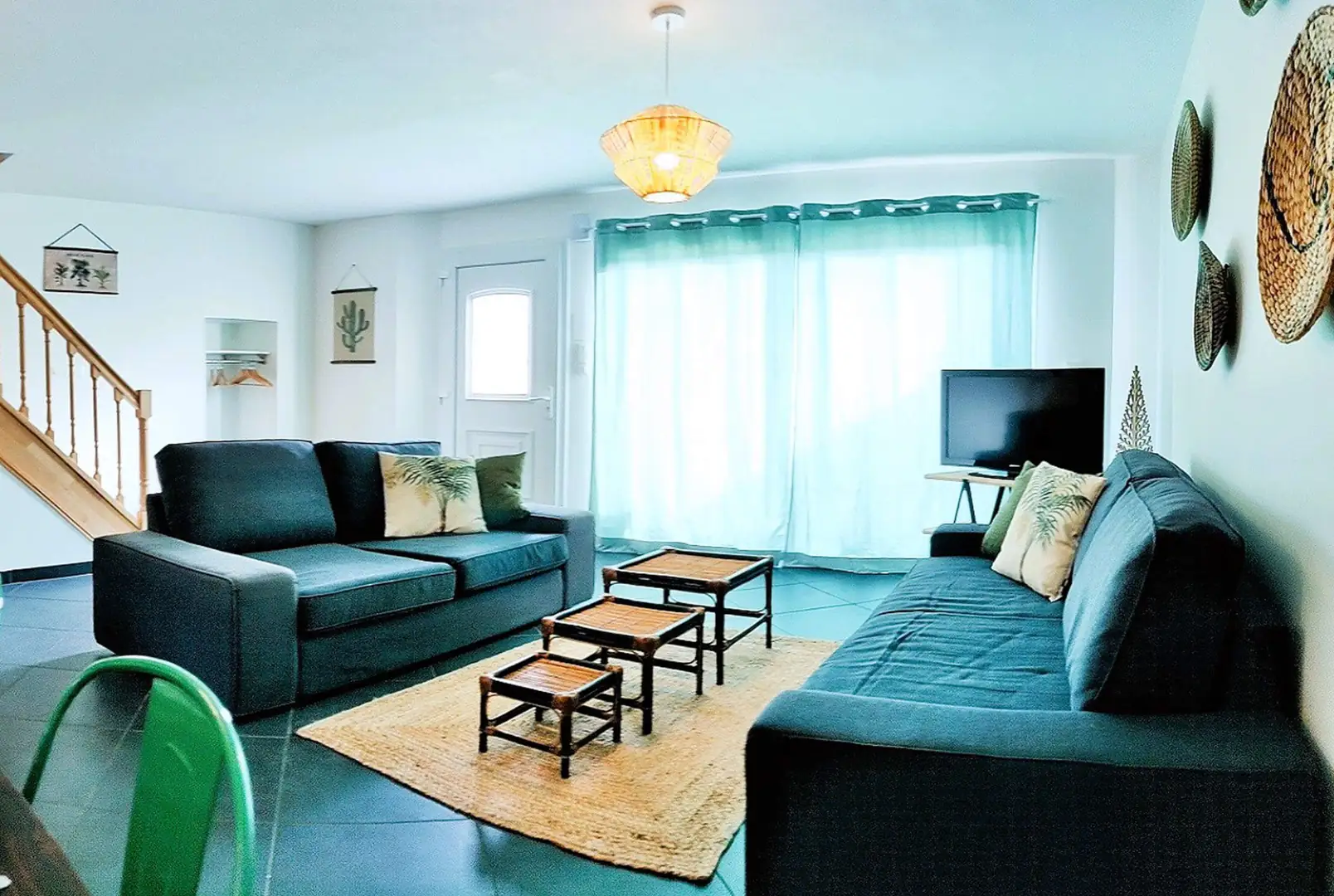
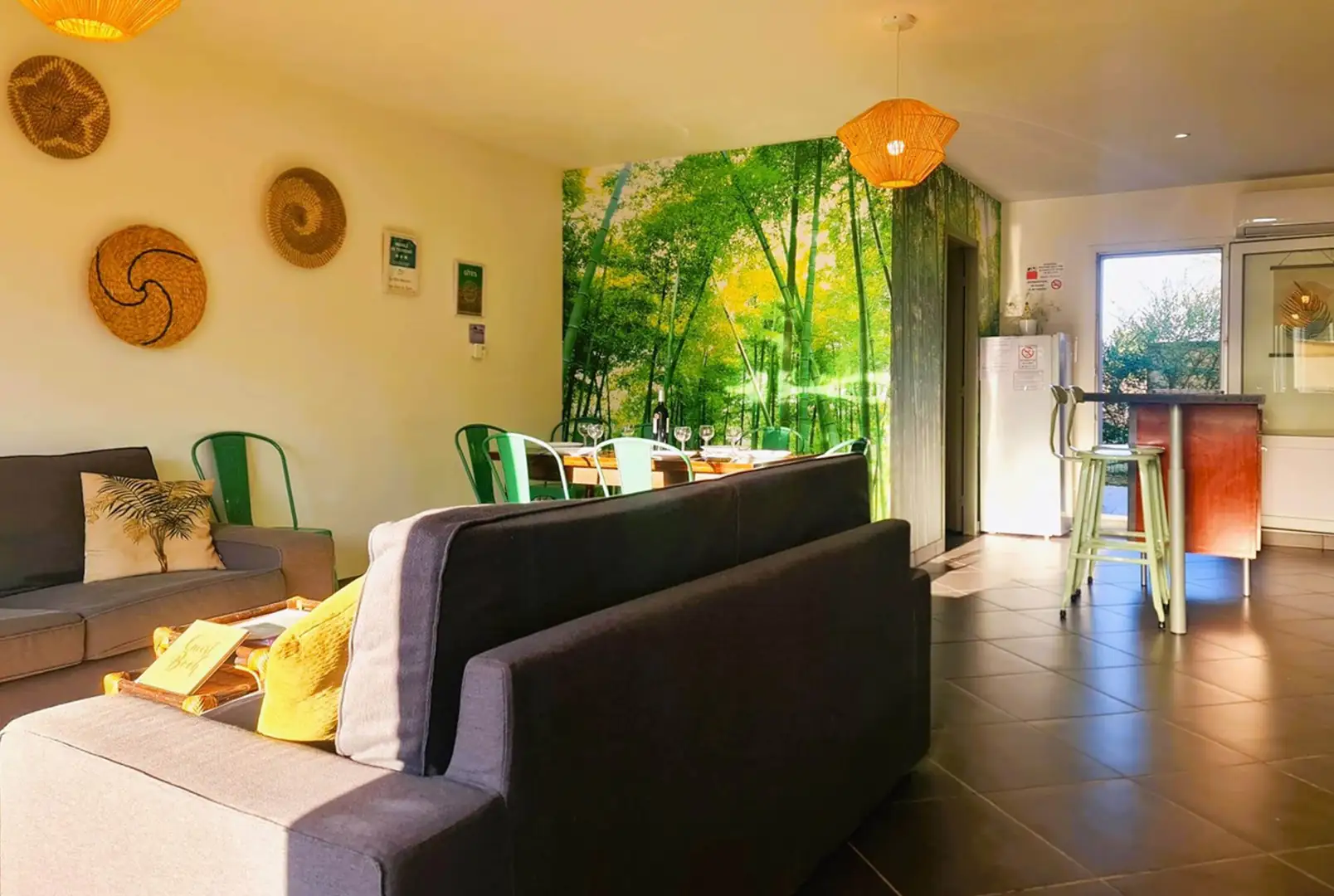
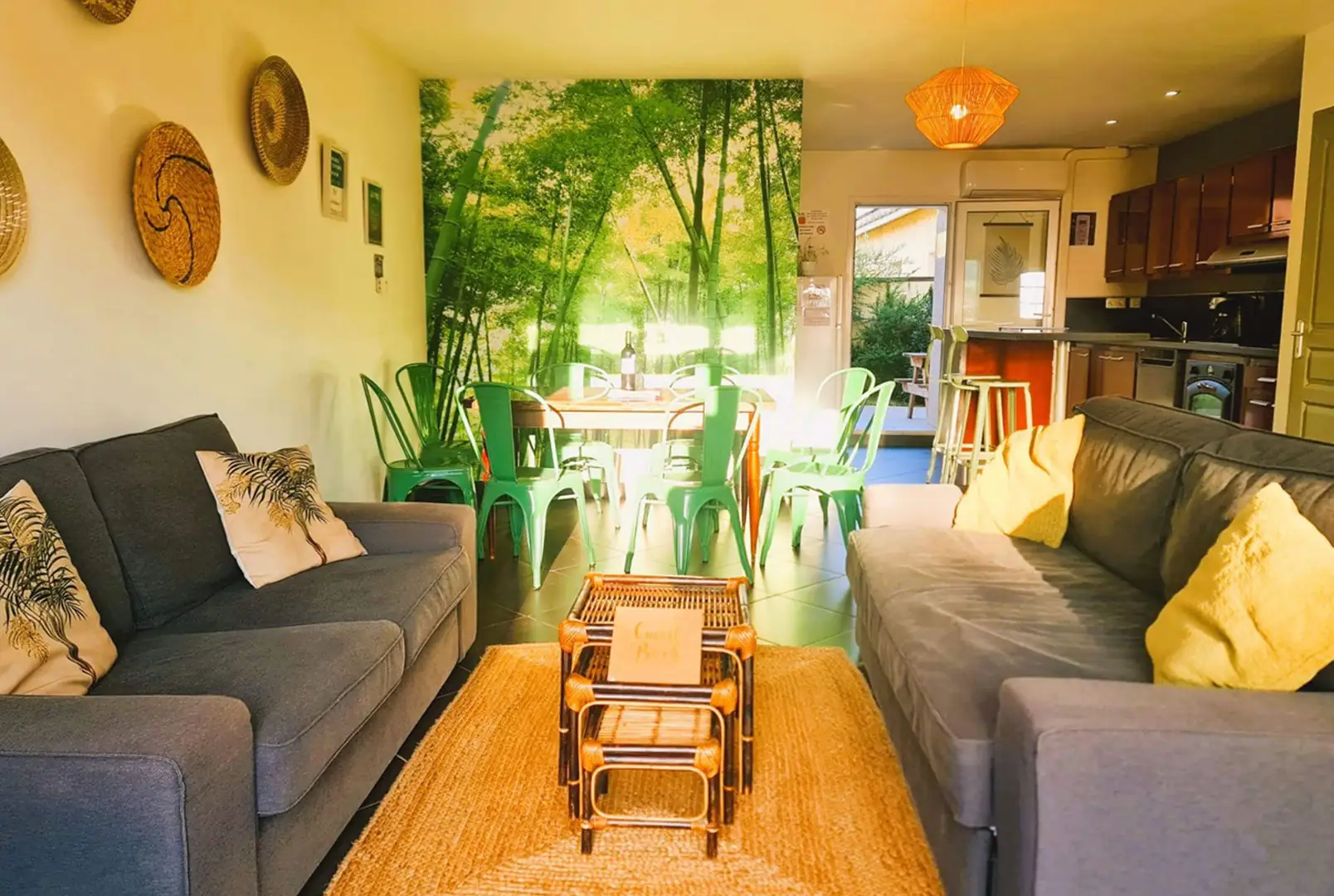
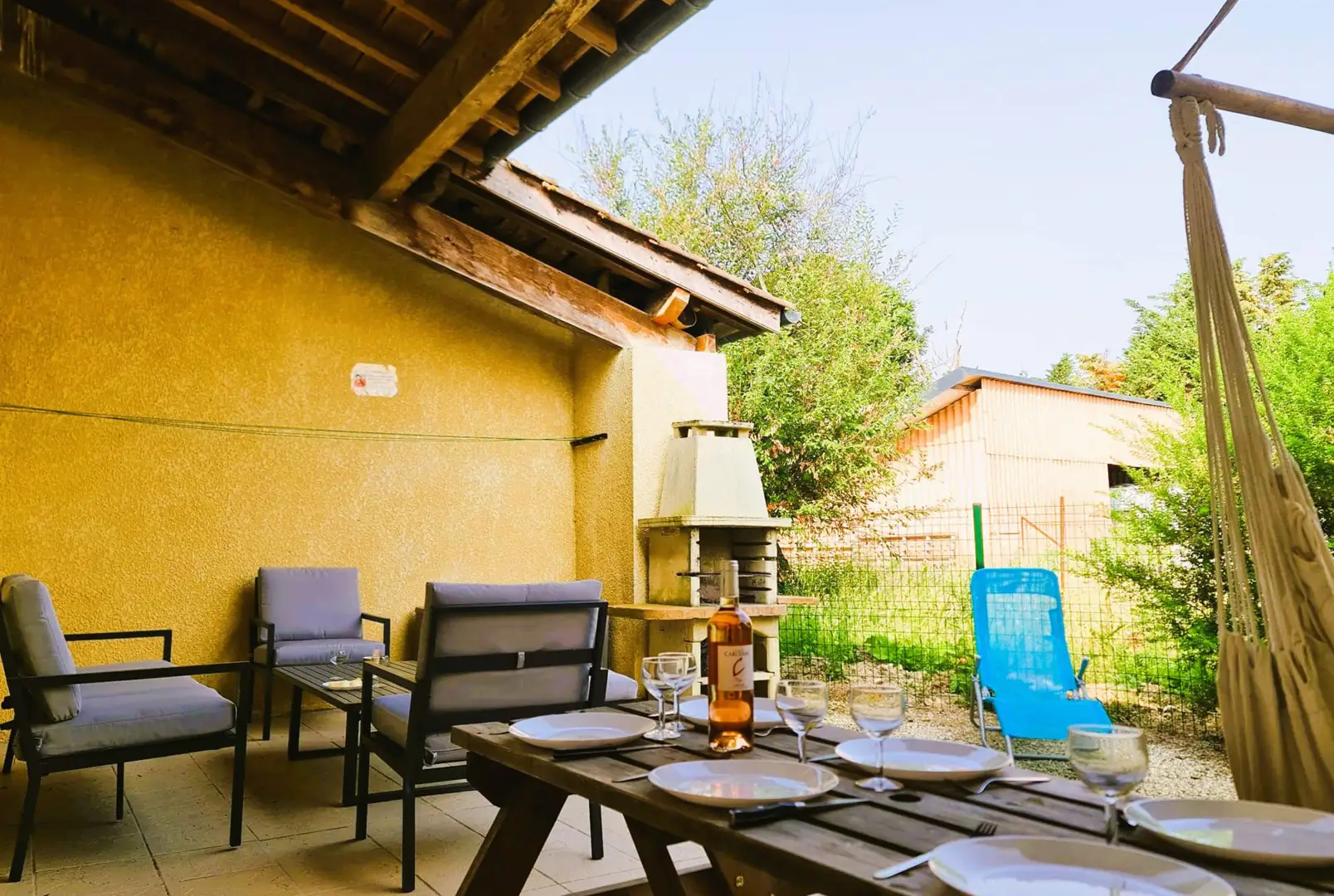
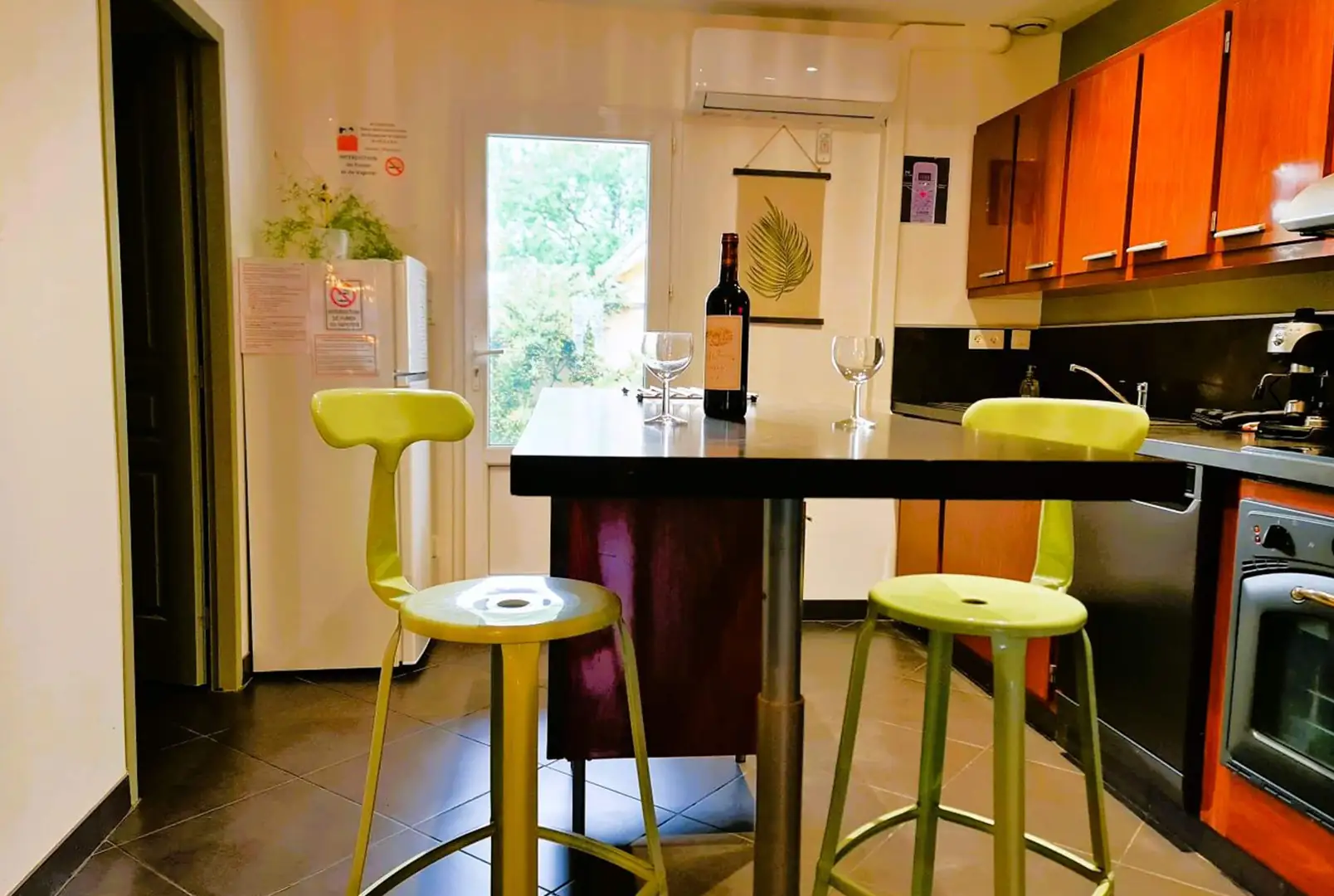
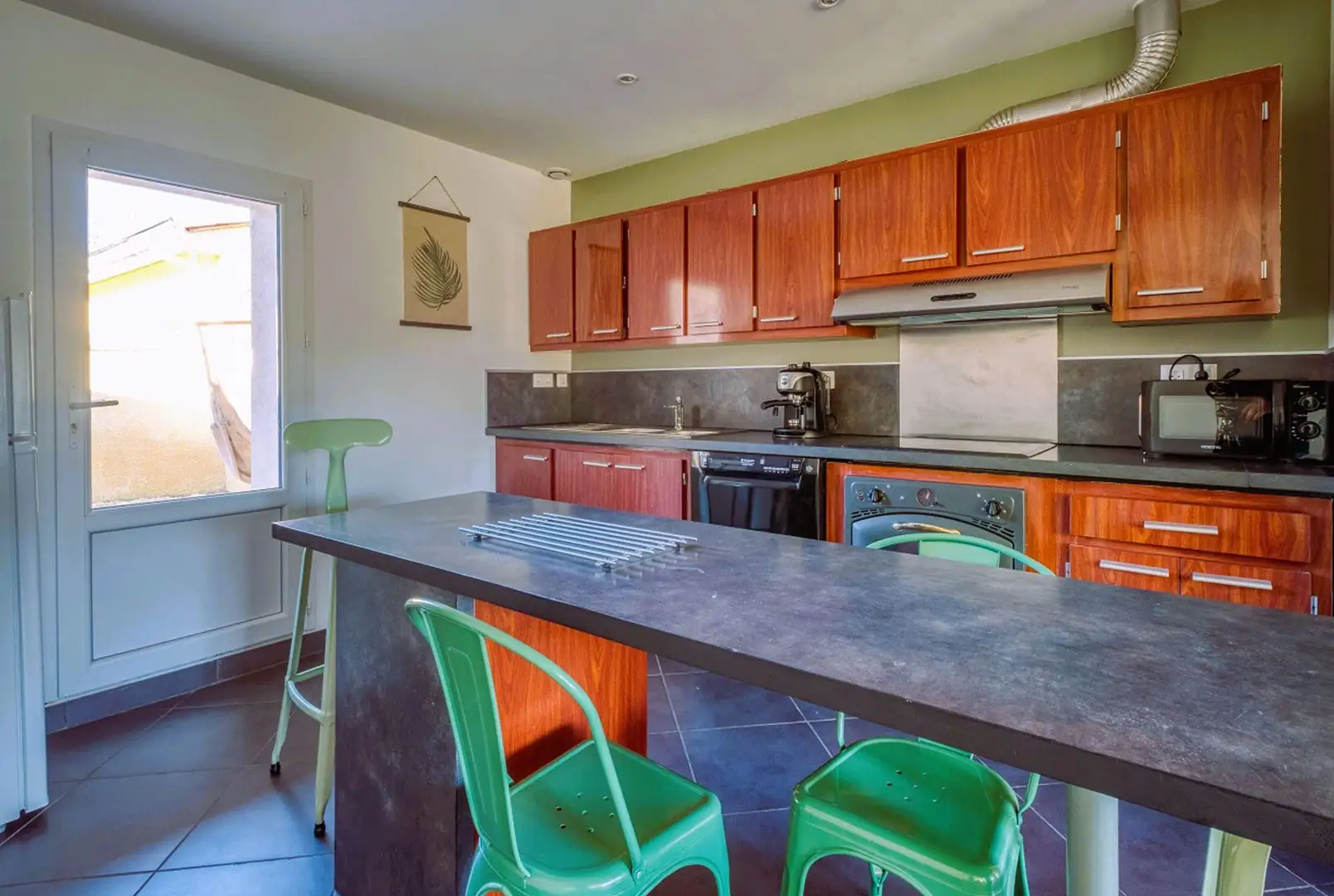
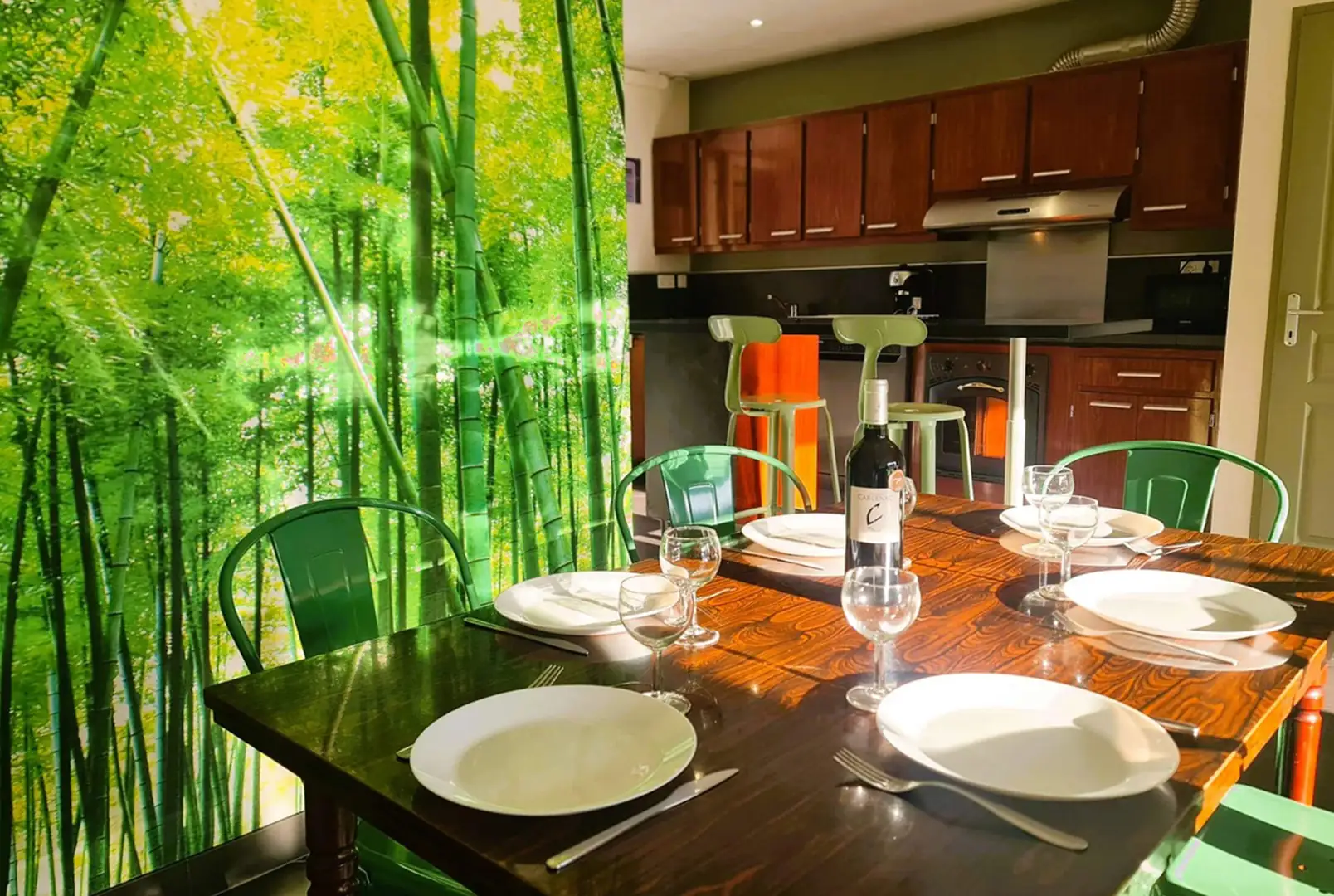
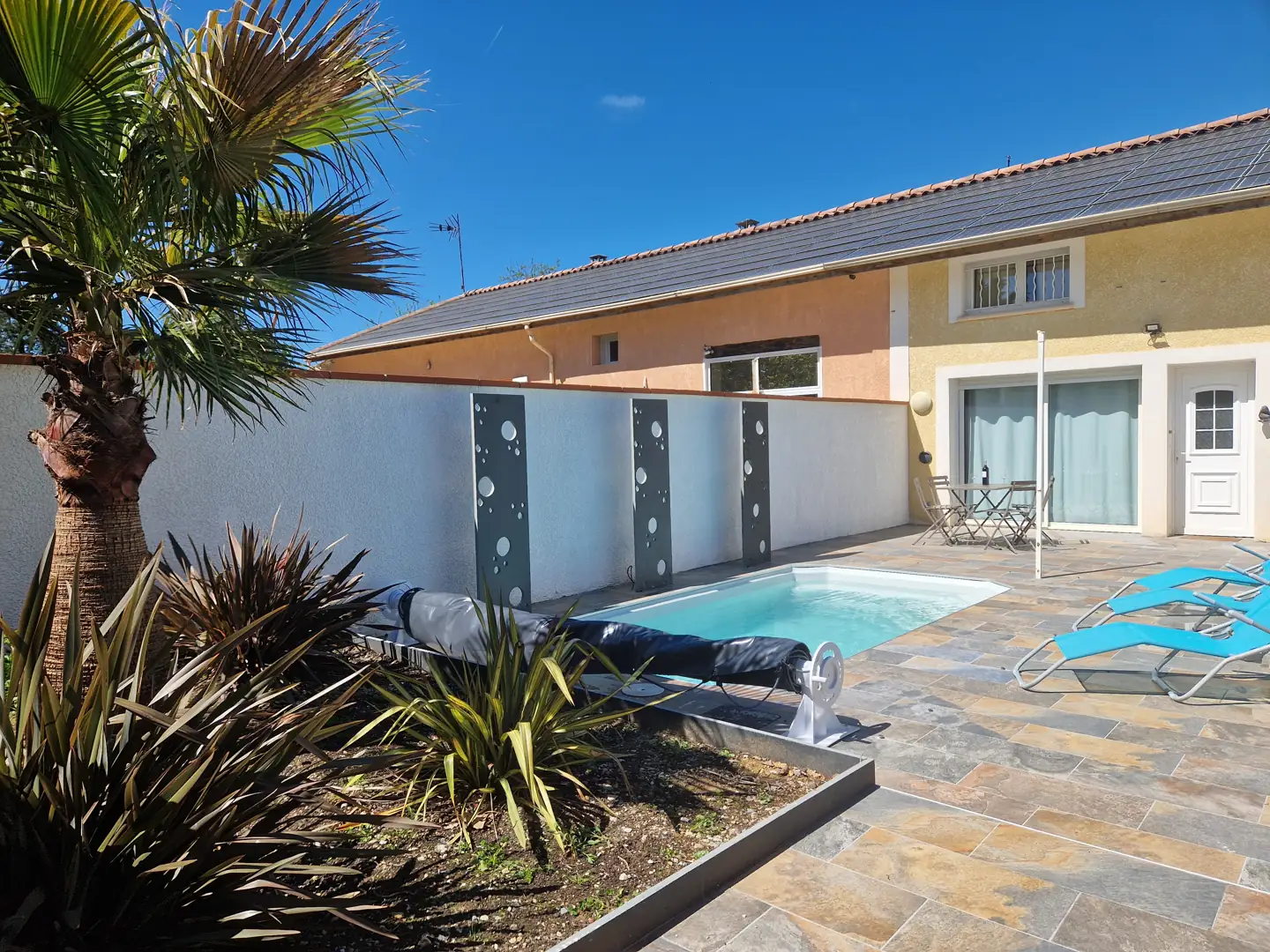
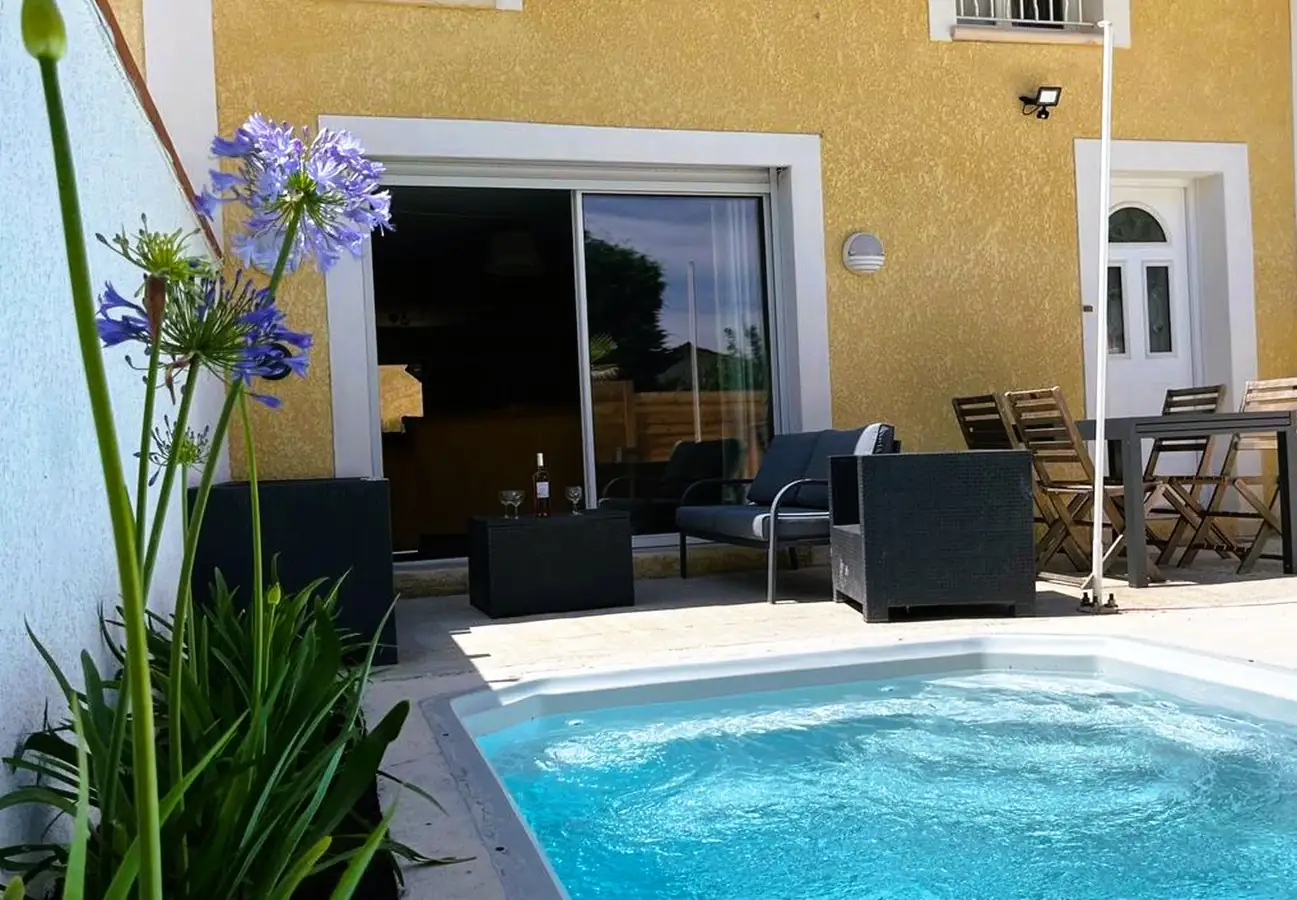
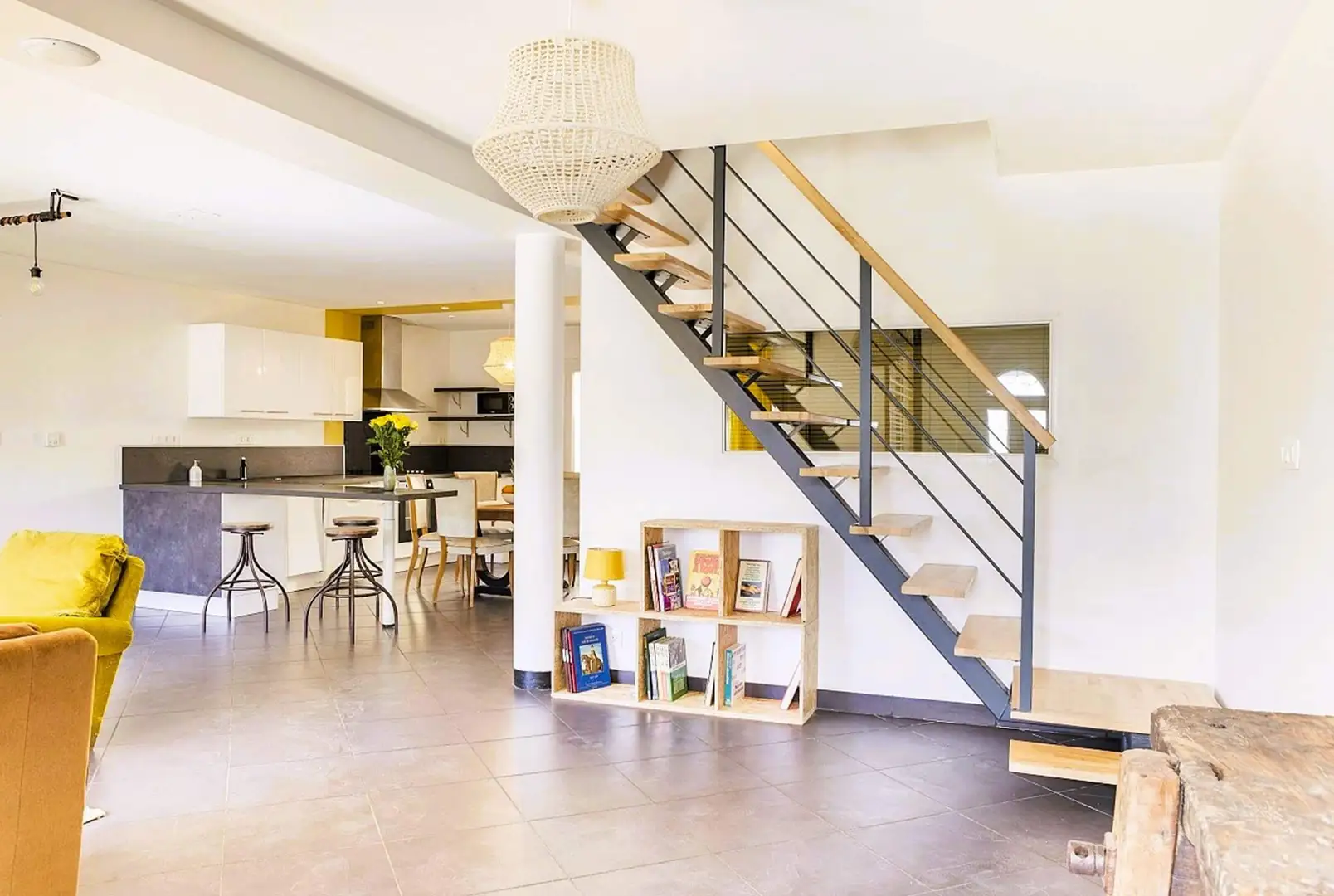
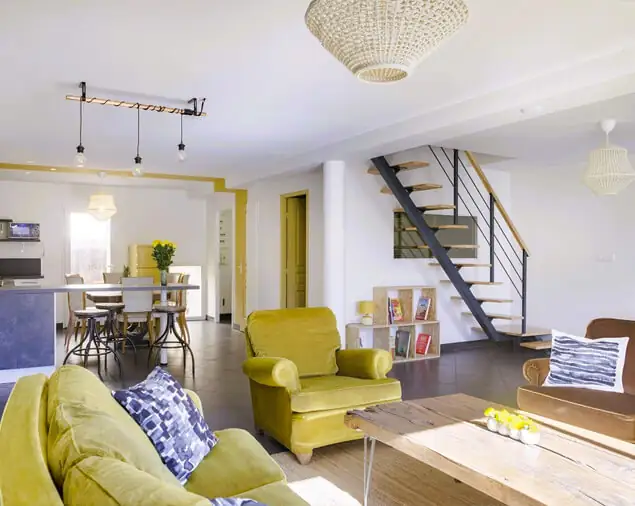
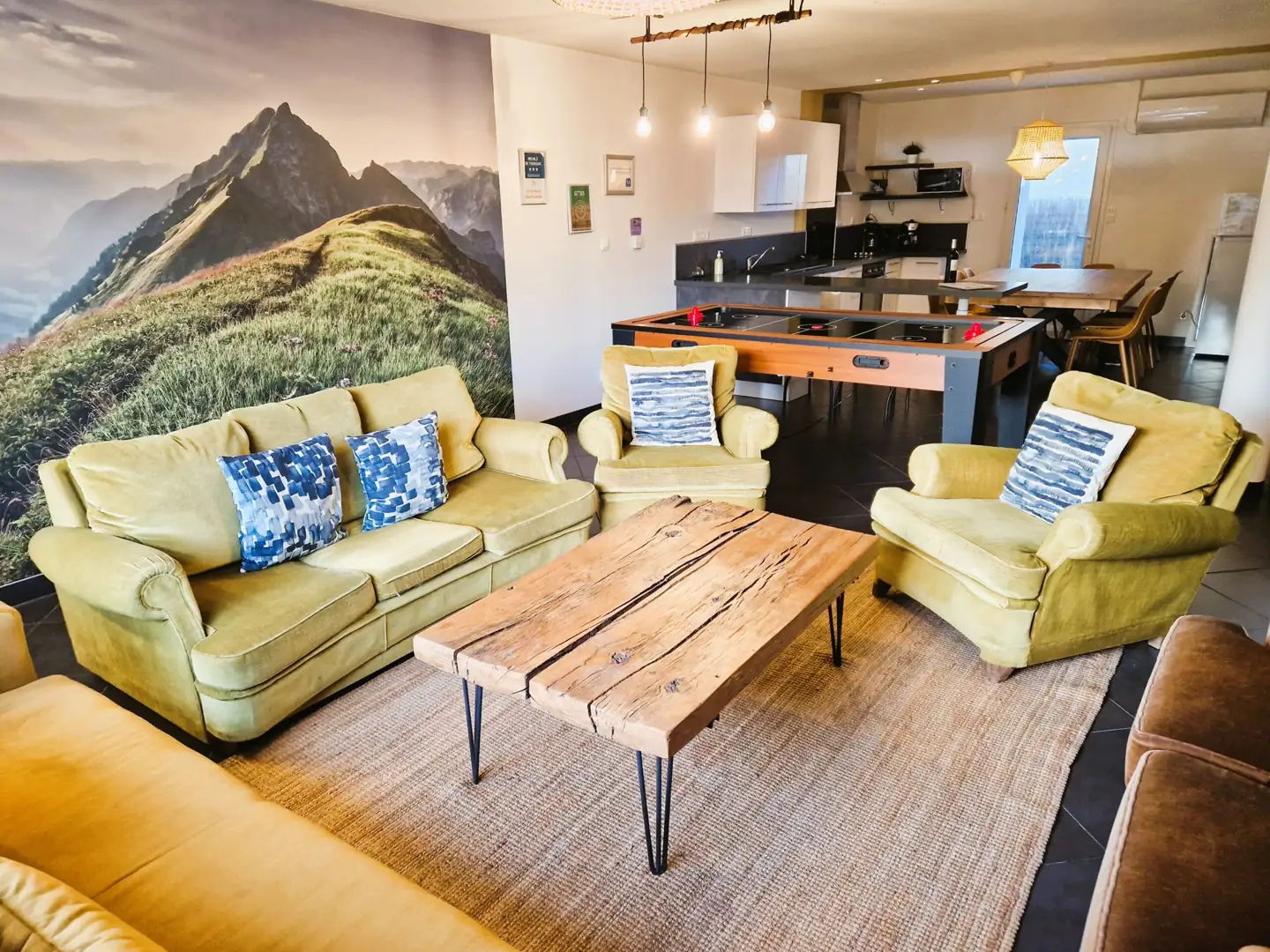
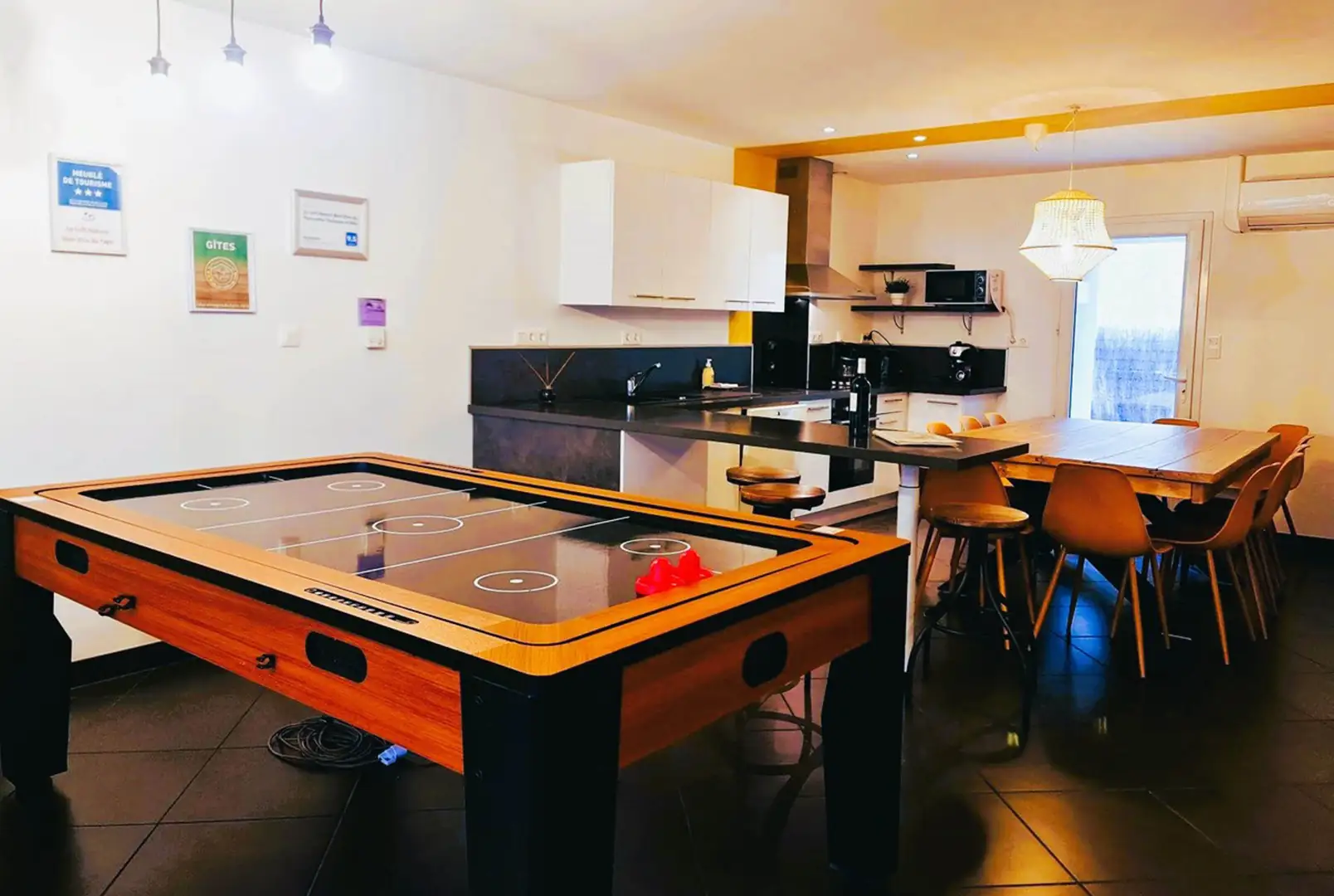
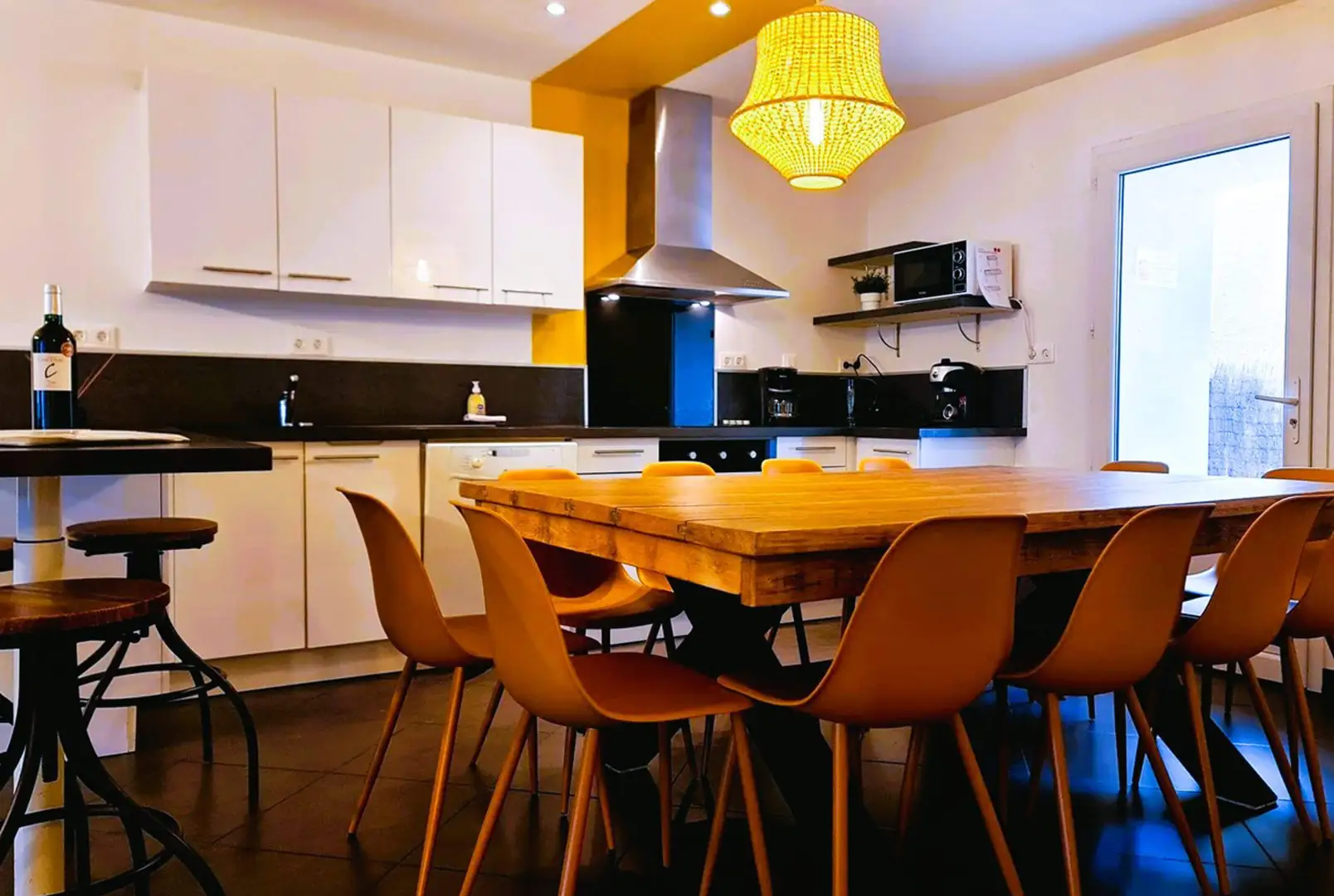
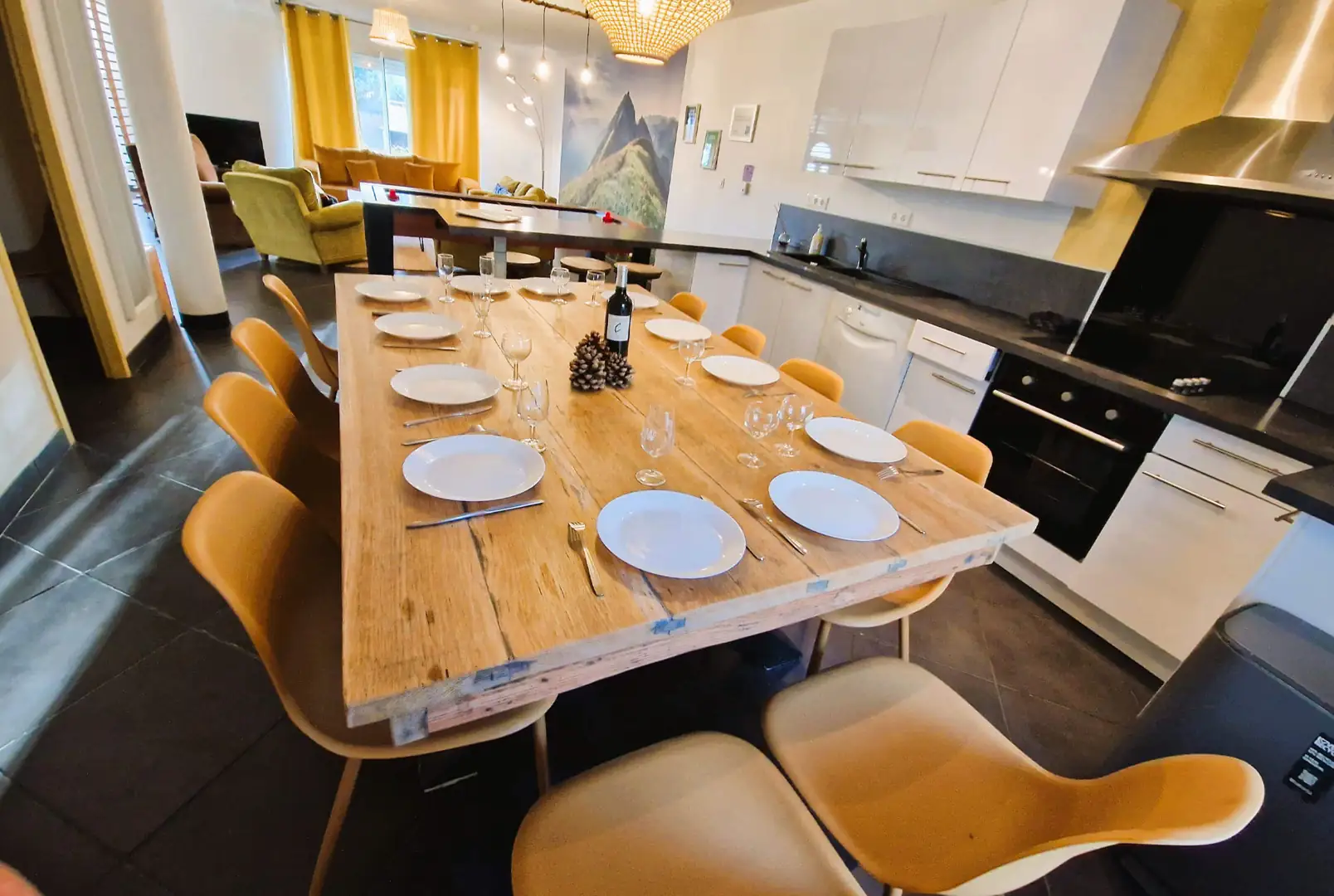
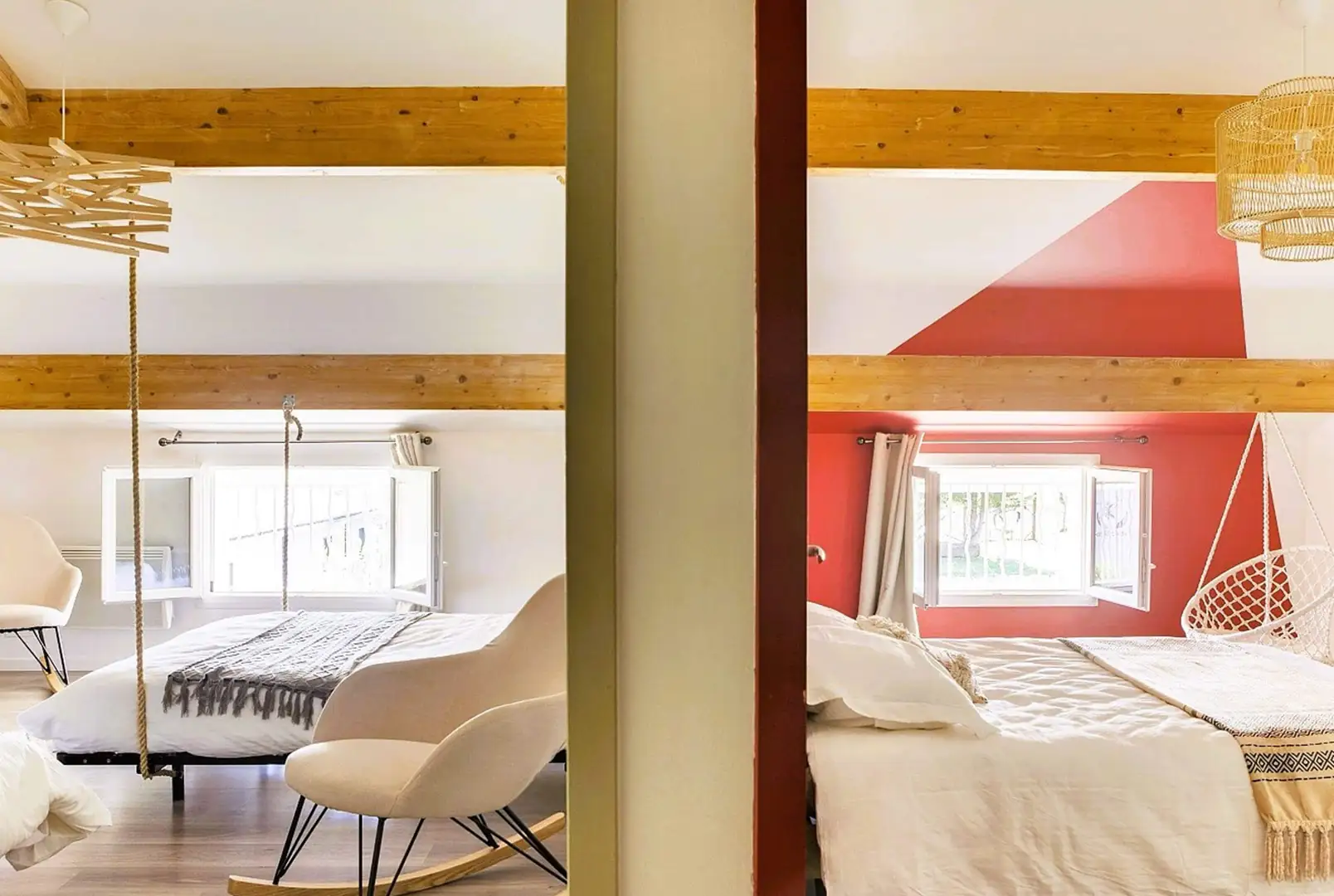
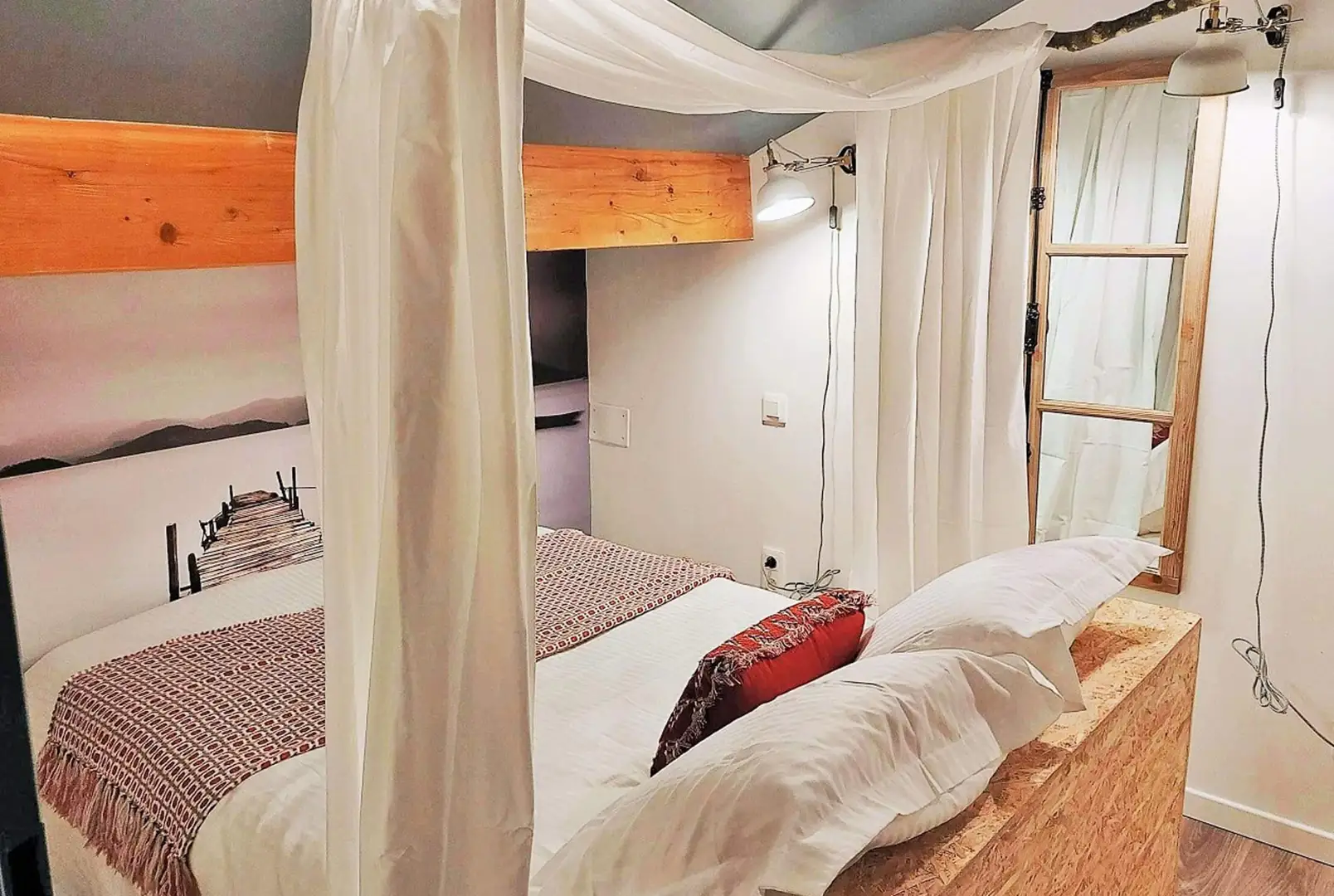
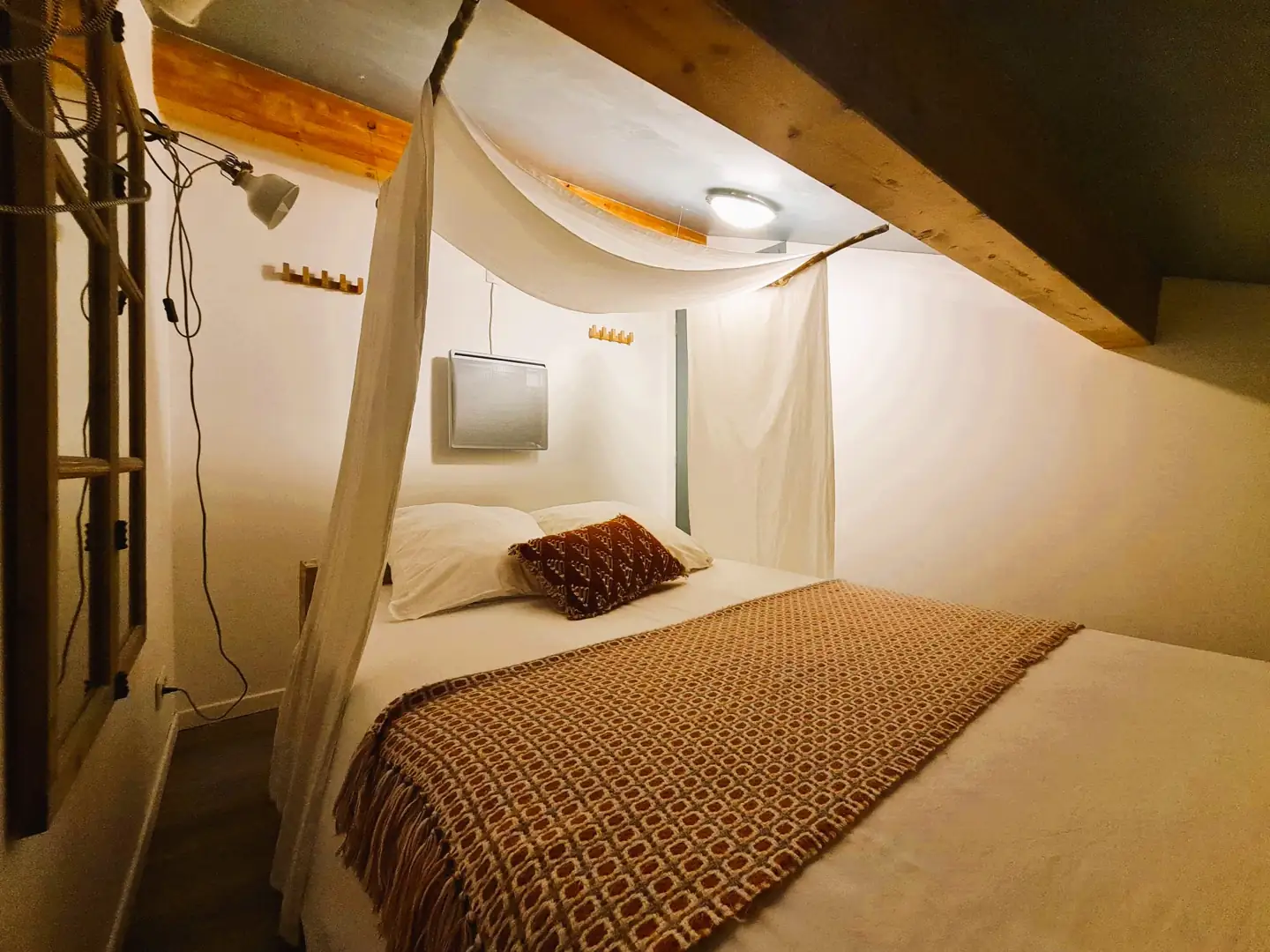
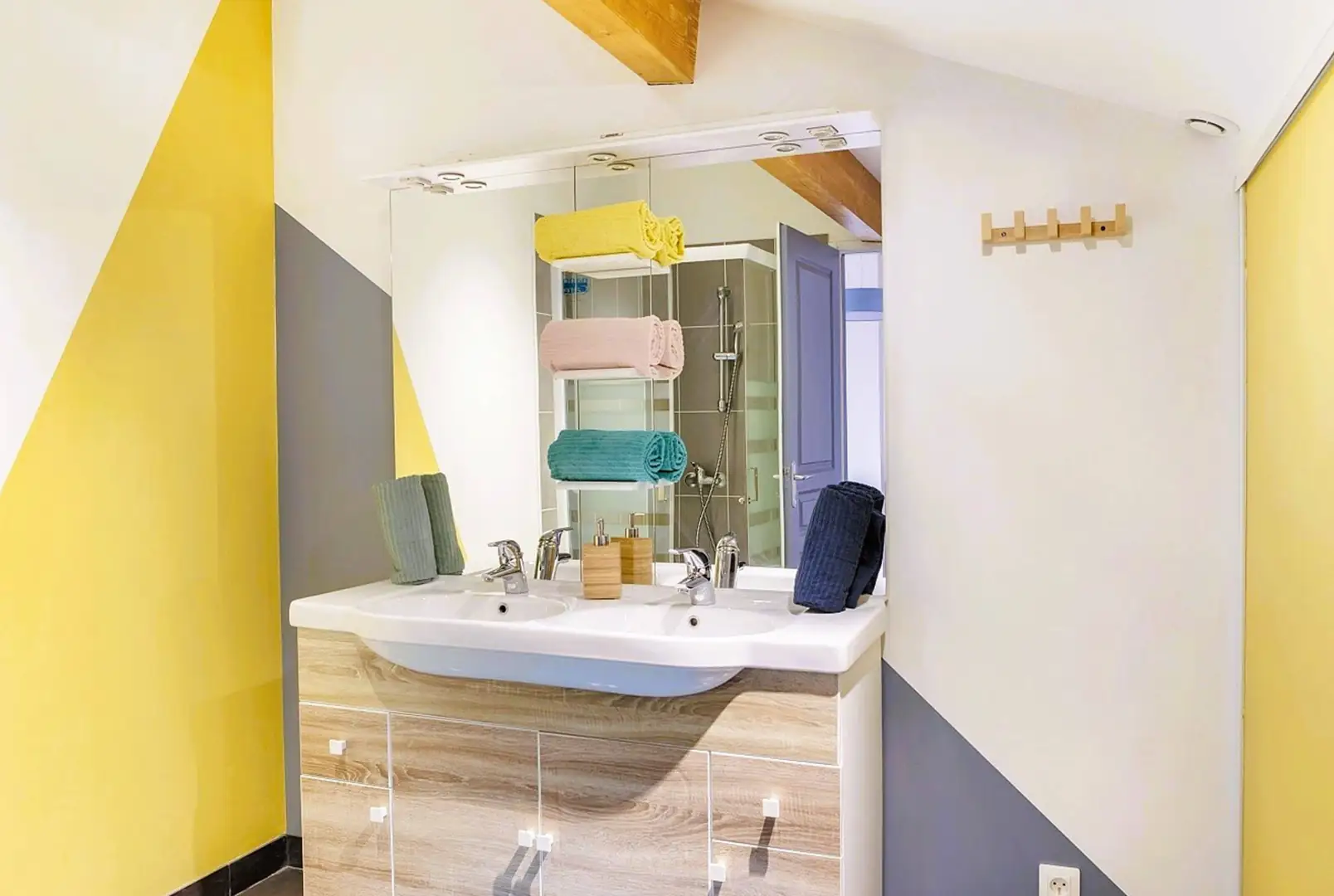
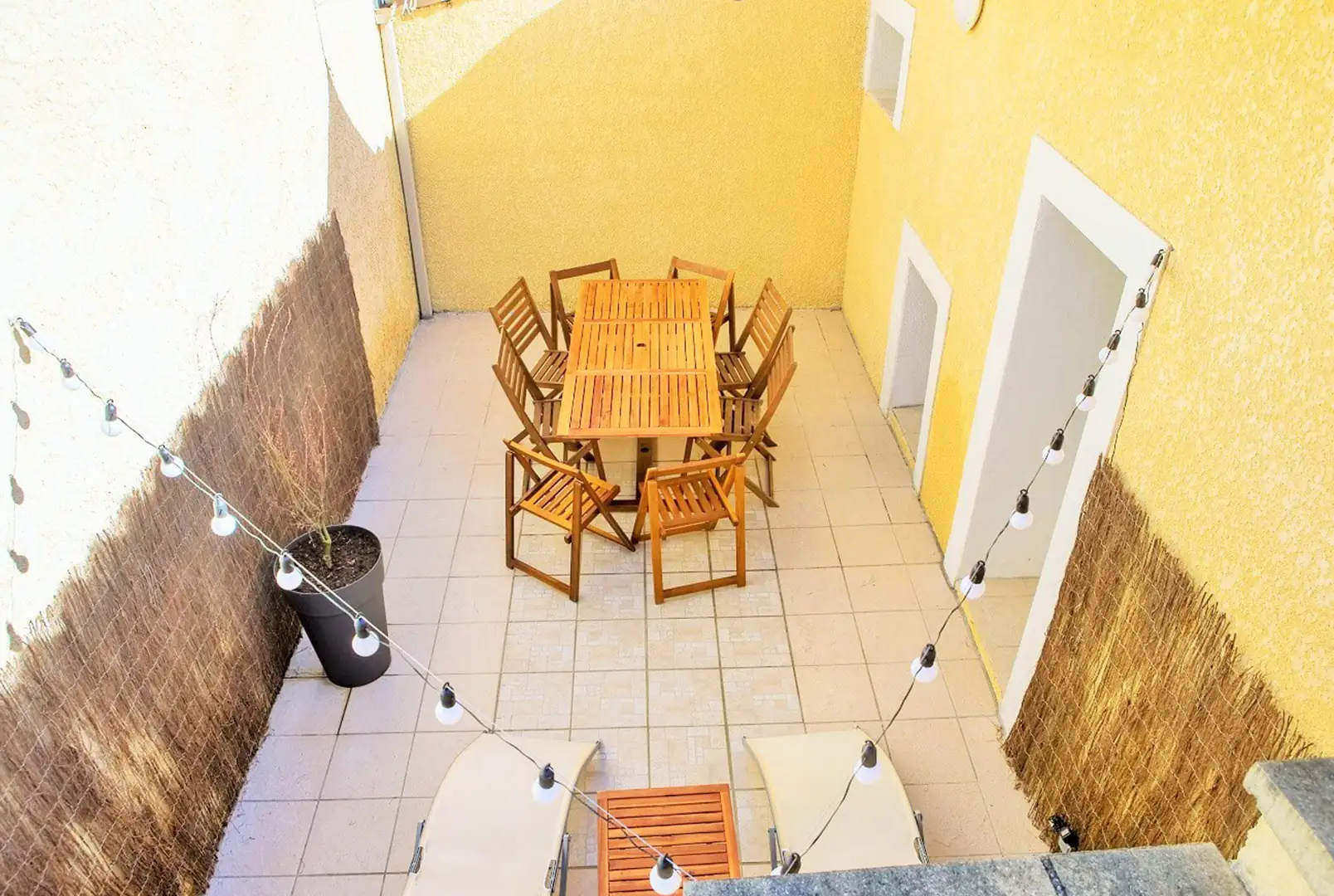
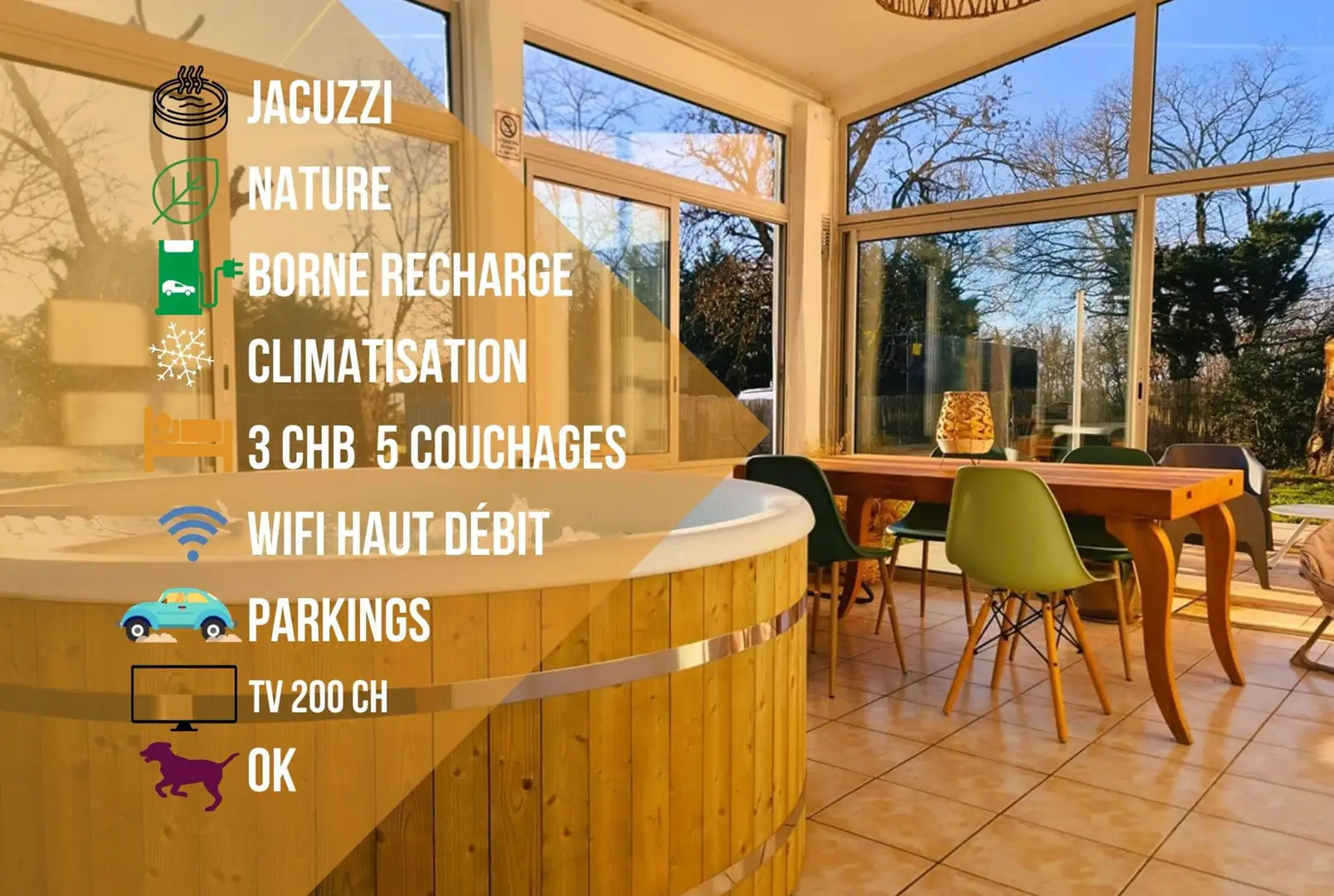
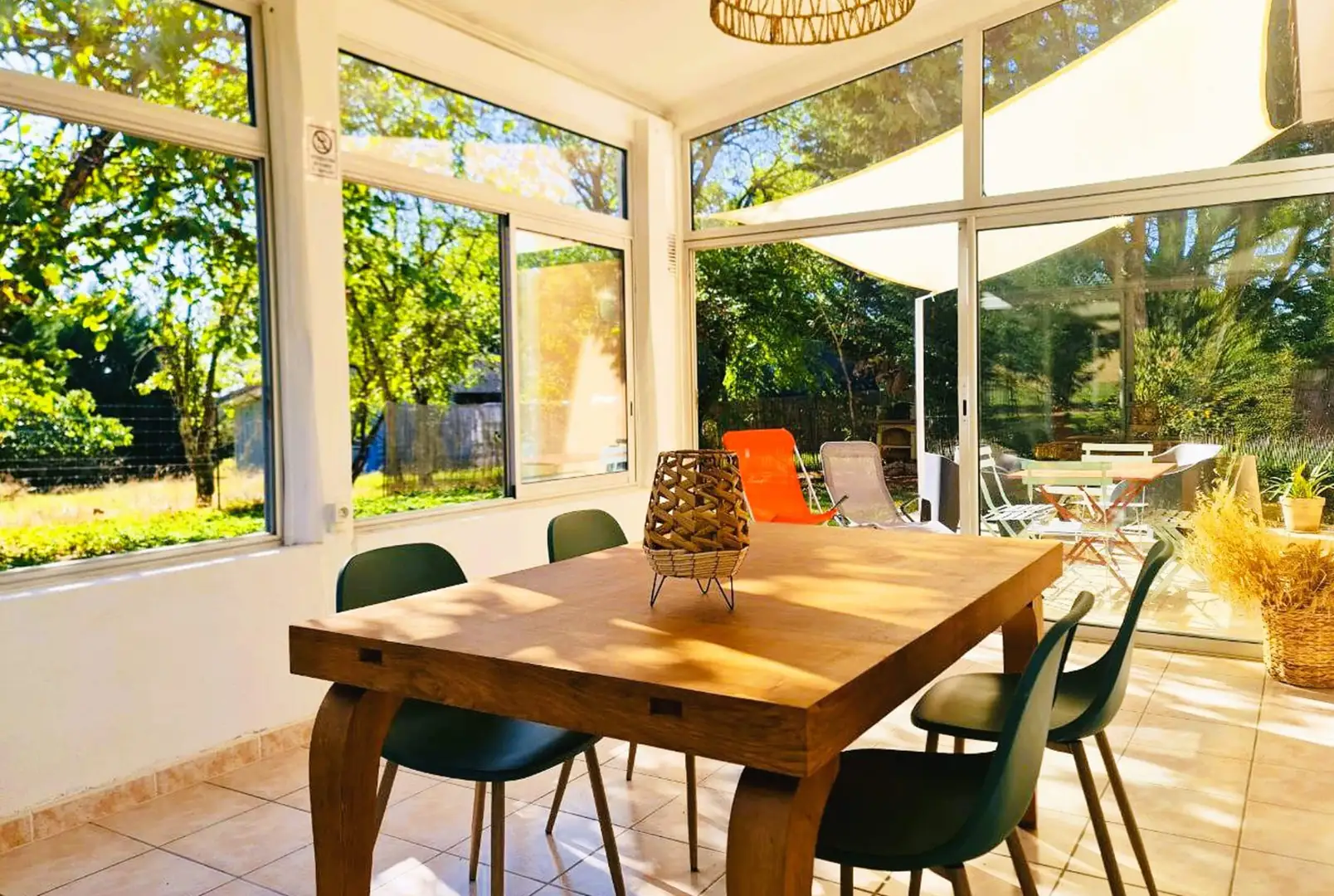
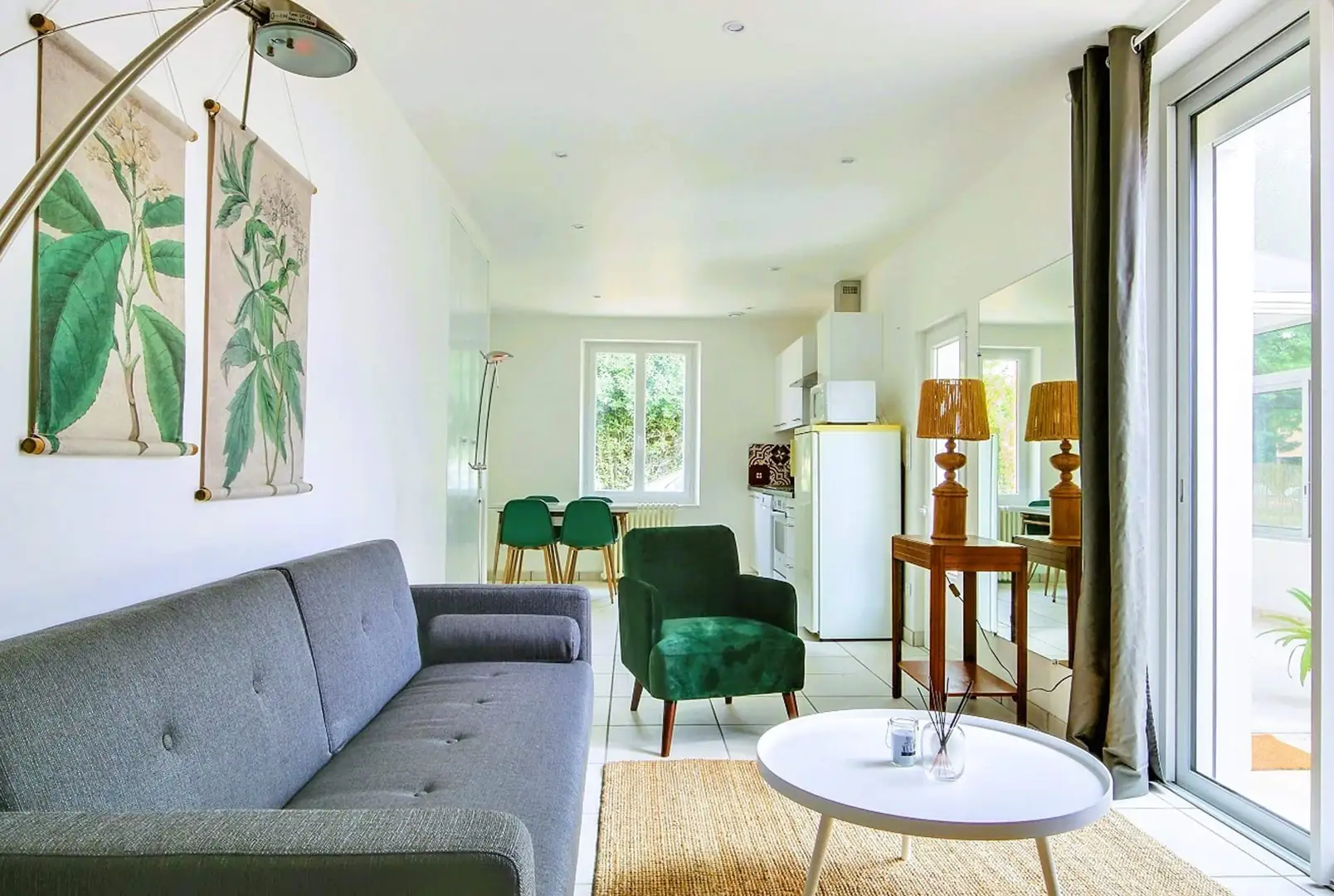
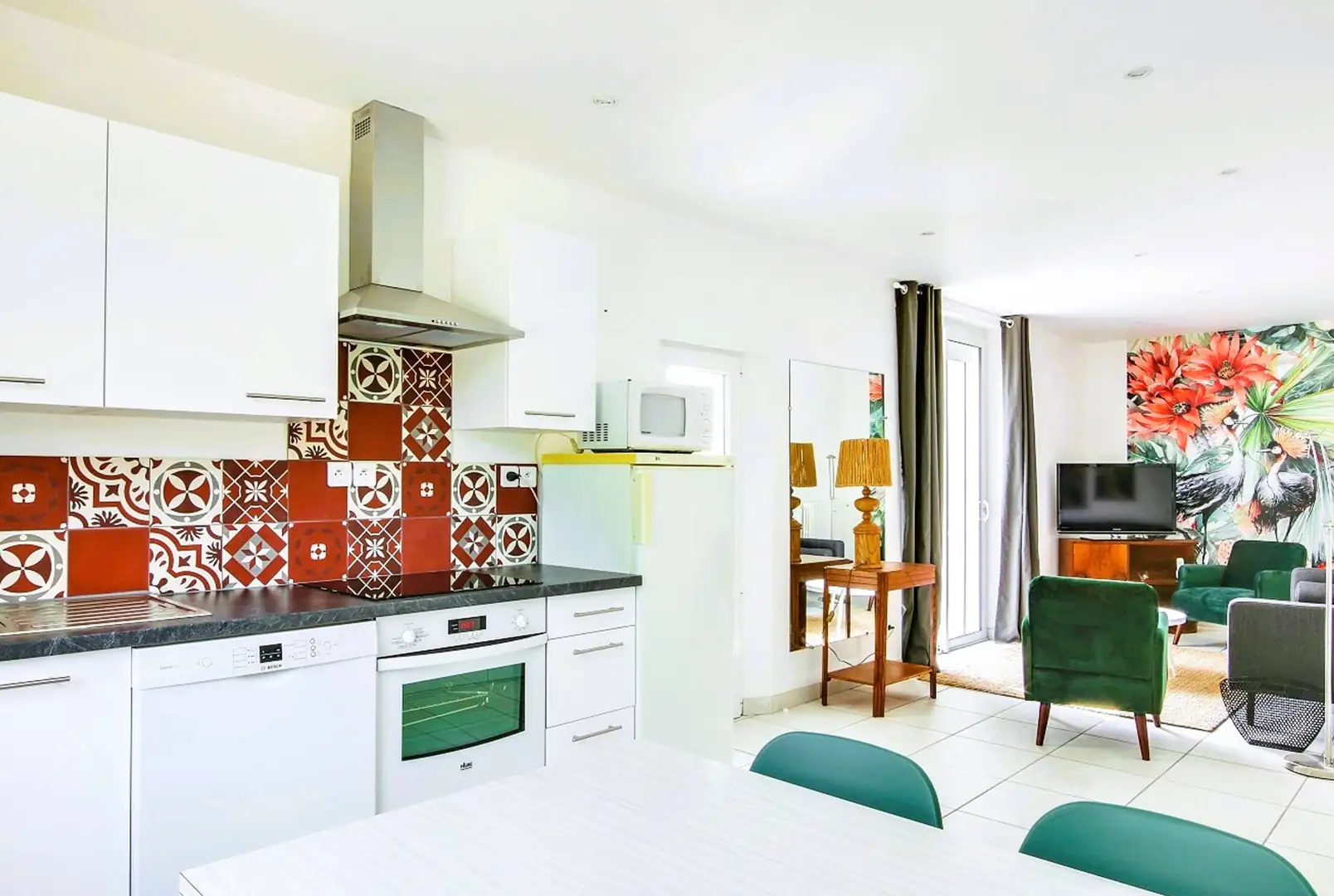
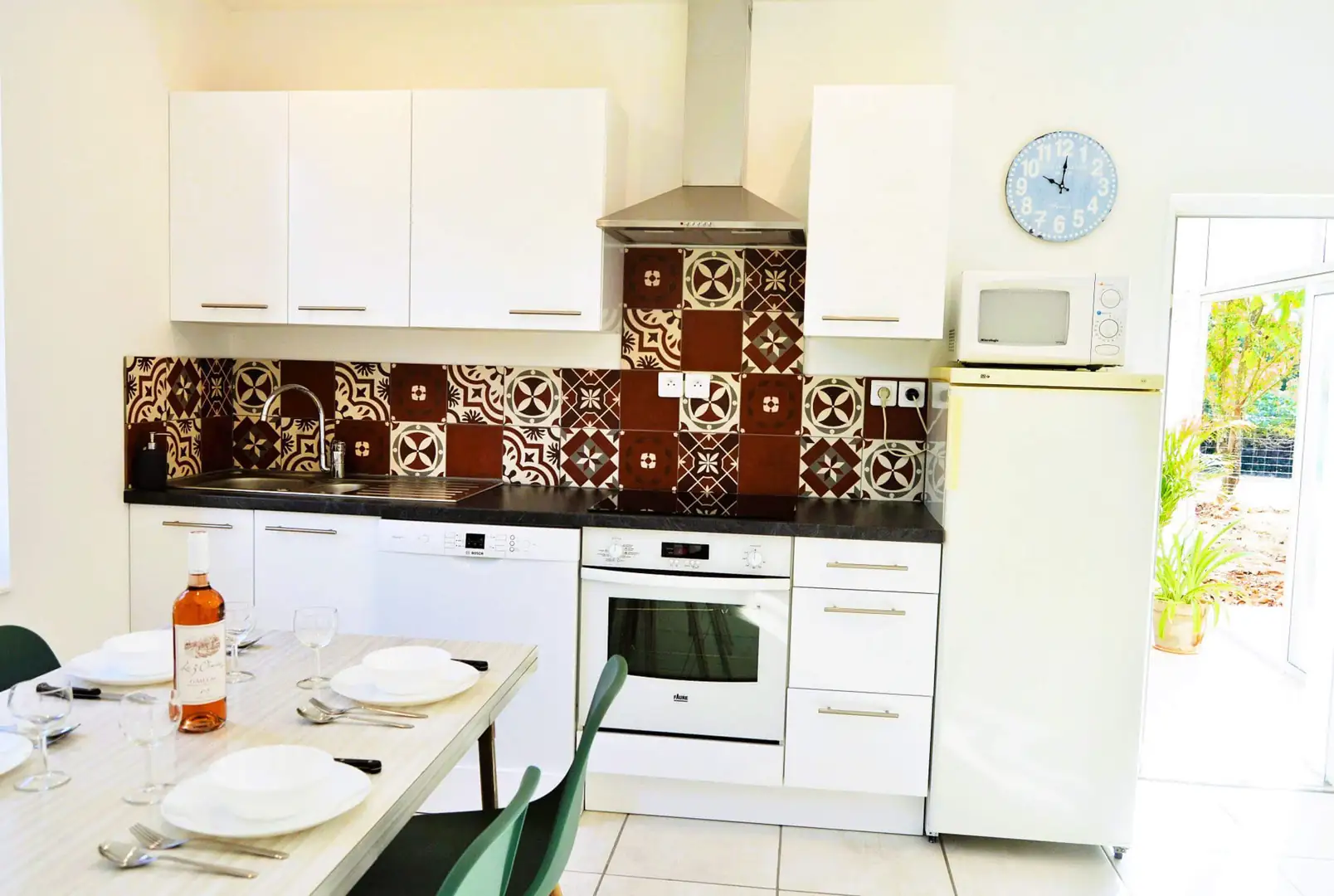
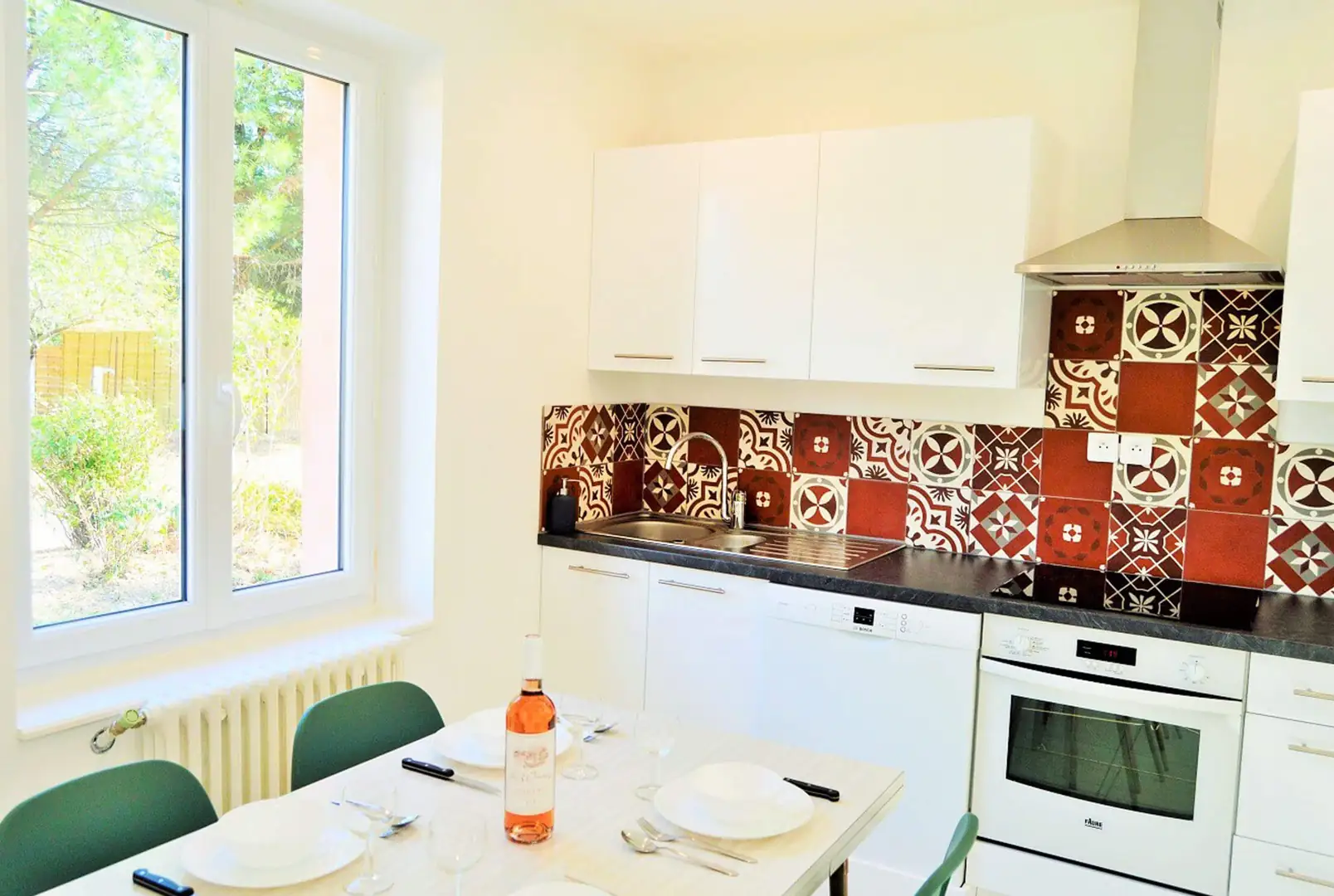
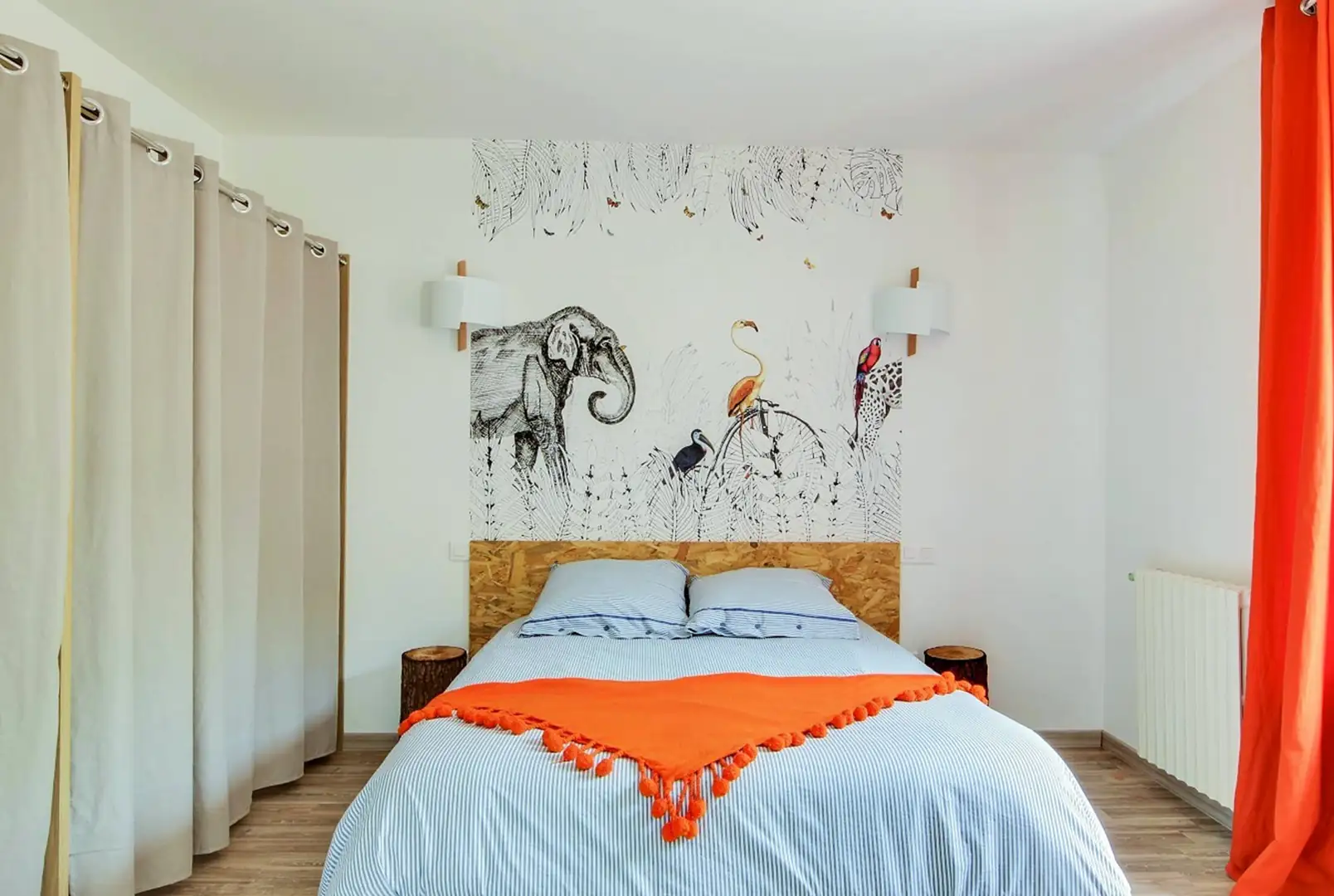
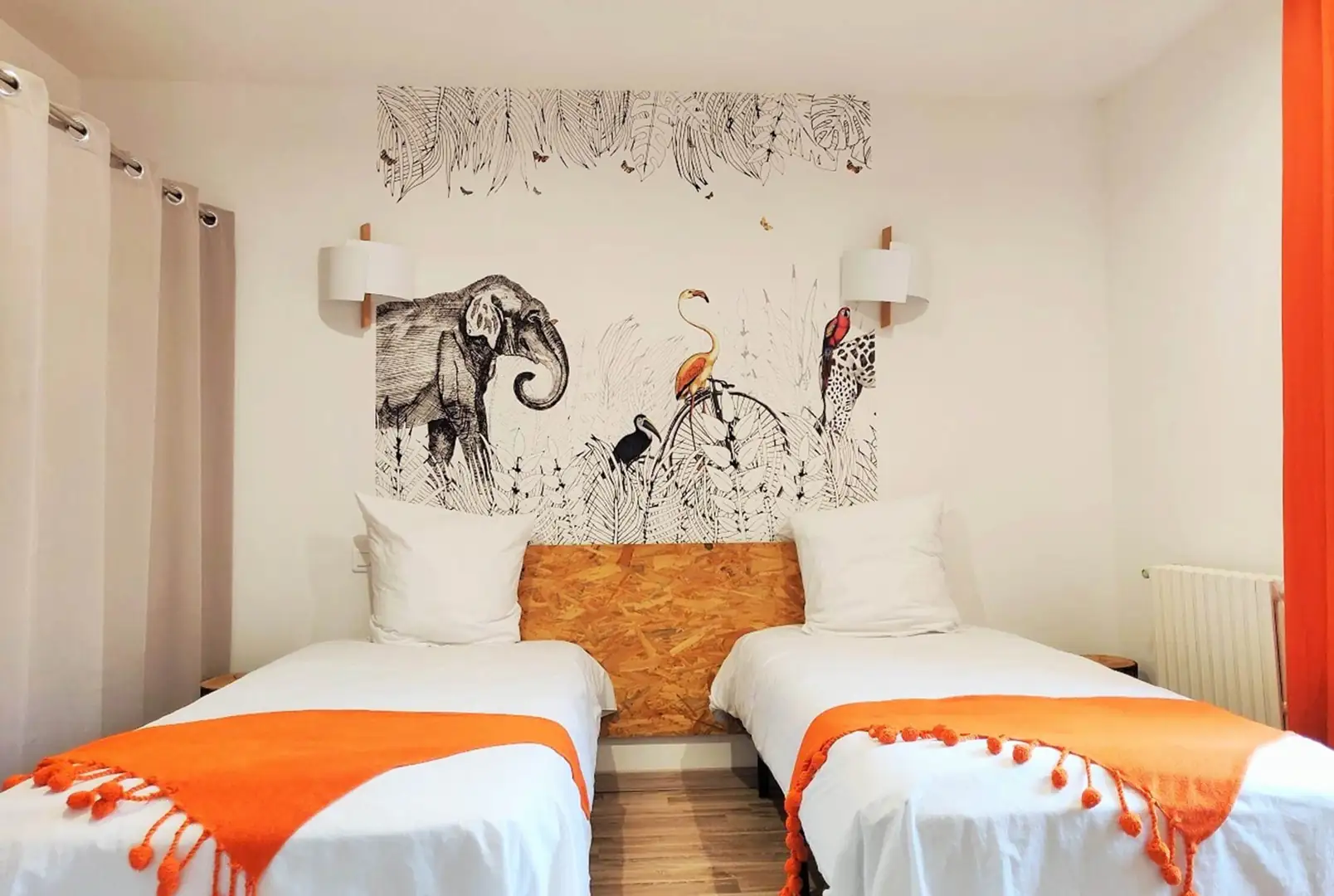
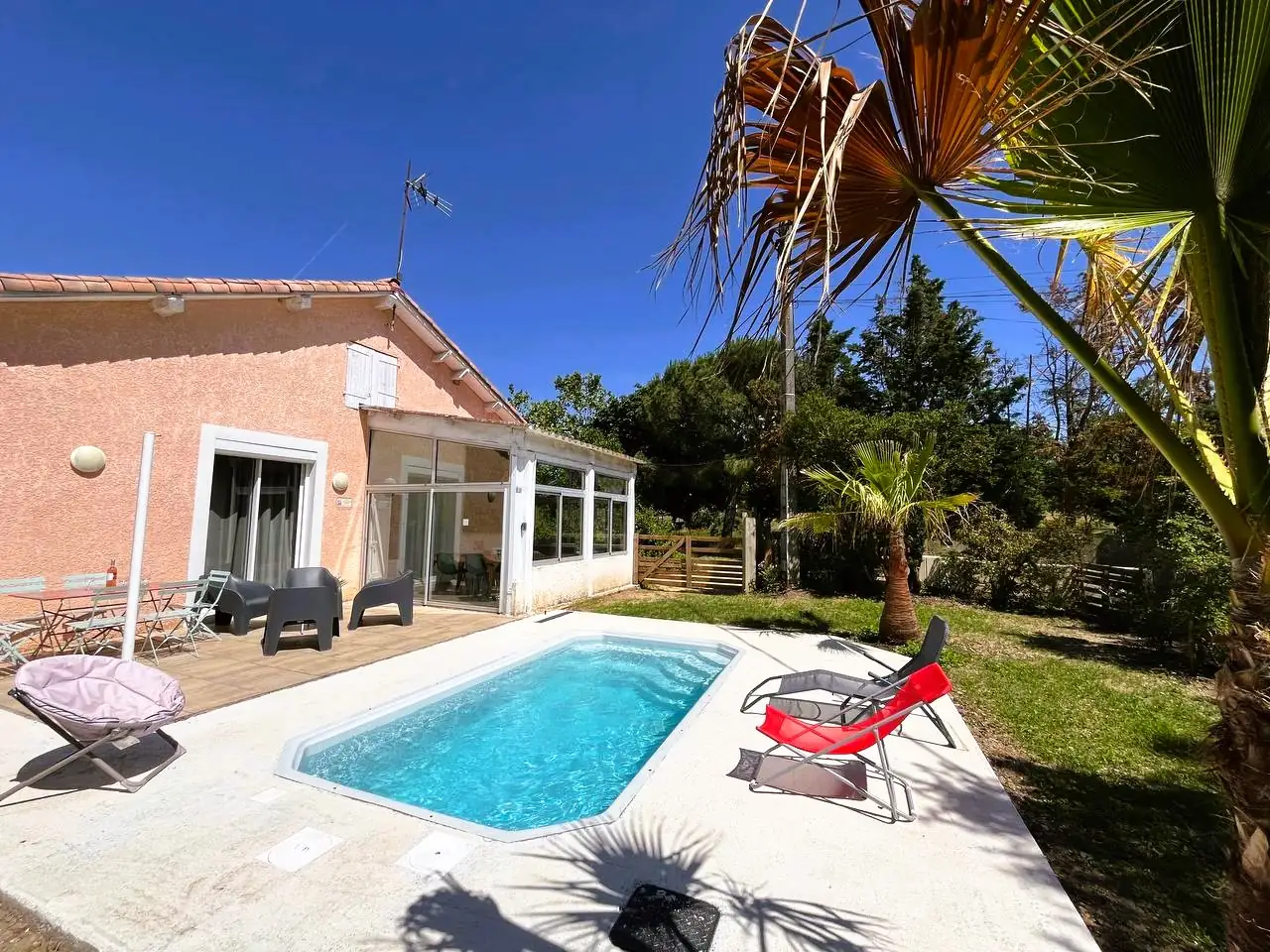
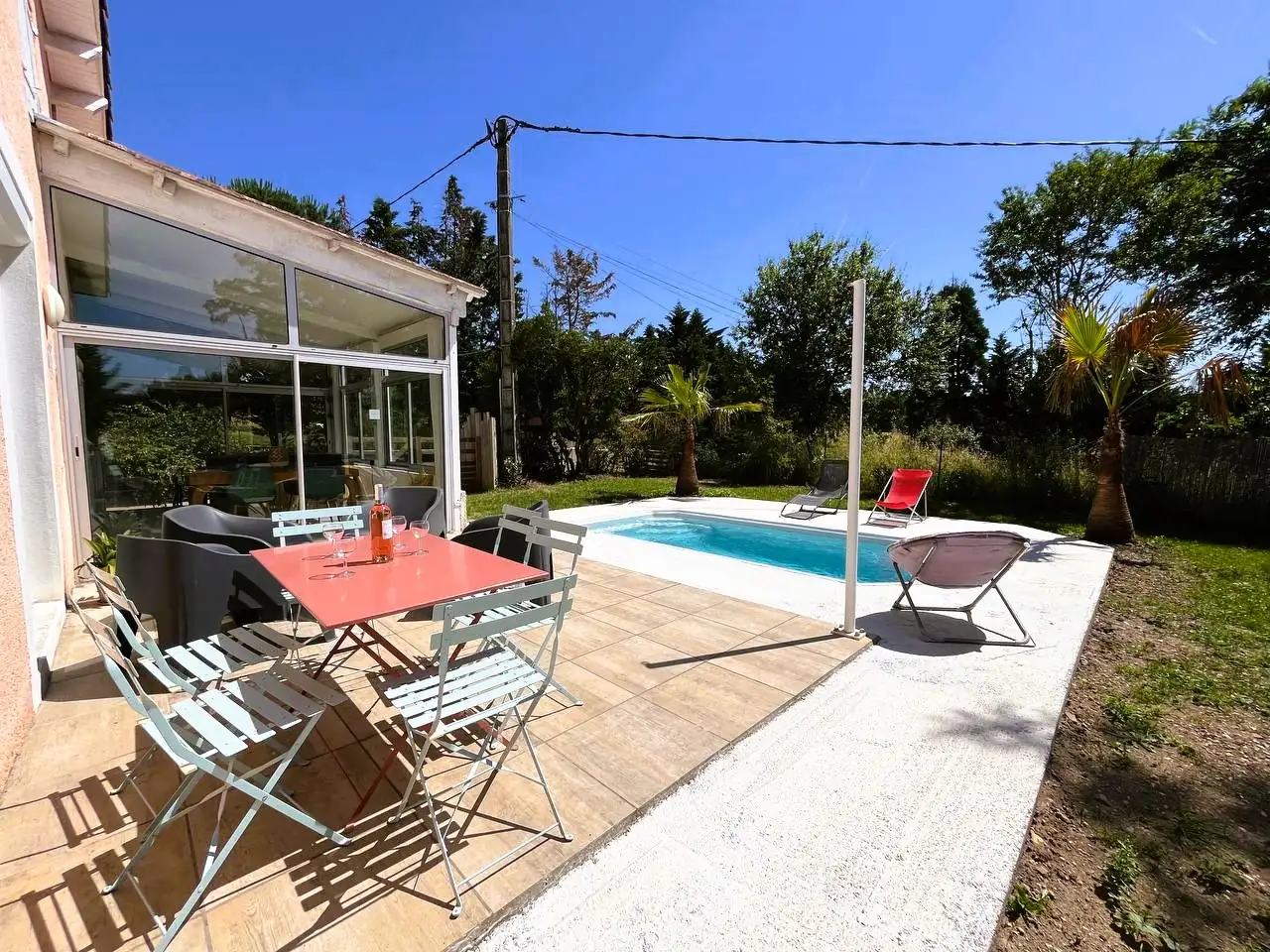
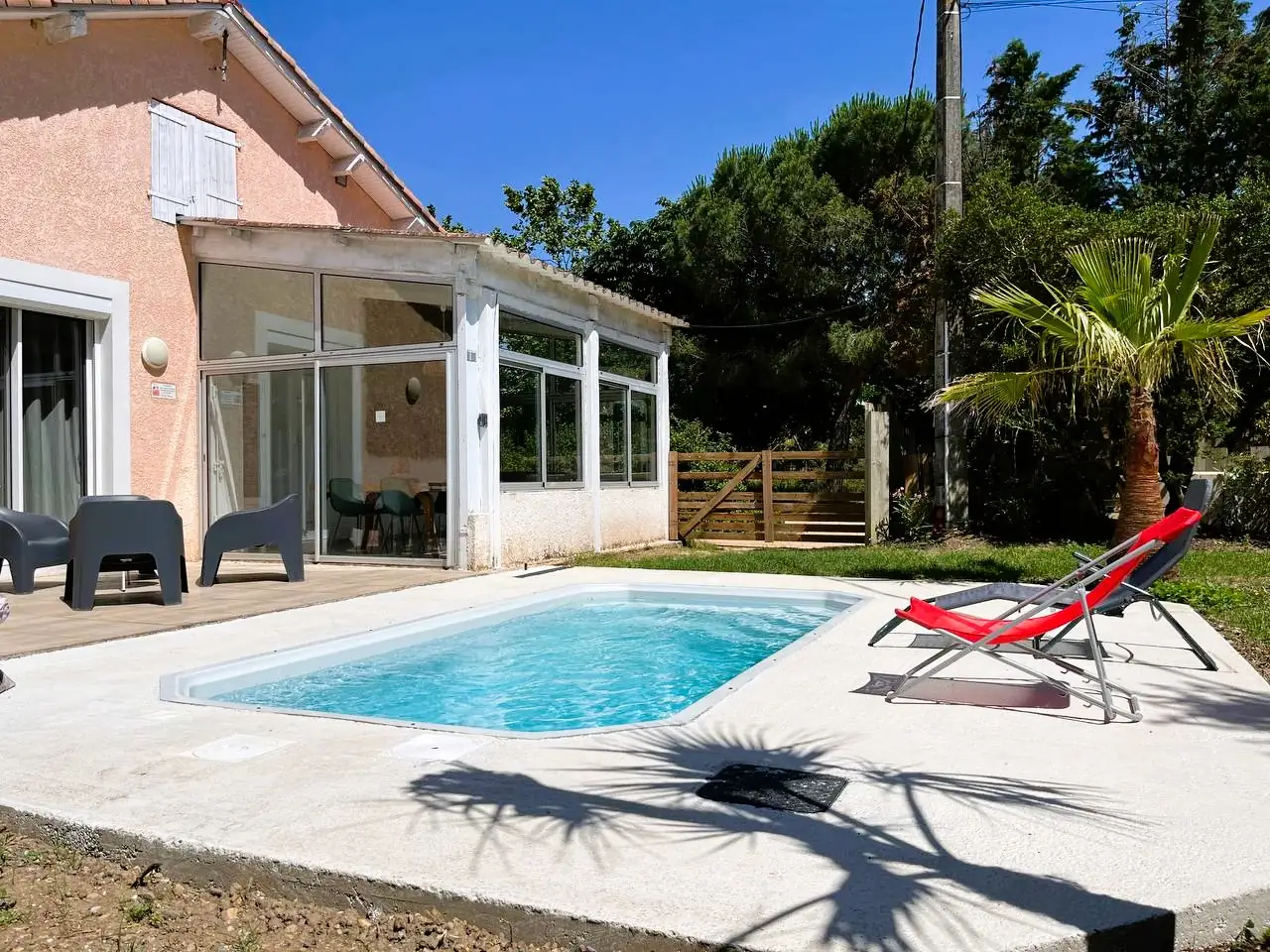
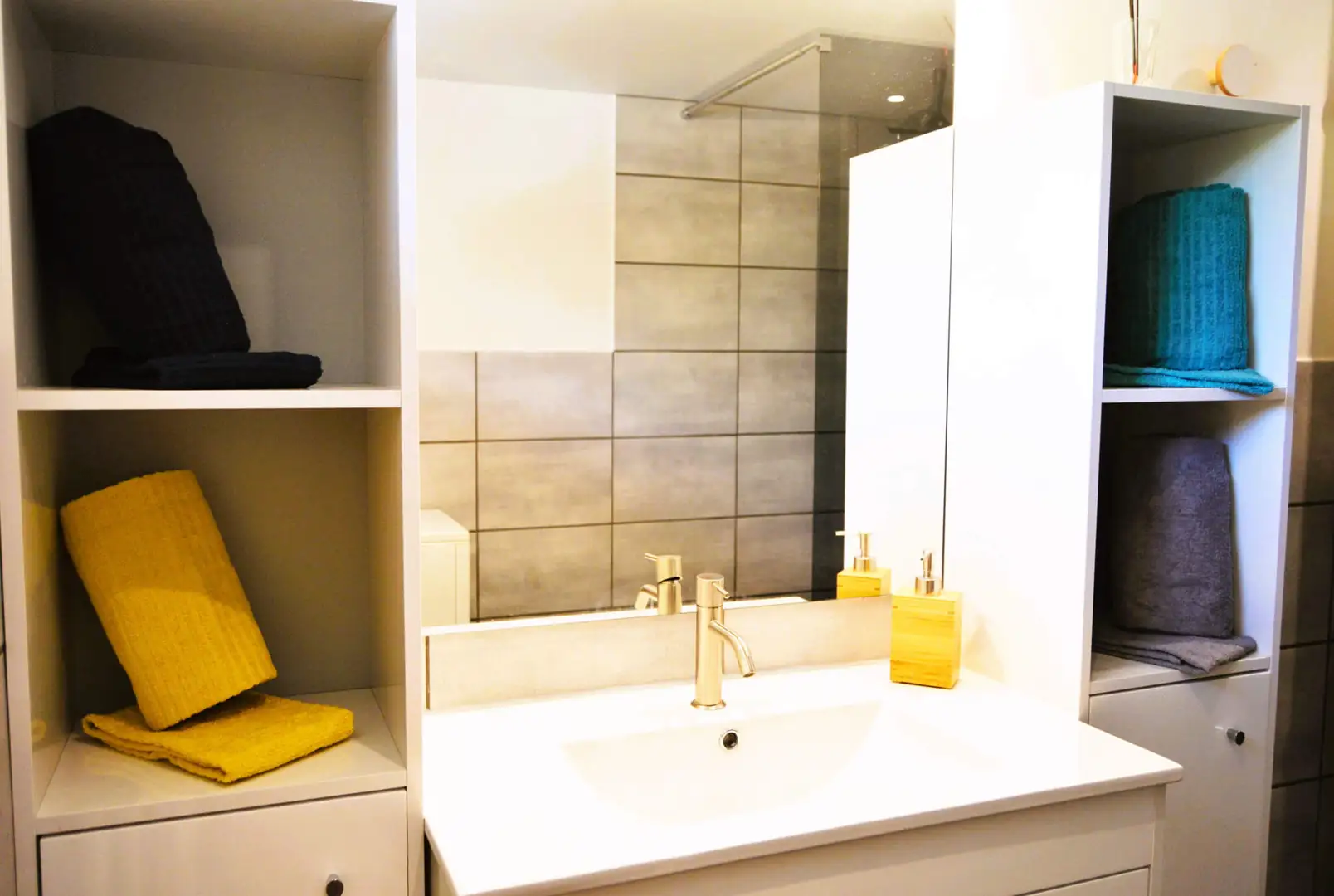
One of the great pleasures of a stay at Les Cottages du Tarn is being able to cook for yourself using local terroir products. Each of our properties is equipped with a fully fitted kitchen — induction hob, oven, dishwasher, espresso machine, complete cookware — so you can prepare your meals in the best possible conditions.
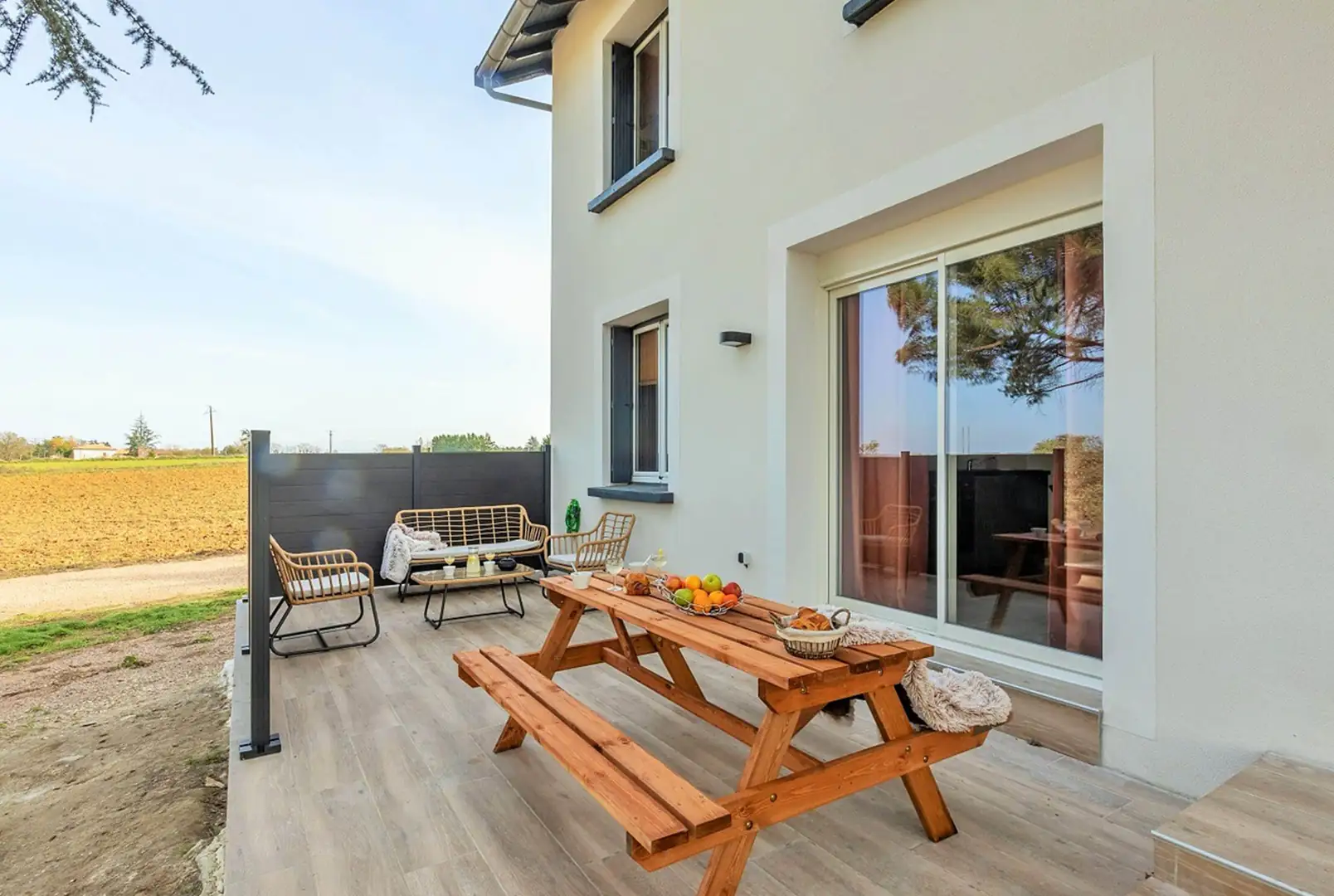
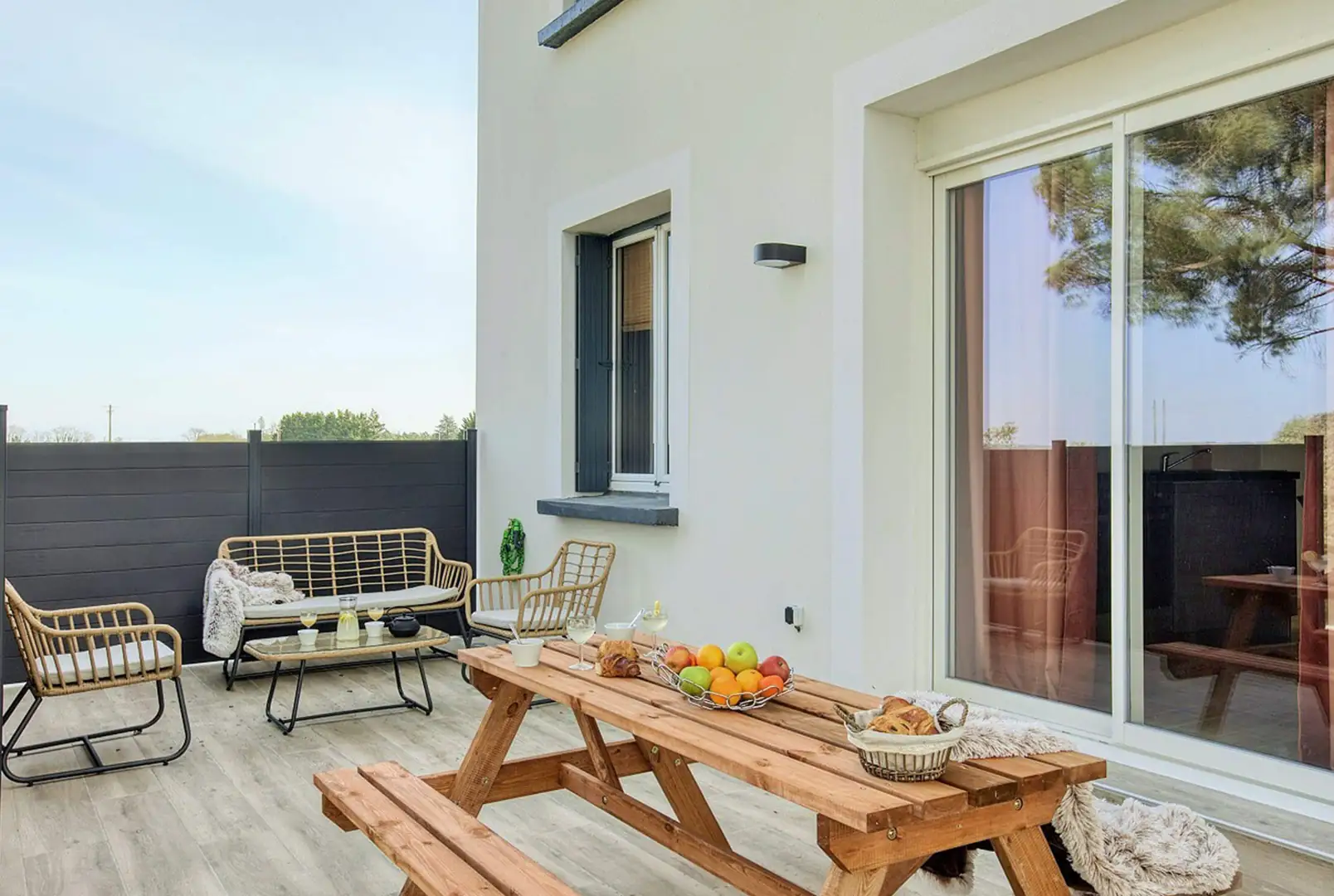
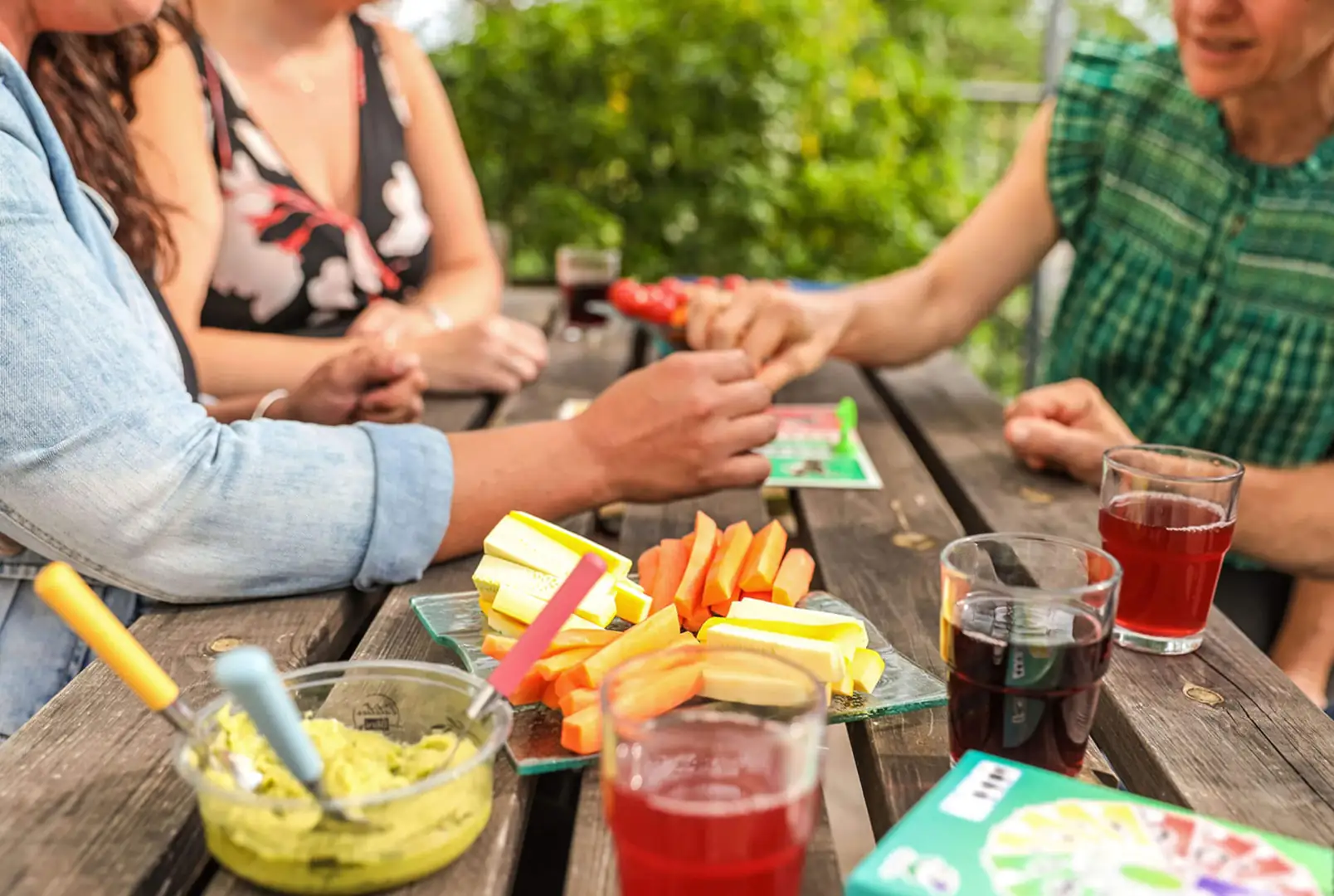
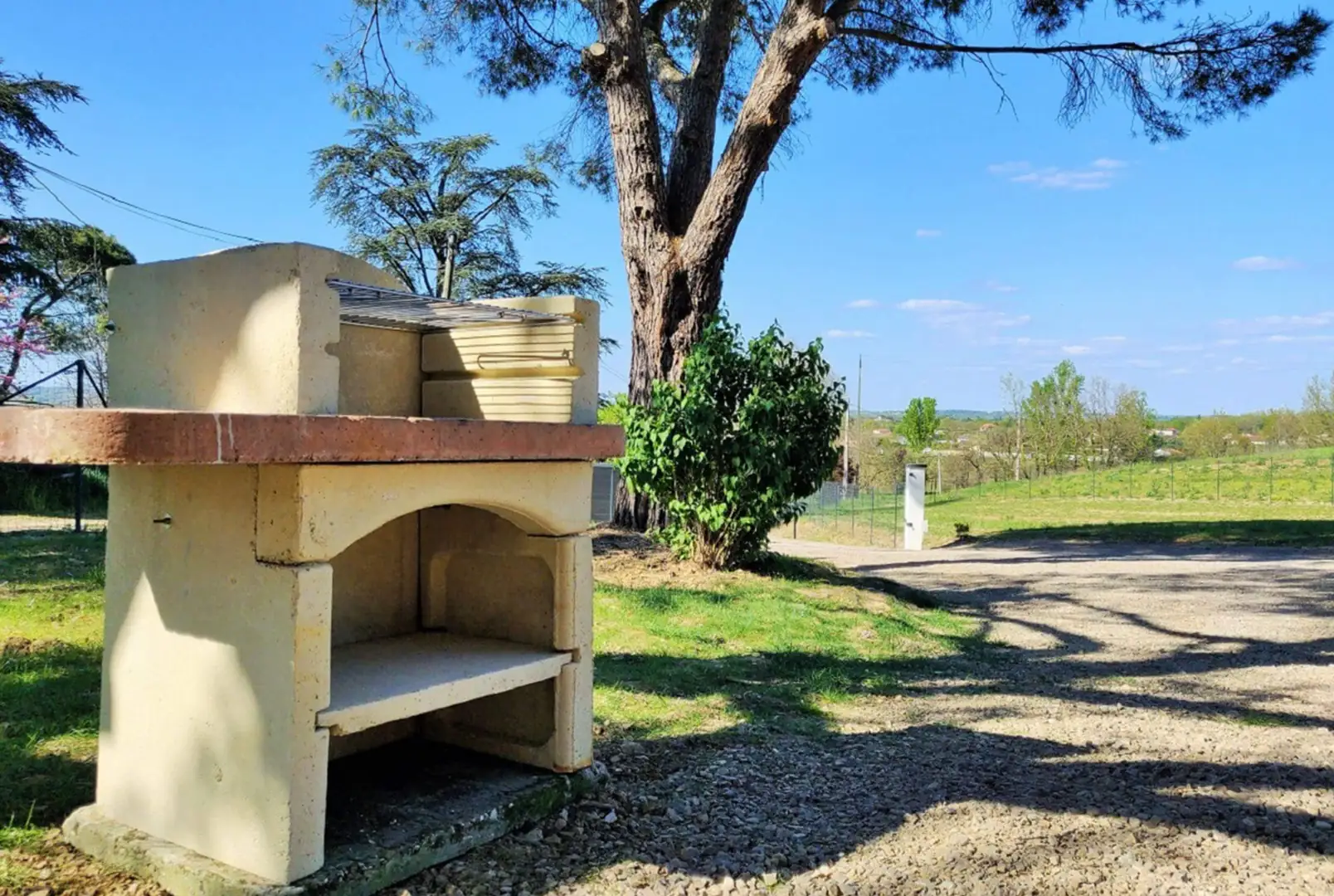
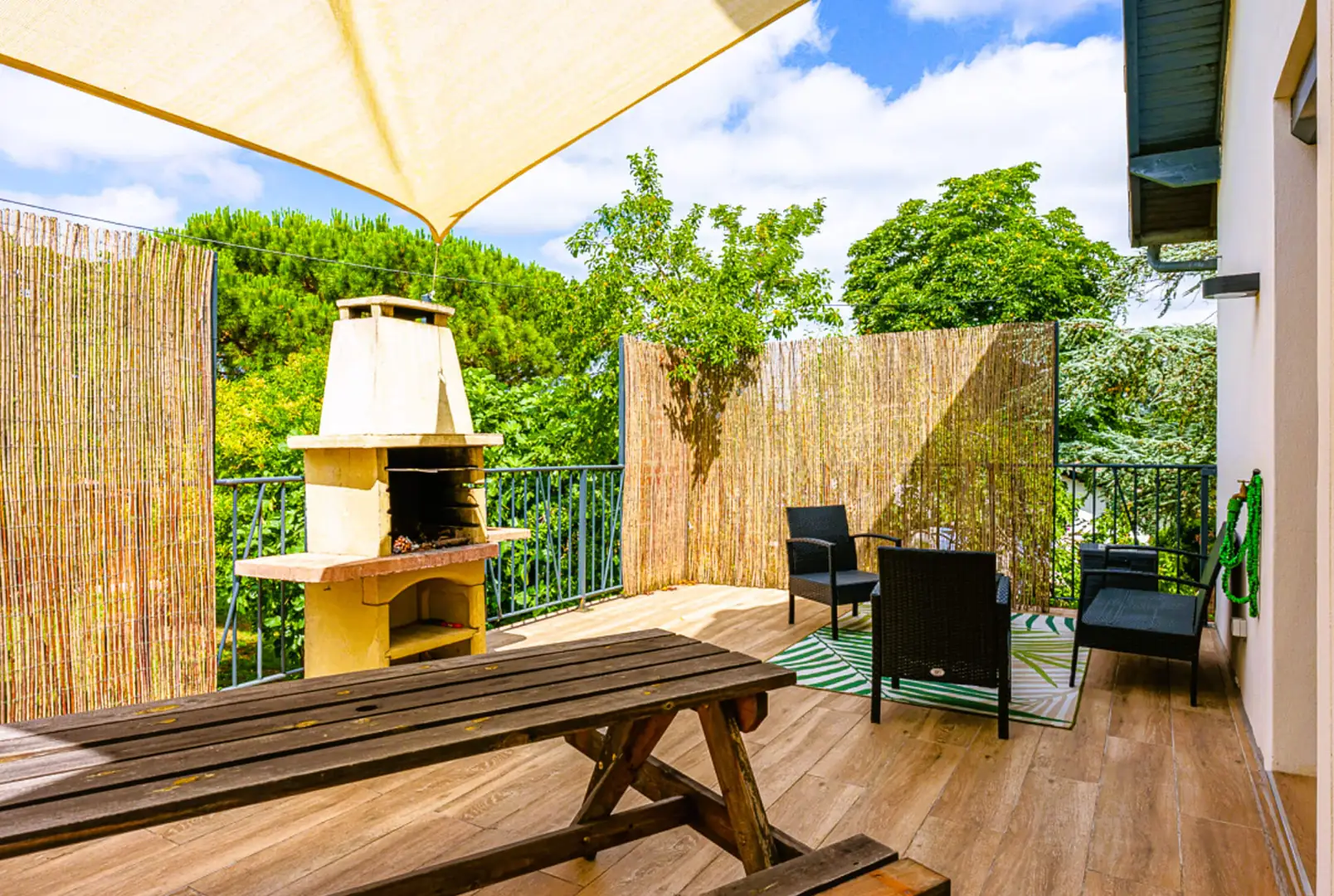
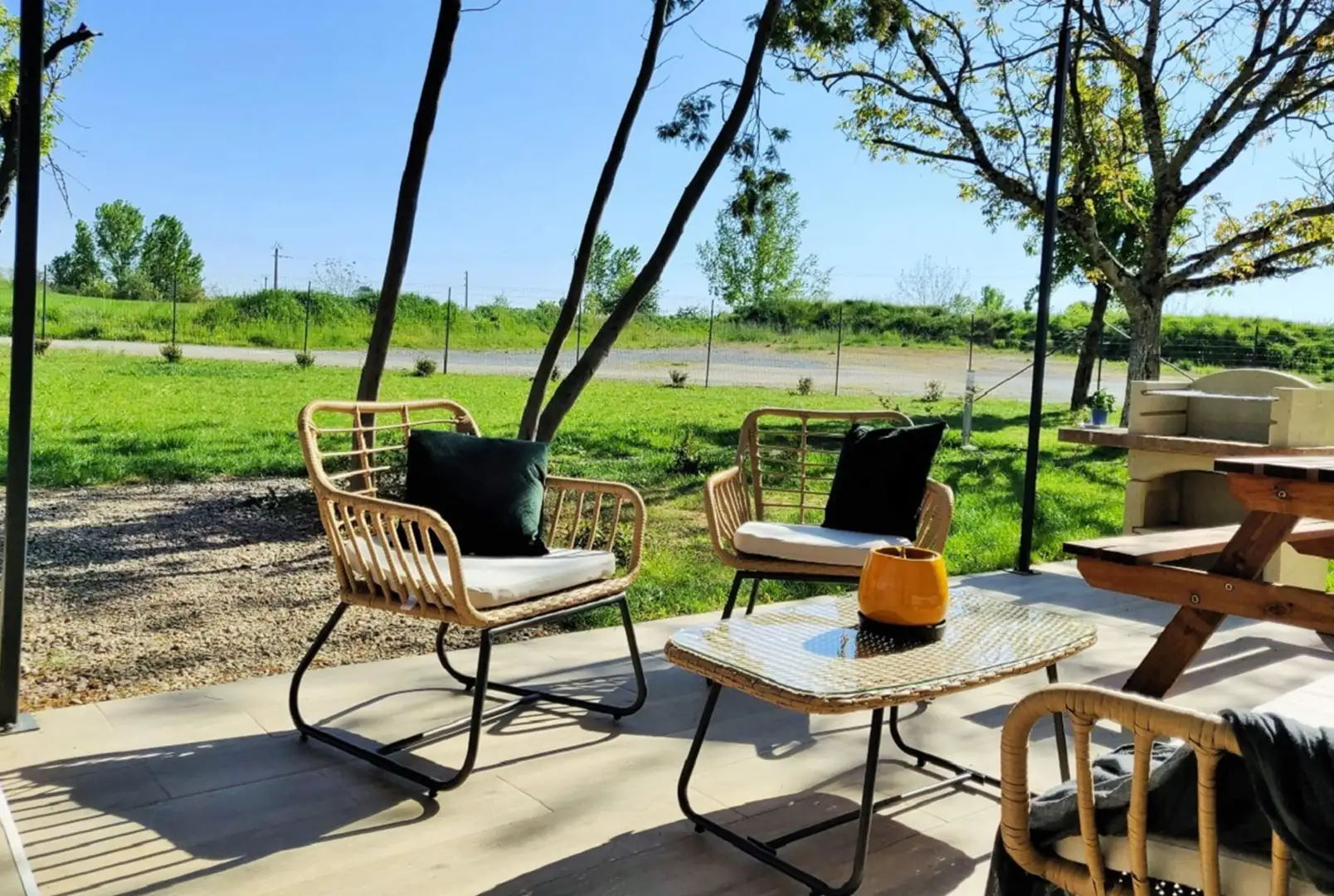
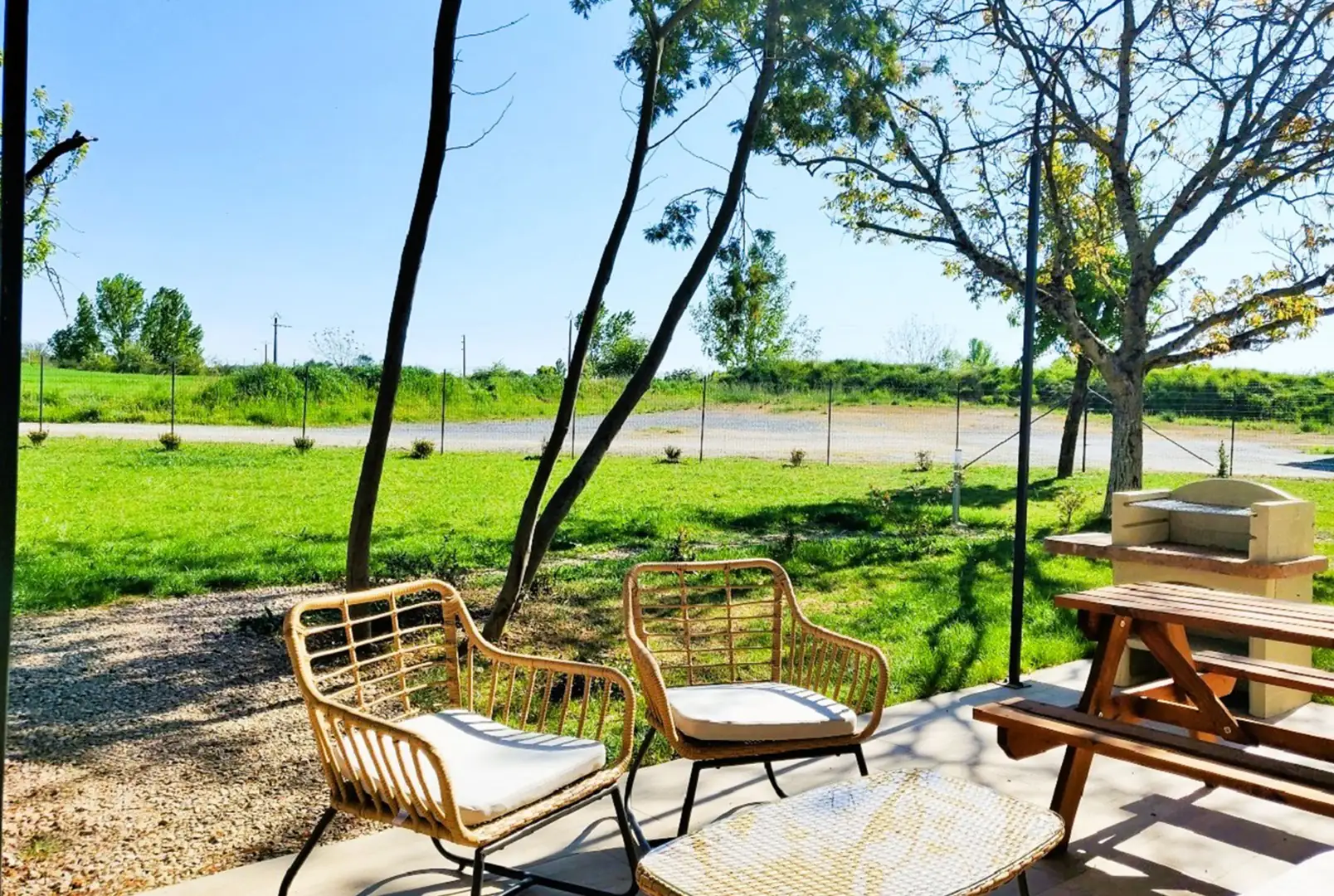
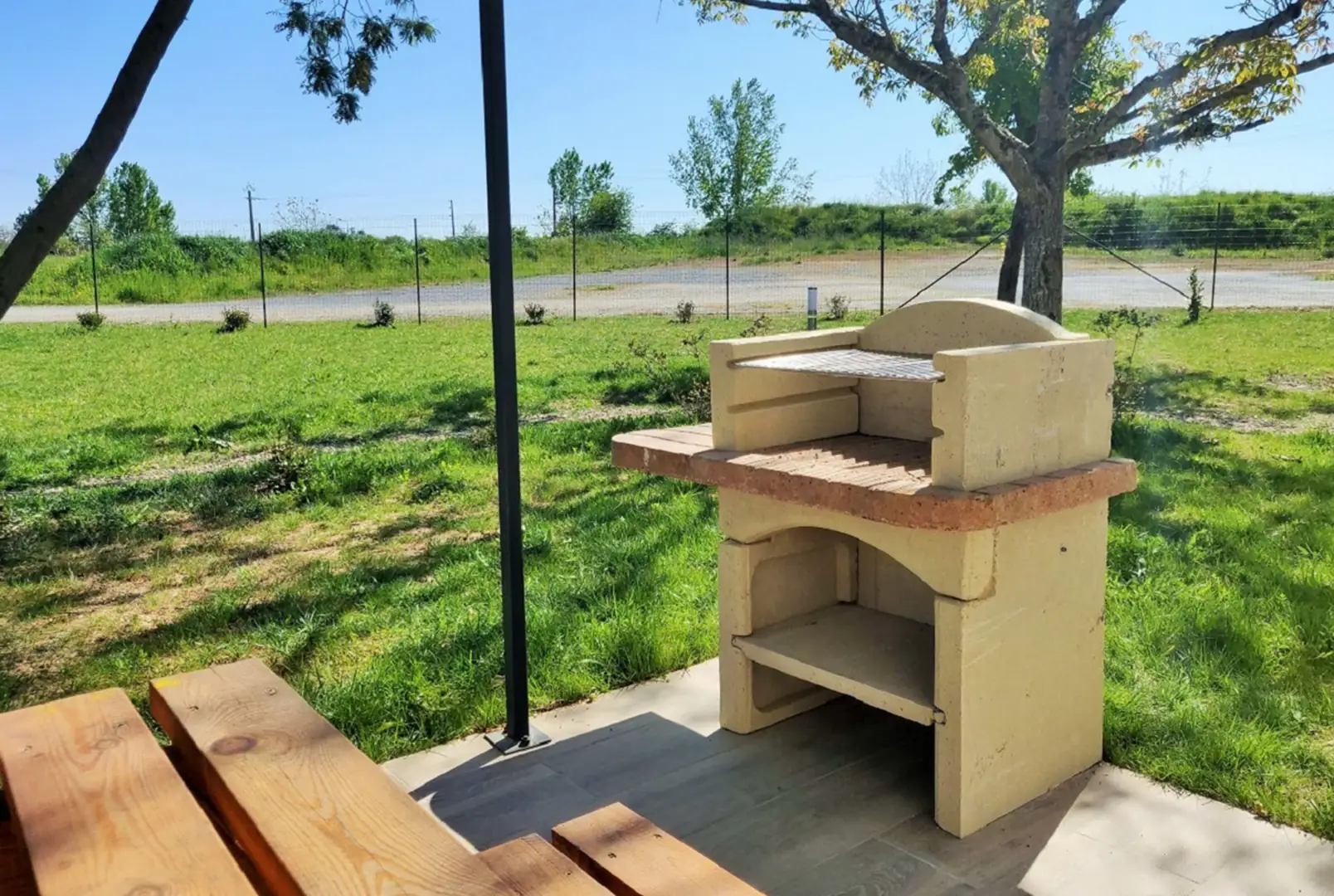
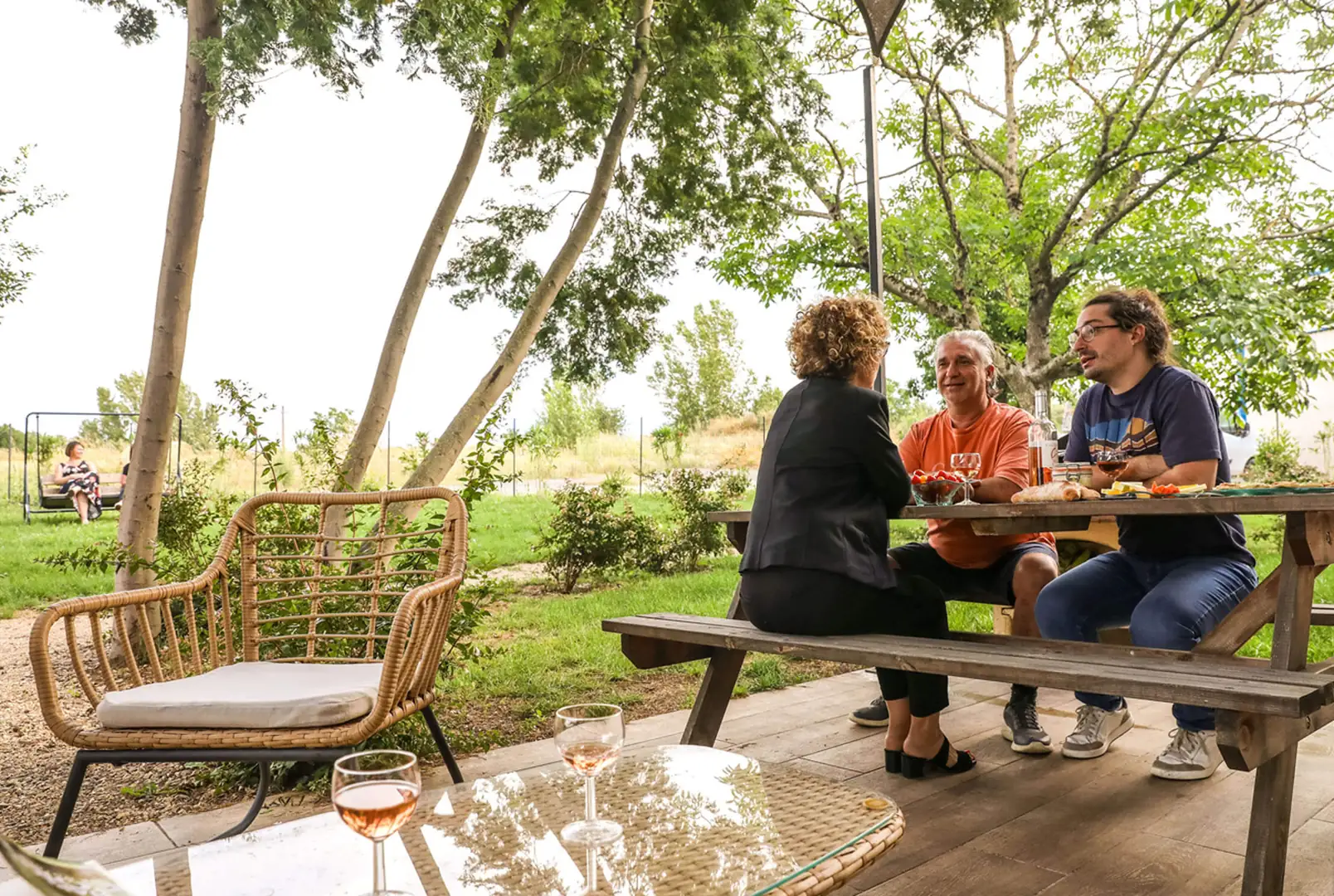
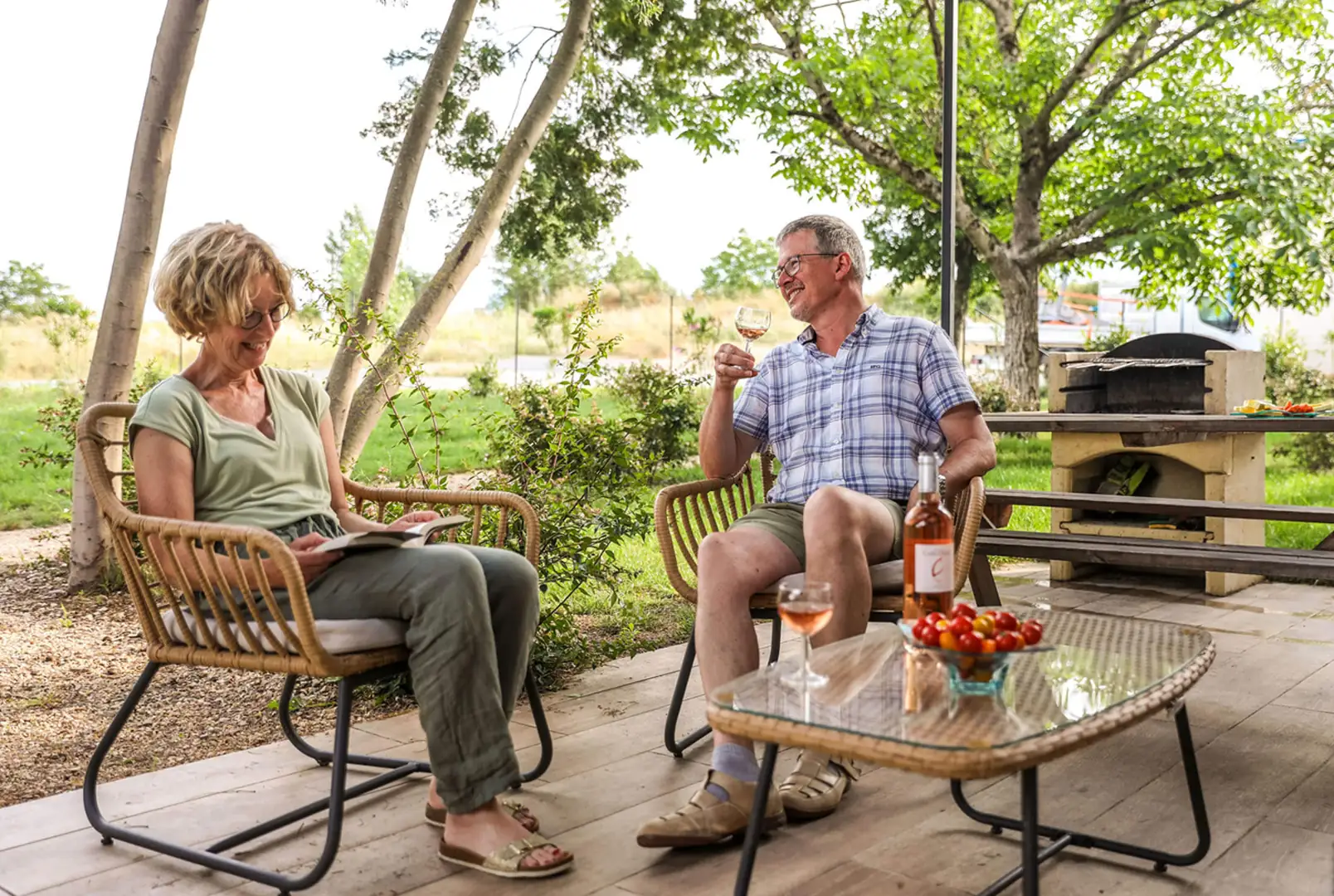
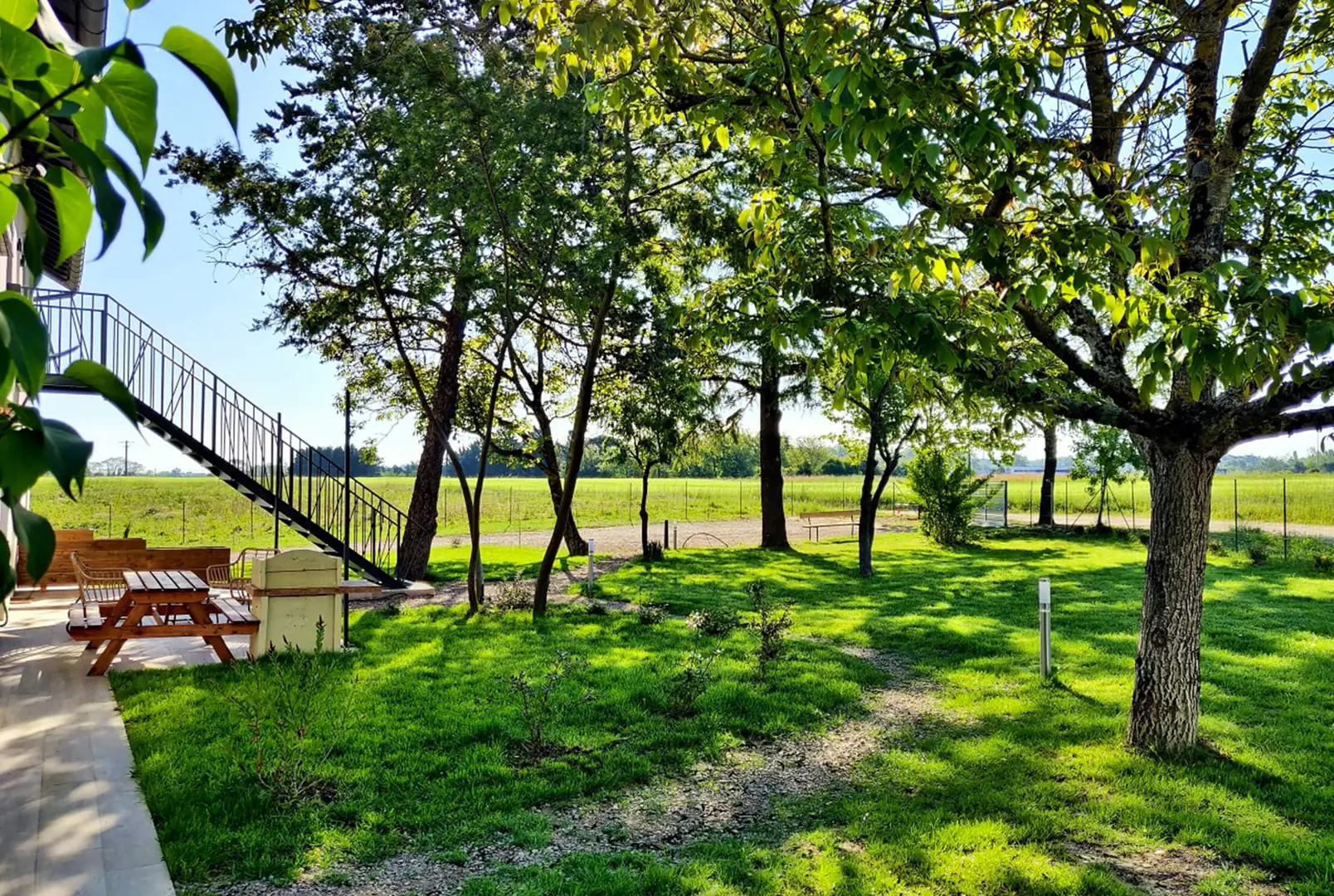
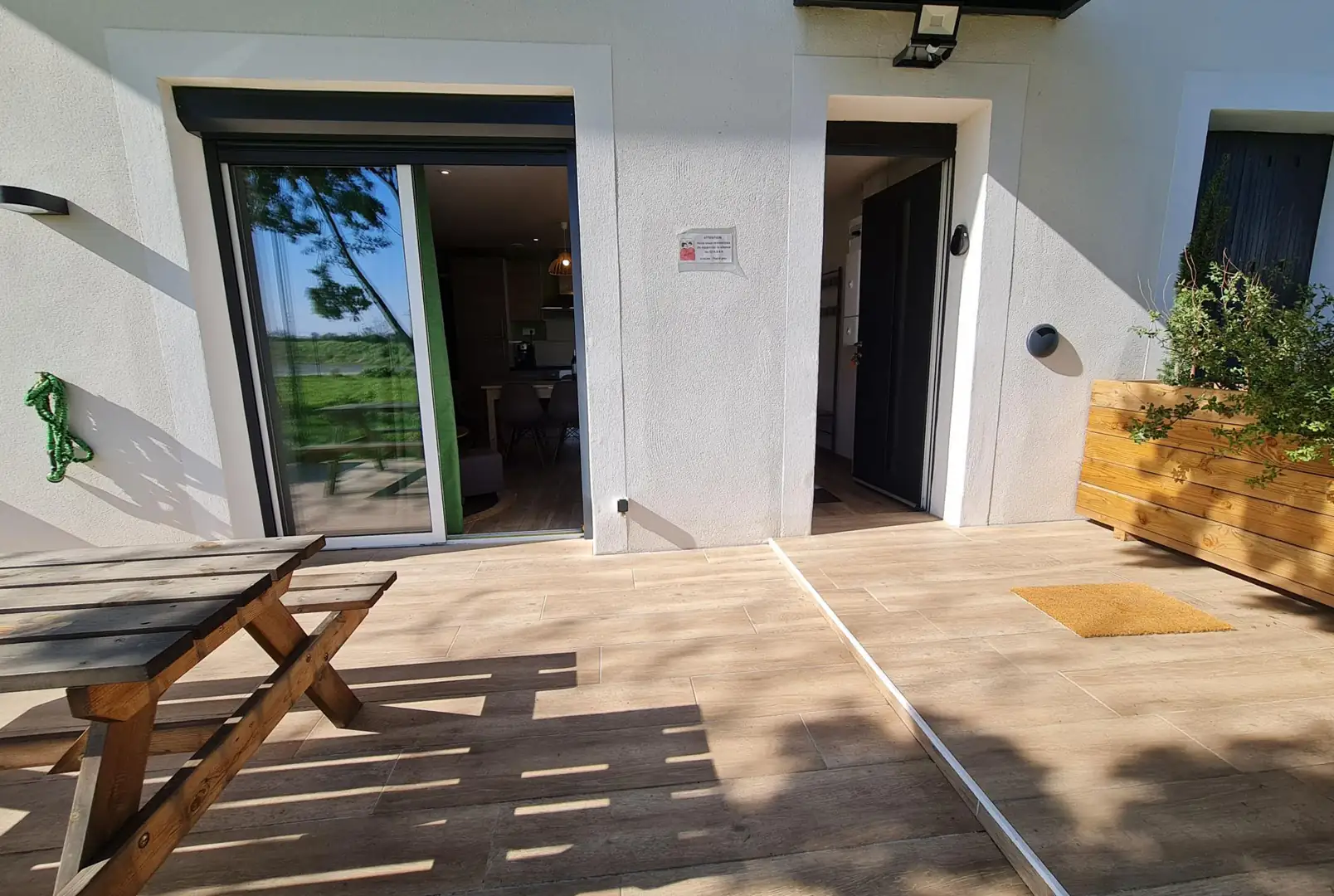
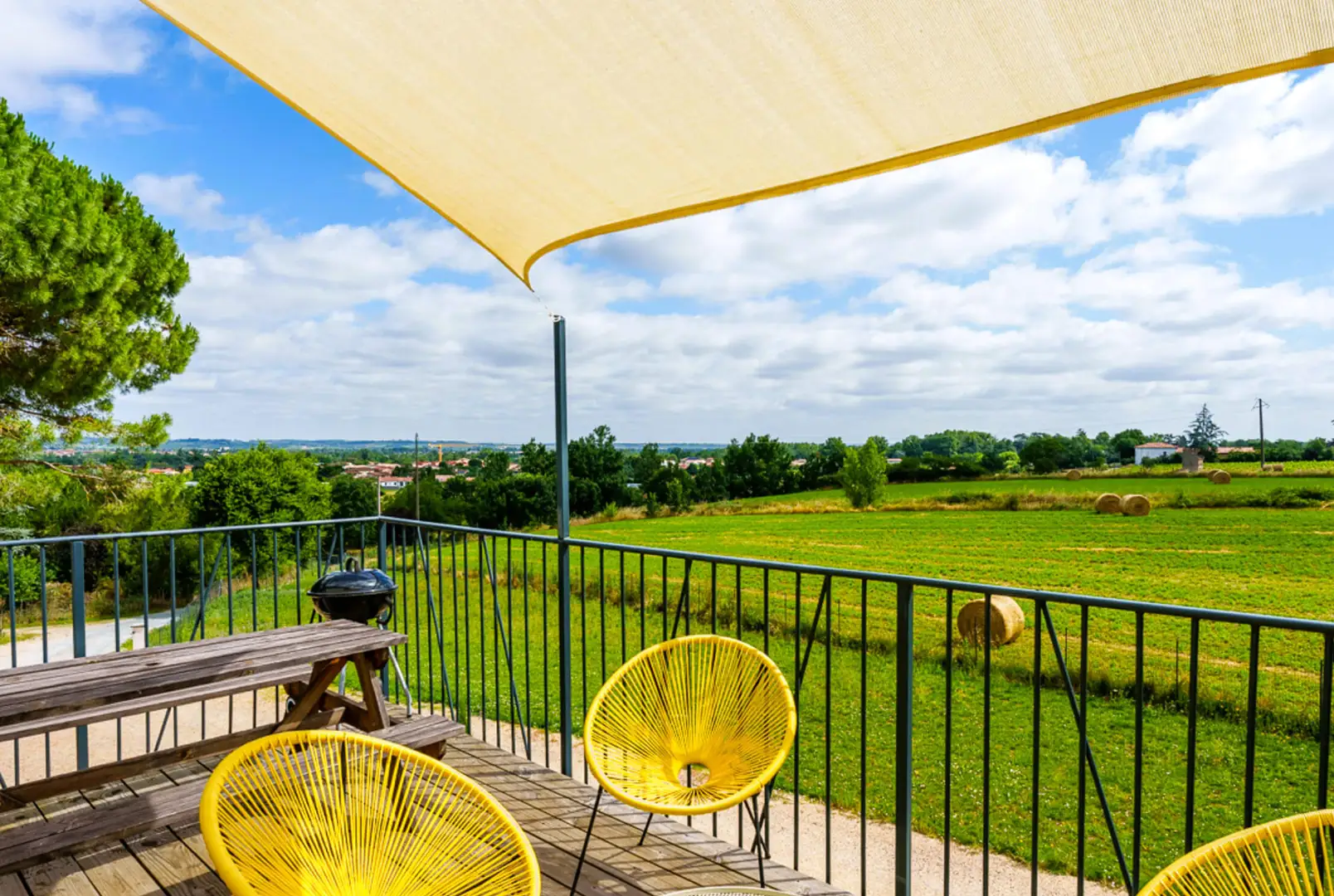
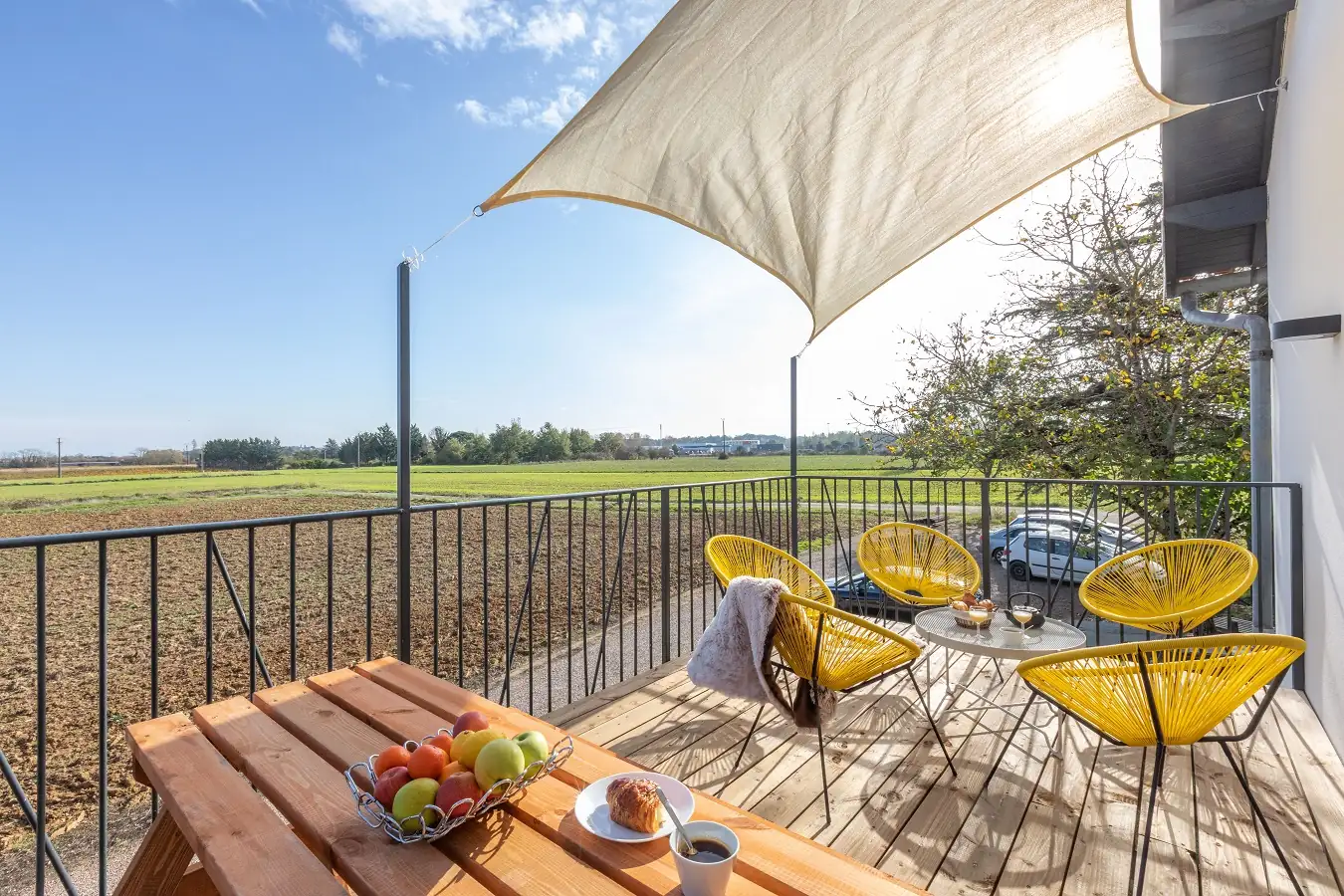
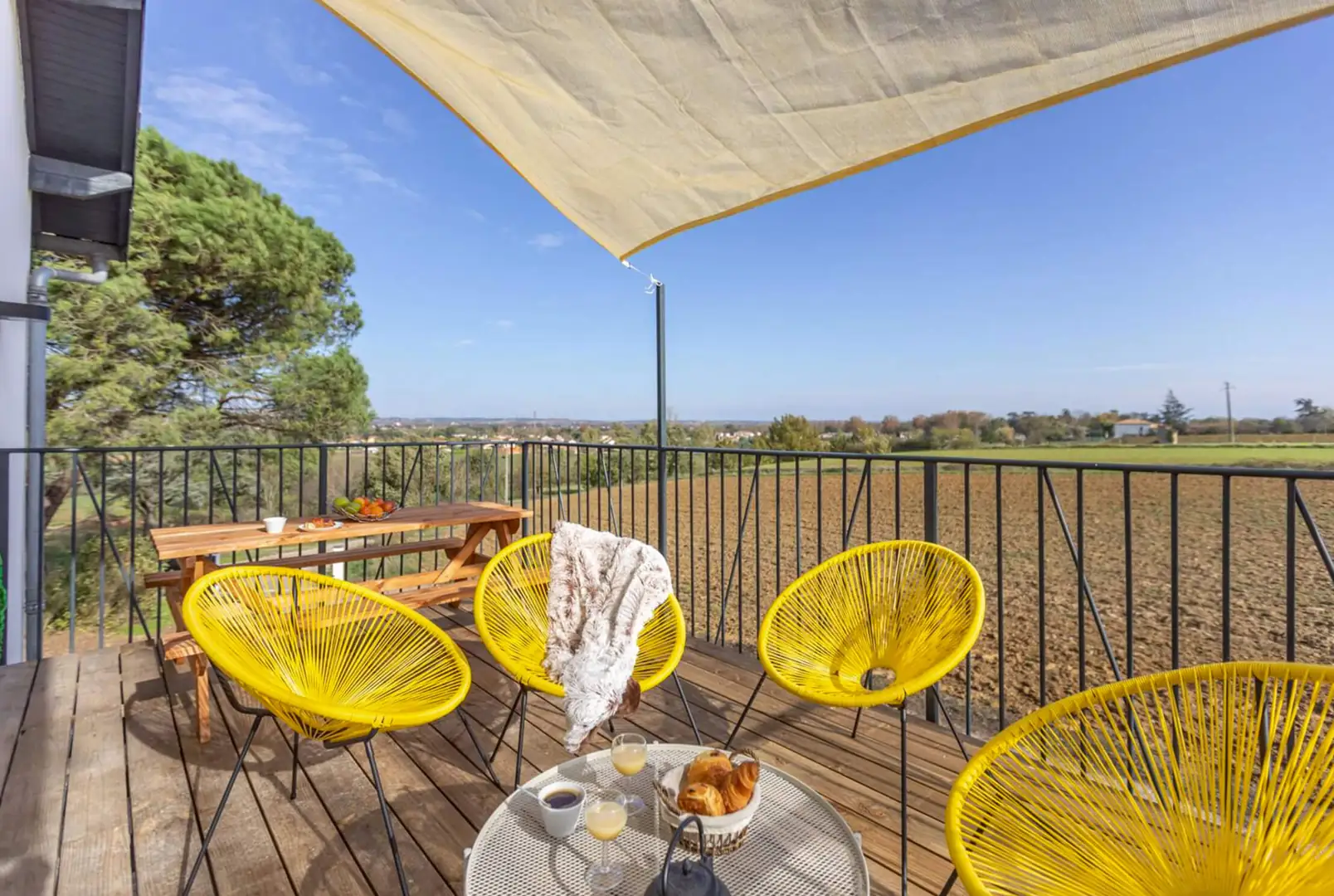
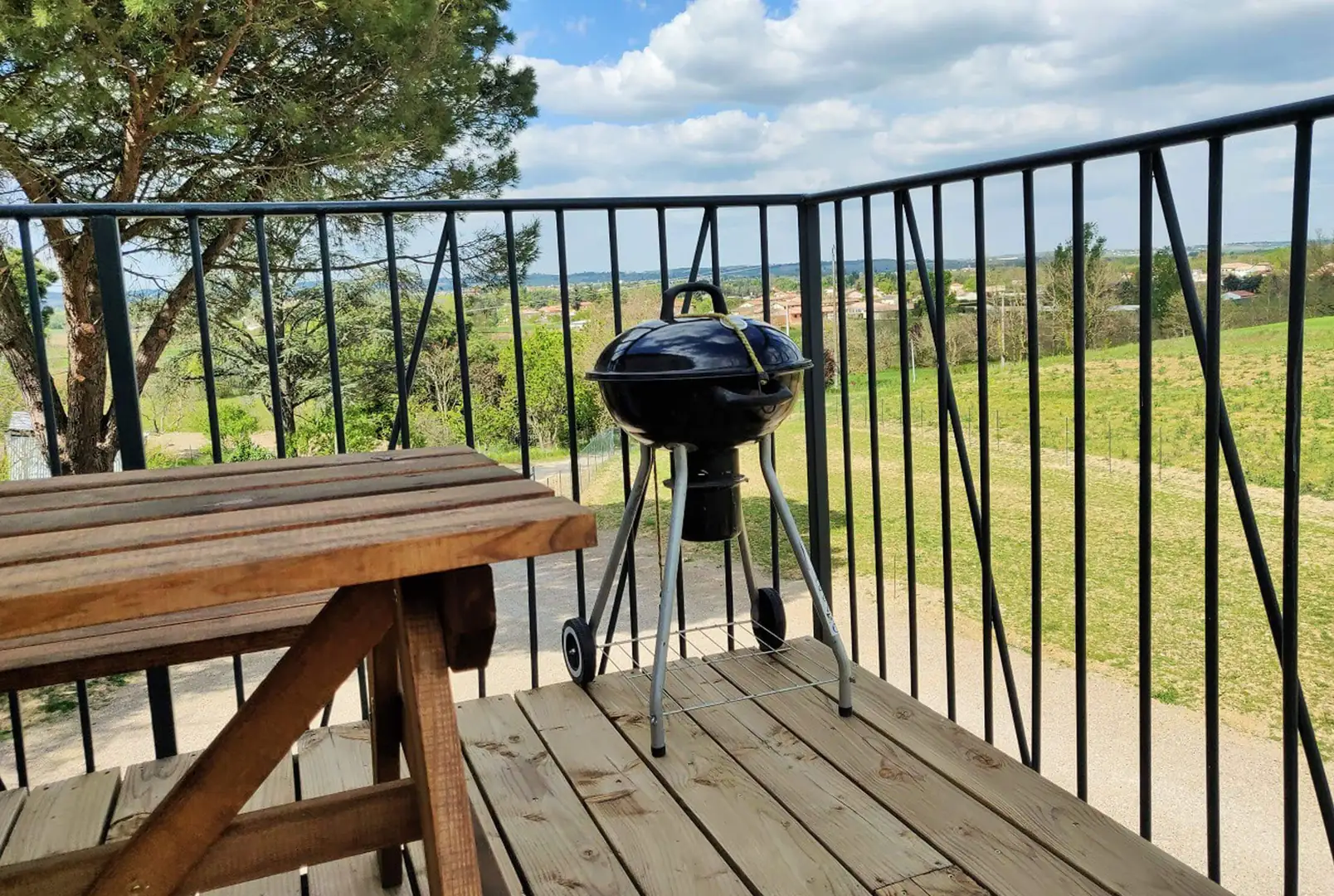
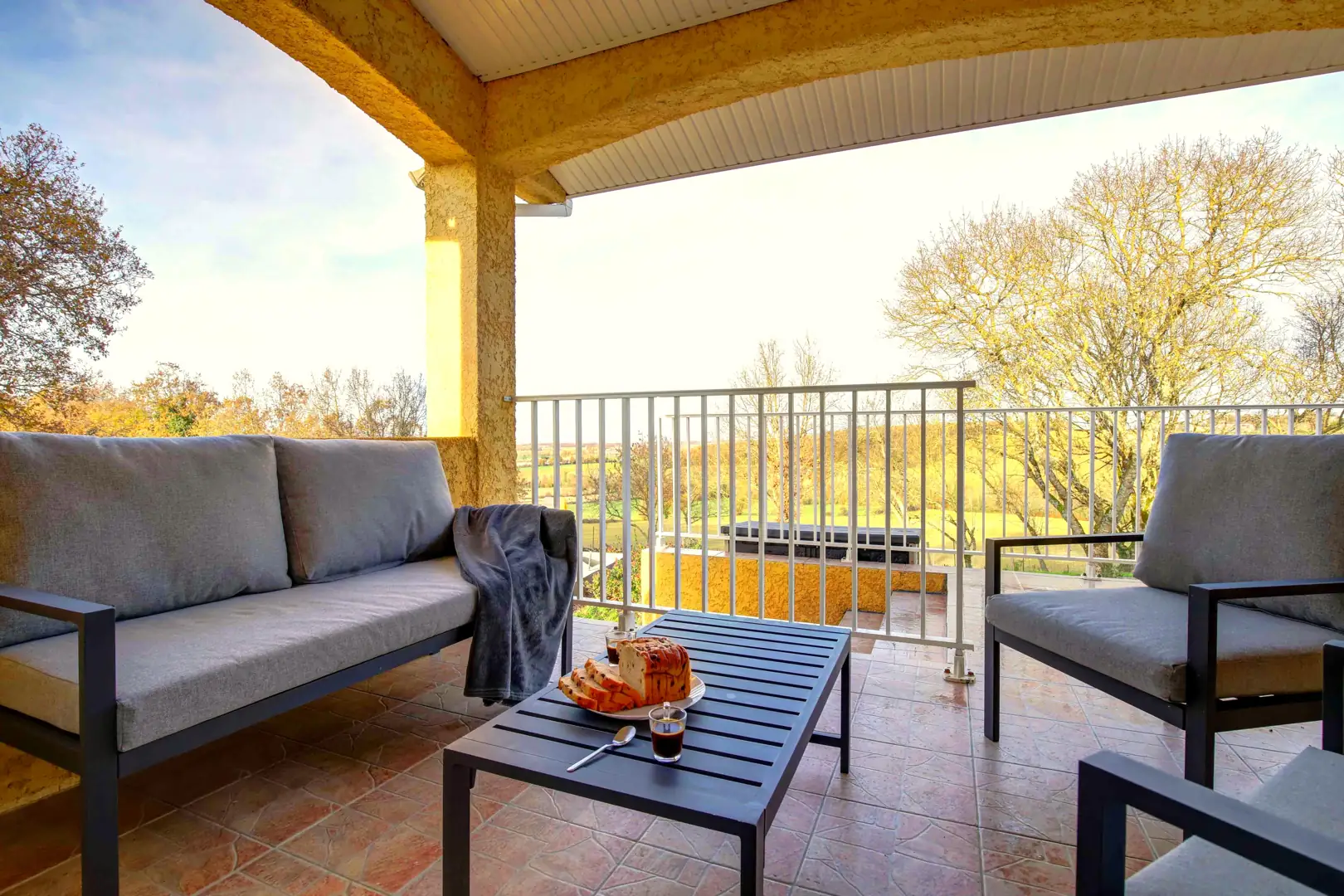
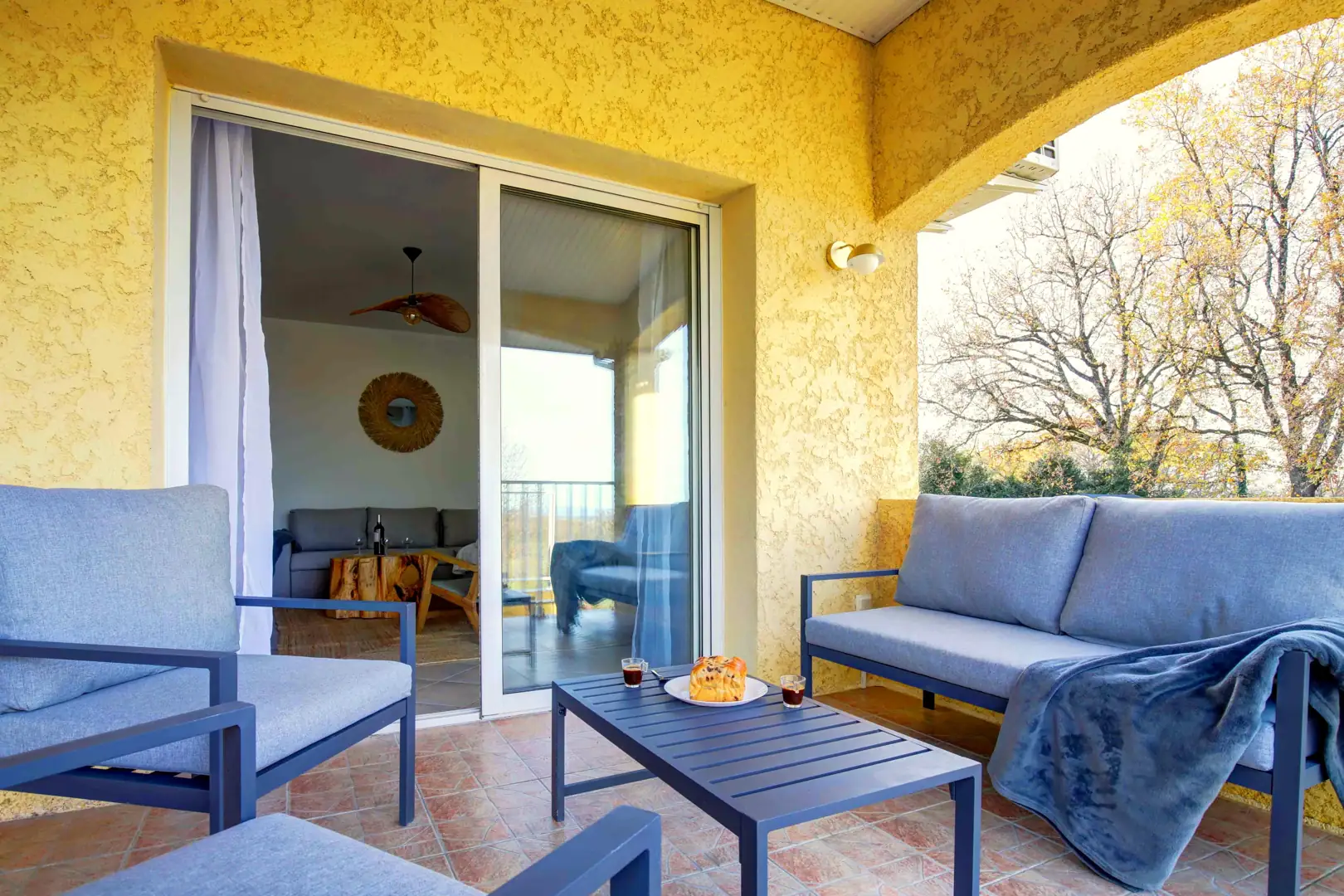
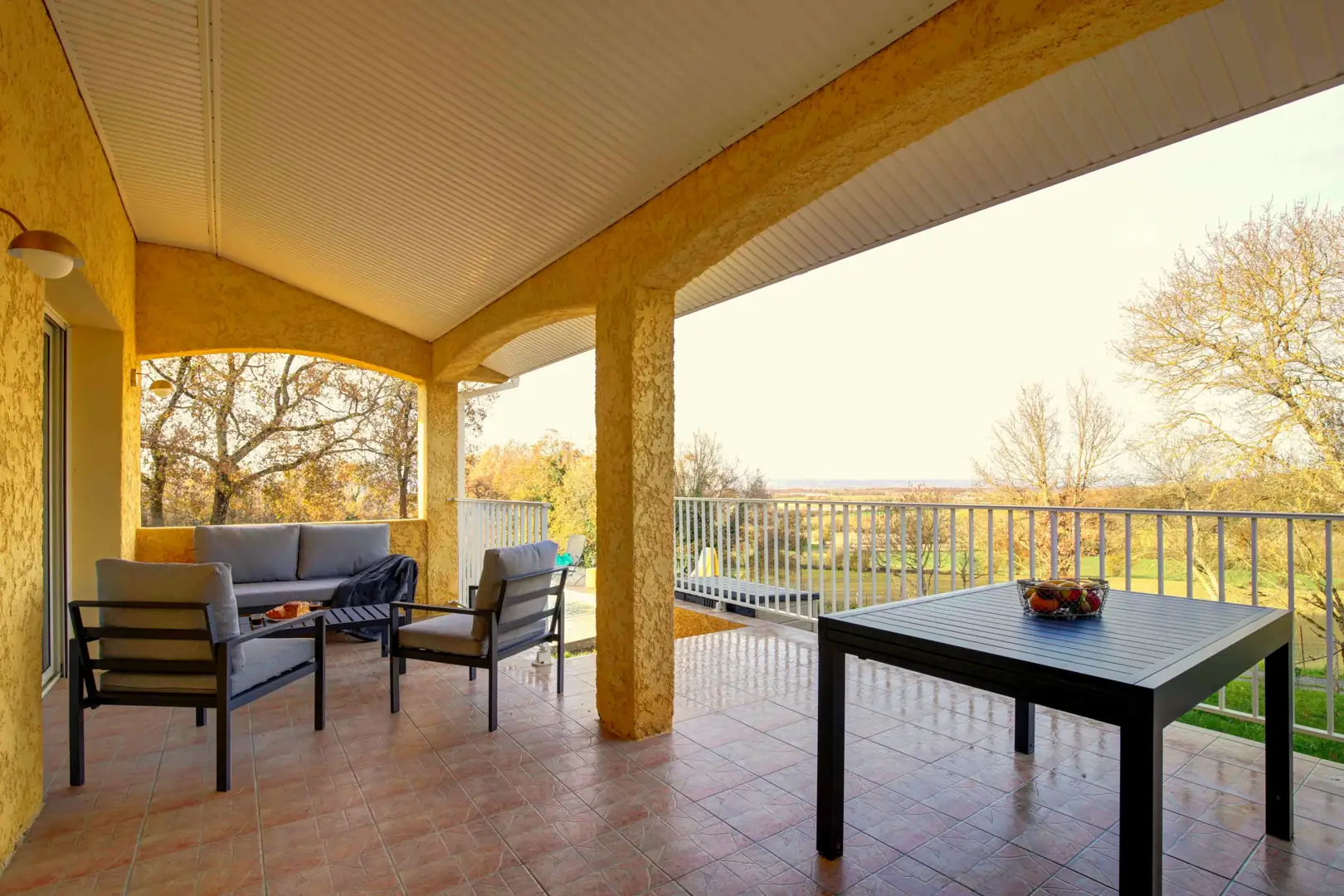
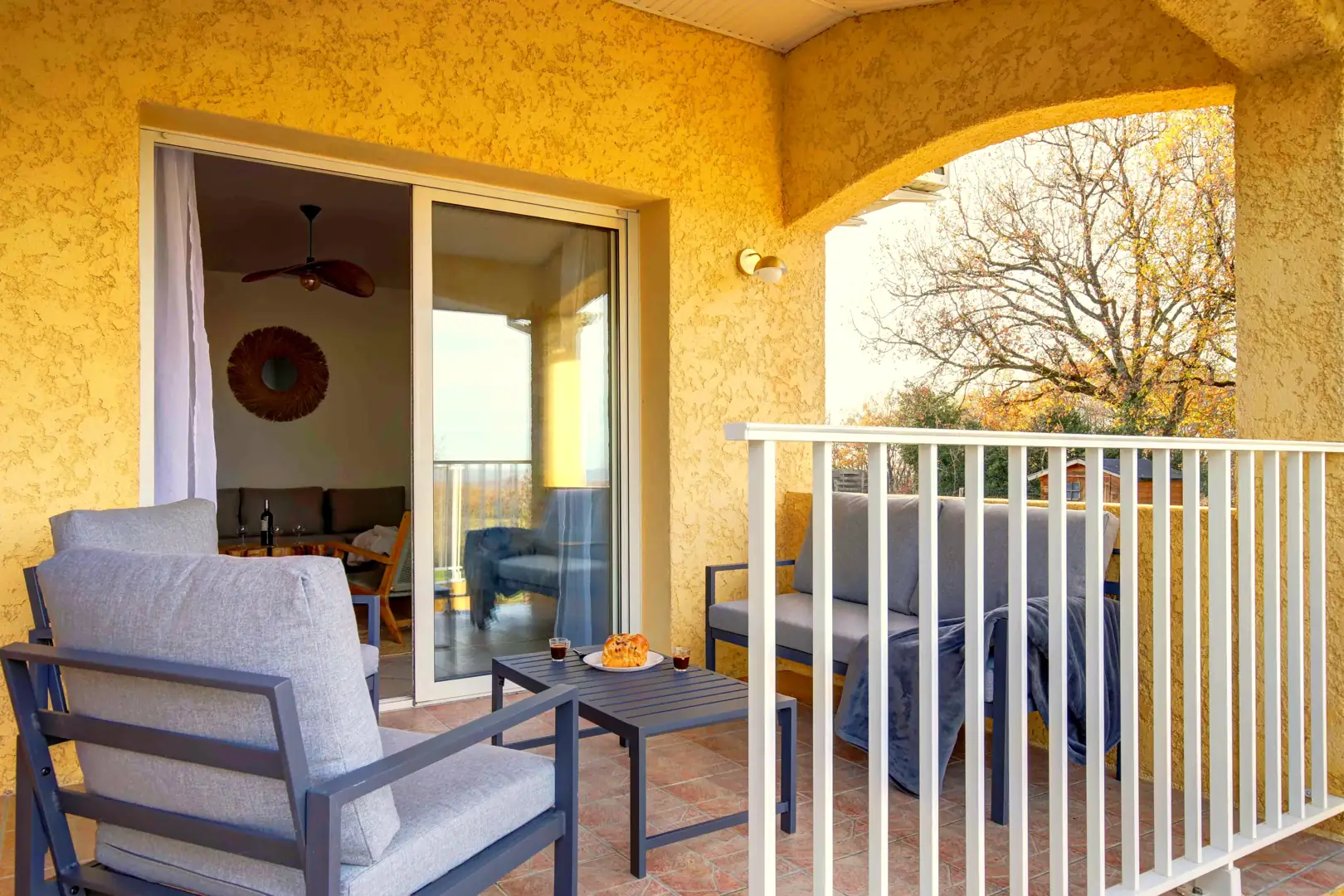
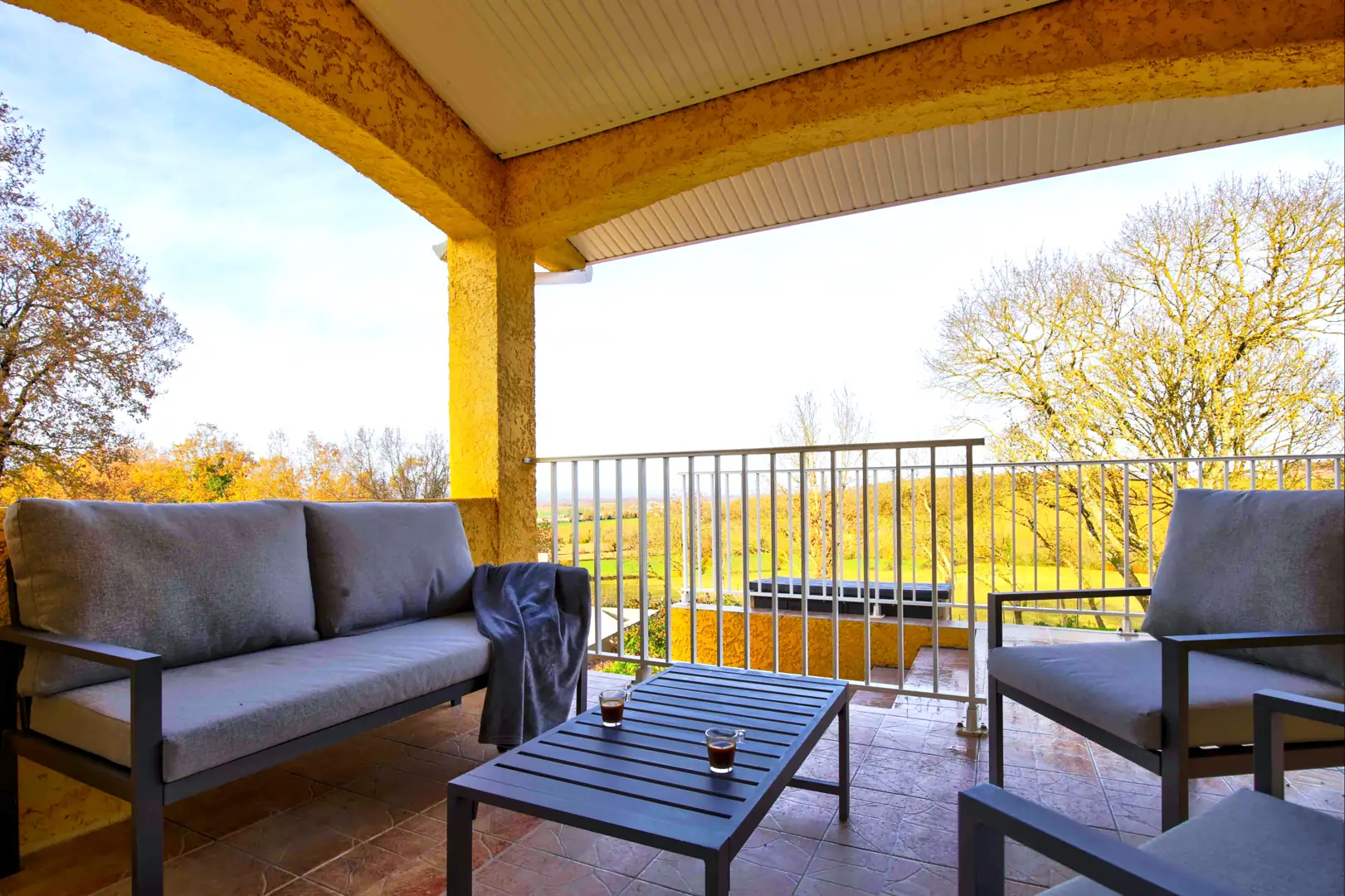
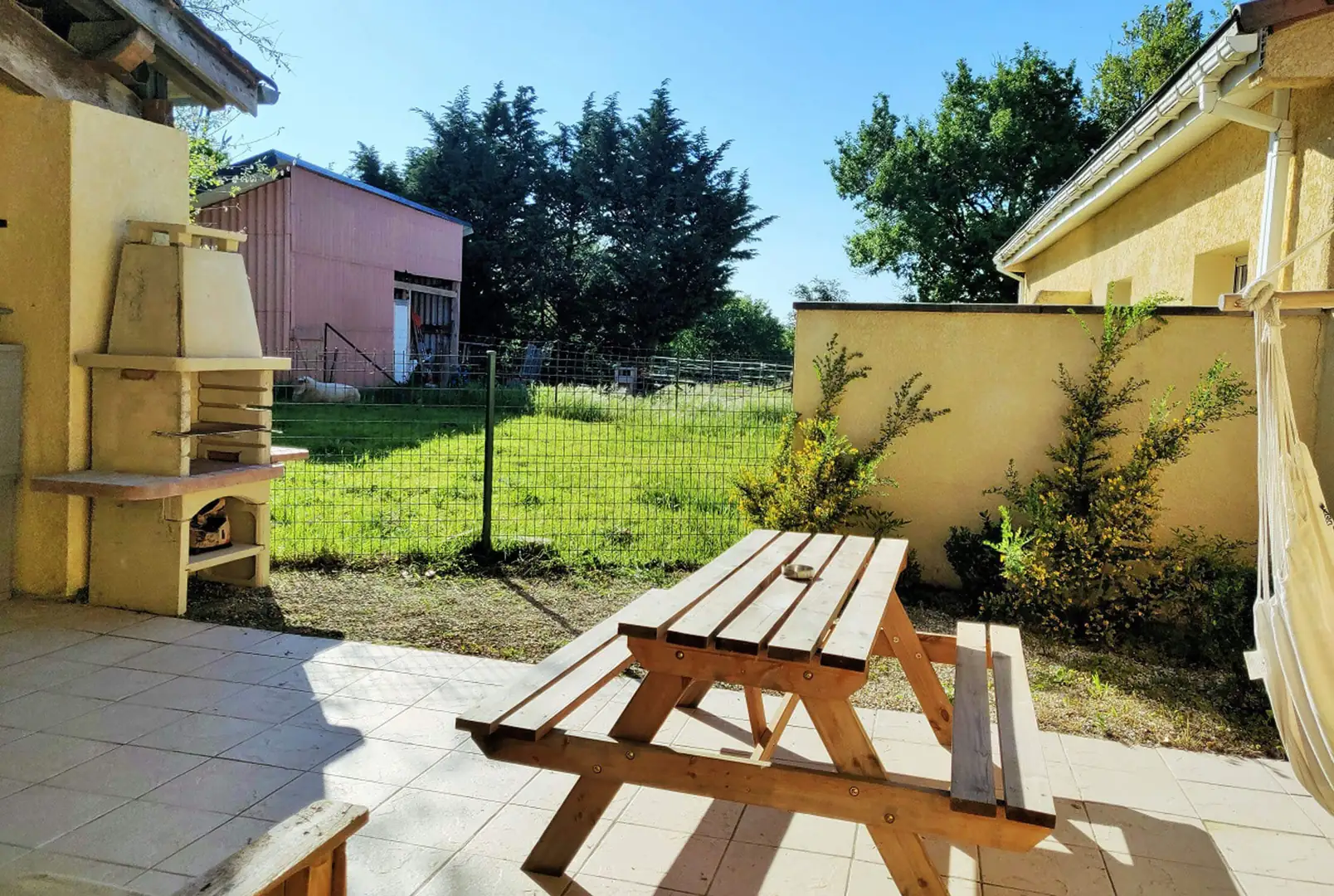
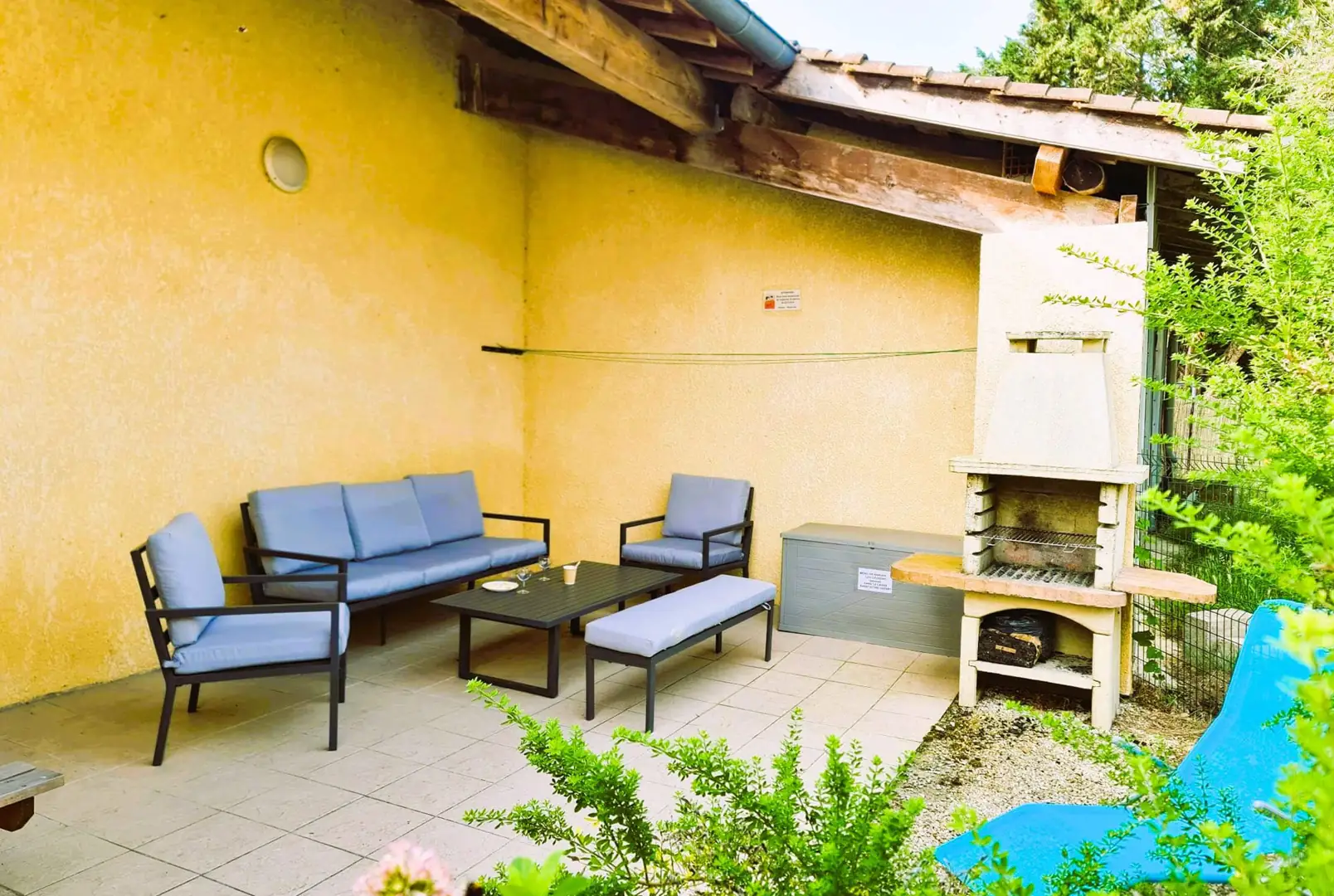
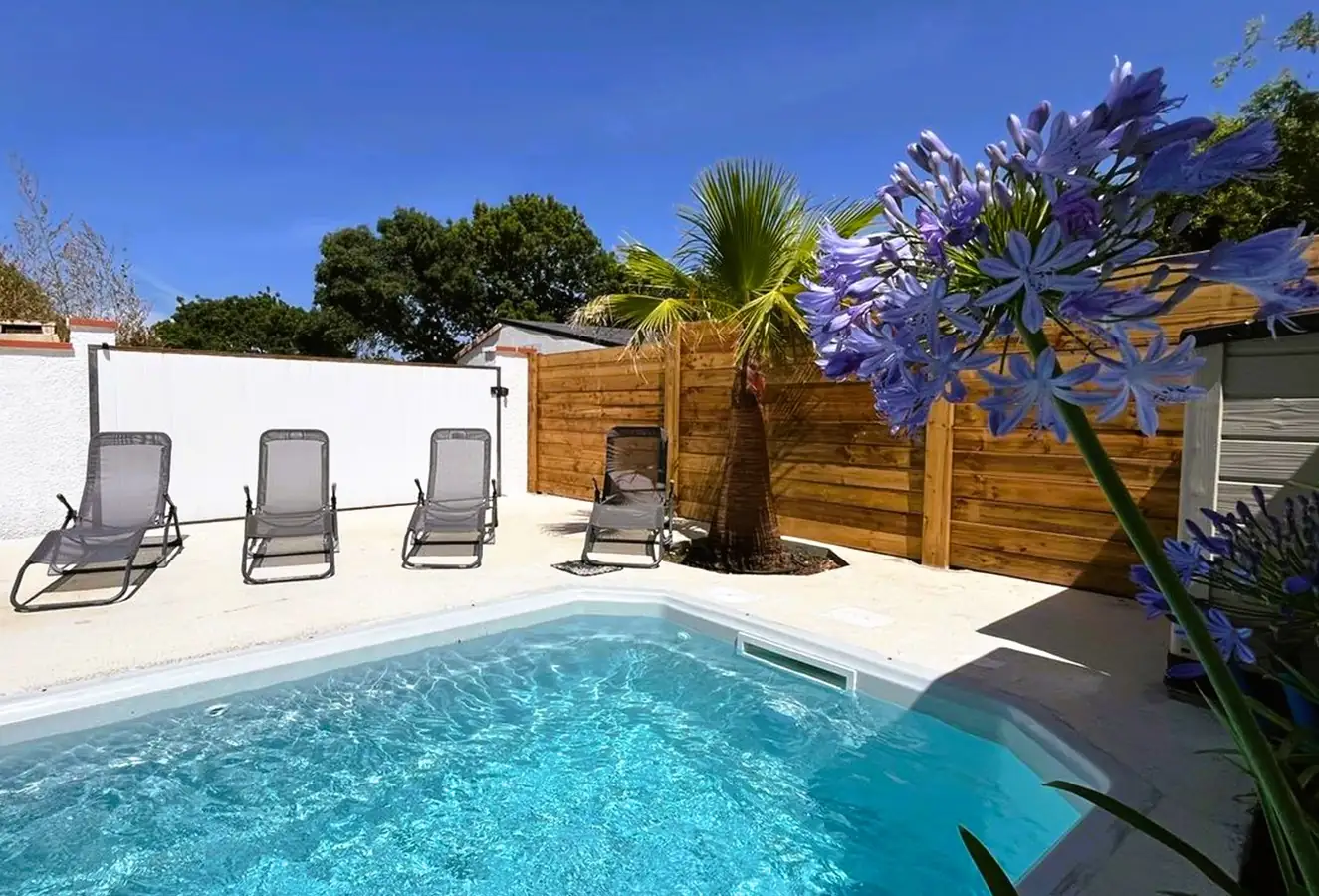
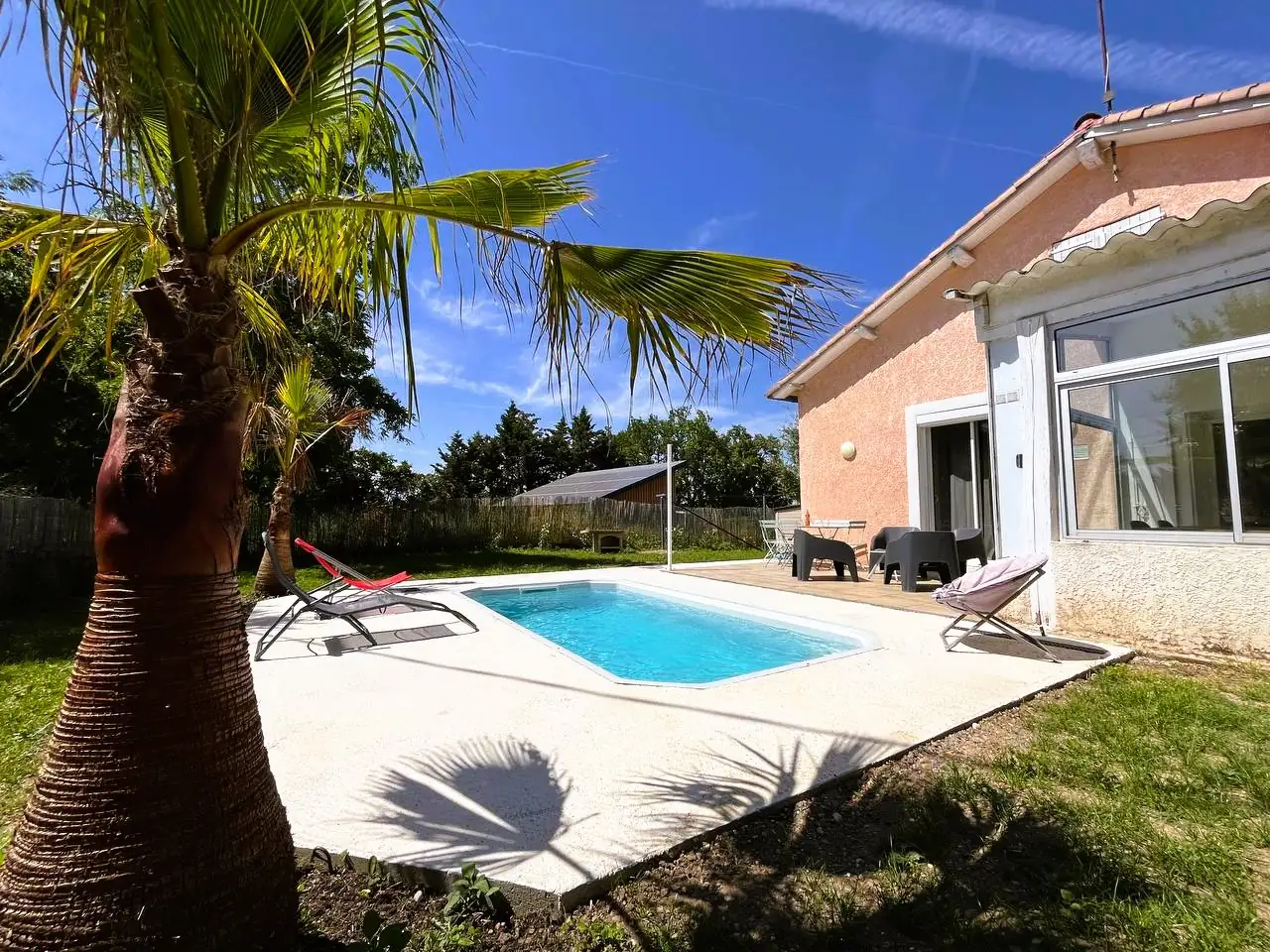
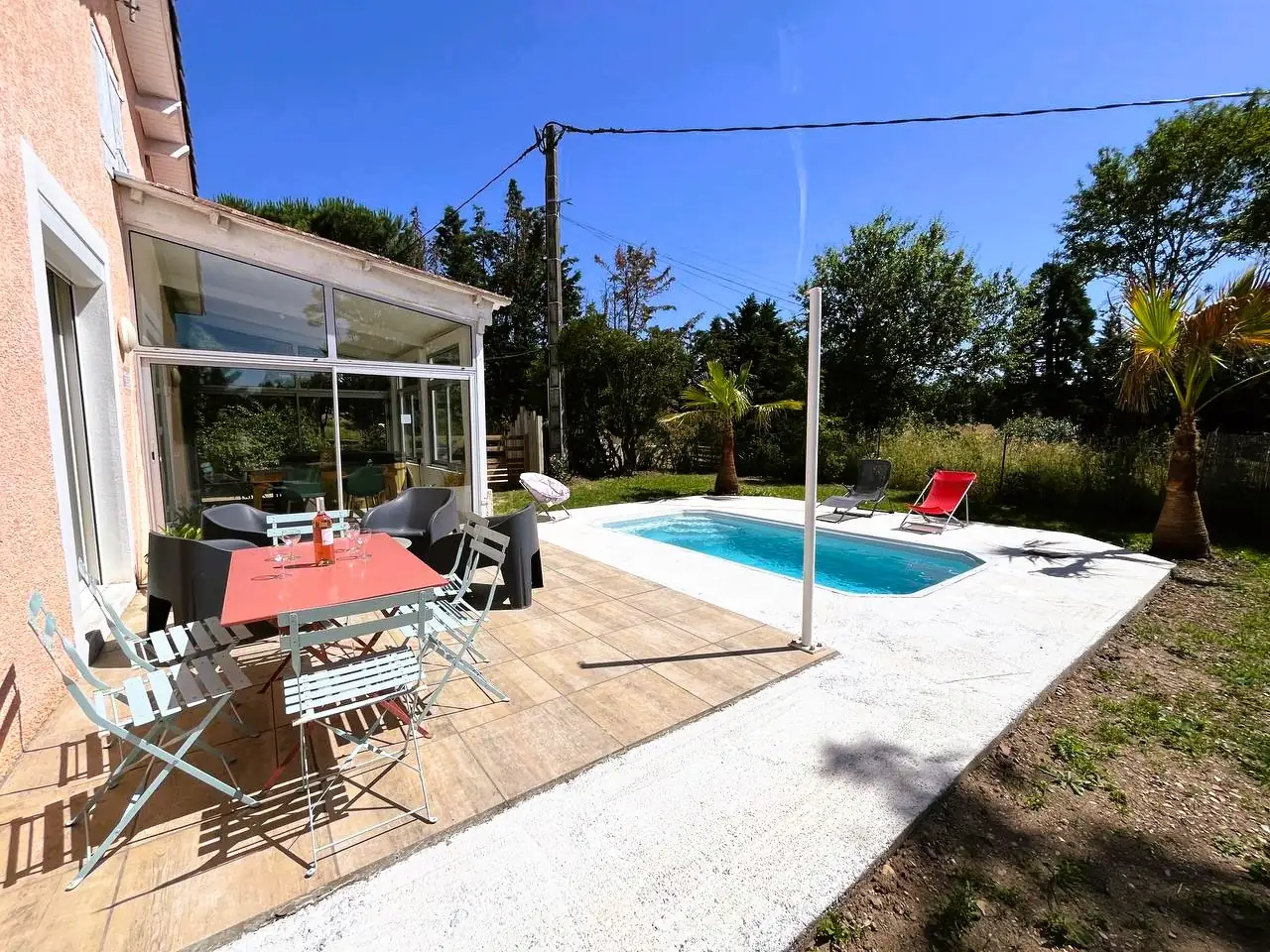
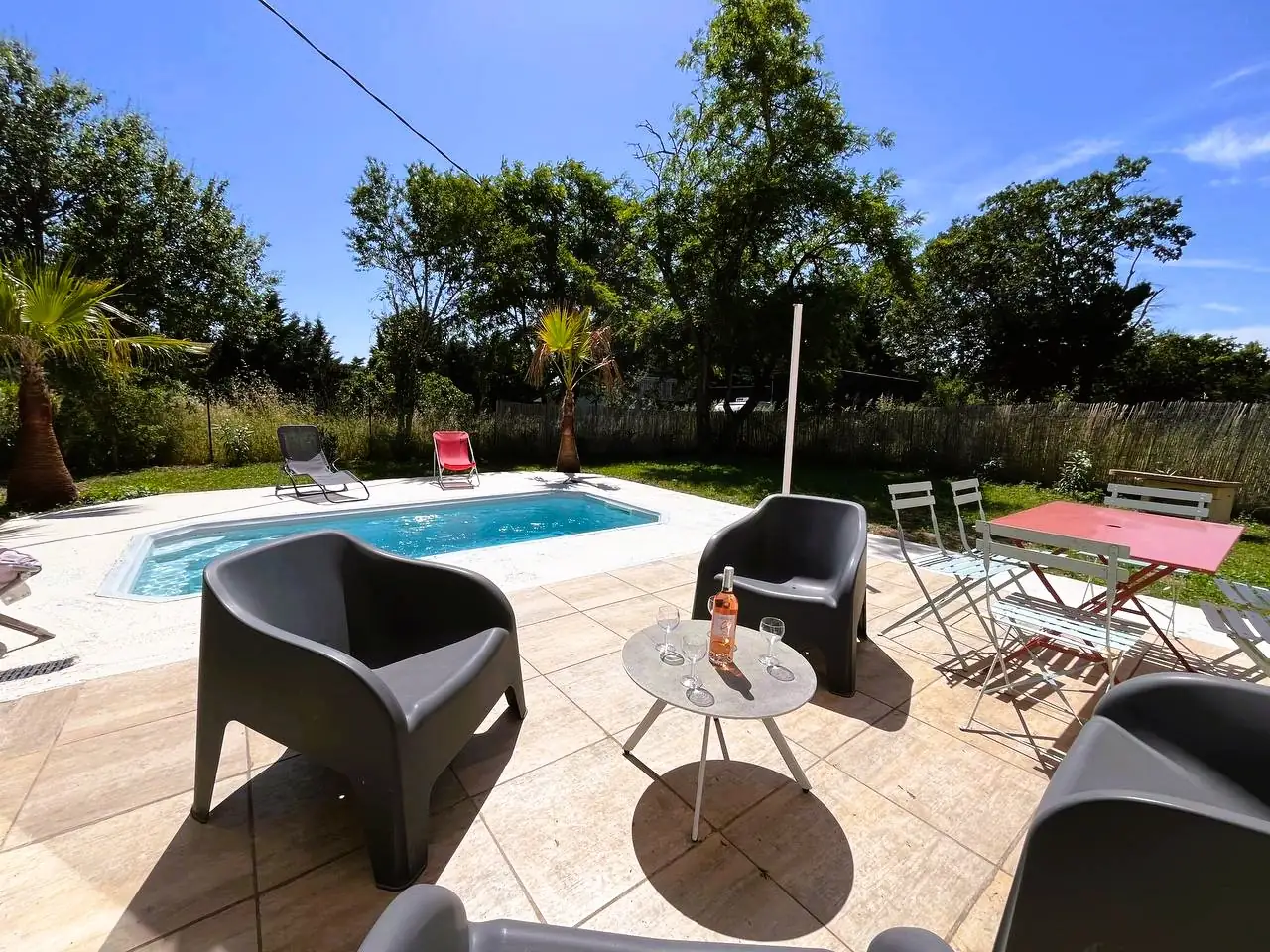
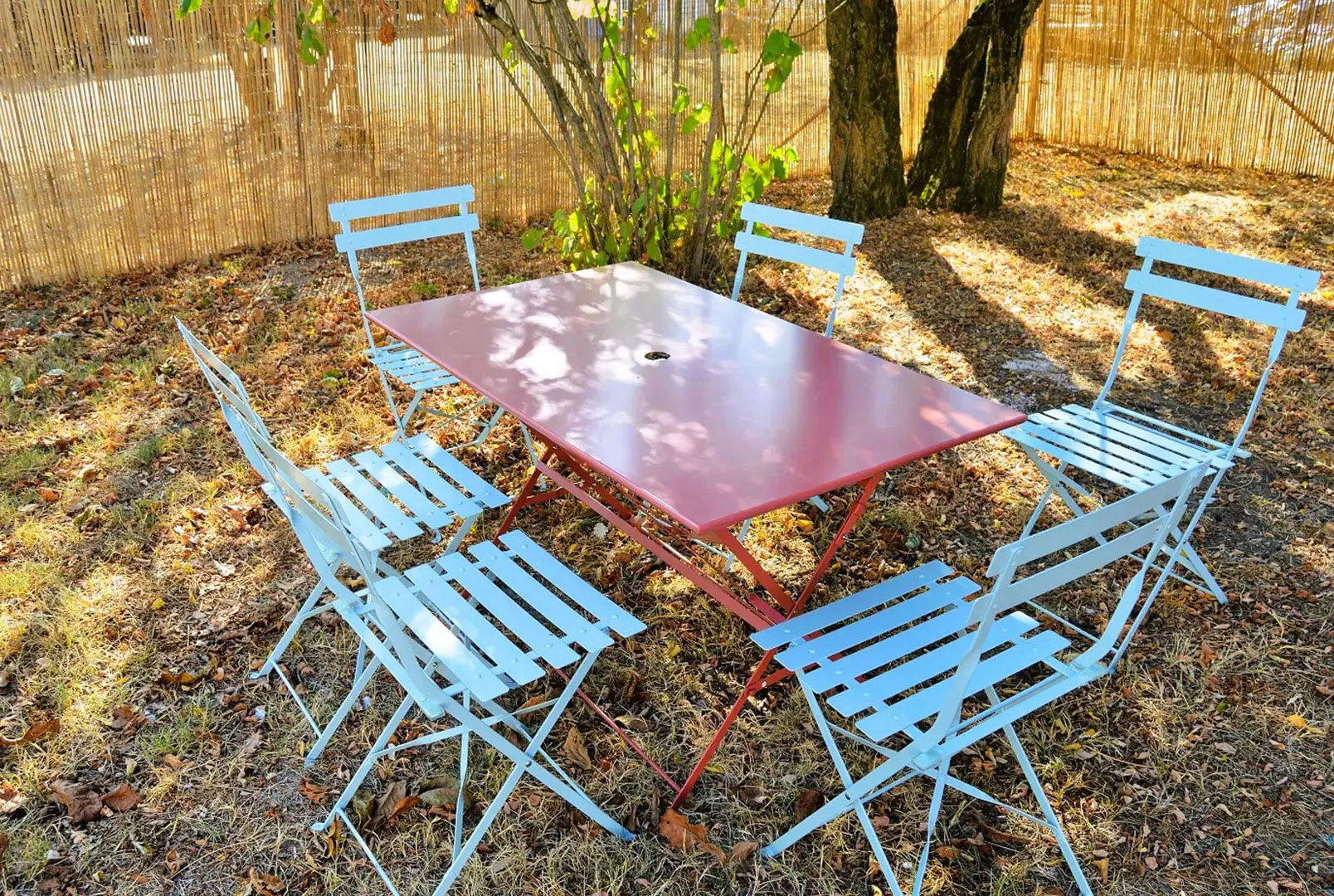
Imagine: in the morning, you head to the farmers’ market in Lisle-sur-Tarn or Gaillac. You come back with pink garlic from Lautrec, an artisan foie gras, a few slices of Lacaune saucisson and a bottle of Gaillac white. In the afternoon, you prepare a convivial meal on the terrace, surrounded by the Tarn countryside. In the evening, you savour it all under the stars. That is what true Occitan gastronomy is all about.
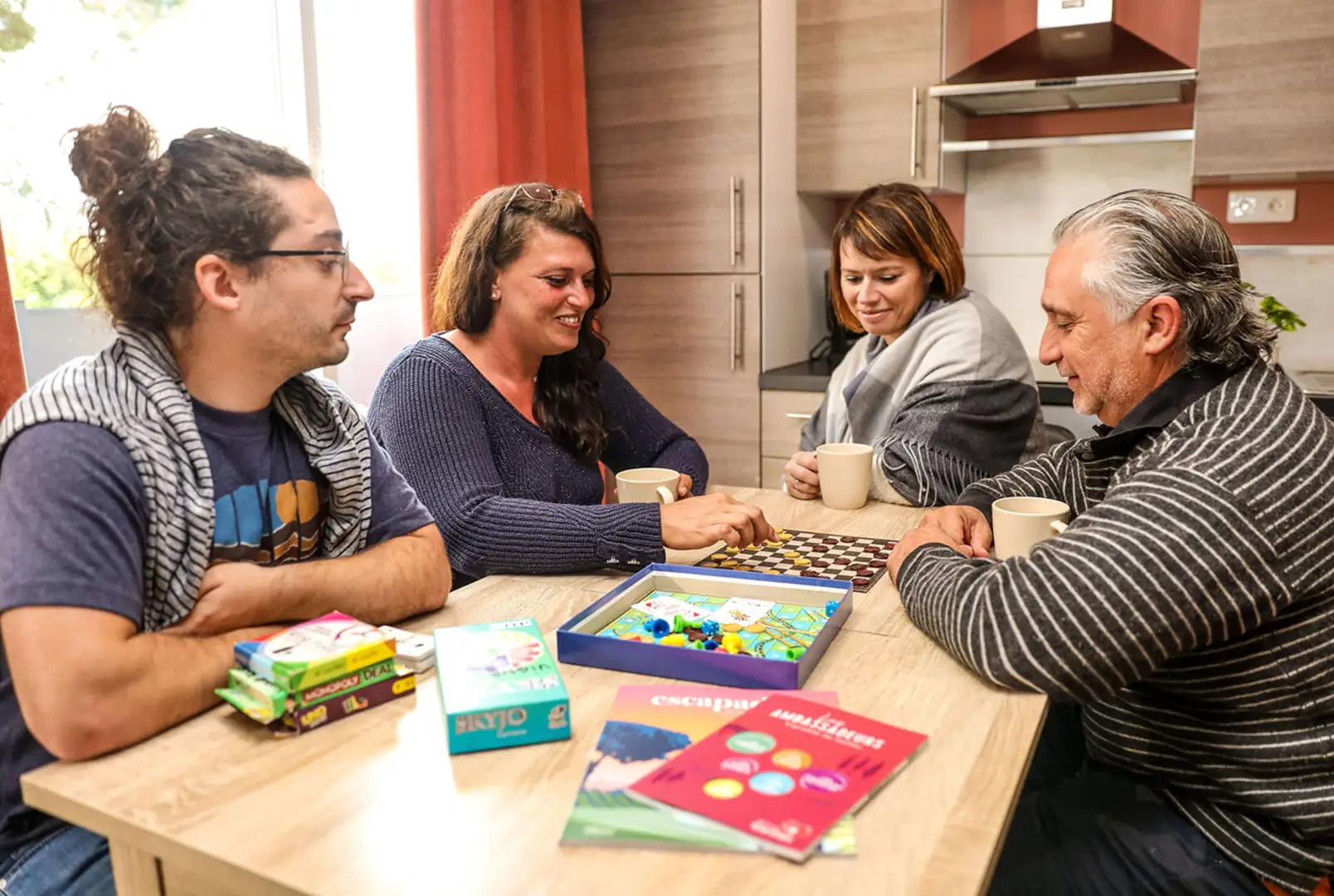
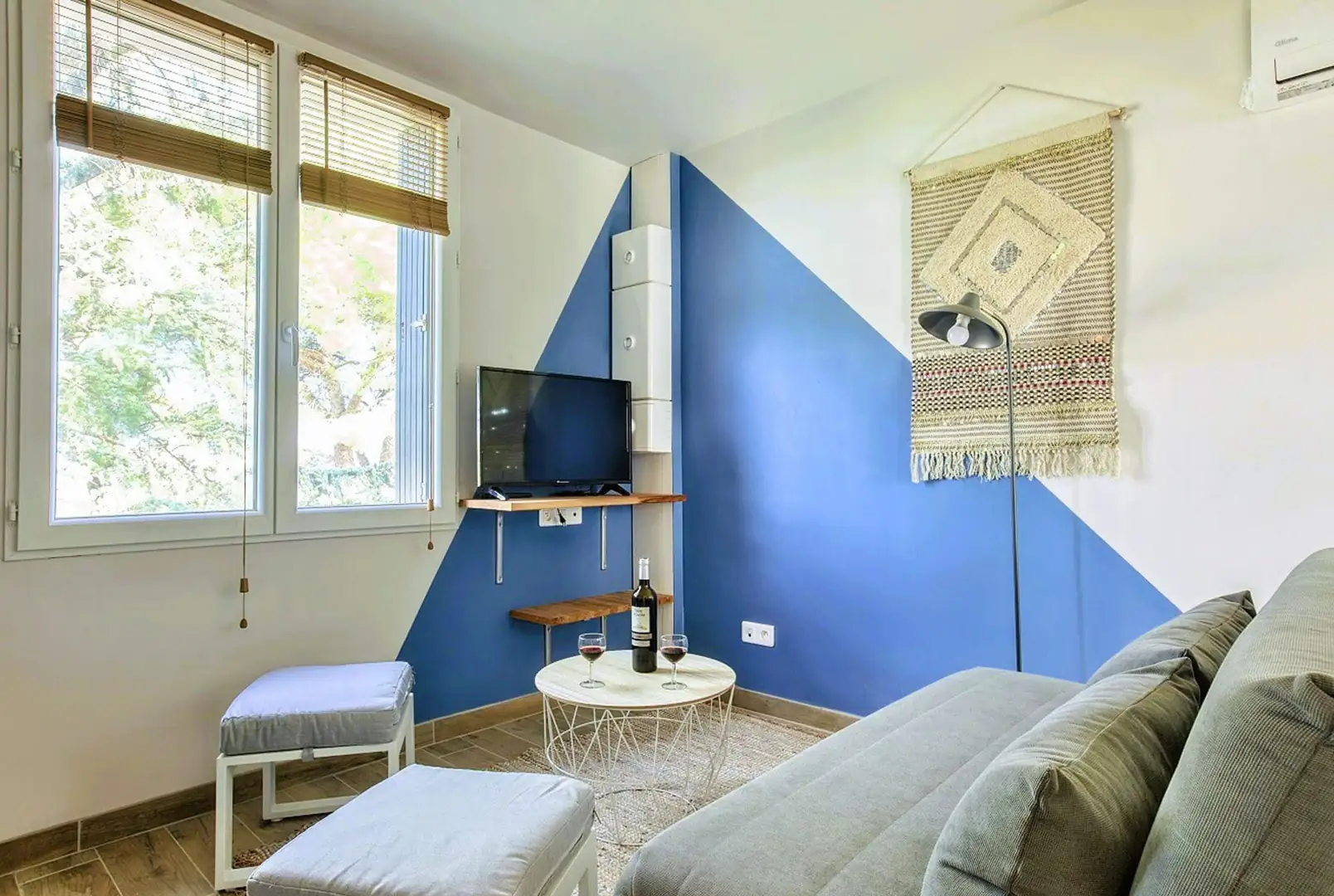
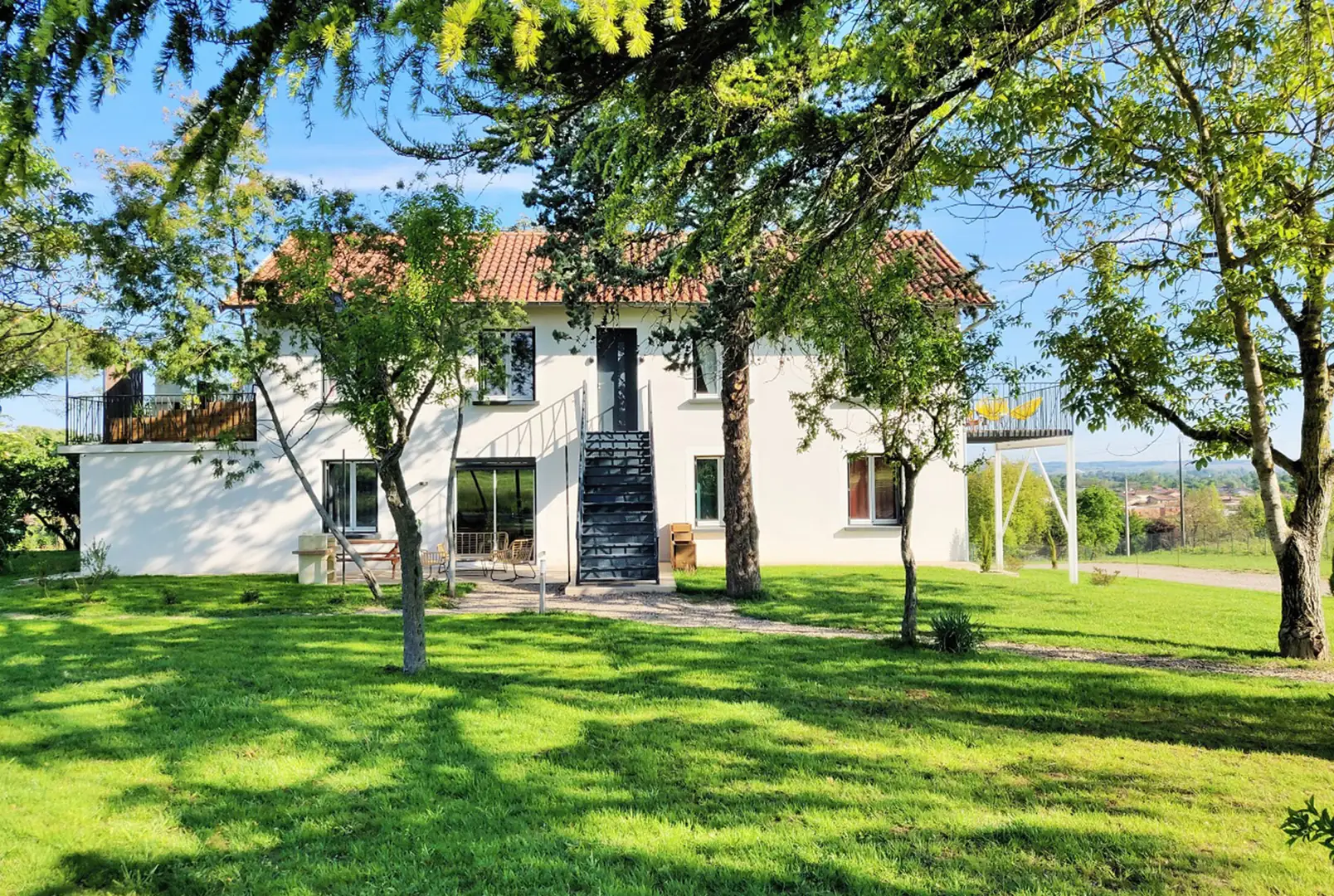
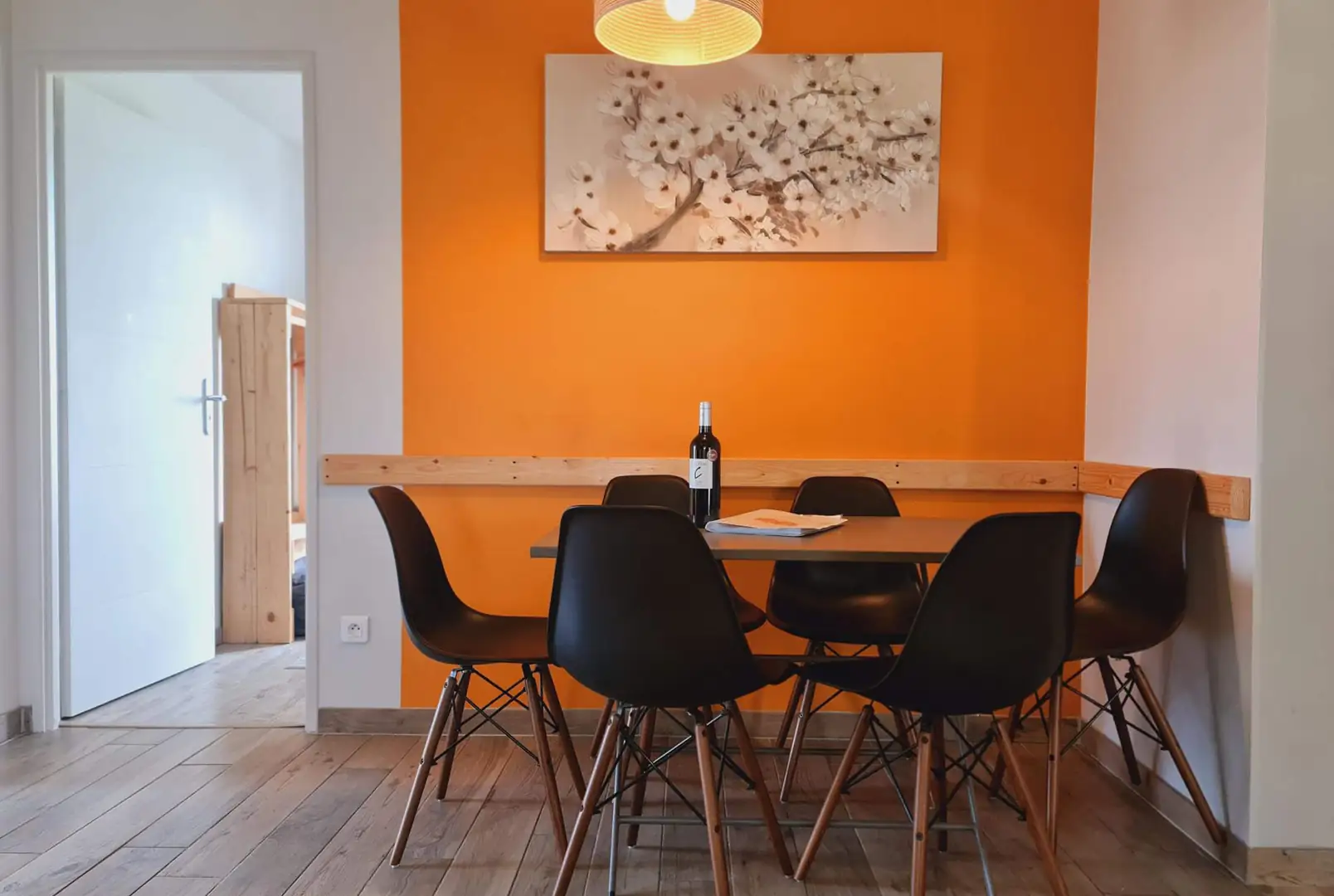
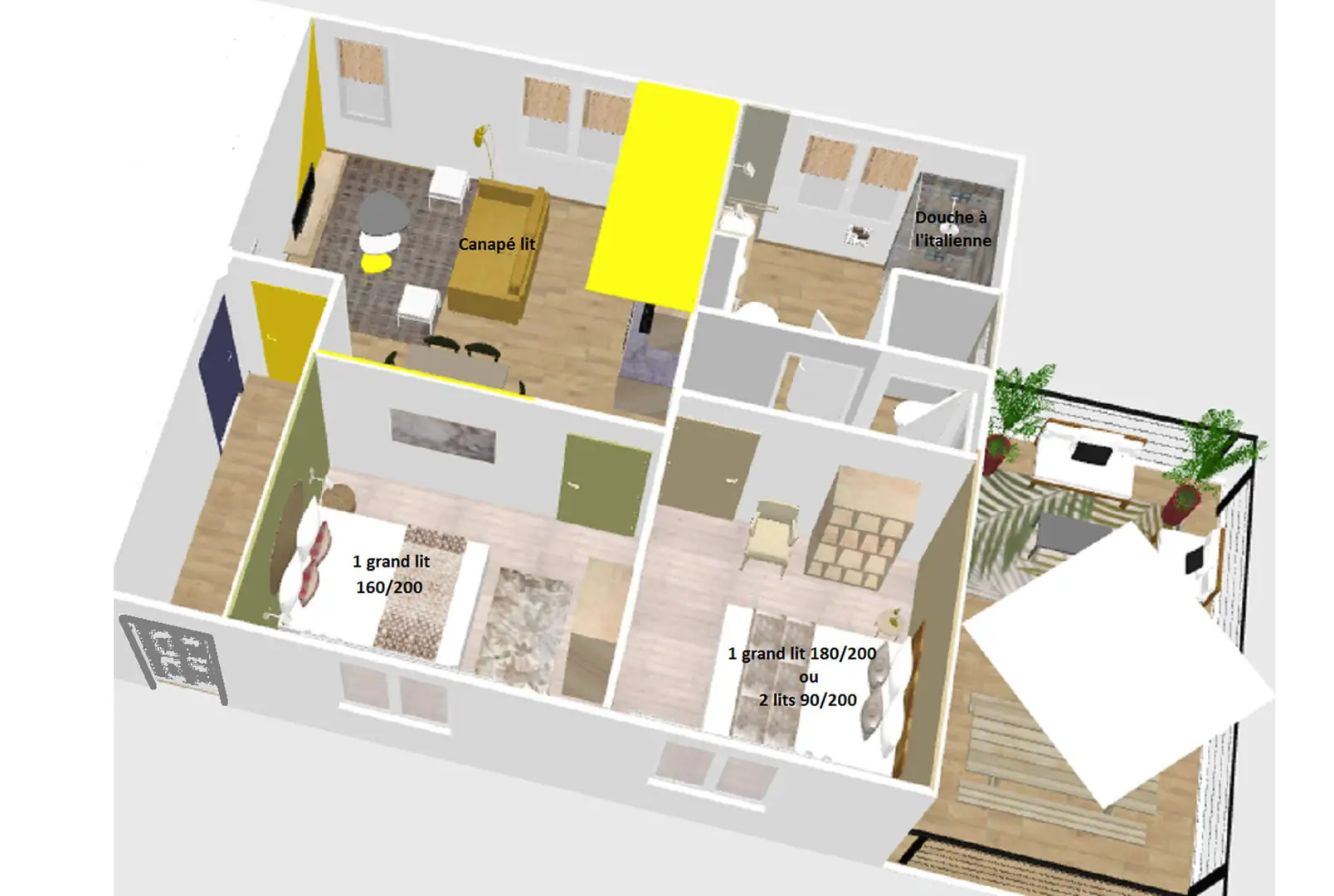
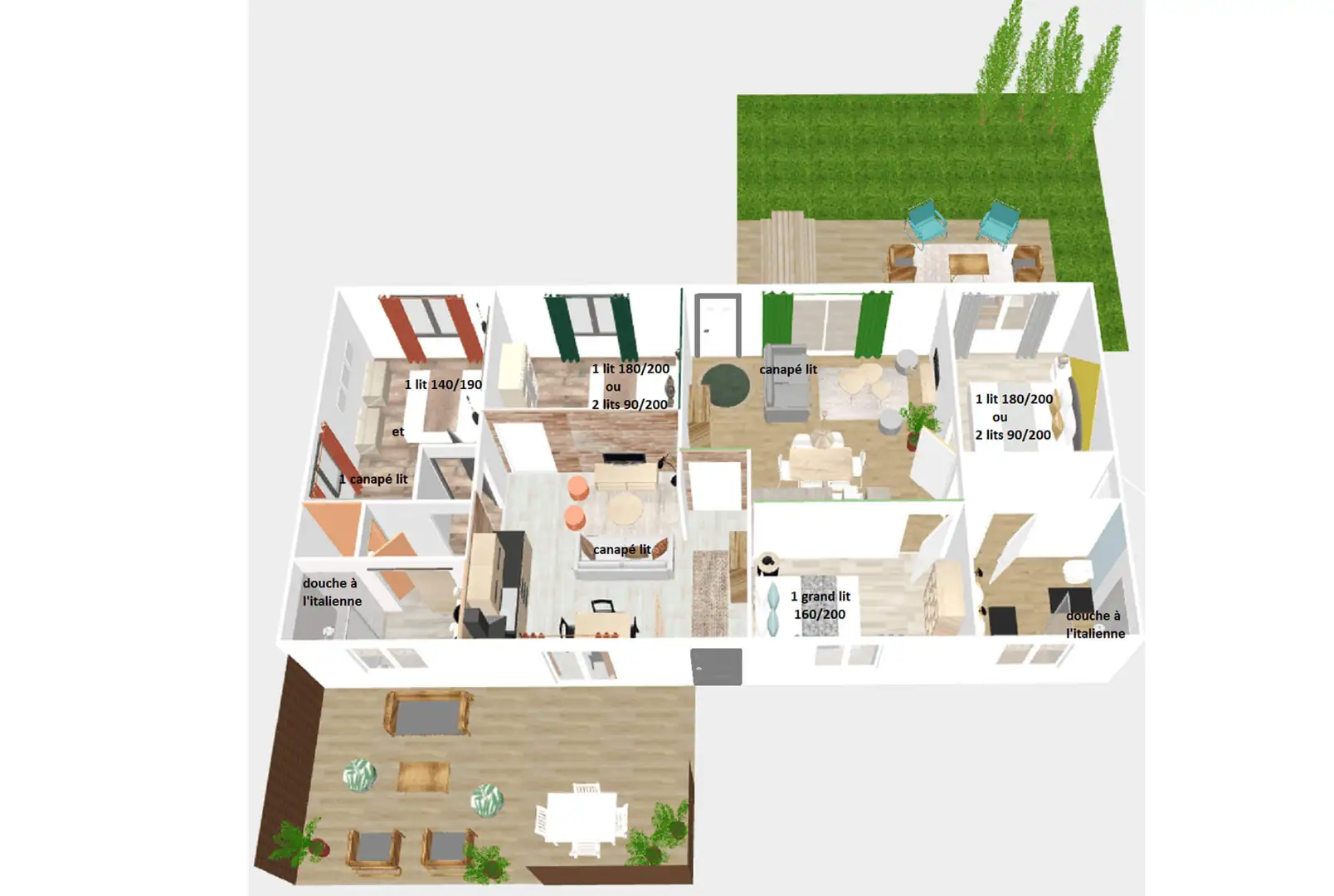
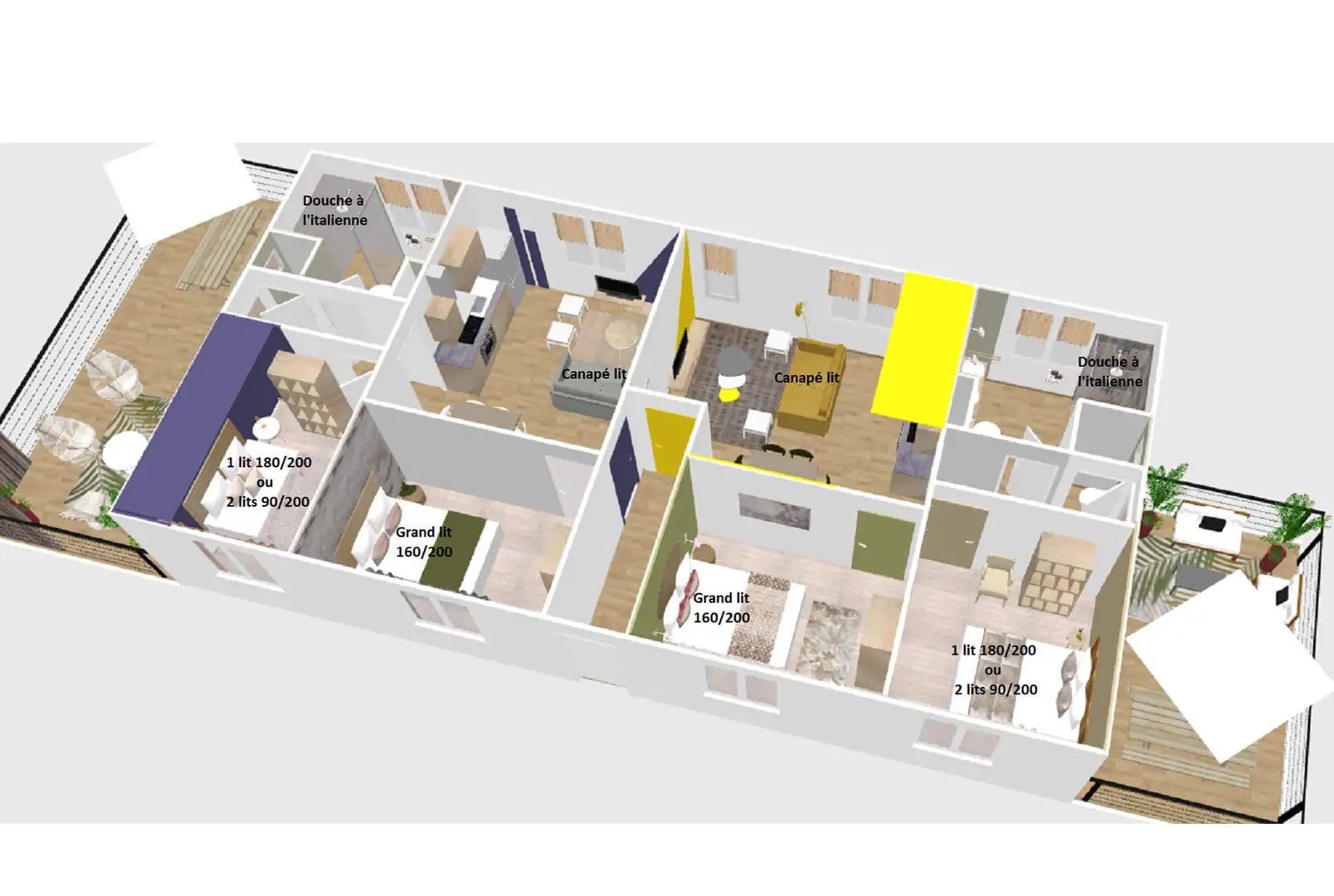
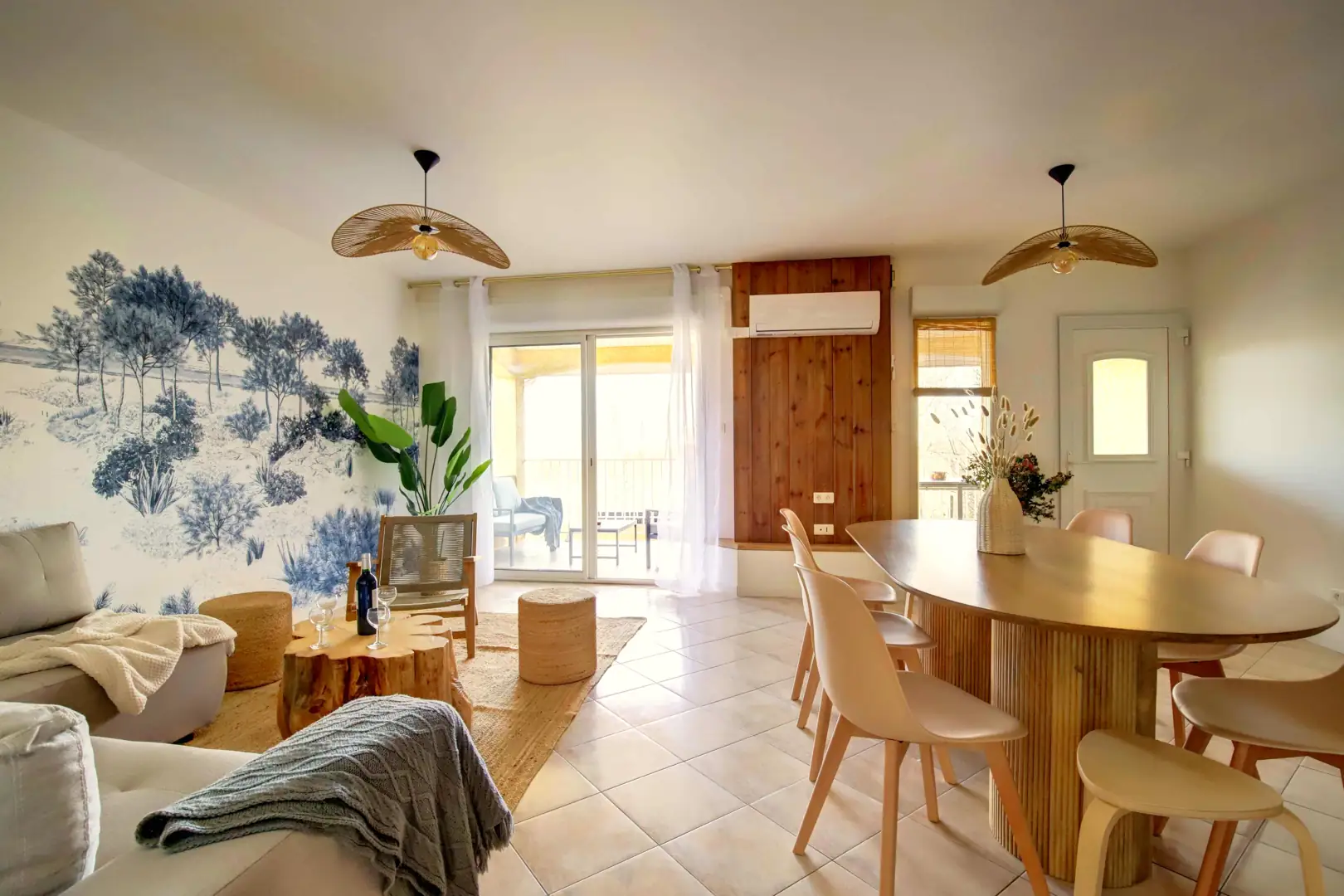
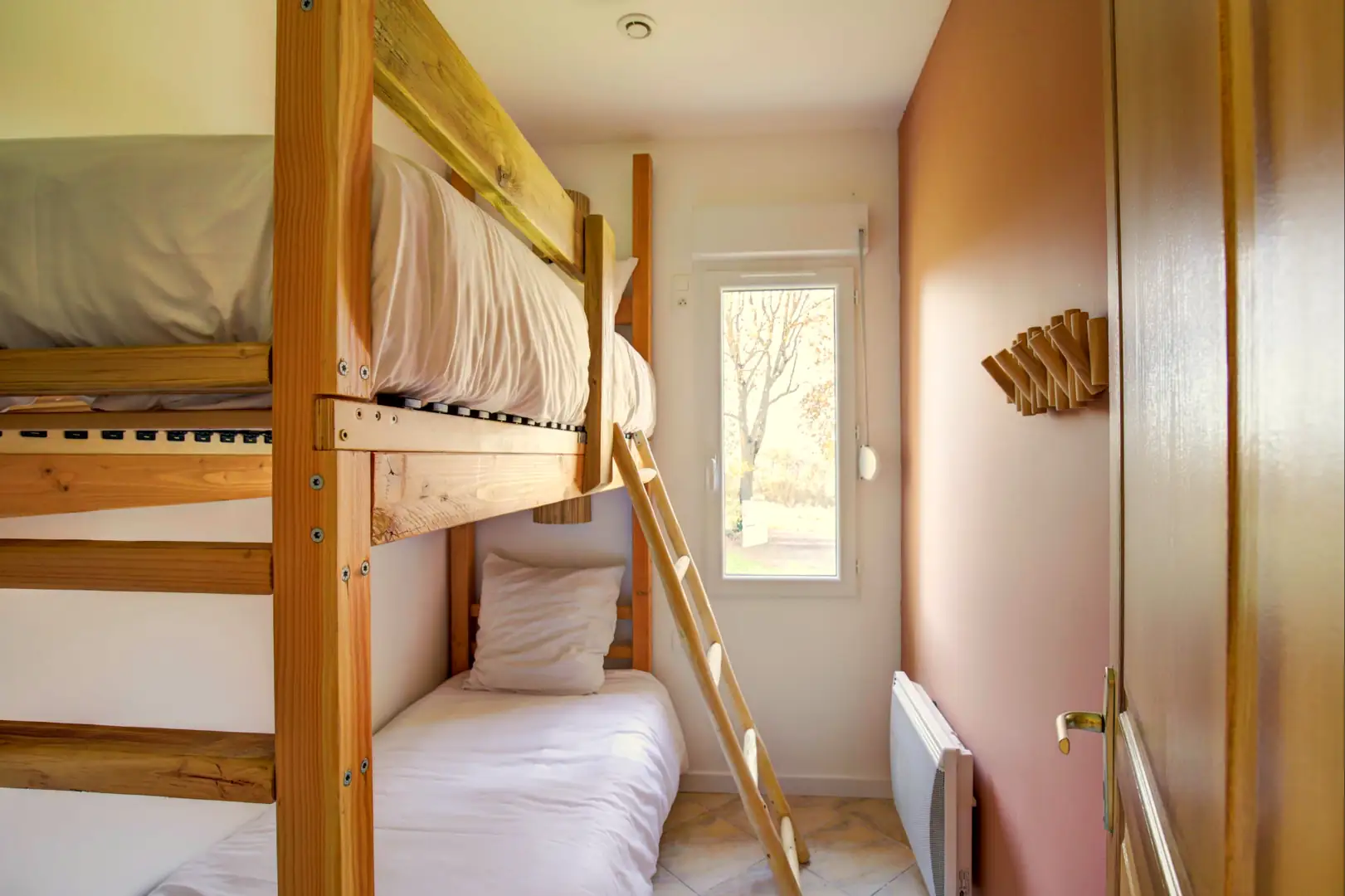
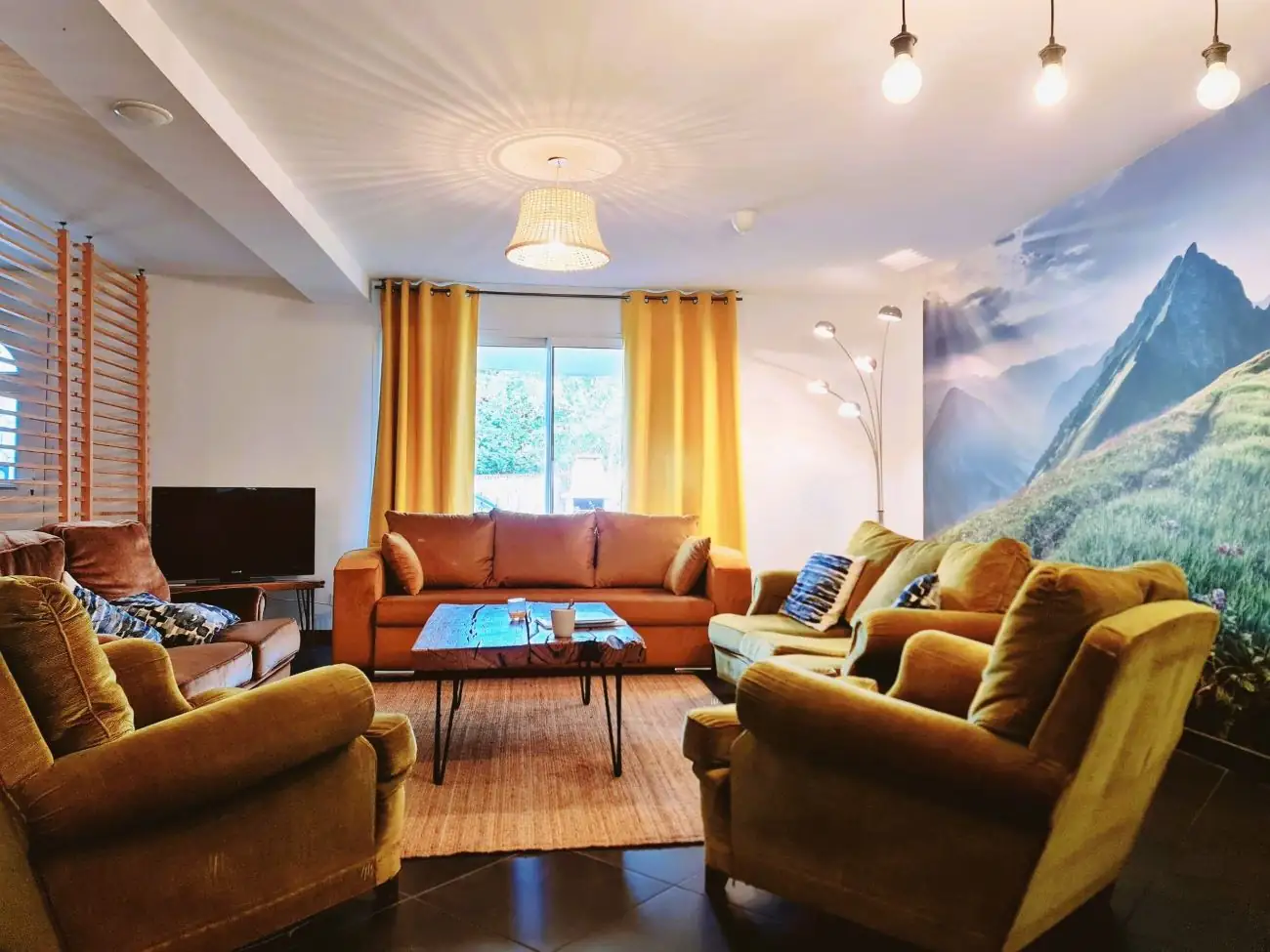
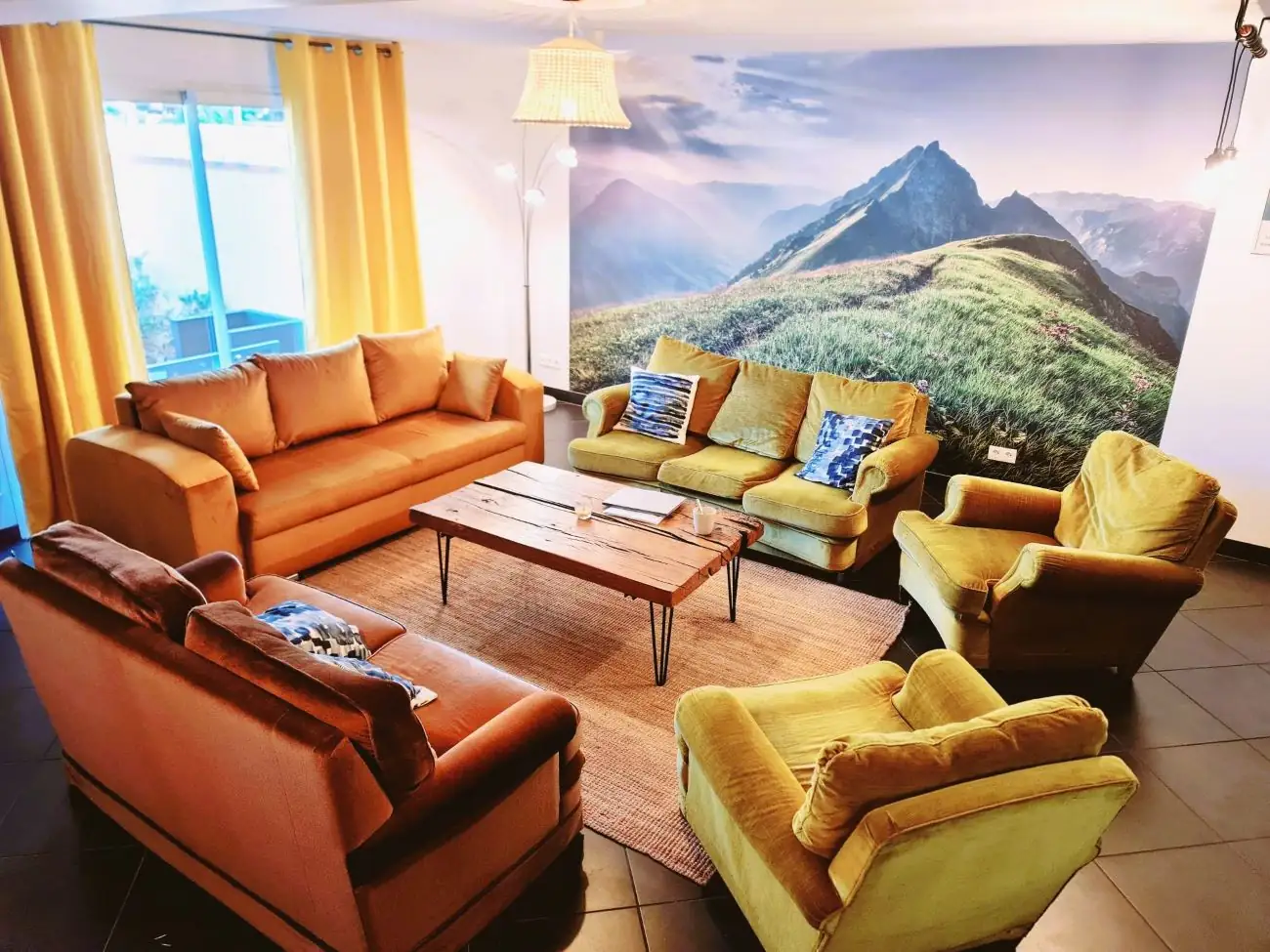
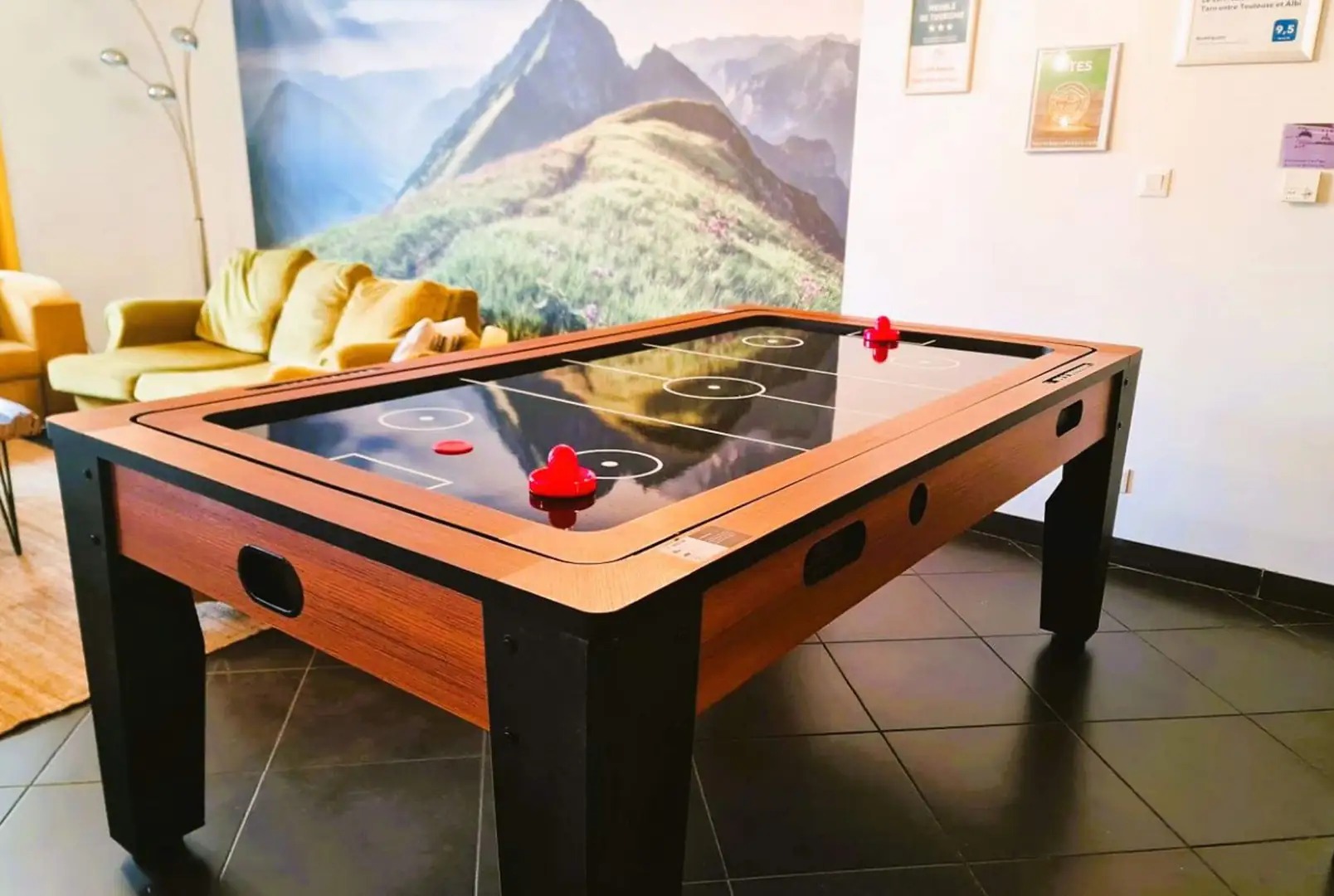
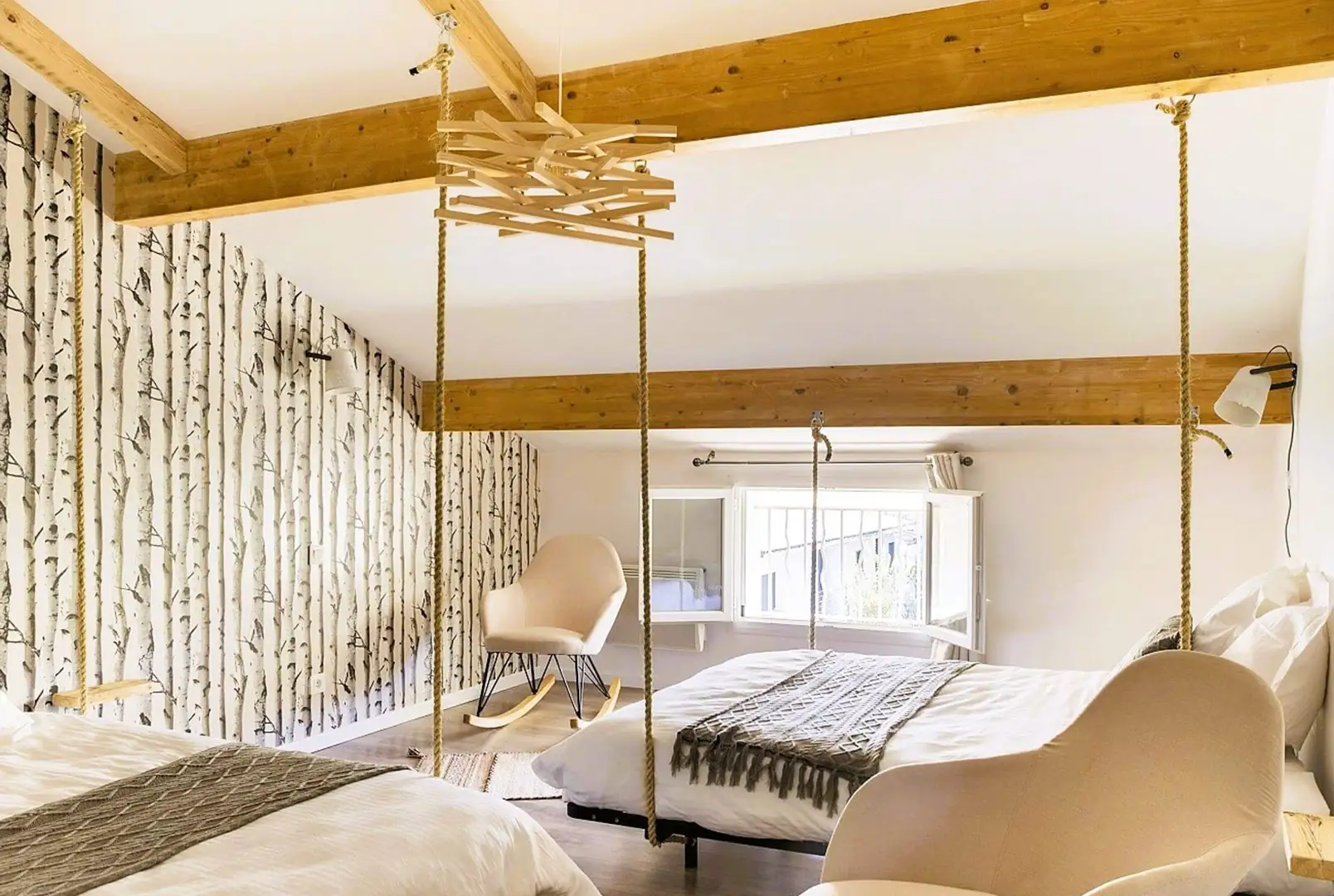
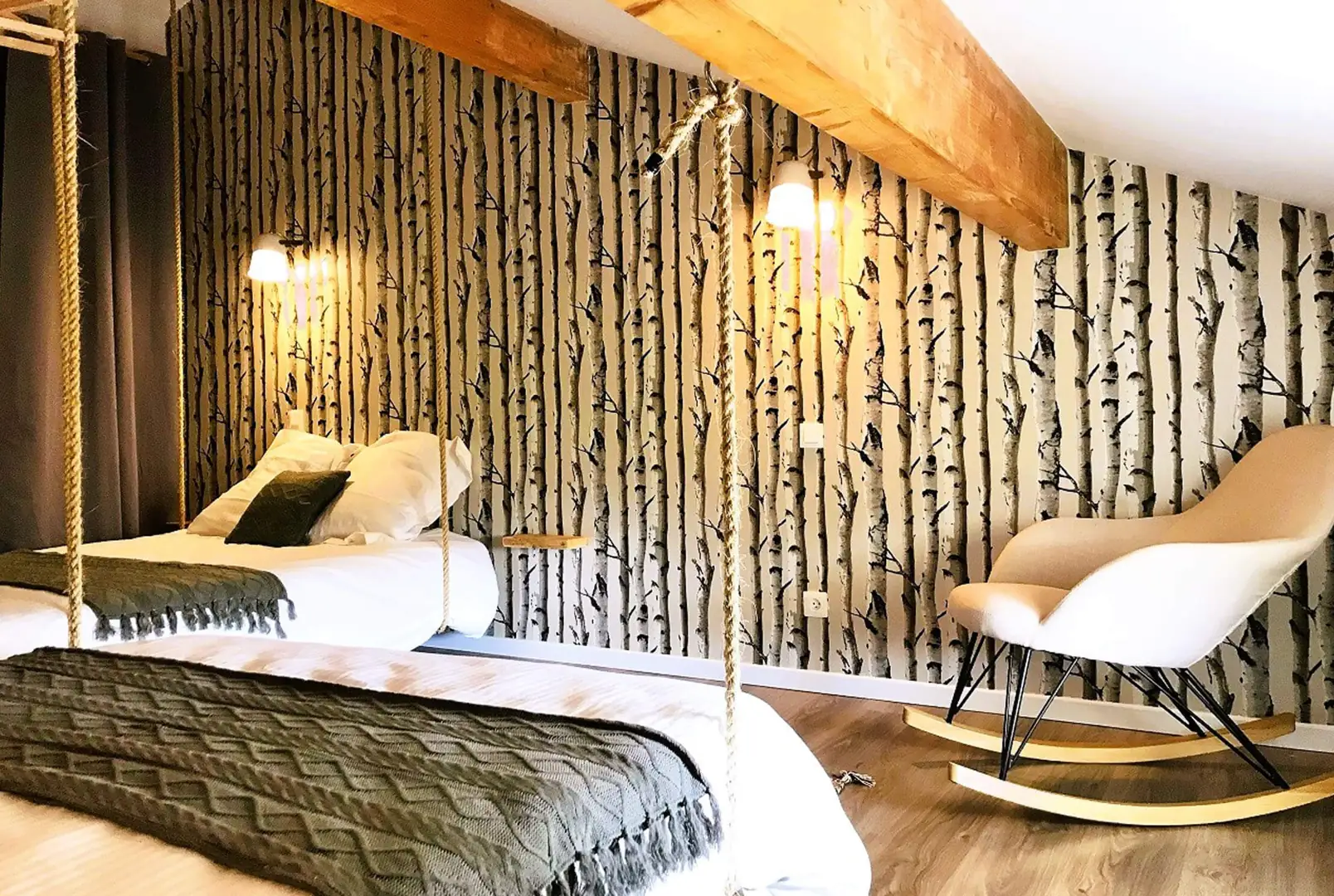
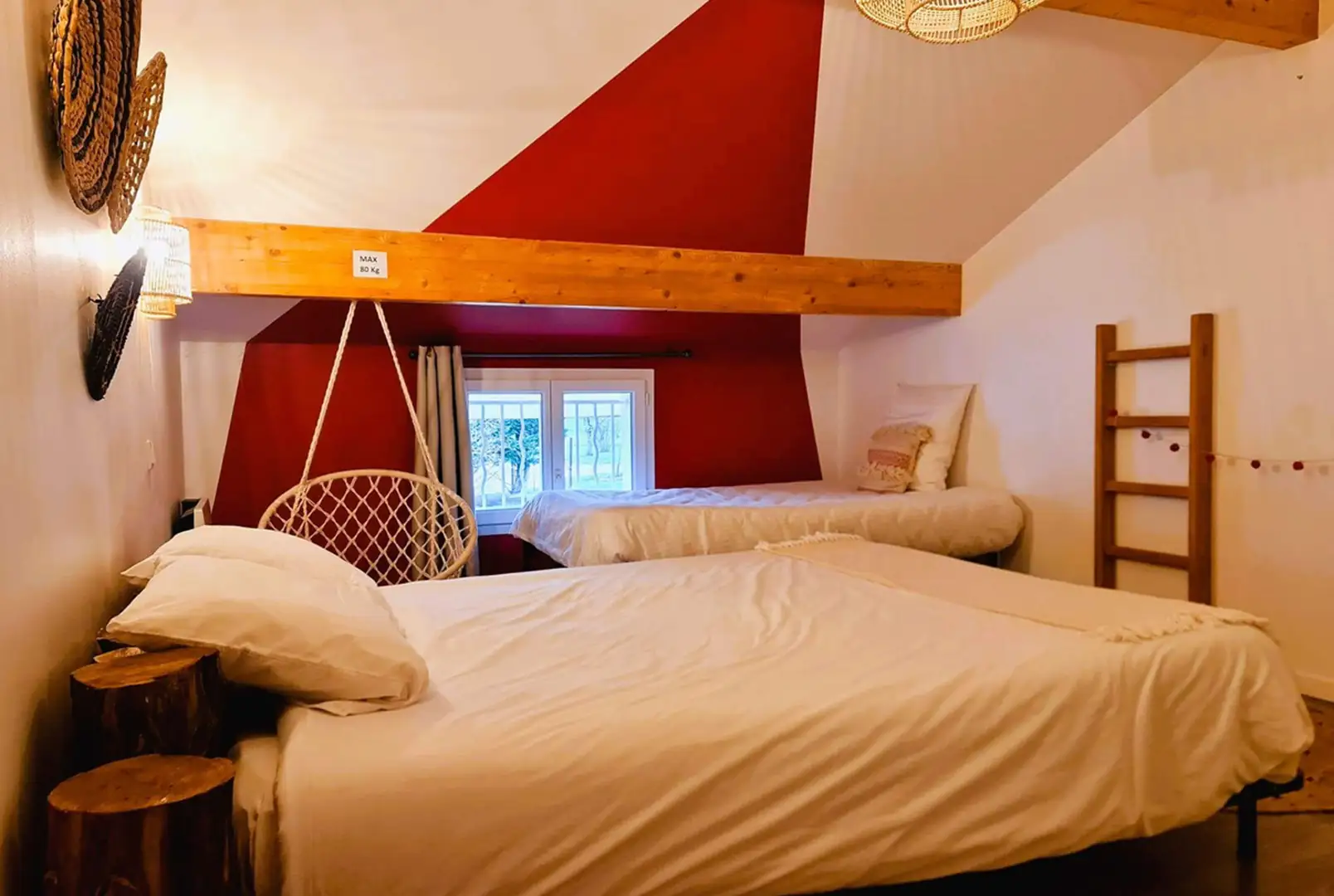
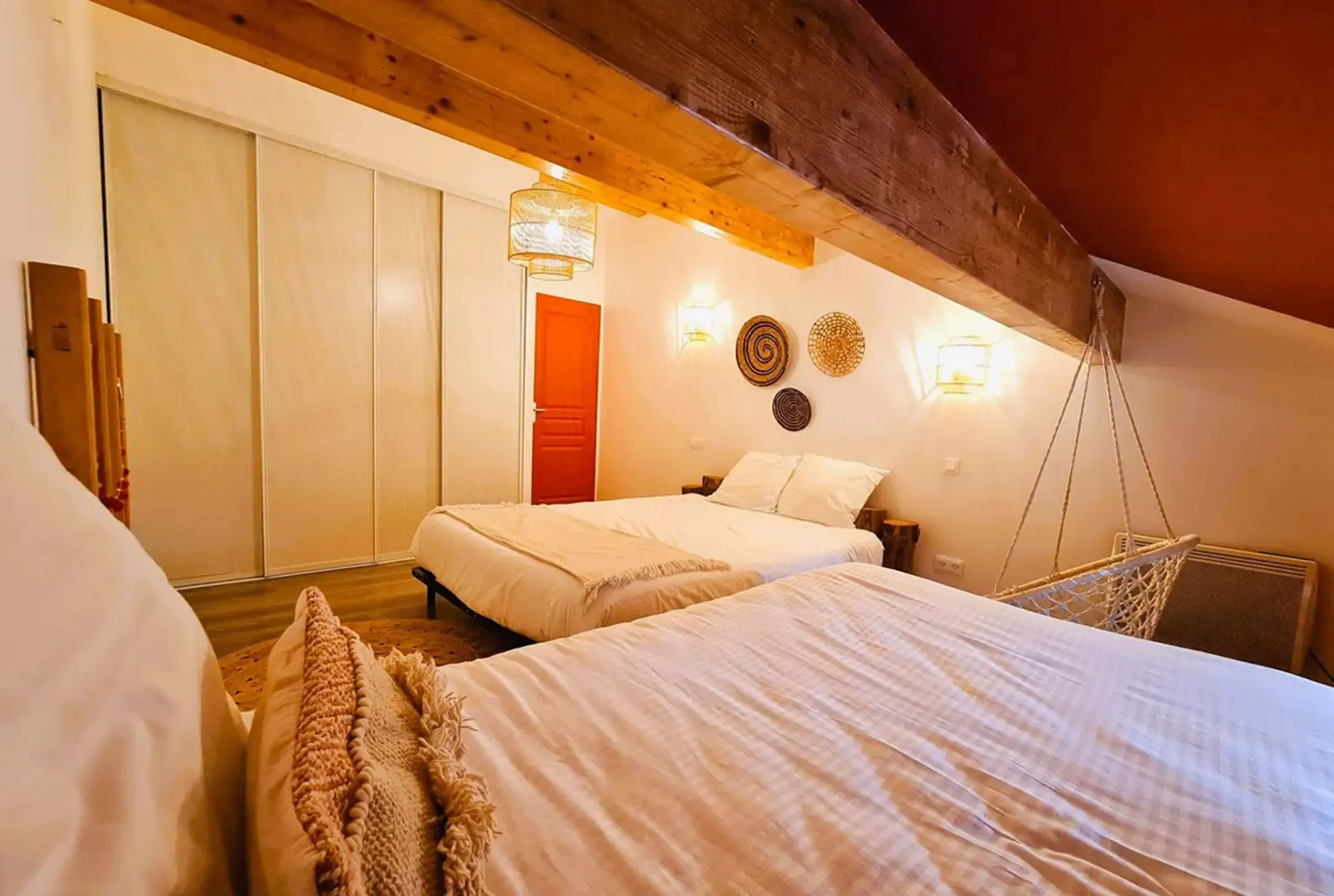
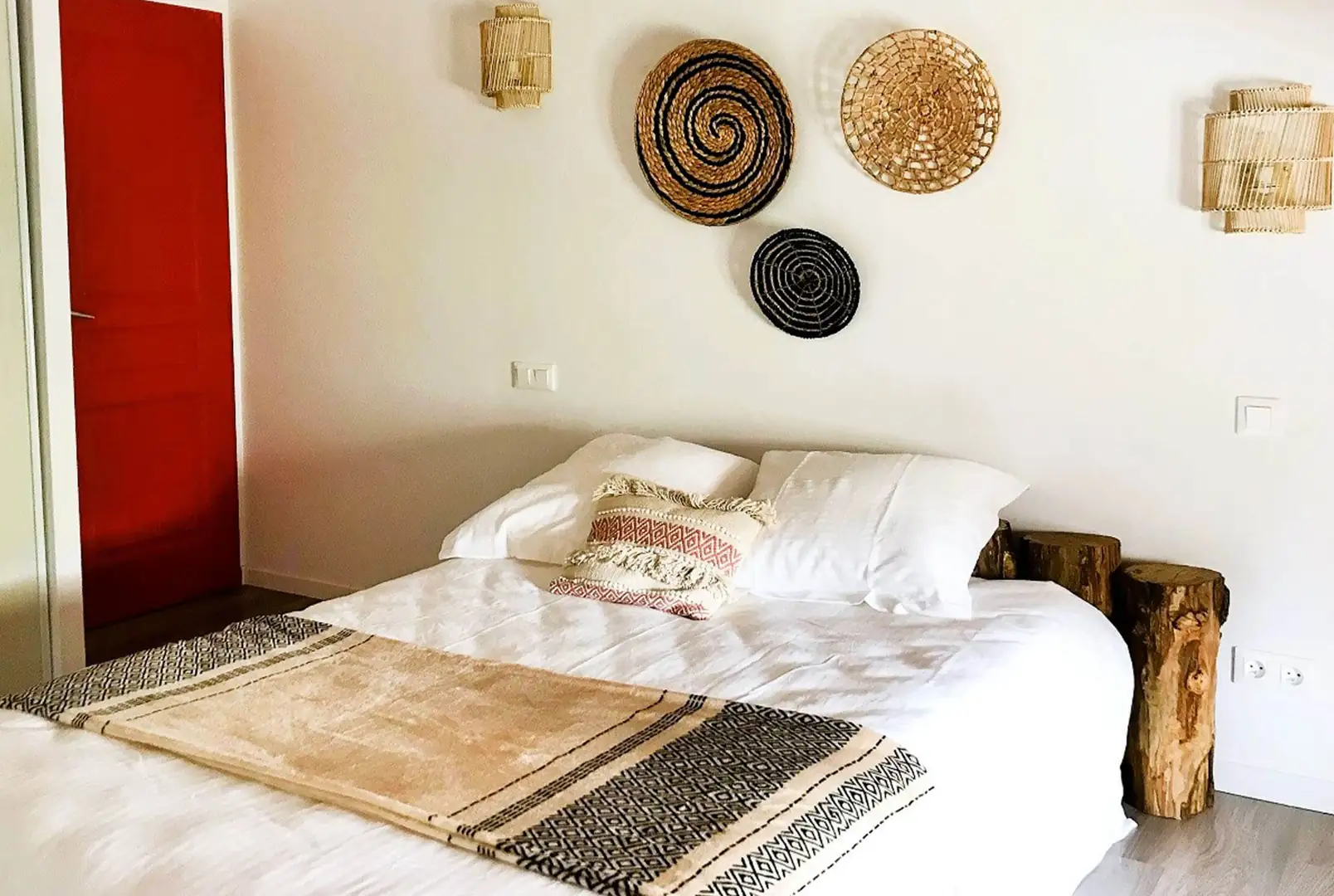
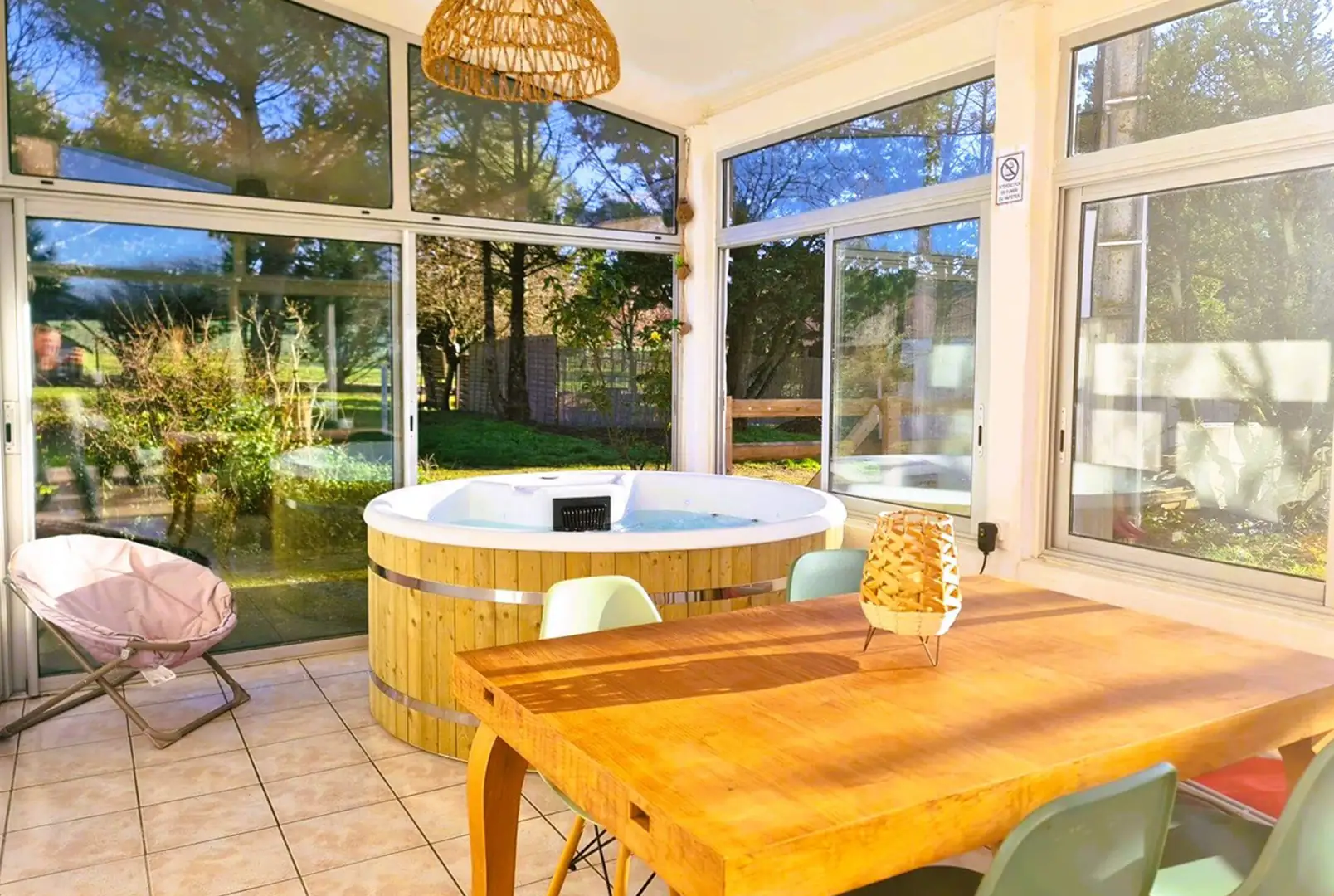
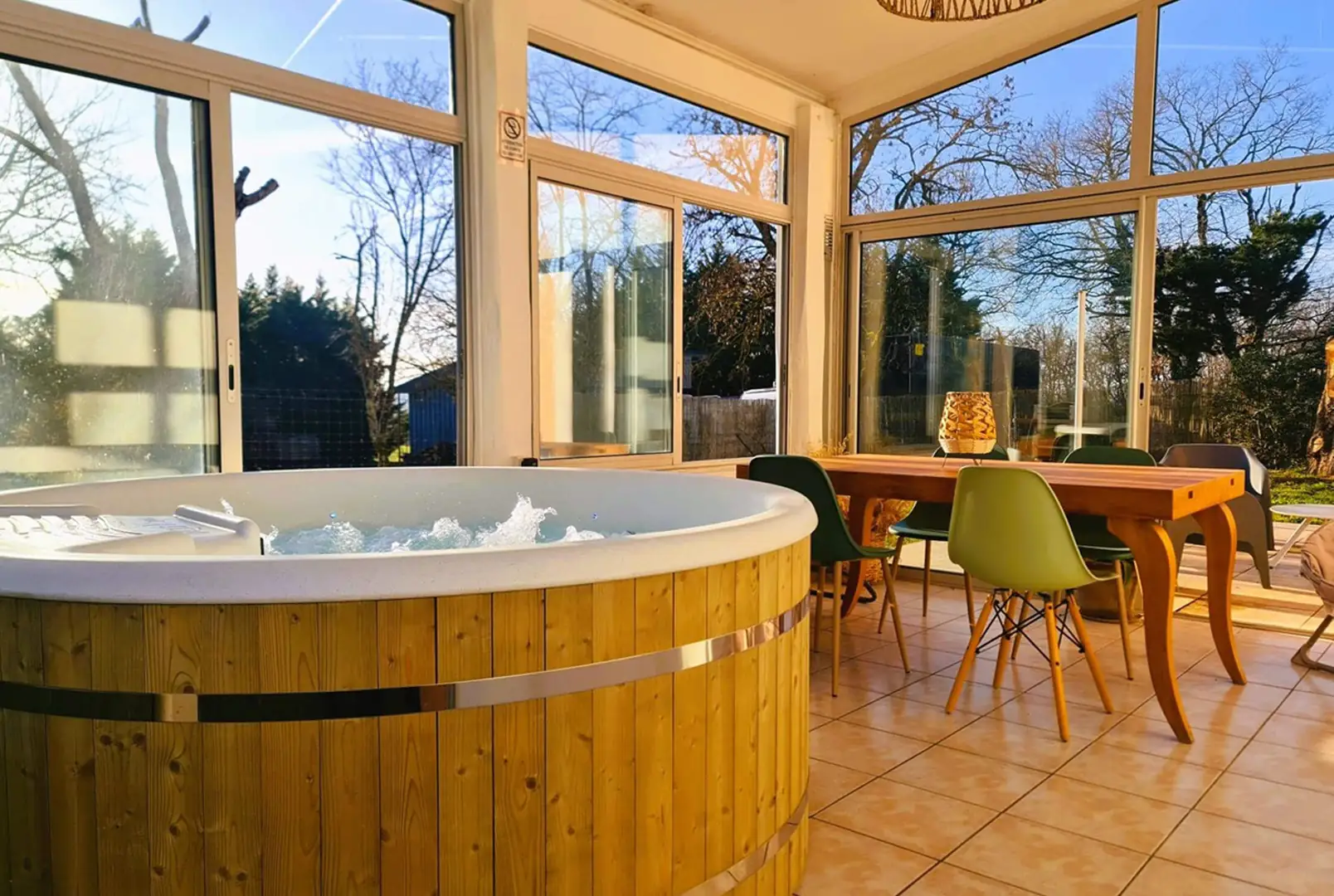
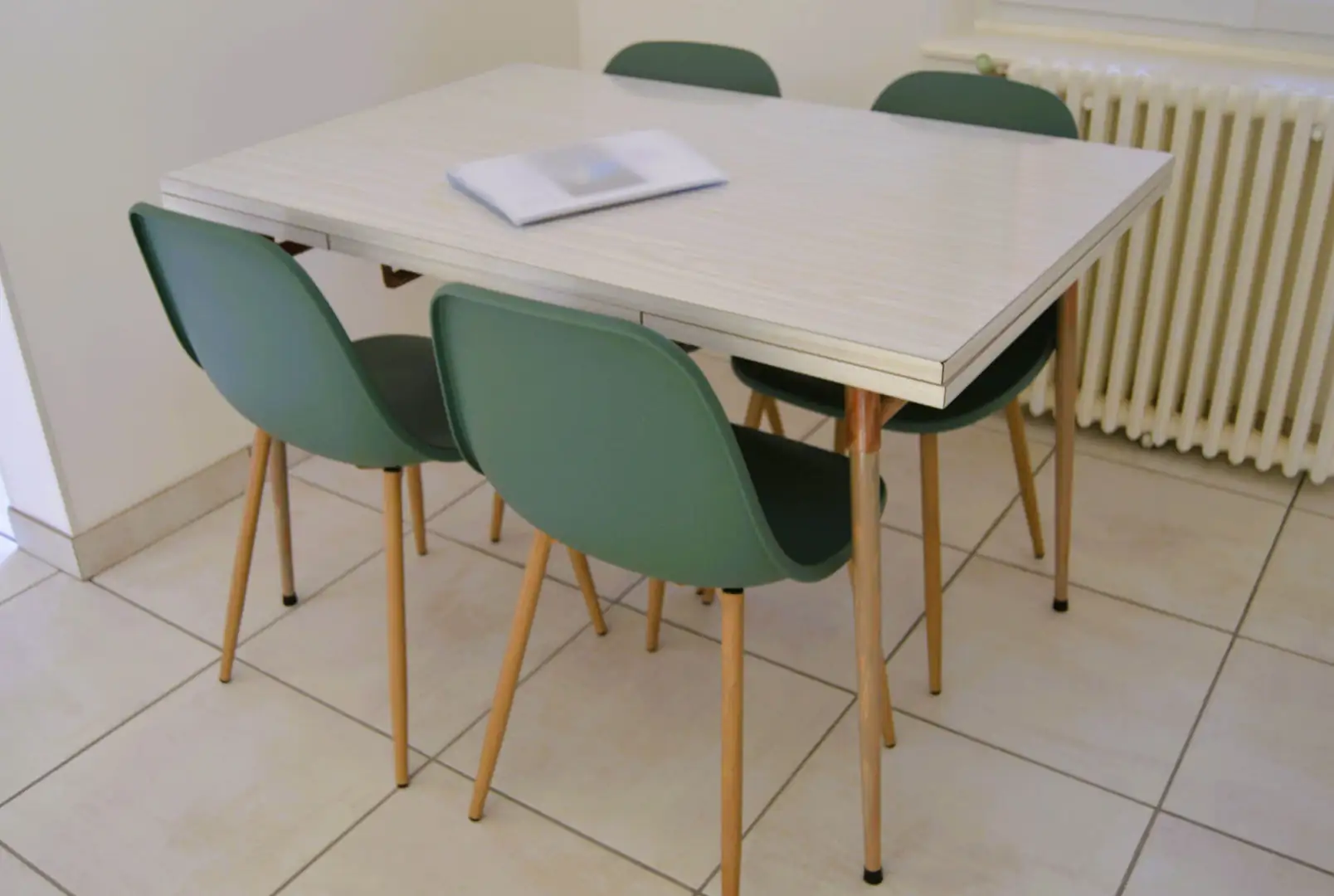
Our cottages in Peyrole — such as the Nature Loft with its large table for 12 guests or the Grand Cottage — are particularly well suited to large, convivial gatherings. In Brens, the Duo Vigne Rouge & Primeur or the Duo Syrah & Loin de l’Œil can bring together up to 12 people around a festive meal.
Our favourite food addresses around the cottages
If cooking is not on the agenda, here are our best addresses for savouring Tarn gastronomy just minutes from our cottages:
Around Peyrole
- Le Montanais in Montans (5 km) — gastronomic restaurant, booking essential, an exceptional address
- La Planque des Bons Vivants in Gaillac (9 km) — generous, convivial local cuisine
- Chez Germaine in Gaillac (9 km) — bistro atmosphere, local specialities
- Le Romuald in Lisle-sur-Tarn (9 km) — traditional cuisine on the banks of the Tarn
- L’Auberge du Lac in Lisle-sur-Tarn (9 km) — idyllic setting overlooking the lake
Around Brens
- La Planque des Bons Vivants in Gaillac (5 min) — just 800 m from the estate
- I Platini in Brens (2 min) — Italian cuisine and daily specials
- Pizzeria Acapella in Brens (2 min) — artisan pizzas, eat in or take away
- Le Montanais in Montans (10 min) — for an unforgettable gastronomic evening
Book your foodie stay in the Tarn
The Tarn is a destination to be tasted as much as visited. Farmers’ markets, vineyards to explore, terroir restaurants, artisan products to bring home… Every stay is an invitation to discover a generous, authentic gastronomy deeply rooted in its territory.
From our cottages, you are at the heart of this exceptional terroir. In Peyrole as in Brens, the flavours of Occitanie are right on your doorstep — and your fully equipped kitchen is waiting for your market finds.
👉 Book your foodie stay in the Tarn at lescottagesdutarn.com.