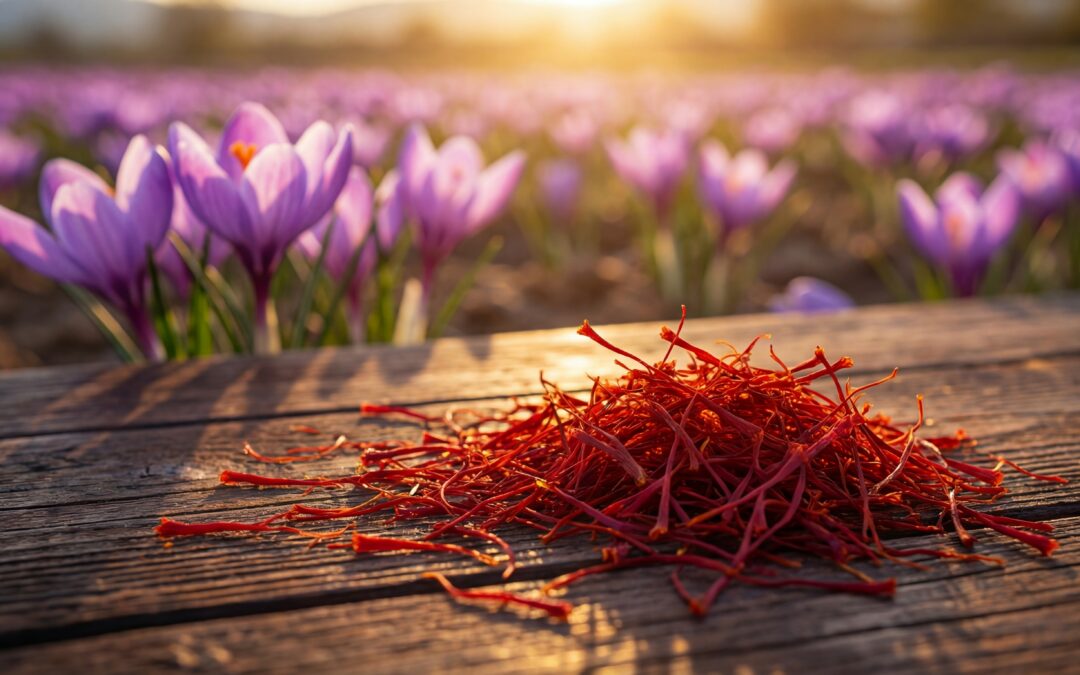
Saffron in the Tarn: Discovering the Red Gold of Occitanie
🌍 Saffron Around the World: An Extraordinary Spice
A History 3,500 Years in the Making
Saffron is one of the oldest spices known to humanity. The earliest traces of its use date back to Antiquity, in Mesopotamian and Egyptian civilisations. The ancient Greeks used it to perfume their baths, the Romans to dye their garments, and Arab physicians of the Middle Ages considered it a universal remedy. According to INRAE, saffron is among the most ancient and thoroughly documented crops in agricultural history.
In Europe, the 14th century marked saffron’s golden age. Great trading cities — Venice, Nuremberg, Basel — traded it at extraordinary prices. In France, saffron cultivation took root during the Middle Ages in several regions, most notably in the Gâtinais (Centre region), which remains one of the country’s most renowned production areas today, as documented by the Terroir France portal.
Over recent decades, however, a renaissance of saffron farming has swept across France — and the Tarn is no exception. Occitanie has emerged as one of the pioneering regions in this artisanal revival.
Why Is It So Expensive?
Saffron is harvested by hand, flower by flower, at dawn. Each Crocus sativus produces only three stigmas — the red threads that constitute the spice. It takes approximately:
- 200 flowers to obtain 1 gram of dried saffron
- 150,000 to 200,000 flowers to obtain 1 kilogram
- 300 to 500 hours of labour to harvest that same kilogram
This absolute demand — entirely manual harvesting, a flowering window of just two to three weeks, unpredictable weather — is what makes saffron the most expensive spice in the world, with prices reaching 30 to 40 € per gram for quality French artisanal production. The International Organisation for Standardisation (ISO 3632) classifies saffron according to strict quality criteria recognised worldwide.
🌸 The Plant: Crocus Sativus, a Flower of Fleeting Beauty
Botany and Life Cycle
Saffron comes from a bulbous plant, Crocus sativus, belonging to the Iridaceae family. Unlike most cultivated plants, the saffron crocus is sterile: it does not reproduce by seed, but only through division of its bulbs (called “corms”). This means every plant must be multiplied manually by the saffron grower, year after year. The Tela Botanica network provides detailed documentation on the biology and distribution of this fascinating species across France.
Its life cycle is unique:
- Summer: the plant lies dormant, bulbs remain in the ground
- September–October: the first leaves emerge
- October–November: flowering — the magical, brief and intense window
- Winter–Spring: the plant develops its foliage and rebuilds its reserves
- June: leaves yellow and disappear, returning to dormancy
The saffron crocus flower is strikingly beautiful: six mauve or violet petals, delicately veined, opening at dawn and closing at dusk. At the centre, three yellow stamens frame the three vivid red stigmas — the precious threads that will become saffron.
The Flowering: An Ephemeral Spectacle
Flowering lasts on average two to three weeks, between mid-October and mid-November depending on the year and climatic conditions. It is an intense period of work for the saffron grower: flowers must be picked on the very morning they bloom, before they open fully, to preserve the quality of the stigmas.
One day’s delay, and the flower is lost. A spell of rain or frost, and the harvest may be compromised. It is this fragility — this absolute dependence on the whims of nature — that makes saffron so precious, and its cultivation so captivating to witness.
🌿 The Tarn: Ideal Land for Growing Saffron
Perfect Climatic Conditions
The Tarn department enjoys a tempered Mediterranean climate, with oceanic and continental influences. According to Météo France, this climatic blend results in:
- Hot, dry summers — ideal for the bulbs’ summer dormancy
- Mild, sunny autumns — perfect for a beautiful flowering
- Moderate winters — without severe frosts that could damage the corms
- Generous sunshine throughout the year
These conditions closely resemble those found in Iran (which produces 90% of the world’s saffron), Spain (La Mancha) and Kashmir — the three great global producing regions. The Tarn therefore has exceptional natural potential to produce saffron of the highest quality.
Well-Suited Soils
Crocus sativus dislikes excess moisture. It requires well-drained, light, slightly calcareous or clay-limestone soils — exactly the type found on the Tarn hillsides, particularly around Gaillac, Lautrec and in the Ségala hills. These same terroirs that give character to Gaillac AOC wines and the Pink Garlic of Lautrec now also host a handful of artisanal saffron farms.
A Revival Driven by Passionate Growers
Saffron farming in the Tarn is a relatively recent but rapidly growing phenomenon. Driven by converted farmers, botany enthusiasts and local food entrepreneurs, this artisanal sector is part of a broader movement to promote local products and gastronomic tourism. The Tarn Departmental Tourism Committee lists numerous local producers committed to short supply chains and agritourism.
These producers deliberately choose to work in organic or sustainable farming, free of pesticides and chemical fertilisers, to produce a pure, traceable saffron over which they control every stage of production.
🛠️ Saffron Farming from A to Z: How Red Gold Is Made
1. Planting the Corms
Everything begins in July–August, when the saffron grower plants the corms (bulbs) in the ground. They are arranged in rows, at a depth of 10 to 15 cm, spaced 10 to 15 cm apart. A painstaking process that requires patience: the first flowers will not appear until two months later.
2. Flowering and Harvesting
This is the most critical moment of the year. Each morning at dawn — sometimes as early as 5 or 6 a.m. — the grower walks the rows to pick the flowers that have just bloomed. The harvest must be completed before the sun rises too high, as the heat accelerates the opening of flowers and degrades the quality of the stigmas.
Flowers are gently placed in shallow baskets or trays to avoid crushing them.
3. Stigma Extraction
This is the longest and most delicate stage. Extraction involves manually removing the three stigmas from each flower, separating them from the petals and stamens. This work is done entirely by hand, with extreme precision, often carried out by families or neighbours in a convivial atmosphere.
A skilled worker can process 1,000 to 1,500 flowers per hour. To harvest 1 gram of saffron, approximately 200 flowers must be processed.
4. Drying
Fresh stigmas still contain a great deal of water. They must be dried quickly — within hours of harvesting — to halt enzymatic processes and concentrate the aromas. Drying is traditionally done in a low-temperature oven (between 40 and 60°C) for 20 to 30 minutes, until the threads are dry, brittle and deep red.
It is during this stage that saffron develops its characteristic aromas: floral, slightly iodine, with notes of honey and hay.
5. Packaging and Storage
Dried saffron is then packaged in small airtight vials, away from light and moisture. Stored this way, it keeps its qualities for several years. Most artisanal producers offer their saffron as whole threads (the highest quality form) or as powder. The Agence Bio encourages consumers to favour certified French productions to guarantee traceability and quality.
🍽️ Saffron in the Kitchen: The Red Gold That Elevates Every Dish
Using Saffron Correctly: The Golden Rules
Saffron is not a spice to be improvised with. Used incorrectly, it can taste bitter or go completely unnoticed. Used well, it transforms an ordinary dish into an unforgettable culinary experience. The Académie du Goût offers many resources for learning to master this exceptional spice.
- Infuse, never add directly: saffron must first be infused in a warm liquid (water, stock, milk, cream) for at least 20 to 30 minutes.
- Less is more: 4 to 6 threads are enough to flavour a dish for 4 people.
- Add at the end of cooking: excessive heat destroys saffron’s delicate aromas.
- Avoid contact with fats at the start of cooking: always reserve it for an aqueous infusion.
The Great Classics Made with Saffron
- 🥘 Valencian paella — its golden colour and characteristic aroma come entirely from saffron
- 🐟 Marseille bouillabaisse — impossible without saffron, which gives it its iconic orange hue
- 🍚 Risotto alla milanese — its golden yellow shade and delicate flavour are entirely due to saffron
- 🫕 Moroccan tagine — a staple of North African cuisine for centuries
- 🍮 Indian desserts — kulfi, kheer, ladoos: saffron is a royal spice in India
Saffron in Tarn and Occitan Cuisine
In the Tarn, local producers have naturally sought to integrate their saffron into regional gastronomy. The Albi Tourist Office and the Tarn Tourism Committee regularly highlight these local flavour pairings. Some particularly successful combinations:
- 🧄 Saffron & Pink Garlic from Lautrec — a quintessentially Tarn combination. Lautrec Pink Garlic, France’s only garlic to hold a Label Rouge, pairs beautifully with saffron’s floral notes in a sauce for free-range chicken.
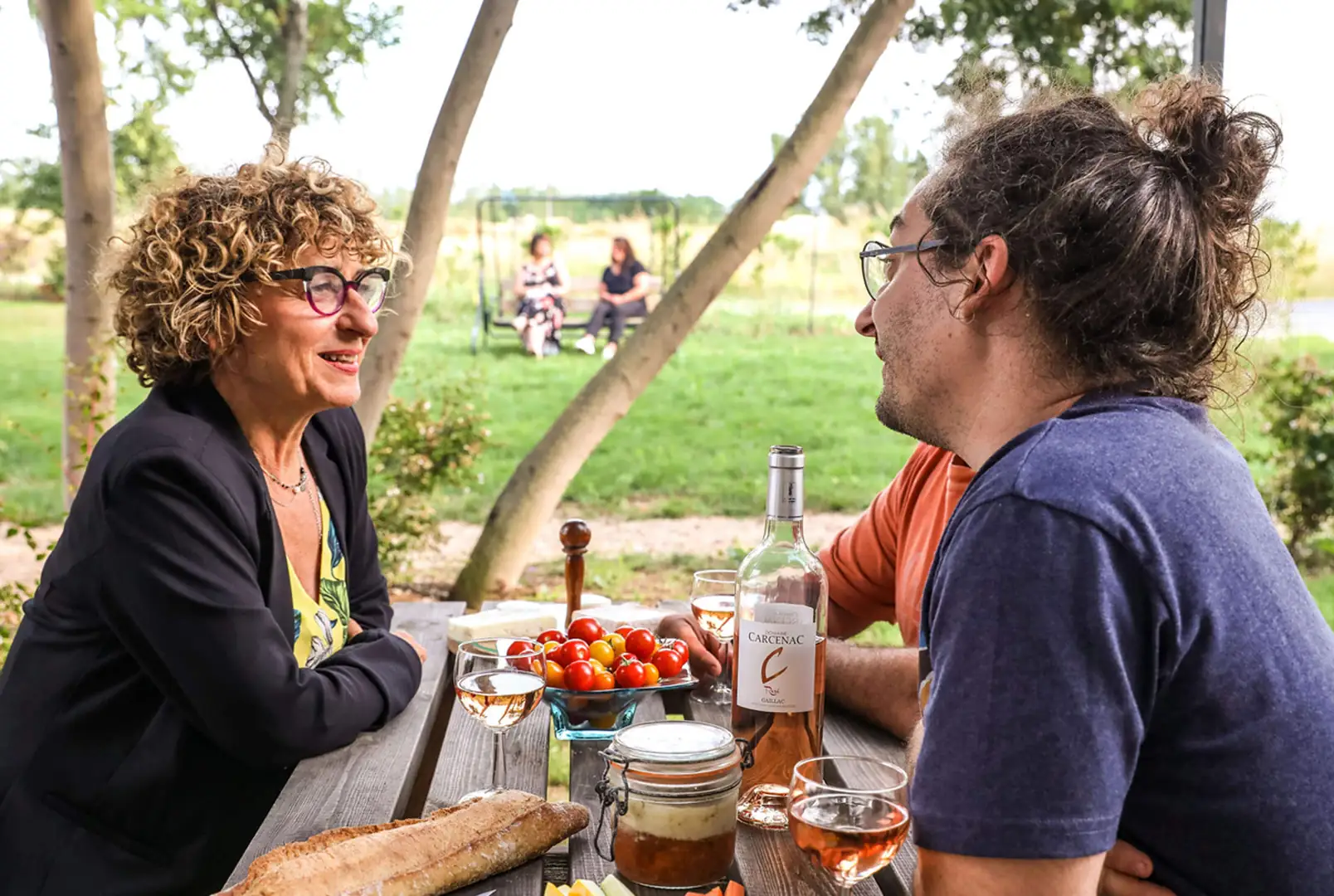
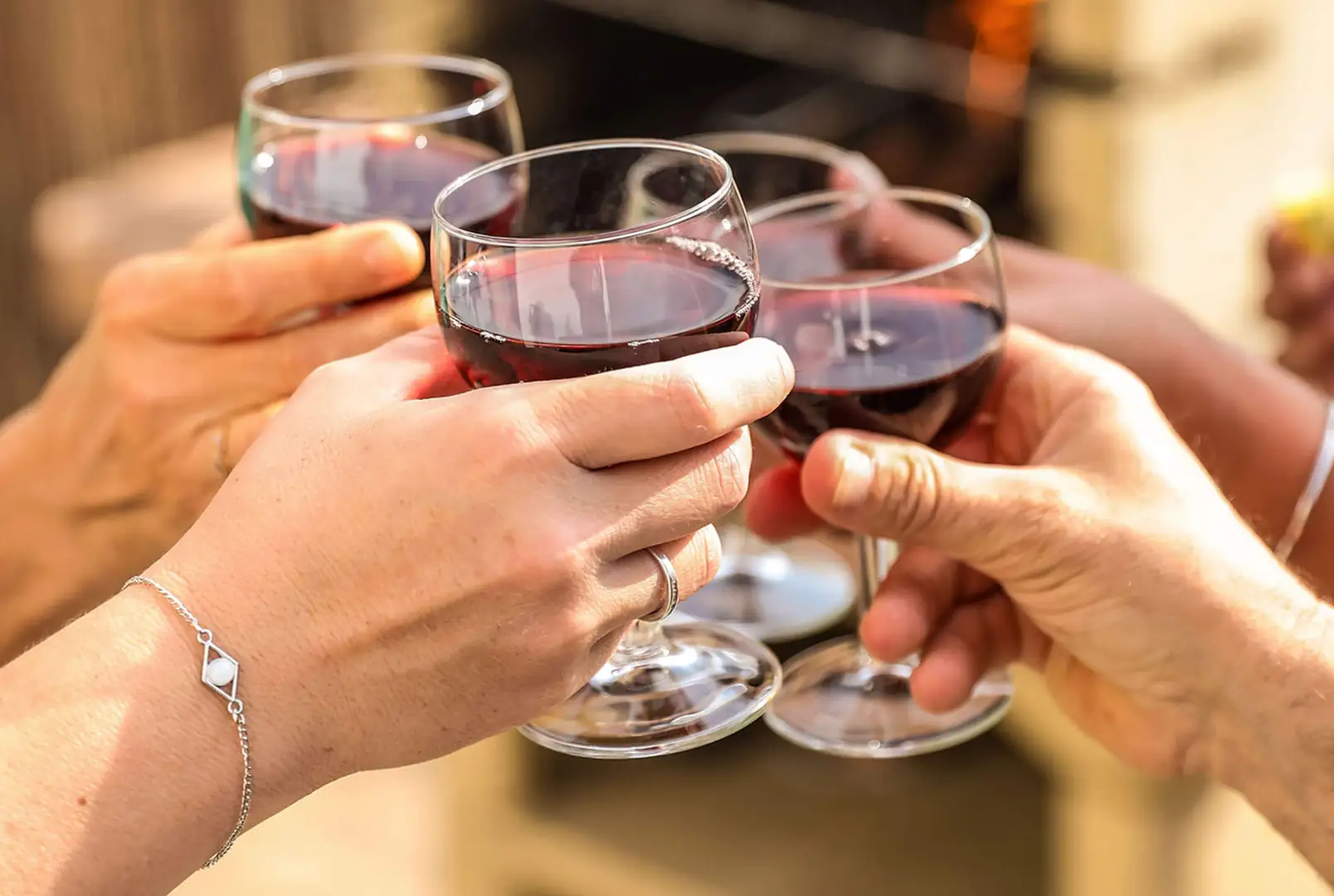
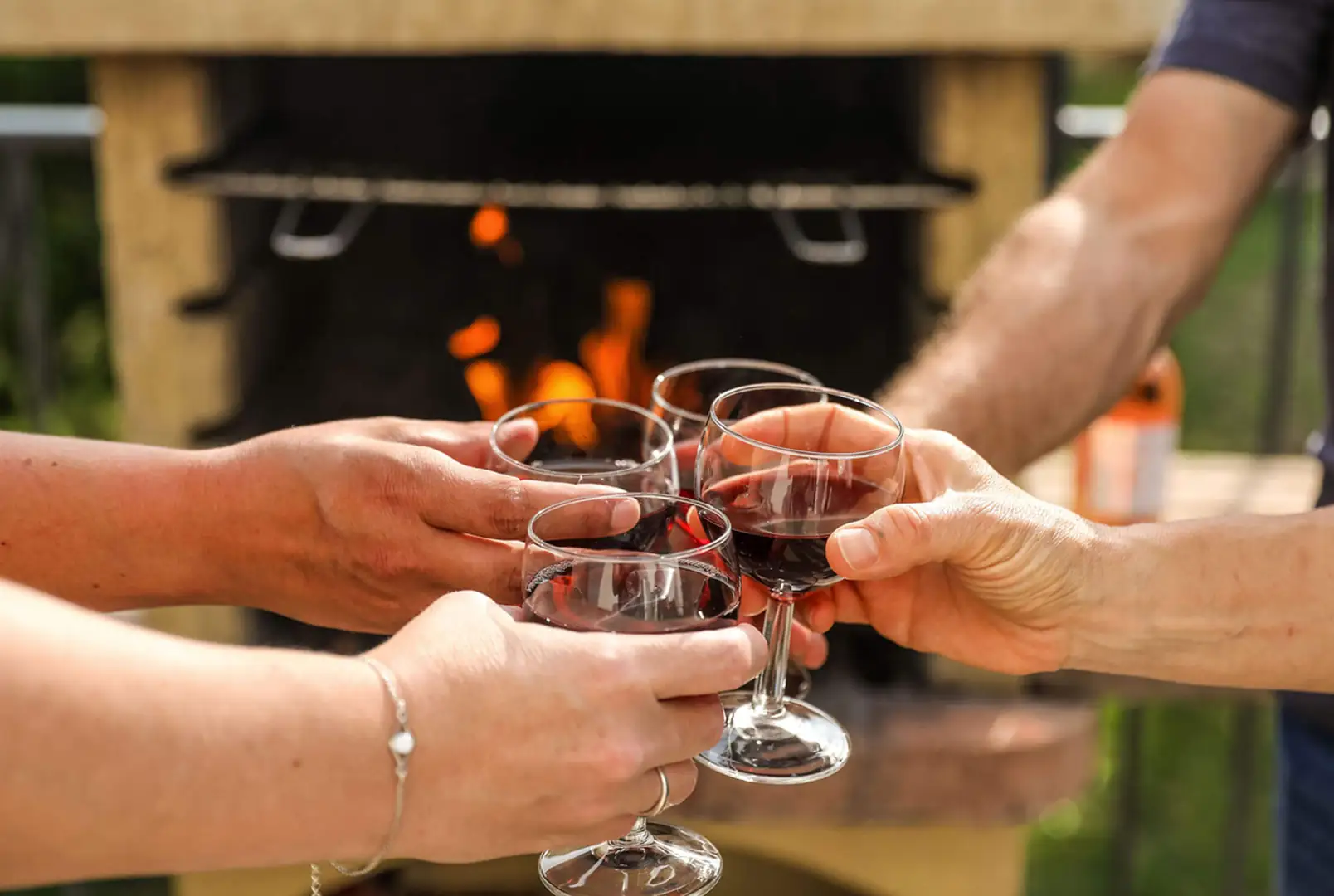
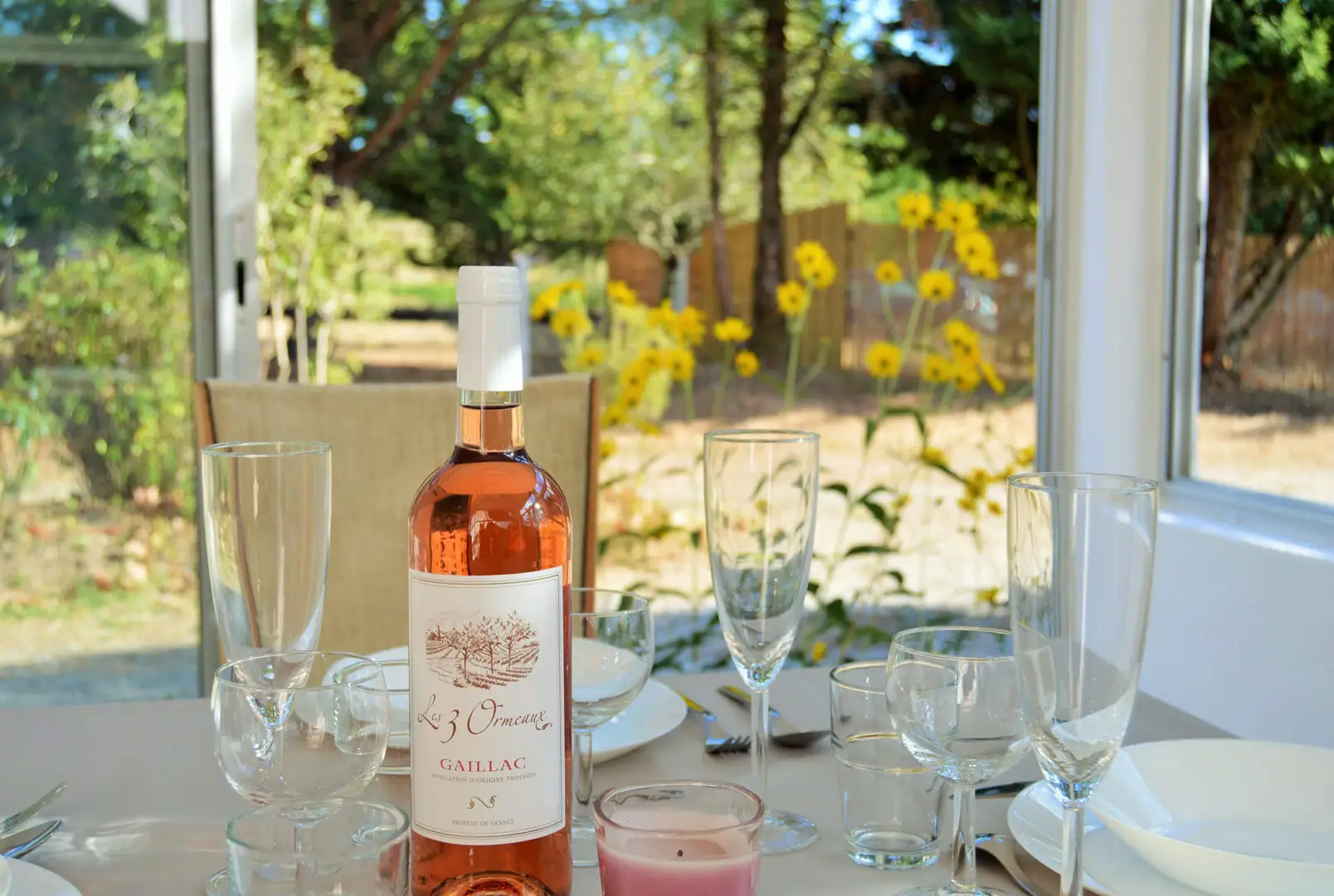
- 🍷 Saffron & Gaillac AOC wines — some Gaillac estates offer saffron-infused aperitifs to taste on-site
- 🧀 Saffron & Tarn cheeses — a slice of fresh cheese with saffron and a drizzle of local honey: simple and stunning
- 🌰 Saffron & chestnut — in autumn, a remarkable pairing in soups and desserts
Recipes to Try During Your Stay
🍲 Butternut squash velouté with Tarn saffron: sauté onion and Lautrec pink garlic, add diced butternut squash, cover with vegetable stock, cook for 25 minutes, blend and stir in an infusion of 5 Tarn saffron threads. Serve with a touch of crème fraîche and a few threads as garnish.
🍗 Tarn free-range chicken with saffron and honey: brown the chicken pieces, deglaze with Gaillac white wine, add a saffron infusion, local honey and a few olives. Simmer for 40 minutes over low heat.
🍮 Saffron panna cotta with red berry coulis: prepare your classic panna cotta by infusing 6 saffron threads in warm cream. The result is a magnificent golden colour, with a delicate floral aroma that contrasts beautifully with the acidity of the berries.
💆 Saffron and Wellness: The Spice That Cares for You
Virtues Recognised Since Antiquity
Saffron is not merely a culinary spice. For millennia, it has been used in traditional medicine across many cultures — Persian, Ayurvedic, Chinese, Greek — for its remarkable therapeutic properties. Modern science is beginning to confirm what the ancients already knew, as evidenced by numerous studies published on PubMed, the international medical reference database.
- 🧠 Natural antidepressant: several clinical studies have shown that regular saffron consumption has effects comparable to mild antidepressants, thanks to safranal and crocin.
- 😴 Improved sleep: a light infusion of a few threads in warm milk before bedtime is a traditional remedy for mild insomnia.
- 👁️ Eye protection: research published notably by INSERM suggests that saffron may slow the progression of age-related macular degeneration (AMD).
- 🫀 Cardioprotective properties: rich in antioxidants (crocin, crocetin, kaempferol), it helps reduce inflammation and protect cardiovascular cells.
- 🌸 Mood regulation: used in Persian traditional medicine to relieve premenstrual syndrome symptoms.
Saffron in Body Care
Beyond its internal properties, saffron is also used in cosmetics and body care. Its pigments — the crocins — have brightening and antioxidant properties that make it a prized ingredient in premium skincare.
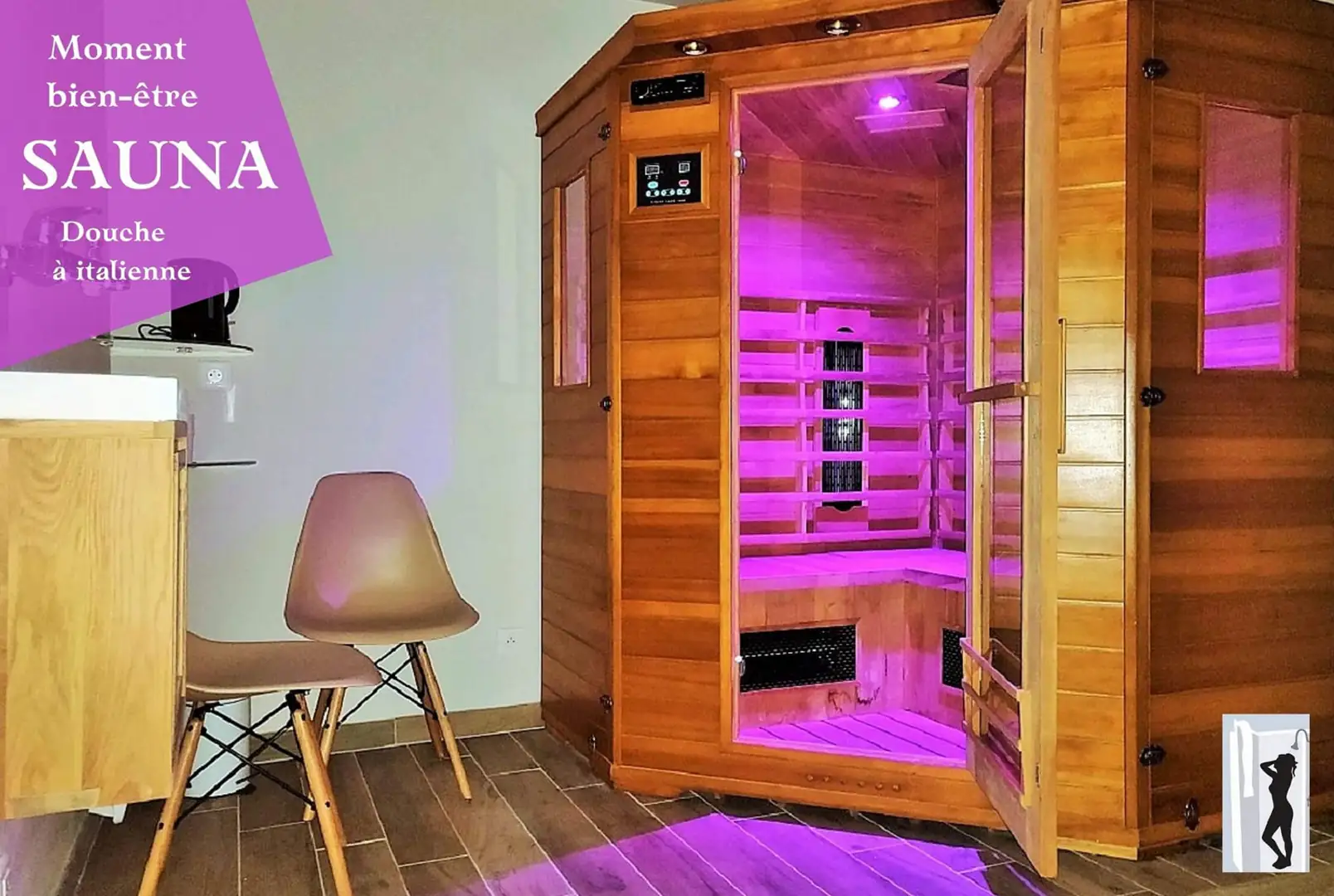
If you stay in our Cottage de l’Art de Bien-Être at Peyrole, you can benefit from the expertise of the L’Art de Bien-Être wellness centre, a partner of the Cottages du Tarn, offering natural treatments and gentle therapies in an exceptional setting. The perfect wellness retreat to extend the benefits of the red gold.
🗺️ Where to Find Tarn Saffron: Producers and Points of Sale
Artisanal Saffron Farms in the Tarn
The Tarn is home to several artisanal saffron producers, located mainly on the hillsides of the Gaillac area, around Lautrec and in the Ségala. These small-scale farms prioritise quality over quantity, with annual productions often below 500 grams. The Tarn Departmental Tourism Committee lists producers who welcome visitors and provides an interactive map of gastronomic tourism in the department.
Most offer:
- Direct farm sales, by appointment or during open-farm days
- Sales at local markets: Gaillac market, Albi market, Lautrec market
- Online sales, via their own websites or local produce platforms
- Educational farm visits, particularly during the flowering season
💡 Practical tip: Contact the Albi Tourist Office or the Tarn Tourism Committee for an up-to-date list of producers welcoming visitors. Information changes from season to season, and some producers only open by prior booking.
The Best Local Markets
- 🏘️ Gaillac market (Tuesday and Friday mornings) — steps away from our Brens estate, in the heart of the vineyard
- 🏘️ Albi market (Saturday morning, Place Sainte-Cécile) — the main market of the prefecture, best visited after exploring the UNESCO-listed Episcopal City
- 🏘️ Lautrec market (Friday morning) — the village of pink garlic also hosts saffron producers and other local spice growers
- 🏘️ Saint-Sulpice-la-Pointe market (Wednesday and Saturday) — halfway between Toulouse and Albi
How to Recognise Quality Saffron
| Criterion | Quality saffron | Poor saffron |
|---|---|---|
| Colour | Vivid red to deep burgundy | Pale orange or brown |
| Shape | Long threads, trumpet-shaped at one end | Short, broken, irregular threads |
| Smell | Floral, slightly iodine, notes of honey | Barely fragrant or chemical smell |
| Infusion | Colours water golden yellow in 15–20 min | Colours immediately (added colourant) |
| Taste | Slightly bitter, complex, lingering | Tasteless or very bitter |
| Price | €25–40/g for French artisanal | Under €5/g = suspicious |
⚠️ Beware of counterfeits: powdered saffron is far easier to adulterate than whole threads. Always prefer whole threads, and buy directly from identified producers or trusted fine food shops. The DGCCRF (French Directorate General for Competition, Consumer Affairs and Fraud Control) regularly issues alerts about counterfeit saffron sold online.
🗓️ When to Come and Experience Saffron?
| Period | What happens | What you can do |
|---|---|---|
| July–August | Bulb dormancy | Summer stay, private pool, hiking |
| September | First leaves emerge | Gaillac harvest, wine tourism |
| Mid-October to mid-November | 🌸 FLOWERING — the magical moment | Visit a saffron farm, witness the harvest |
| November–December | Drying and packaging | Buy freshly harvested saffron |
| December–March | Foliage growth | Christmas markets, local produce |
| April–June | End of cycle, return to dormancy | Spring in Occitanie, flower walks |
💡 Our recommendation: If you want to experience saffron in its full splendour — flowering, harvesting, stigma extraction, tasting — plan your stay at the Cottages du Tarn between 15 October and 10 November. You will combine the magic of the saffron flowering with the final Gaillac harvests and the first autumn colours of the Tarn. An absolutely magical combination.
🏡 Stay at the Cottages du Tarn: Your Ideal Base to Explore the Tarn Terroir
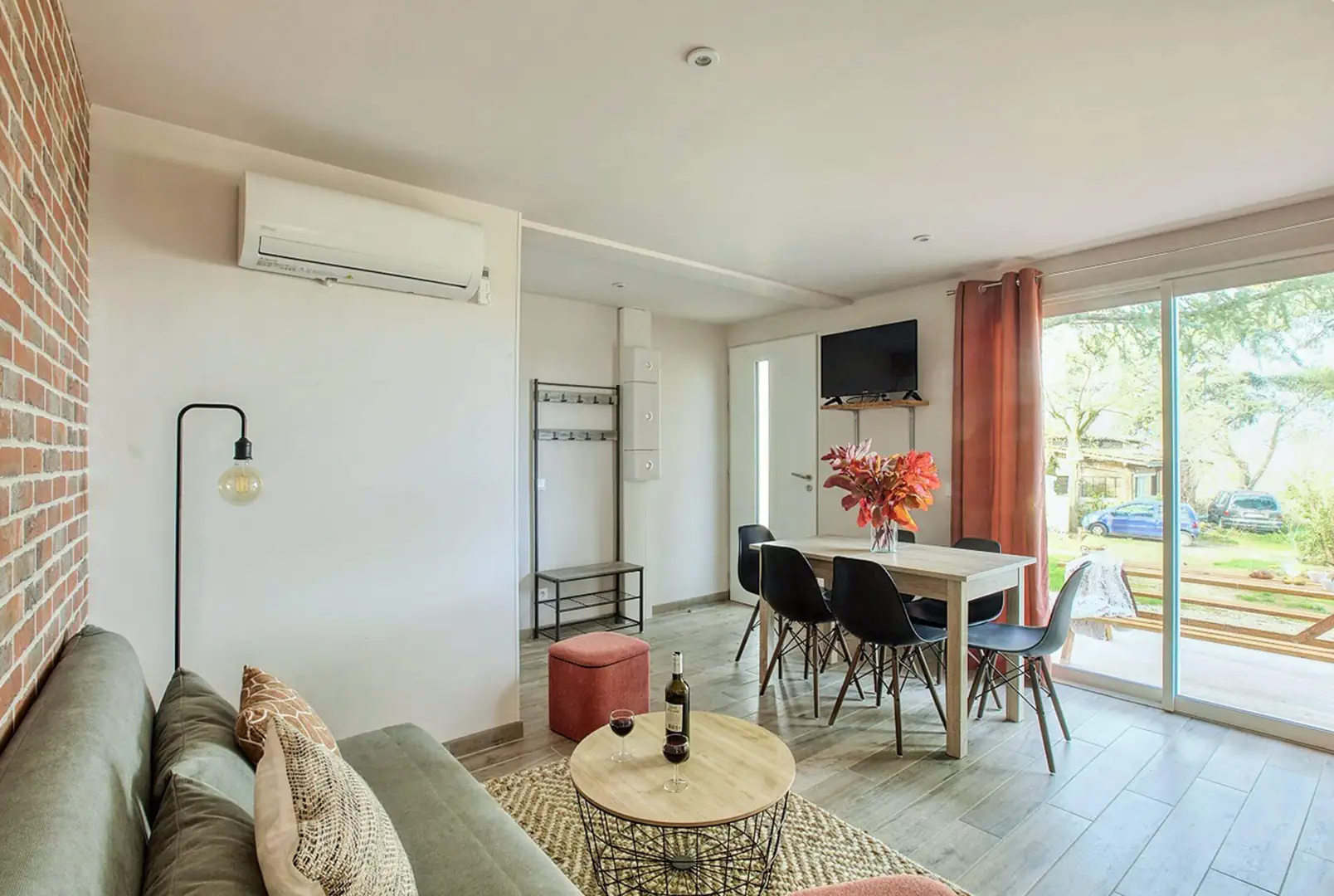
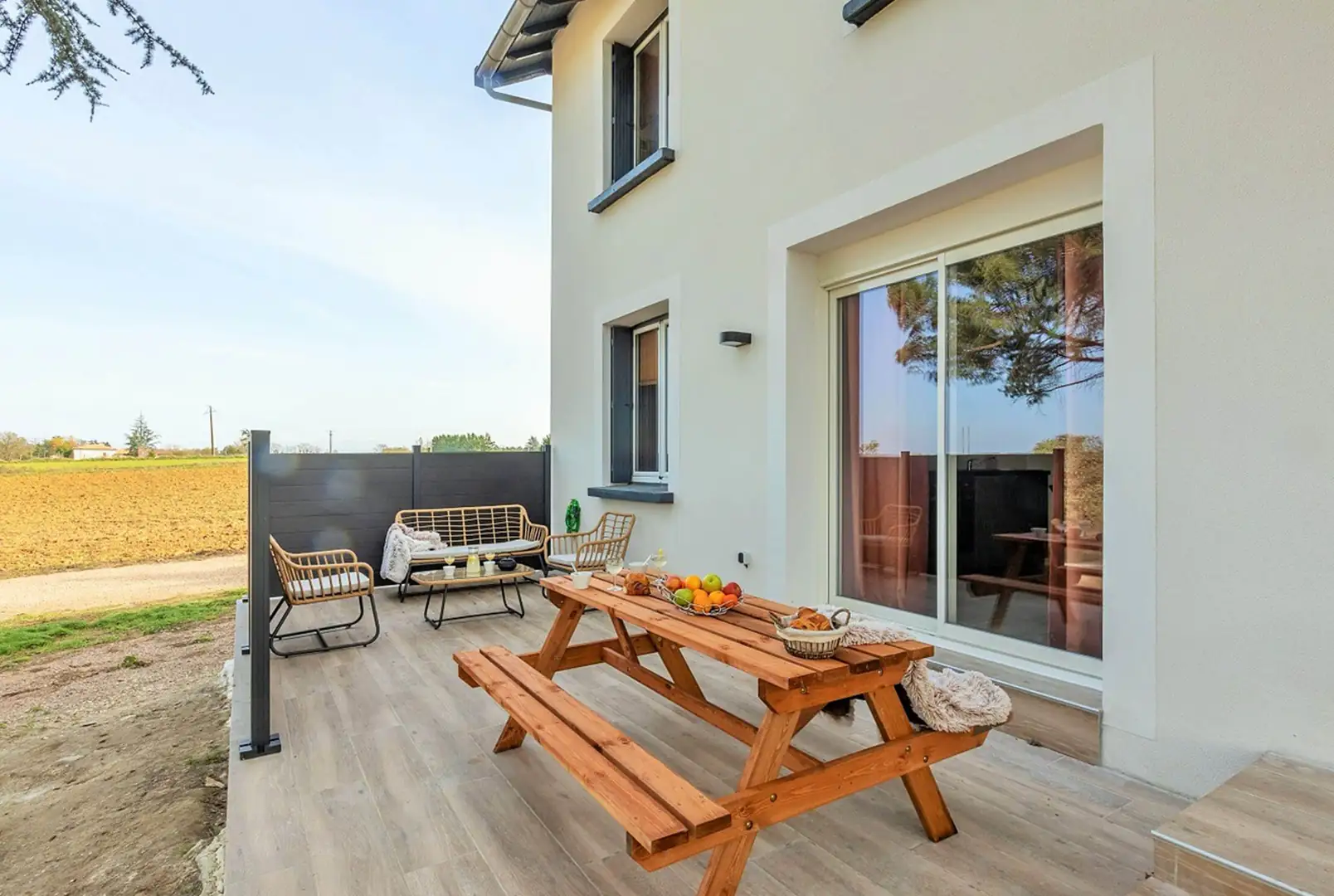
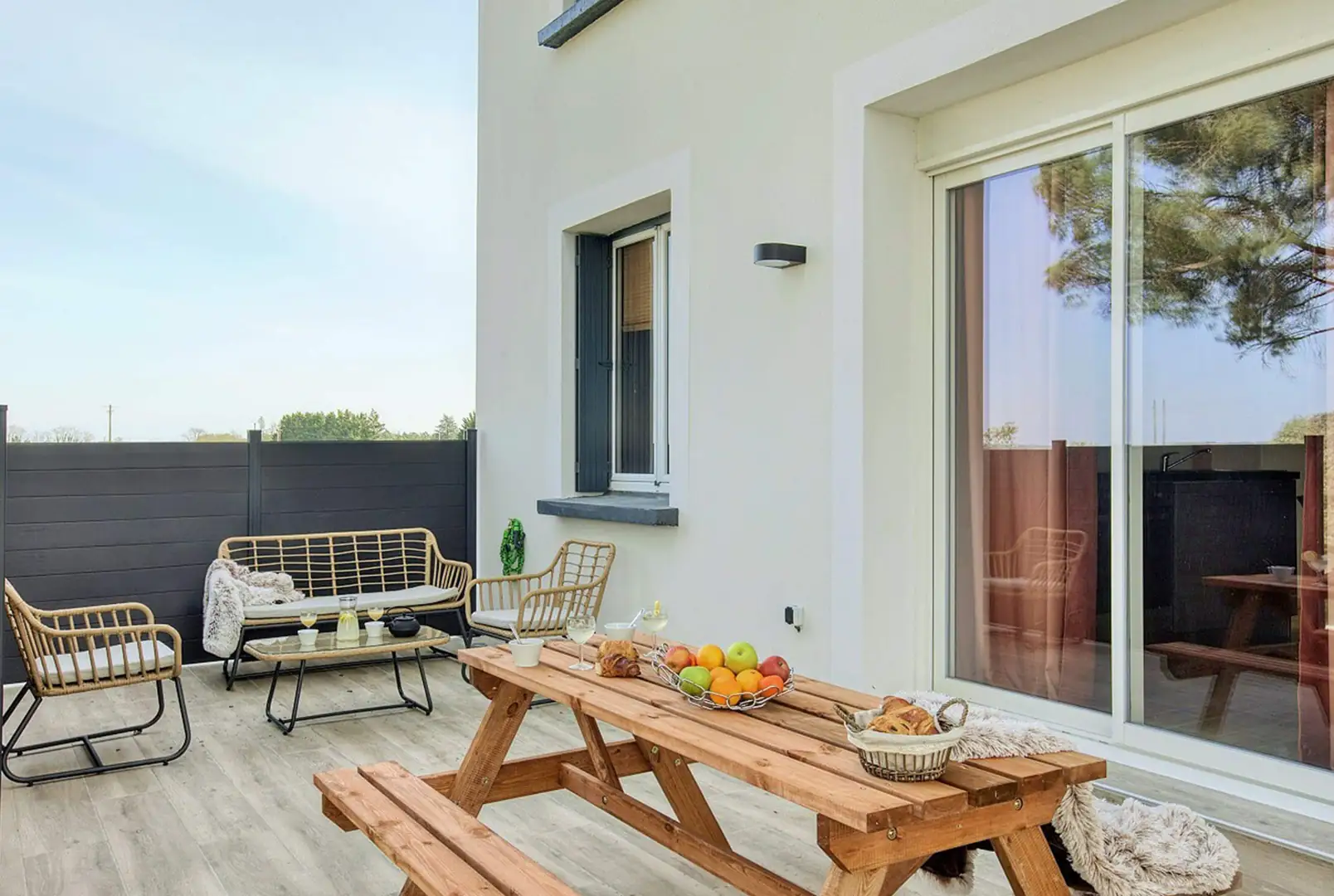
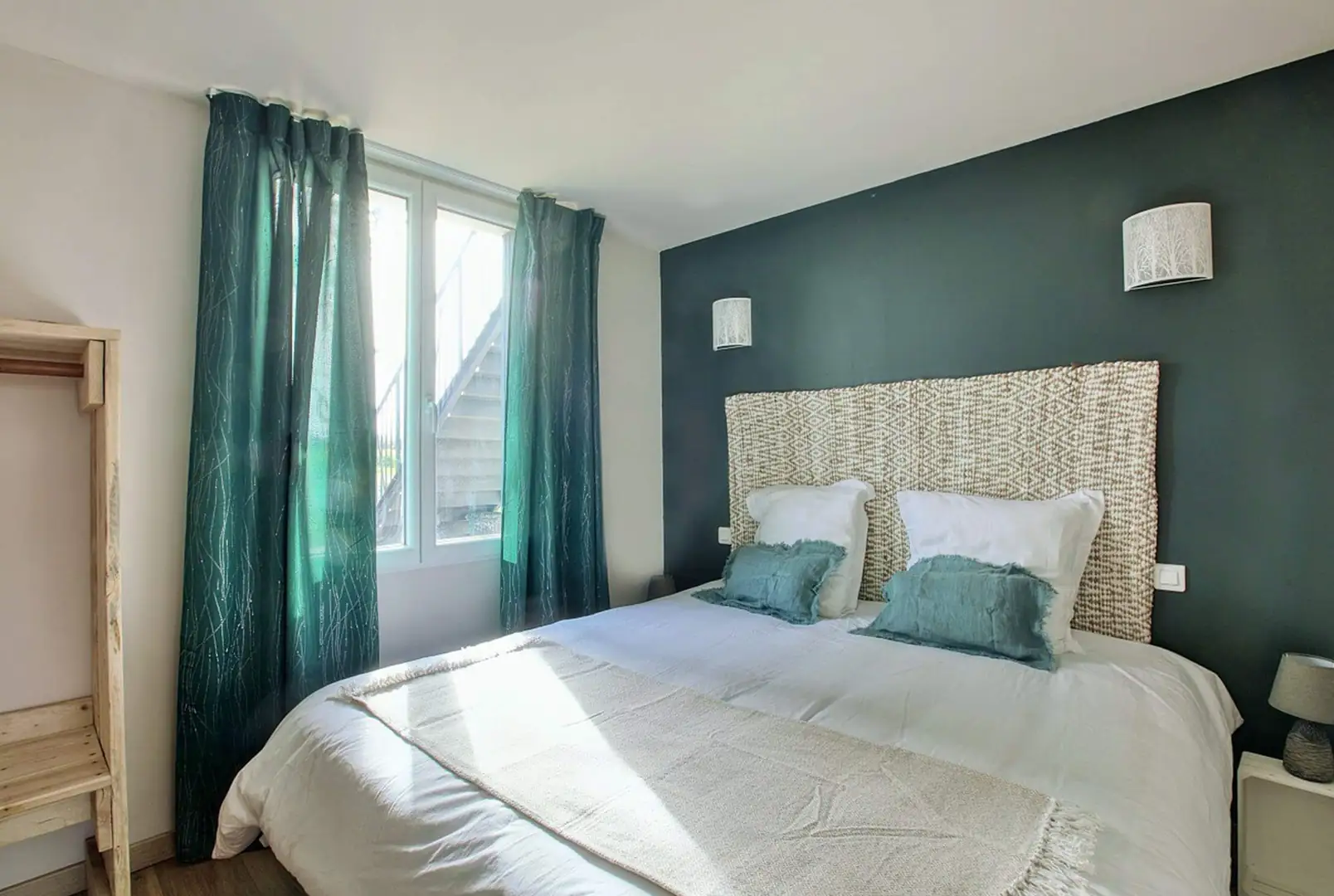
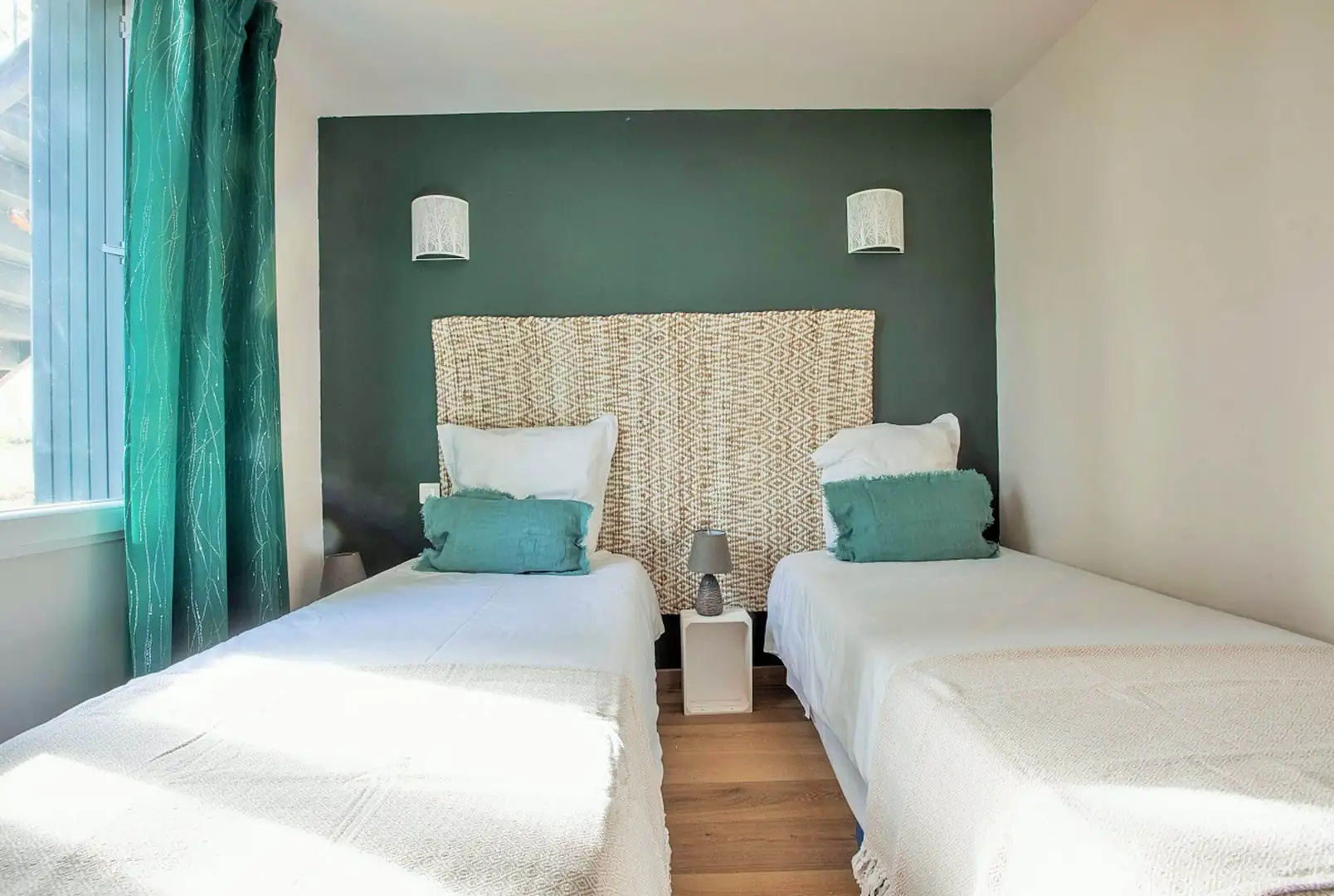
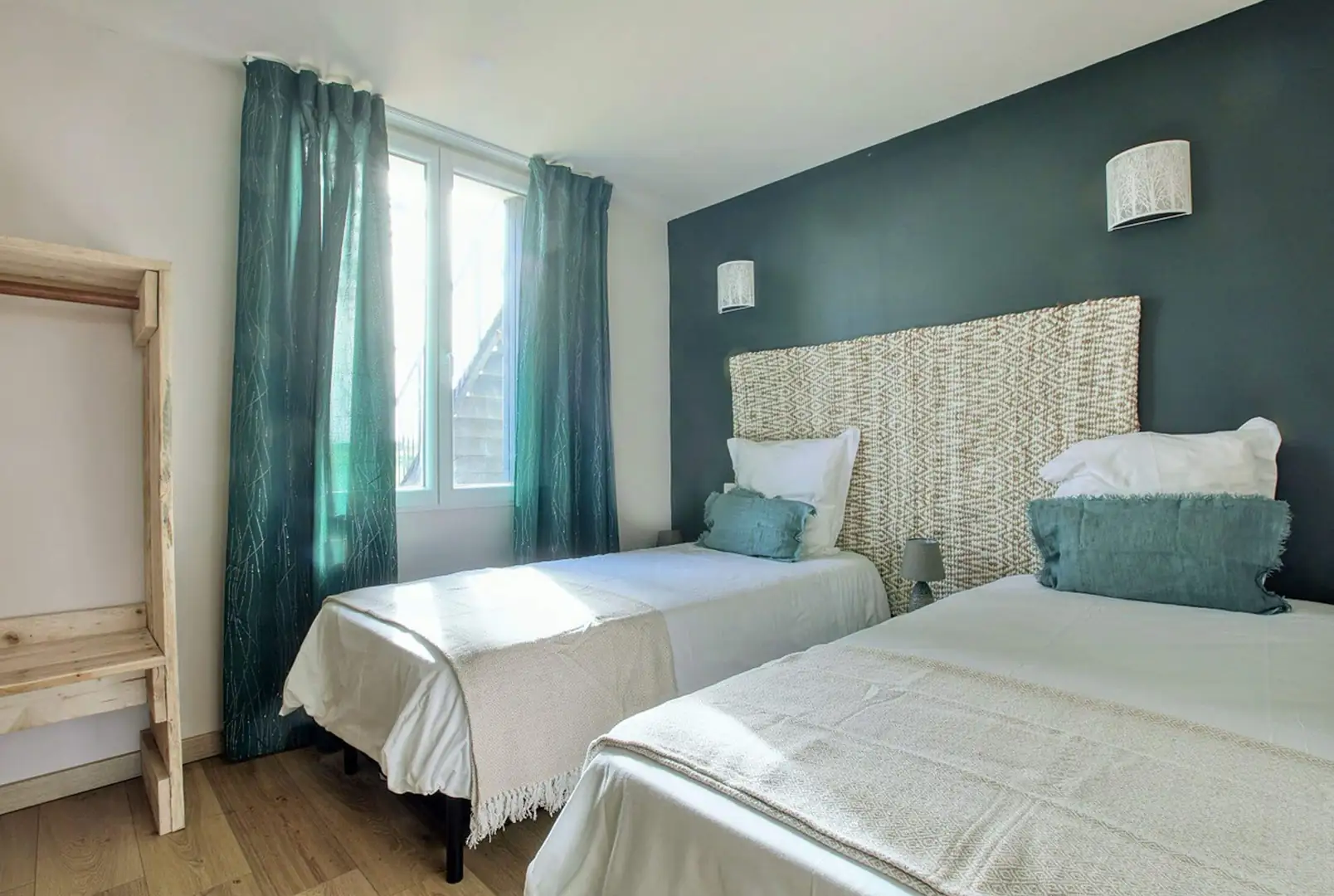
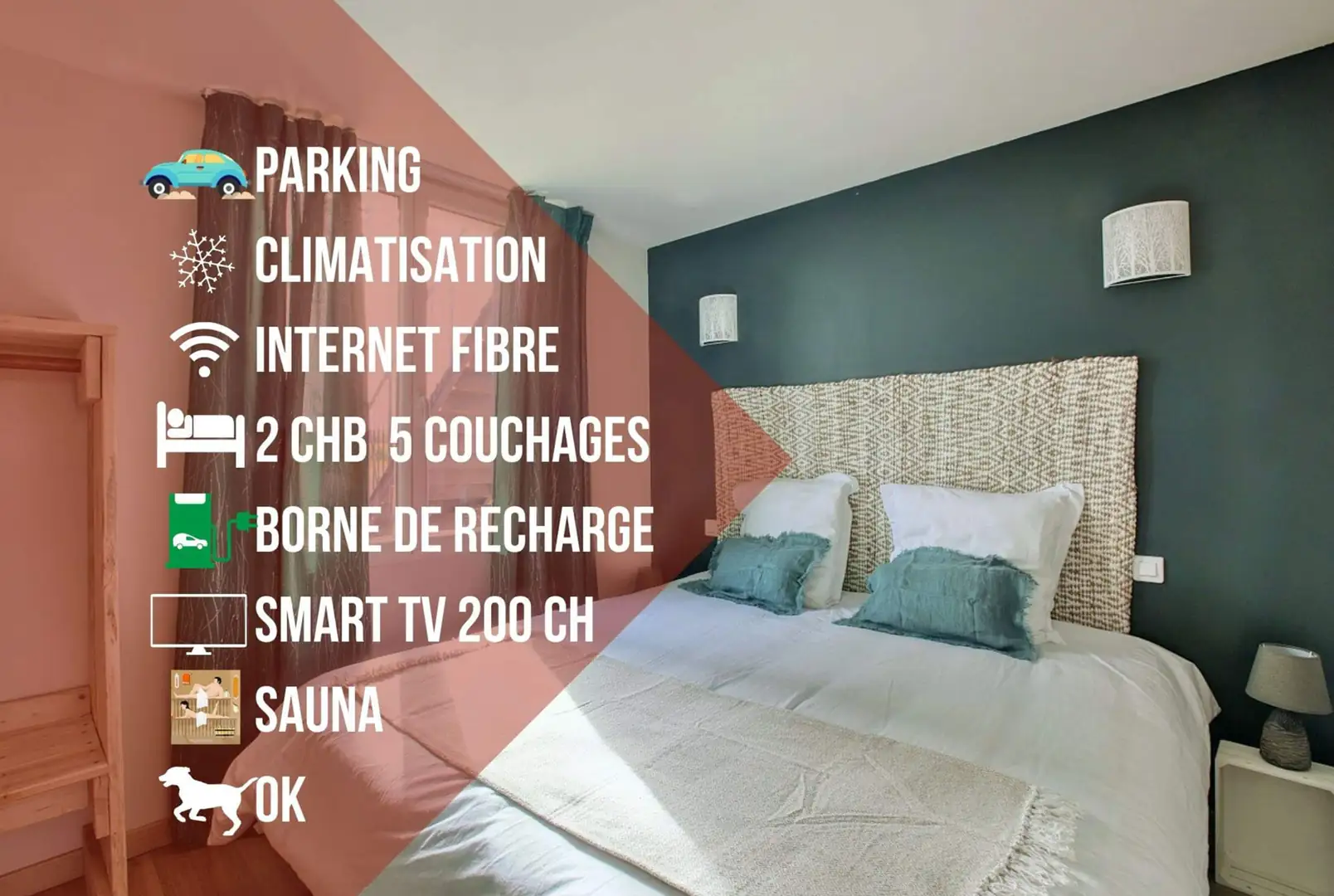
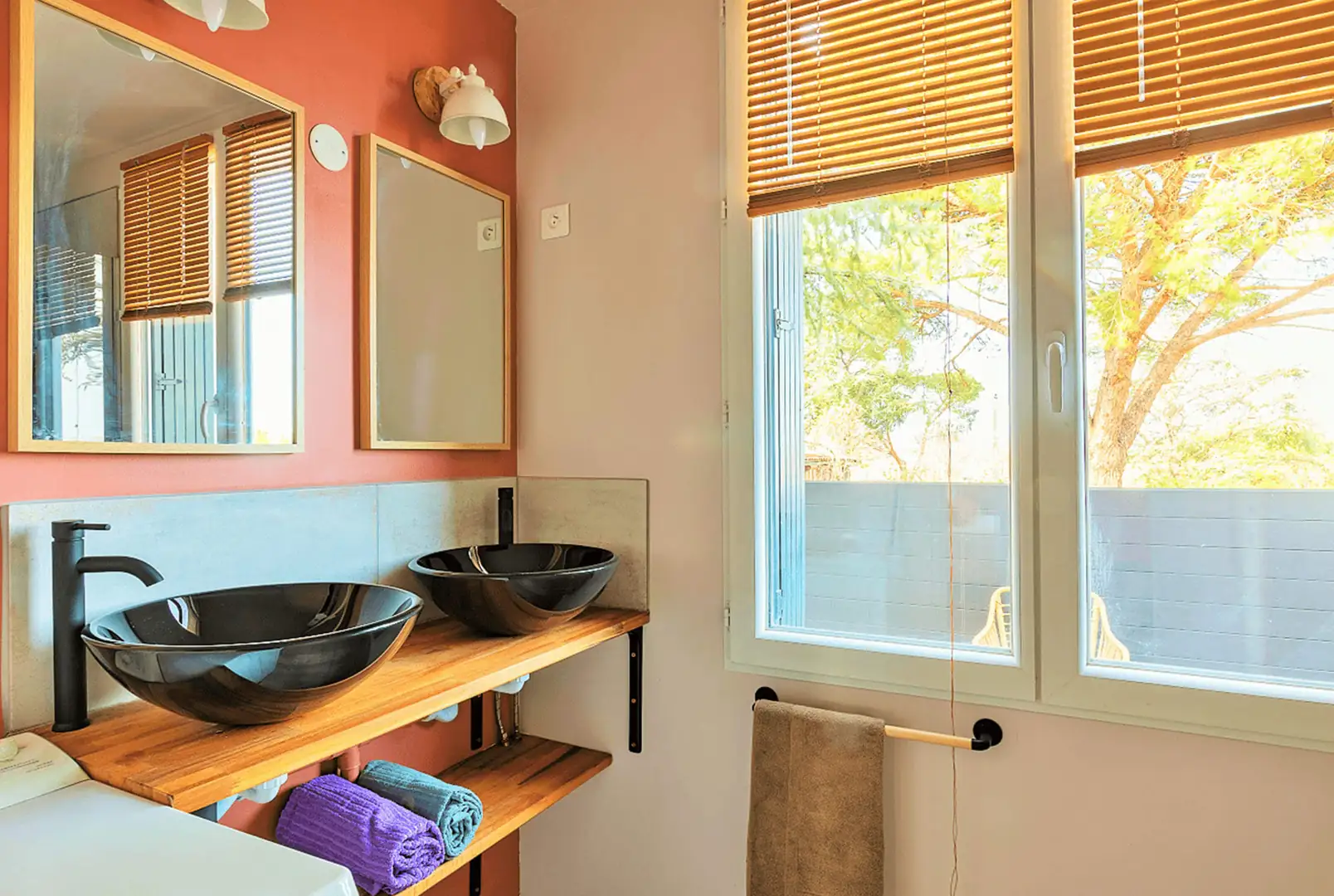
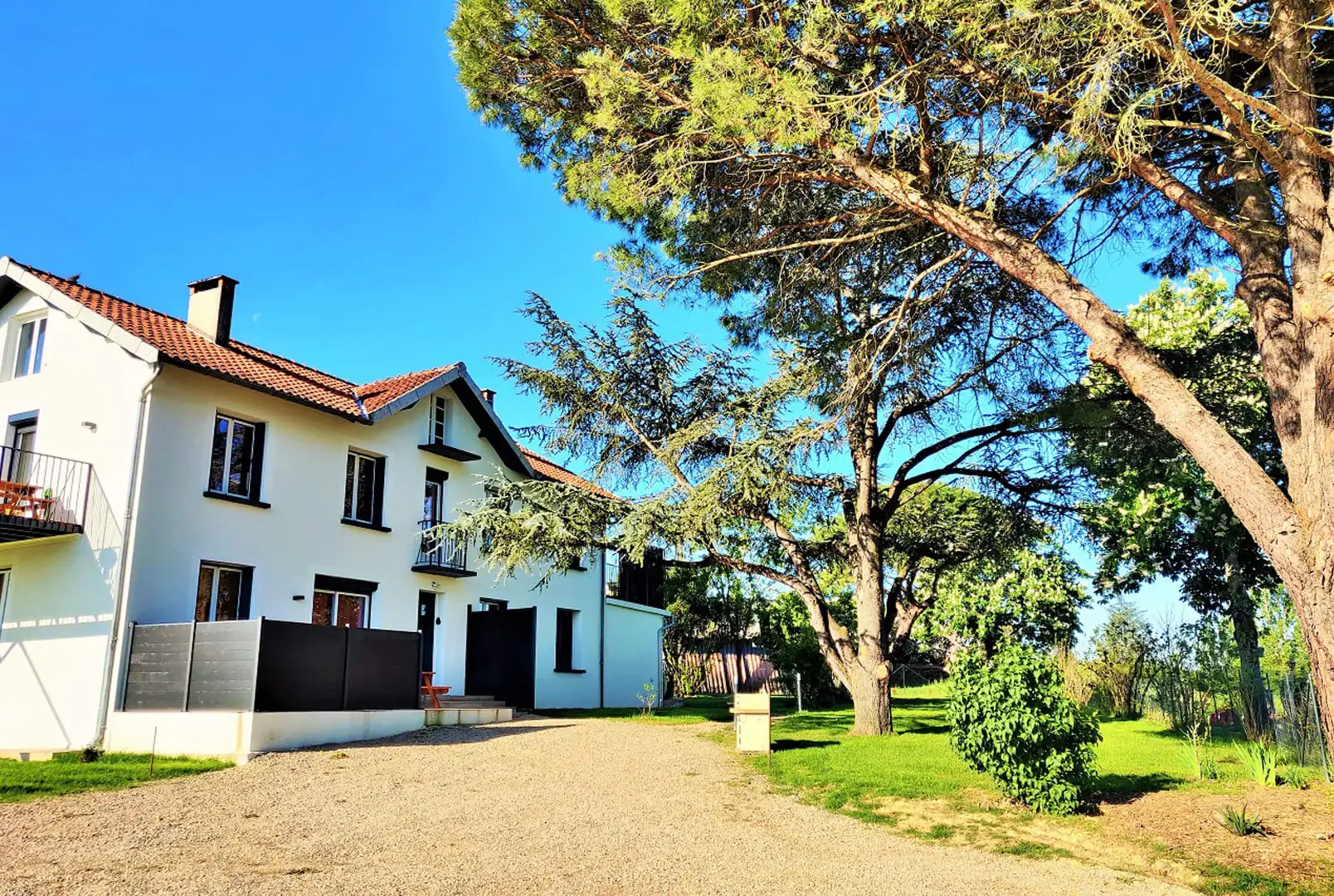
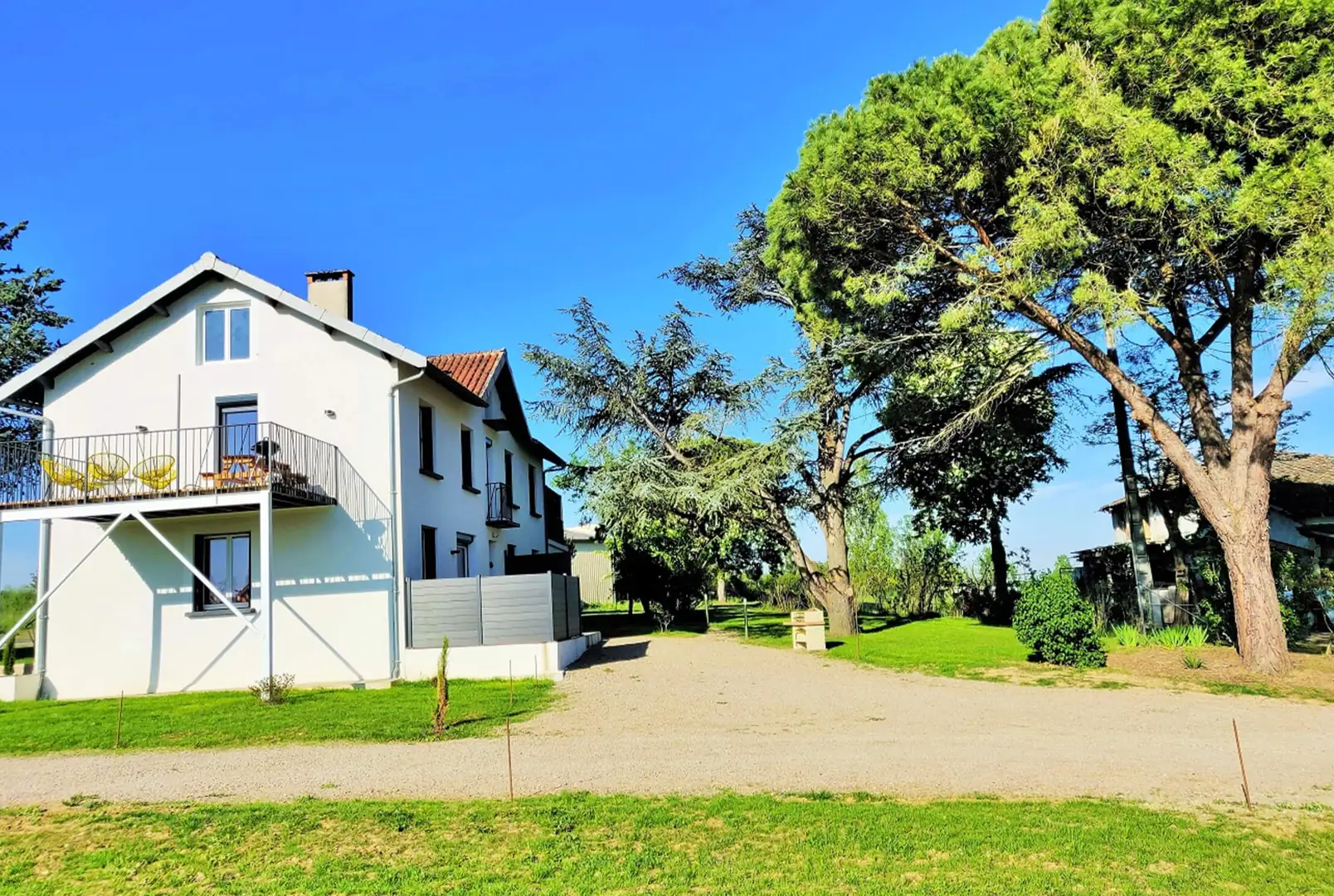
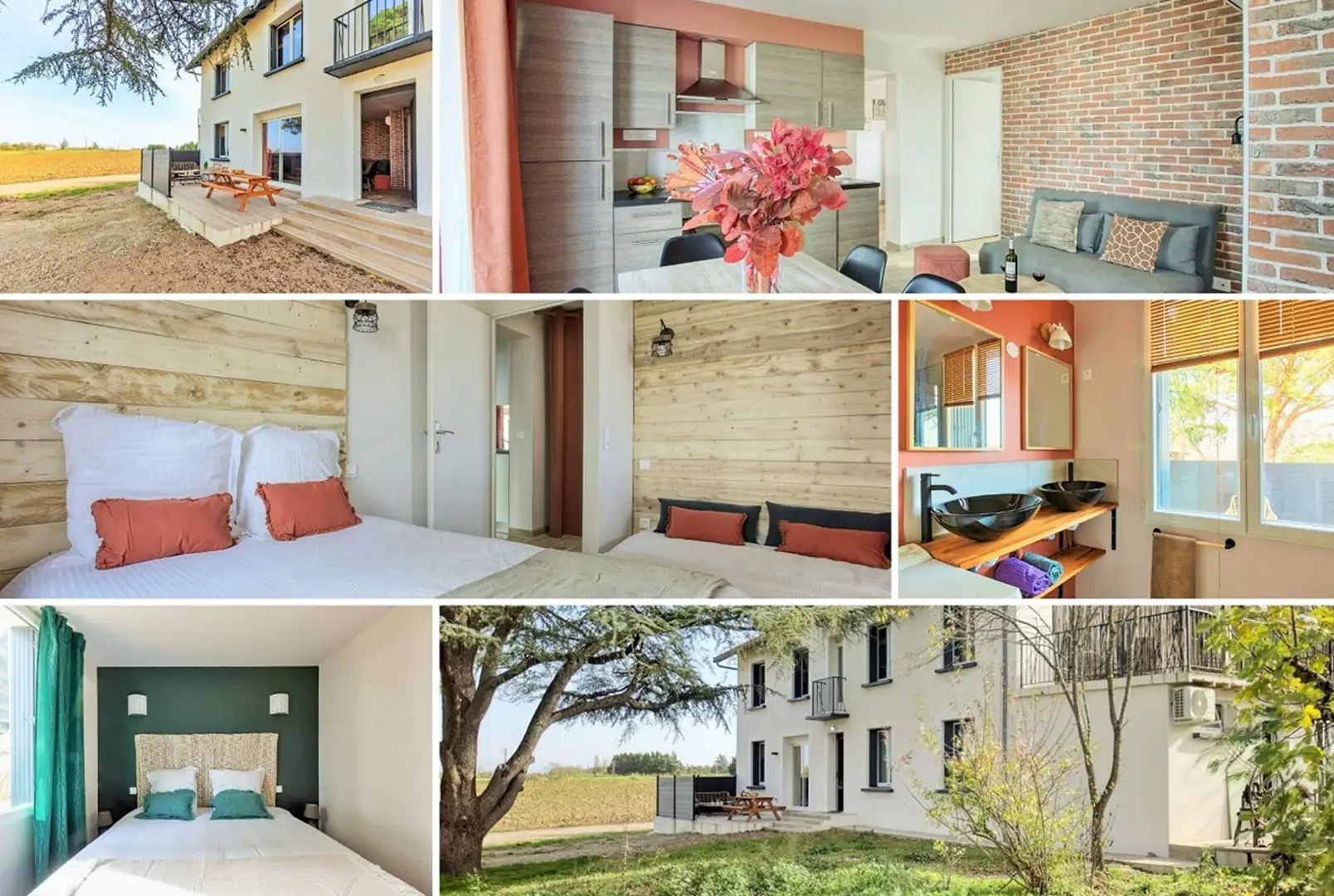
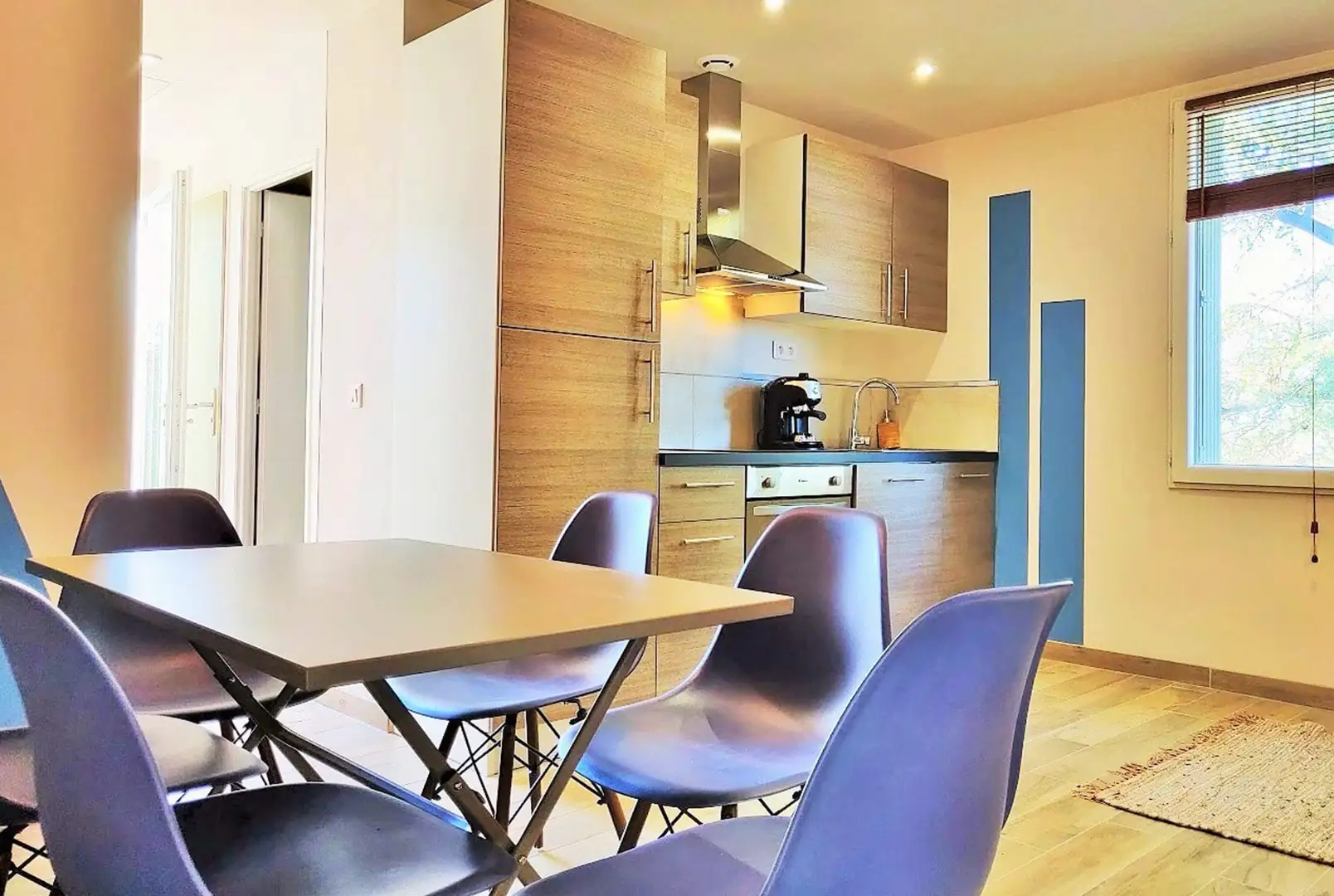
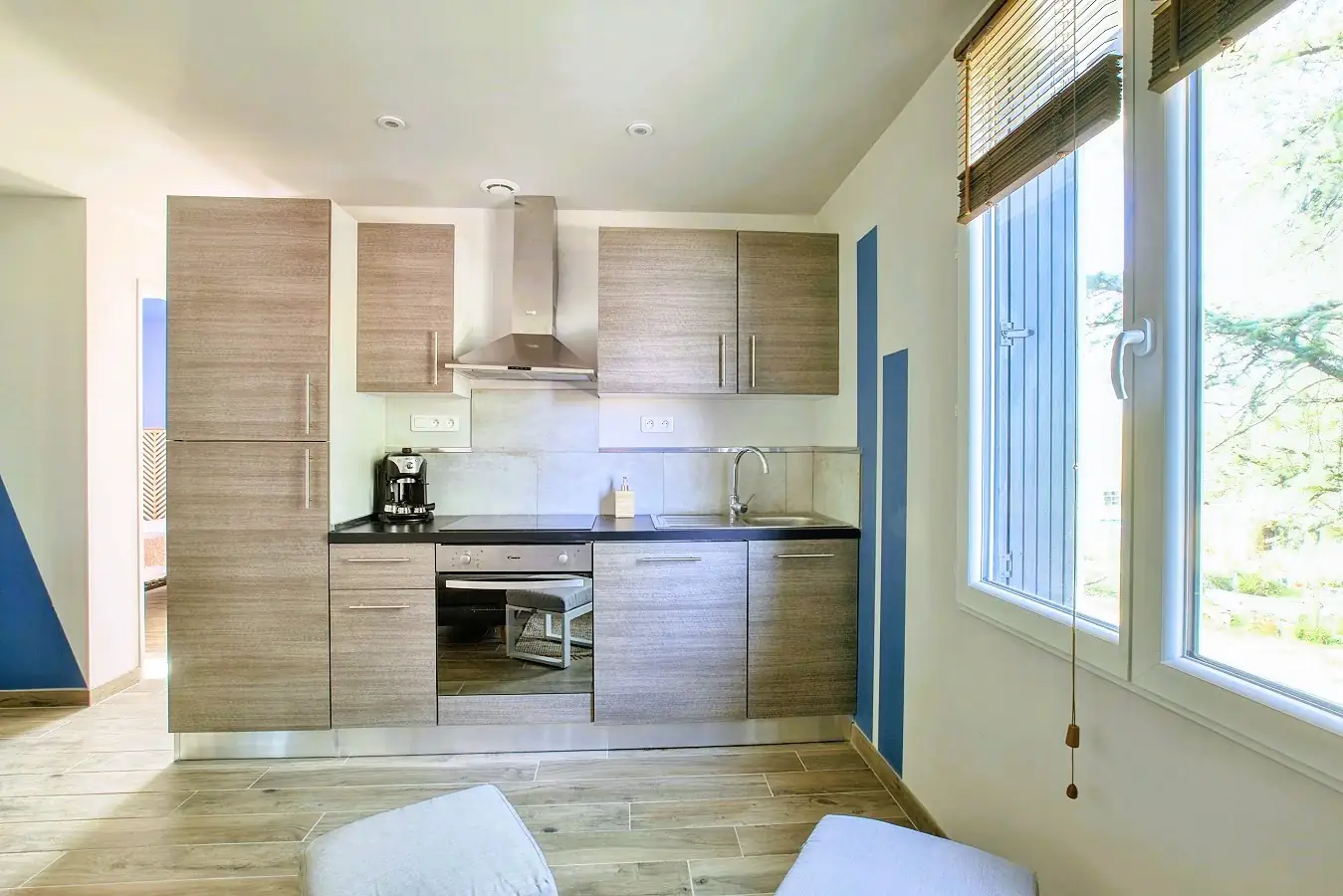
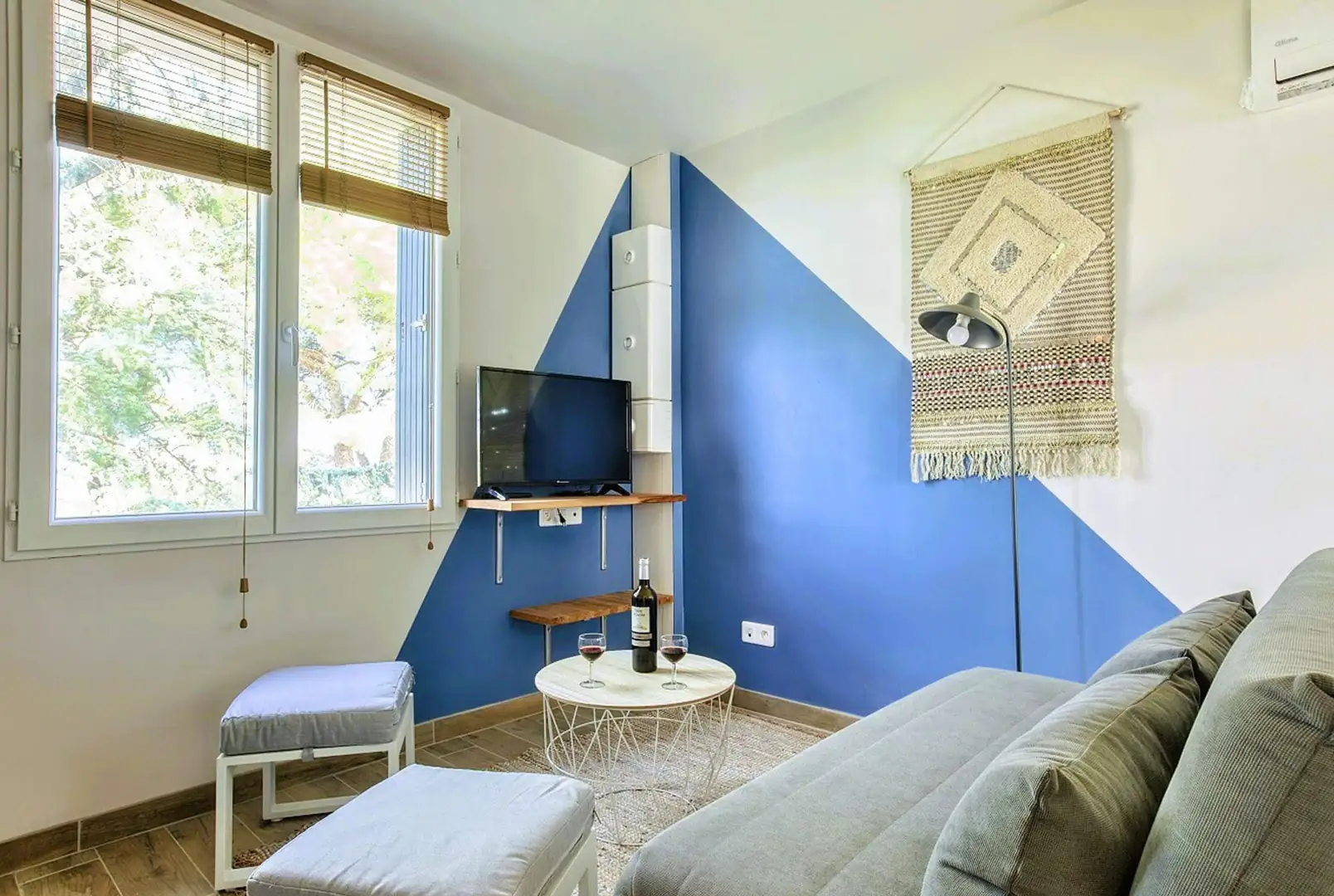
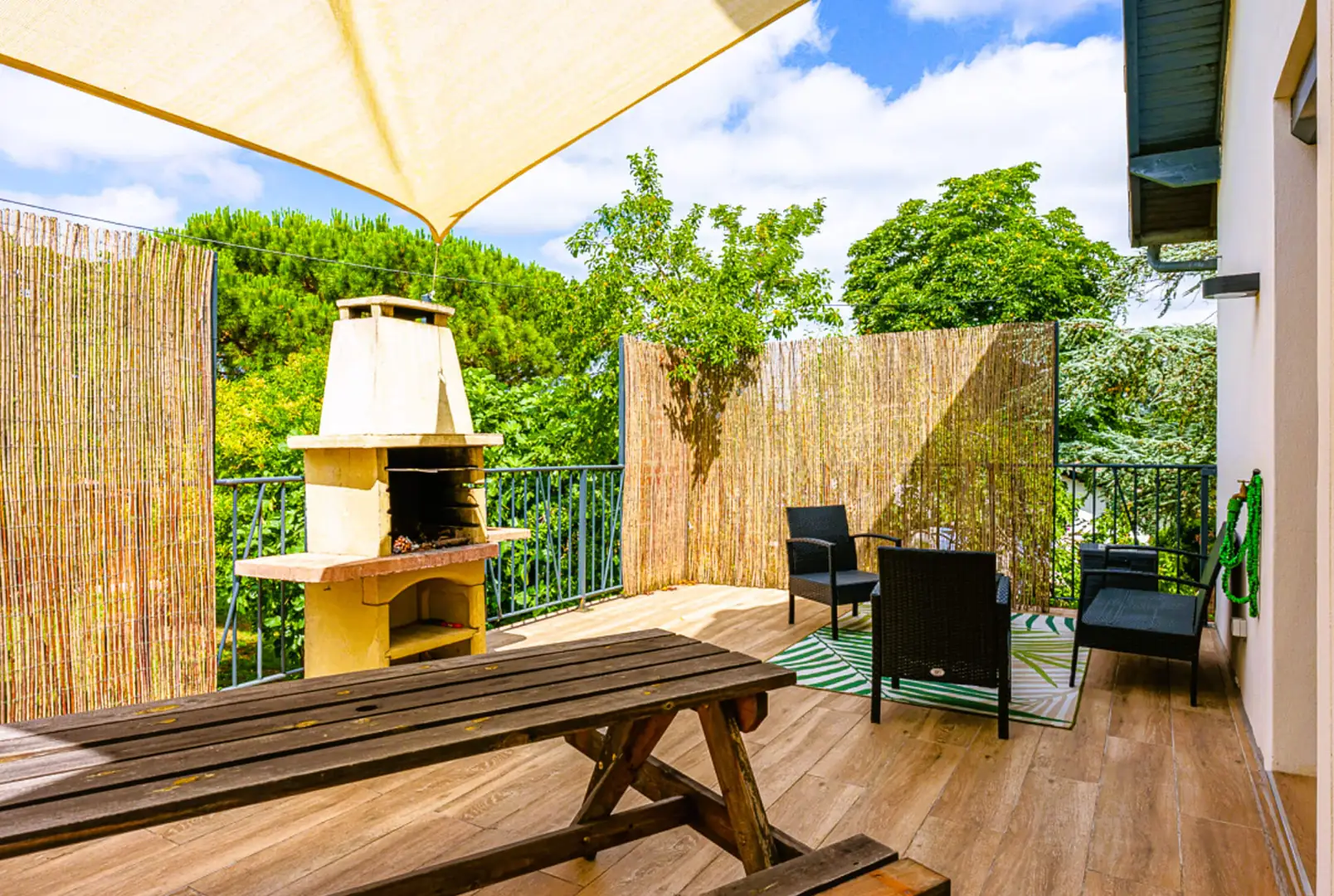
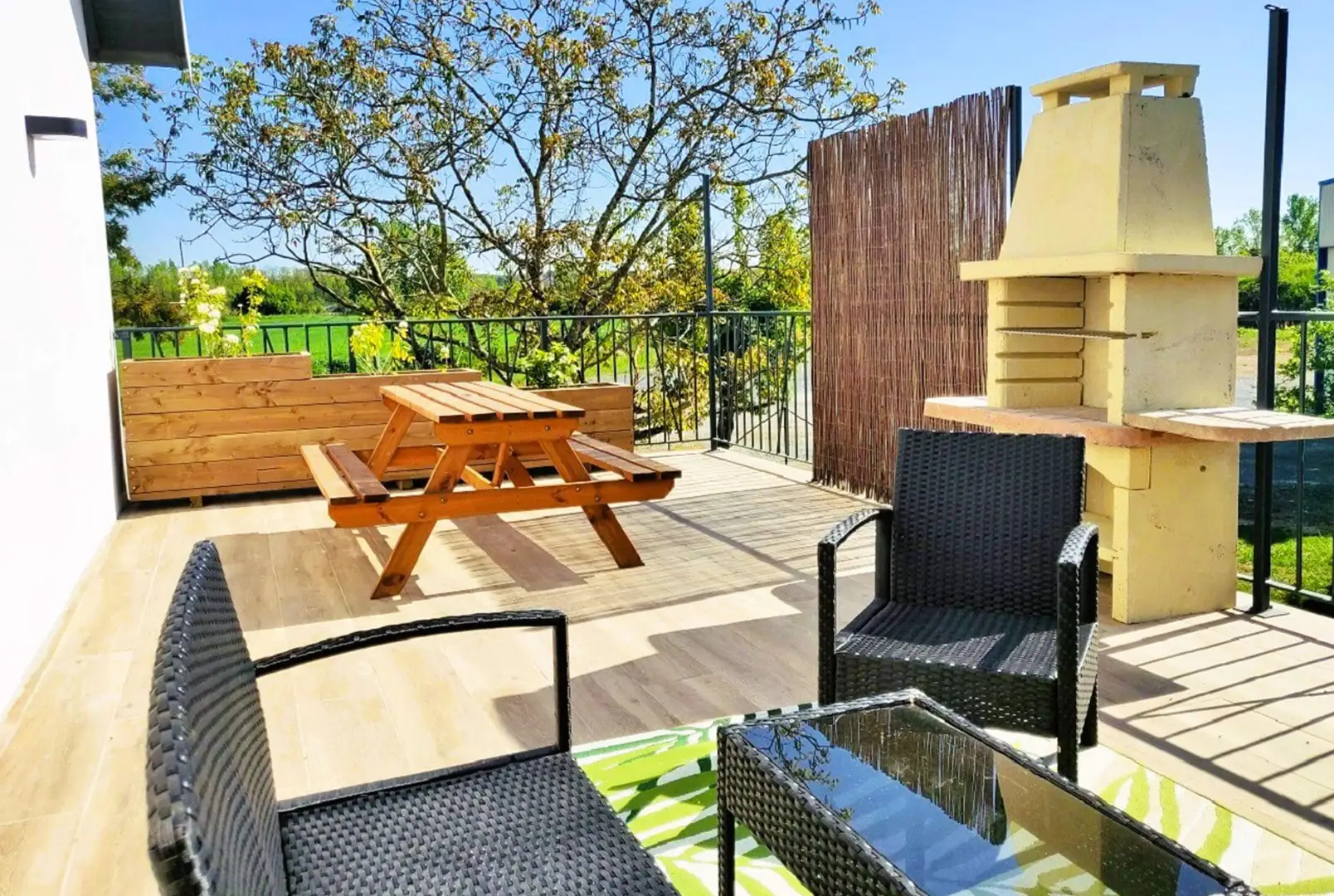
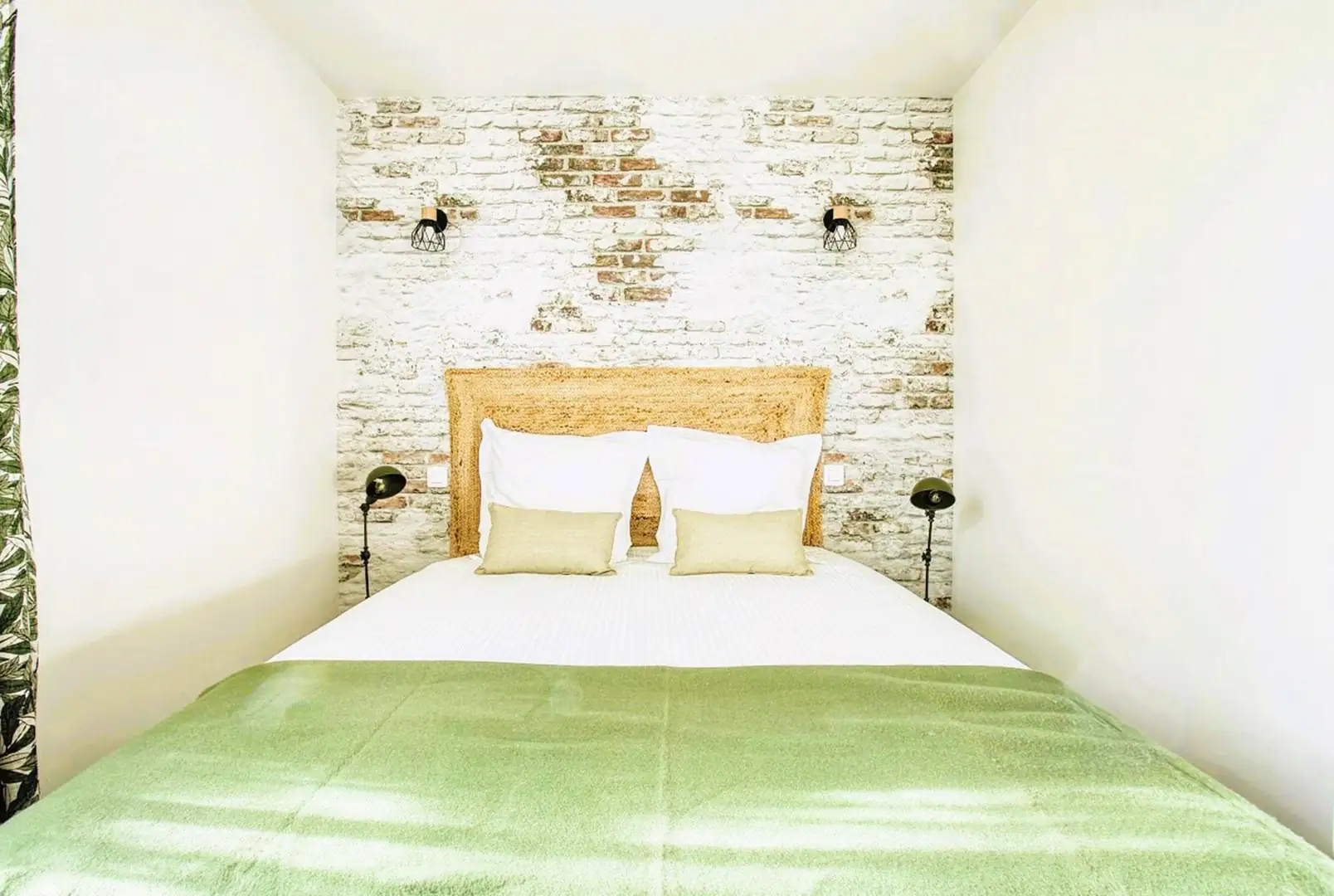
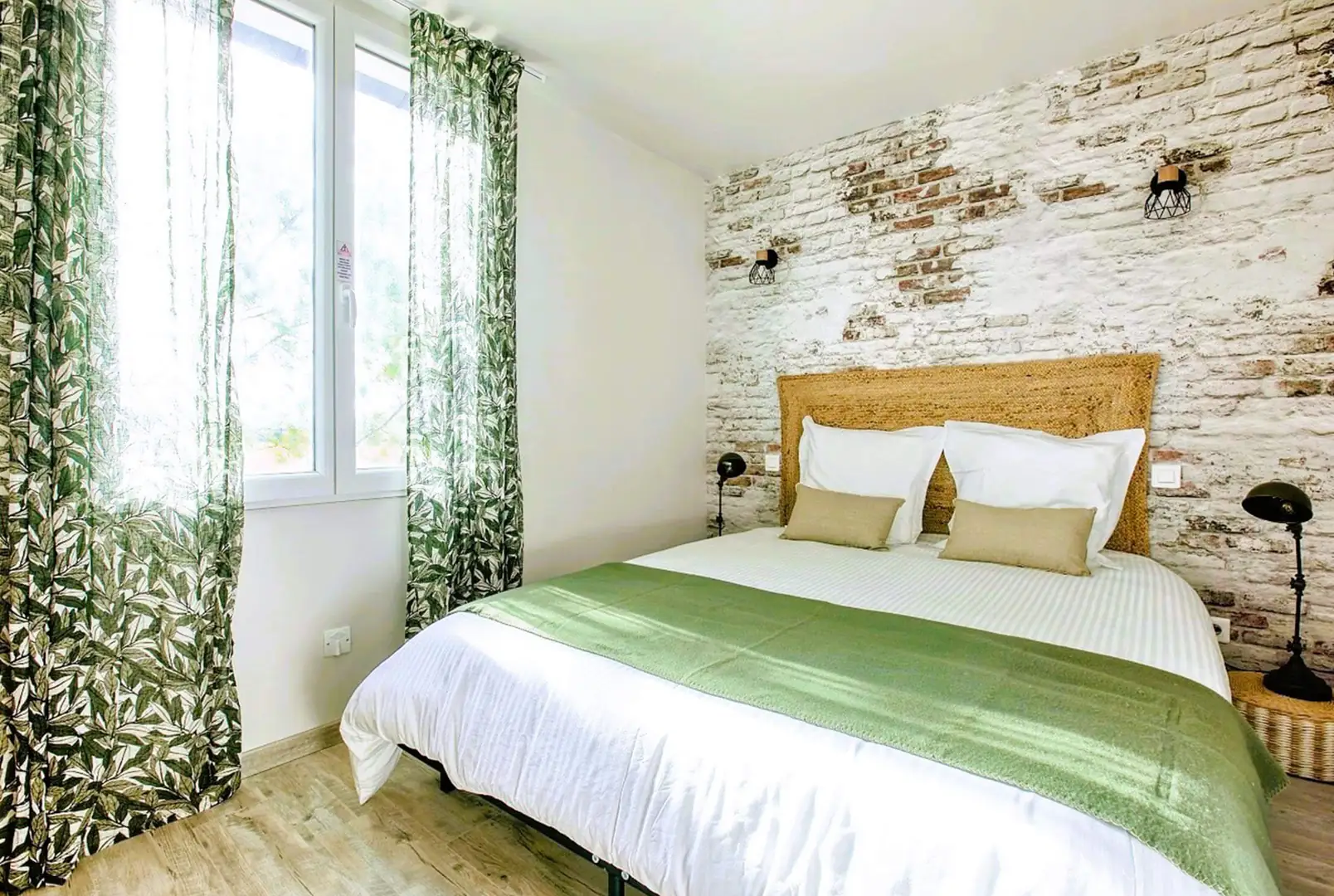
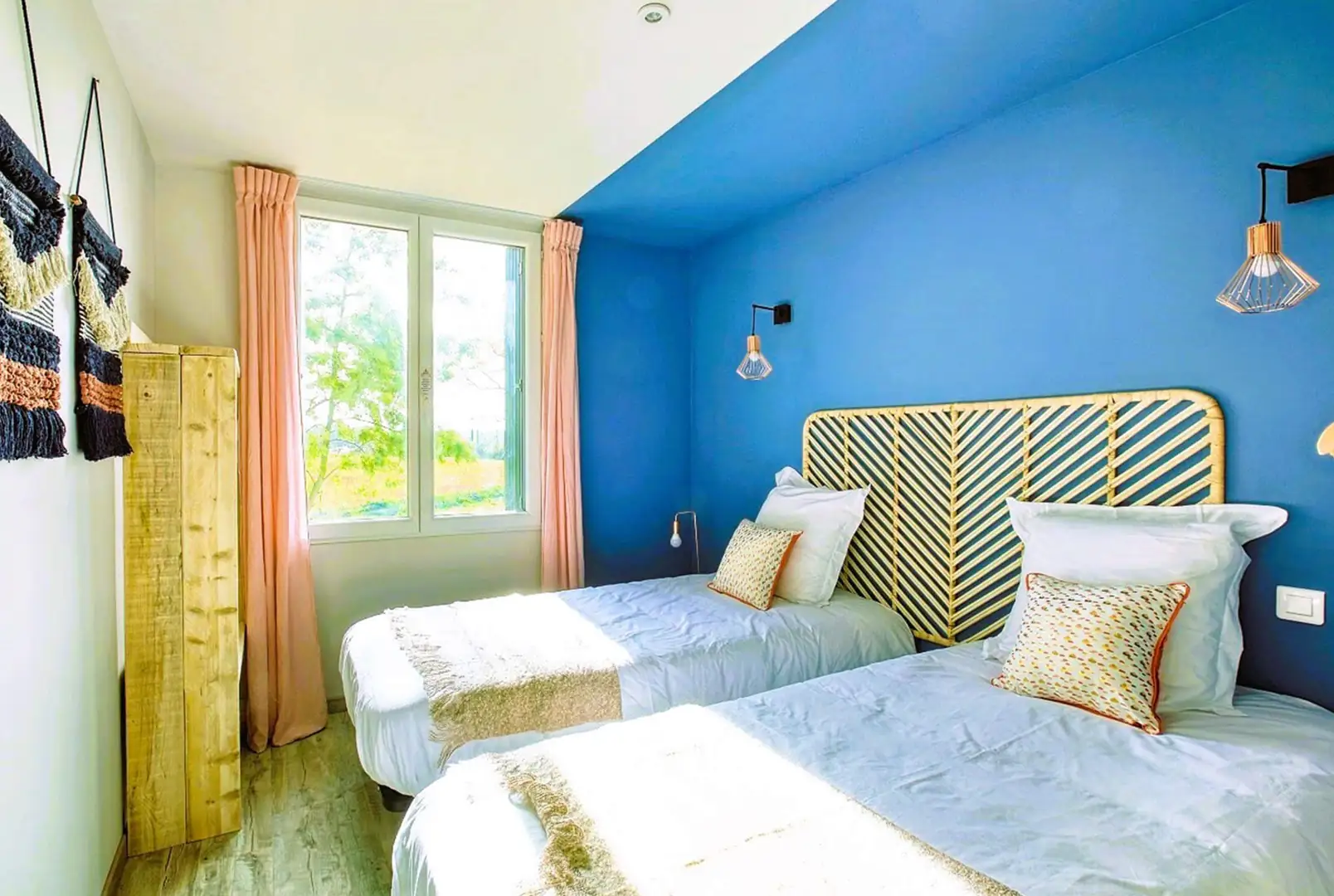
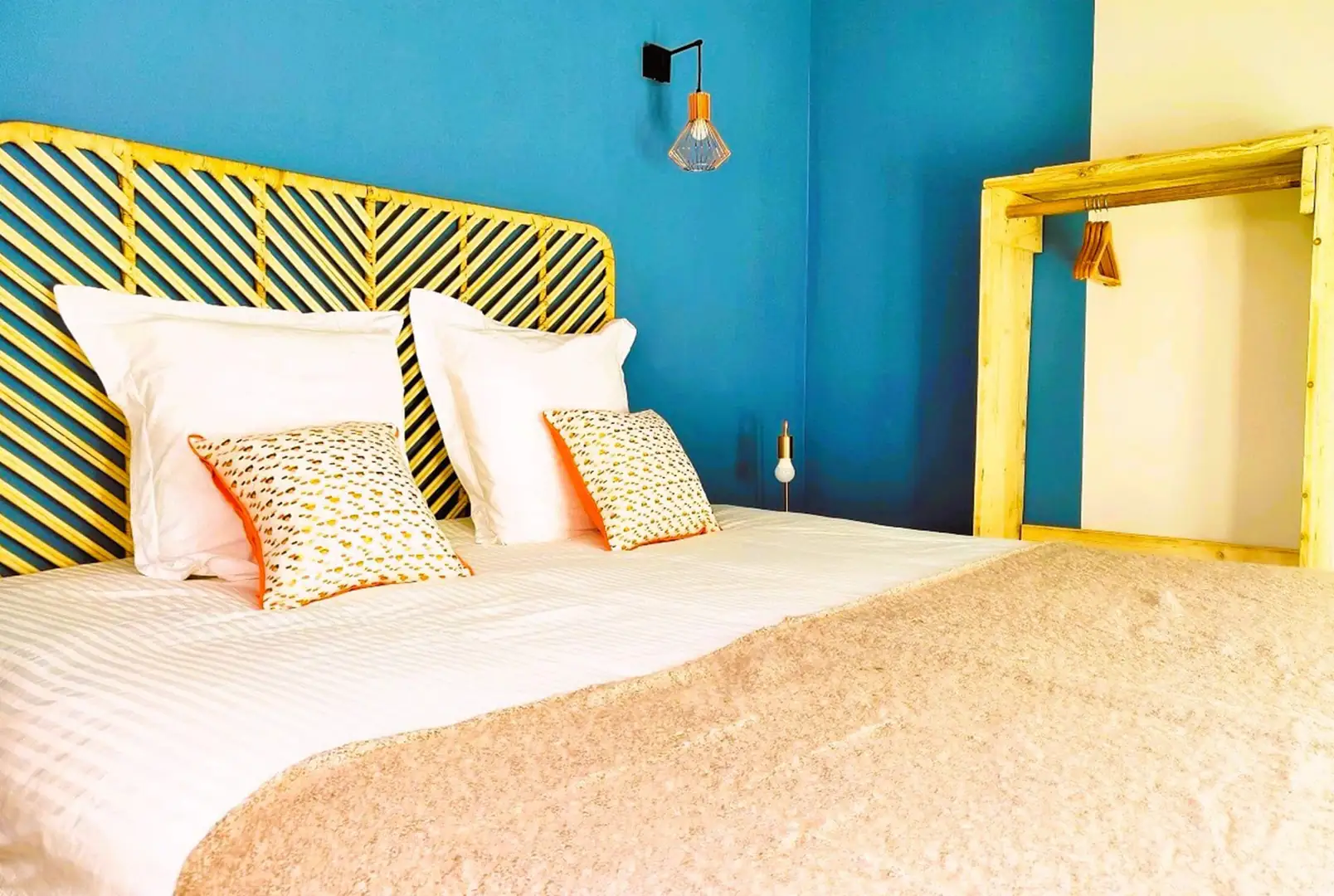
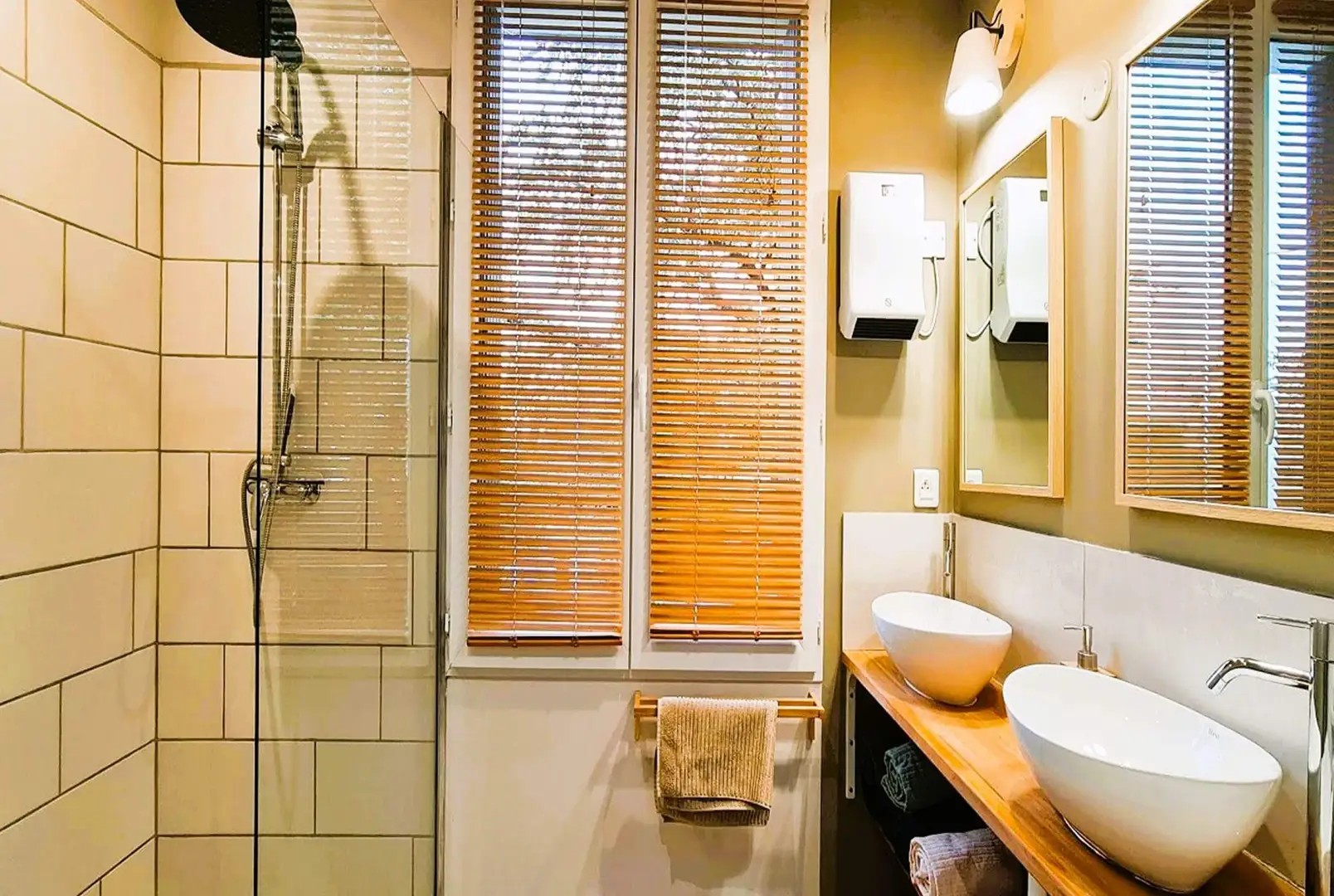
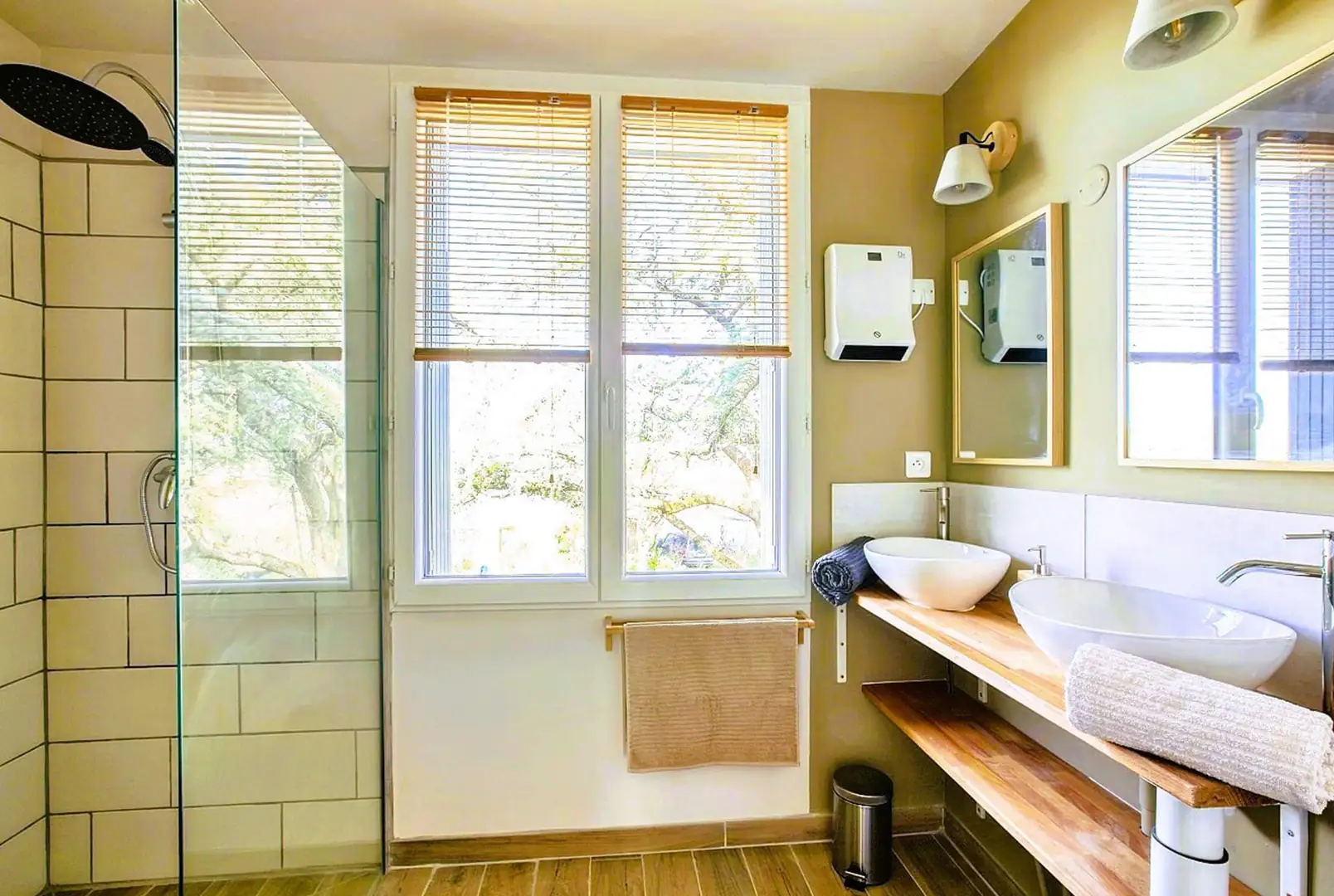
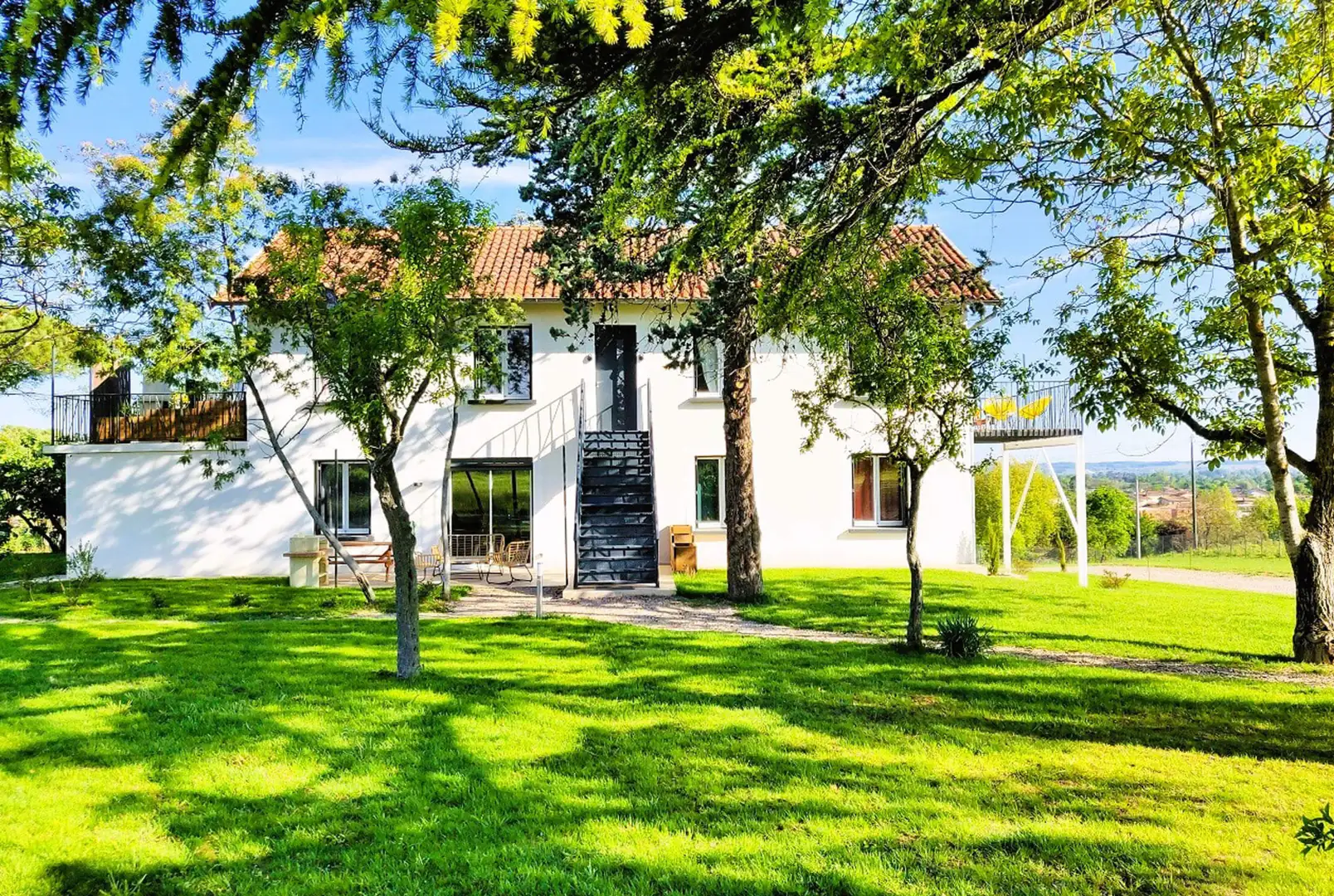
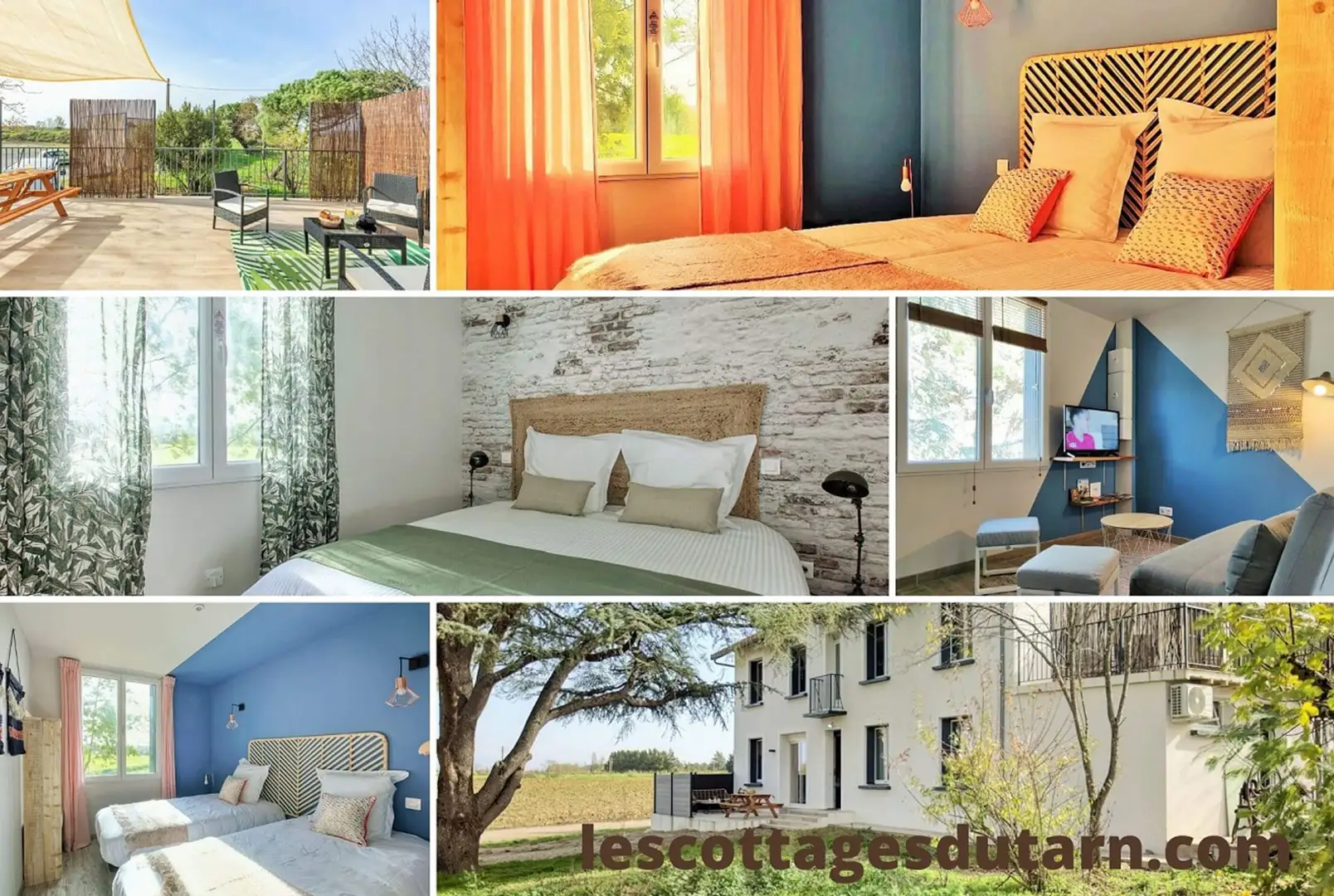
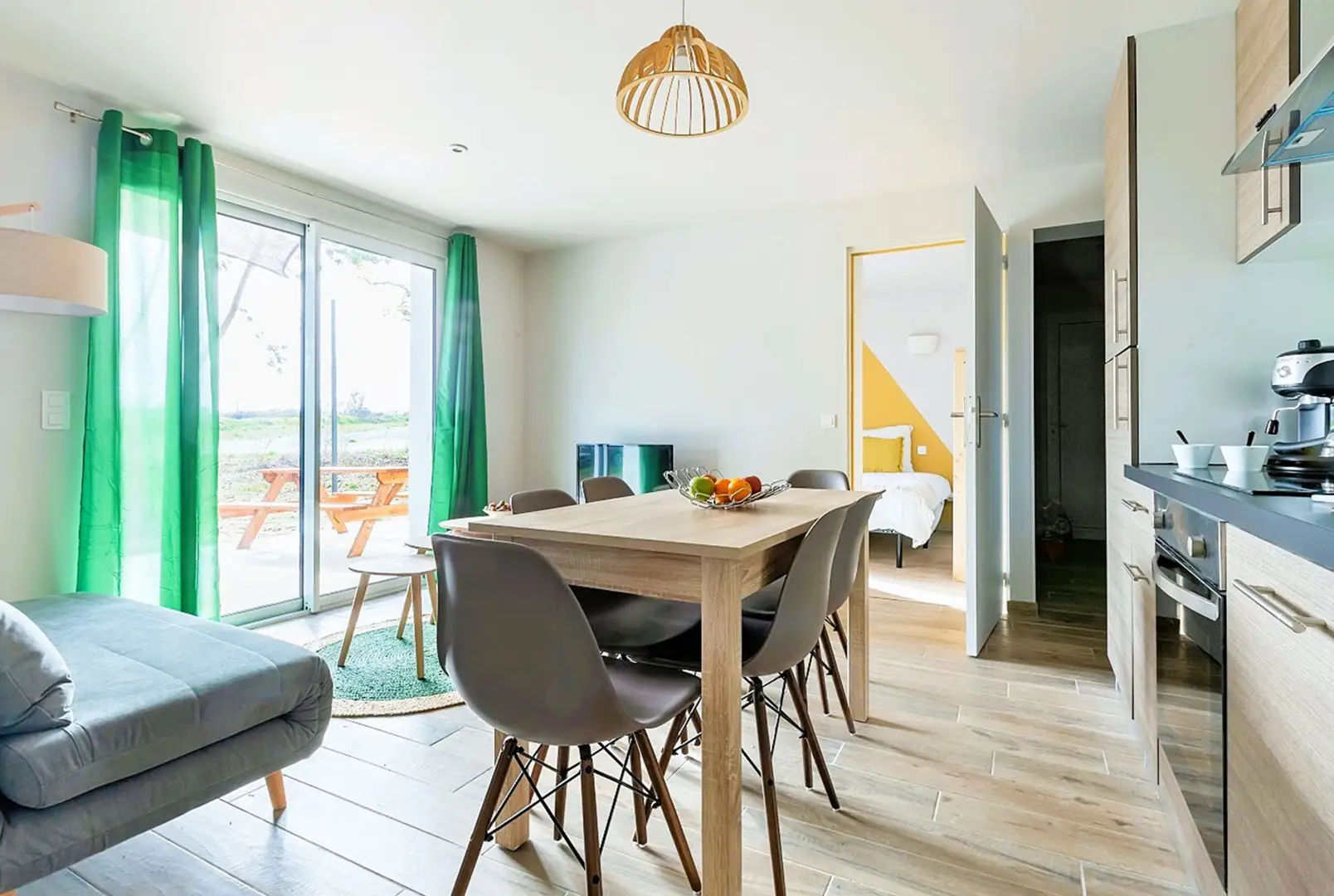
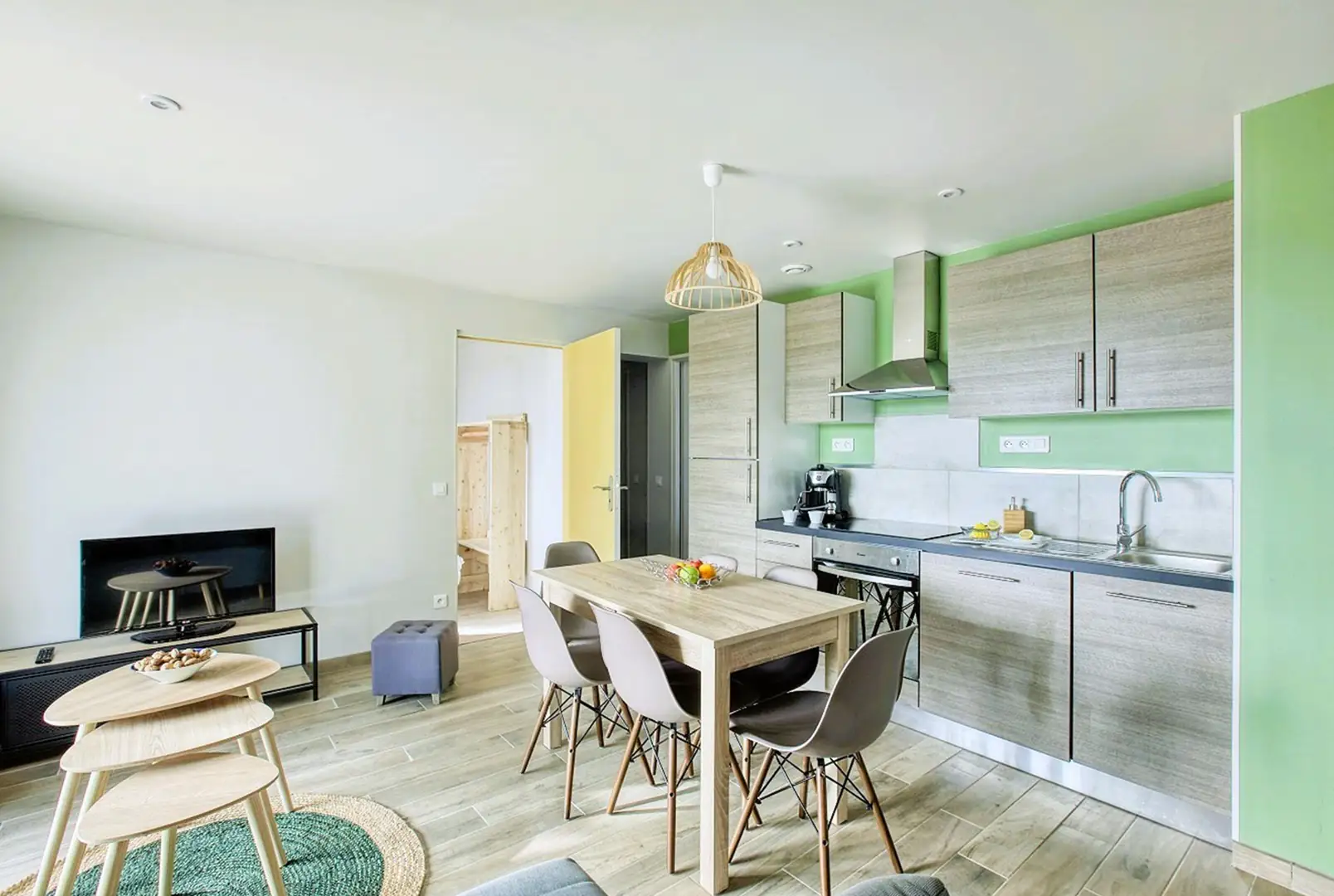
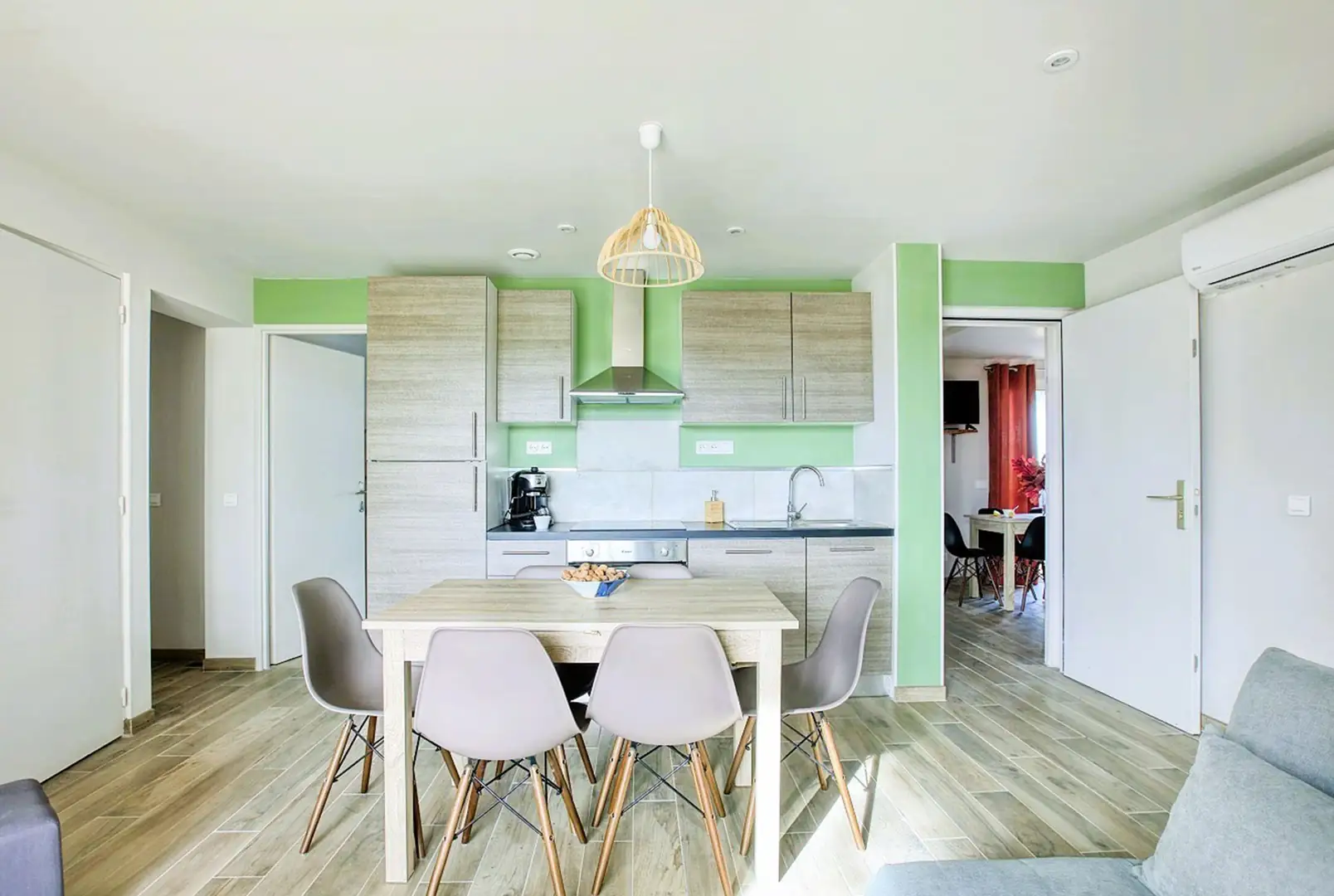
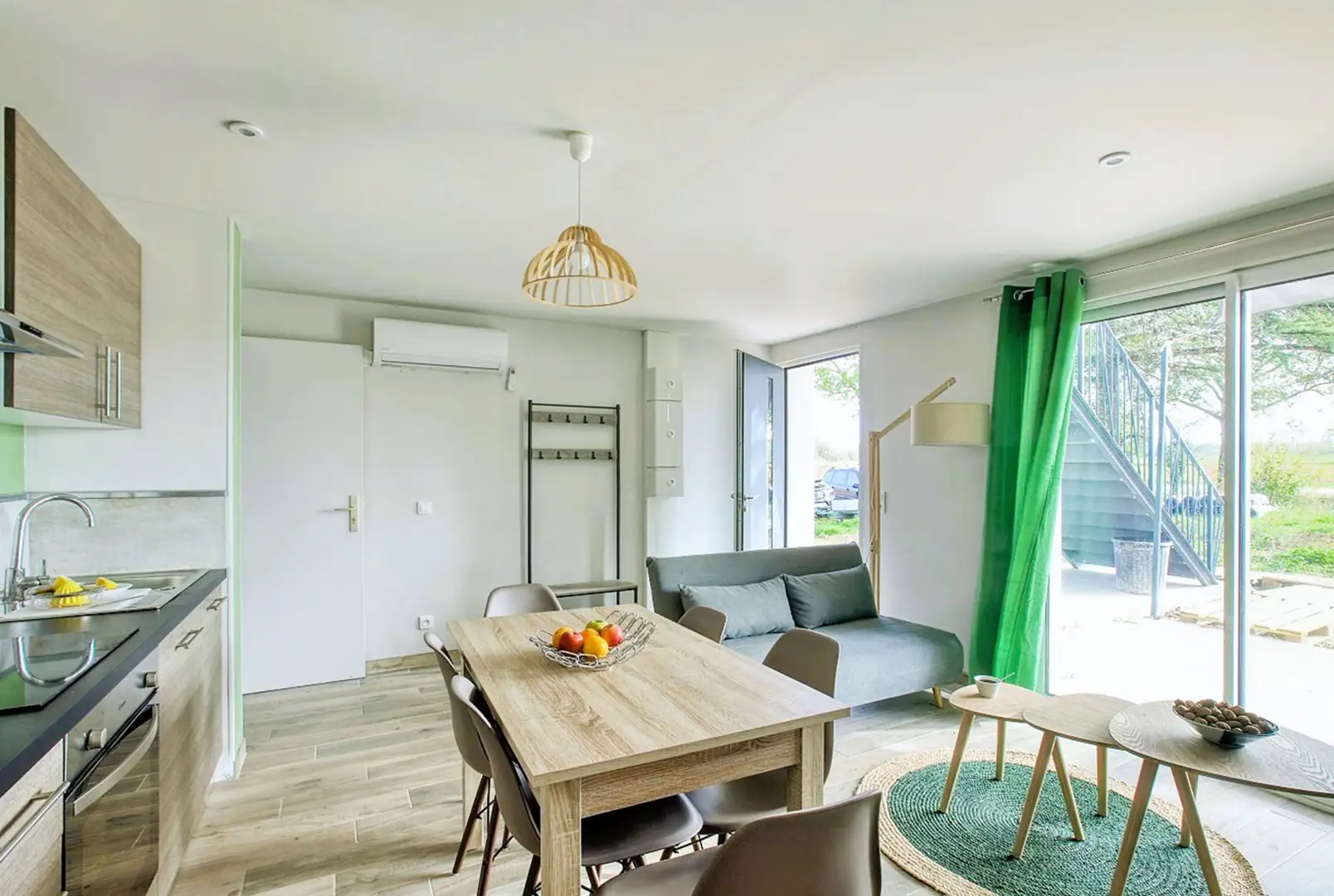
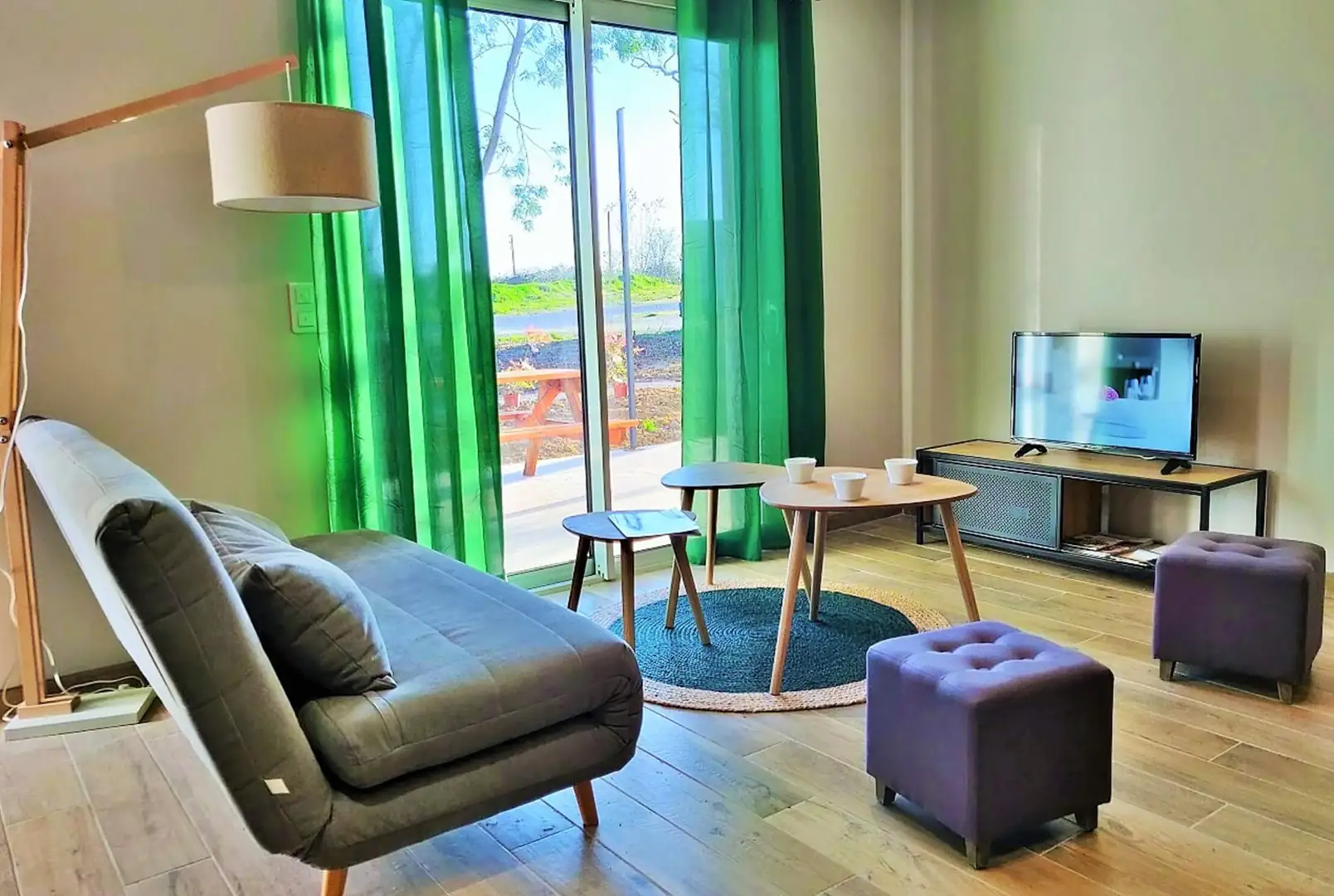
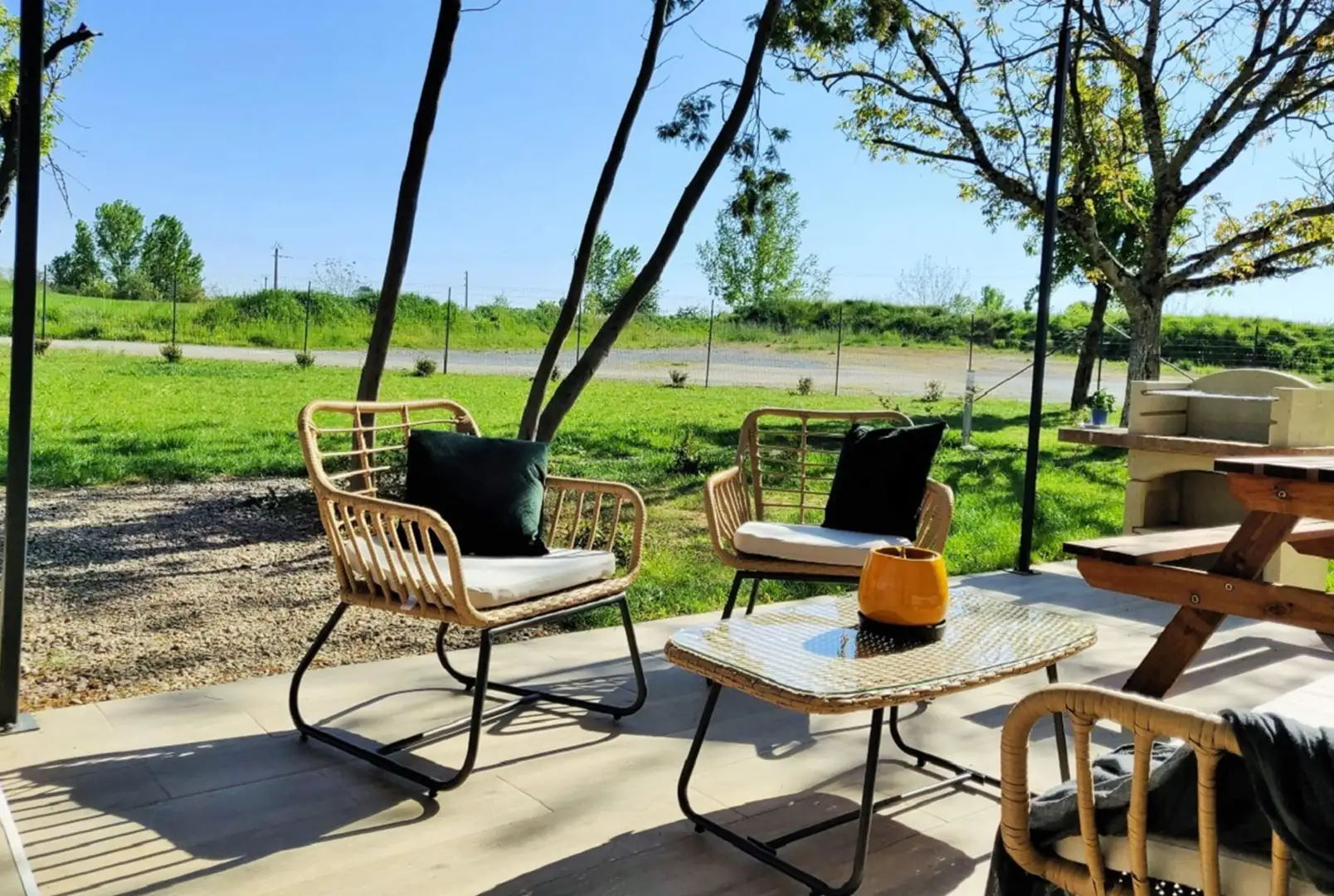
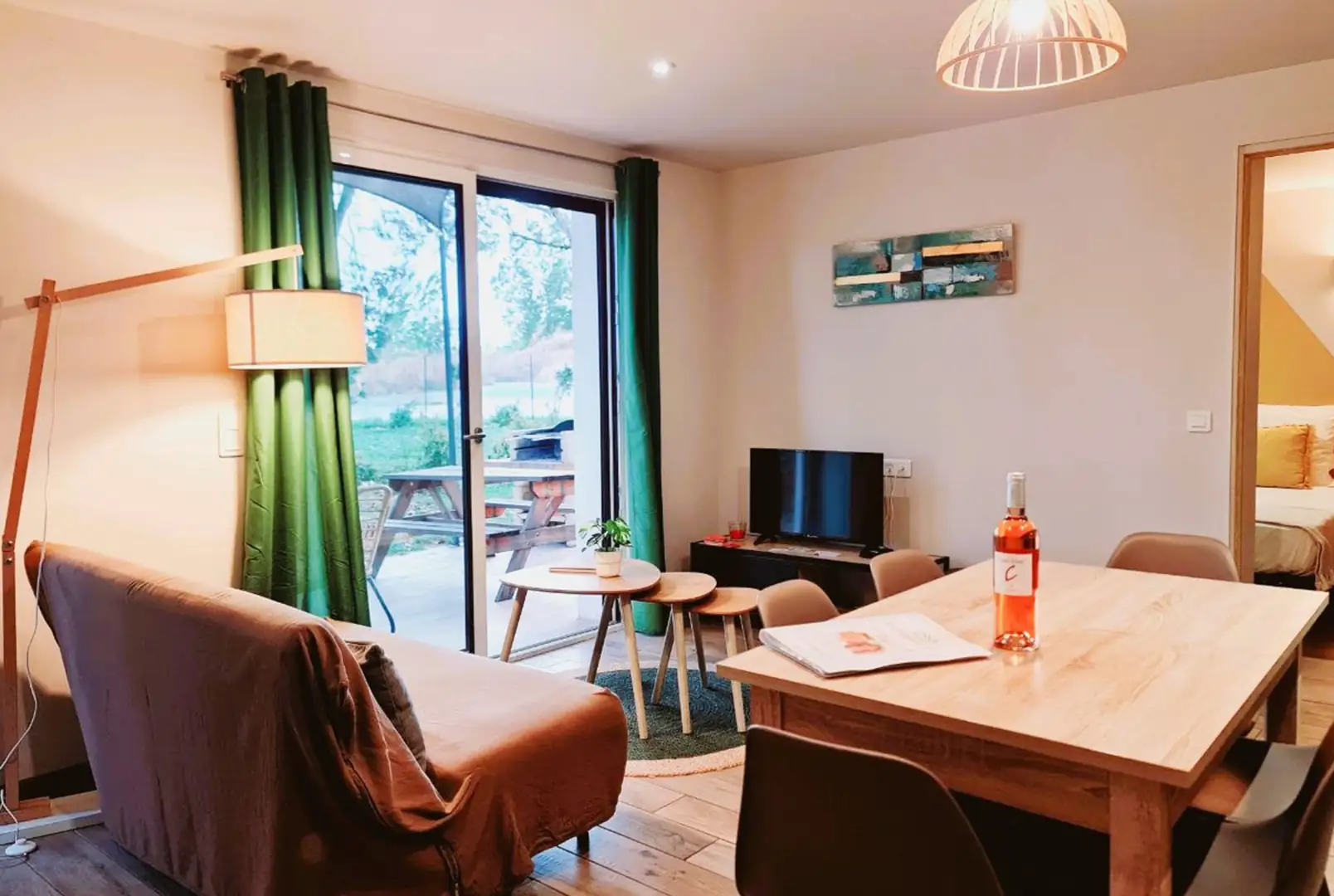
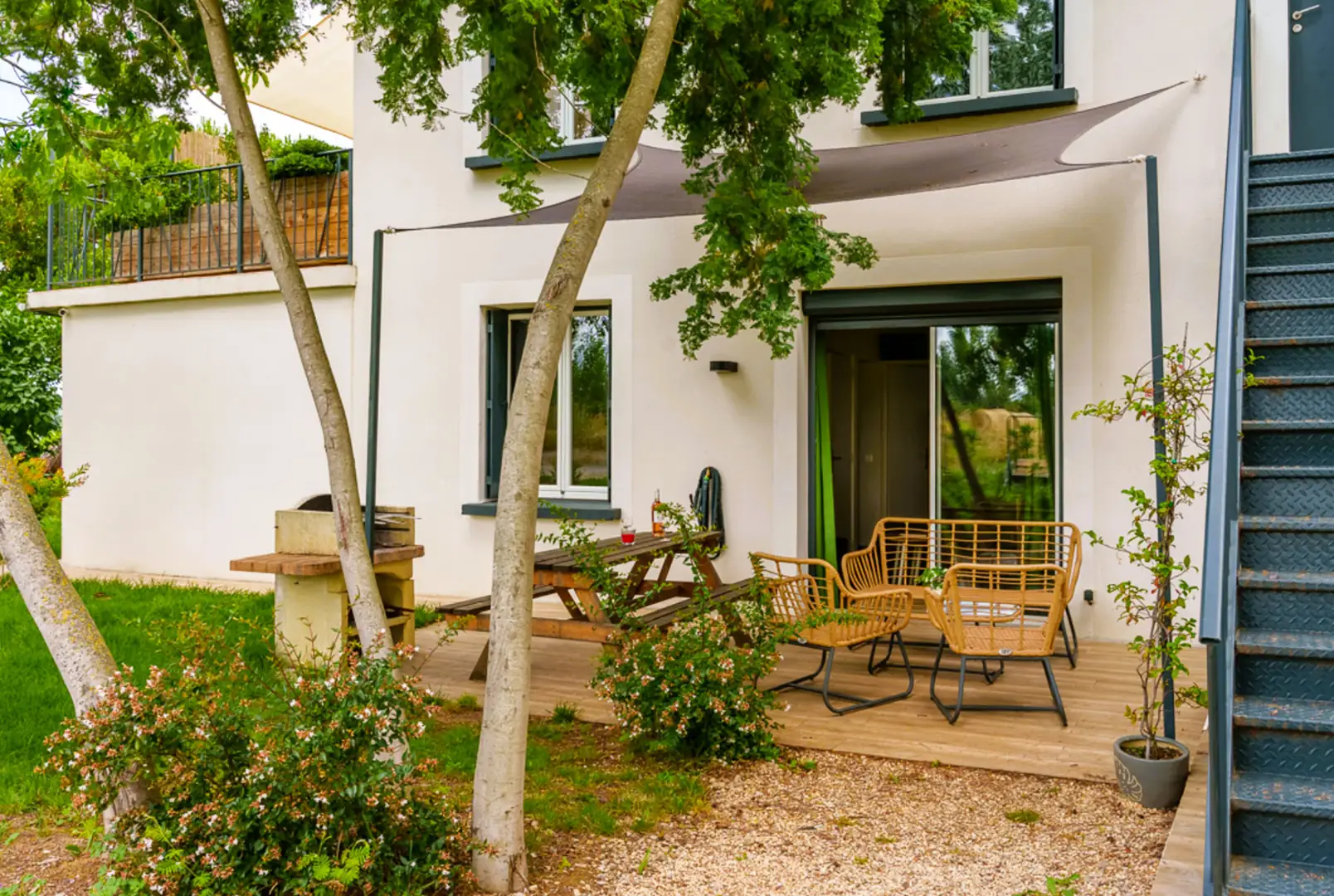
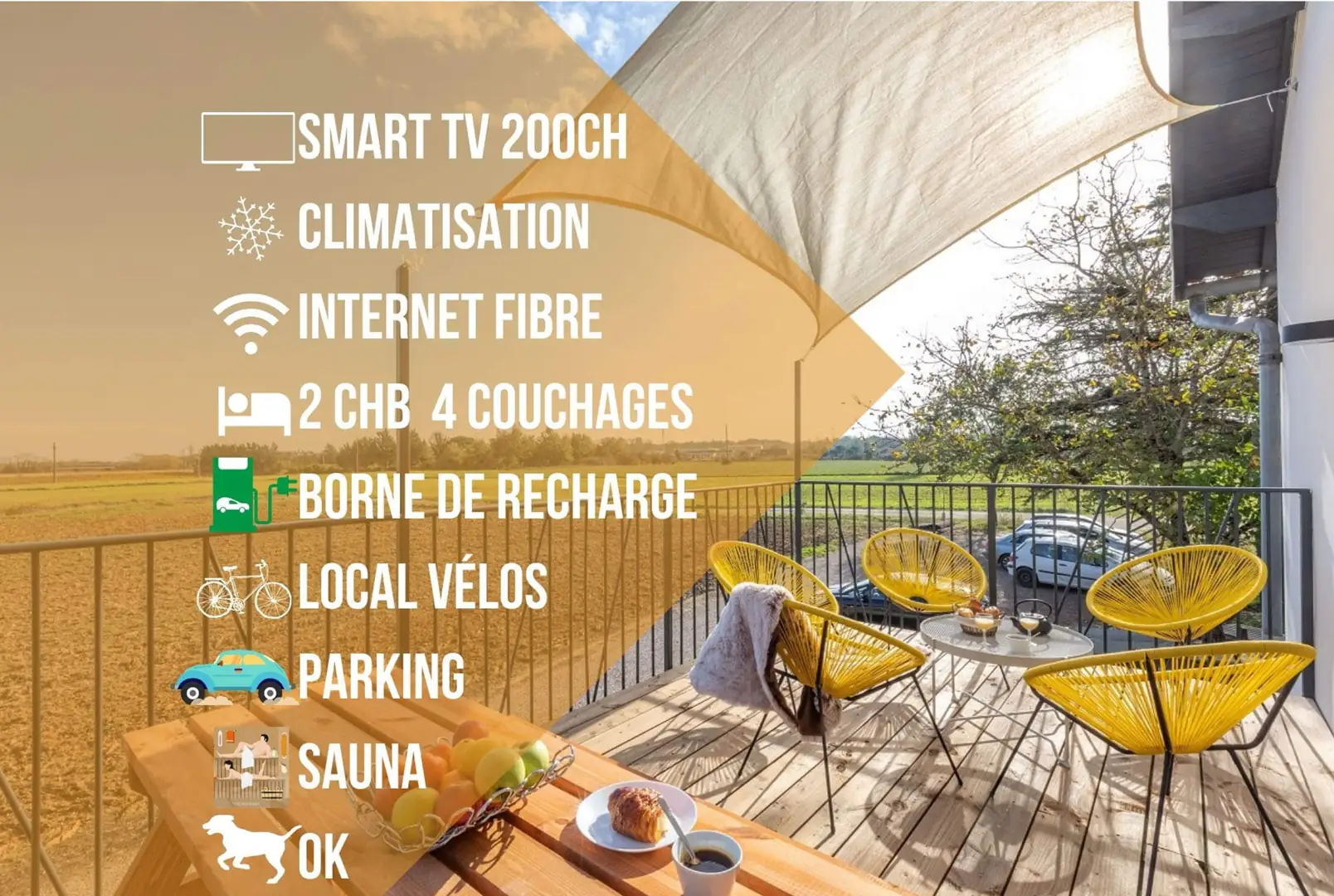
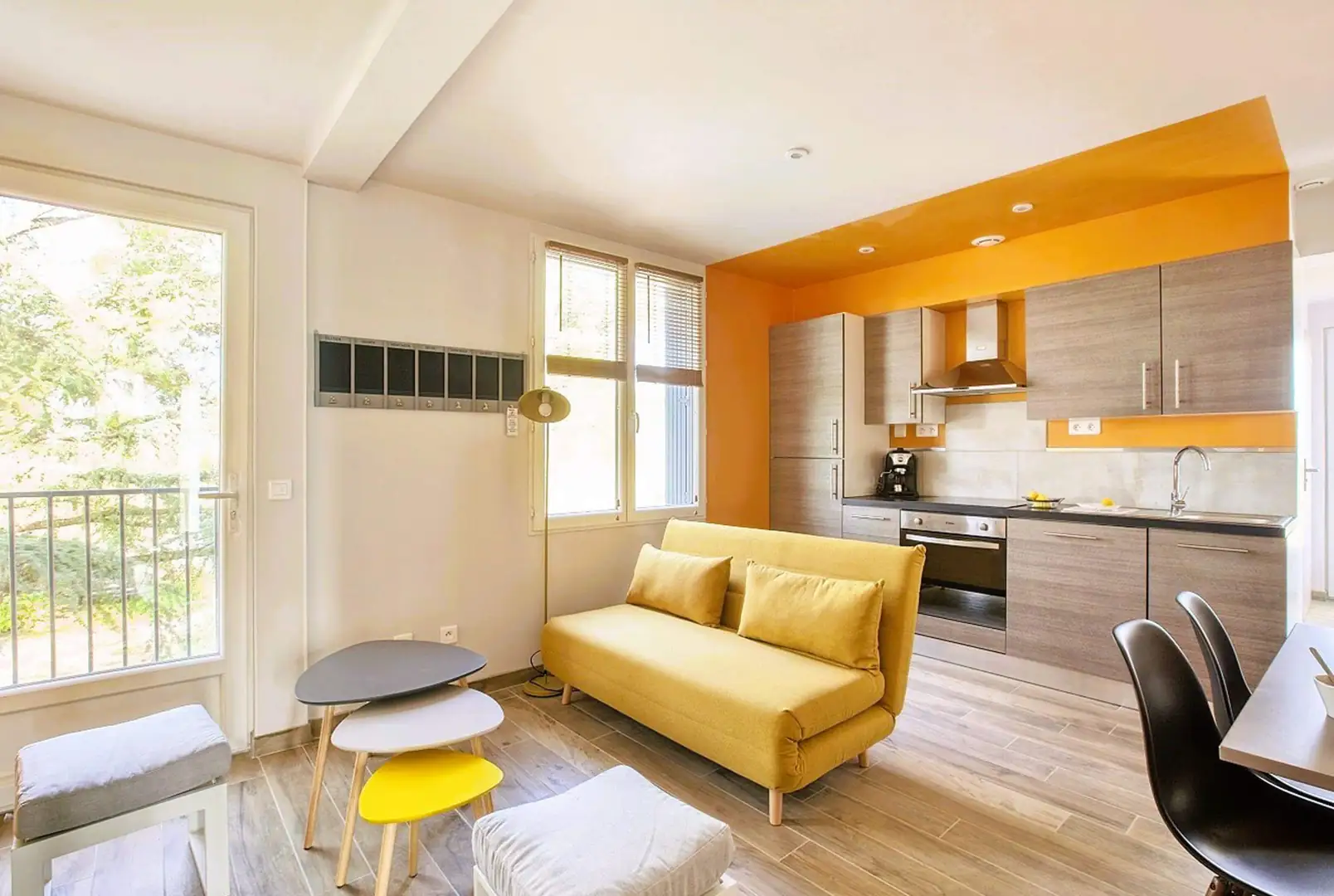
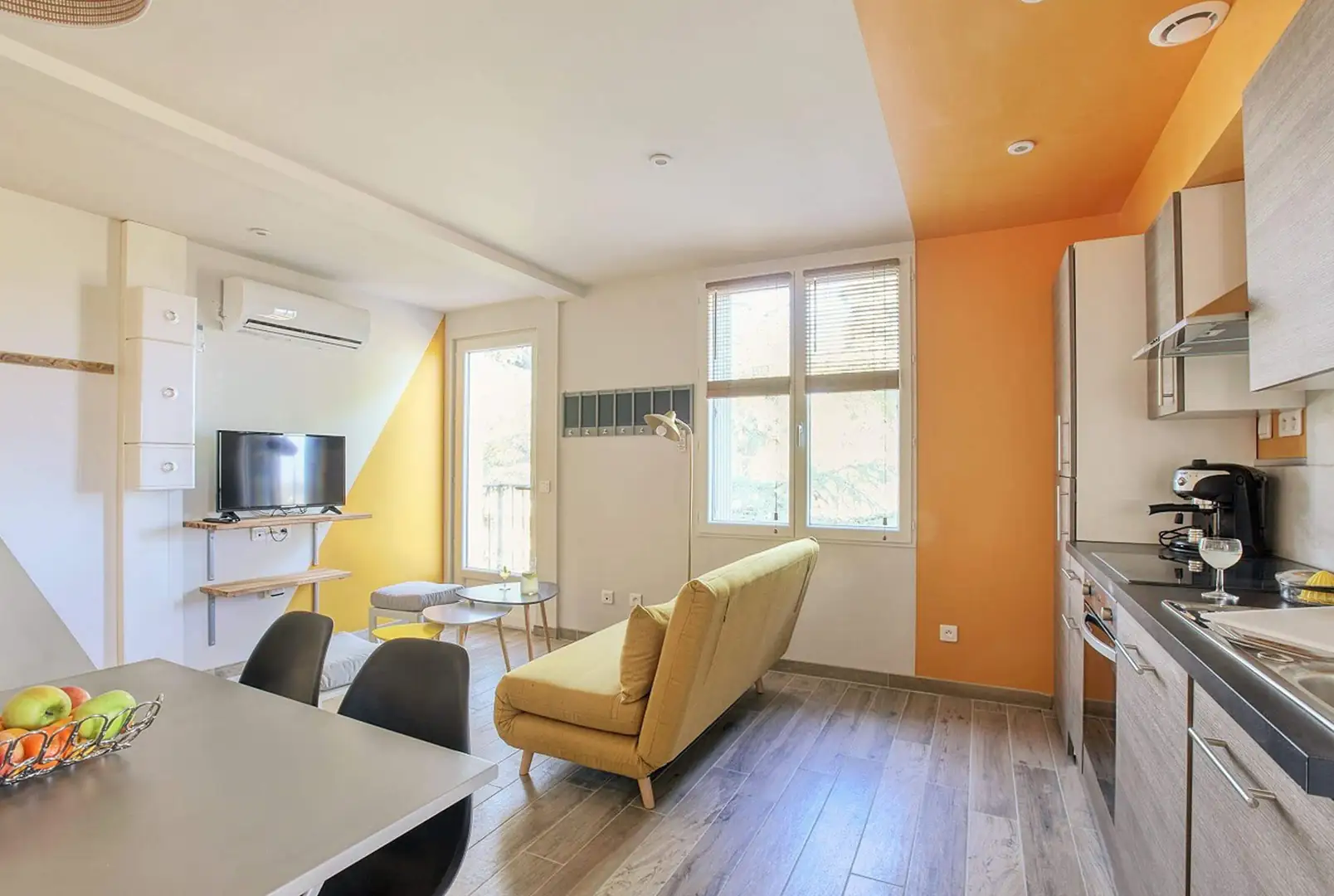
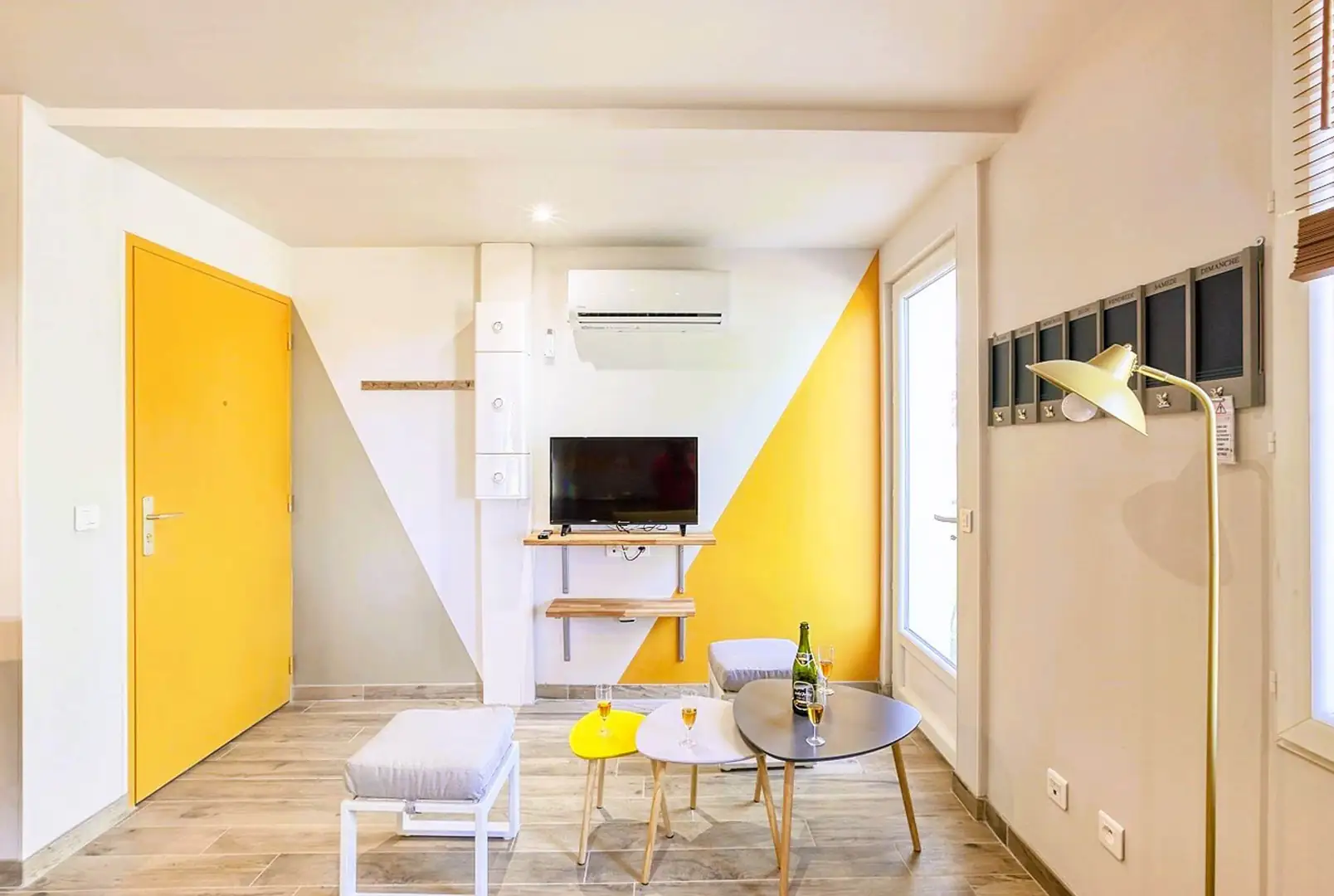
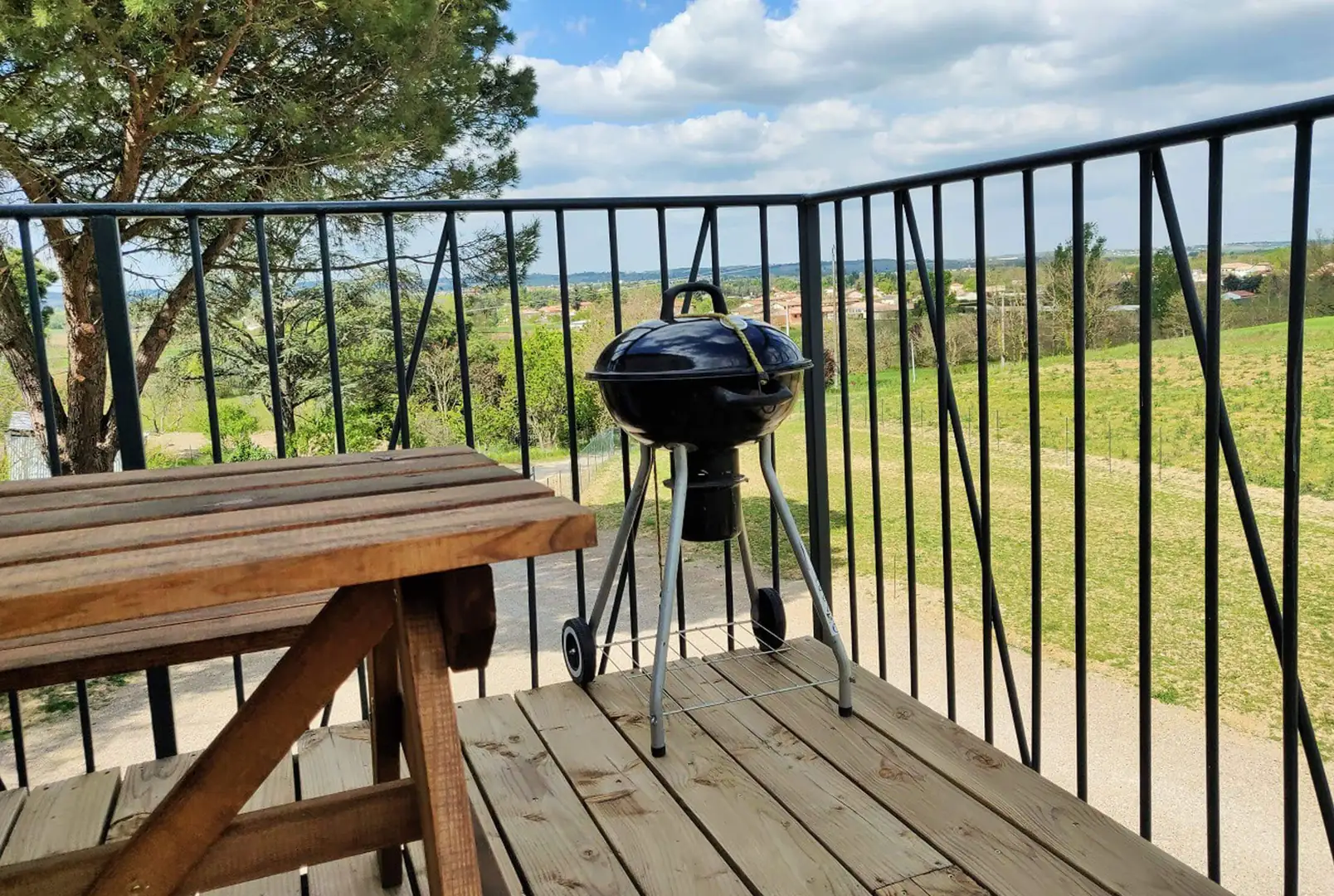
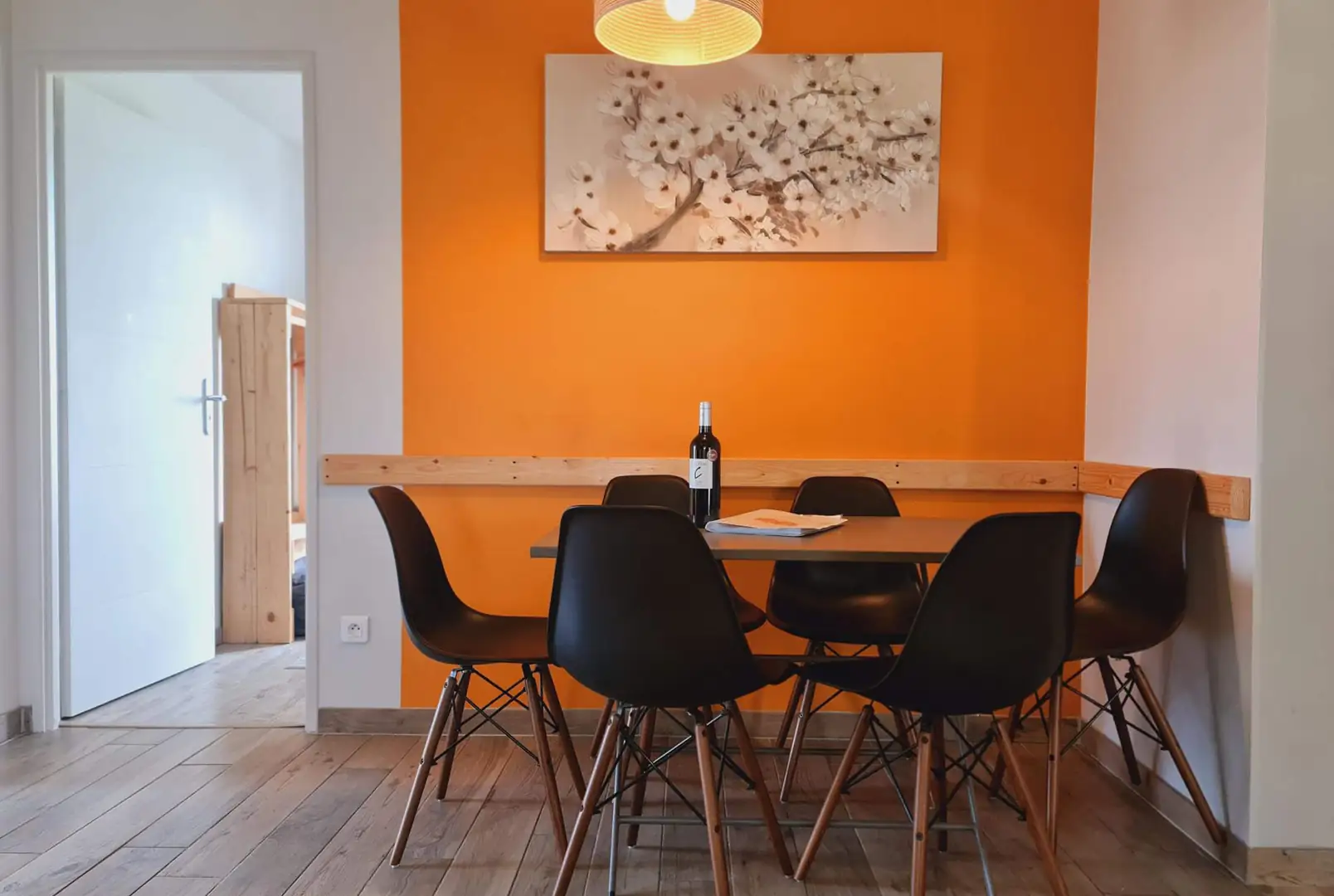
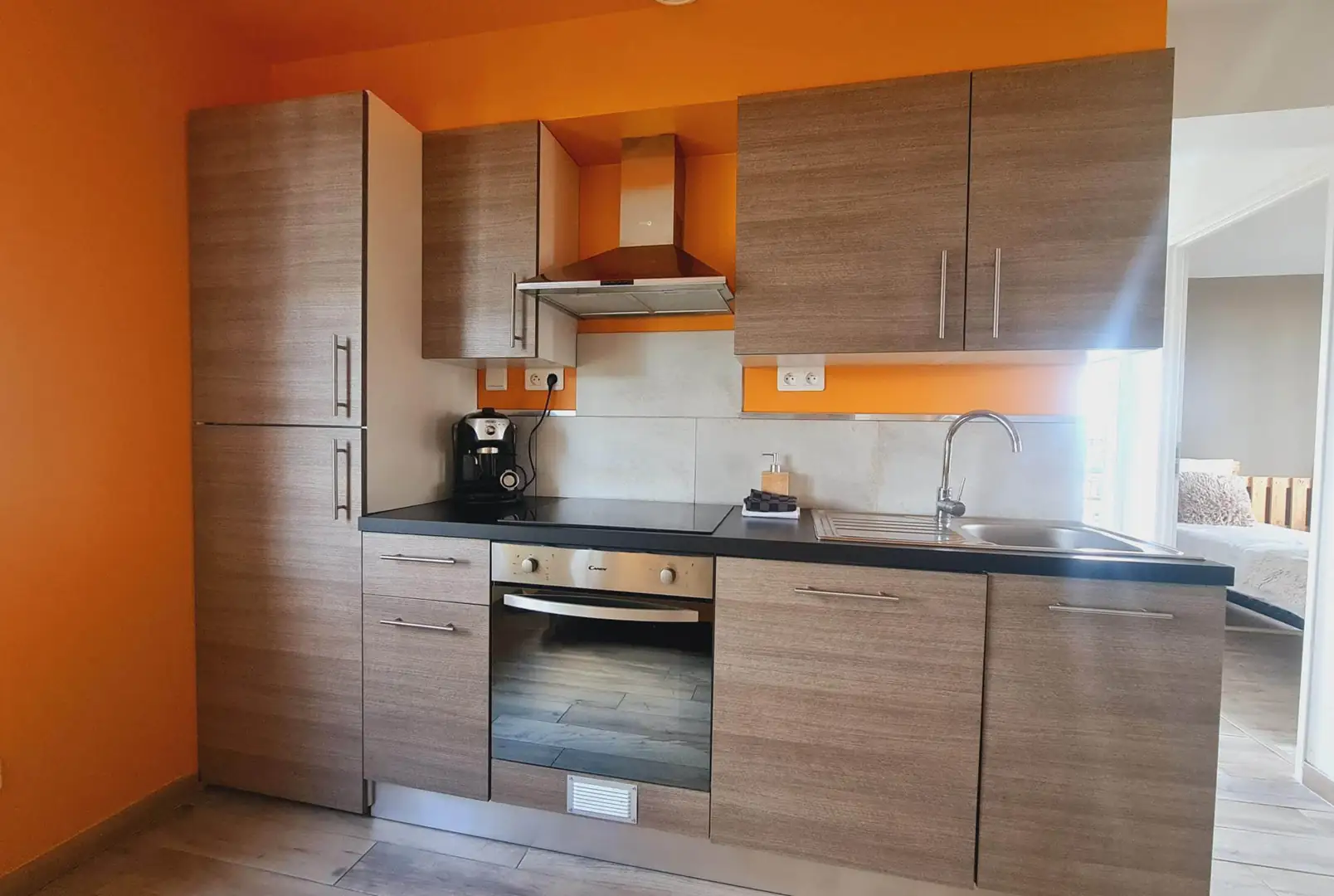
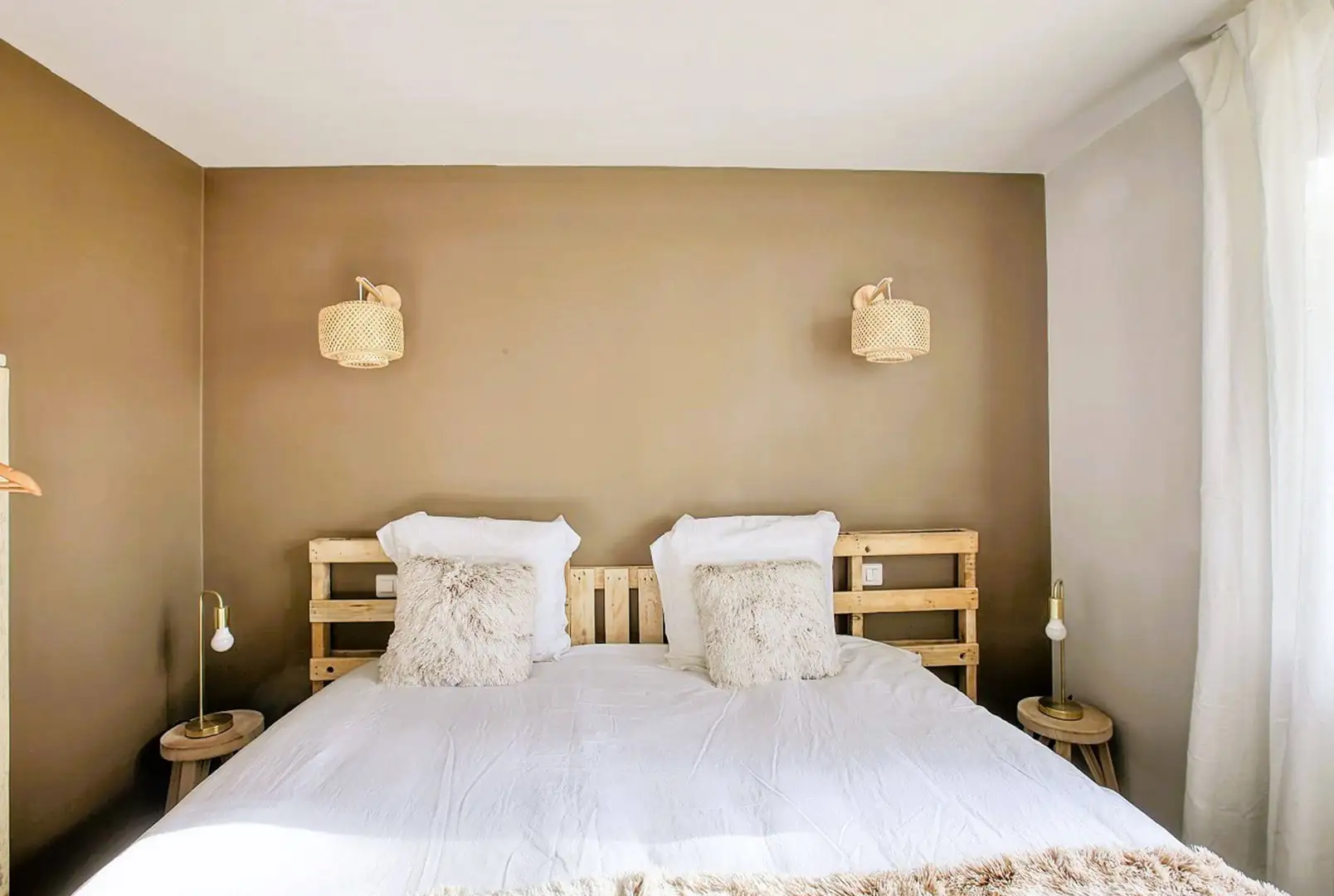
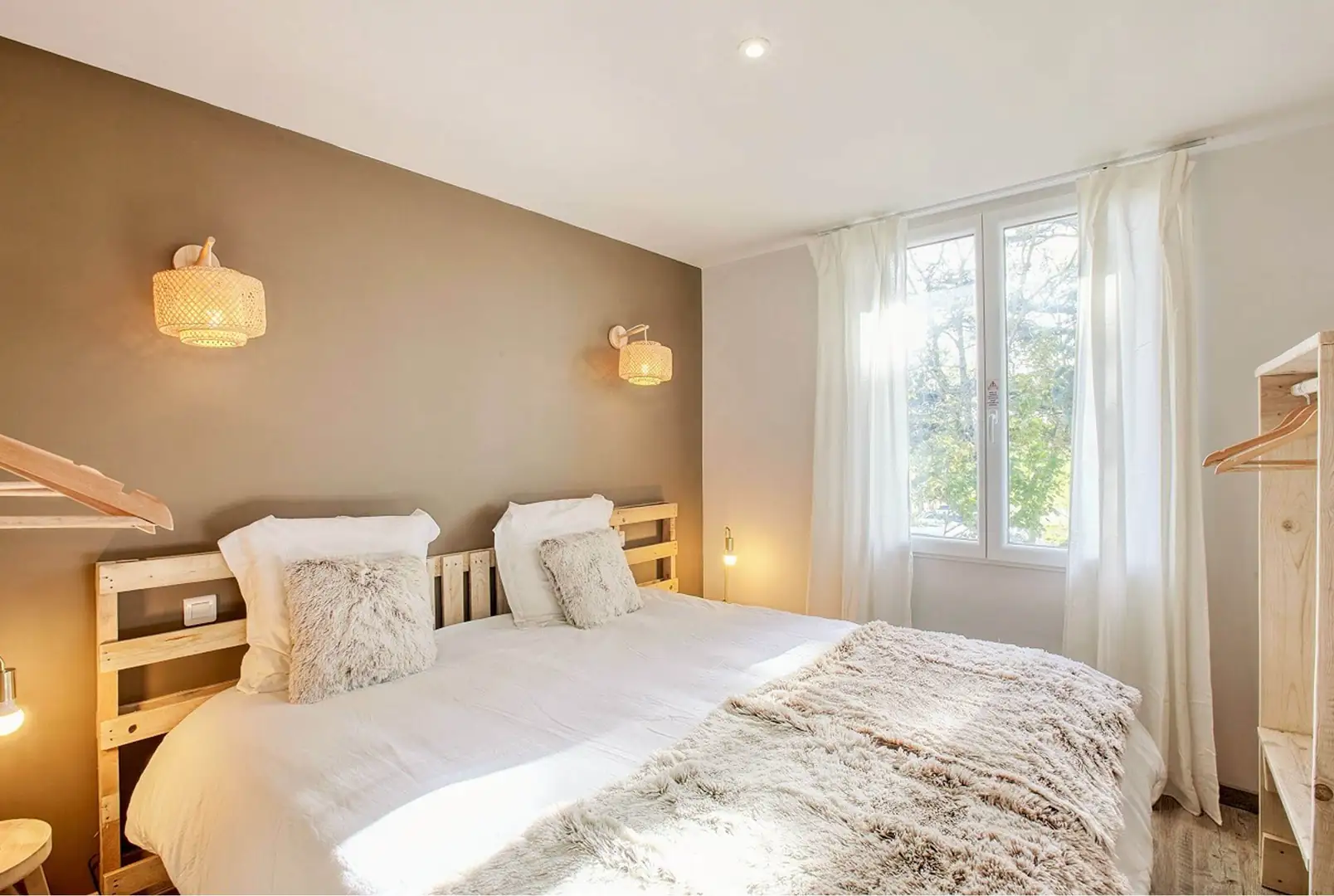
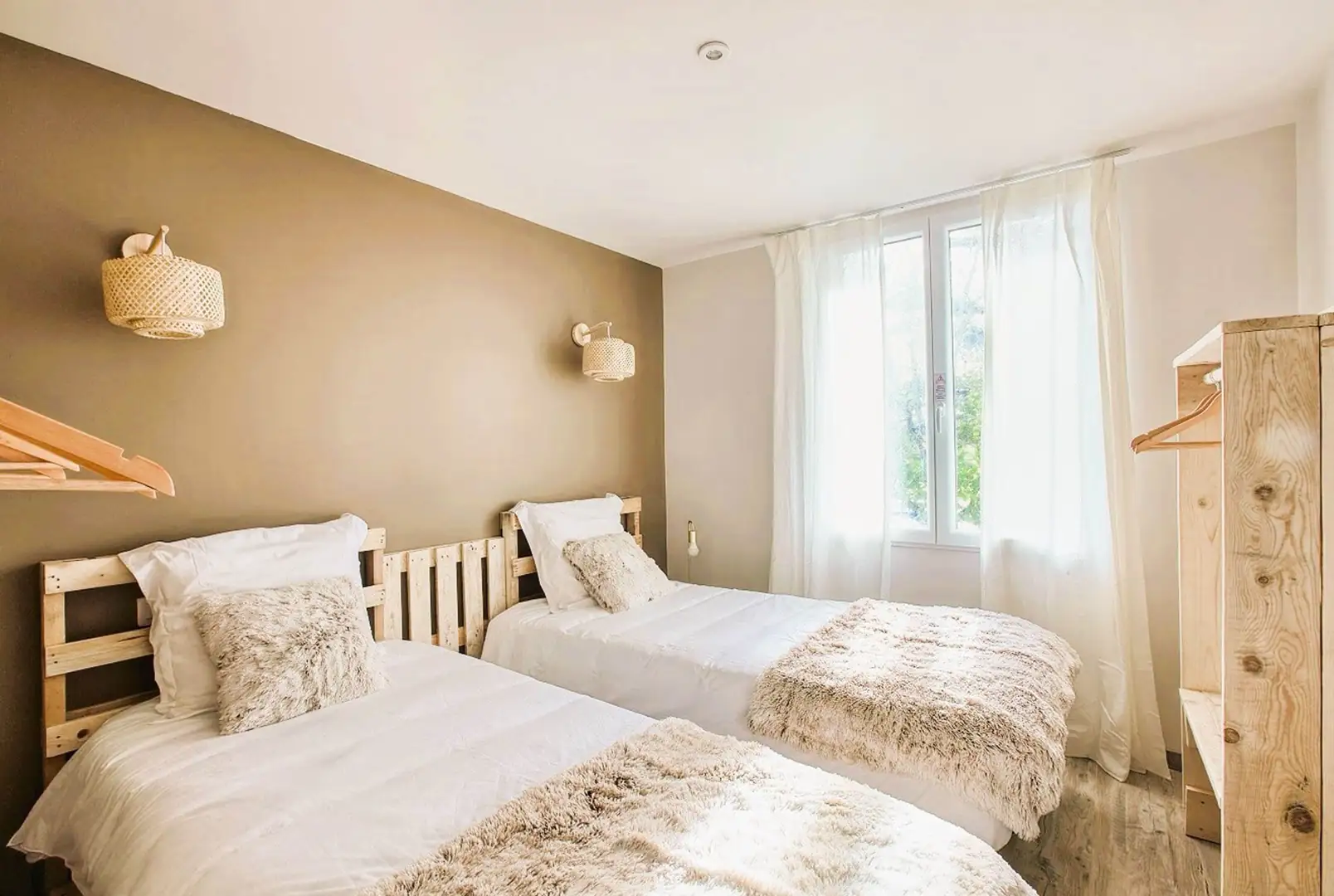
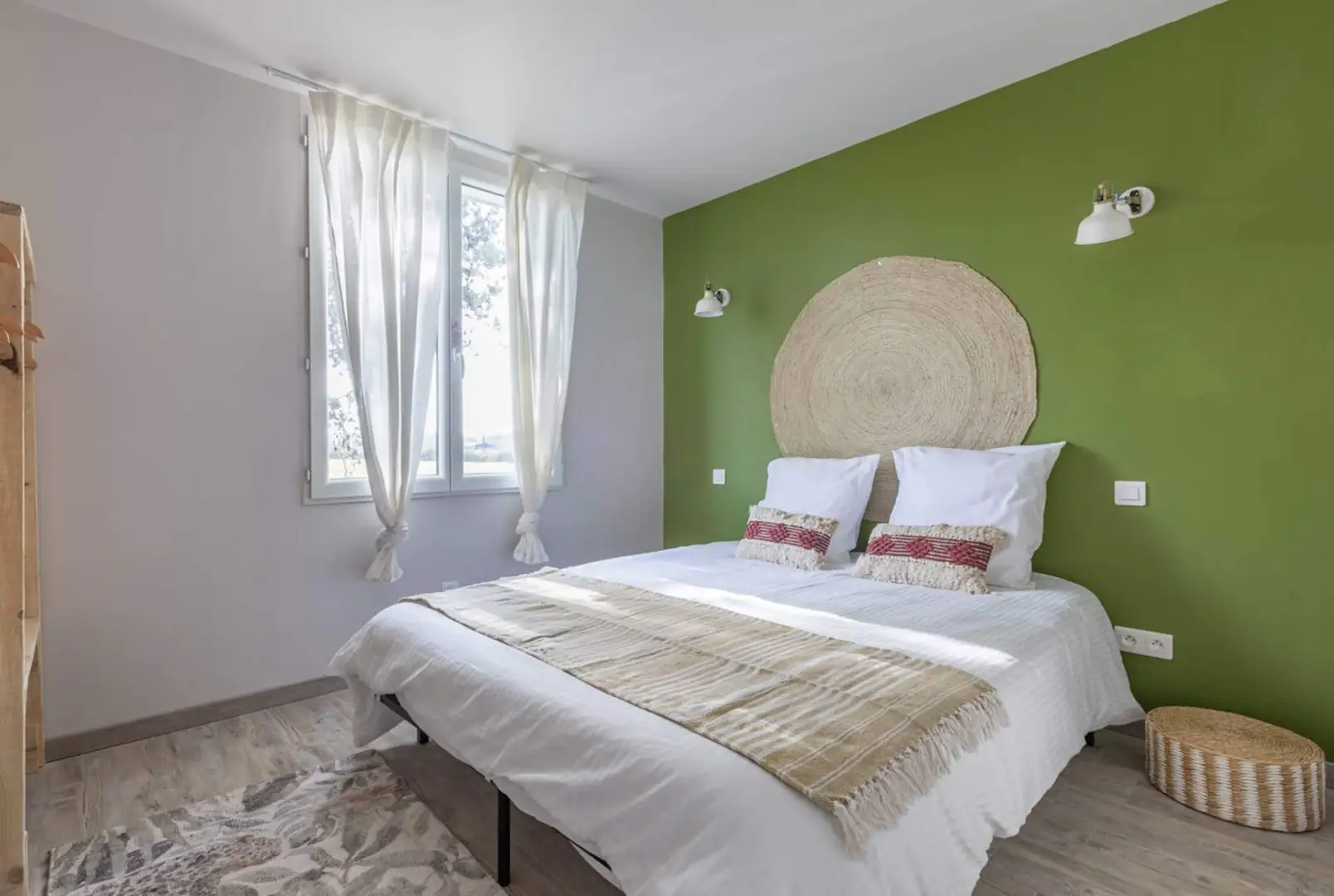
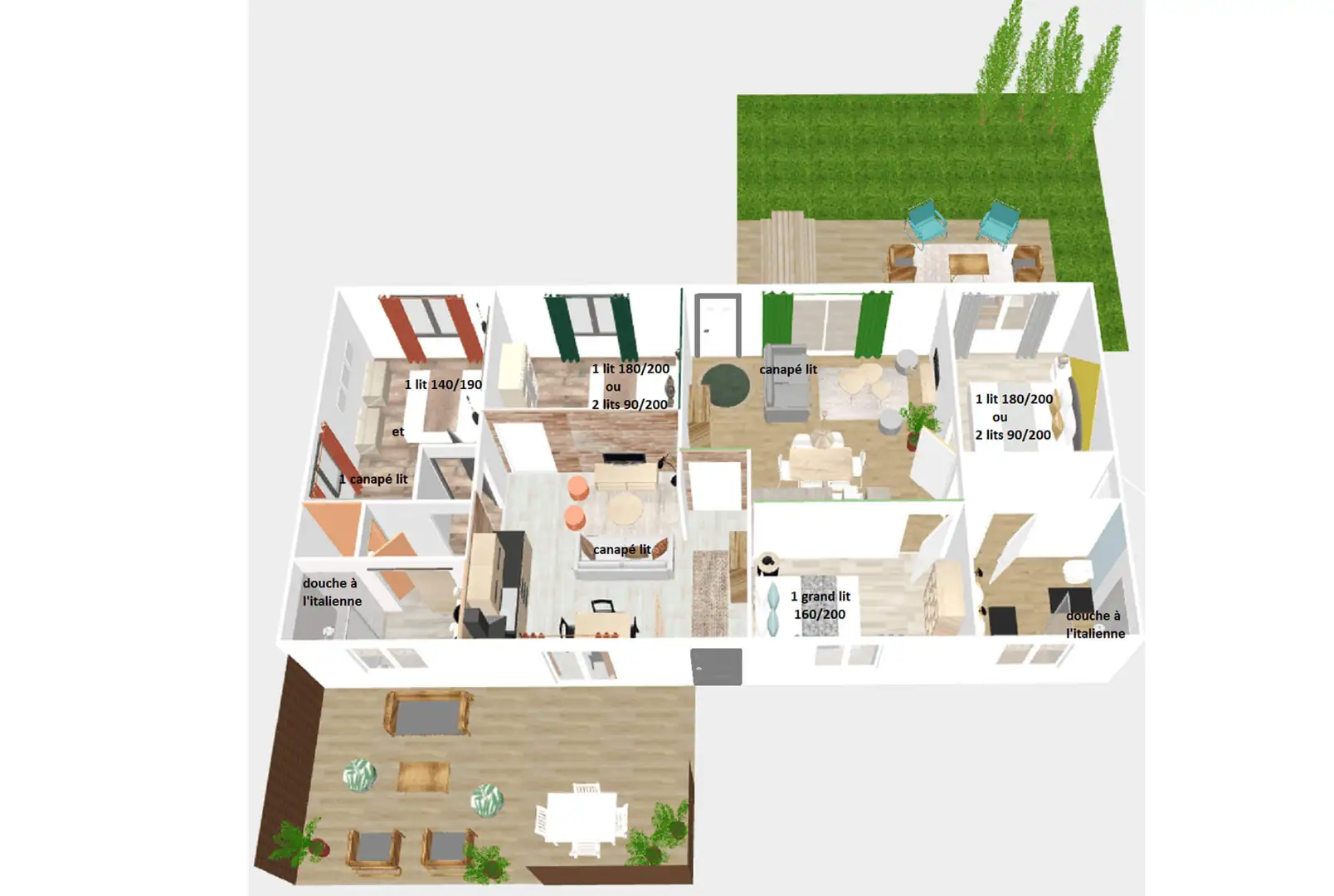
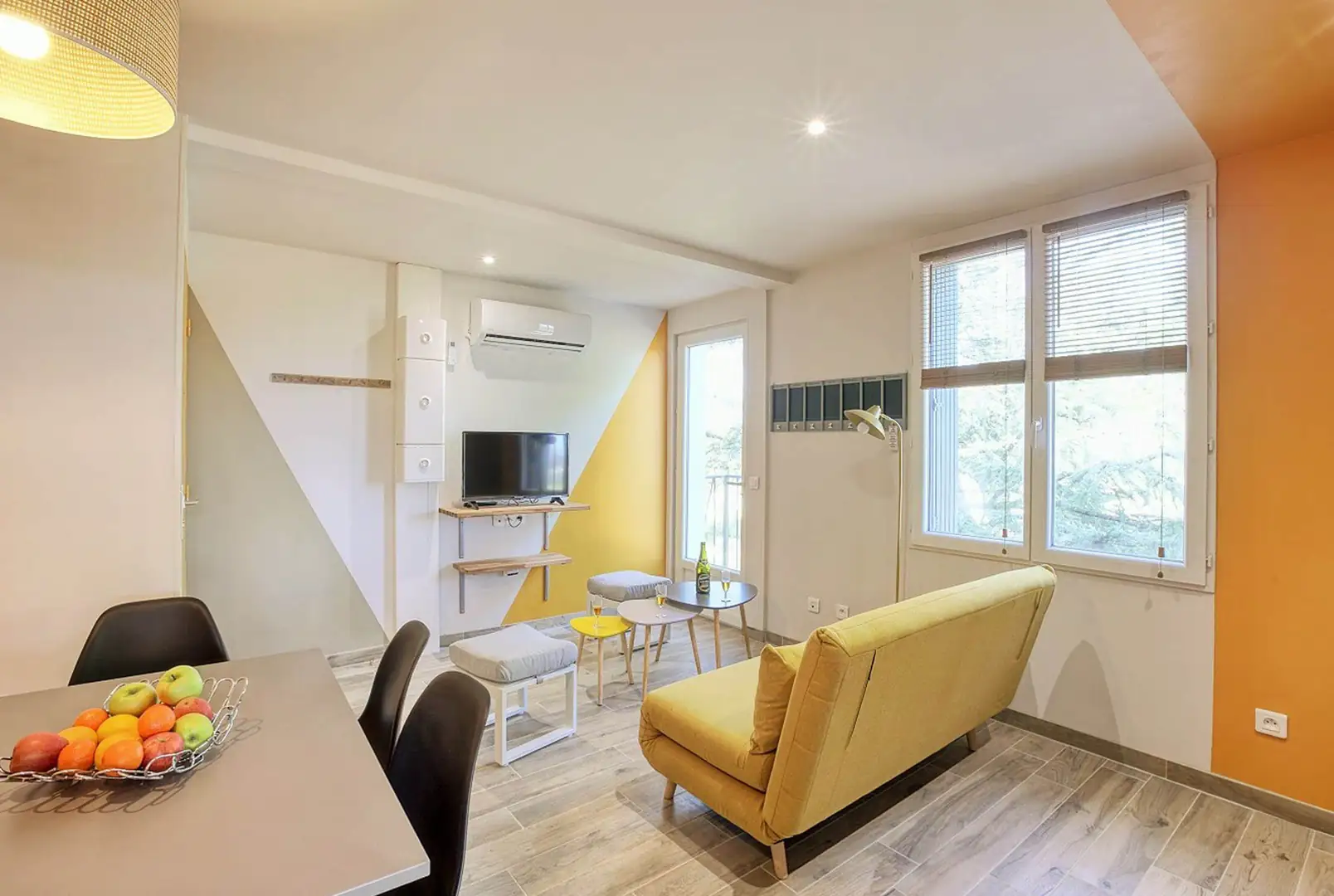
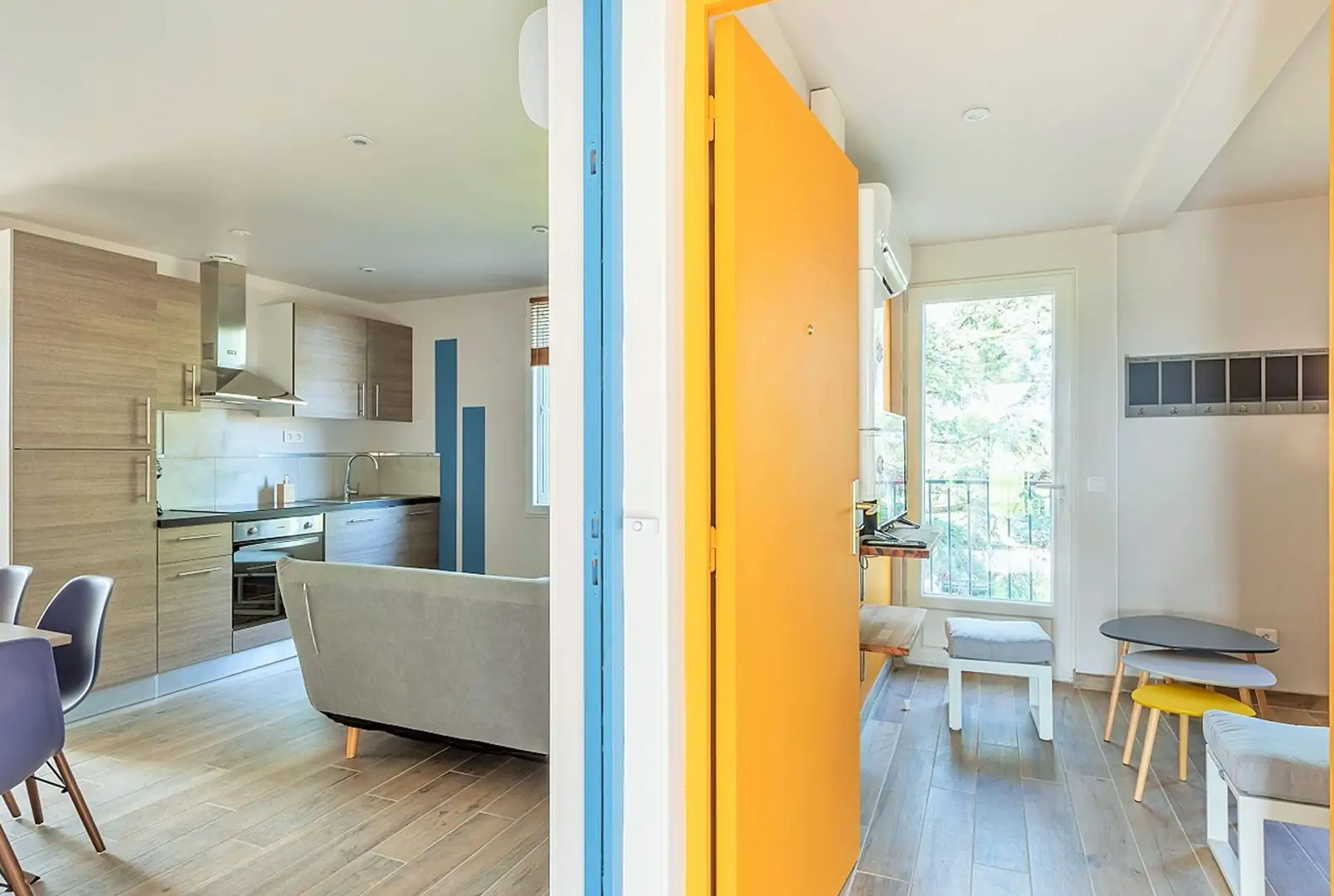
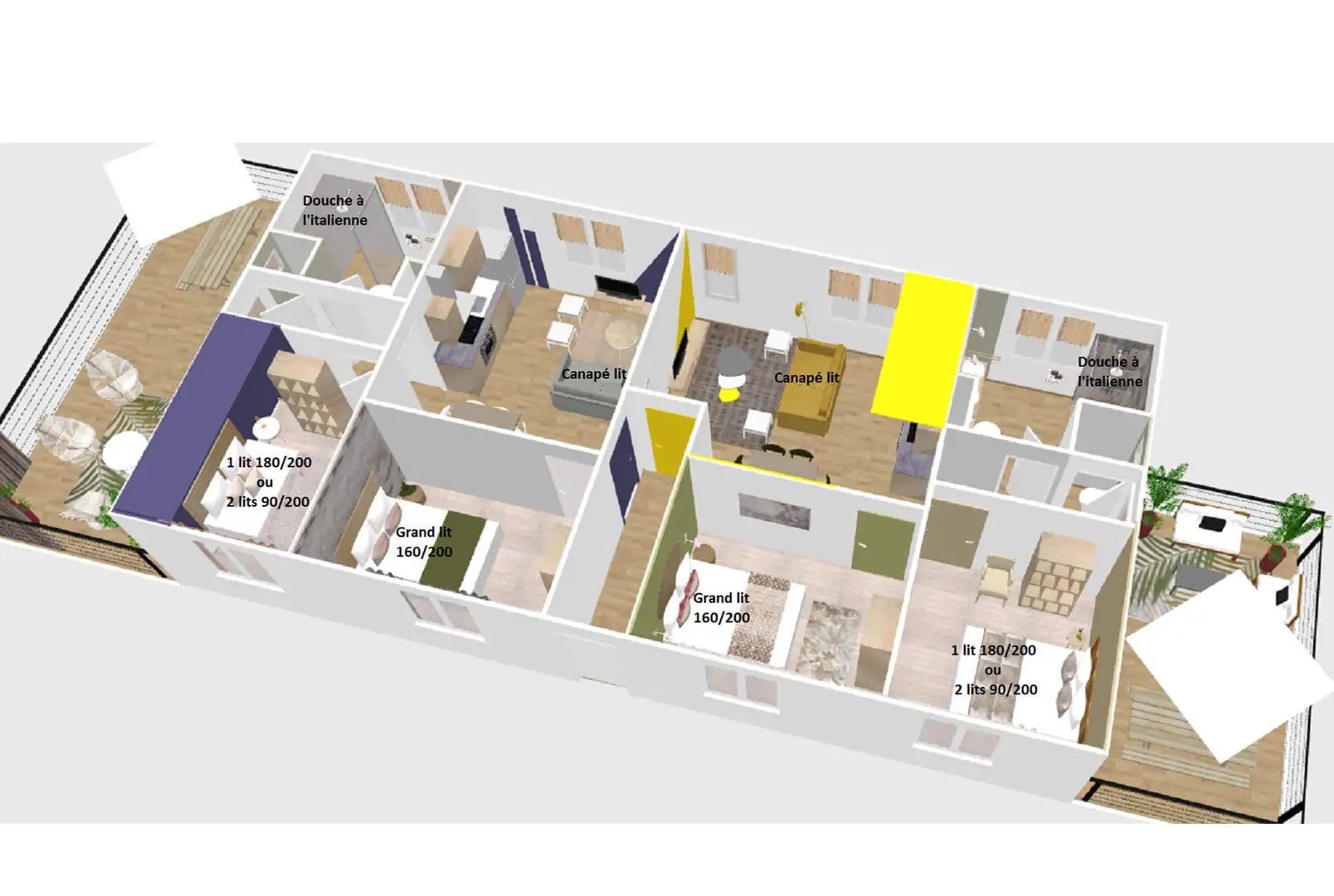
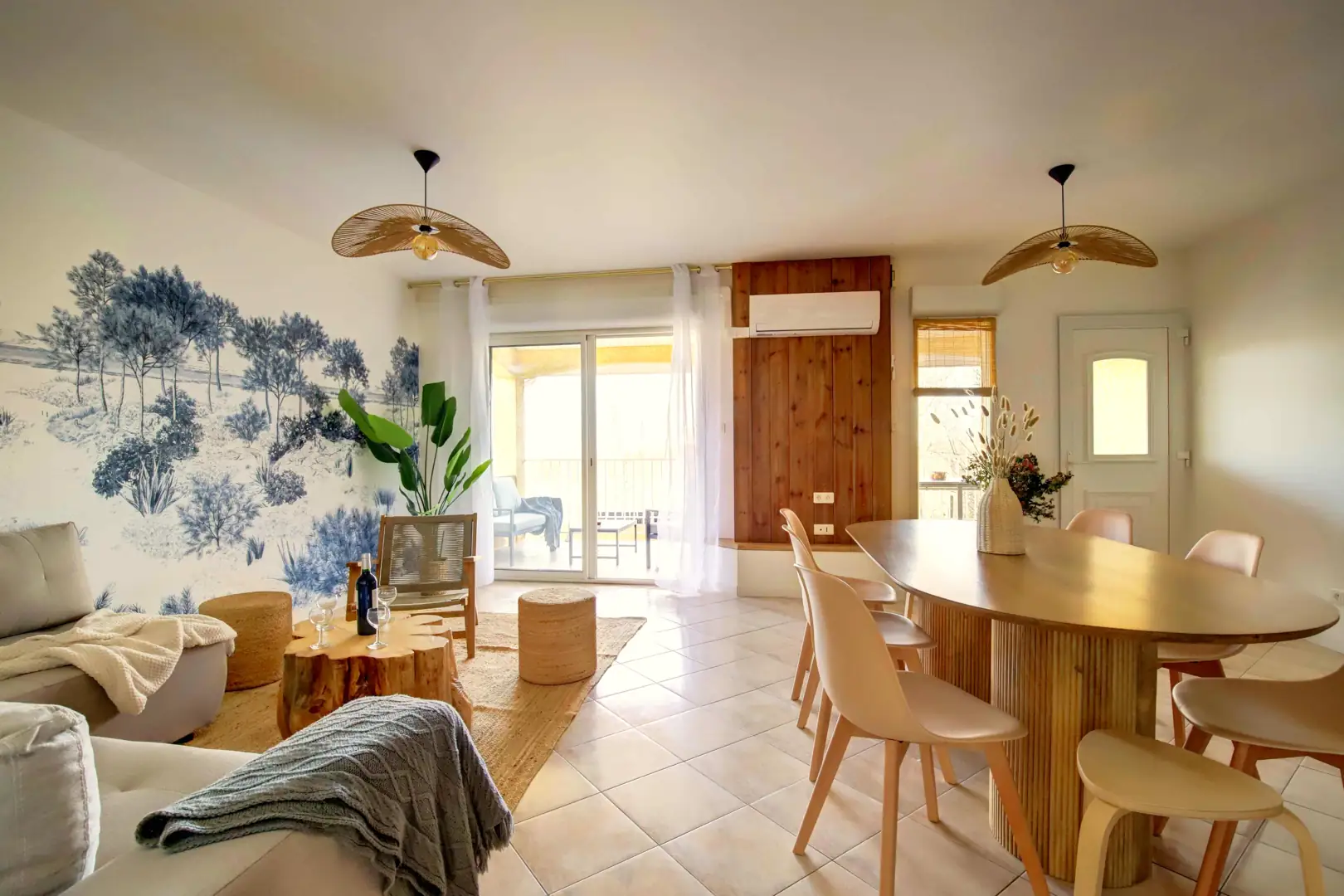
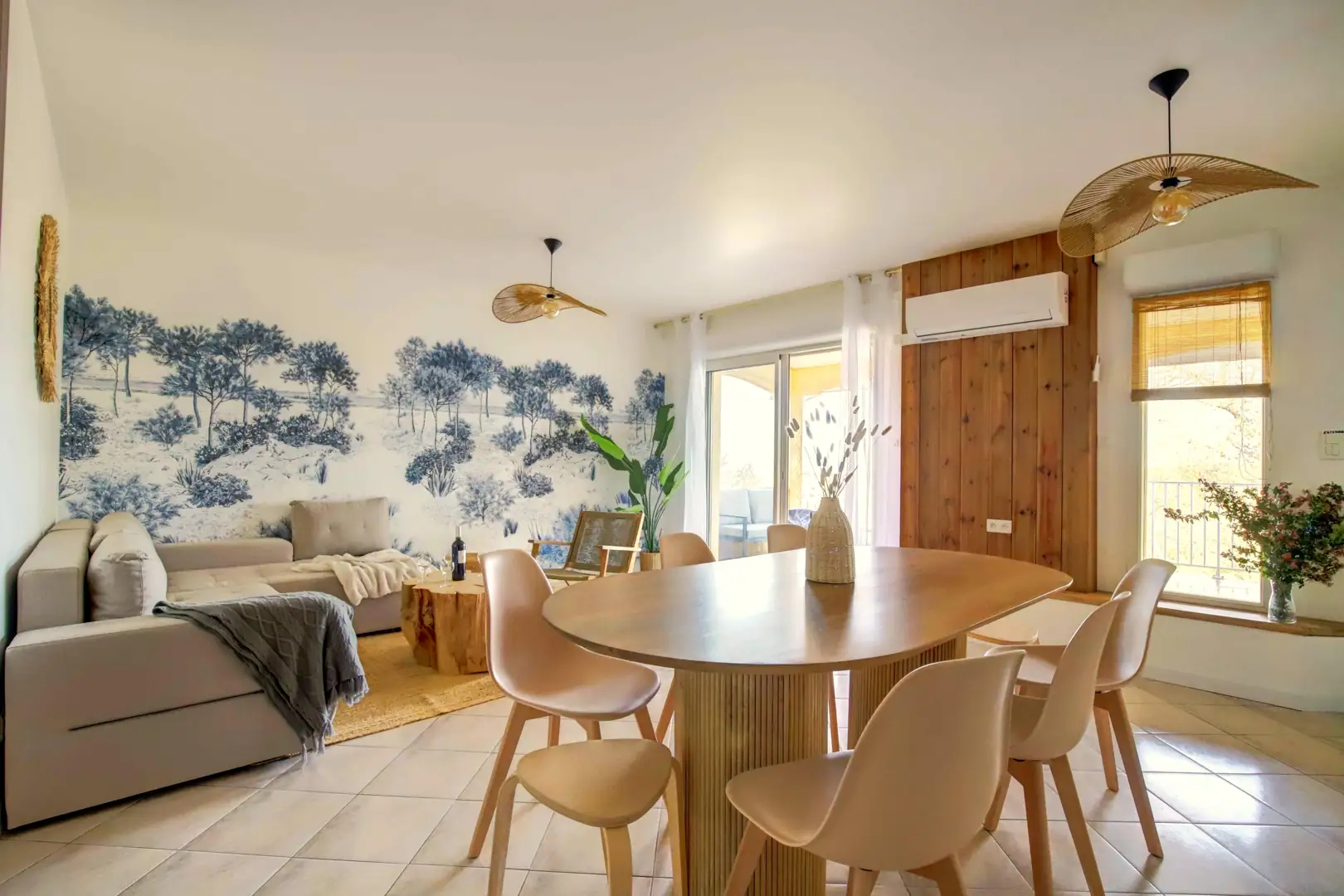
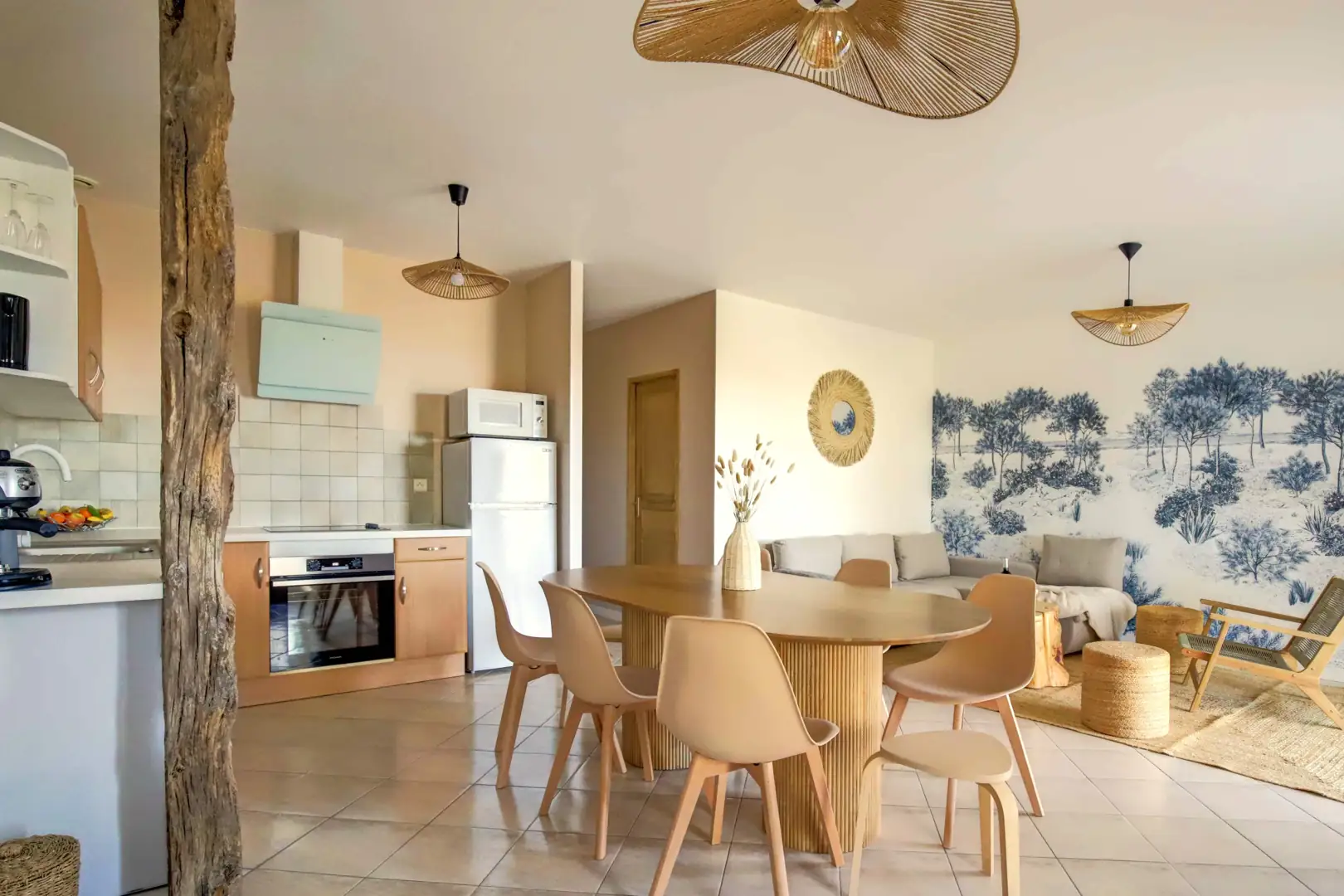
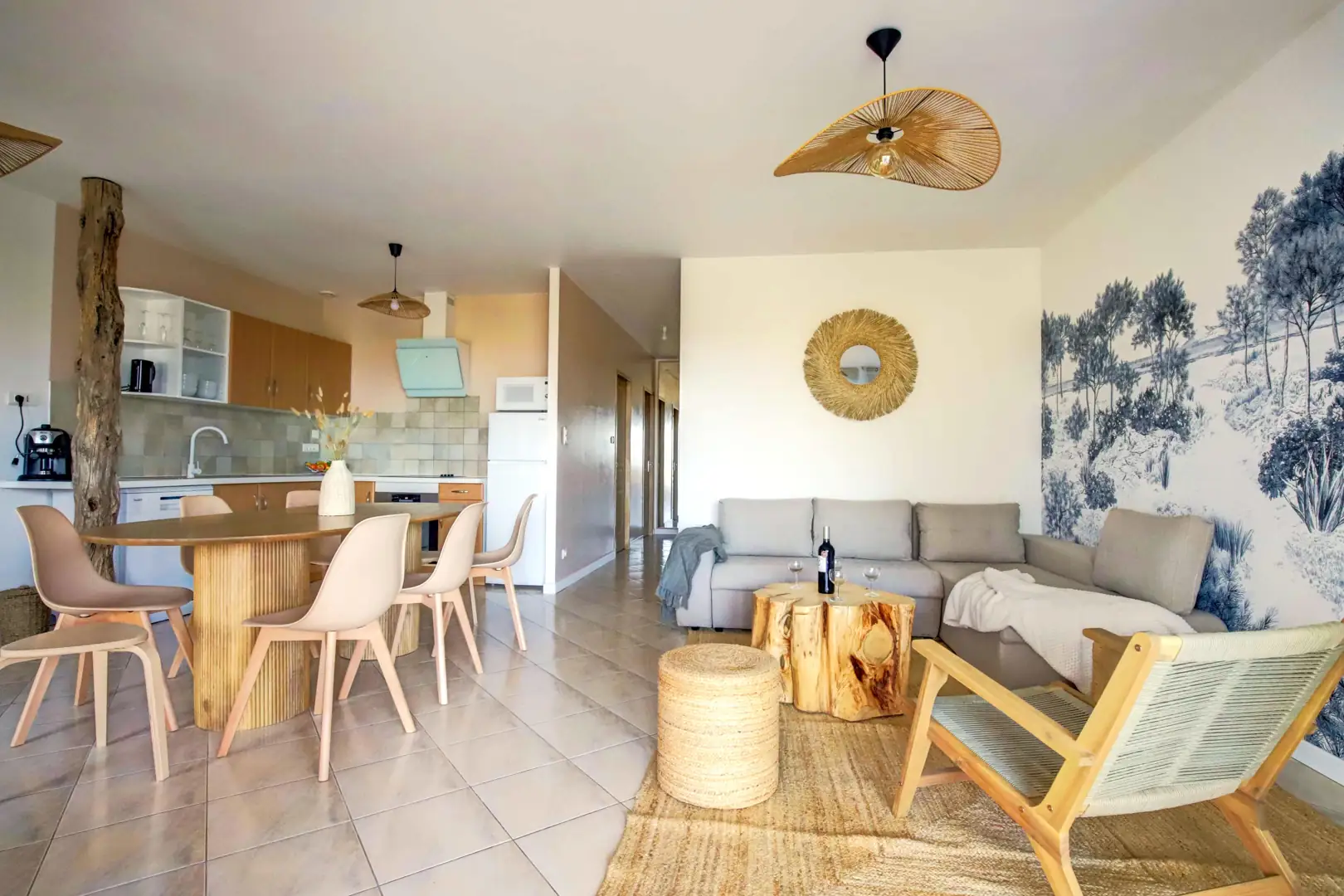
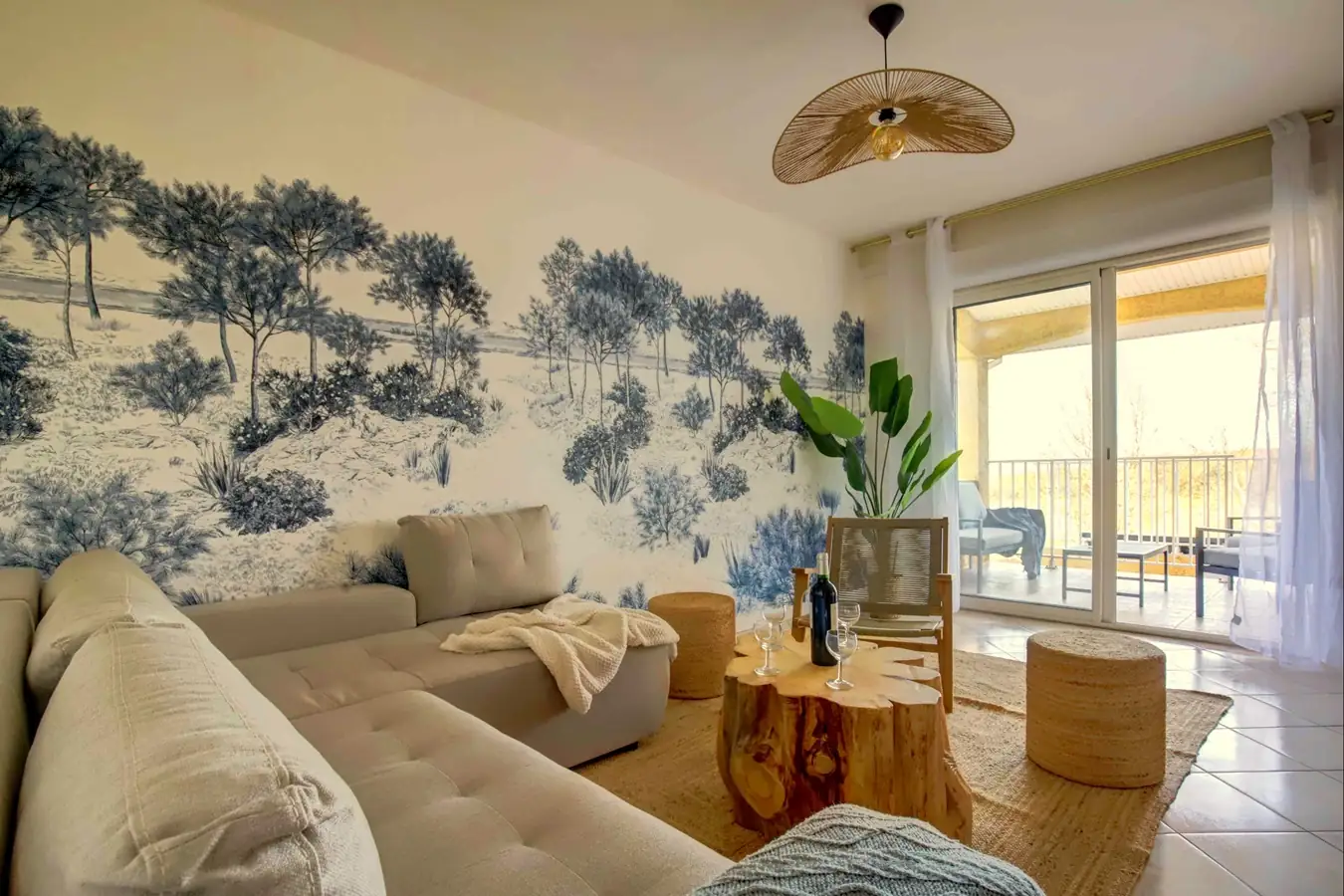
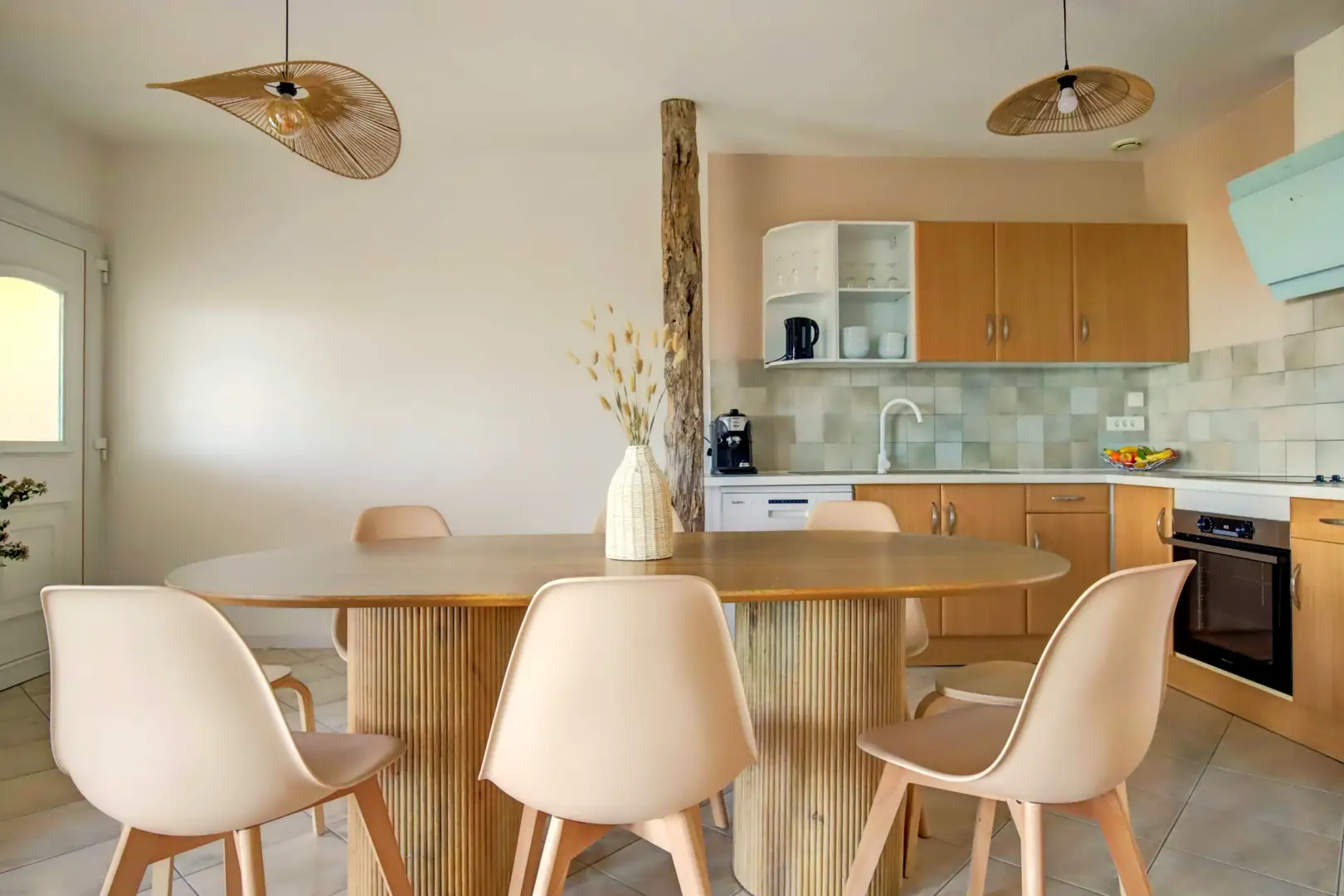
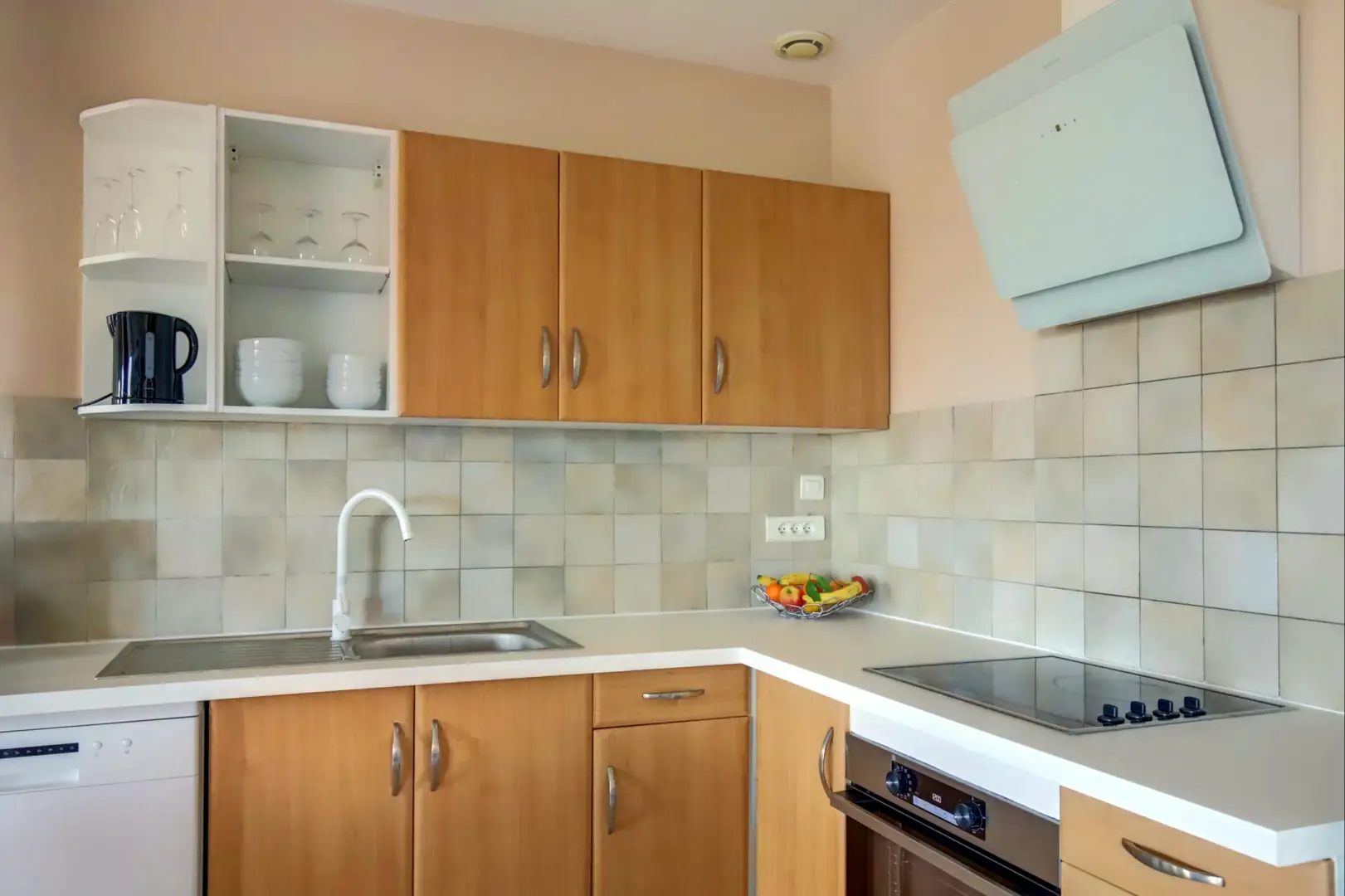
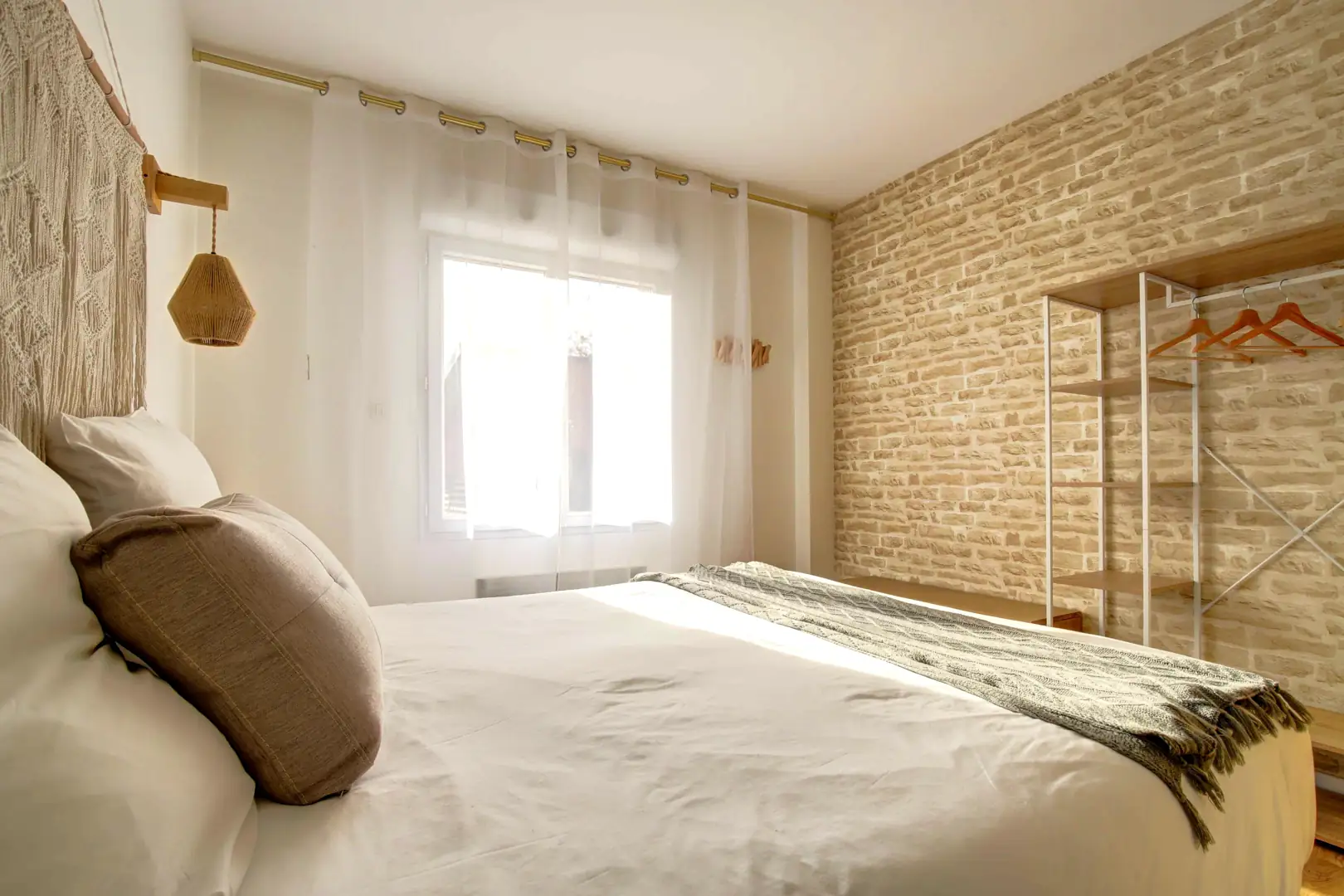
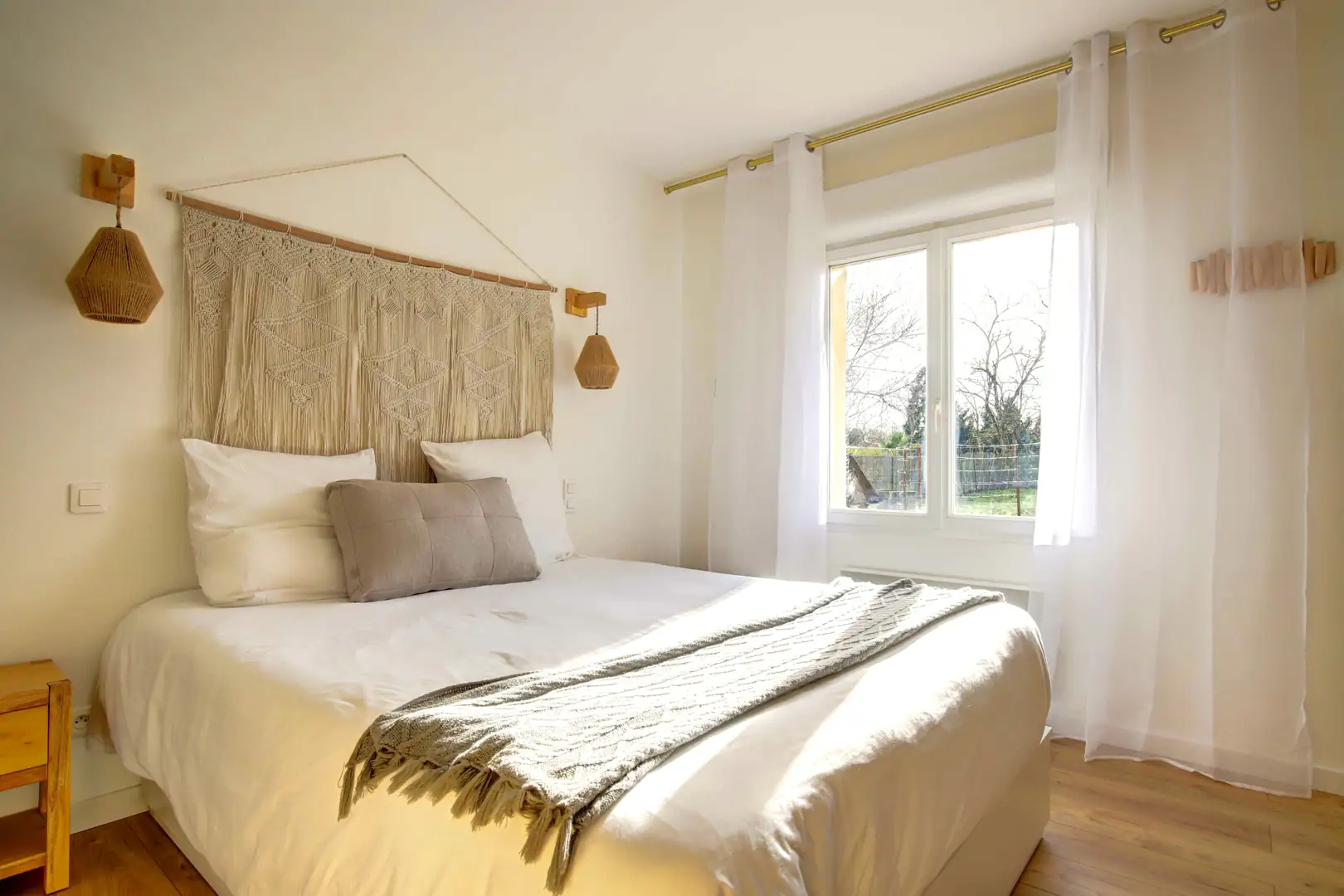
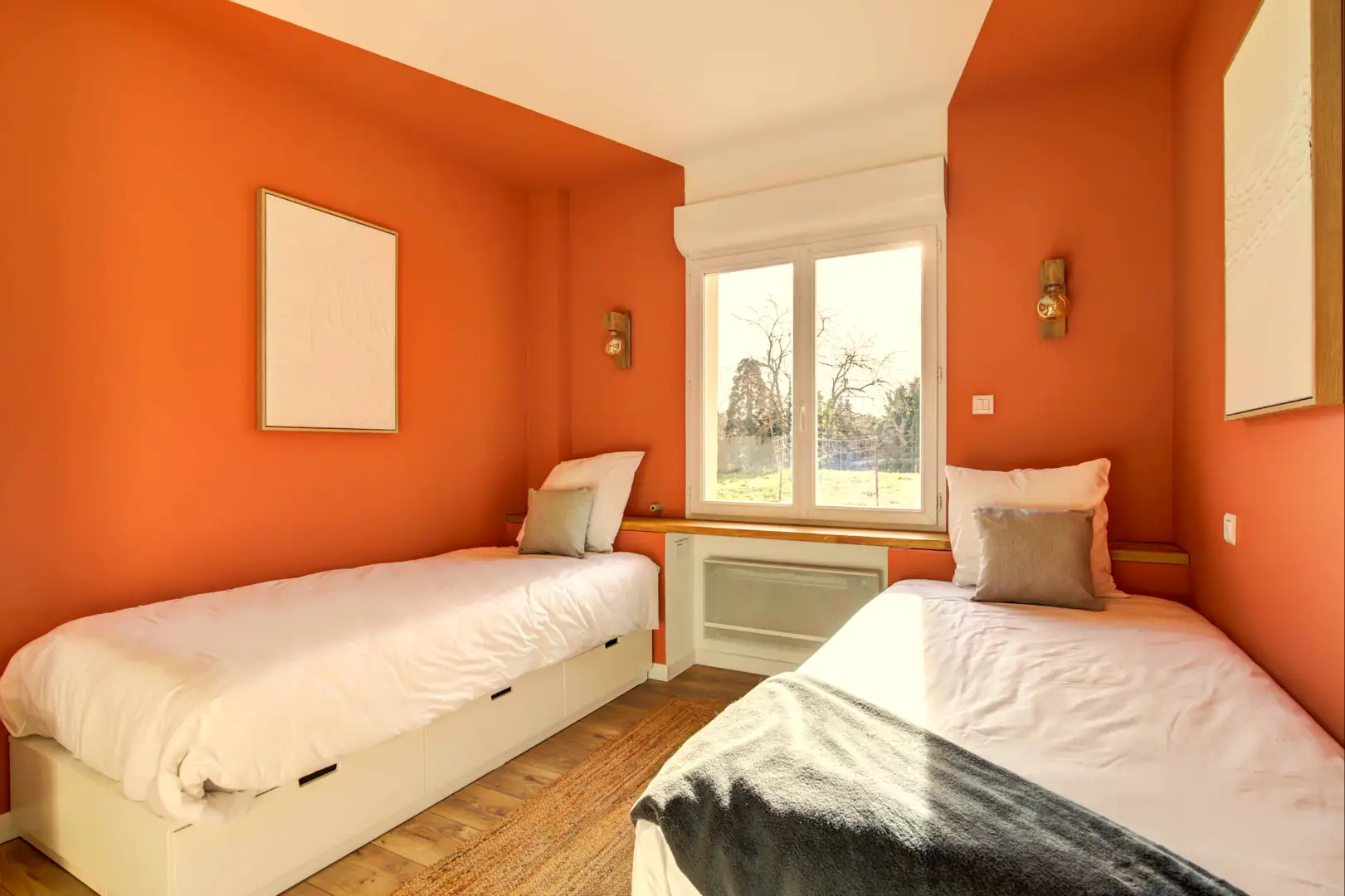
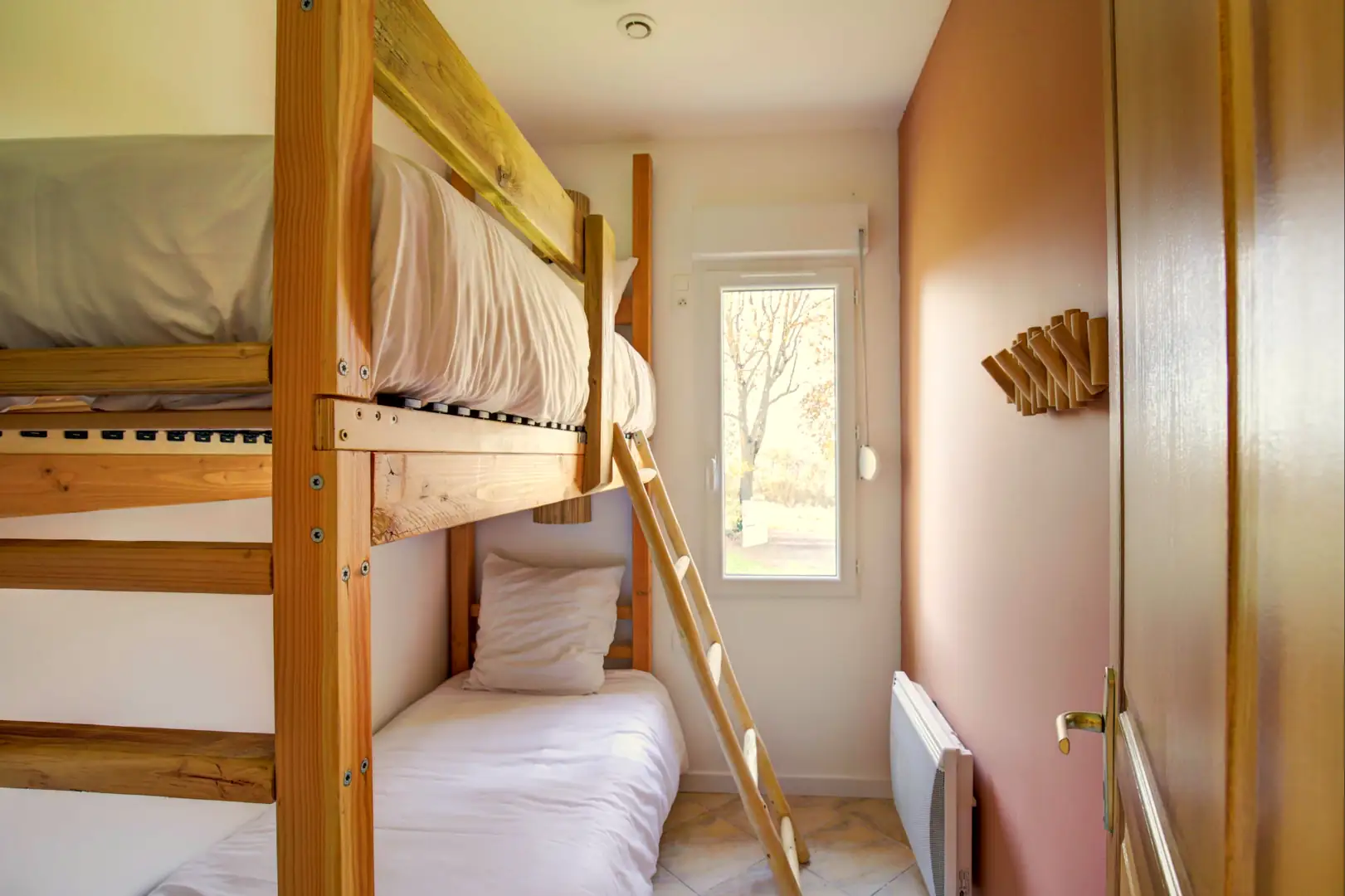
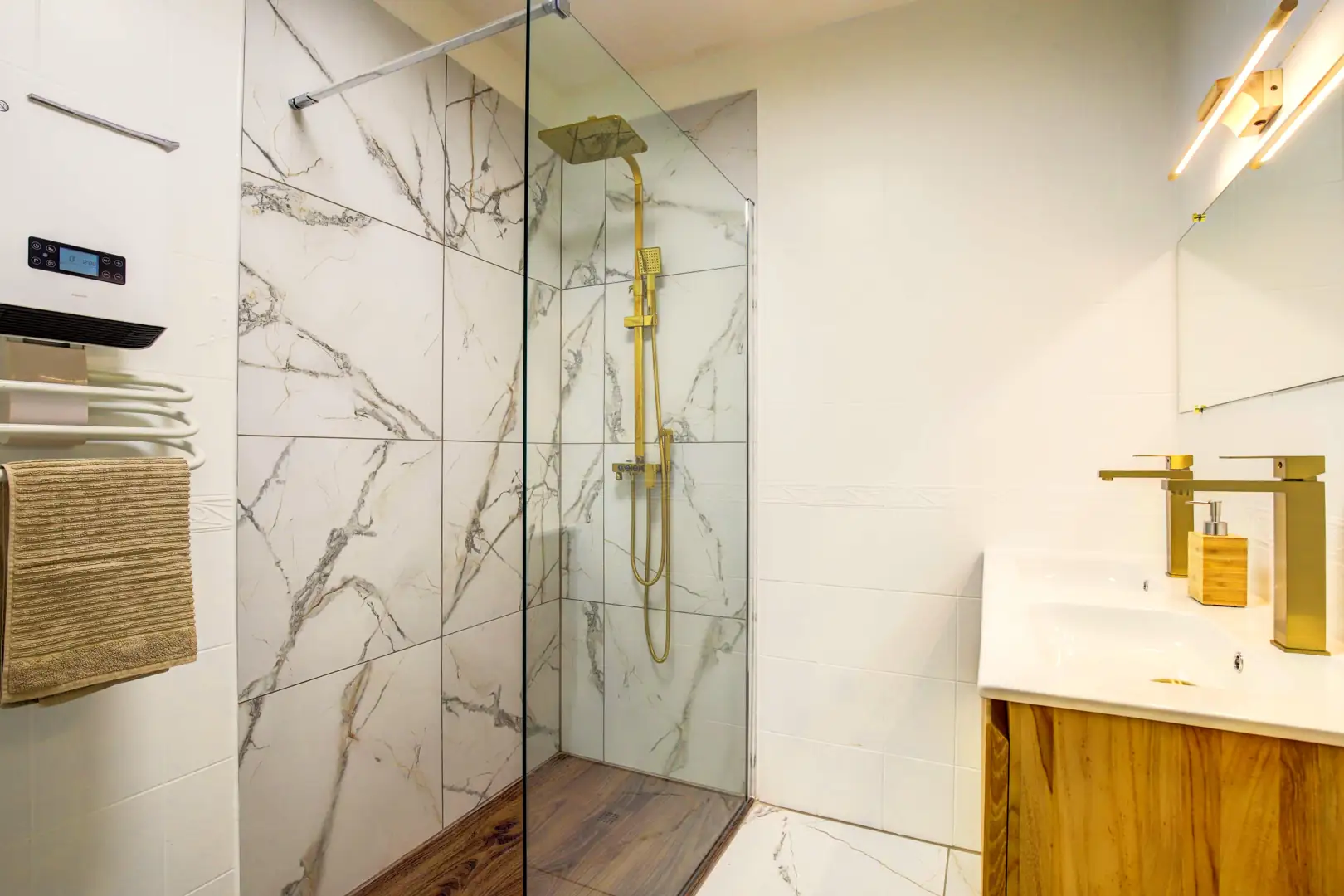
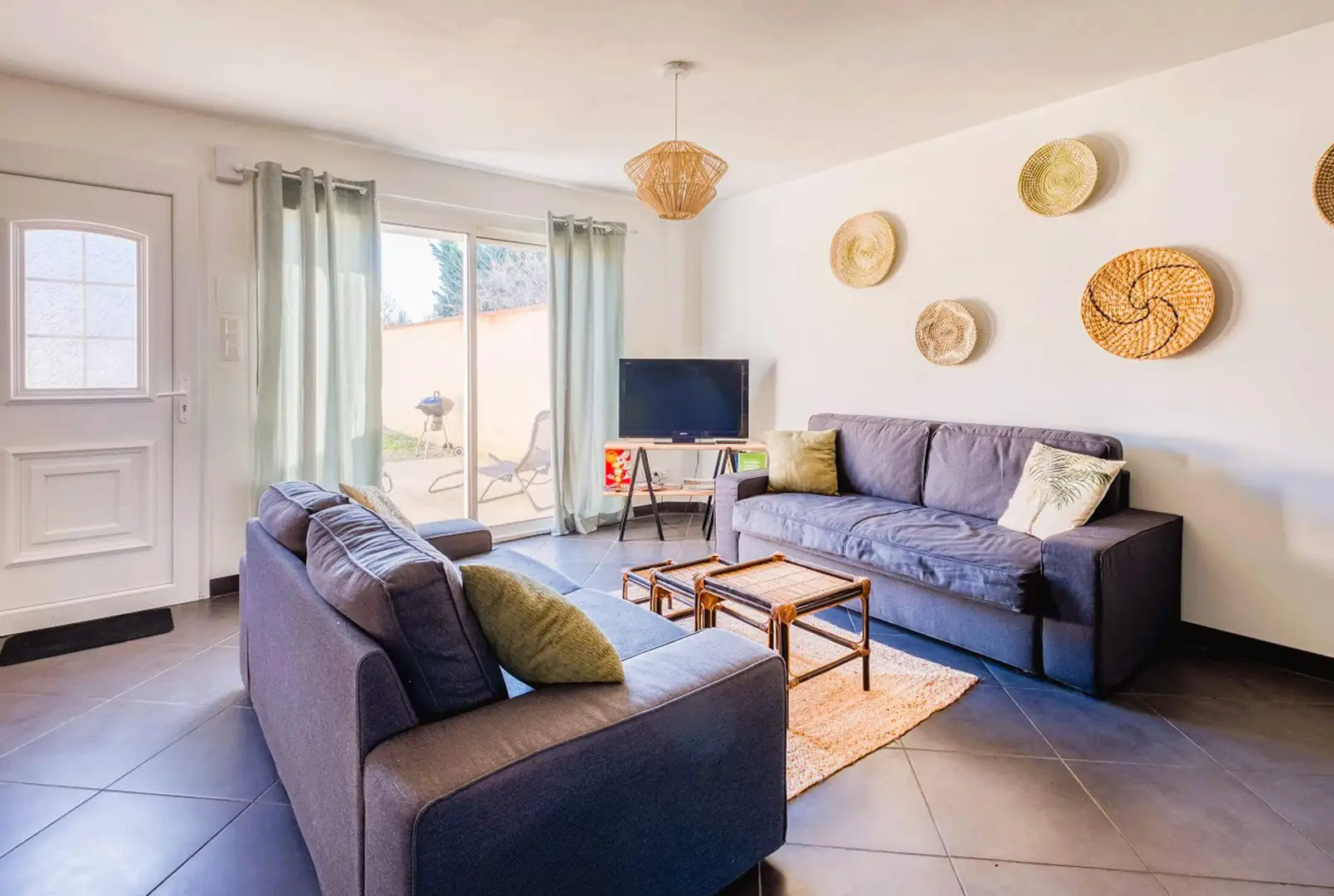
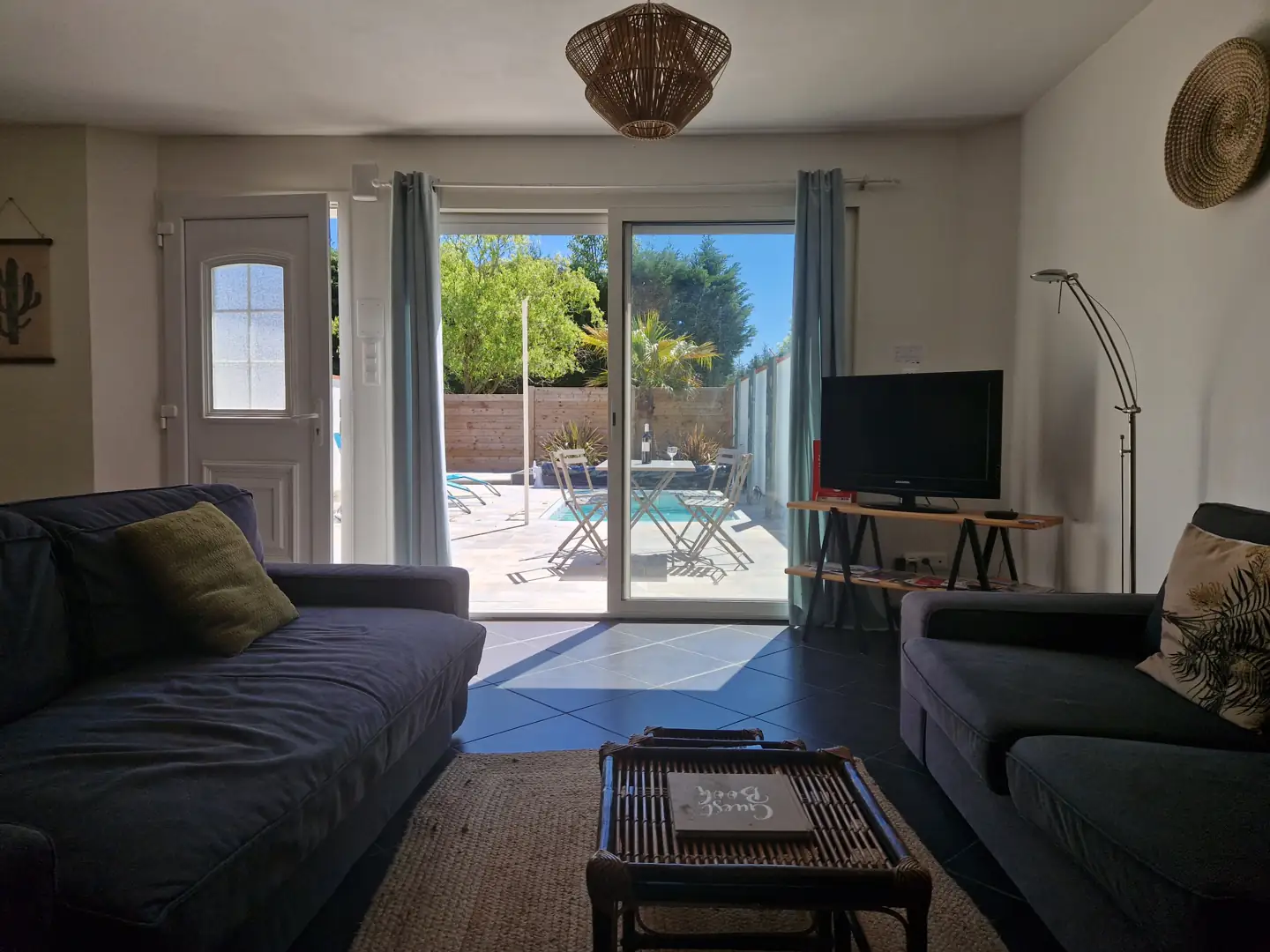
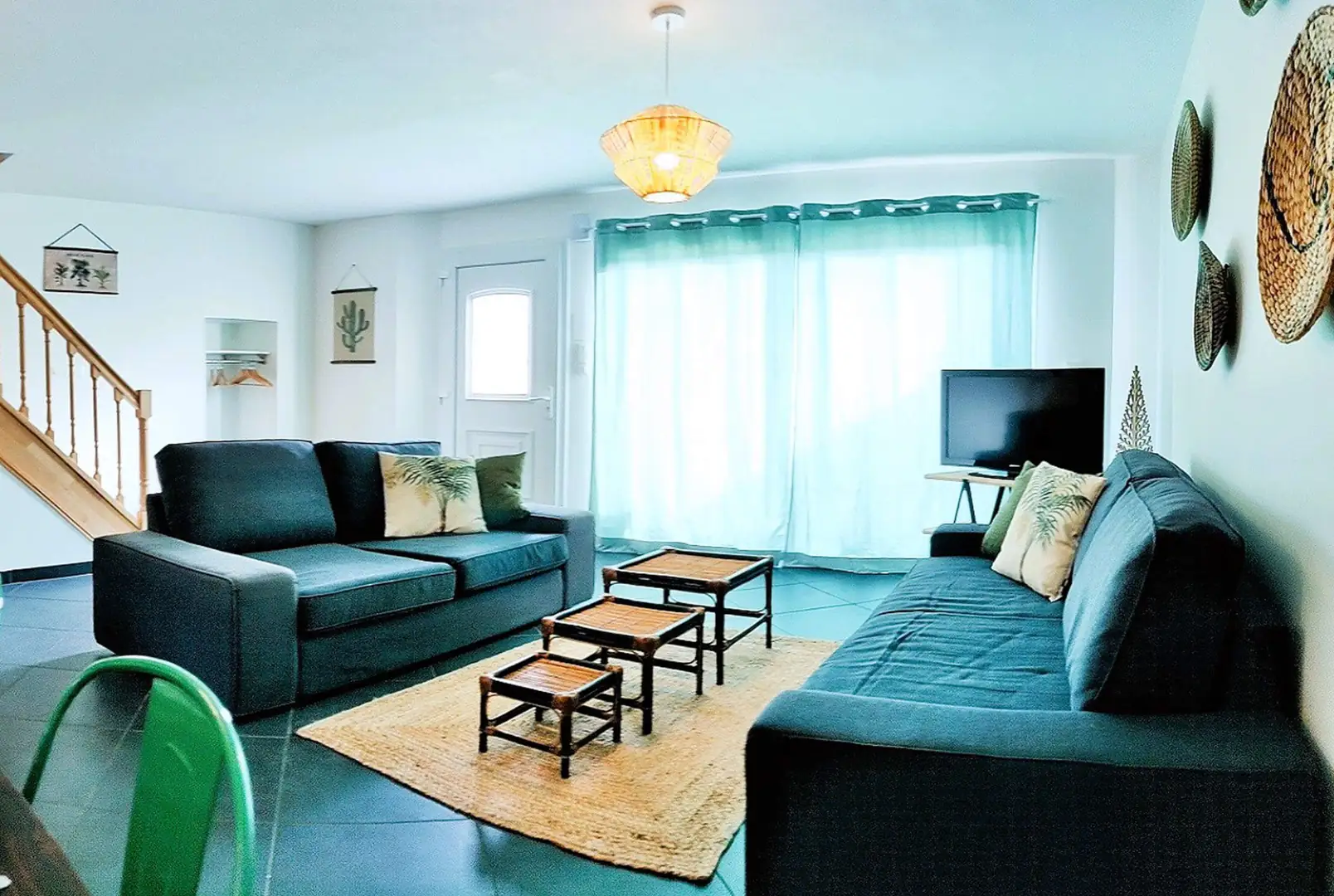
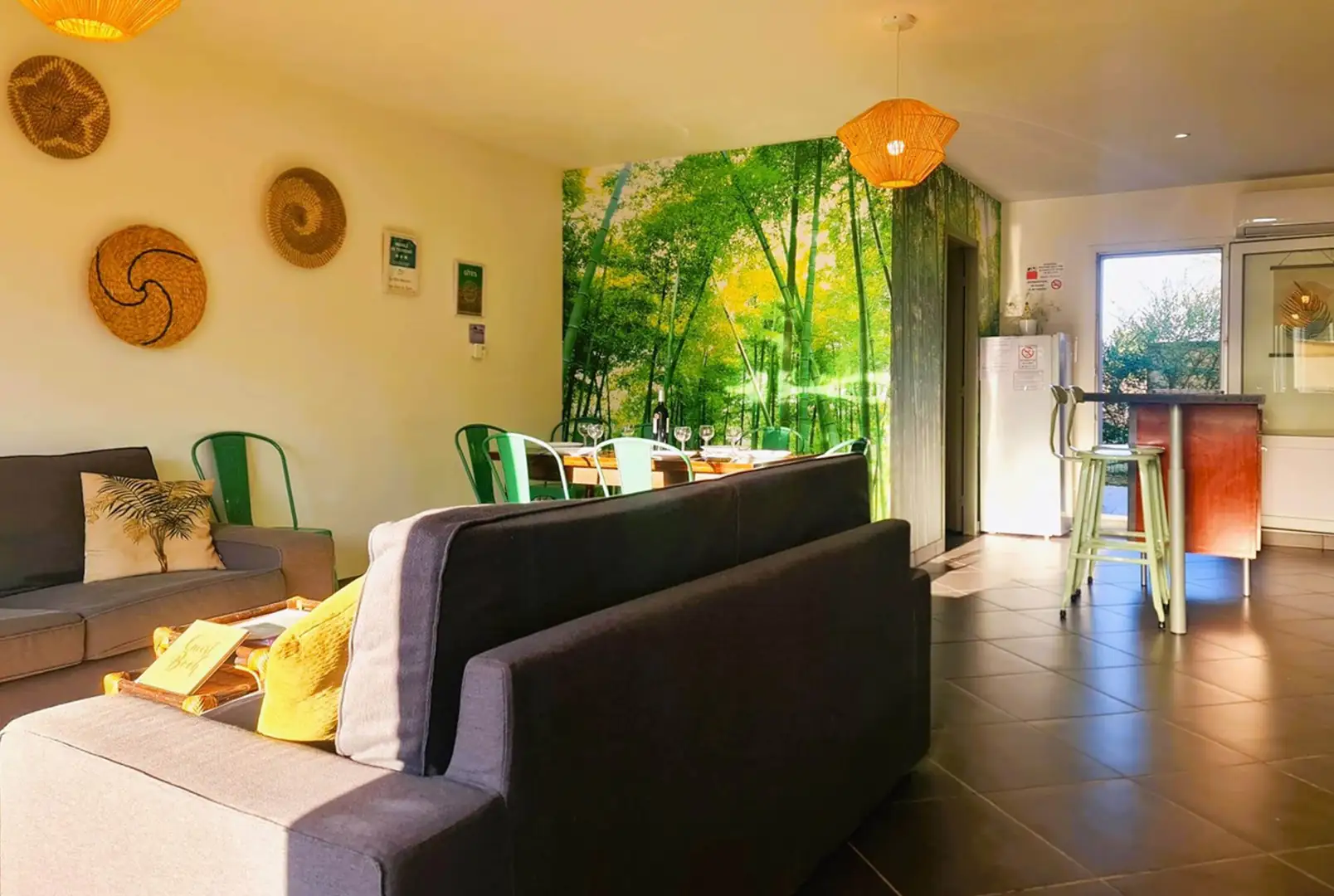
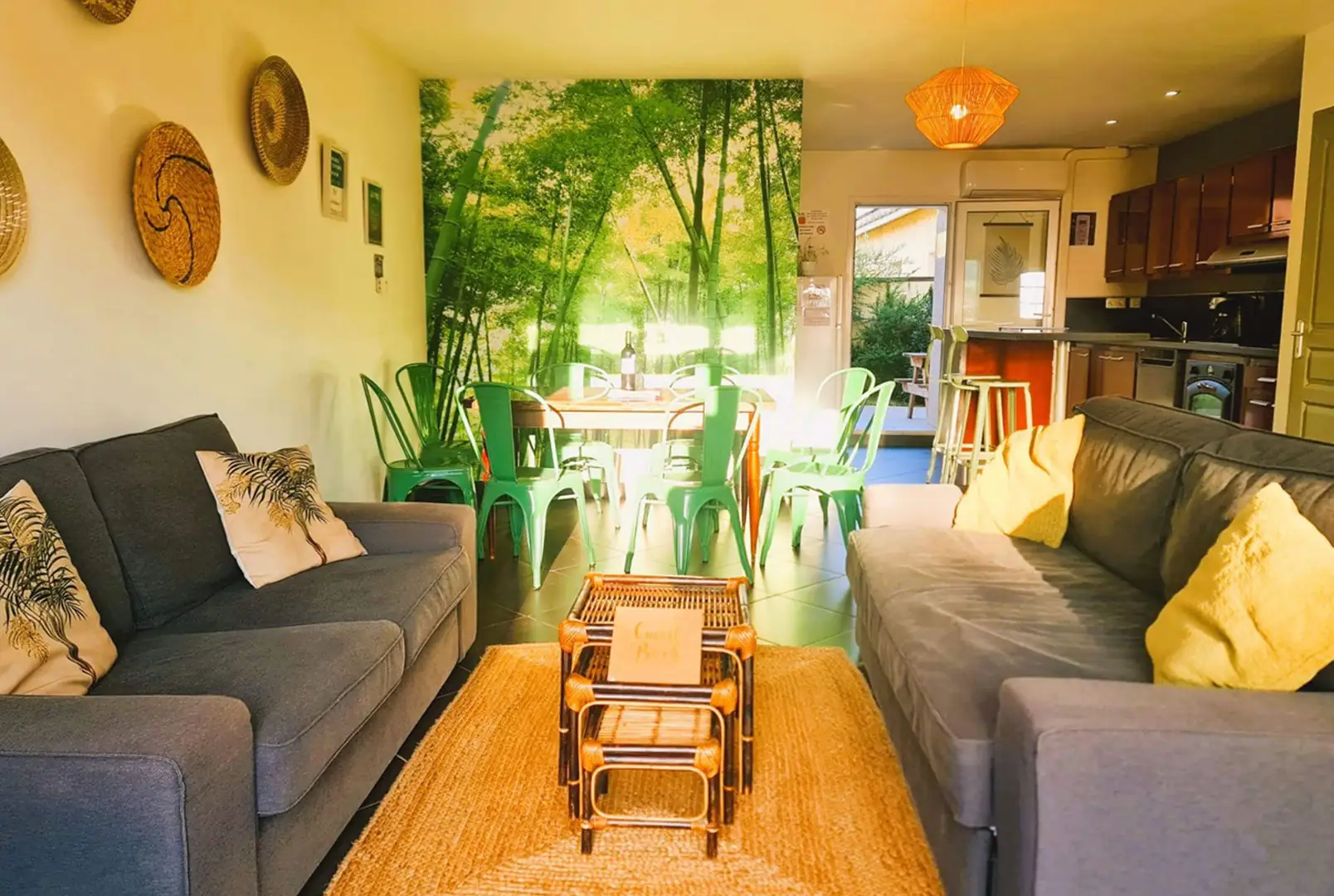
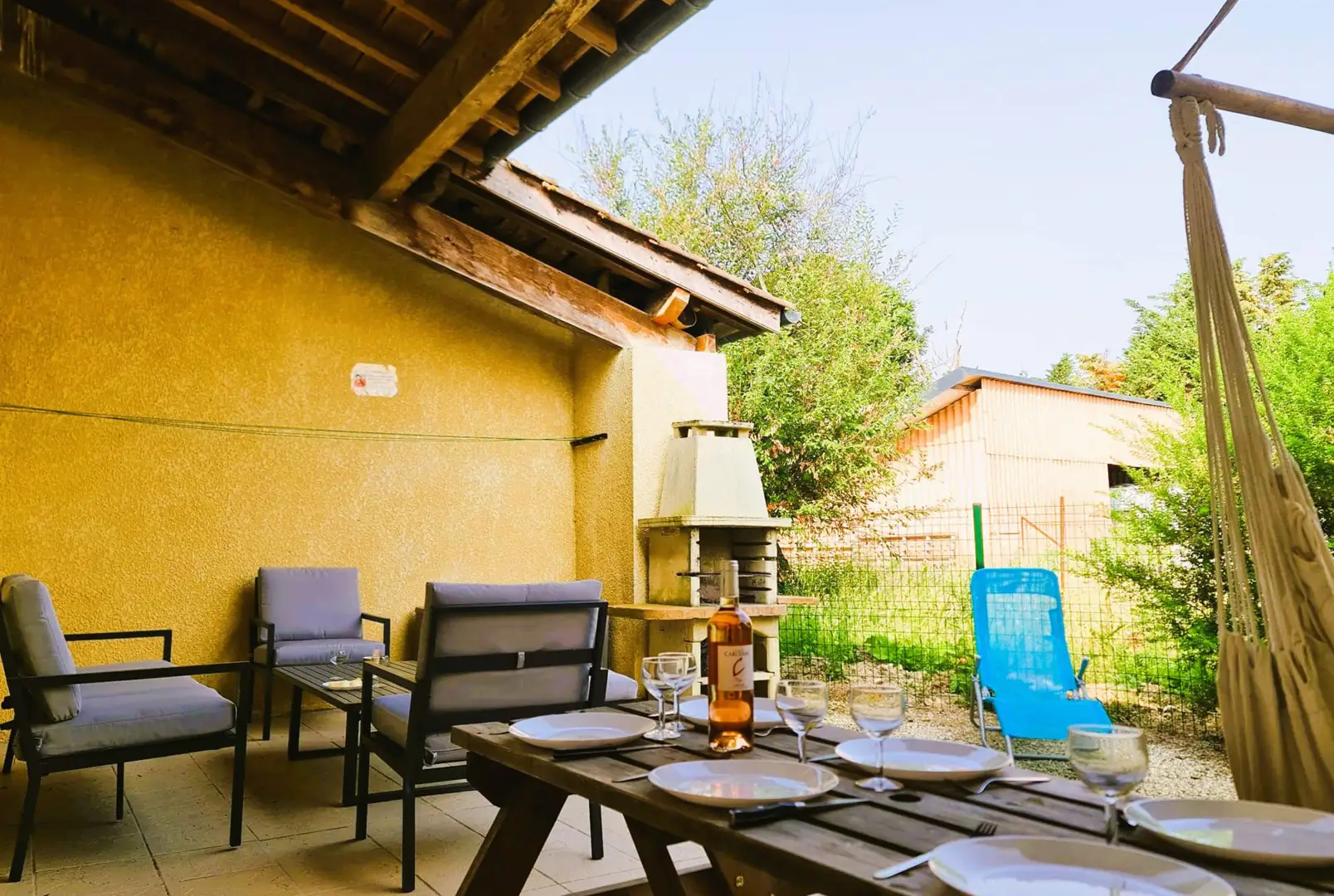
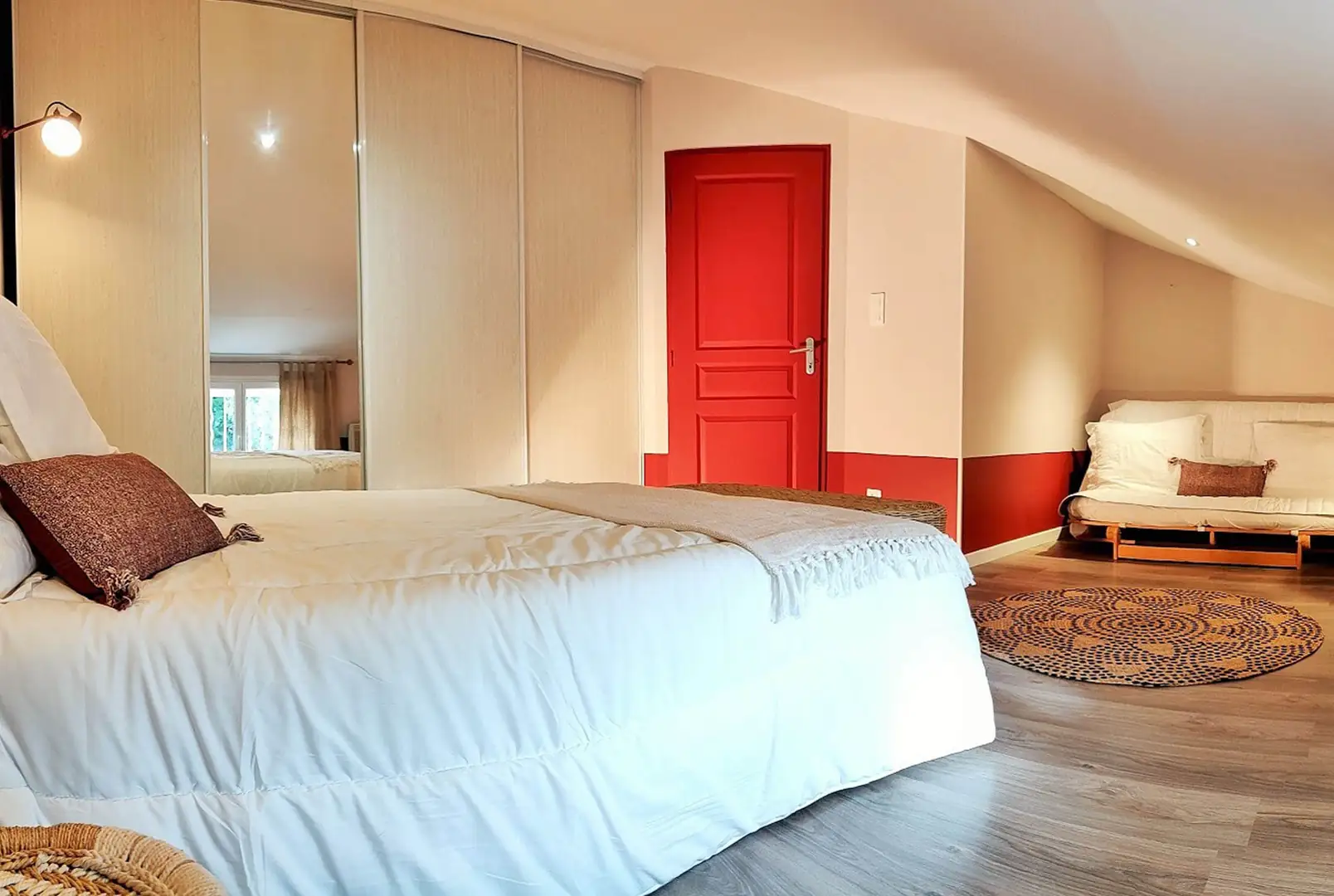
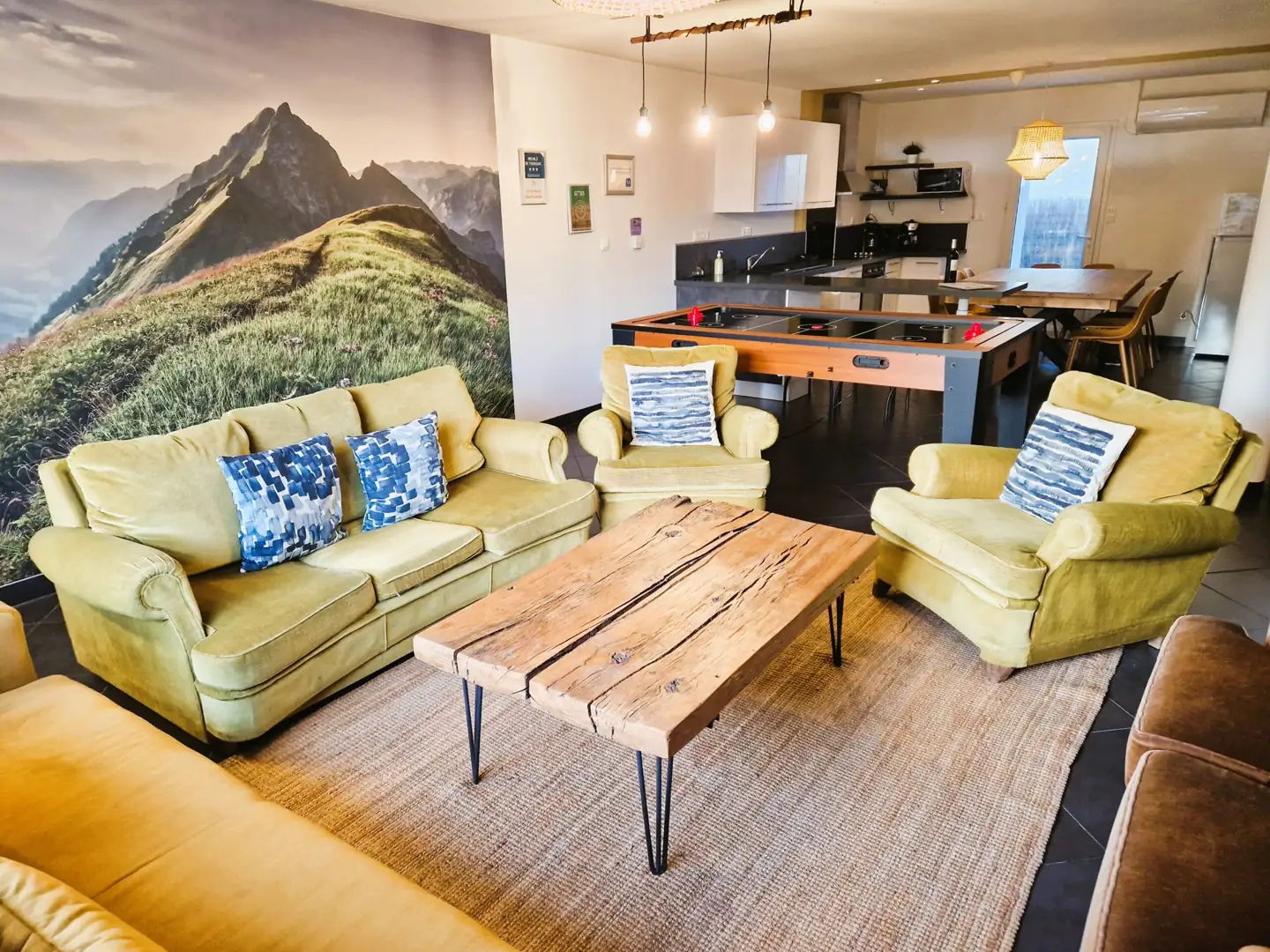
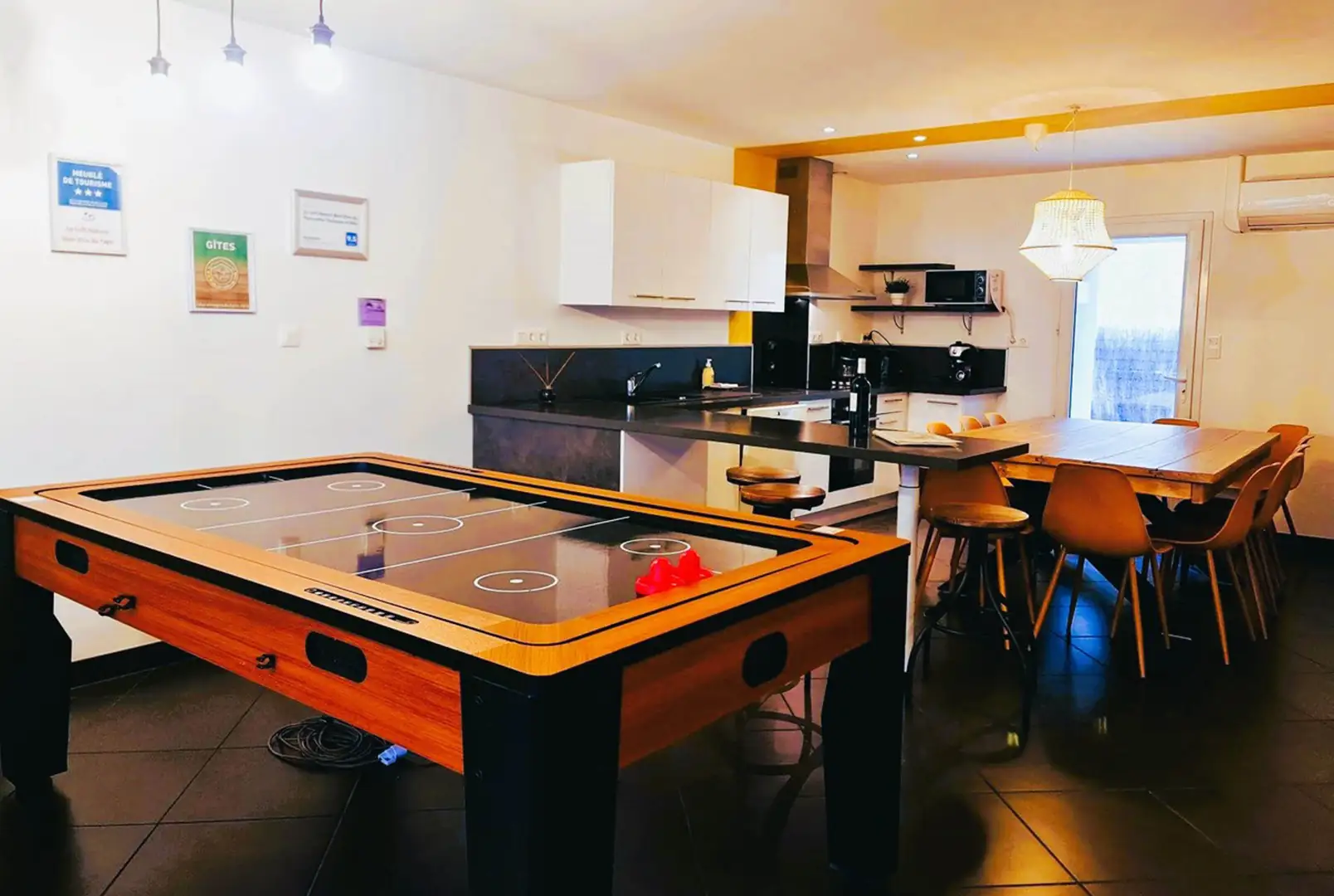
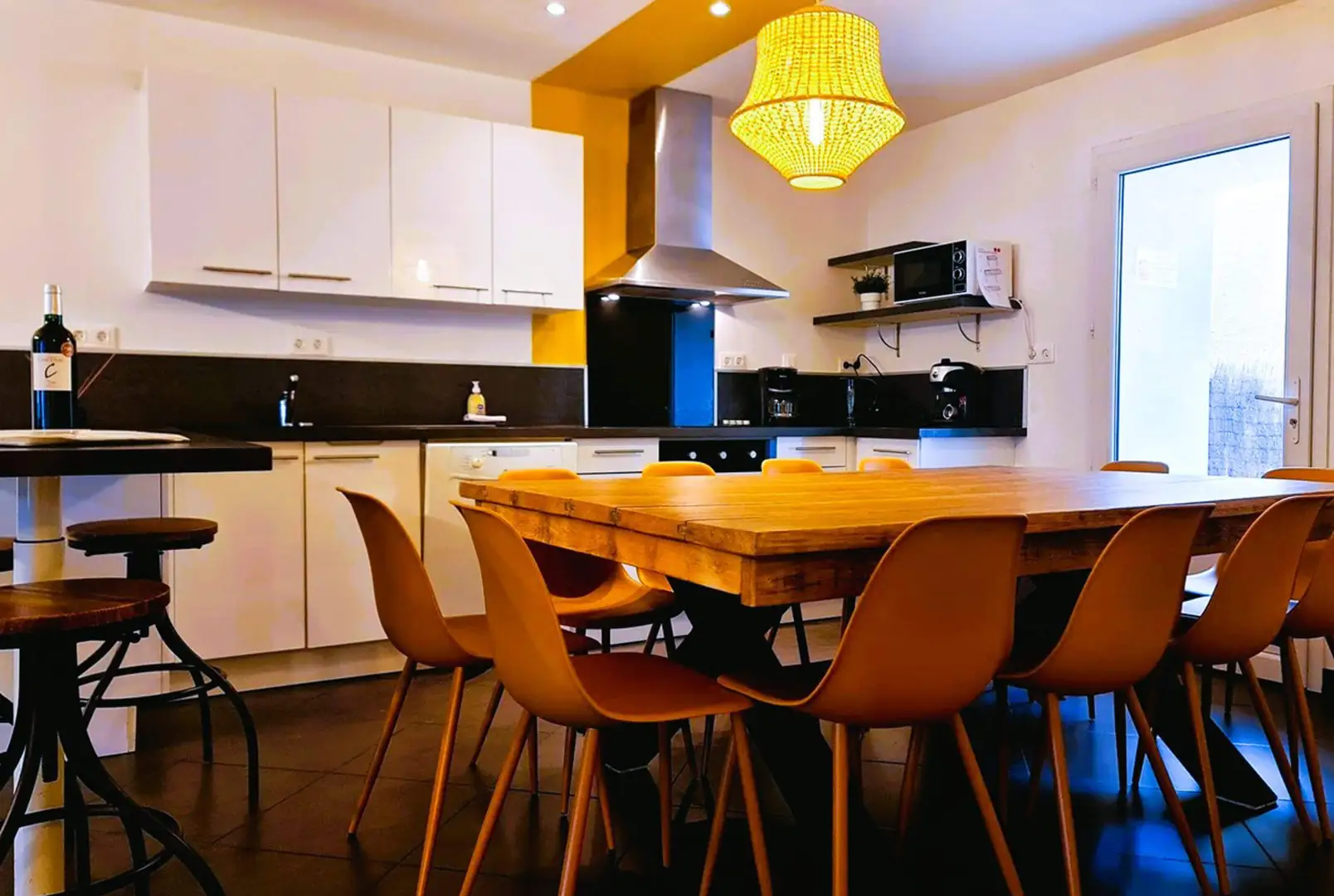
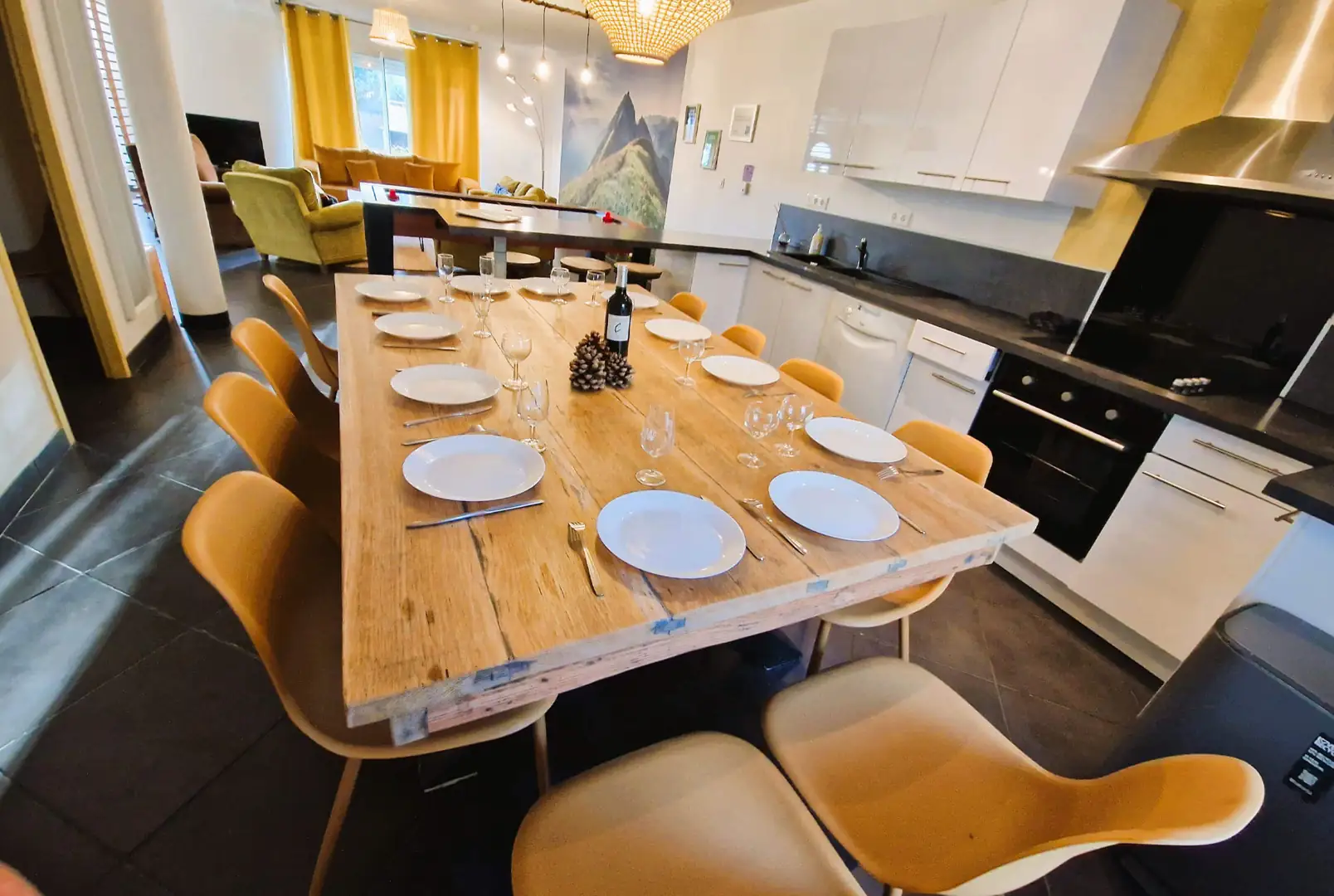
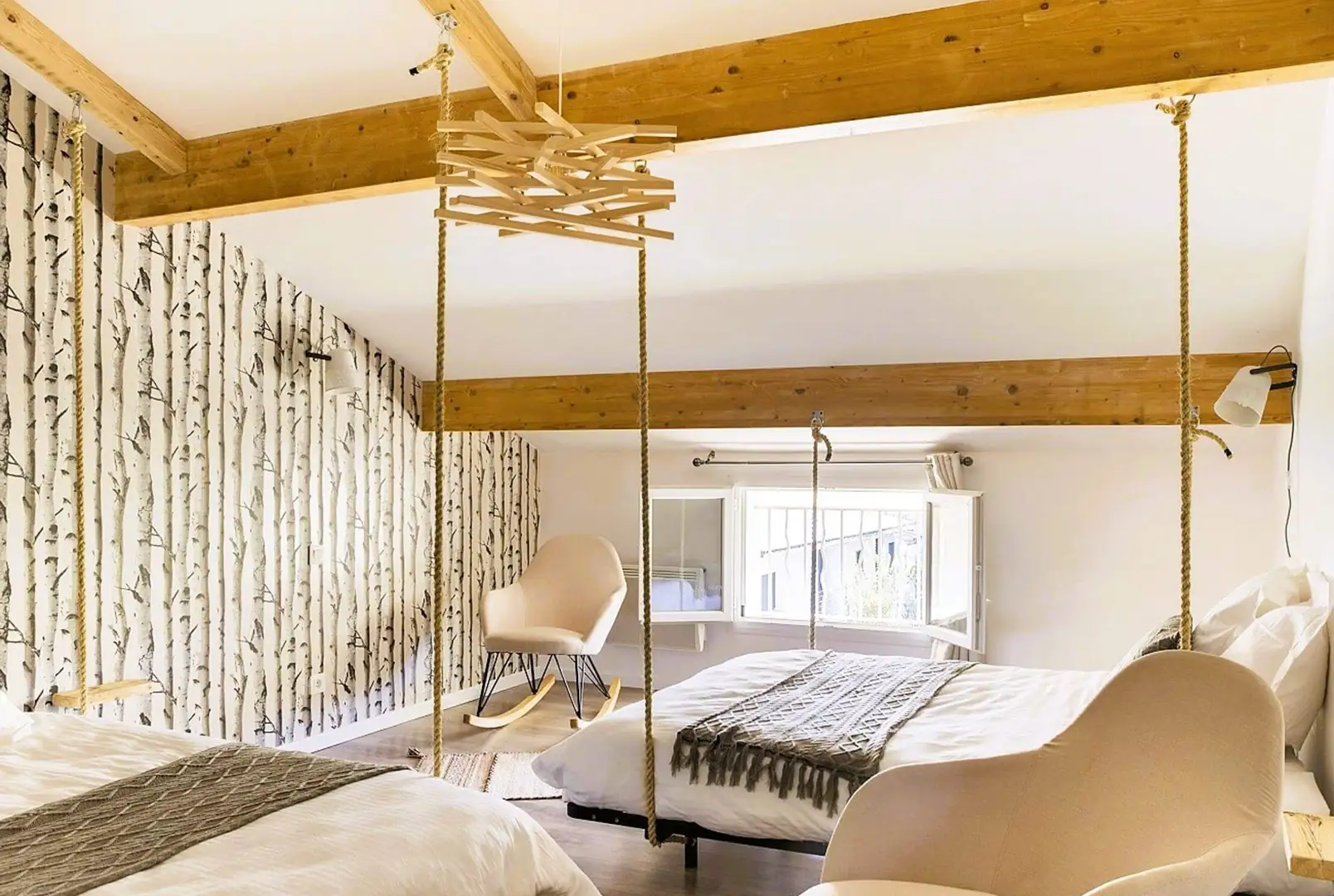
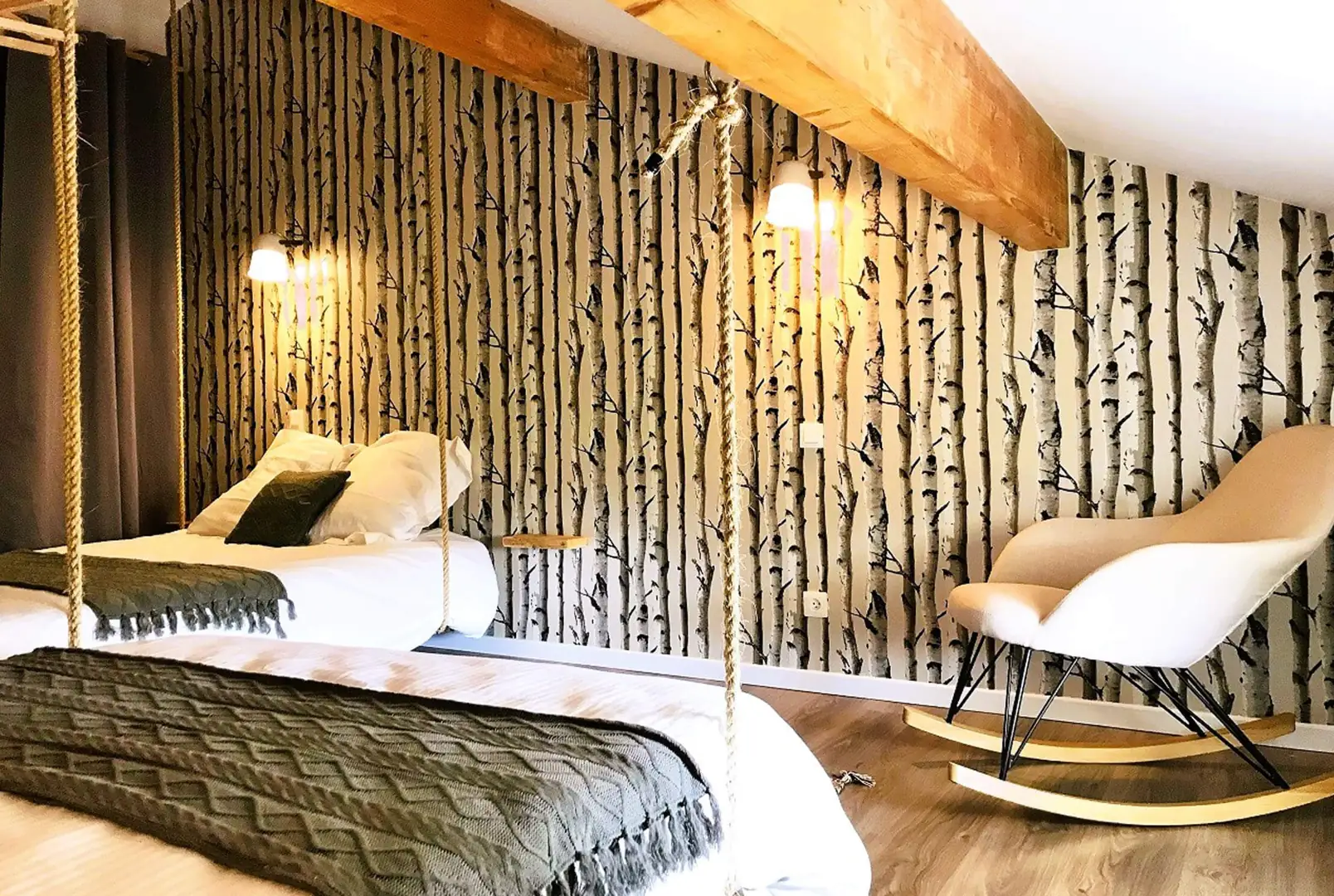
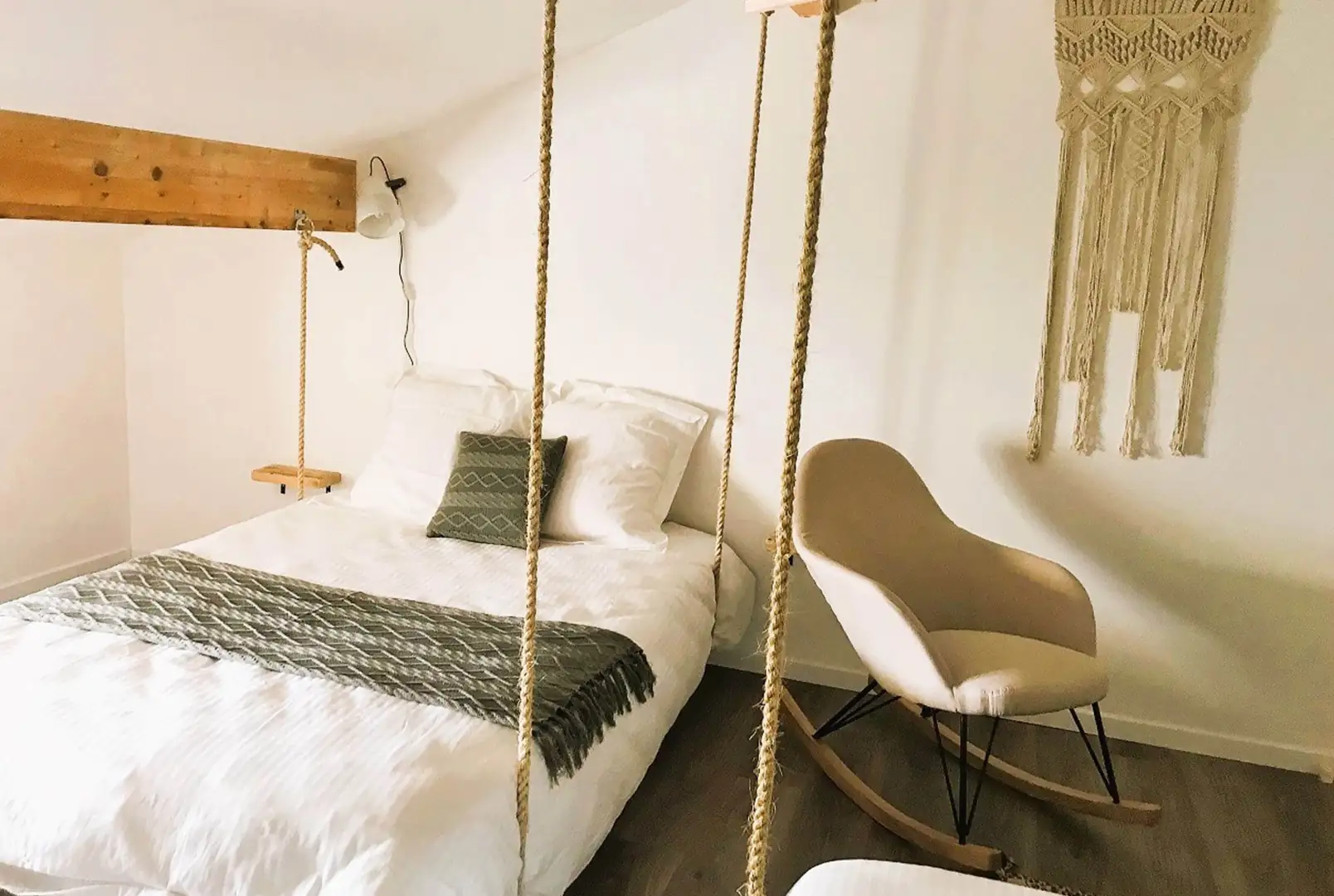
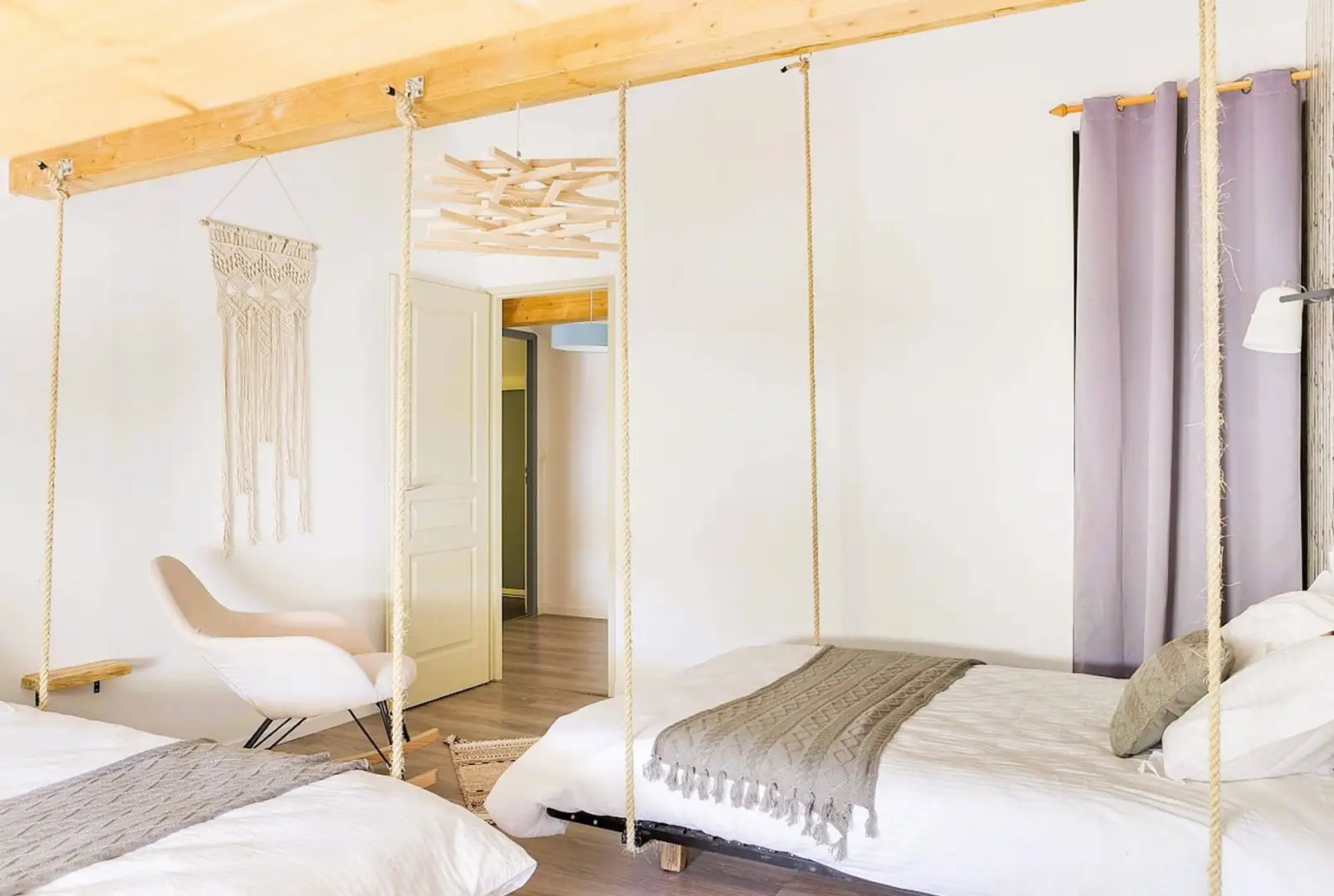
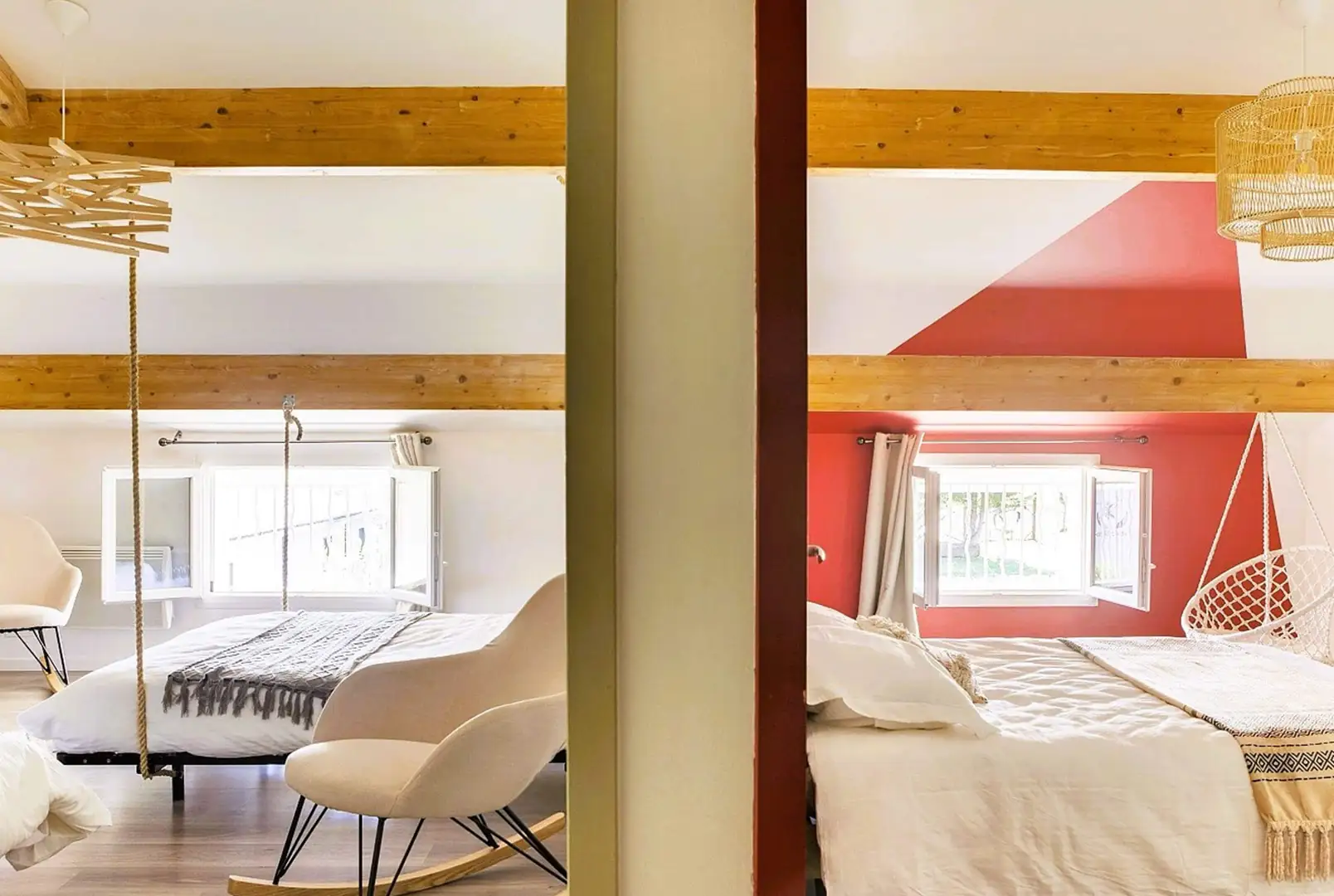
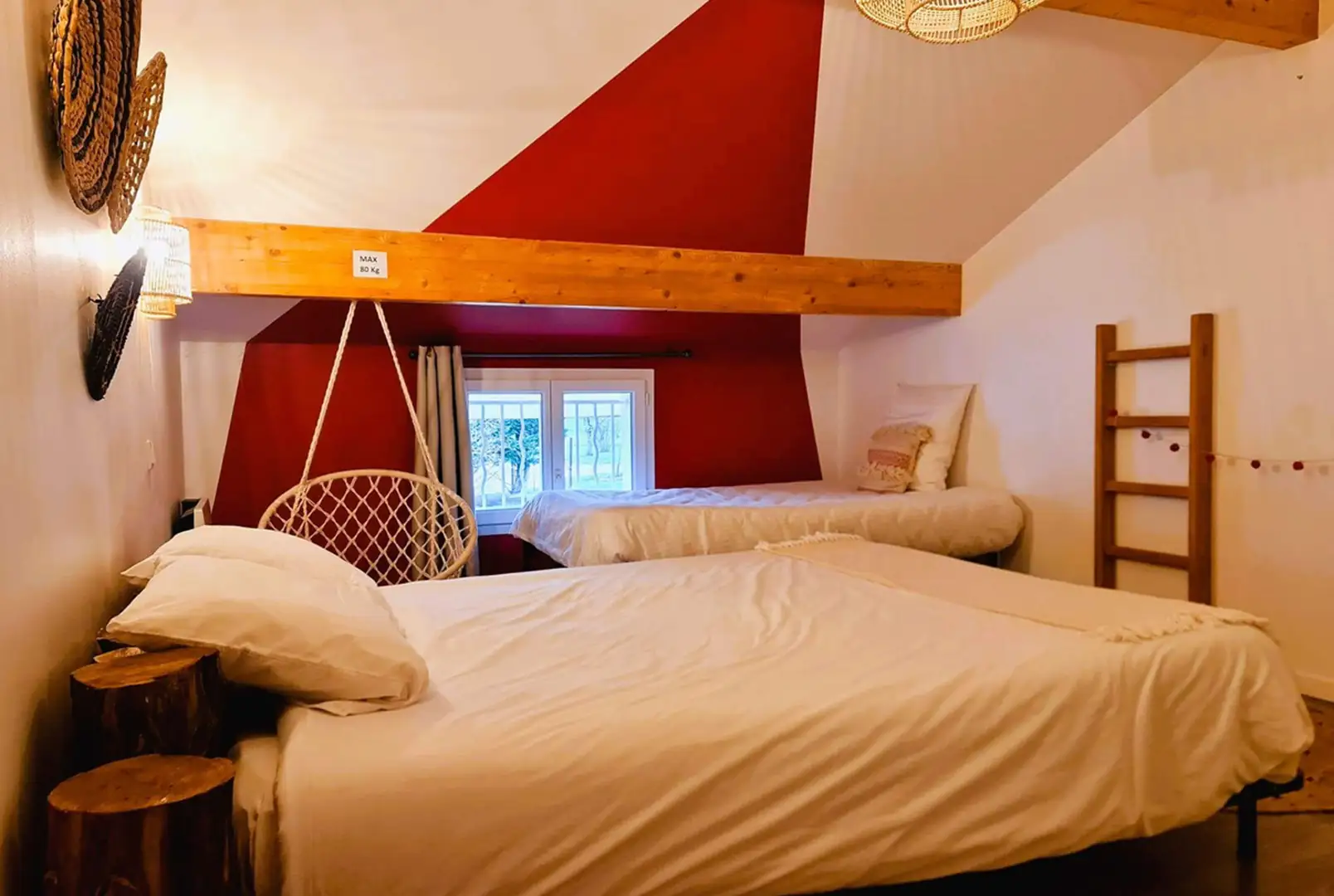
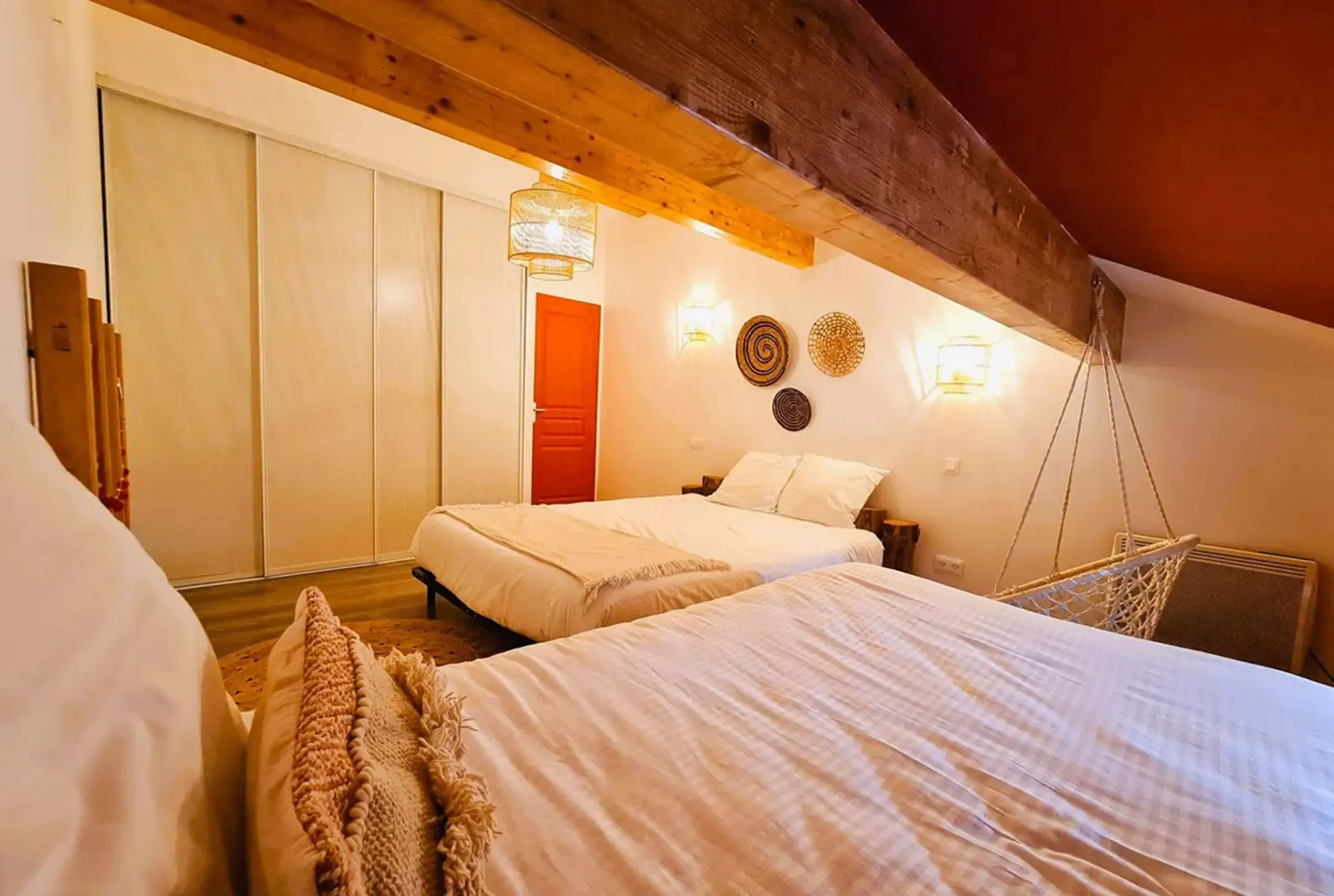
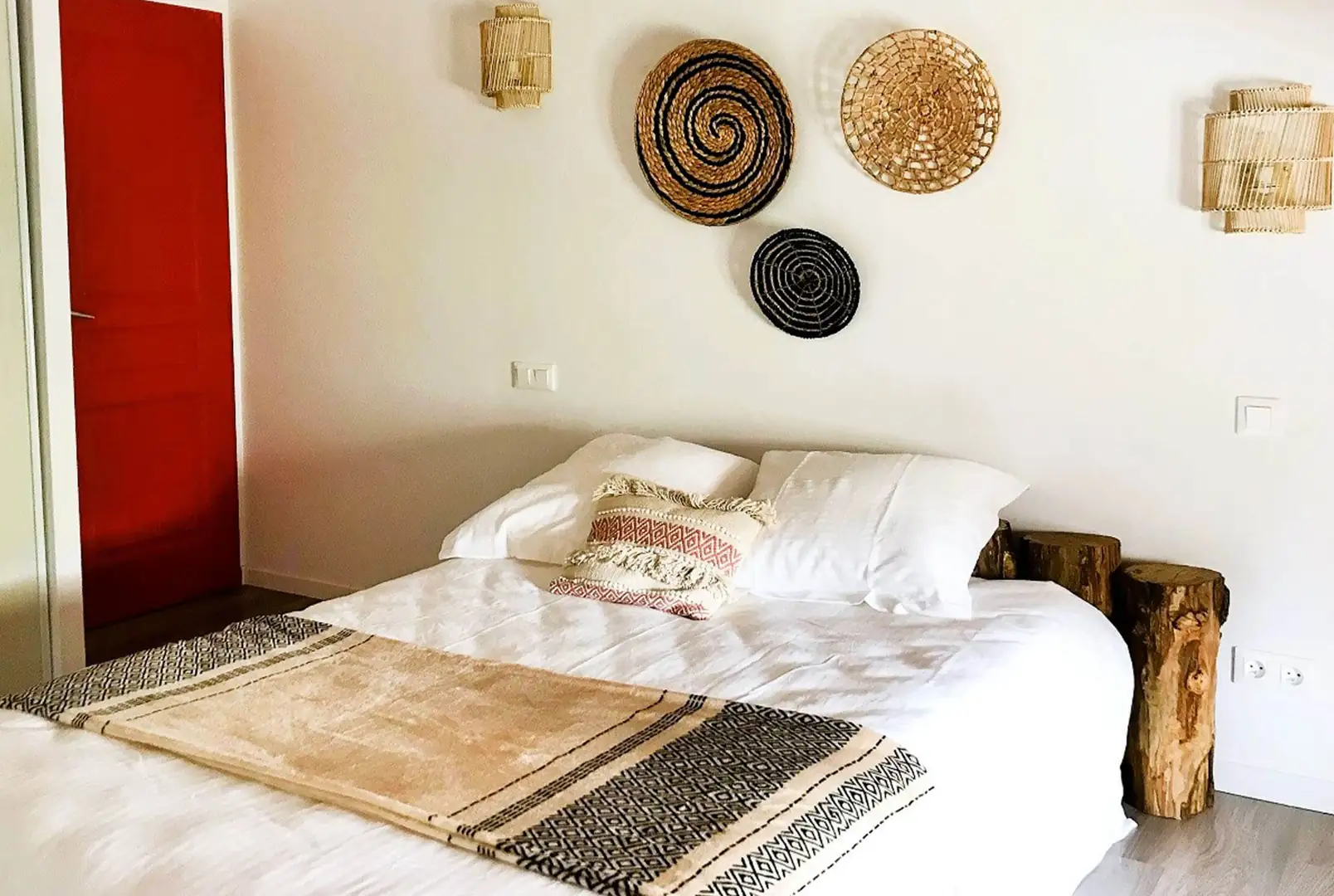
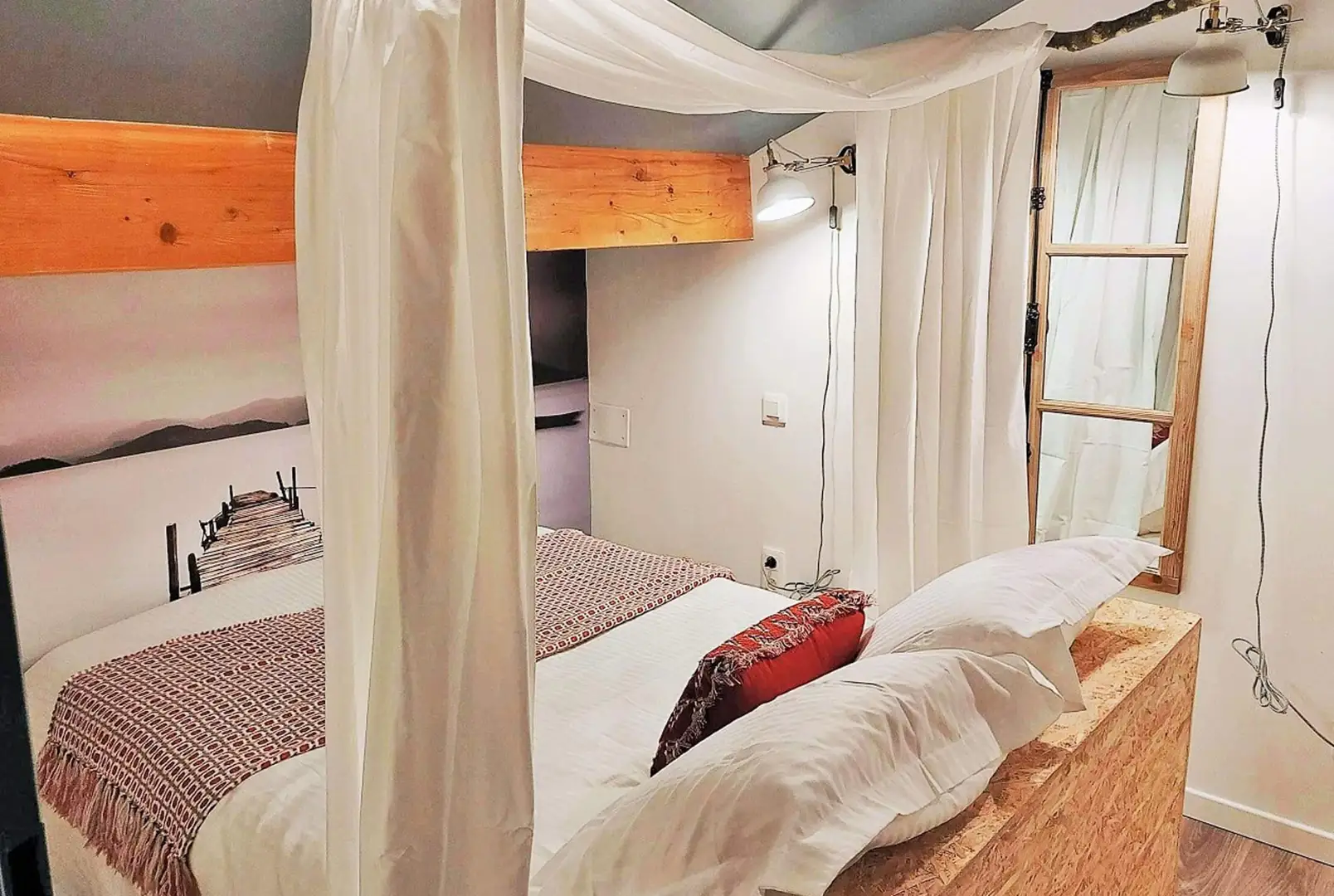
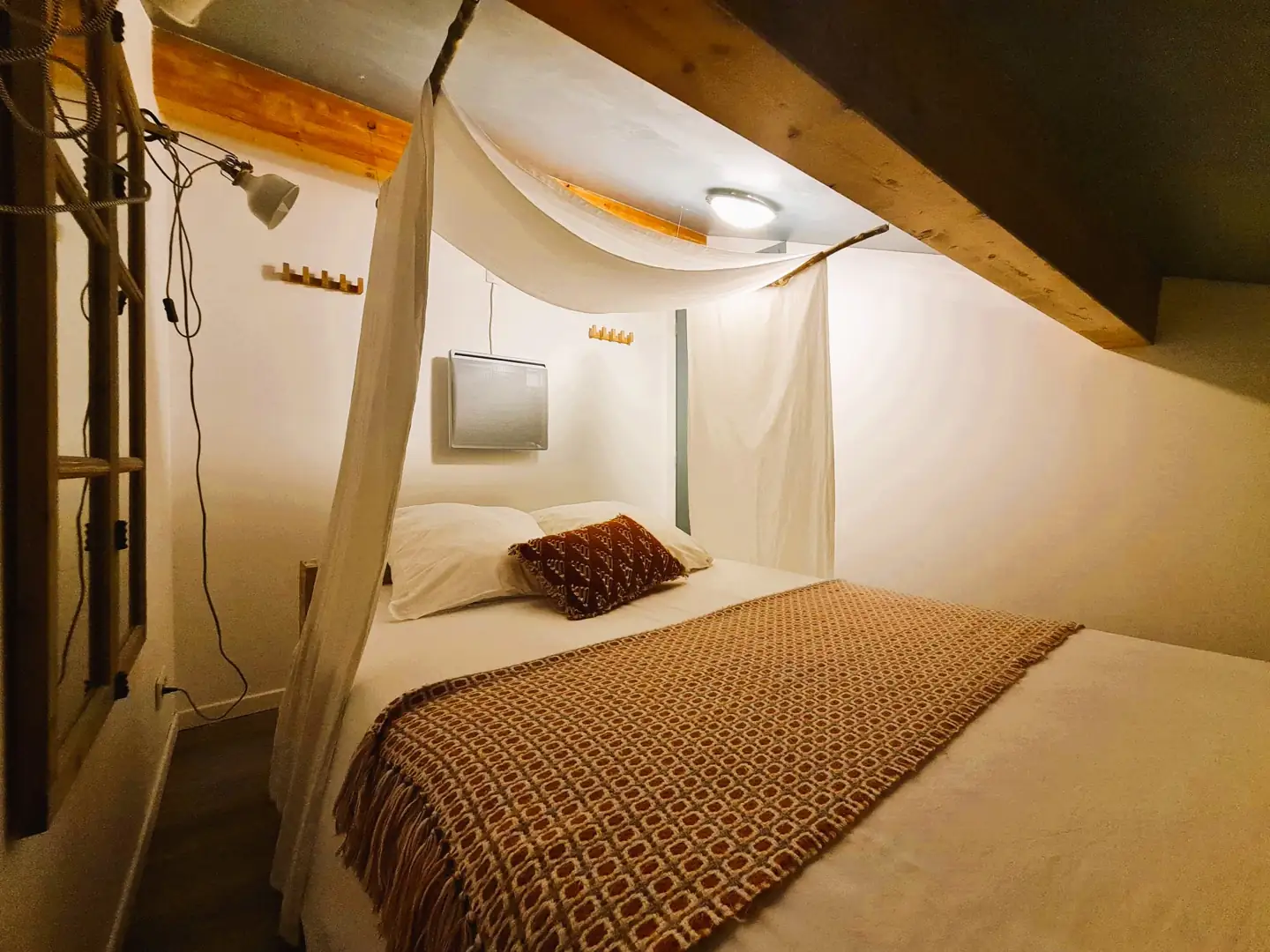
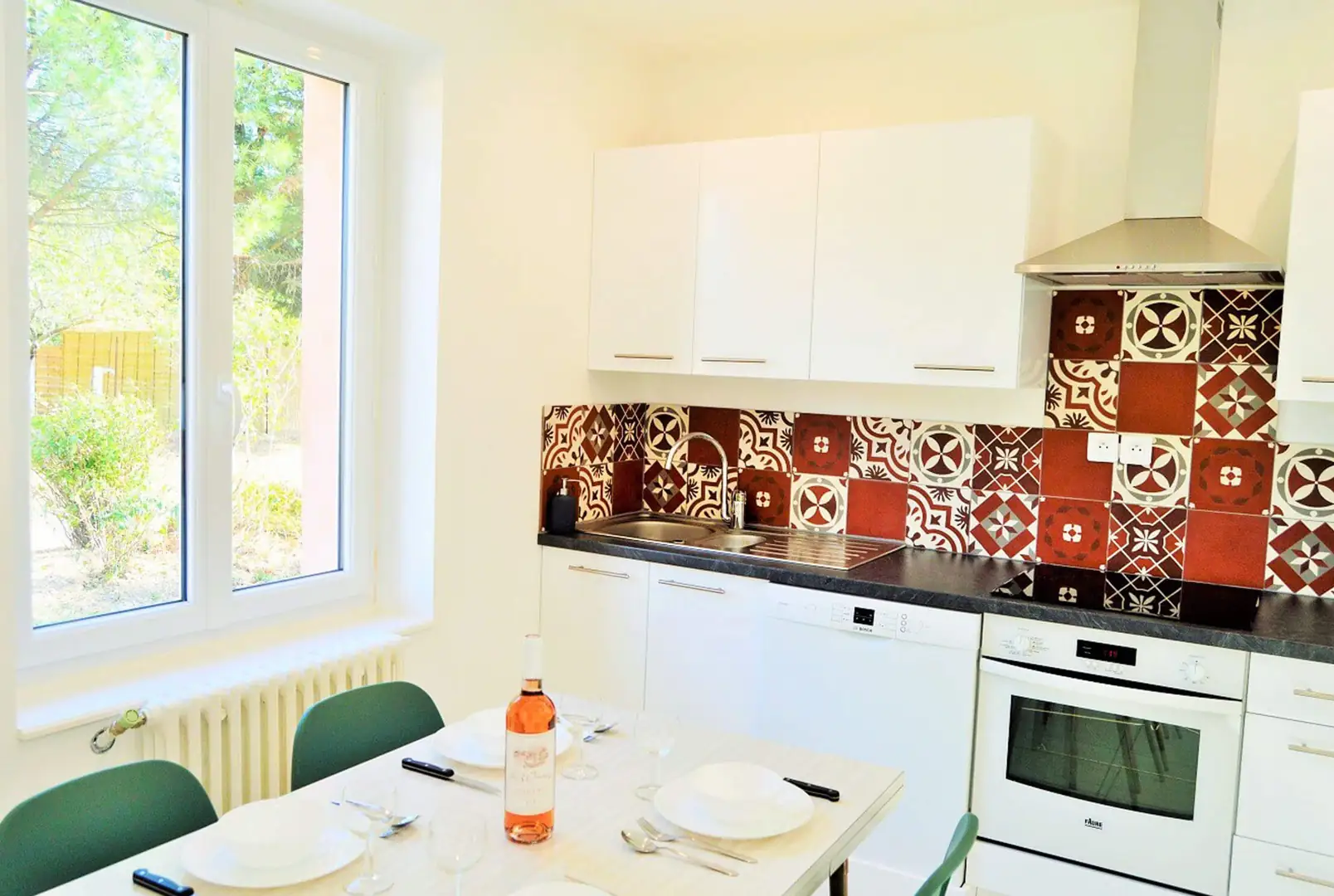
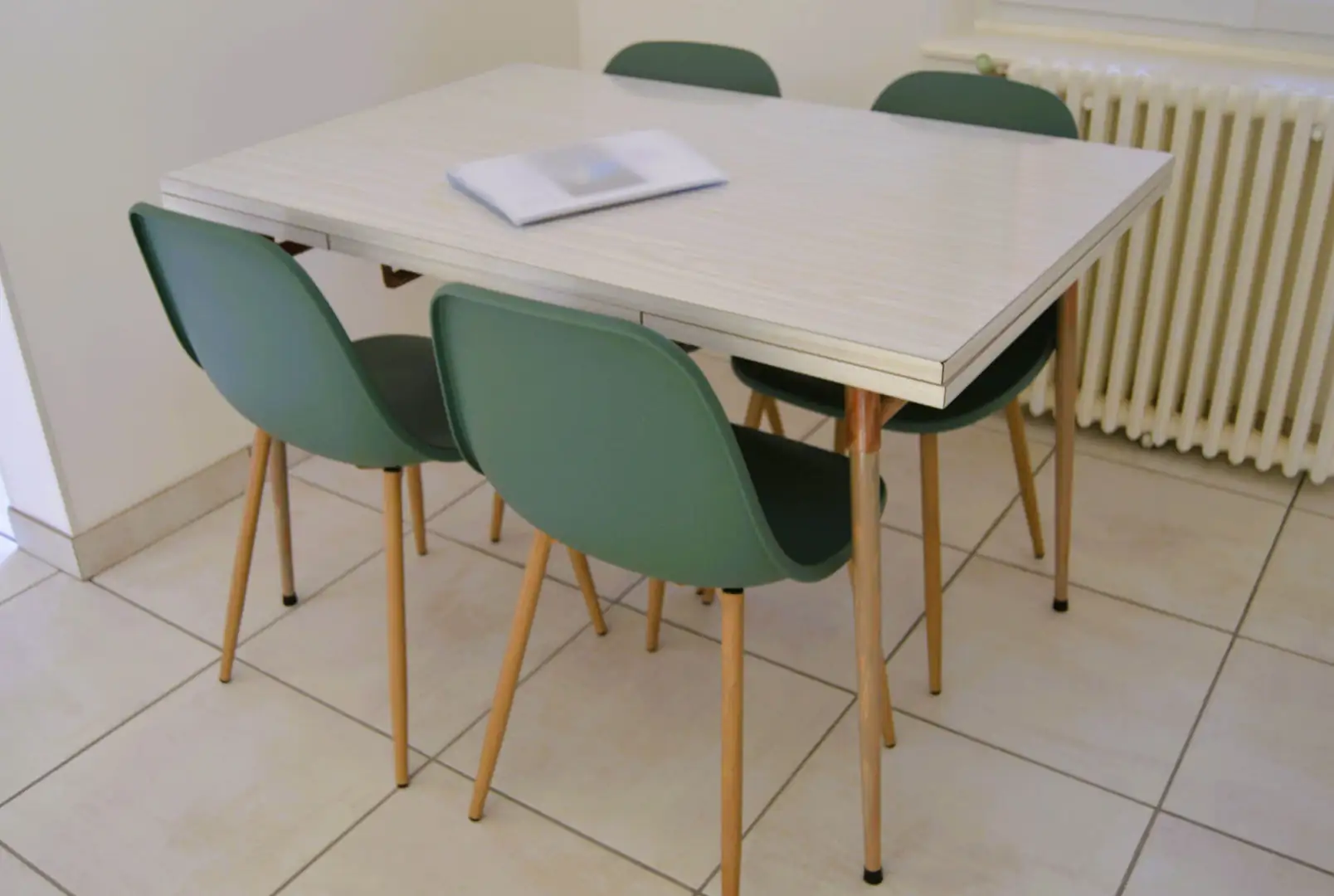
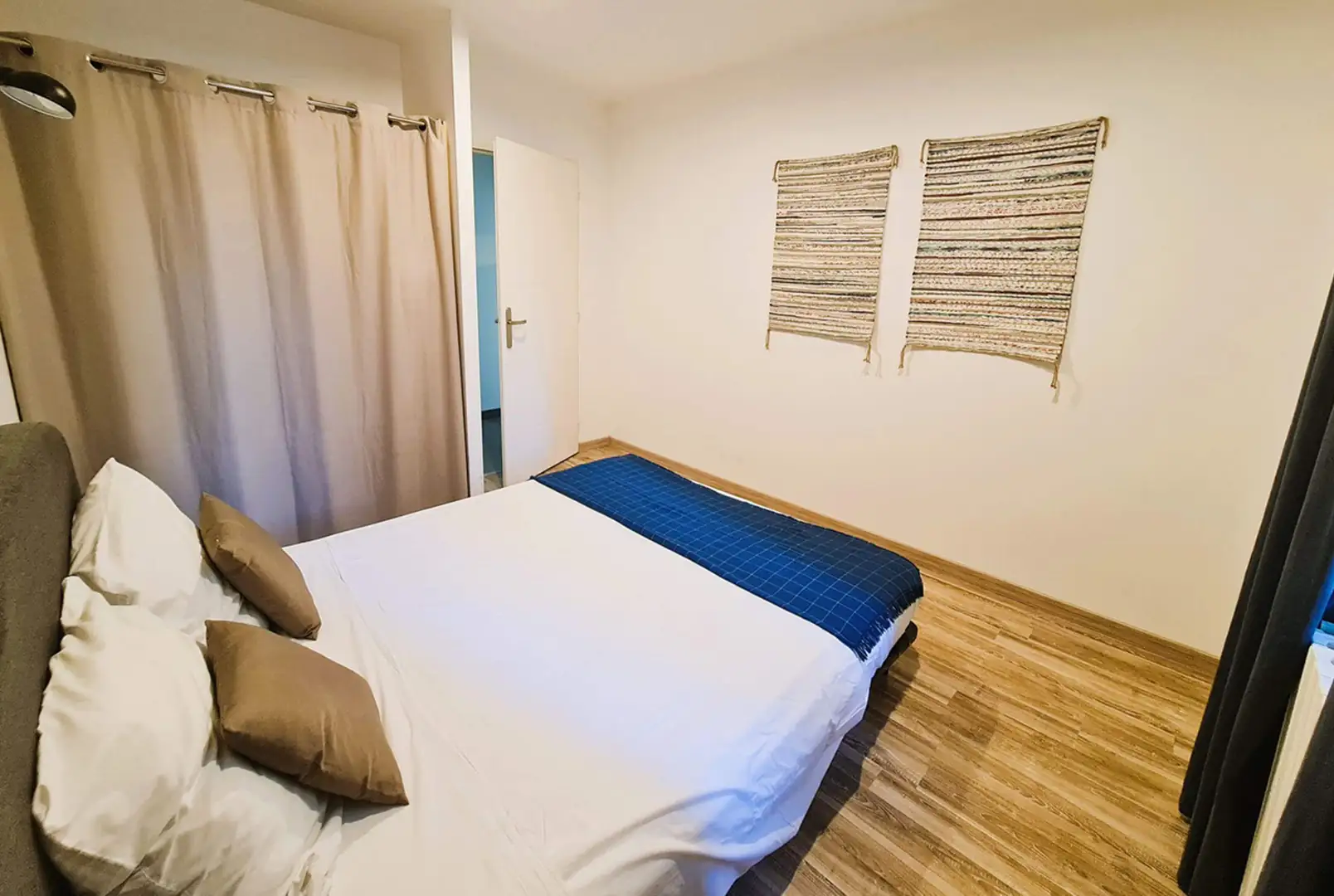
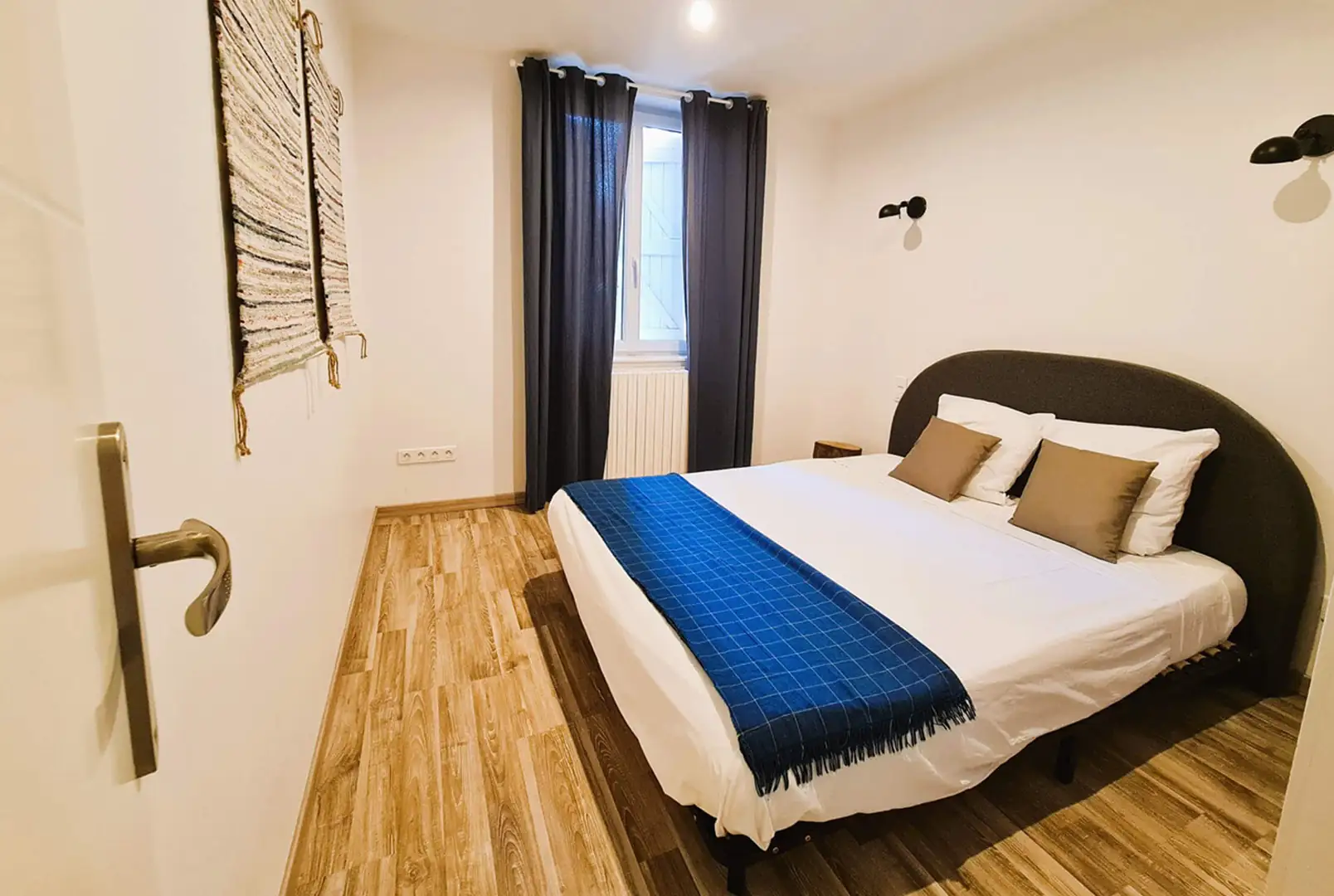
Discovering saffron in the Tarn is wonderful. Doing so from a premium accommodation, right in the heart of the territory, is even better. The Cottages du Tarn offer exactly that: two exceptional estates between Albi and Toulouse, moments away from producers, markets and the landscapes that make Occitanie so remarkable.
🌿 Peyrole Estate — Nature at Its Purest
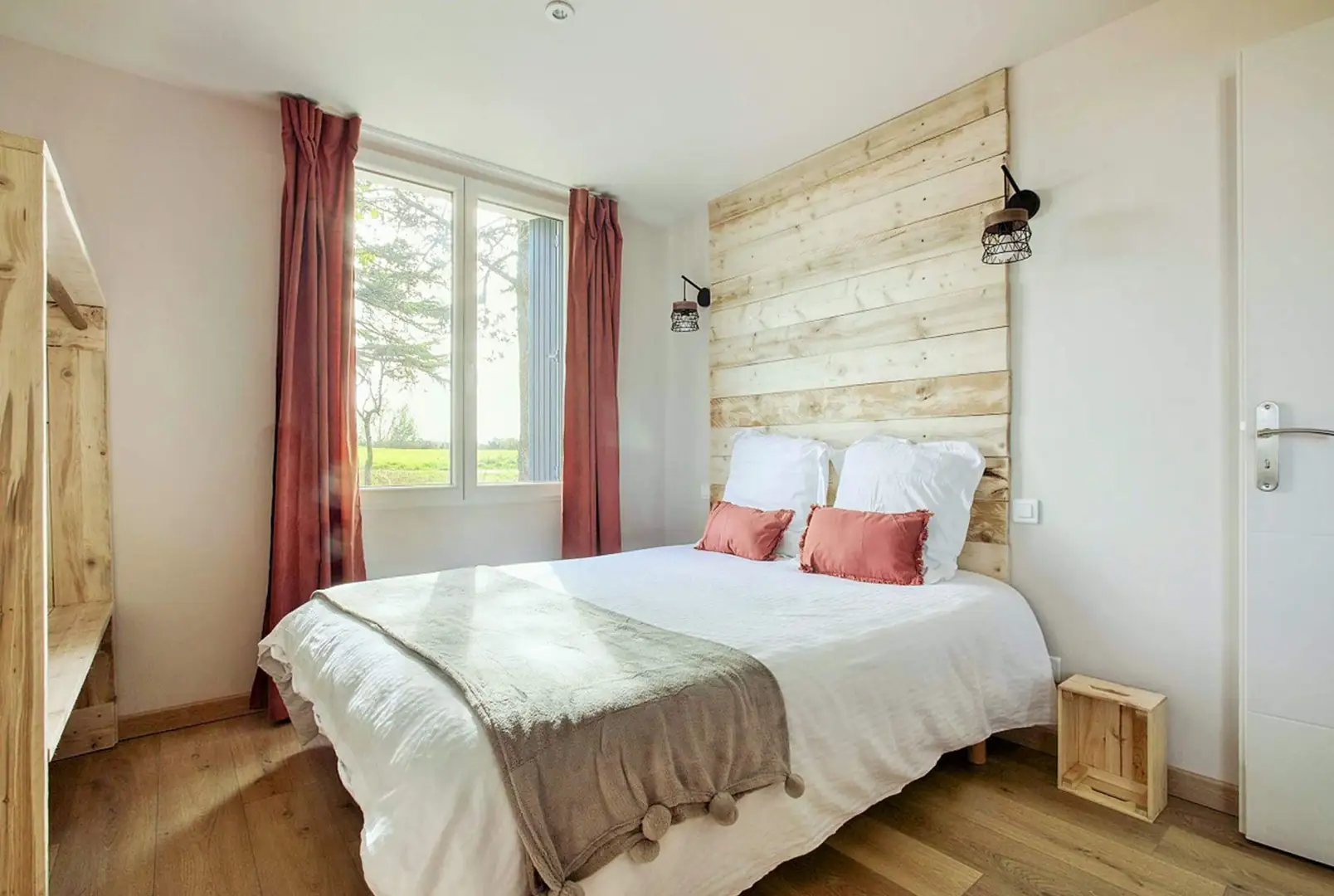
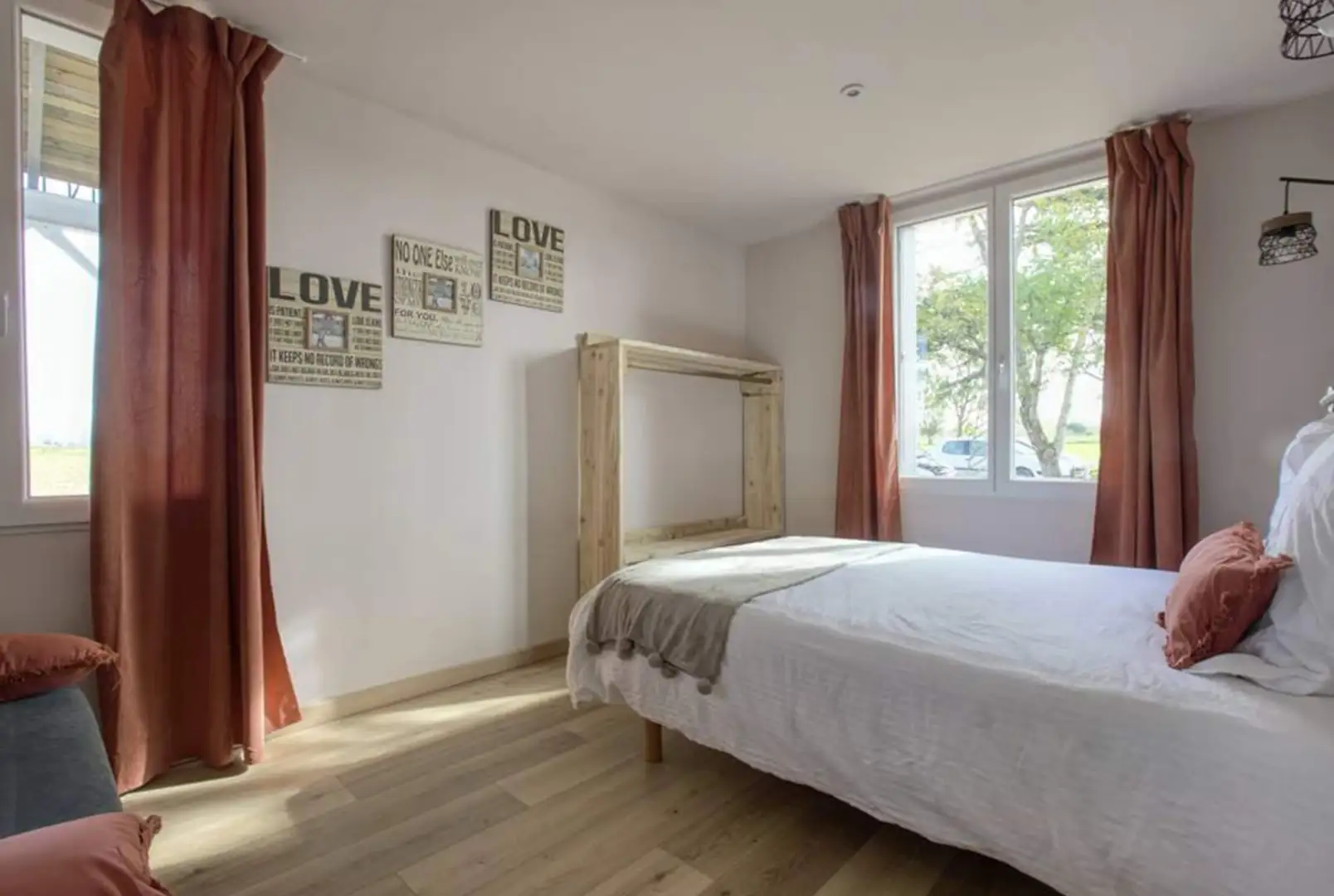
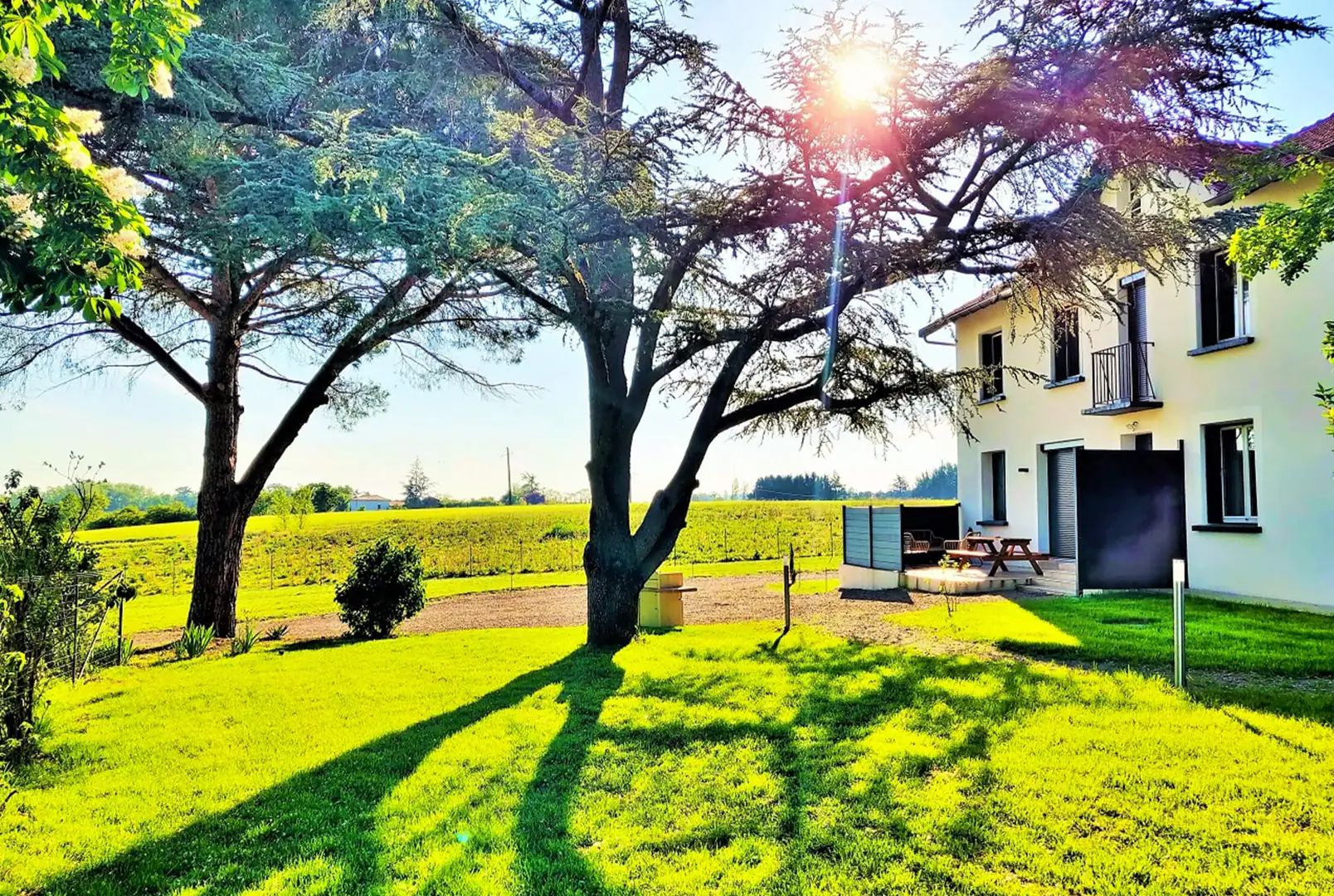
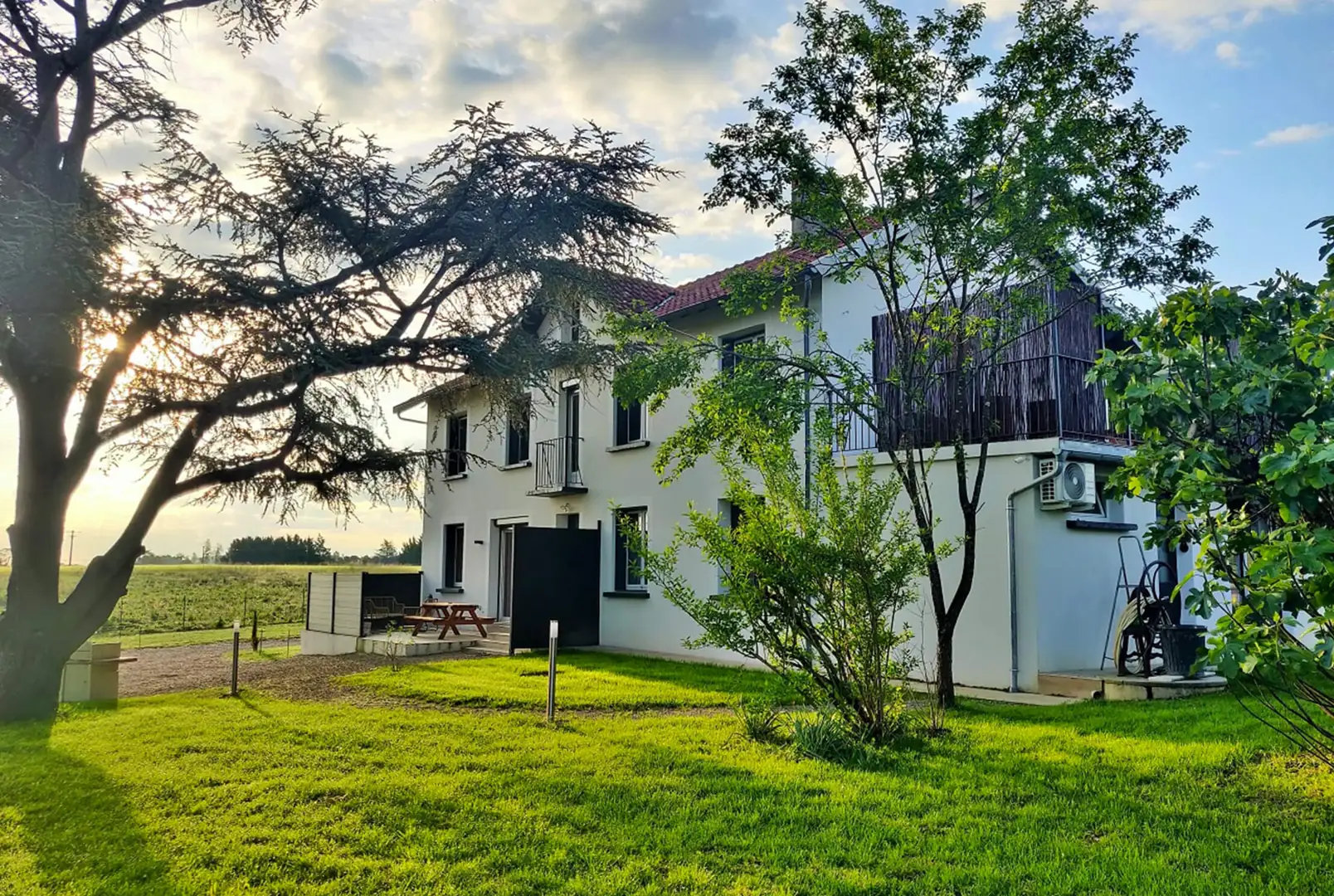
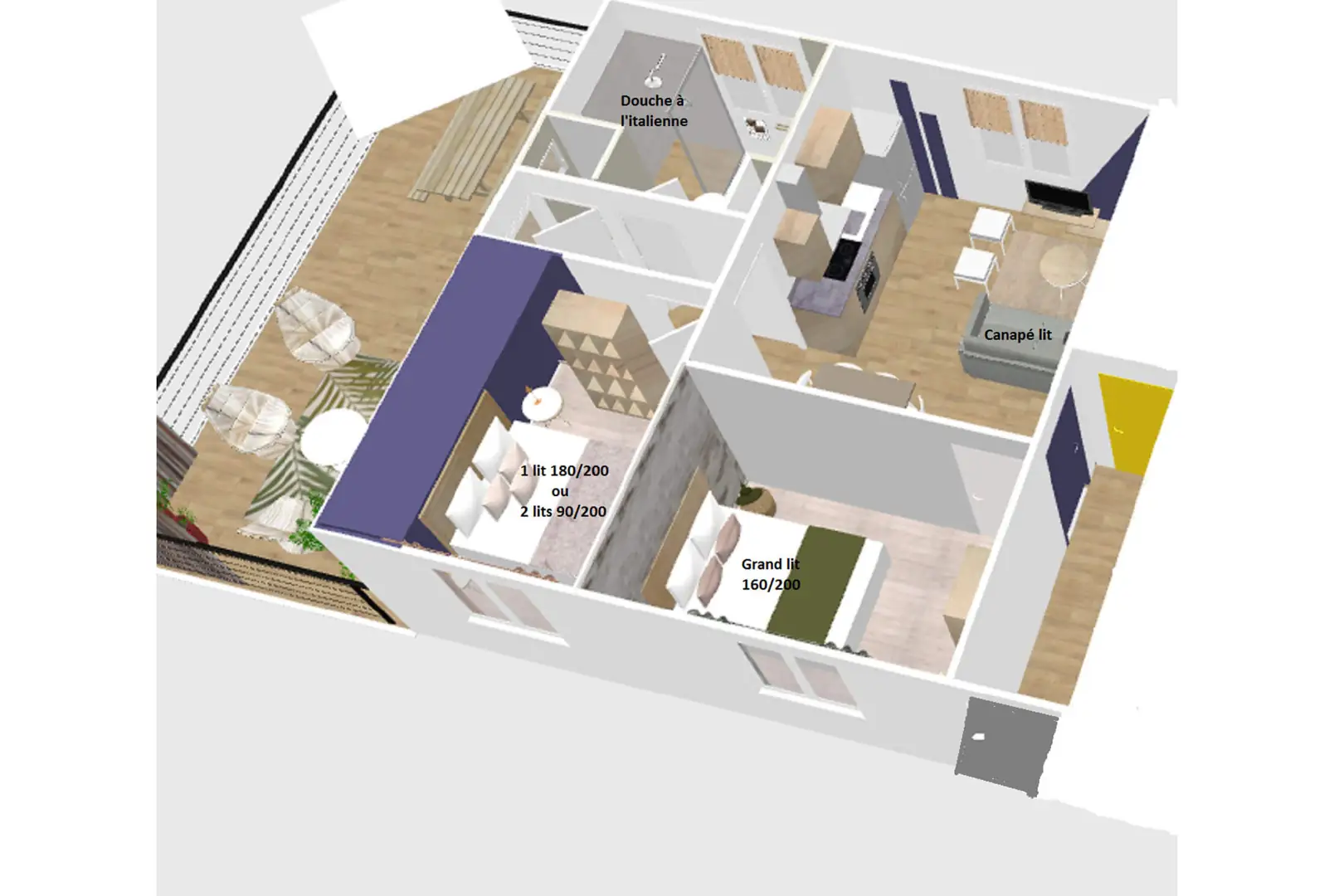
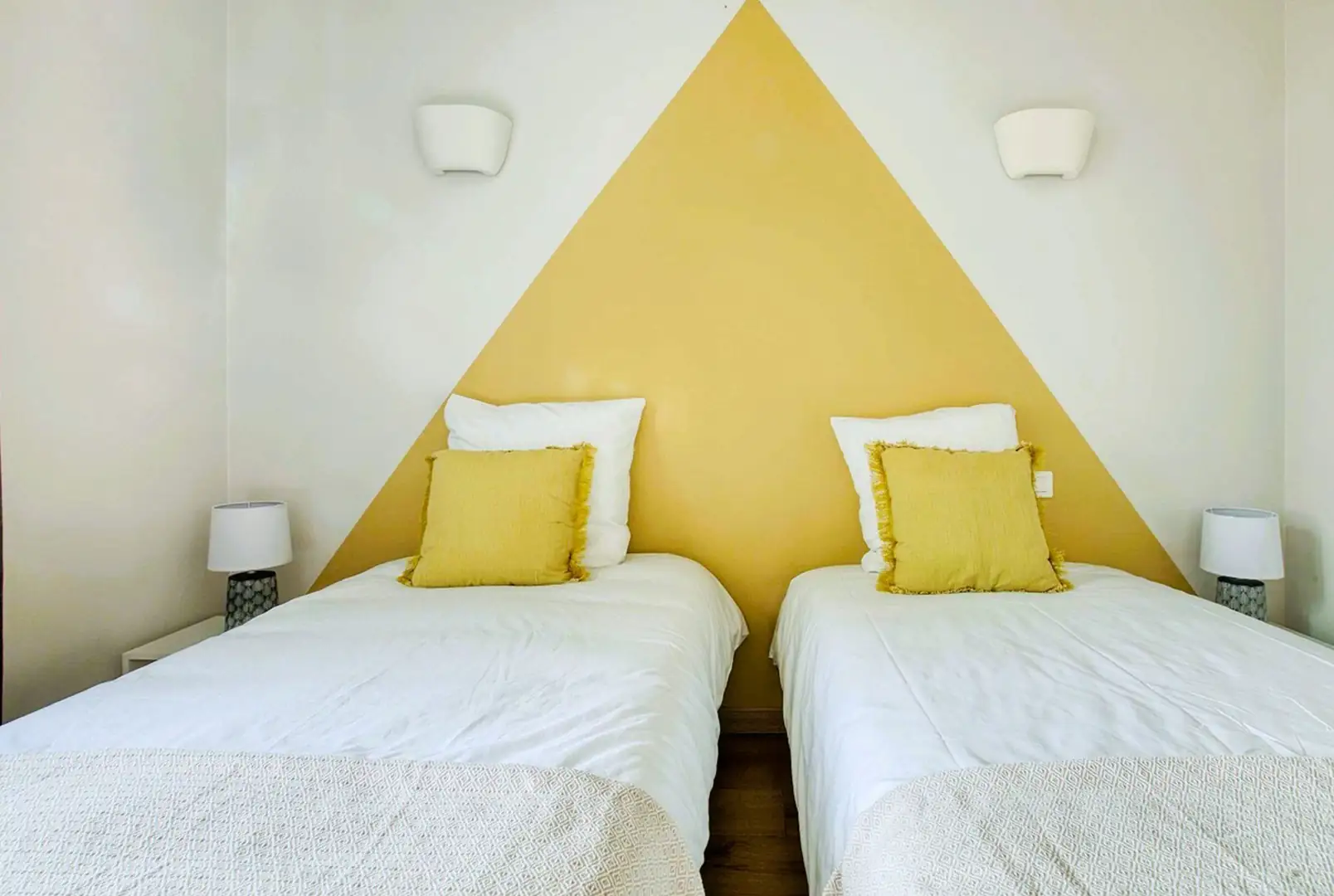
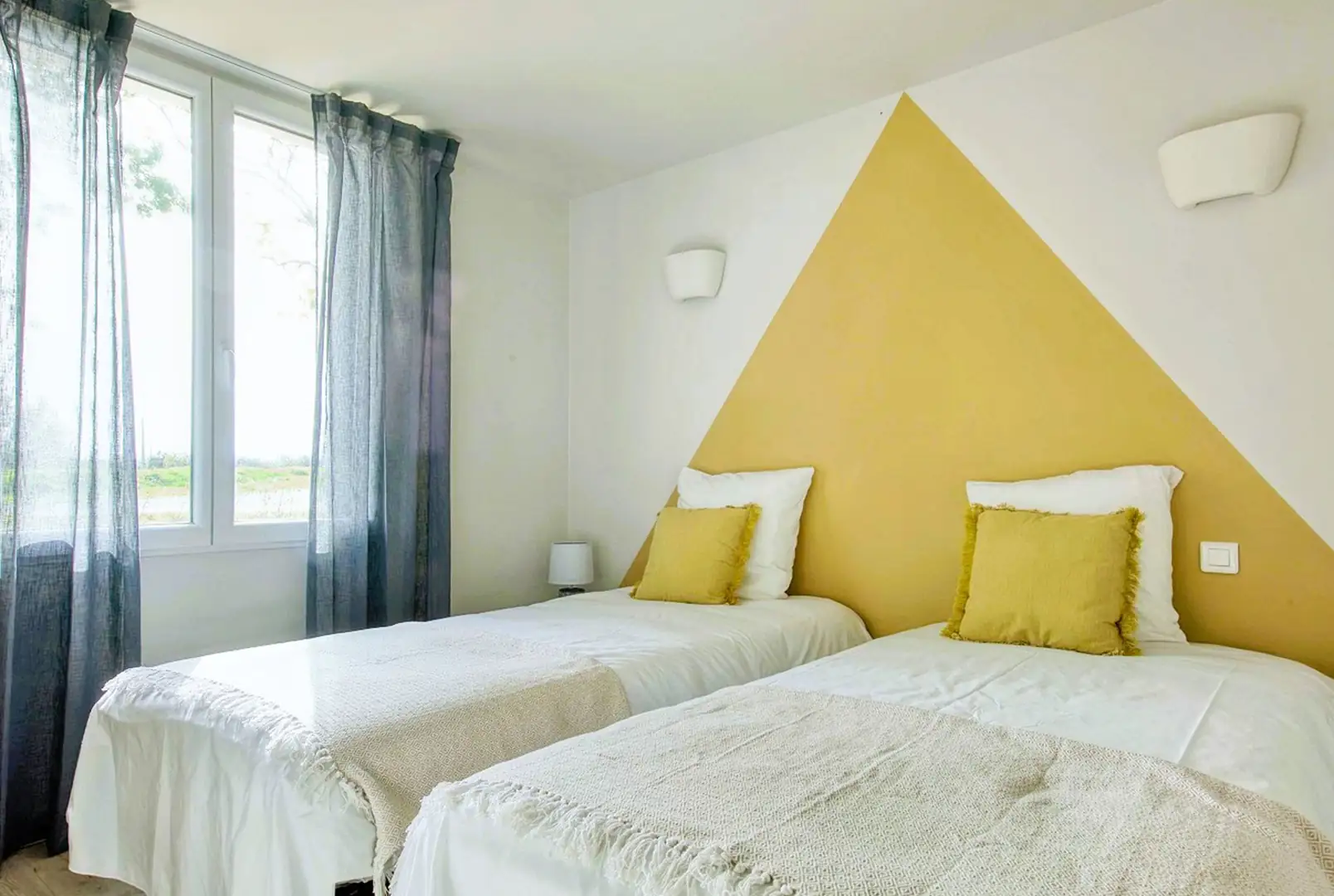
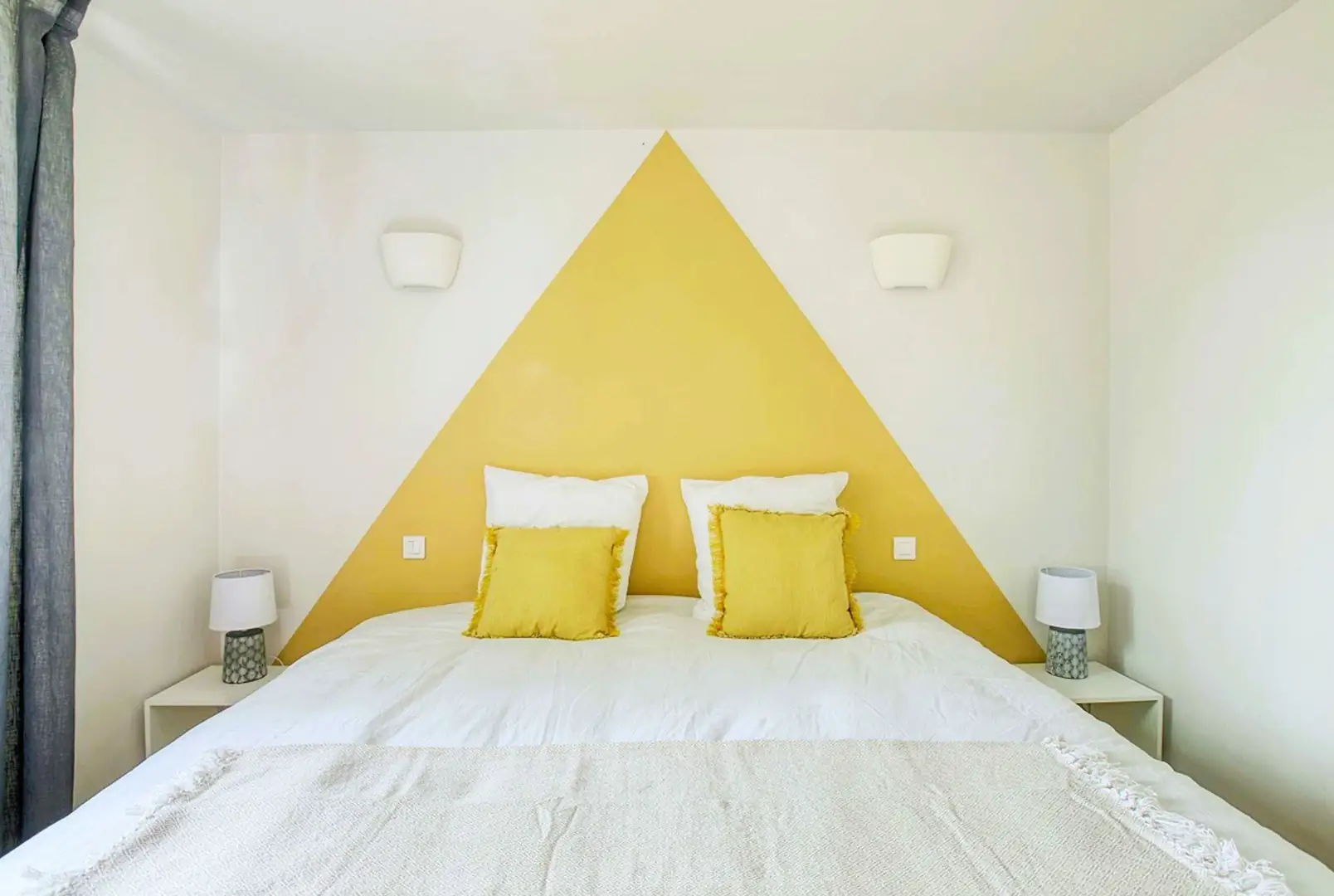
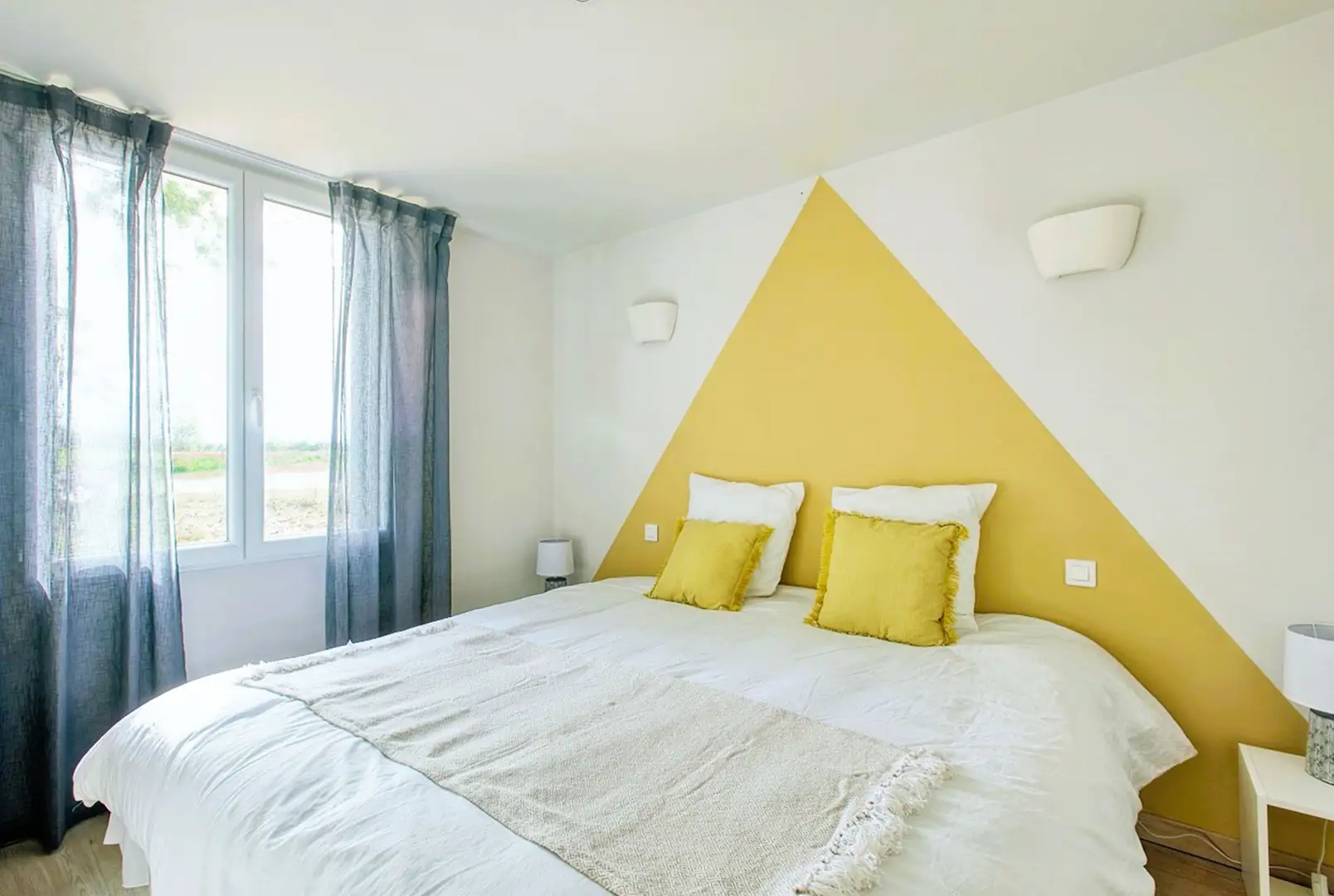
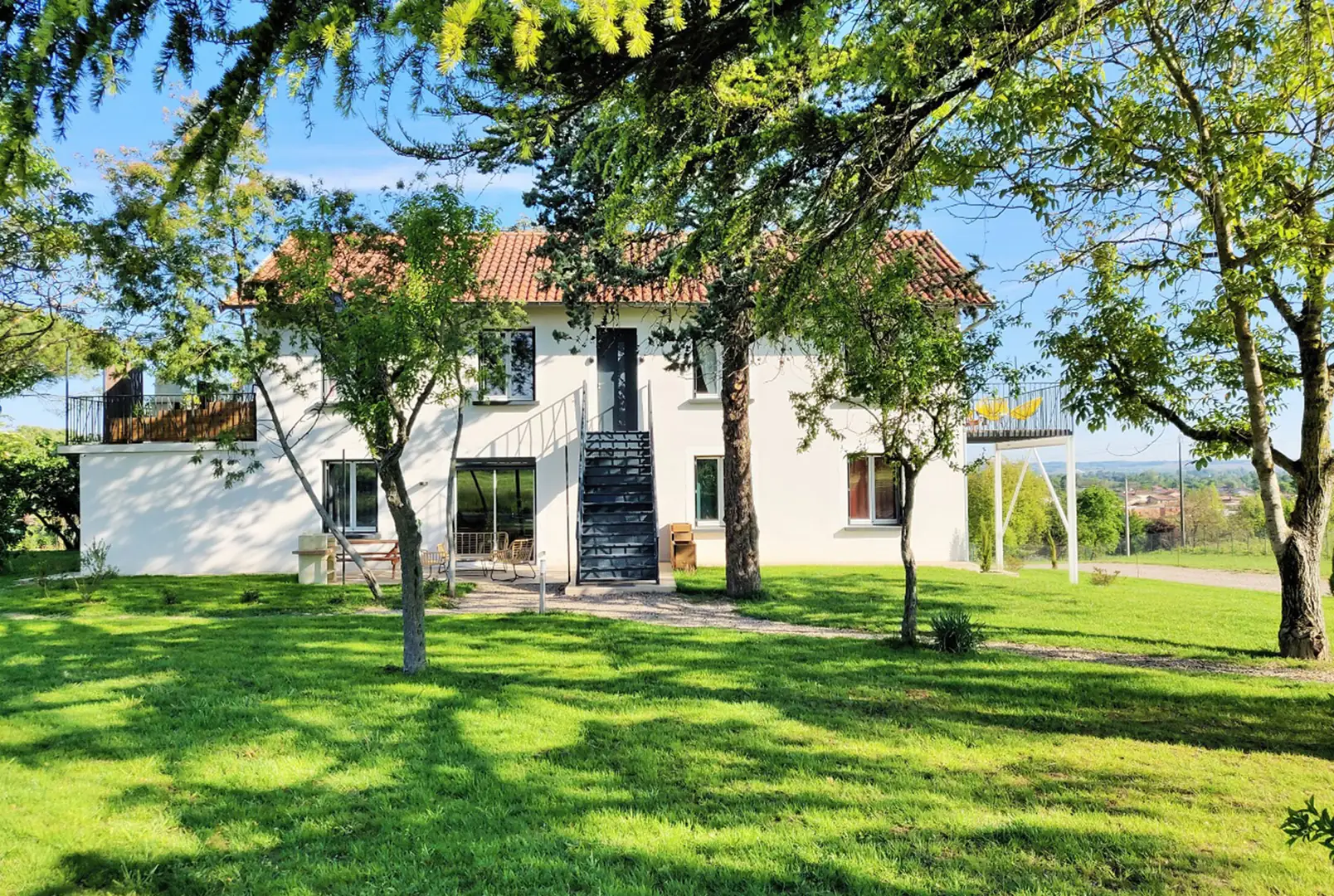
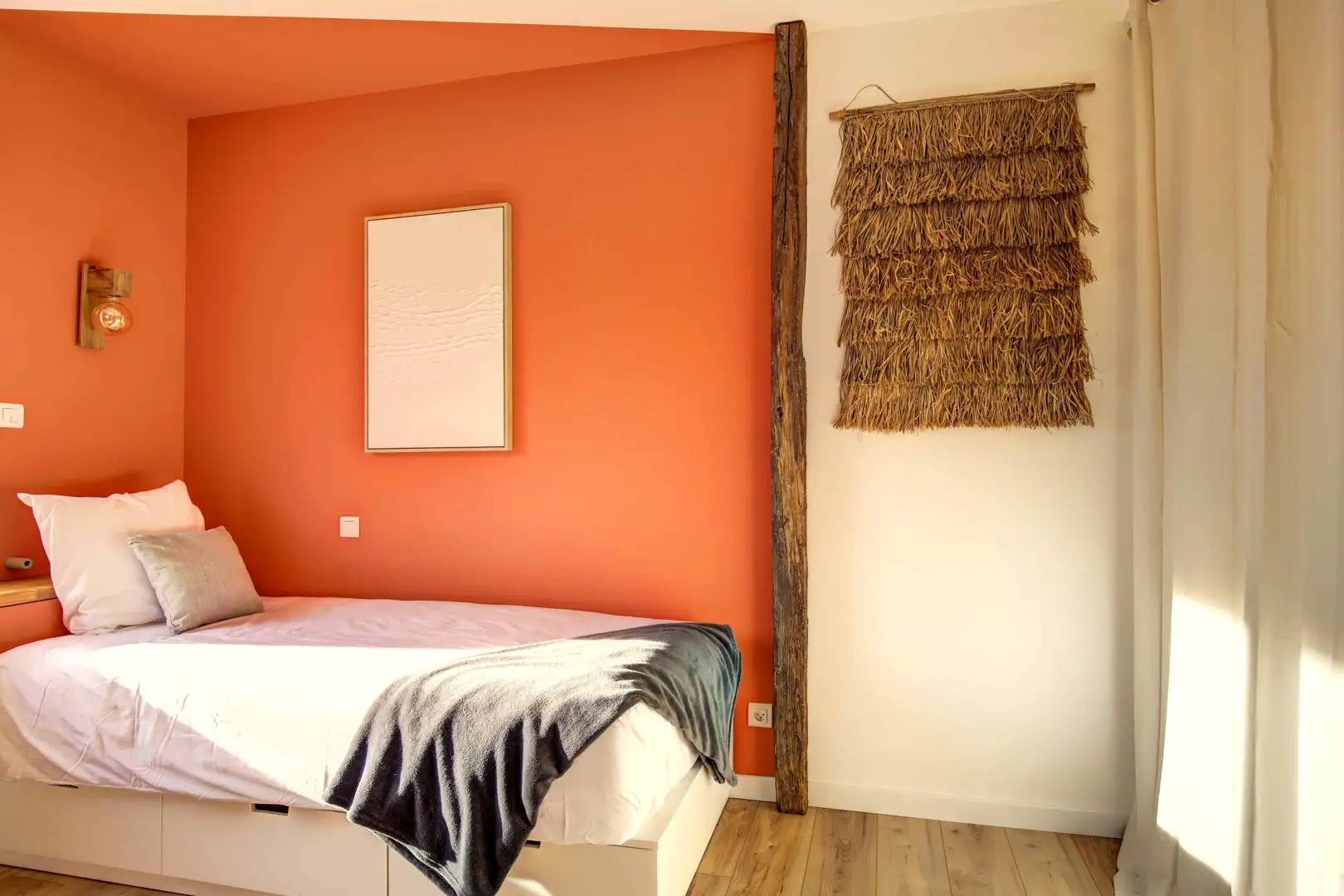
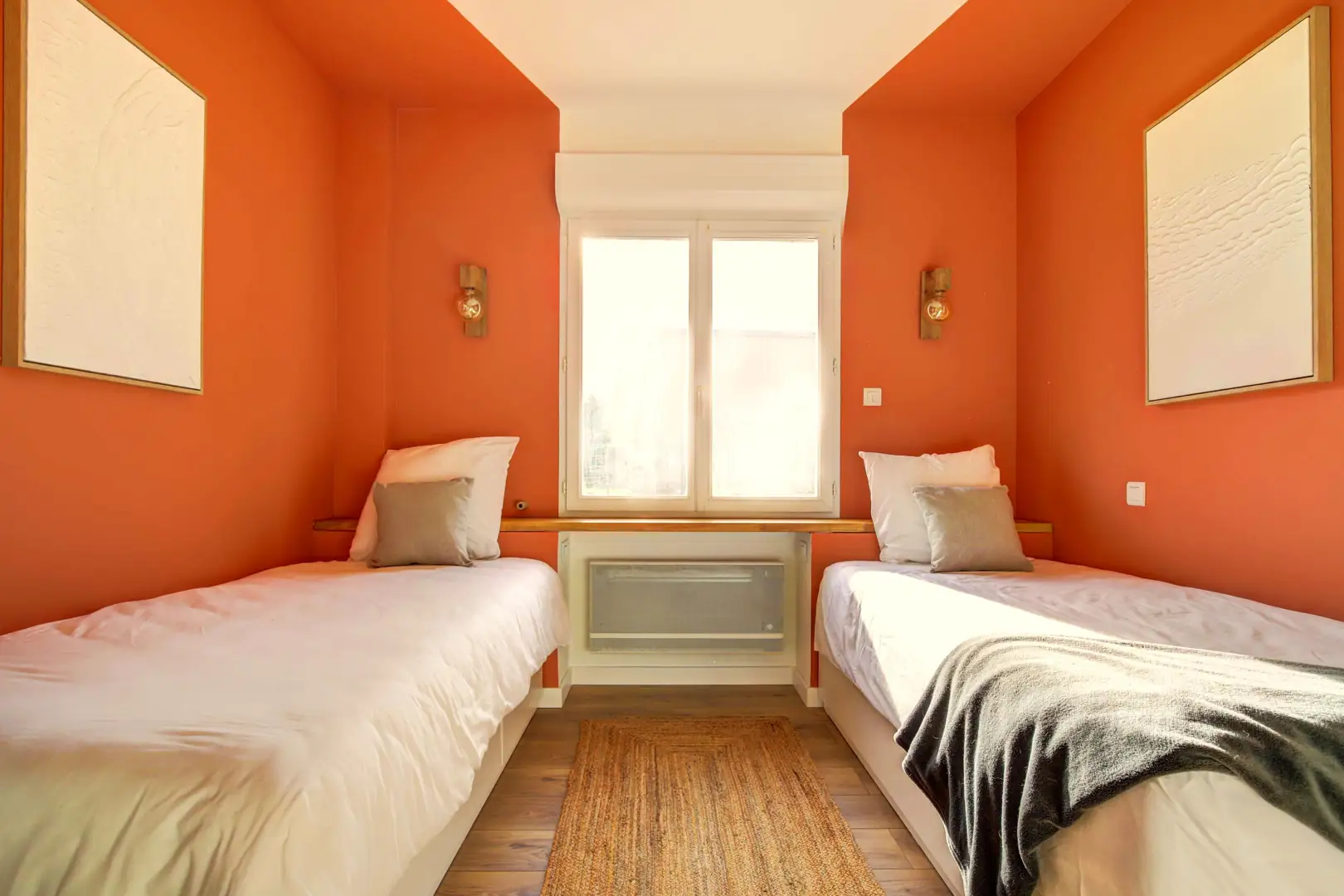
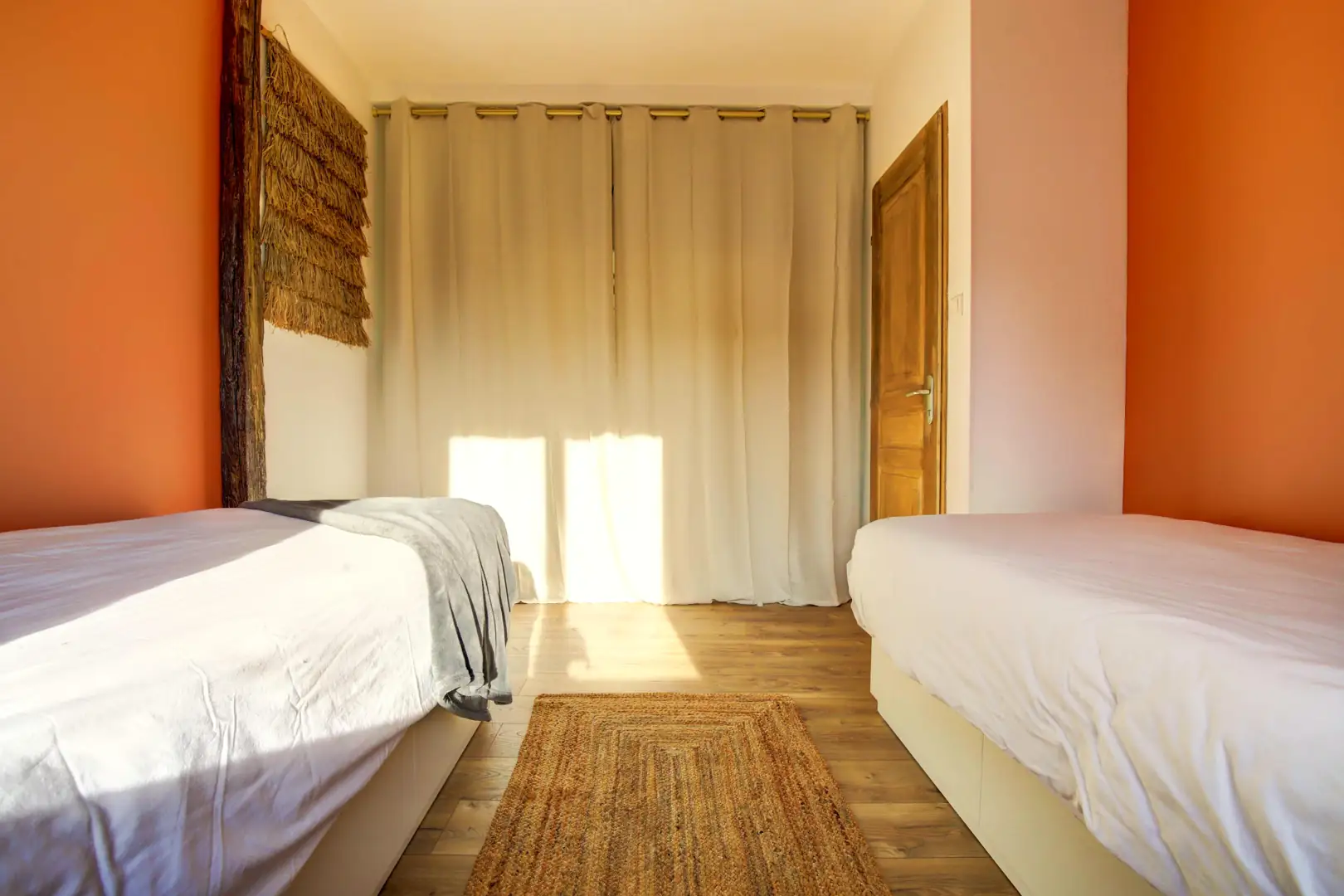
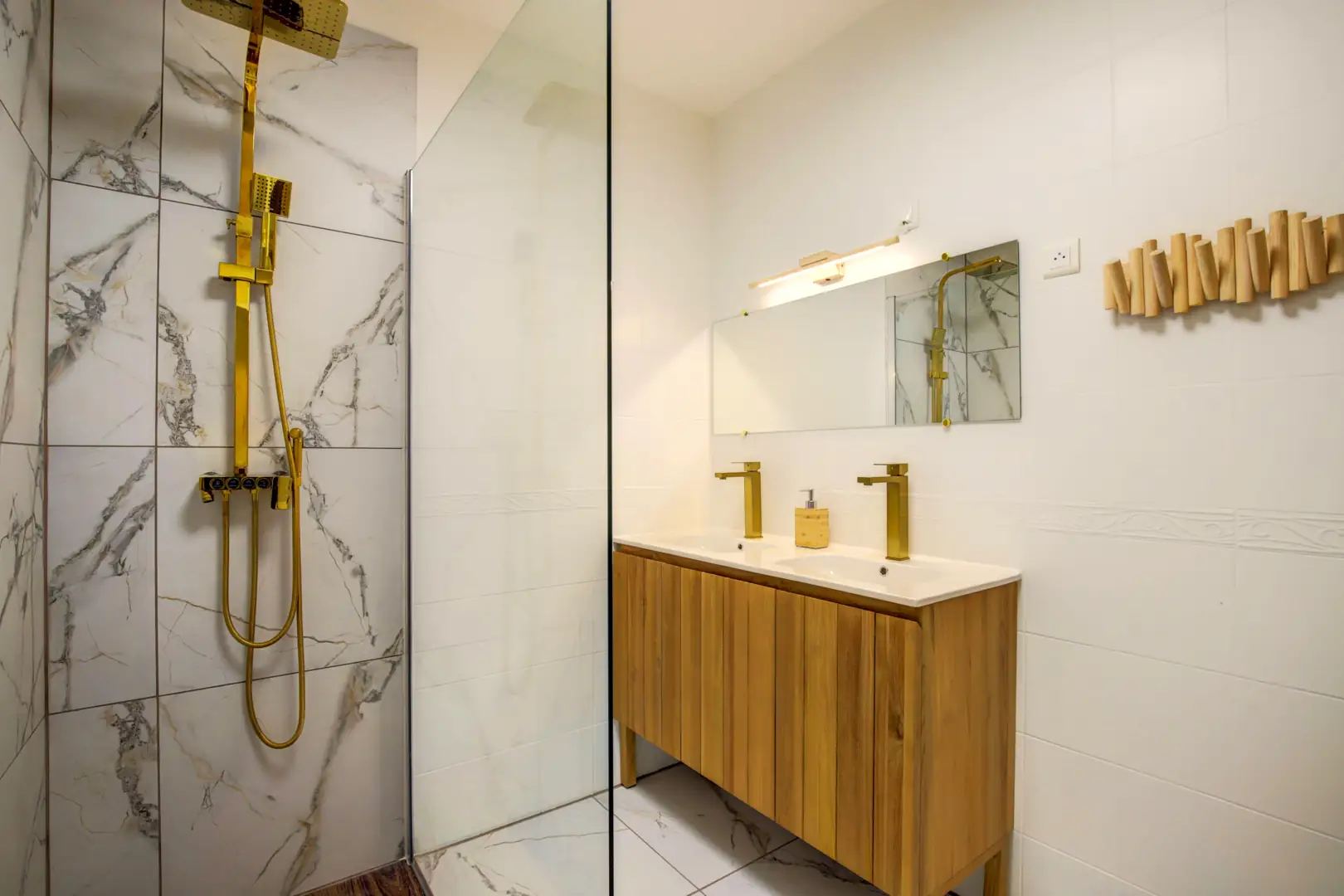
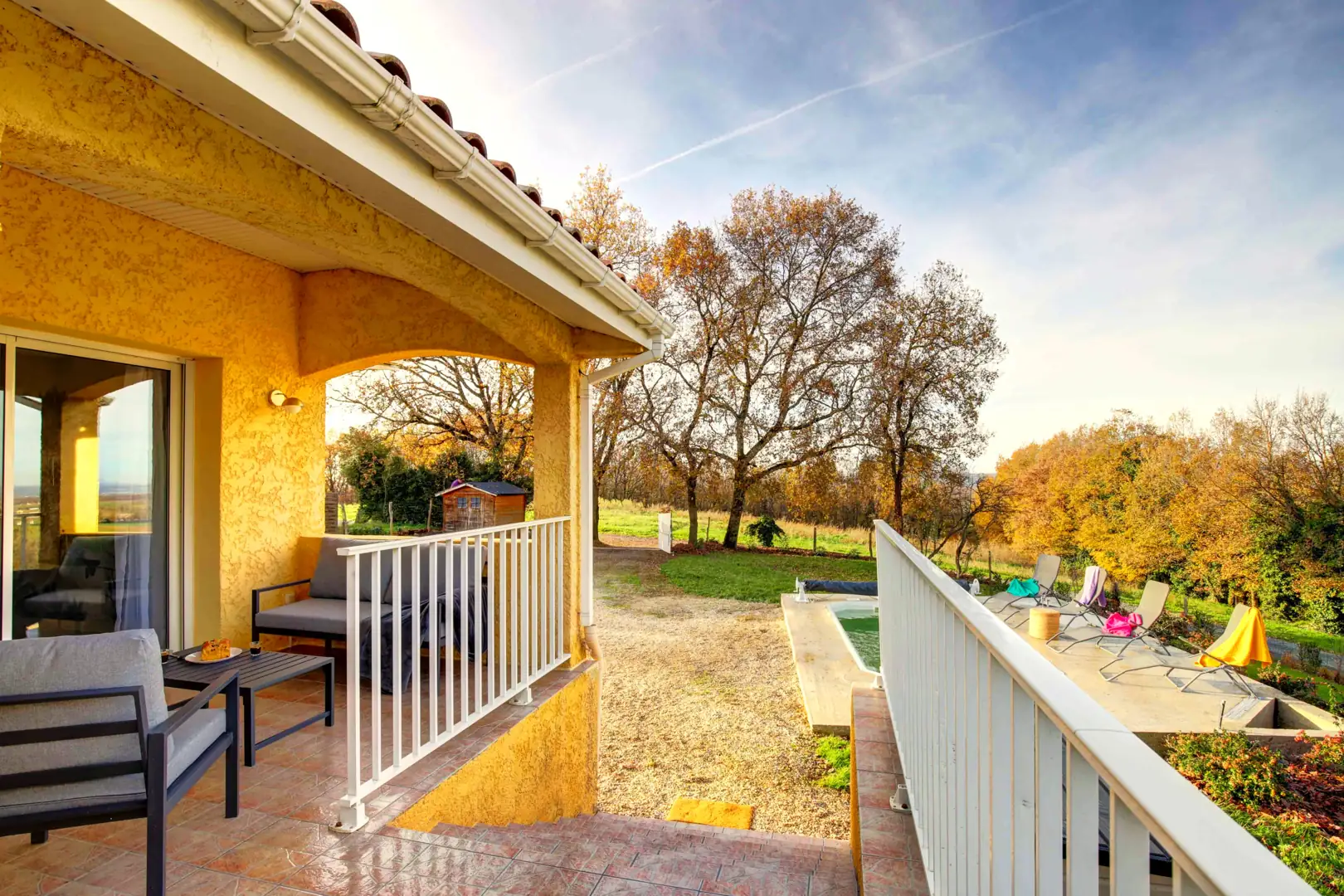
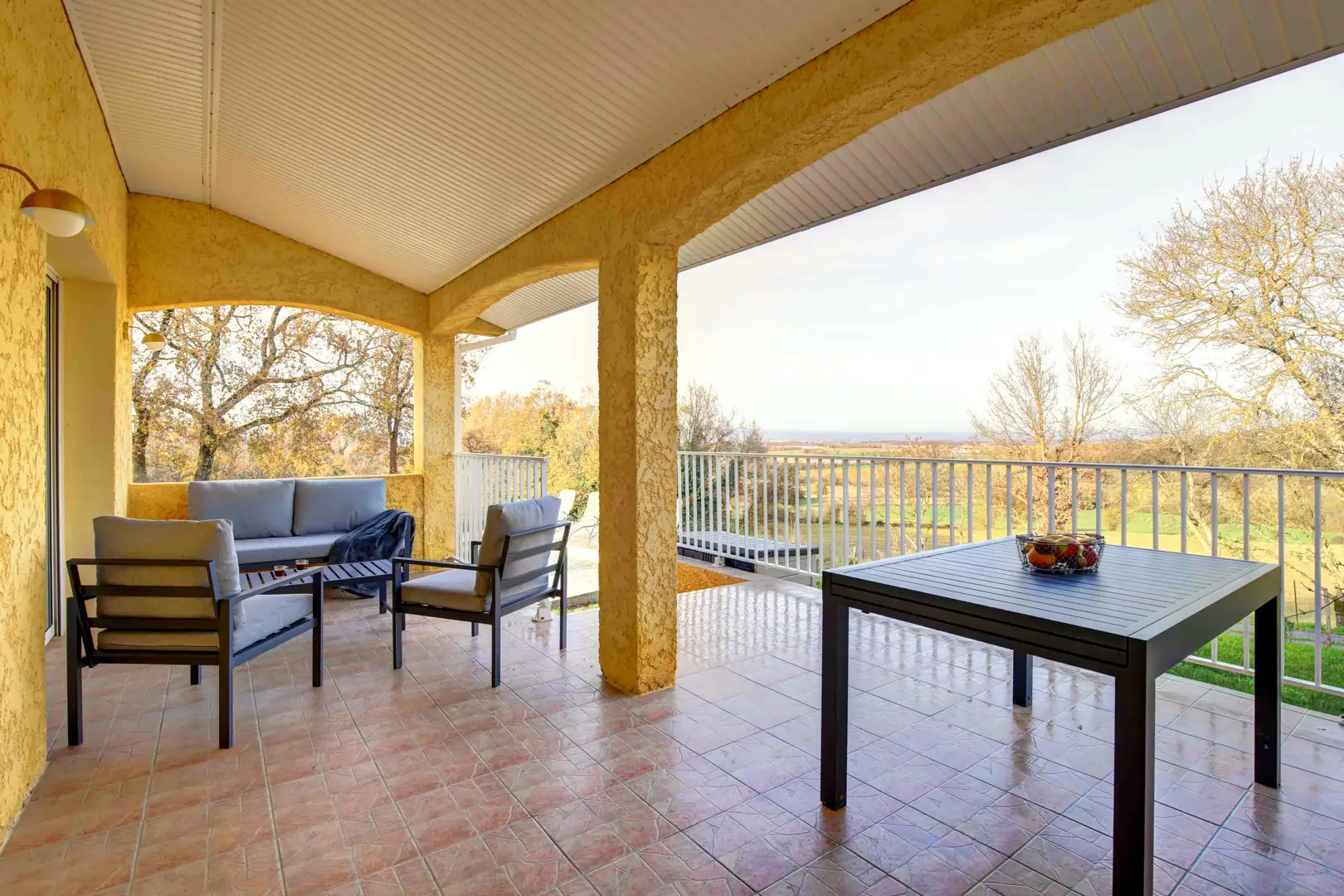
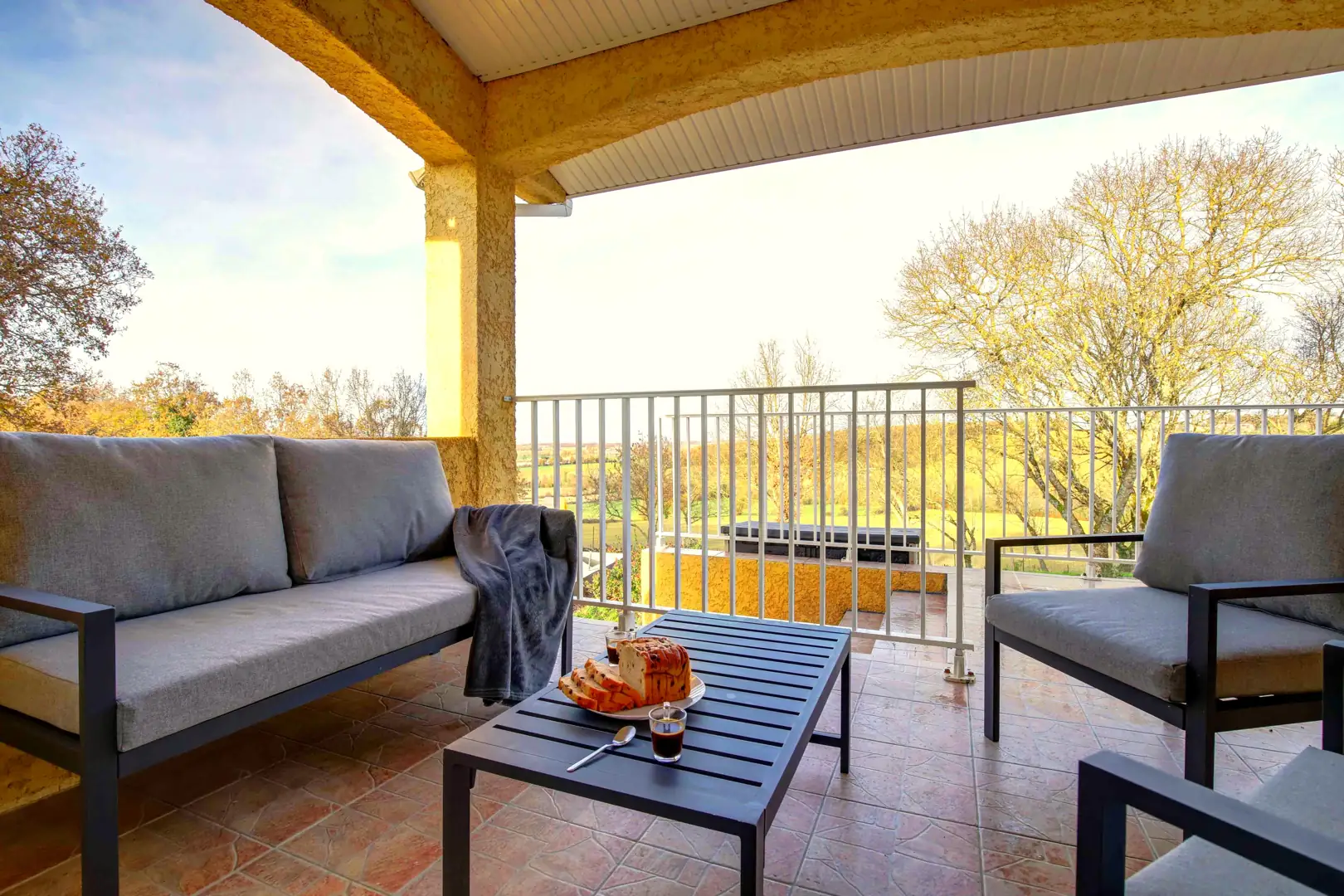
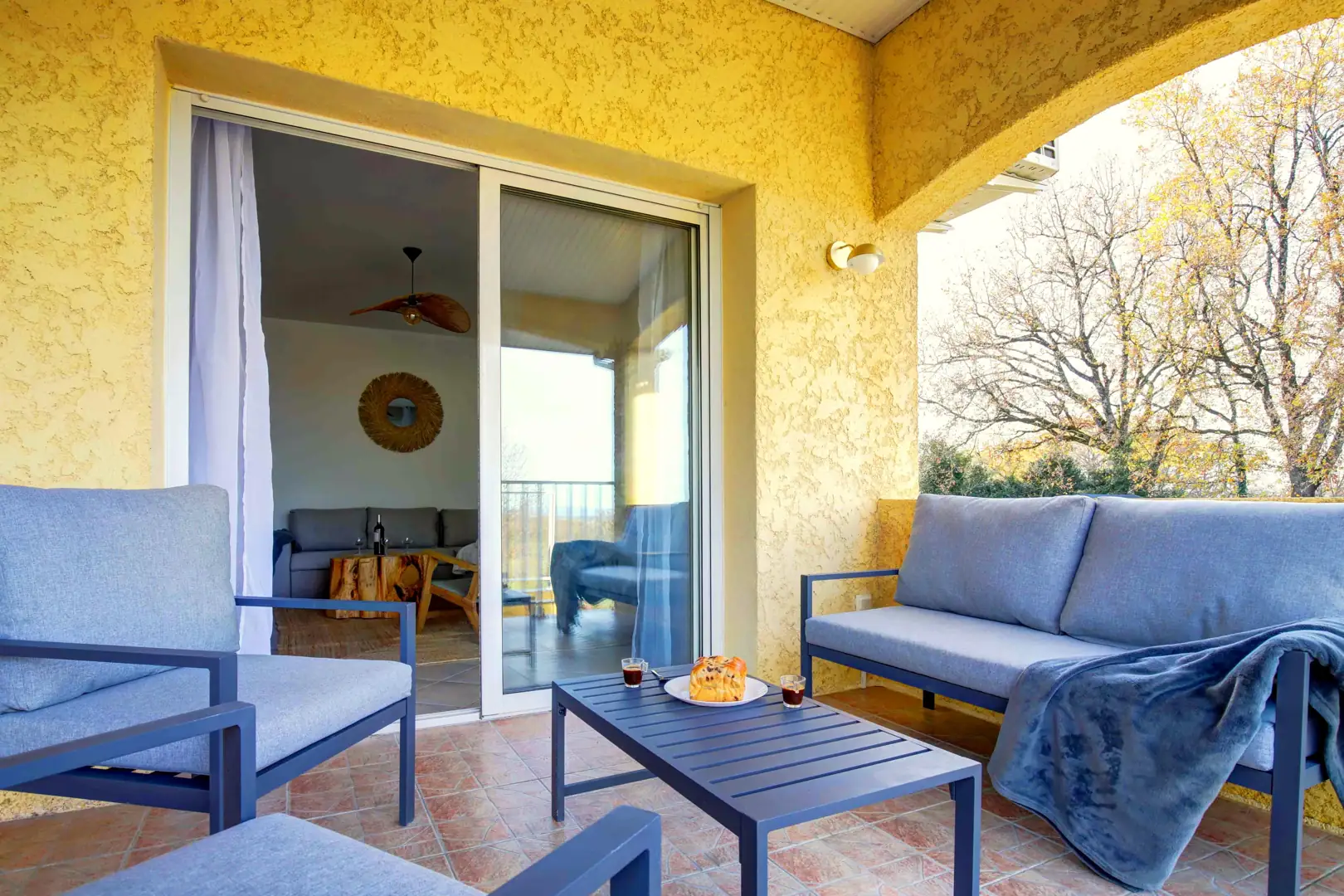
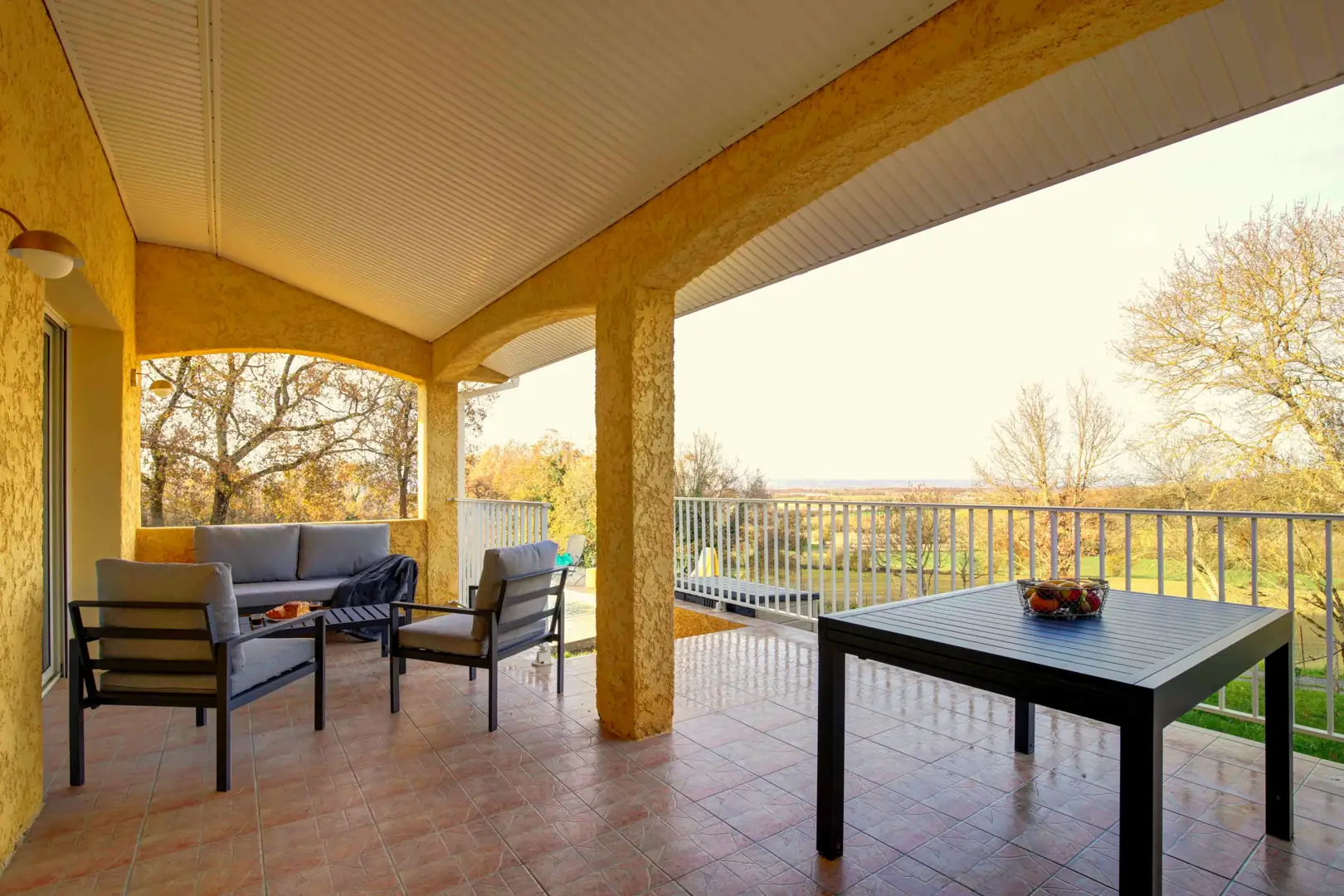
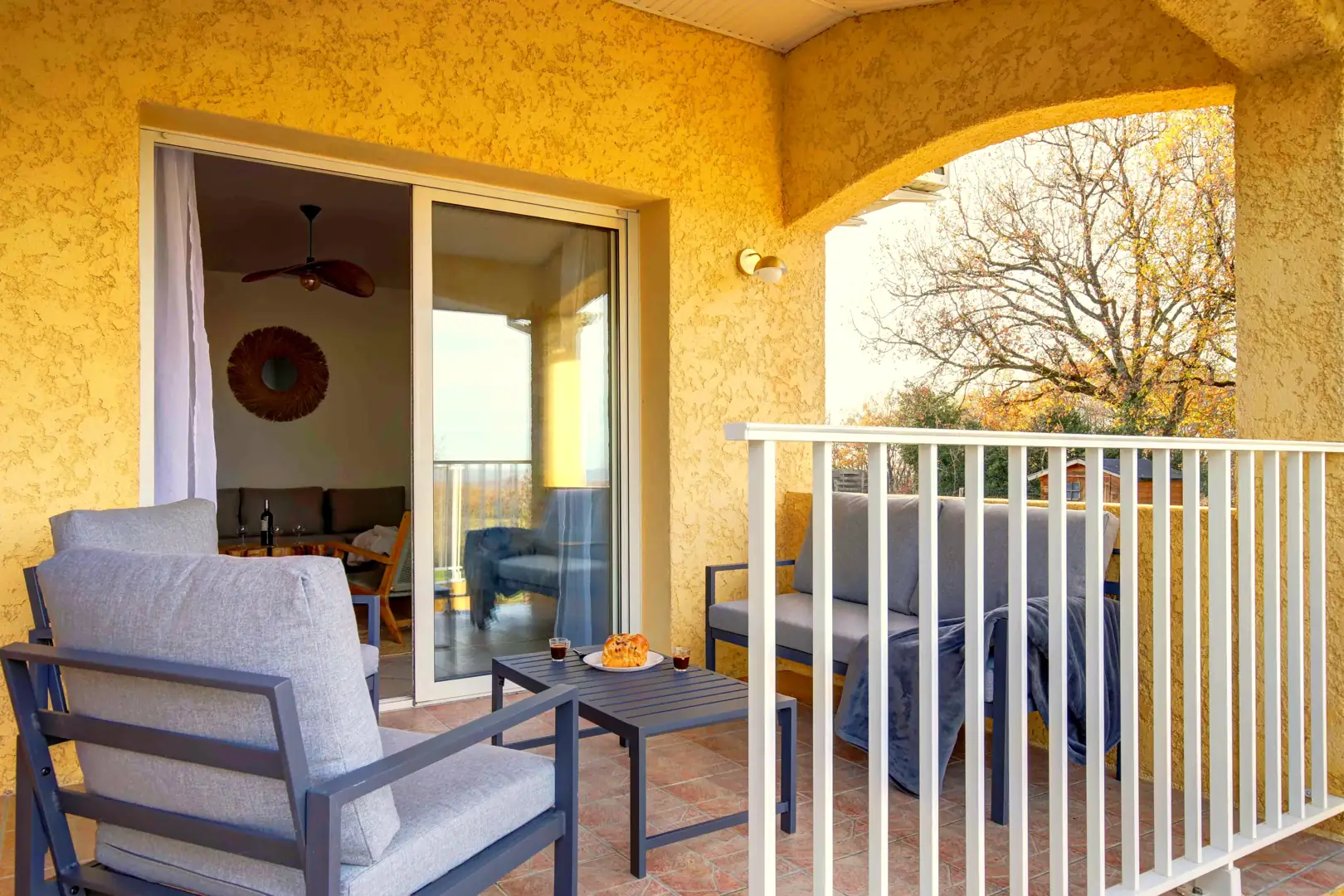
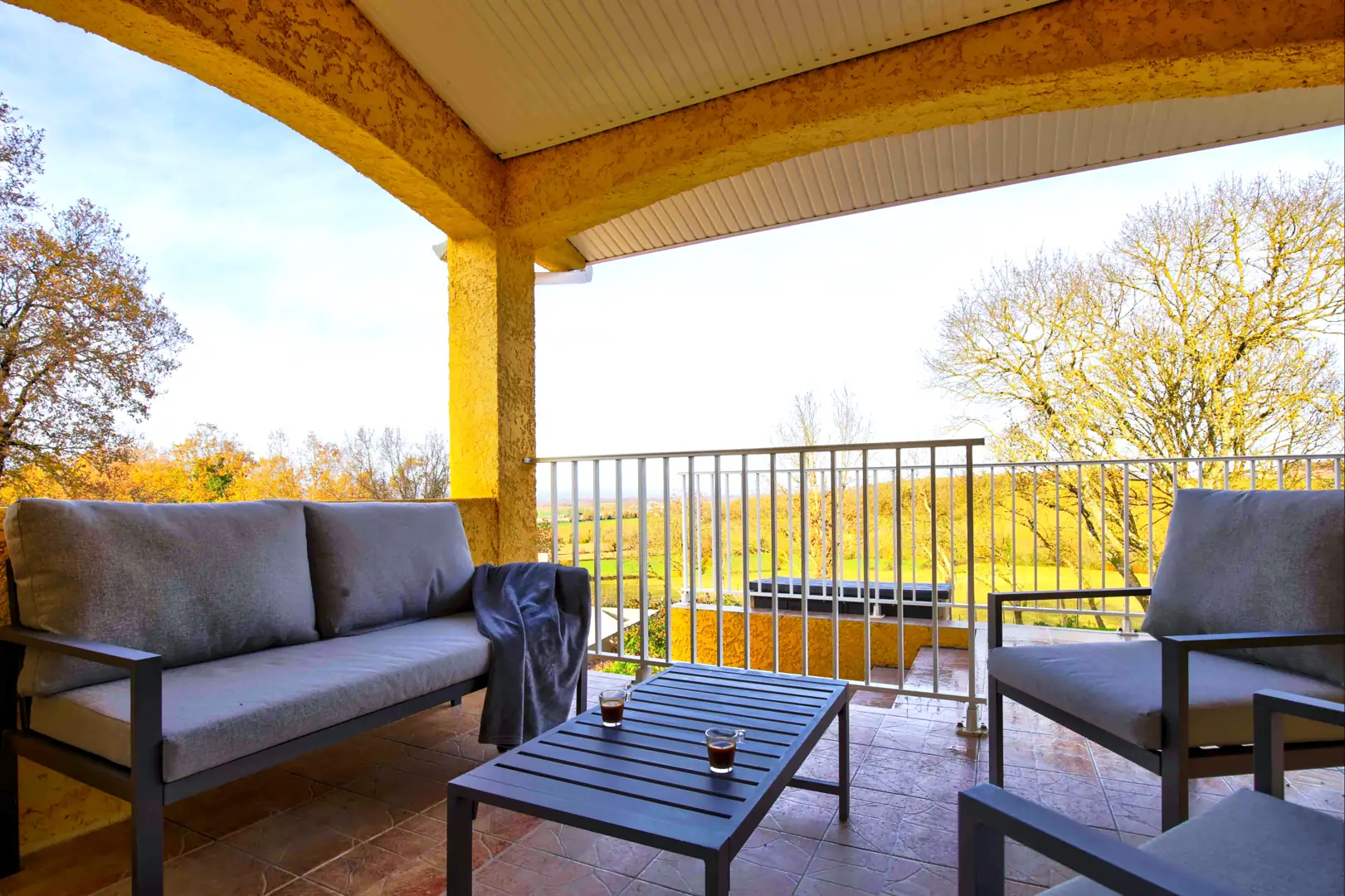
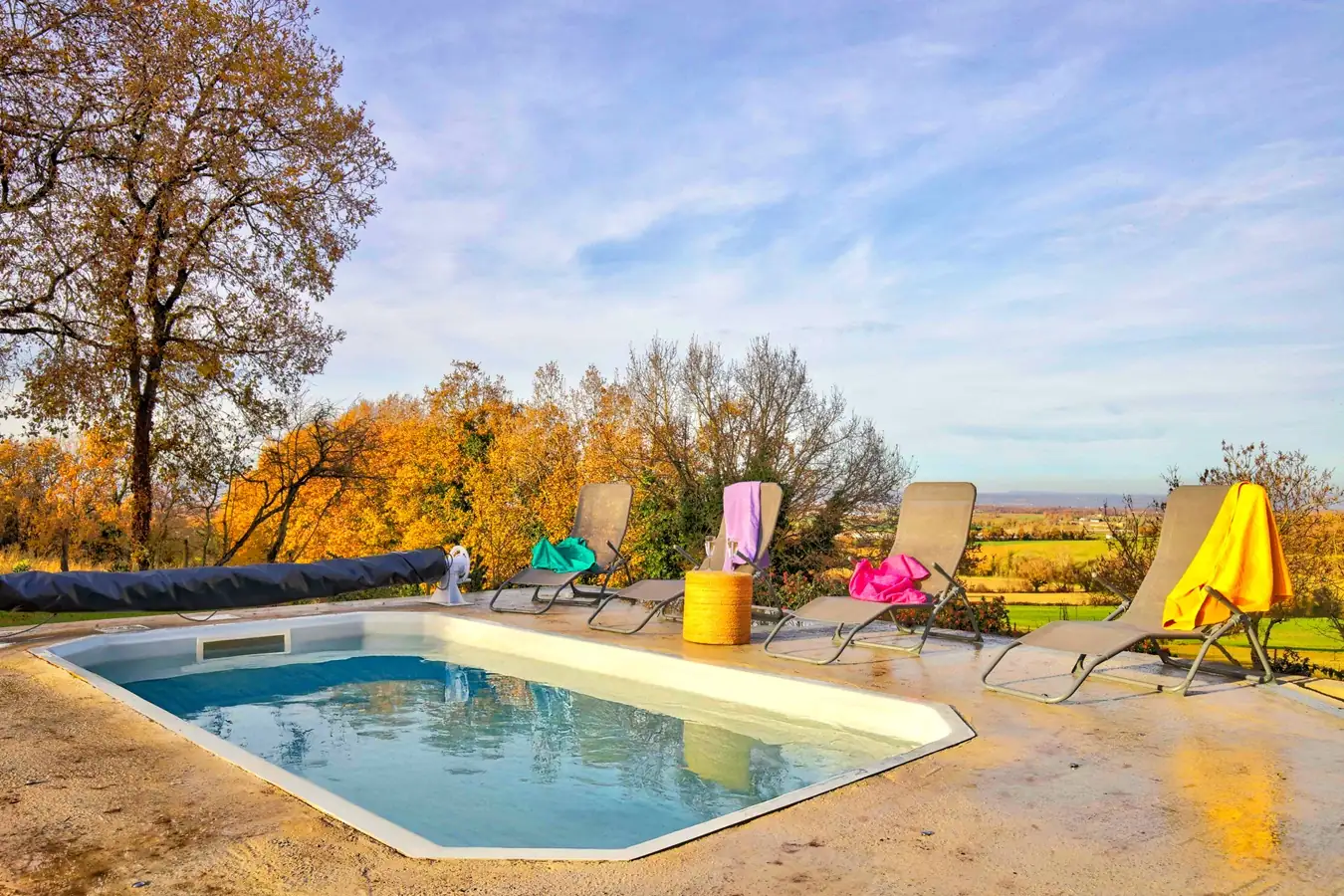
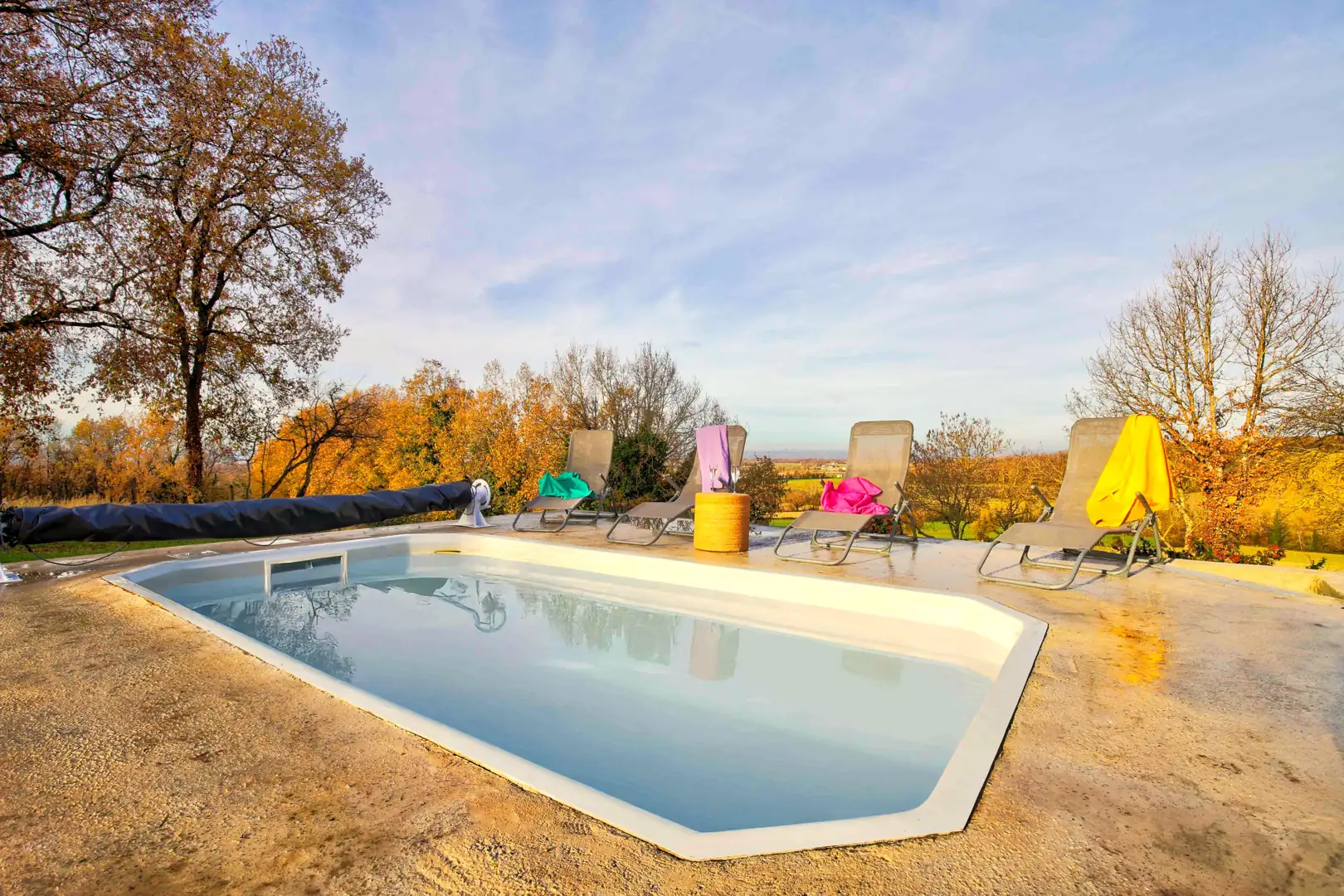
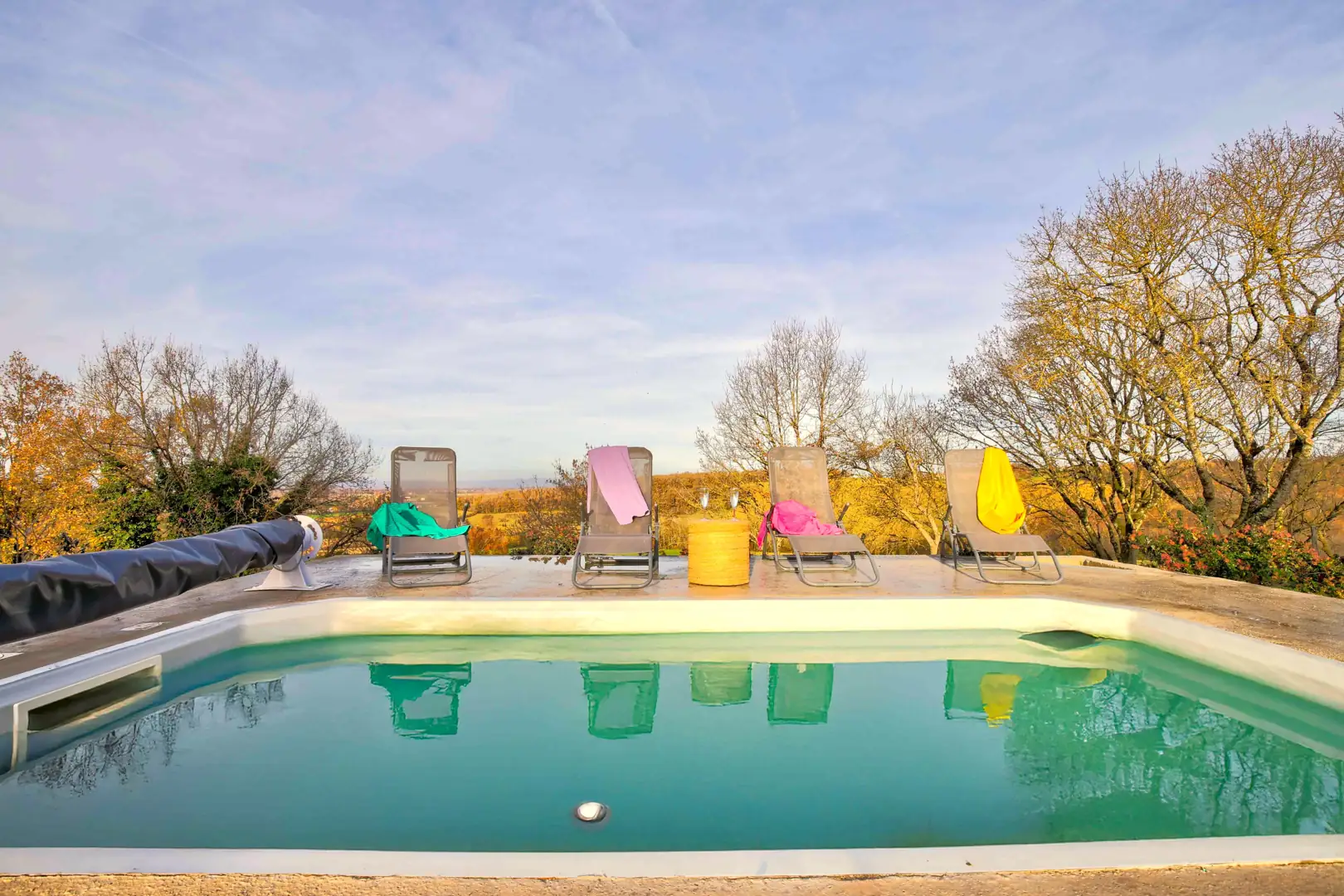
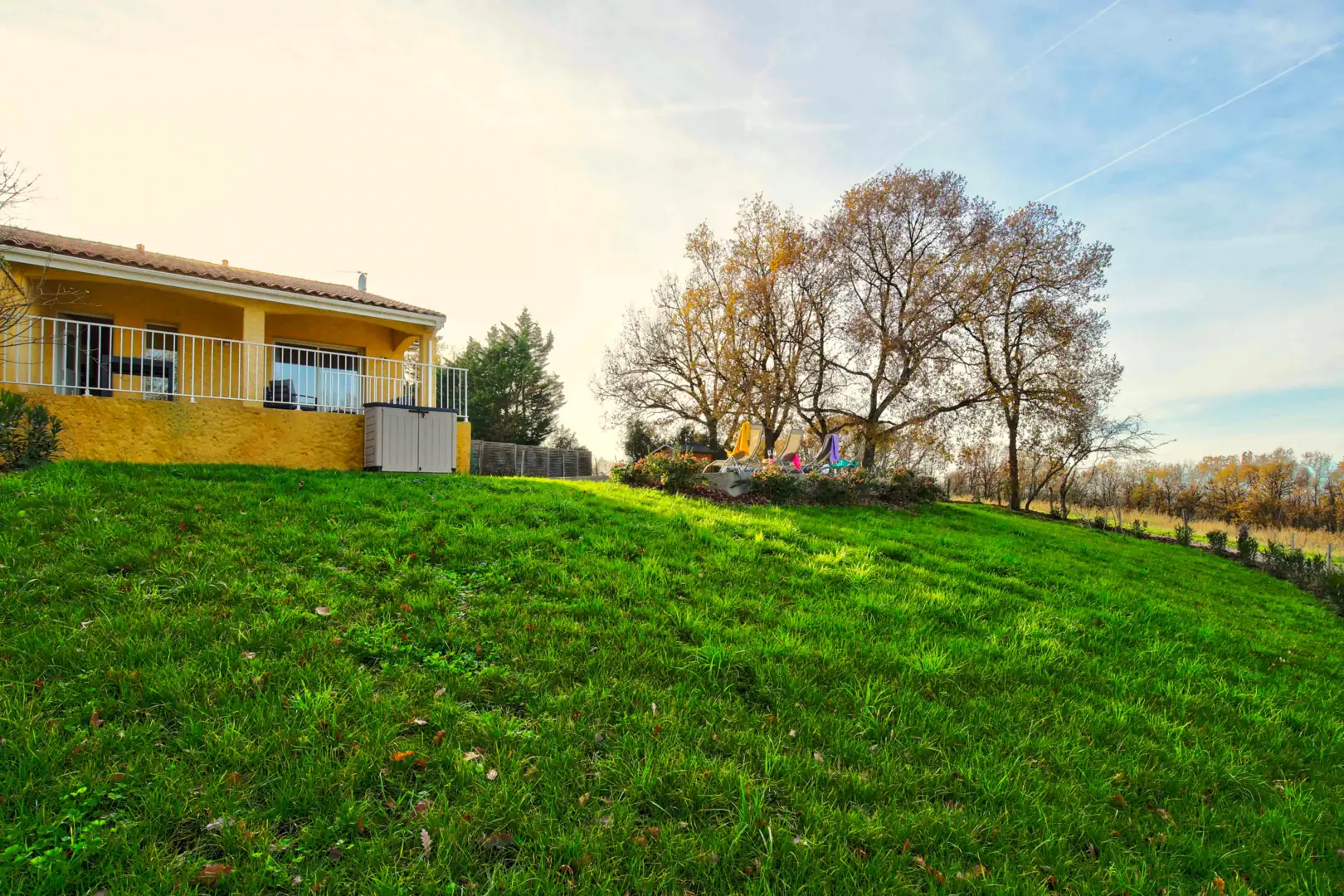
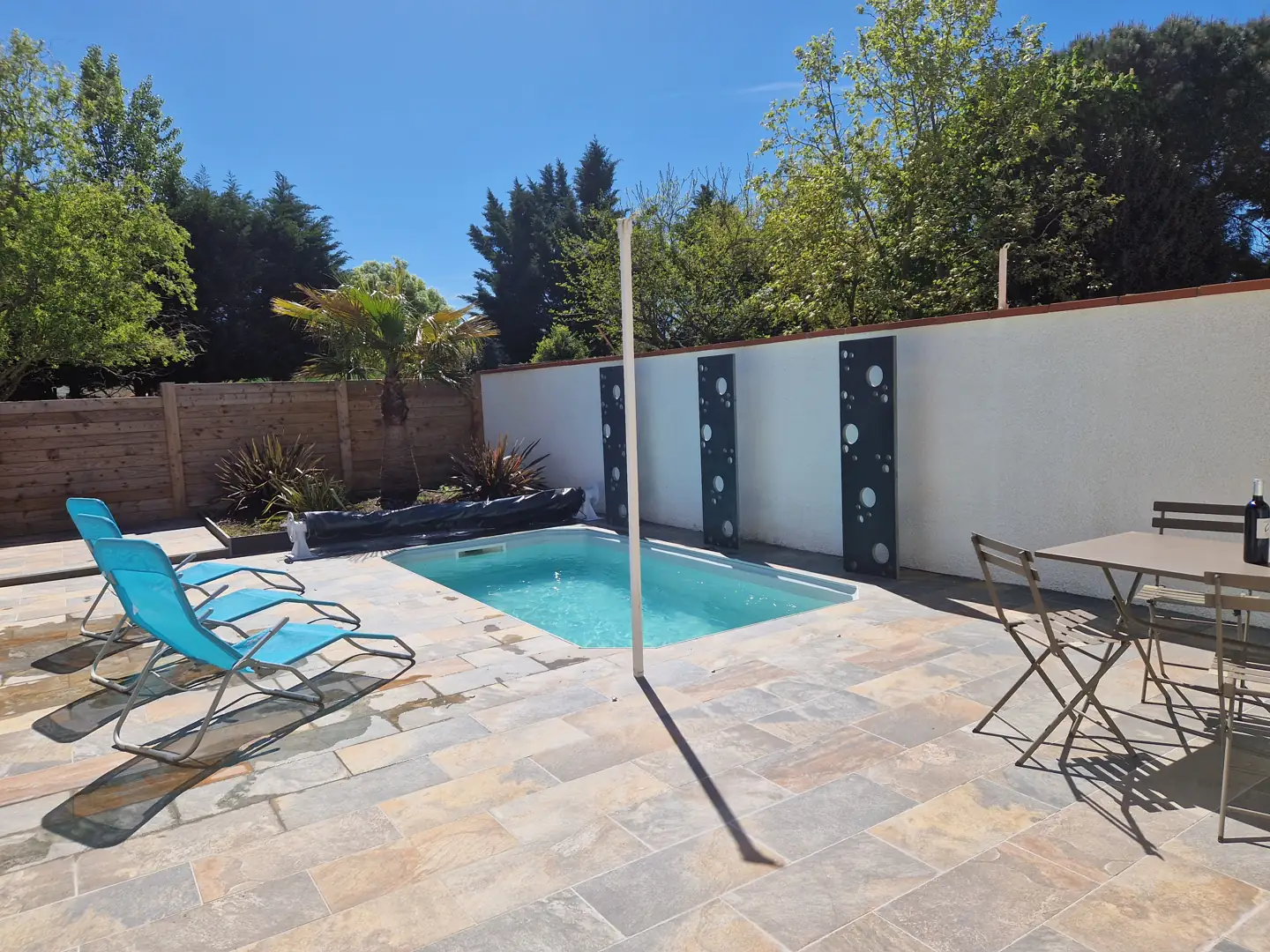
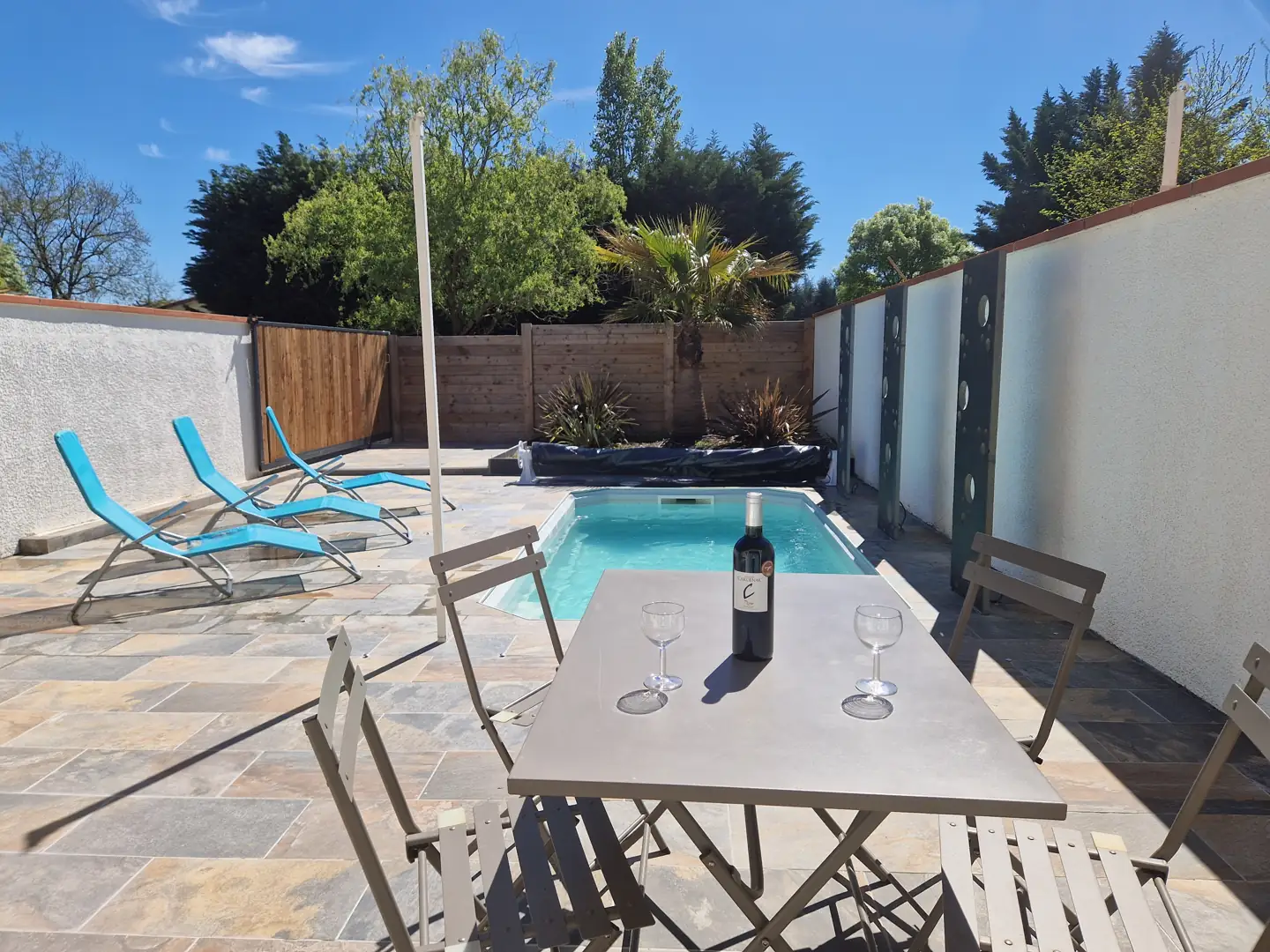
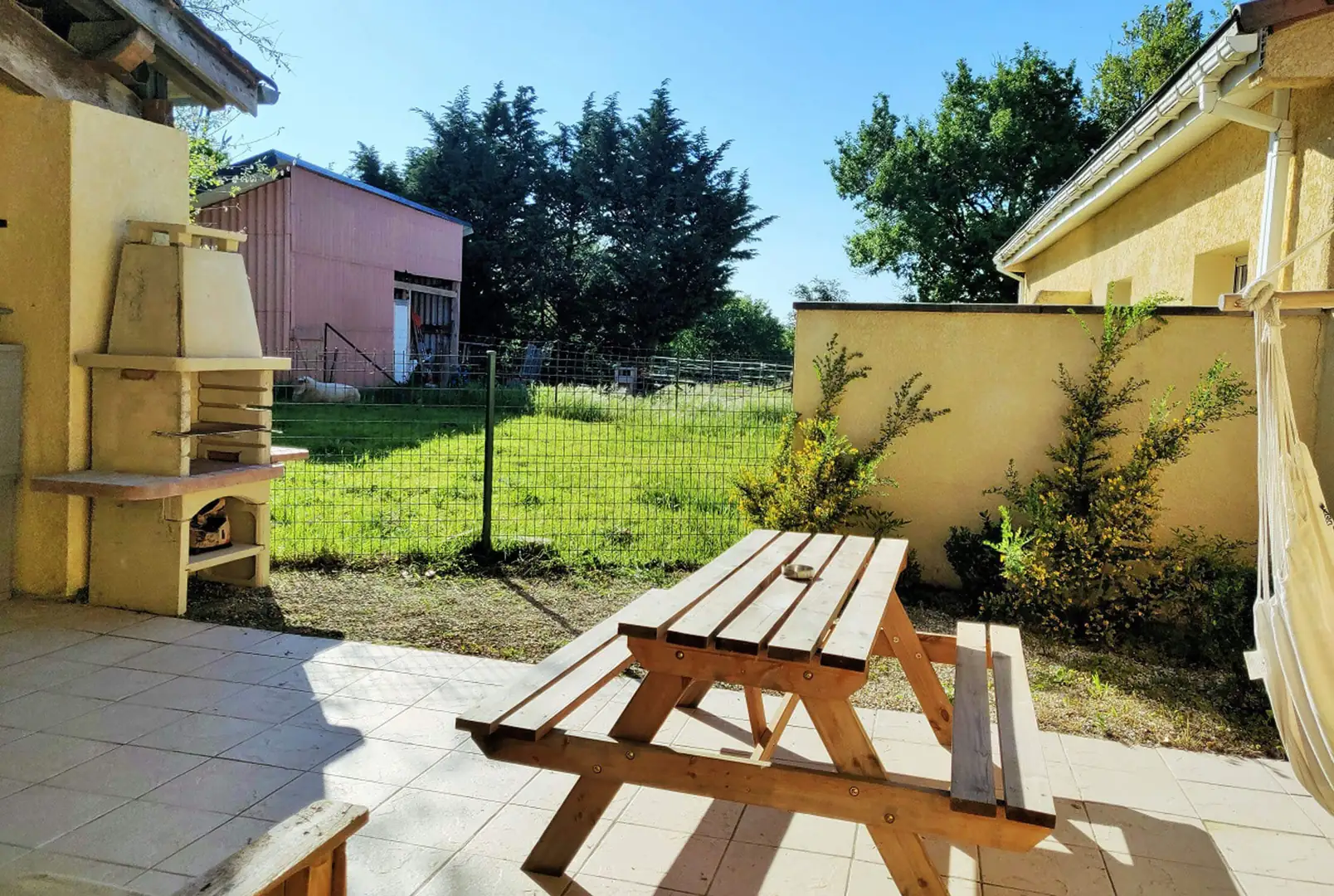
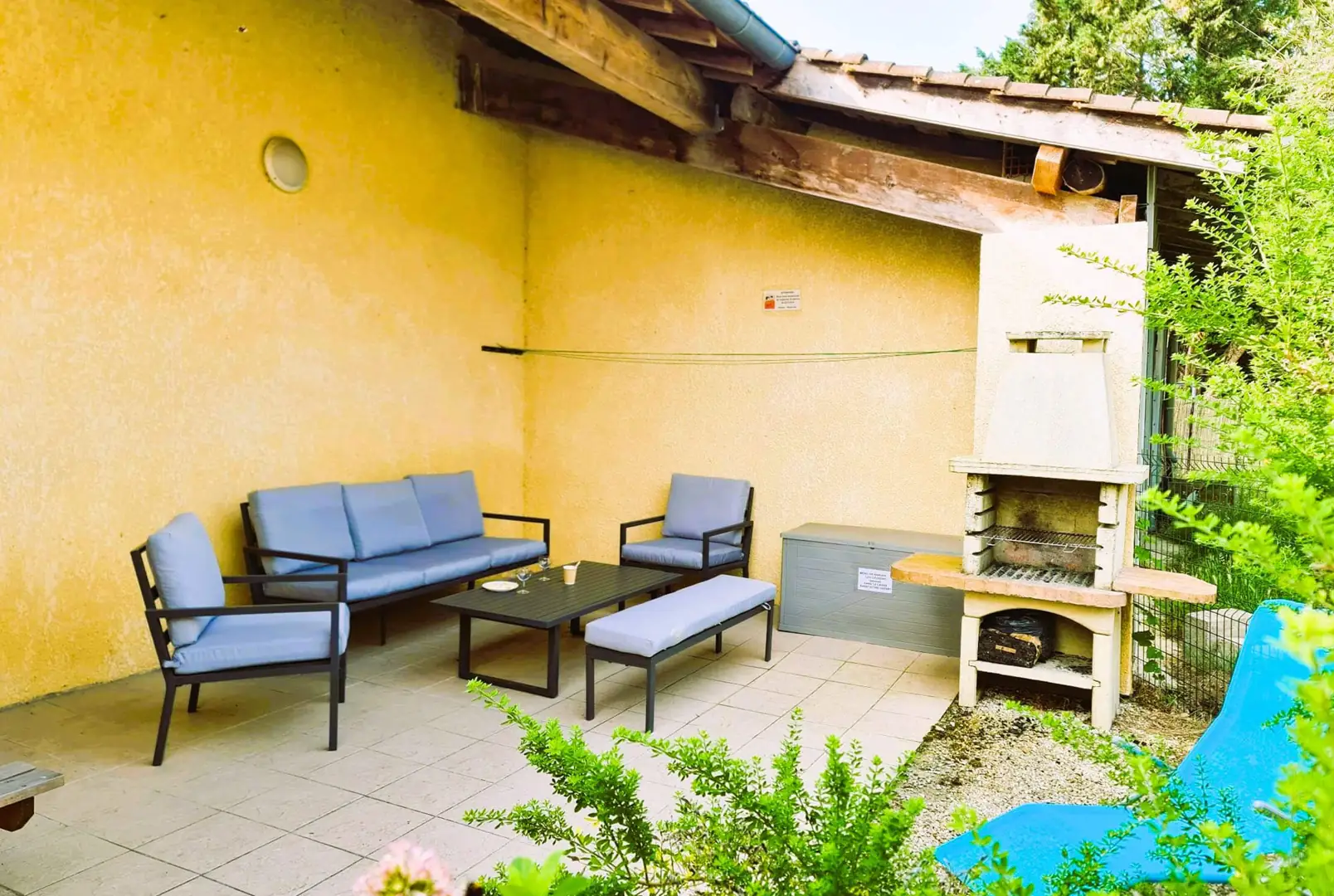
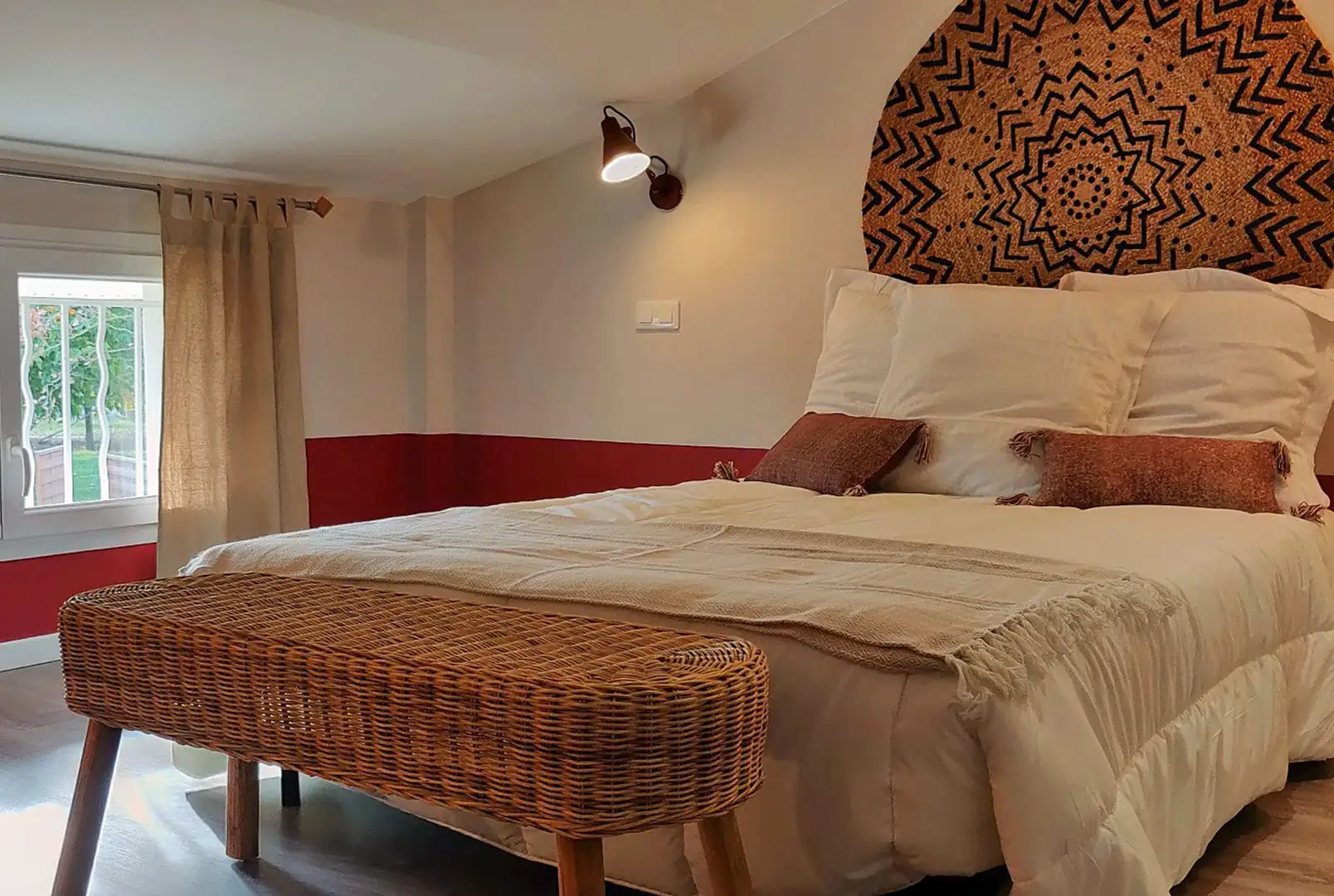
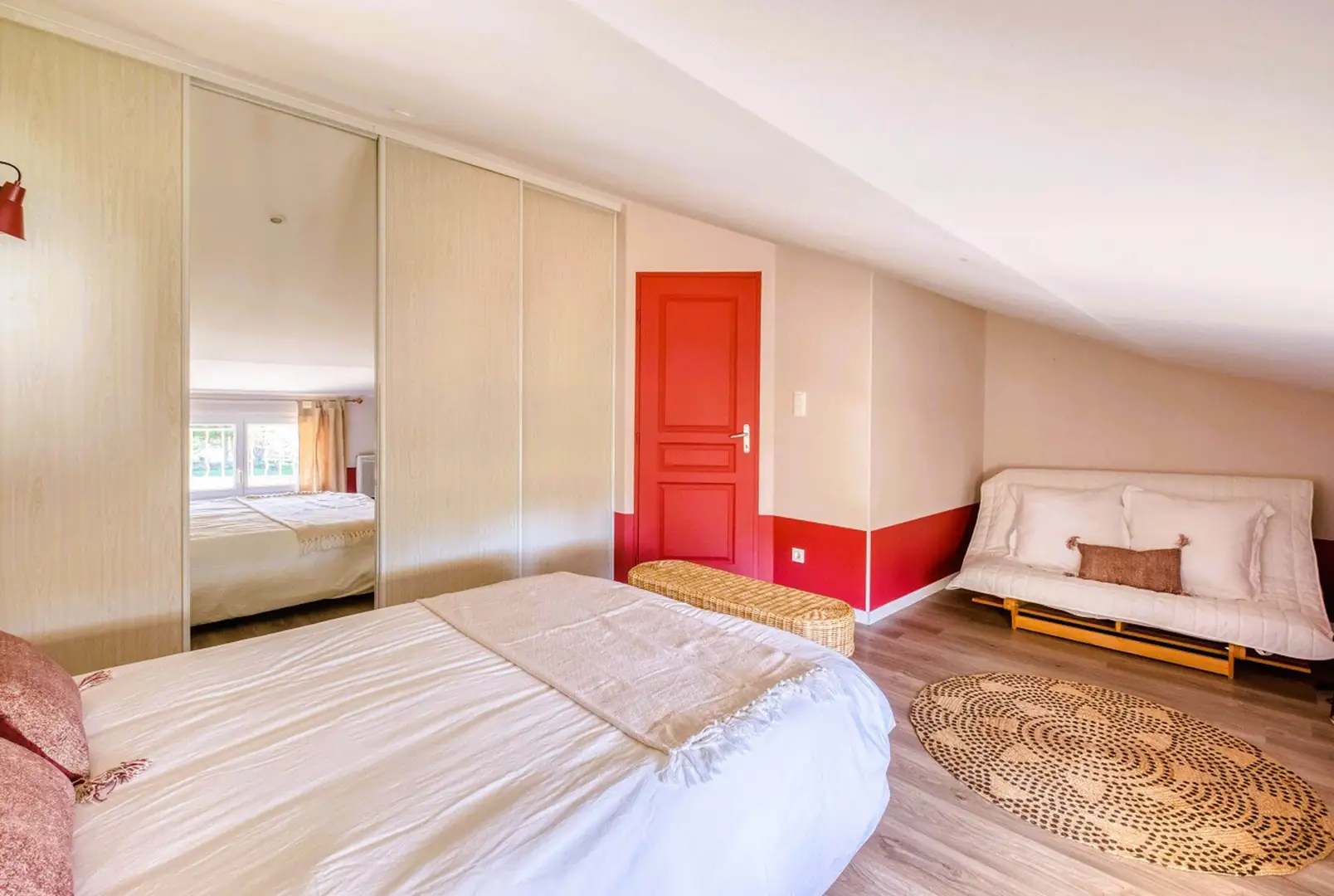
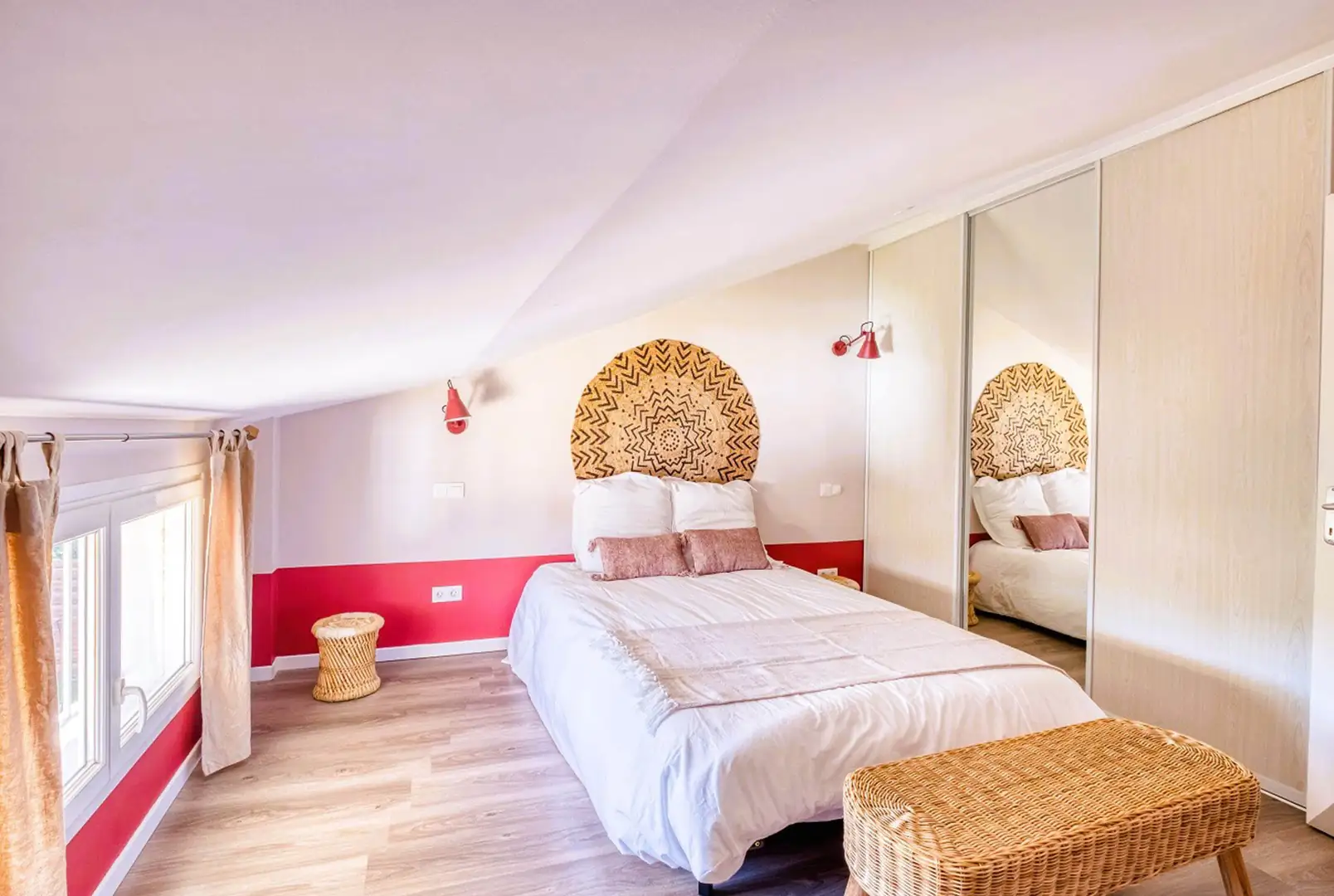
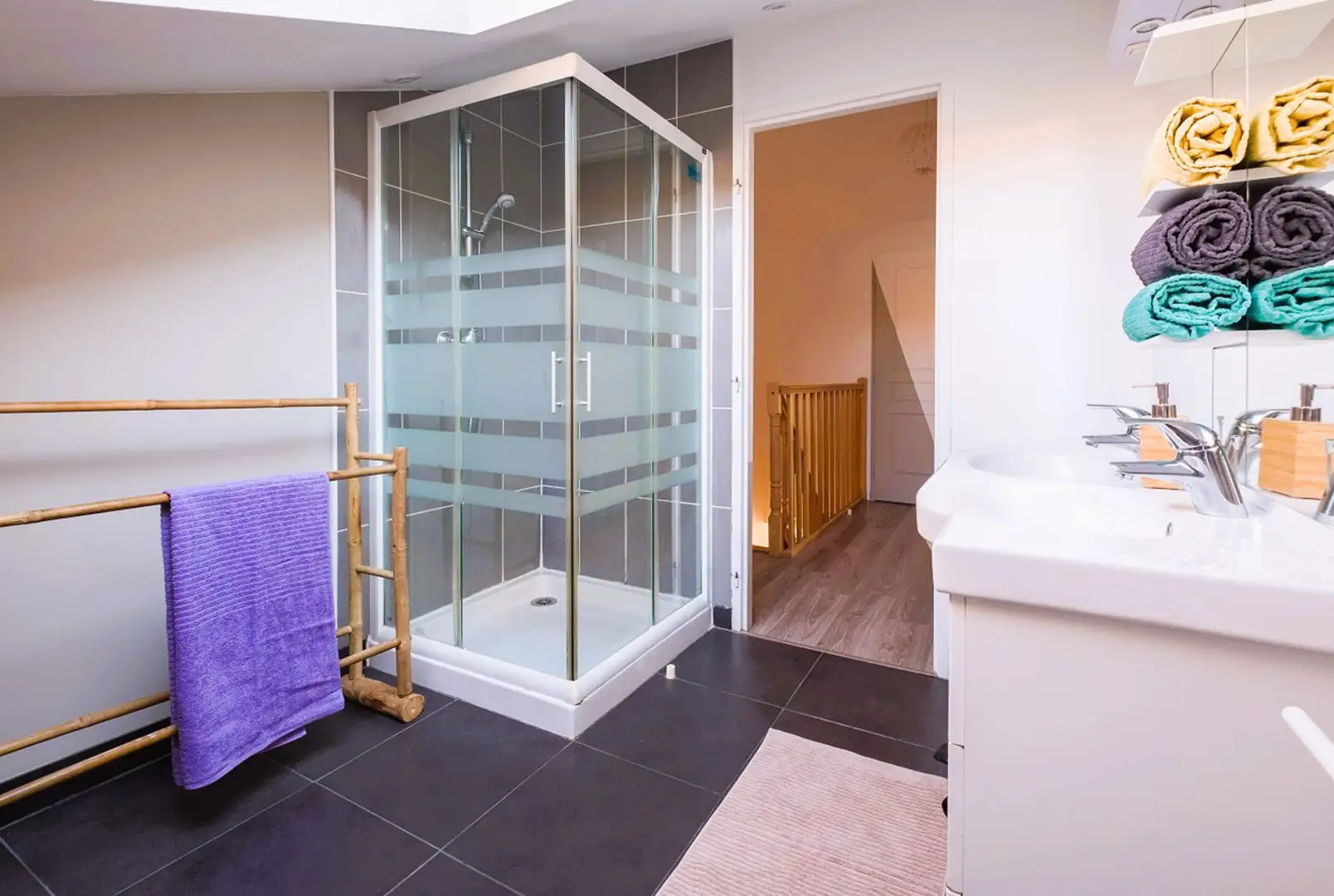
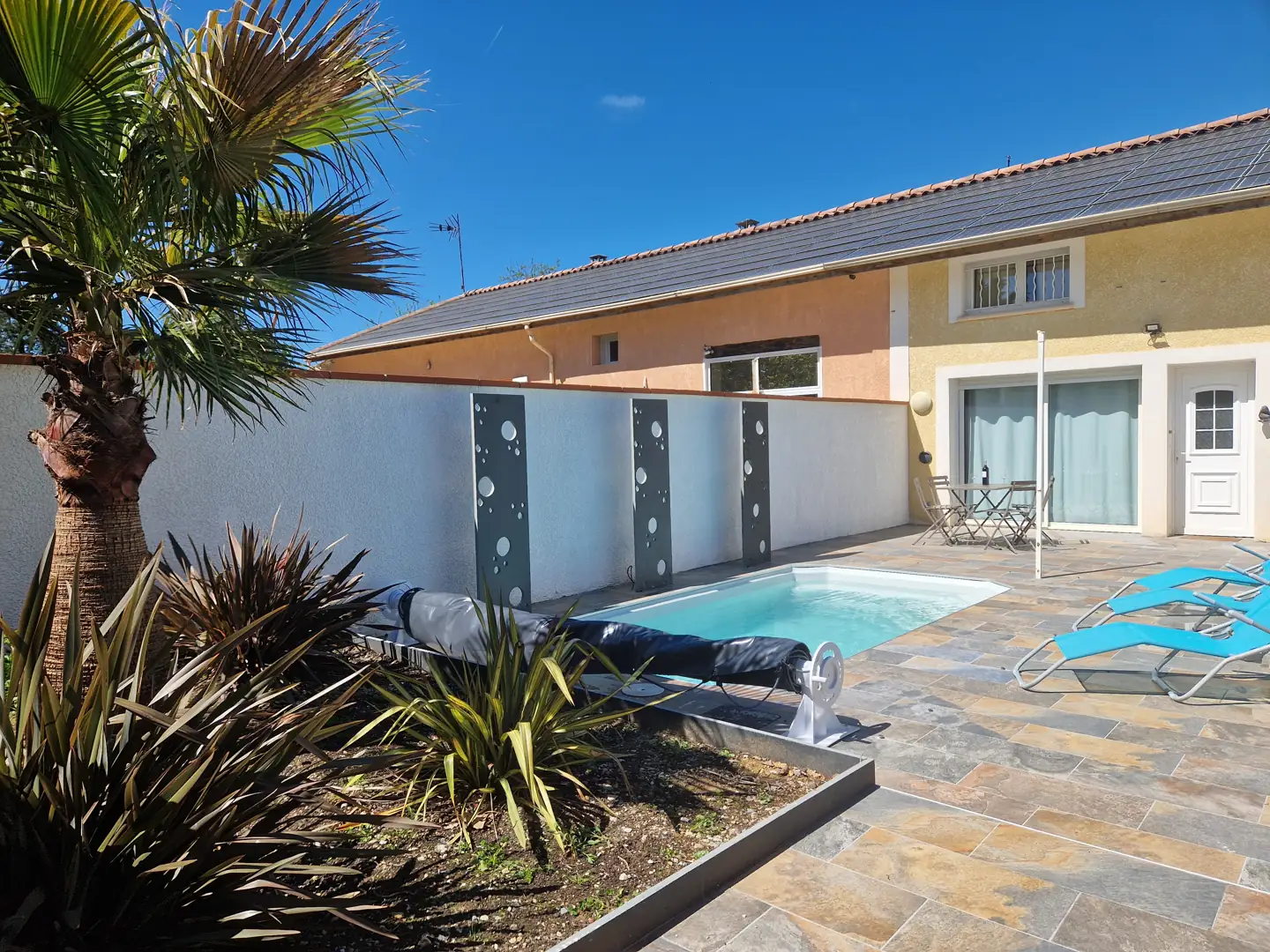
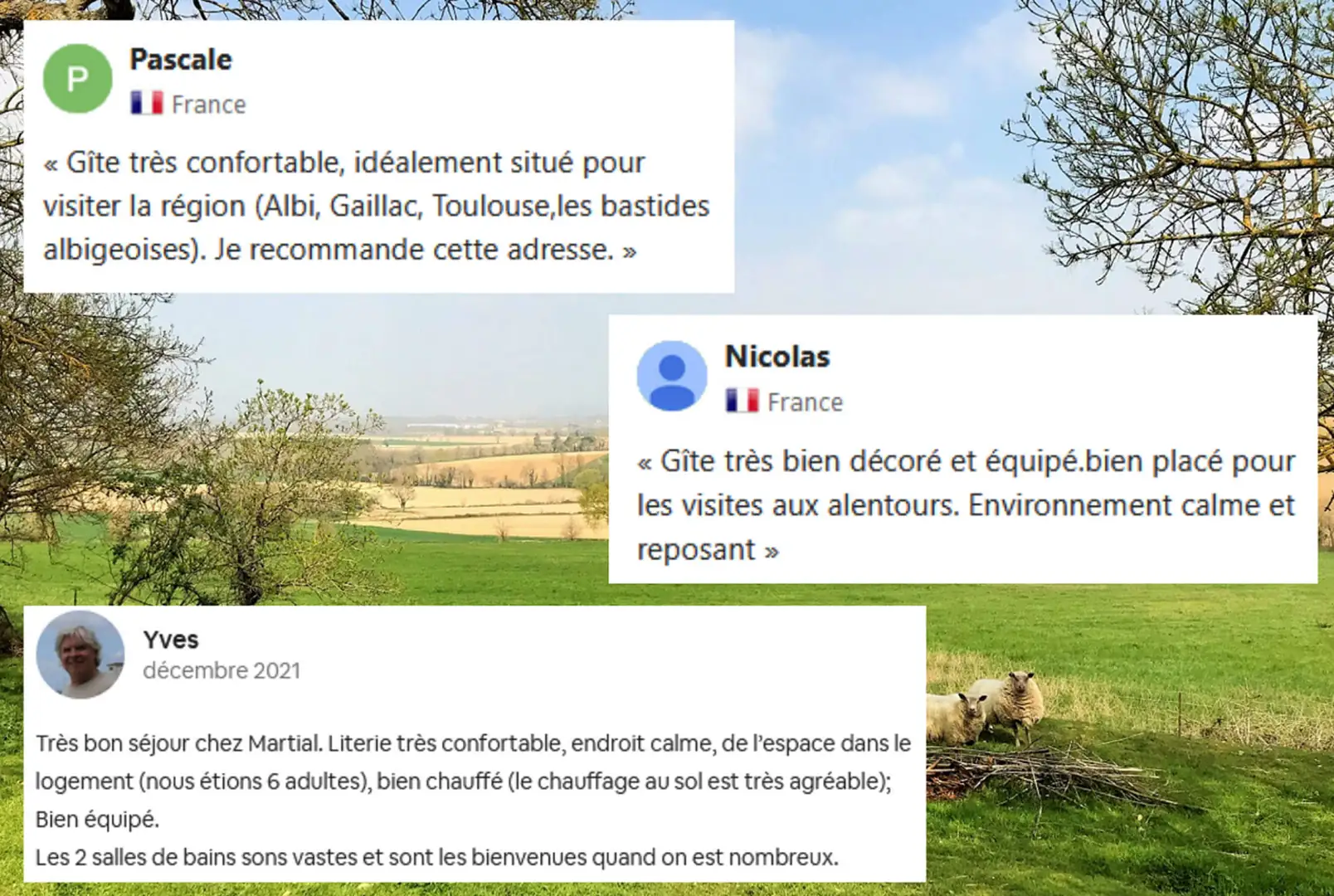
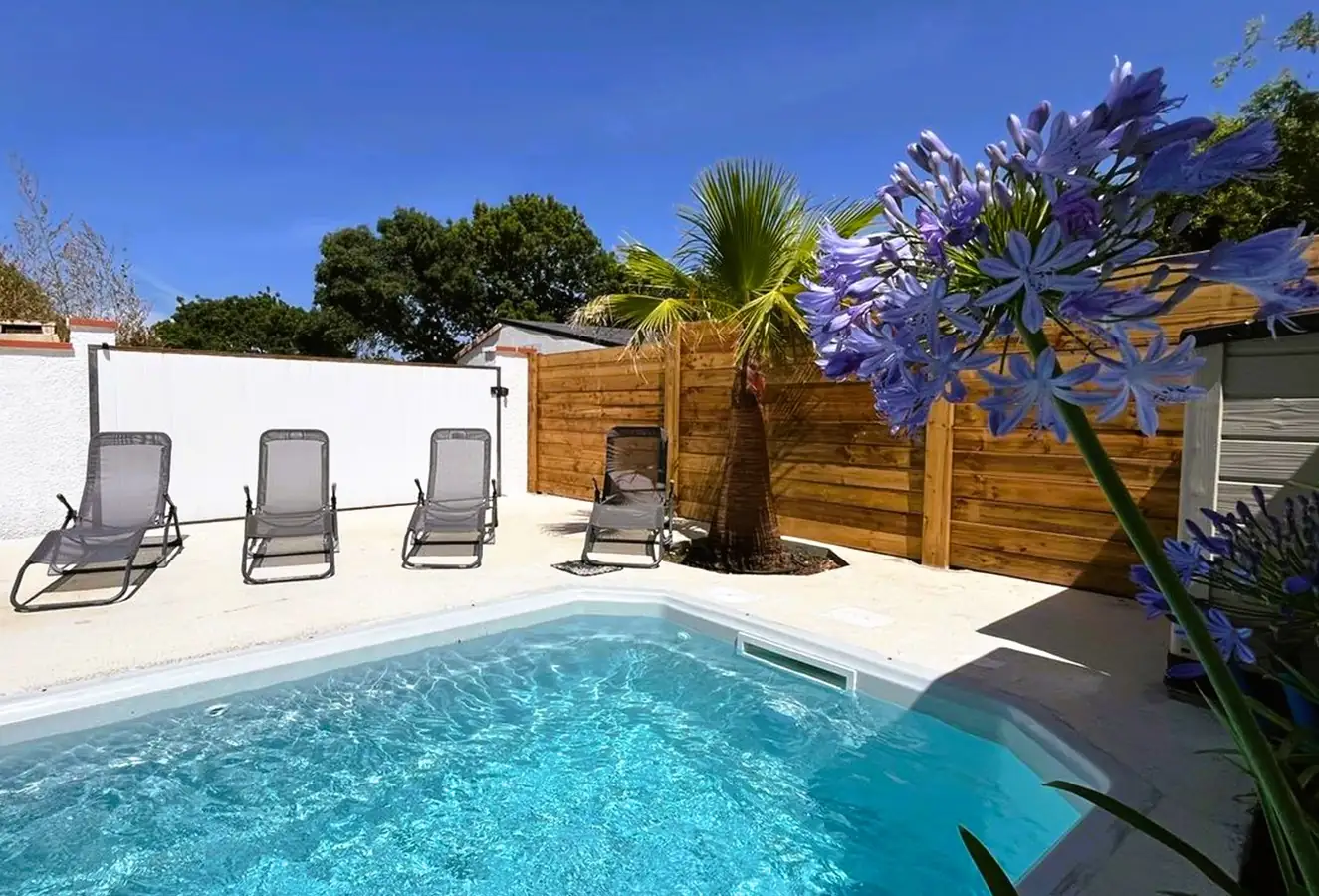
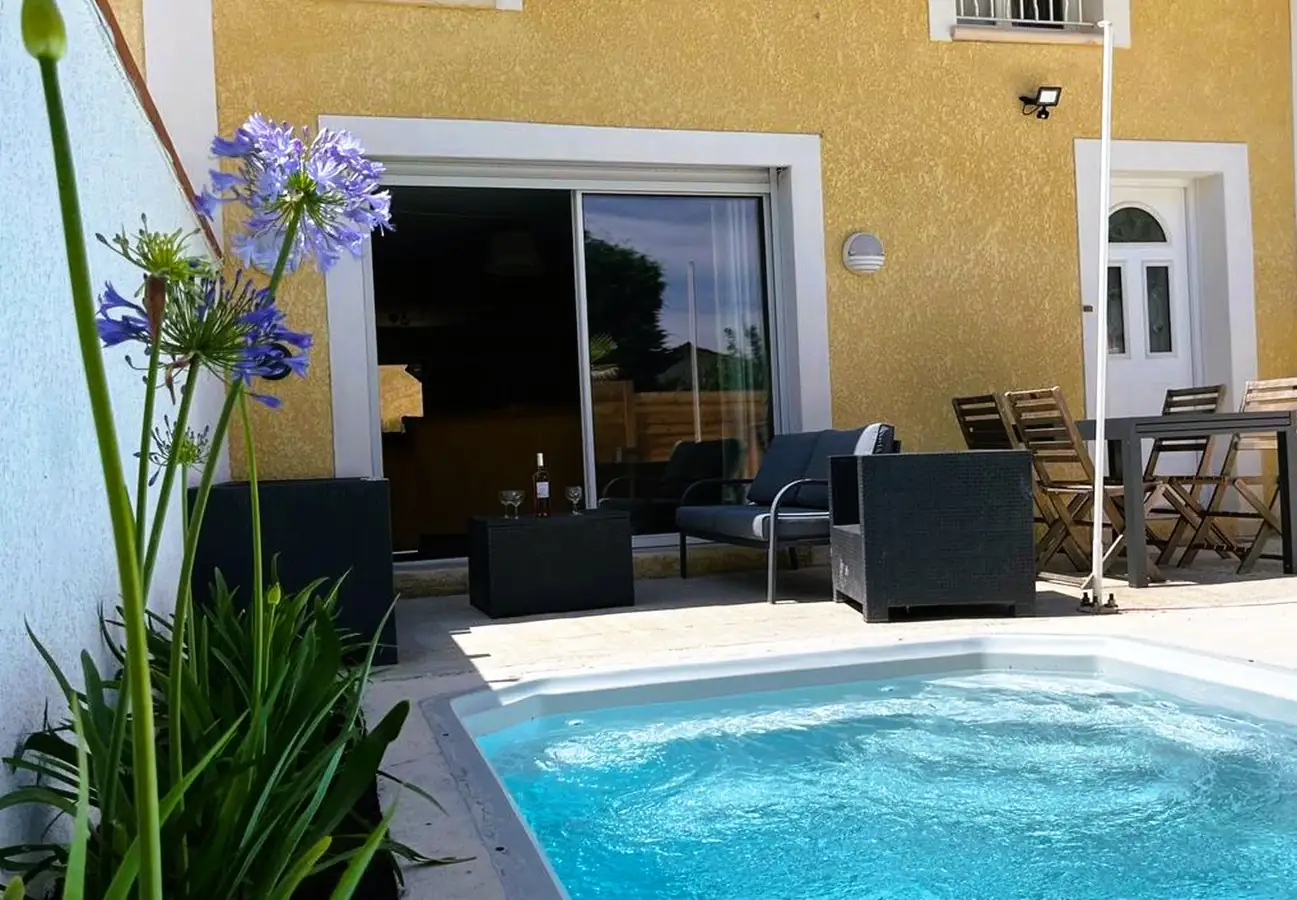
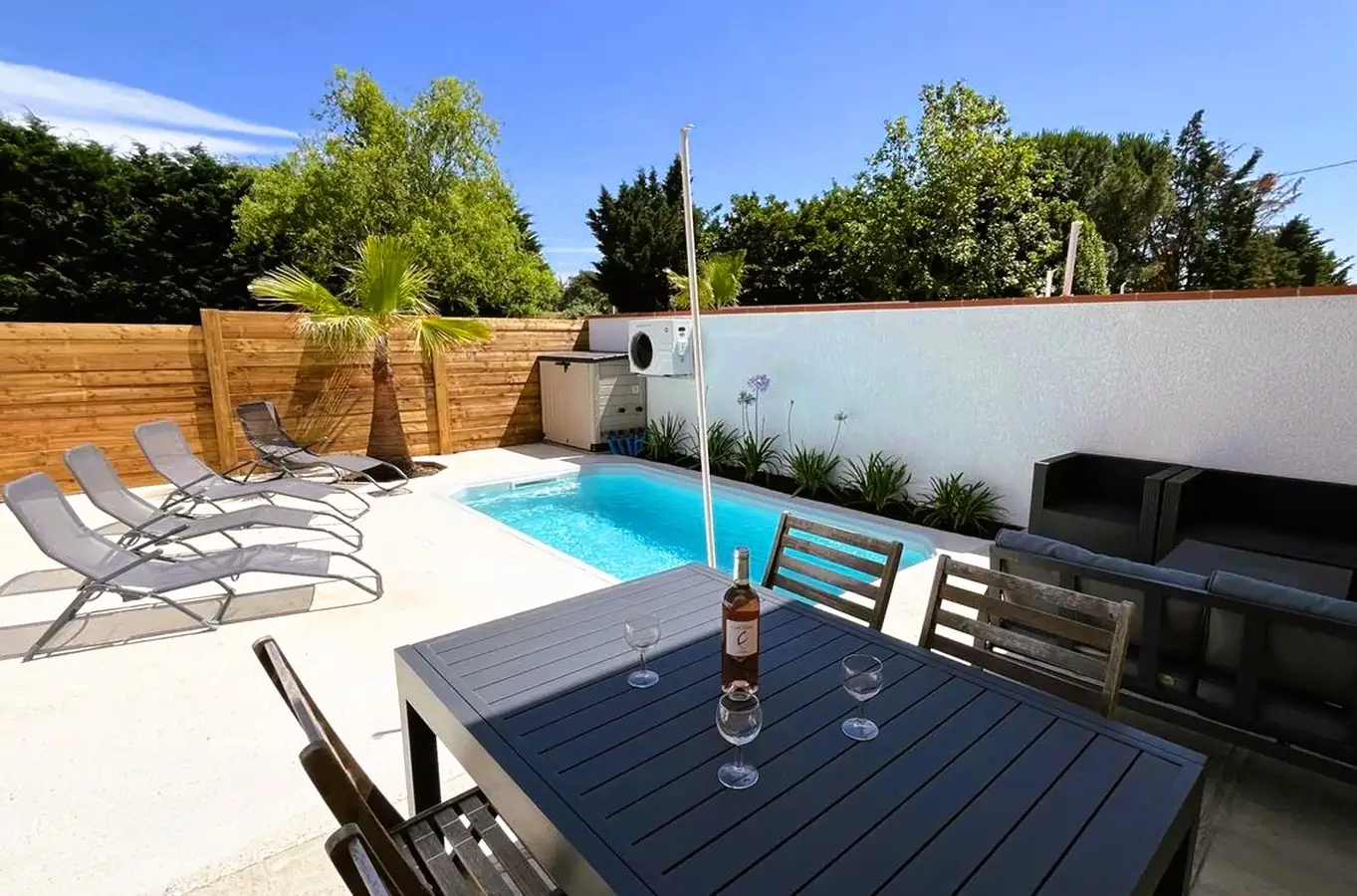
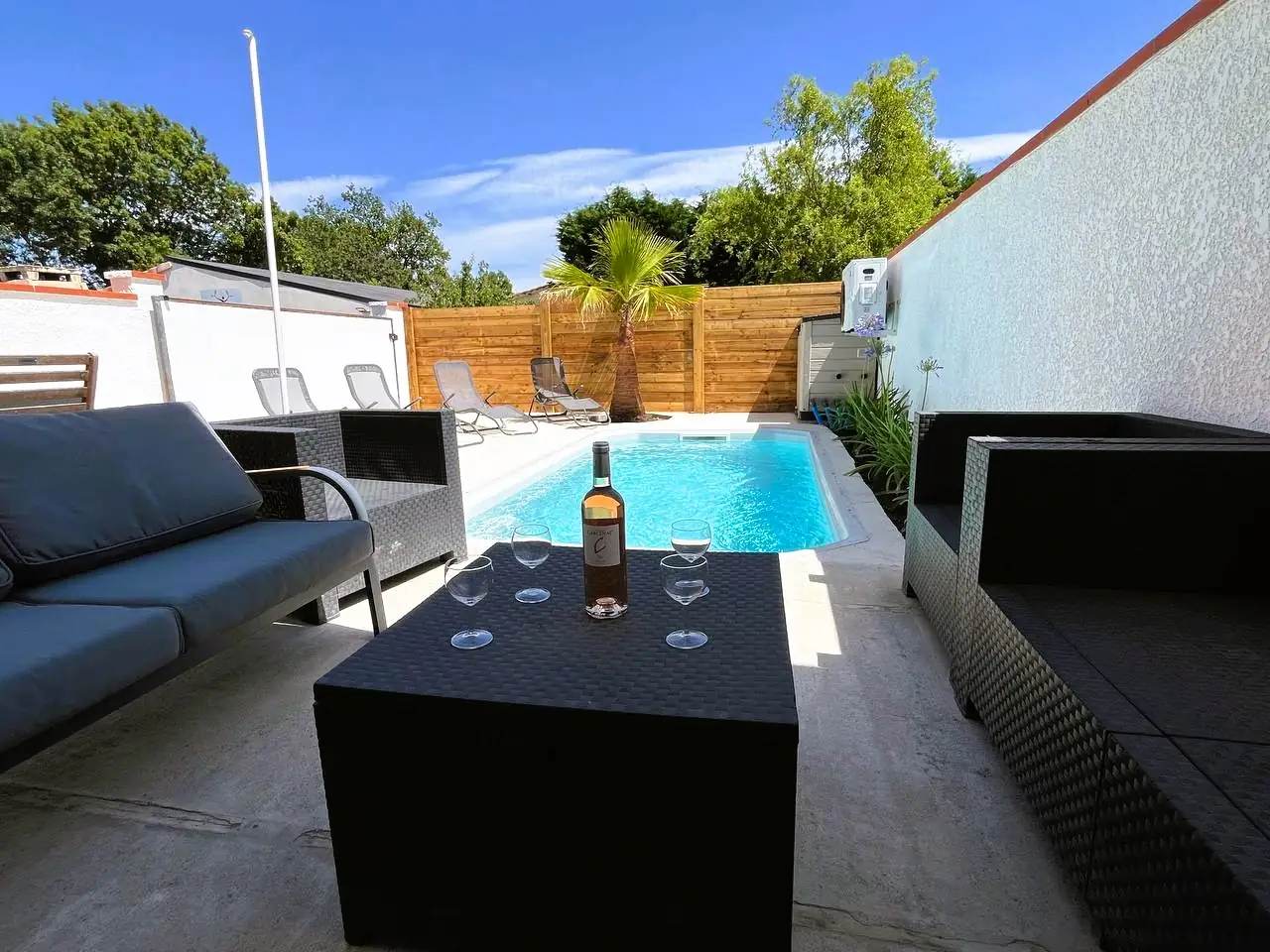
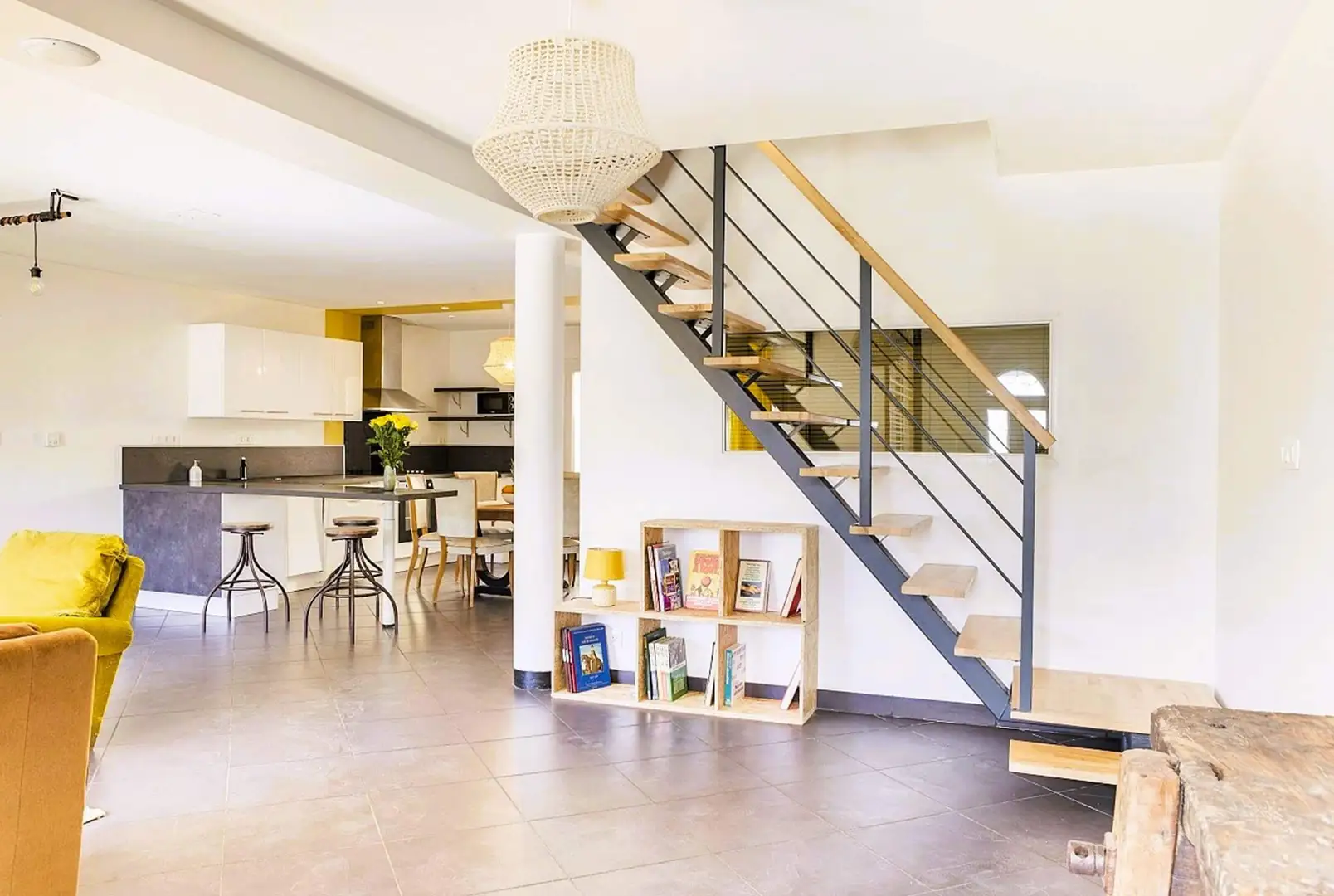
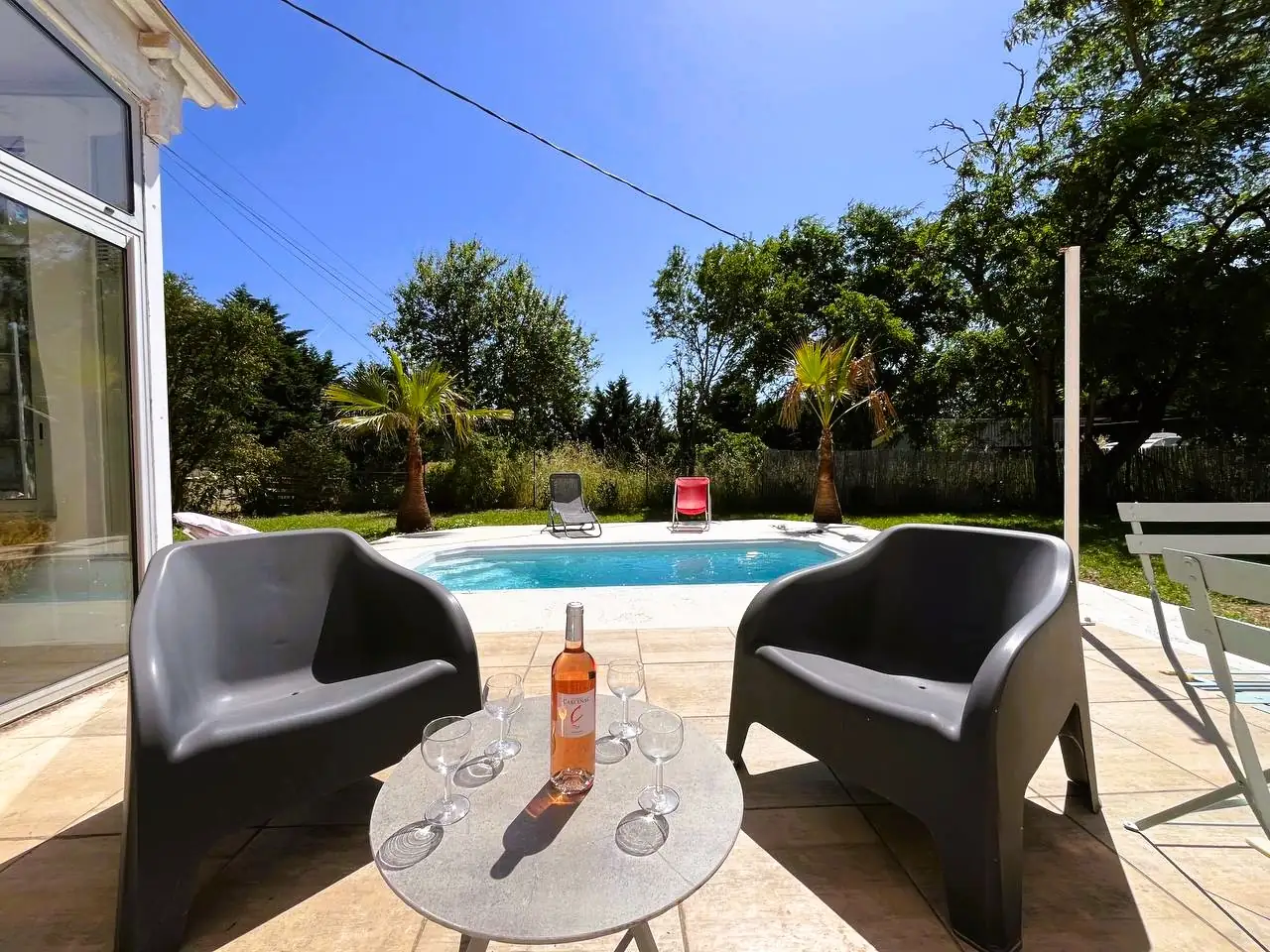
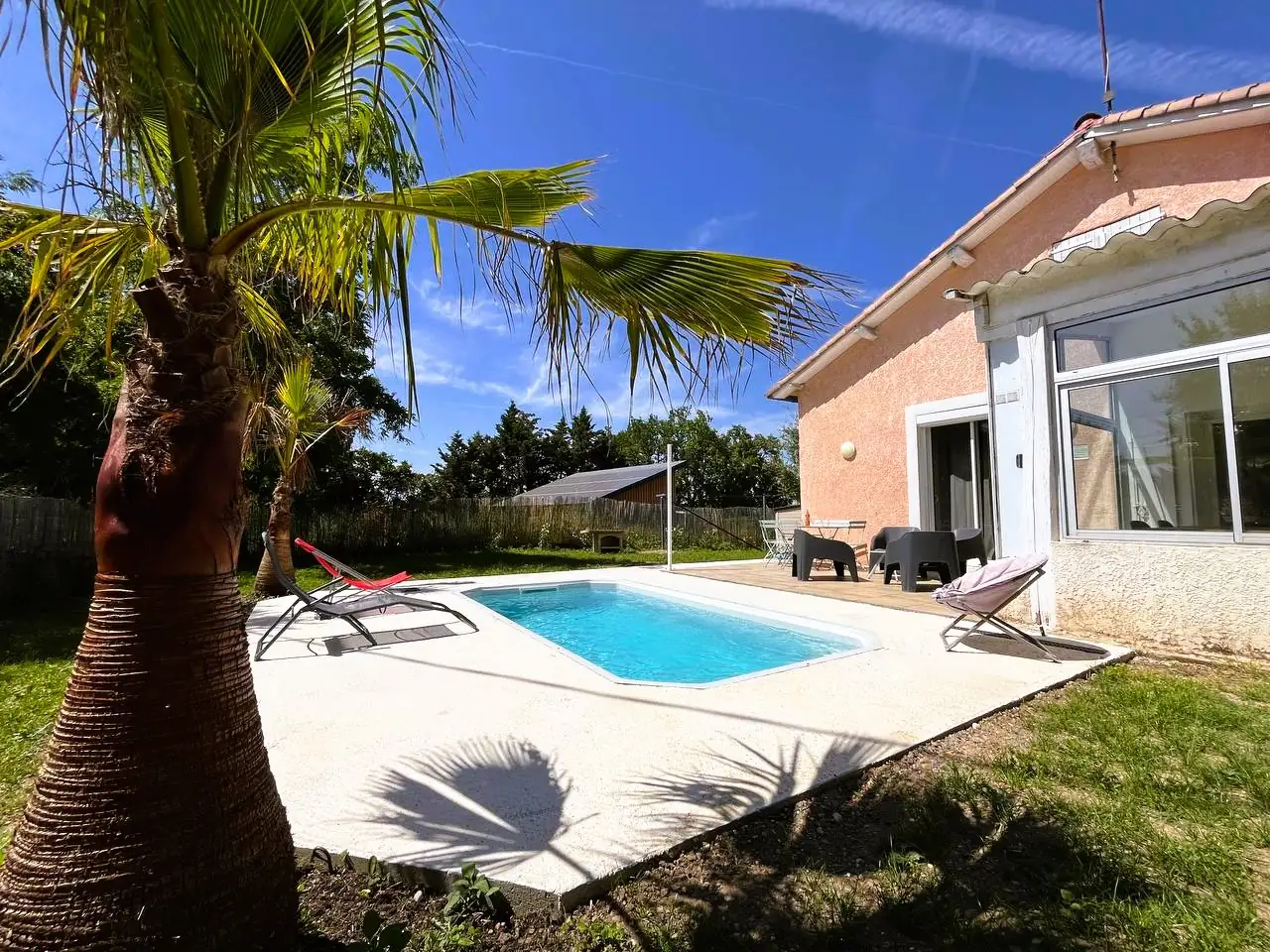
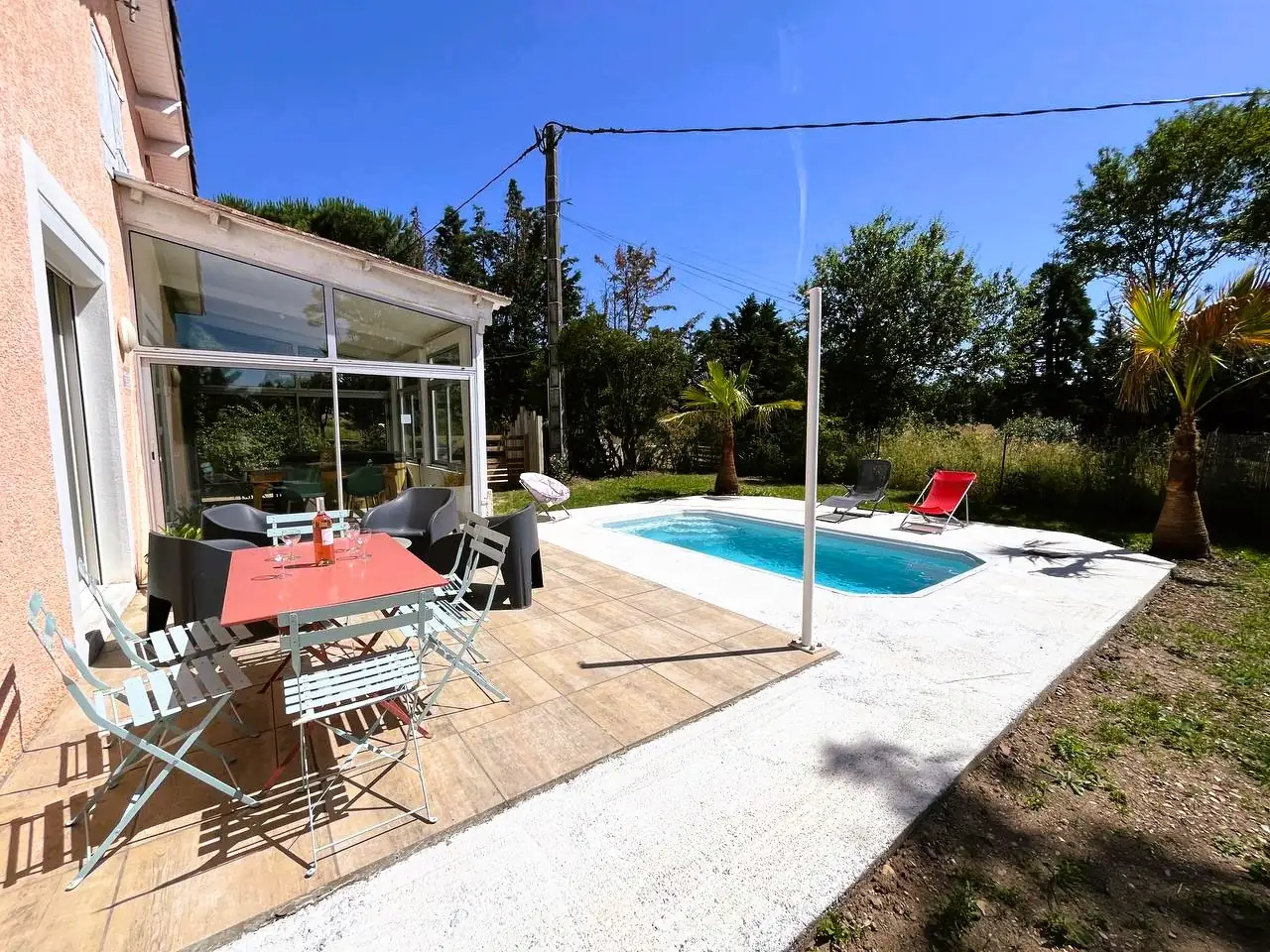
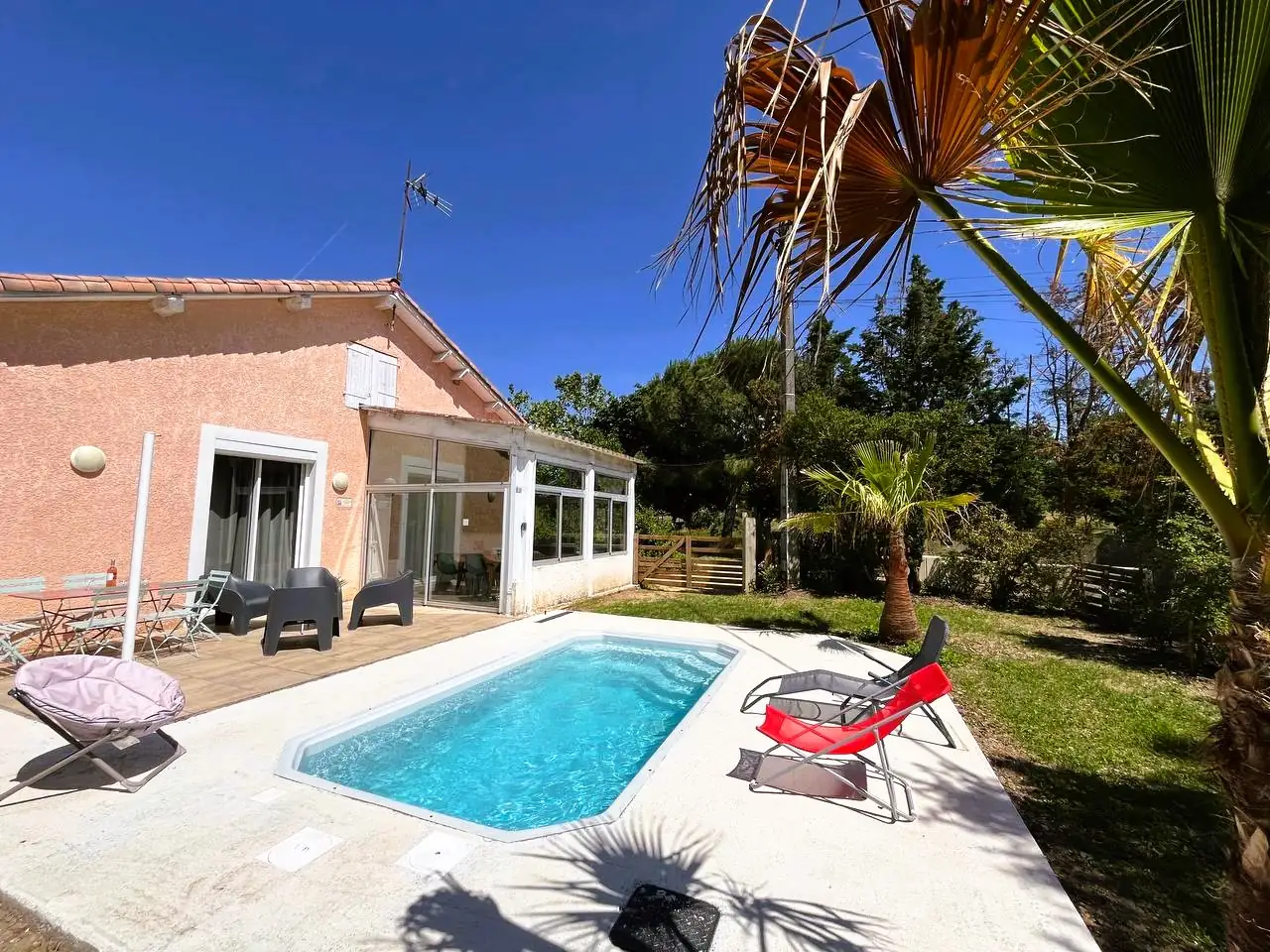
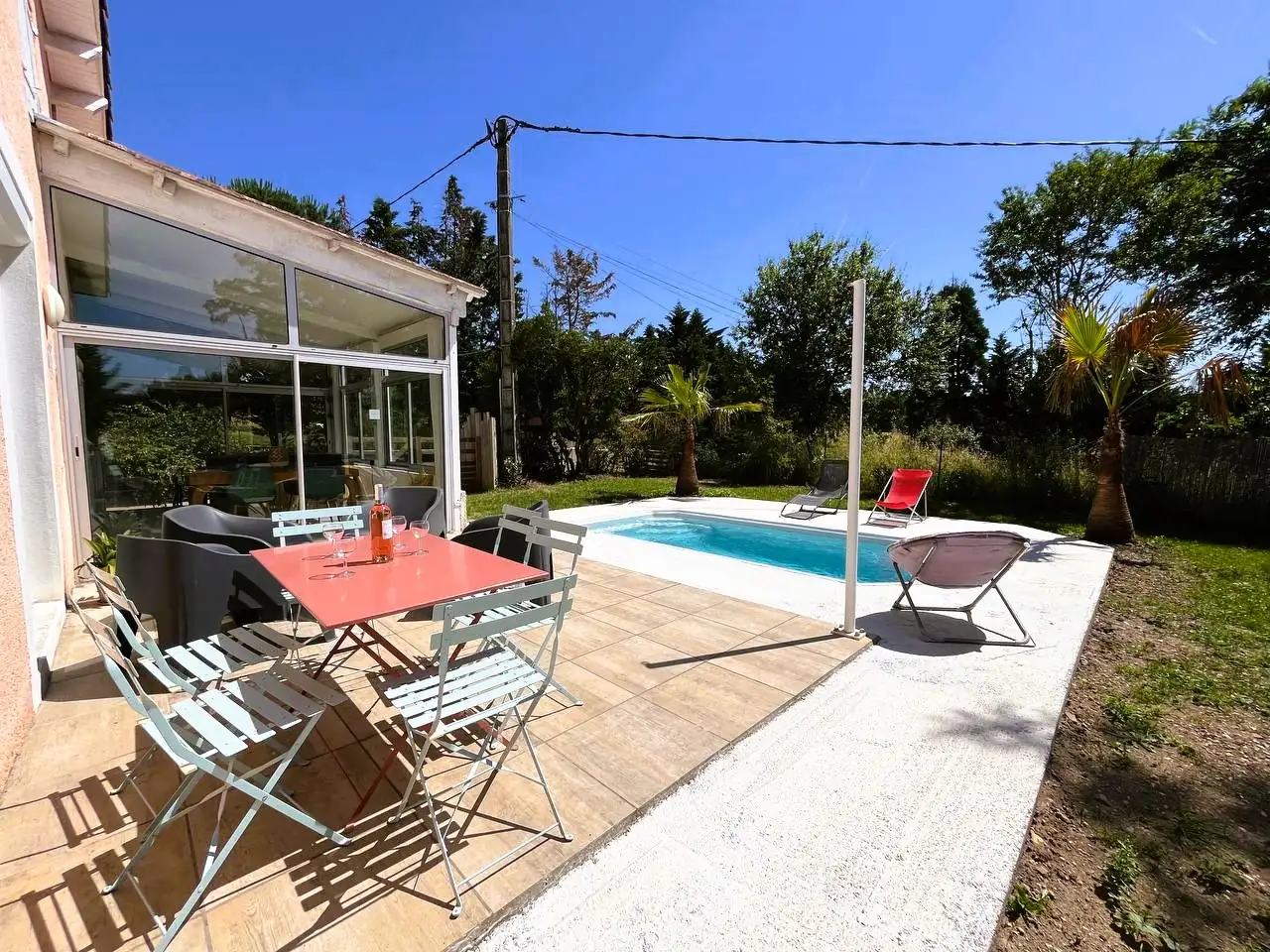
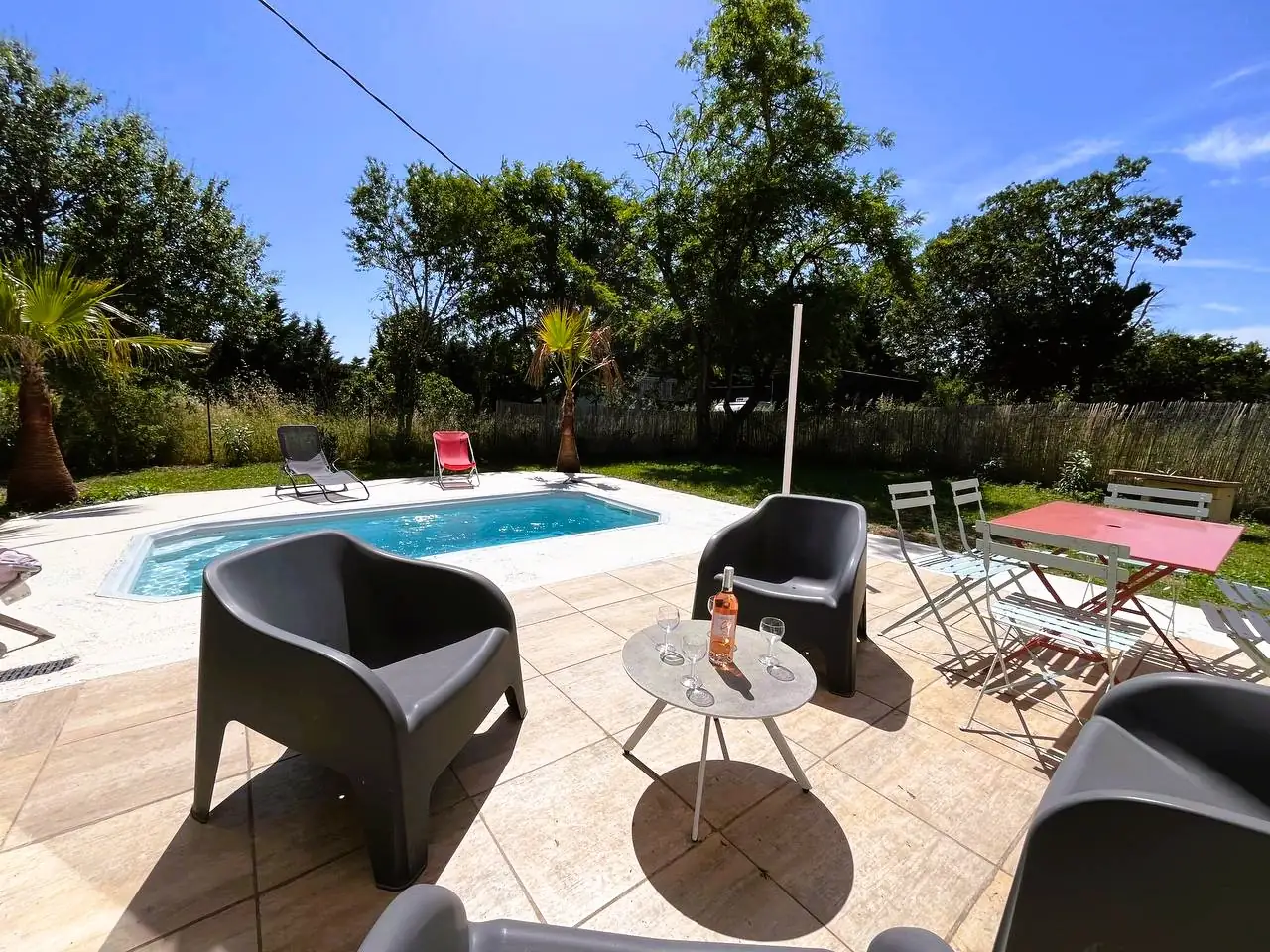
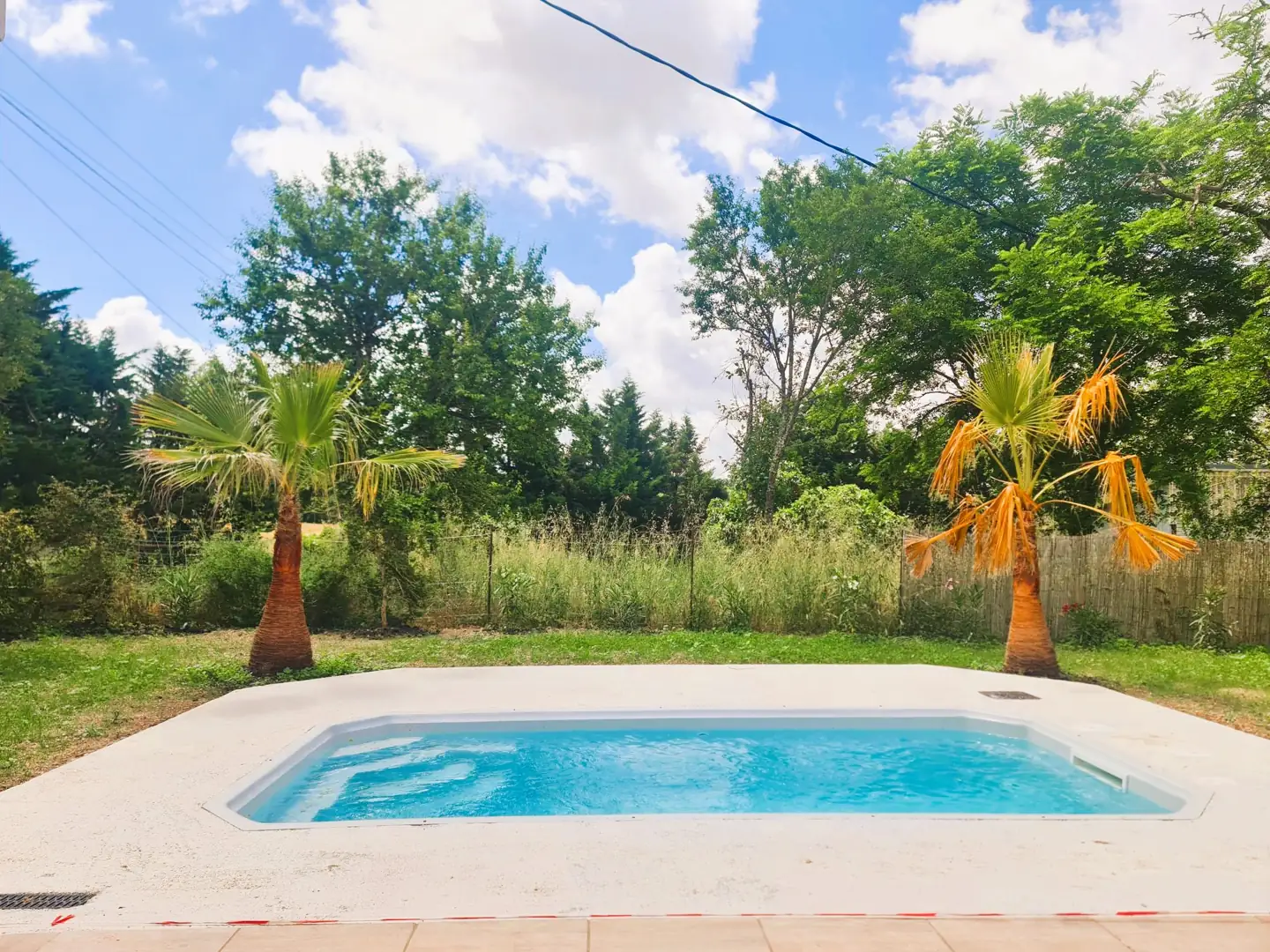
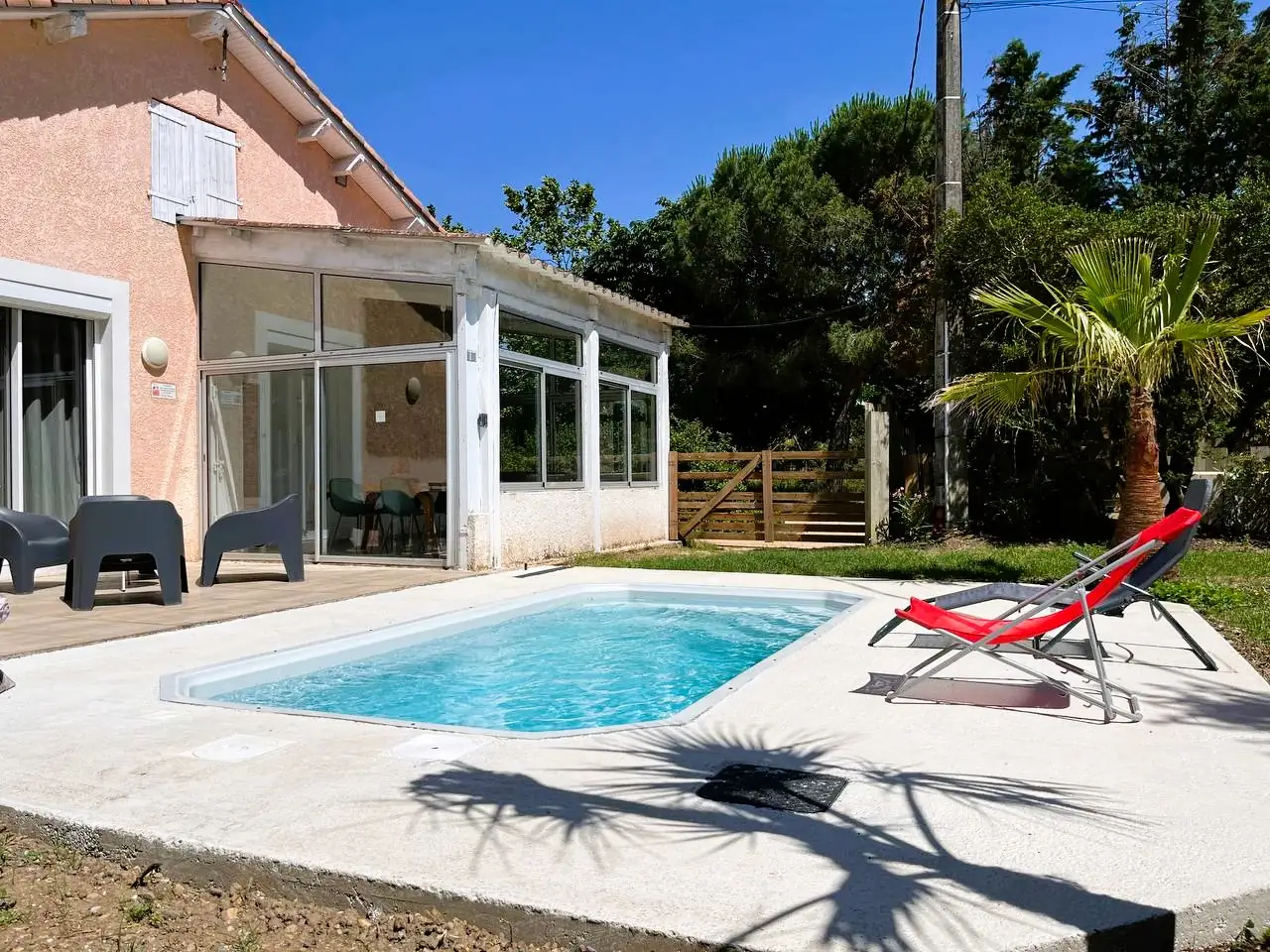
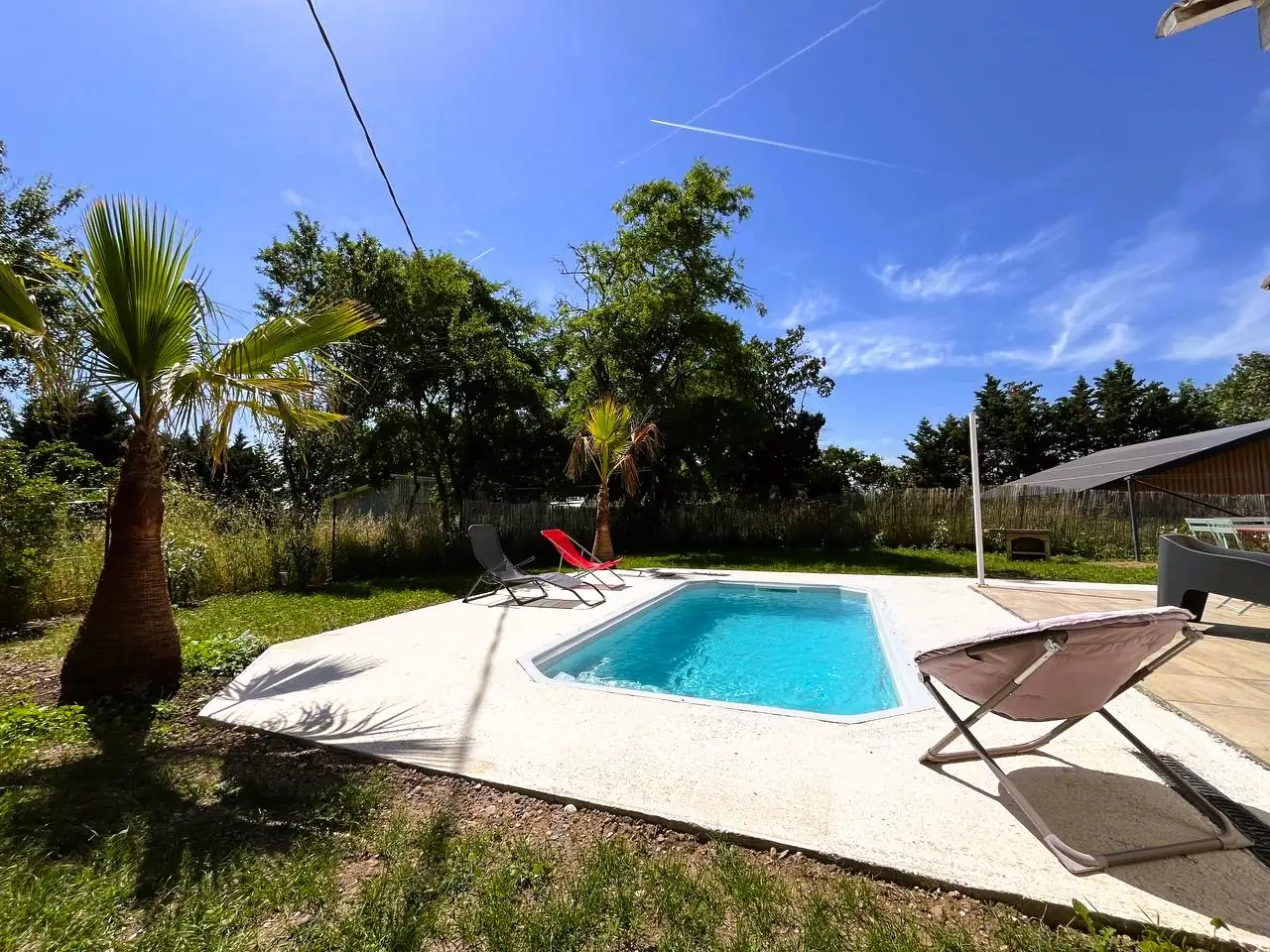
Nestled in the heart of the Tarn countryside, our first estate is home to 6 independent cottages, each with its own private heated pool. Here, time stands still. The “Les Mimines” sheep graze peacefully around the cottages, the surrounding forests invite you to explore, and the silence is broken only by birdsong.
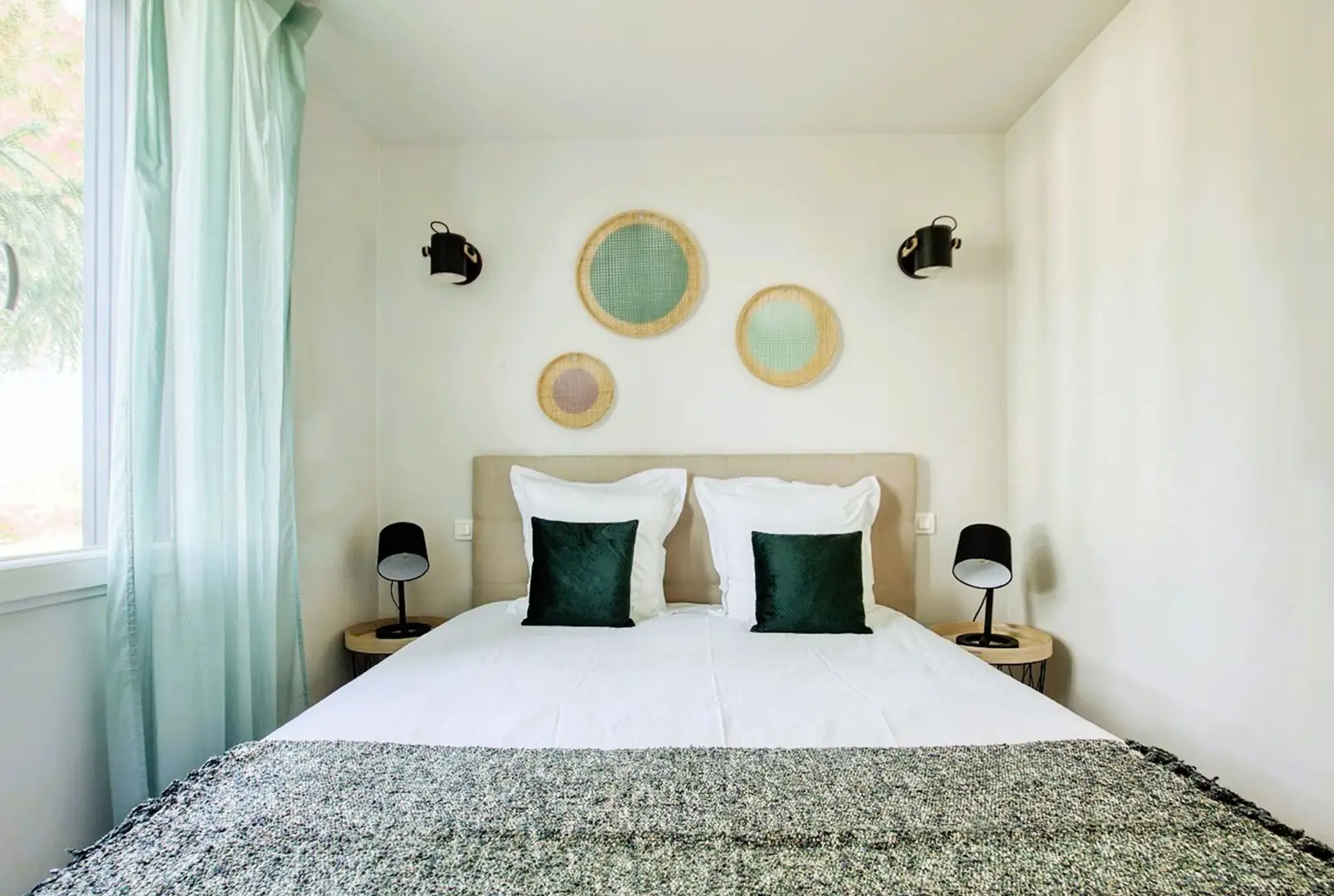
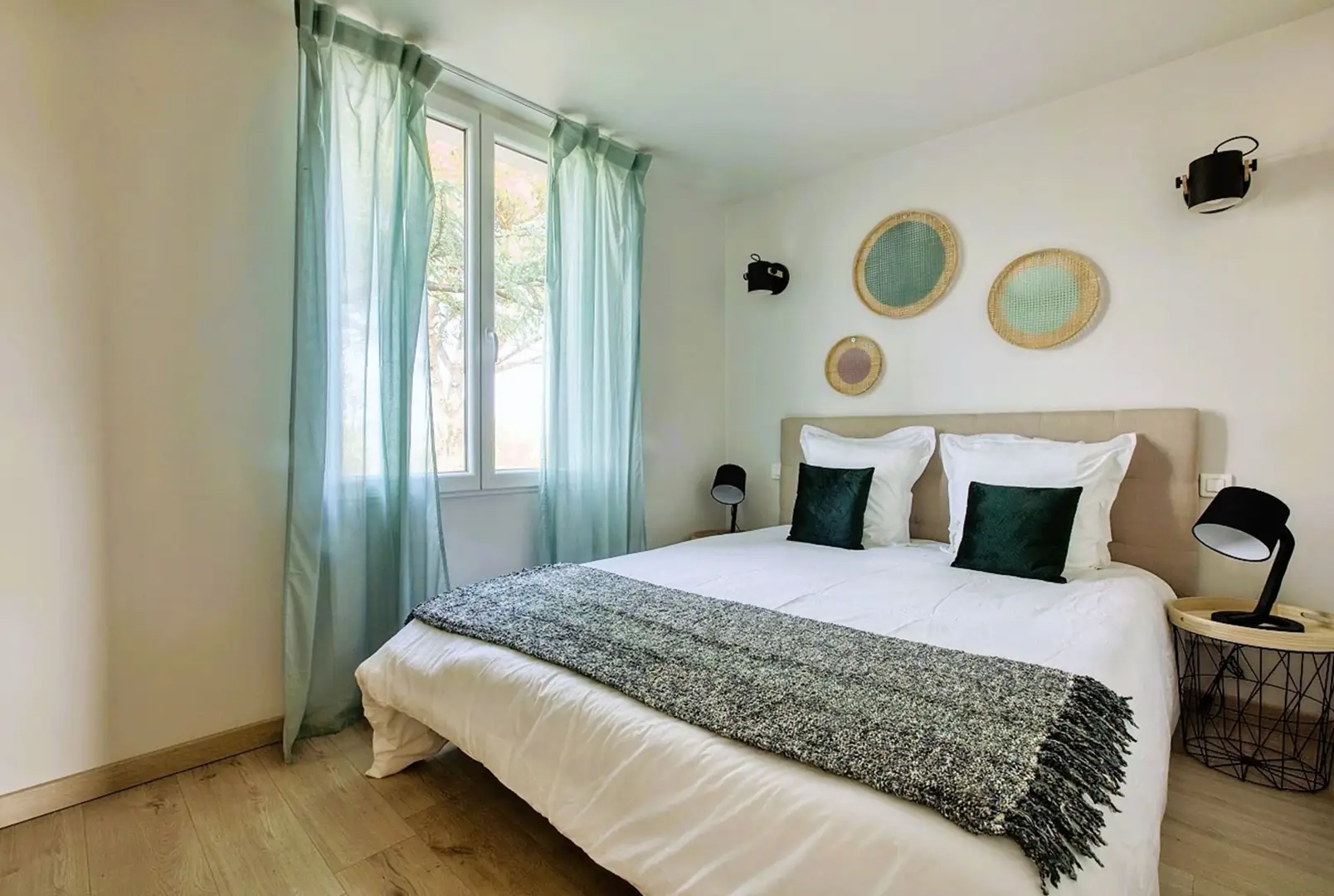
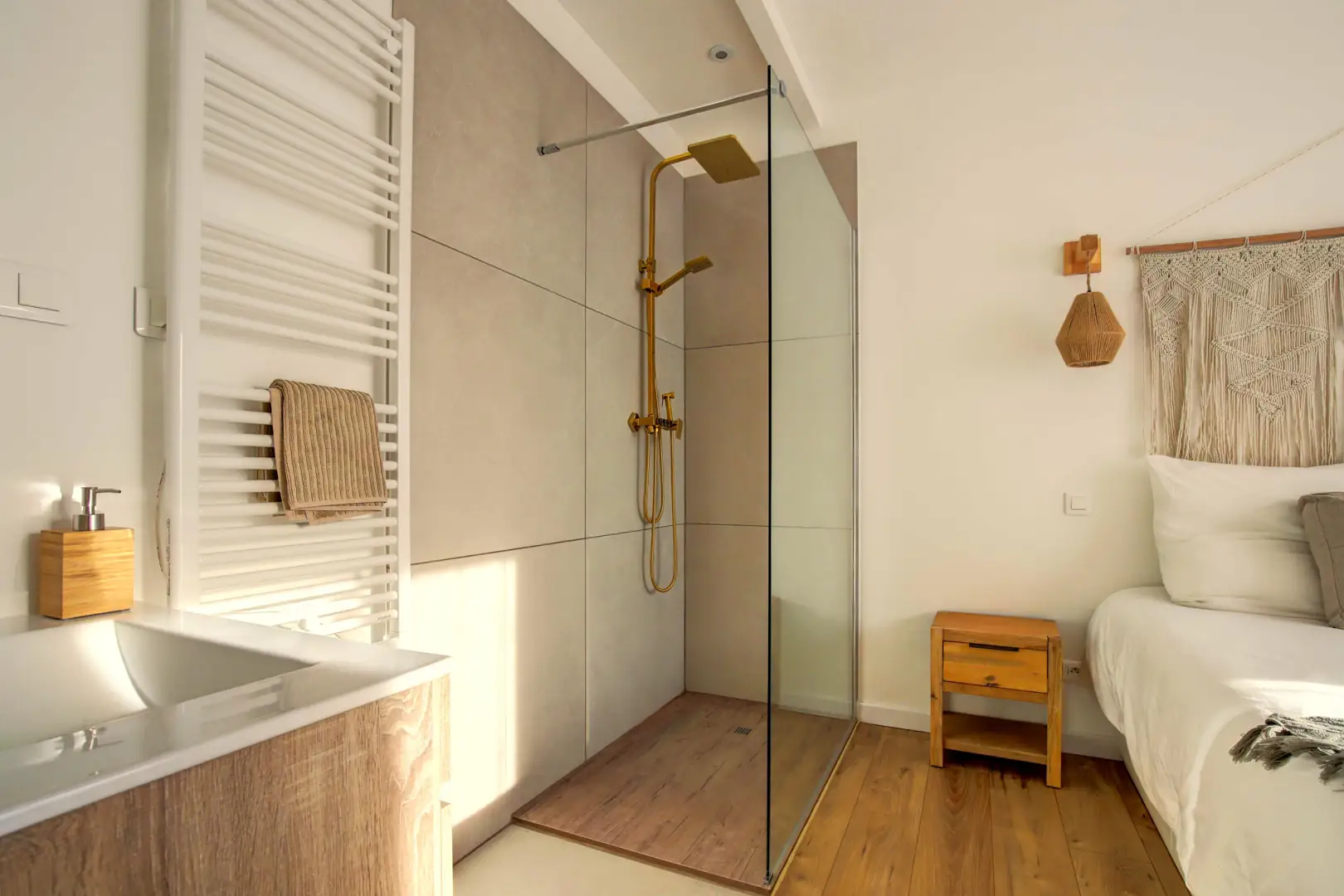
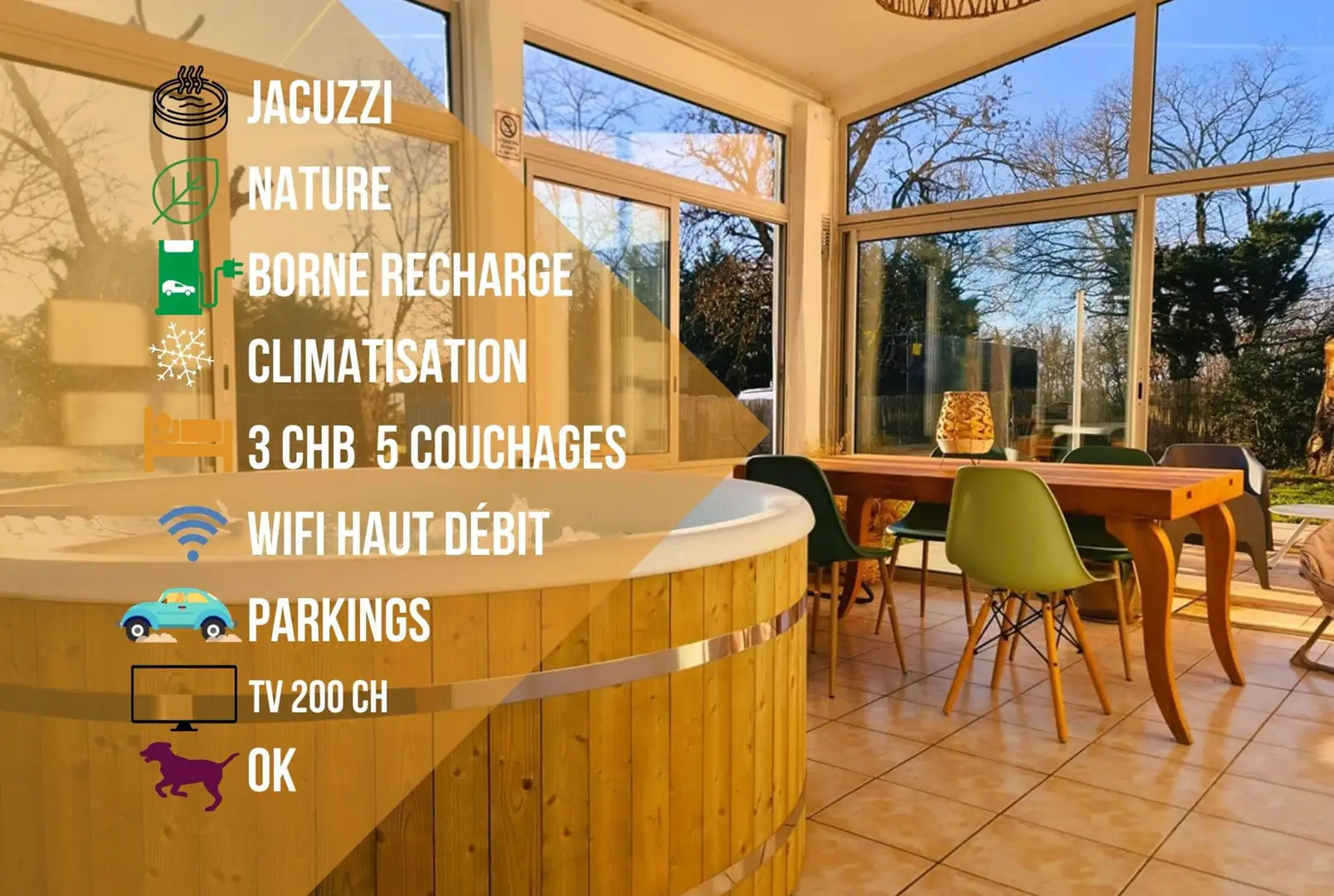
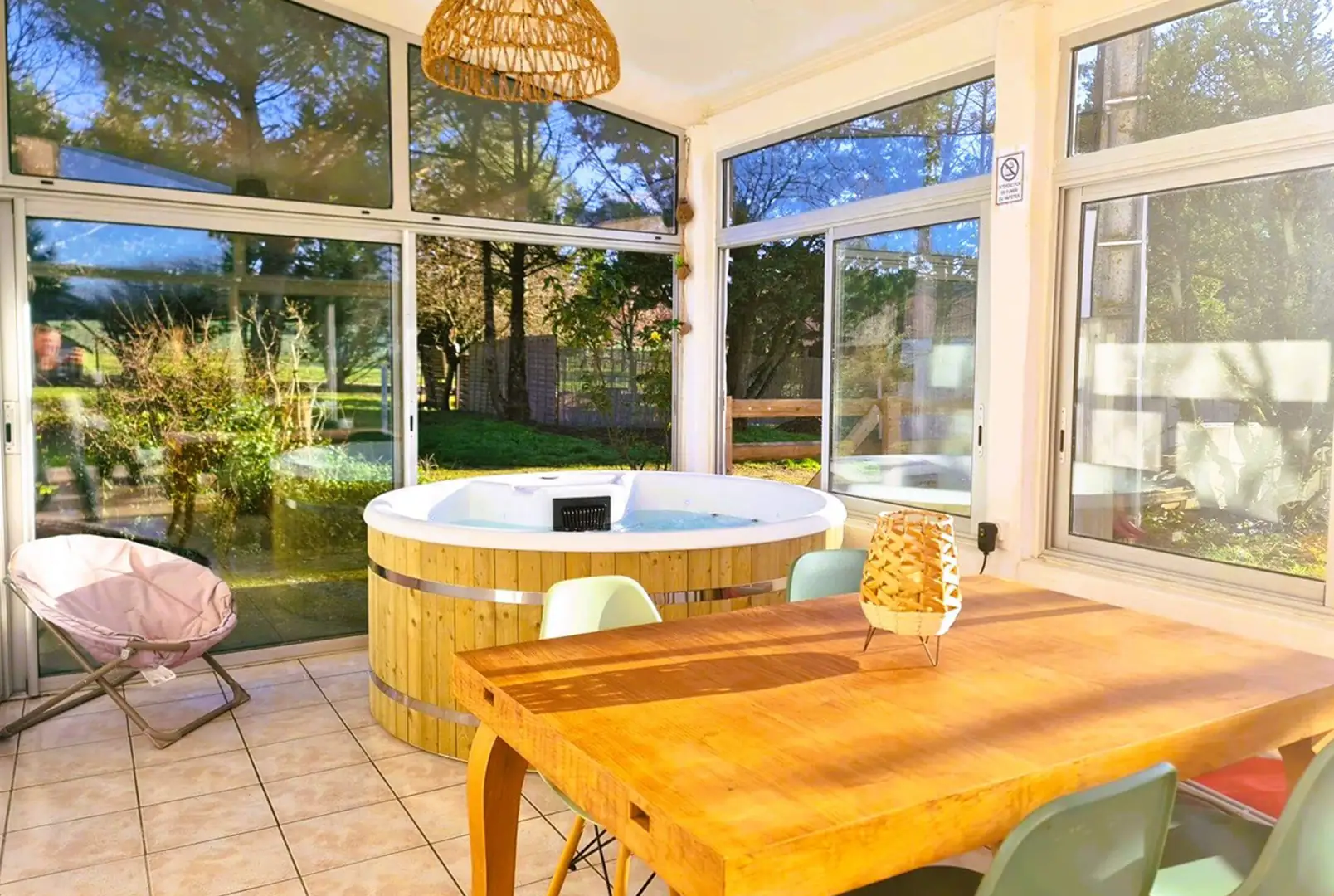
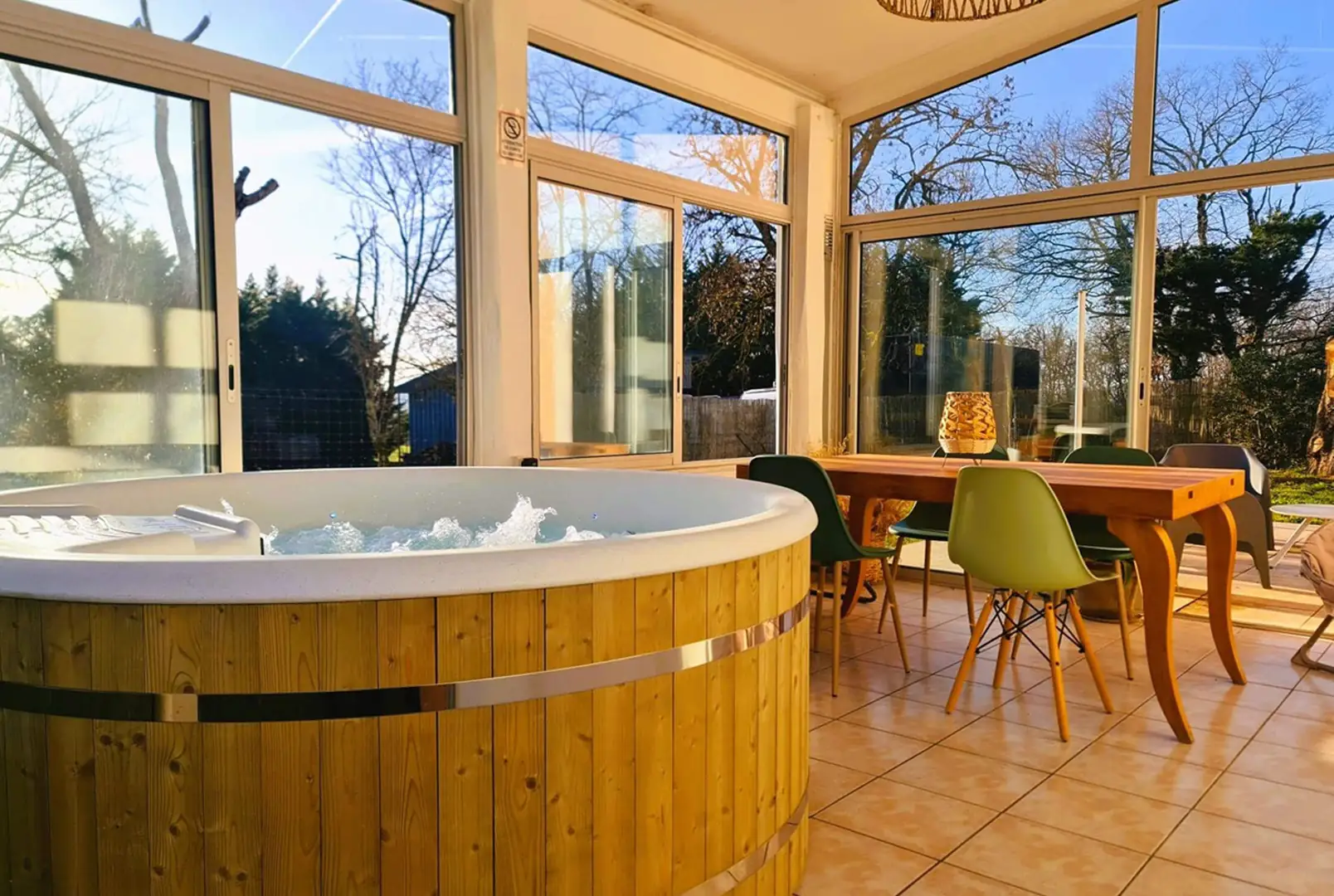
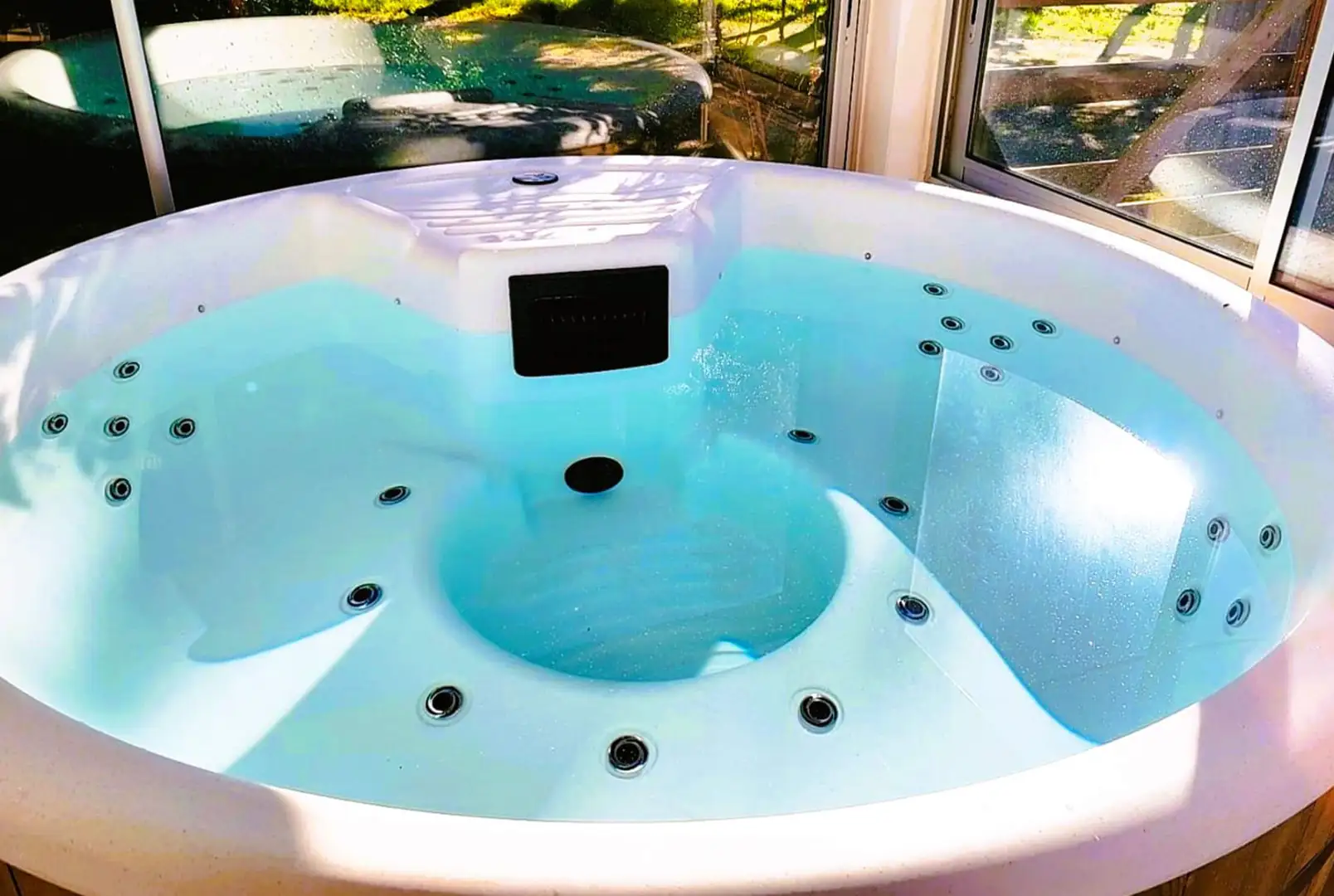
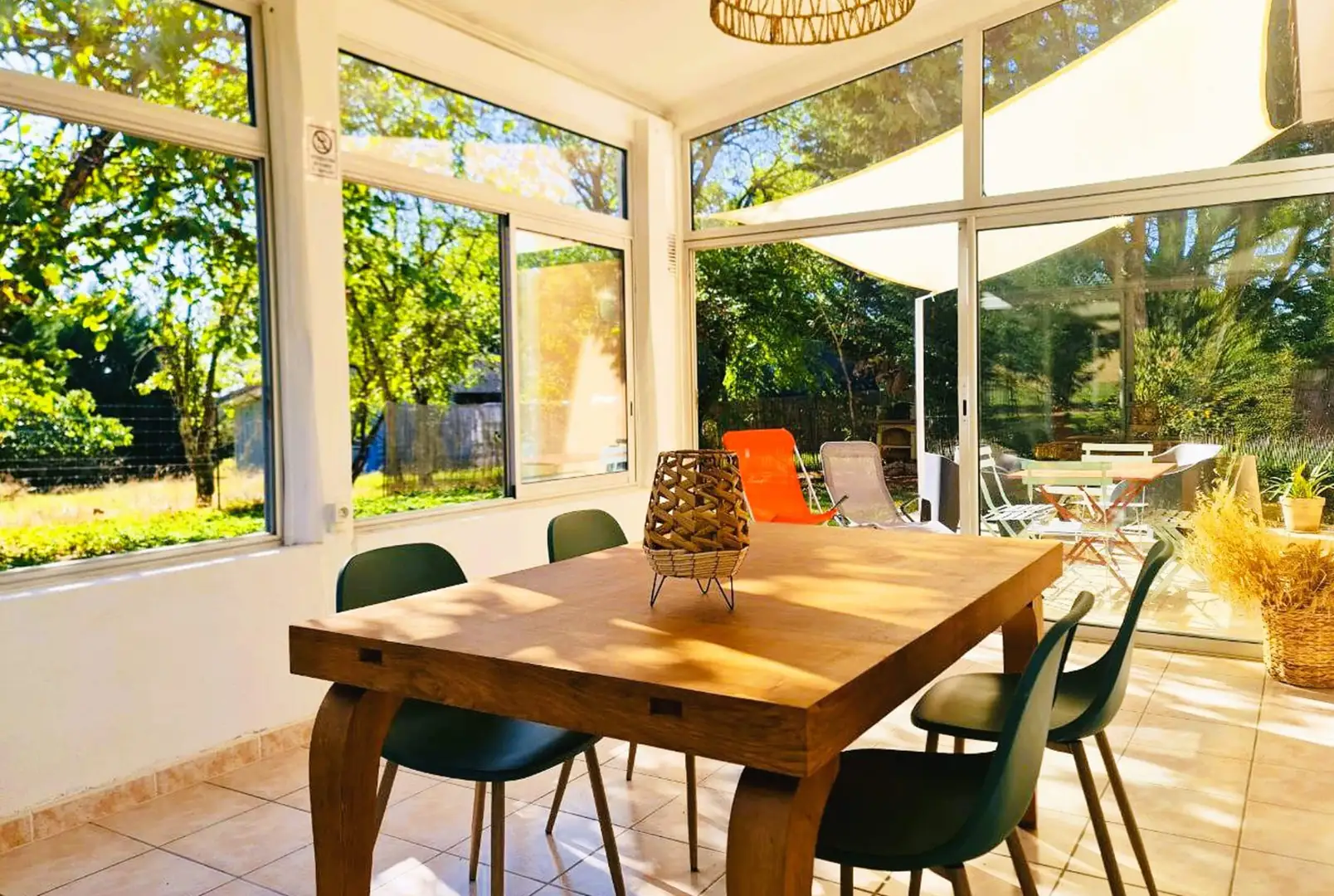
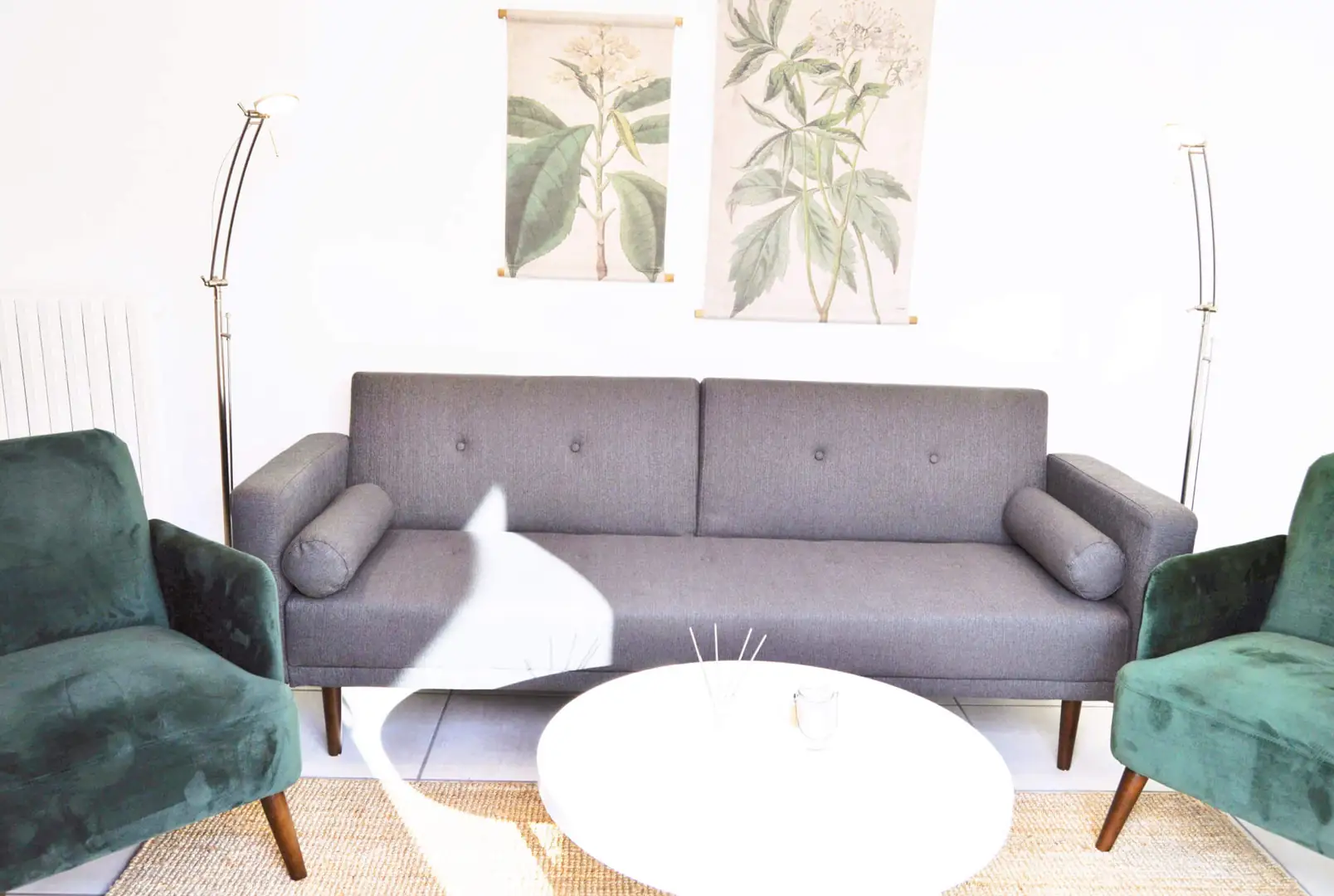
- 🛁 Cottage de l’Art de Bien-Être — Master suite, jacuzzi, private heated pool, veranda, access to the L’Art de Bien-Être wellness centre
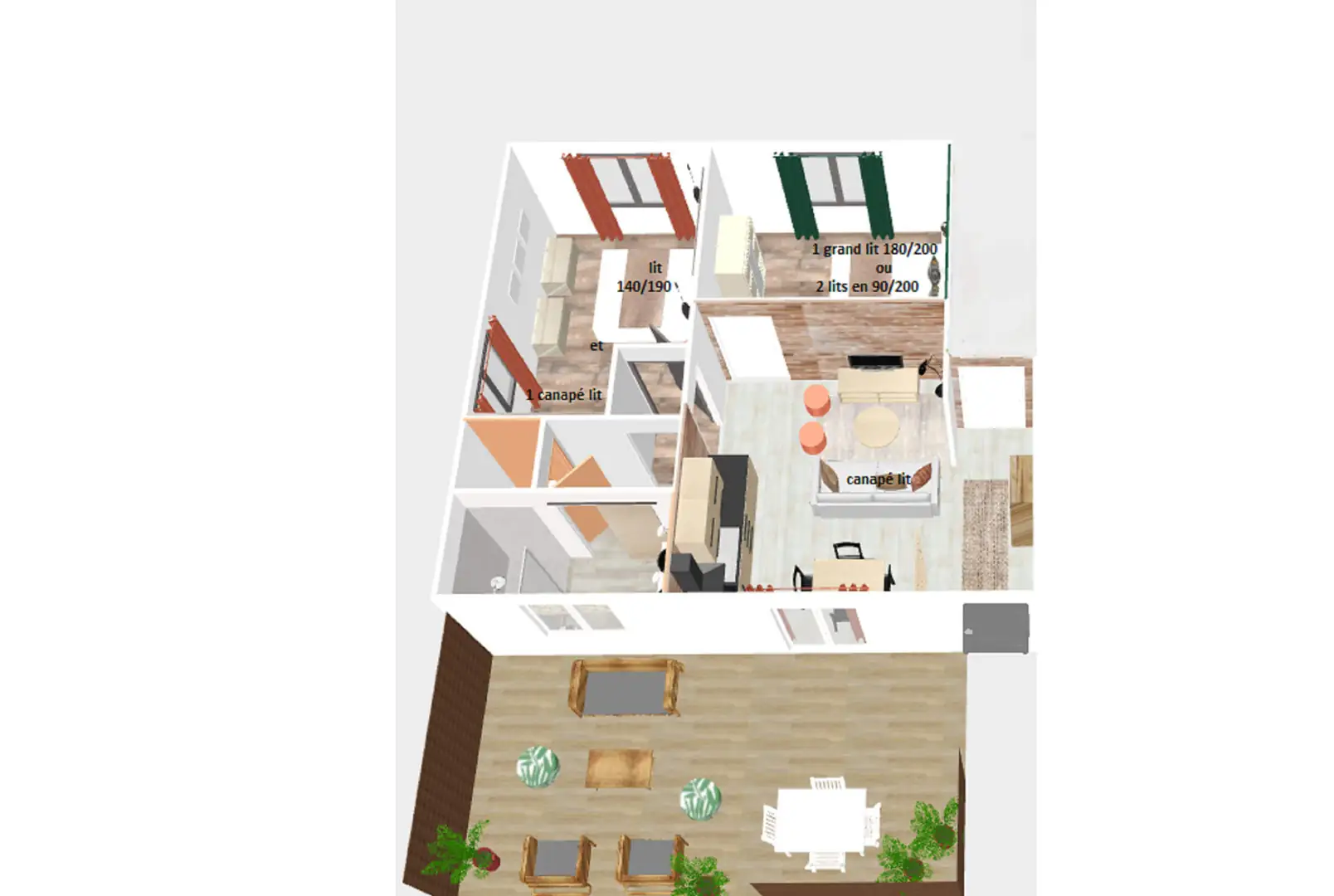
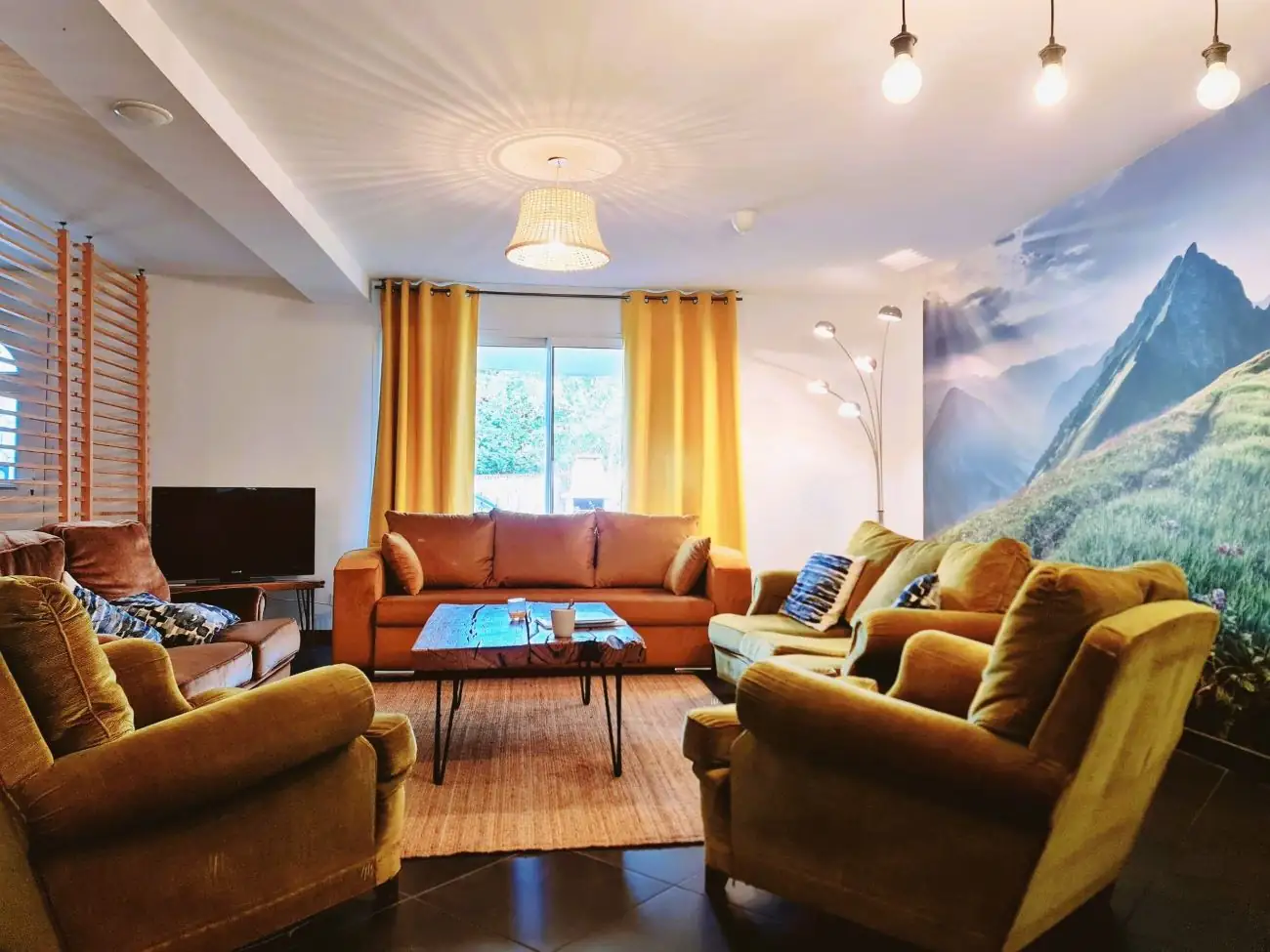
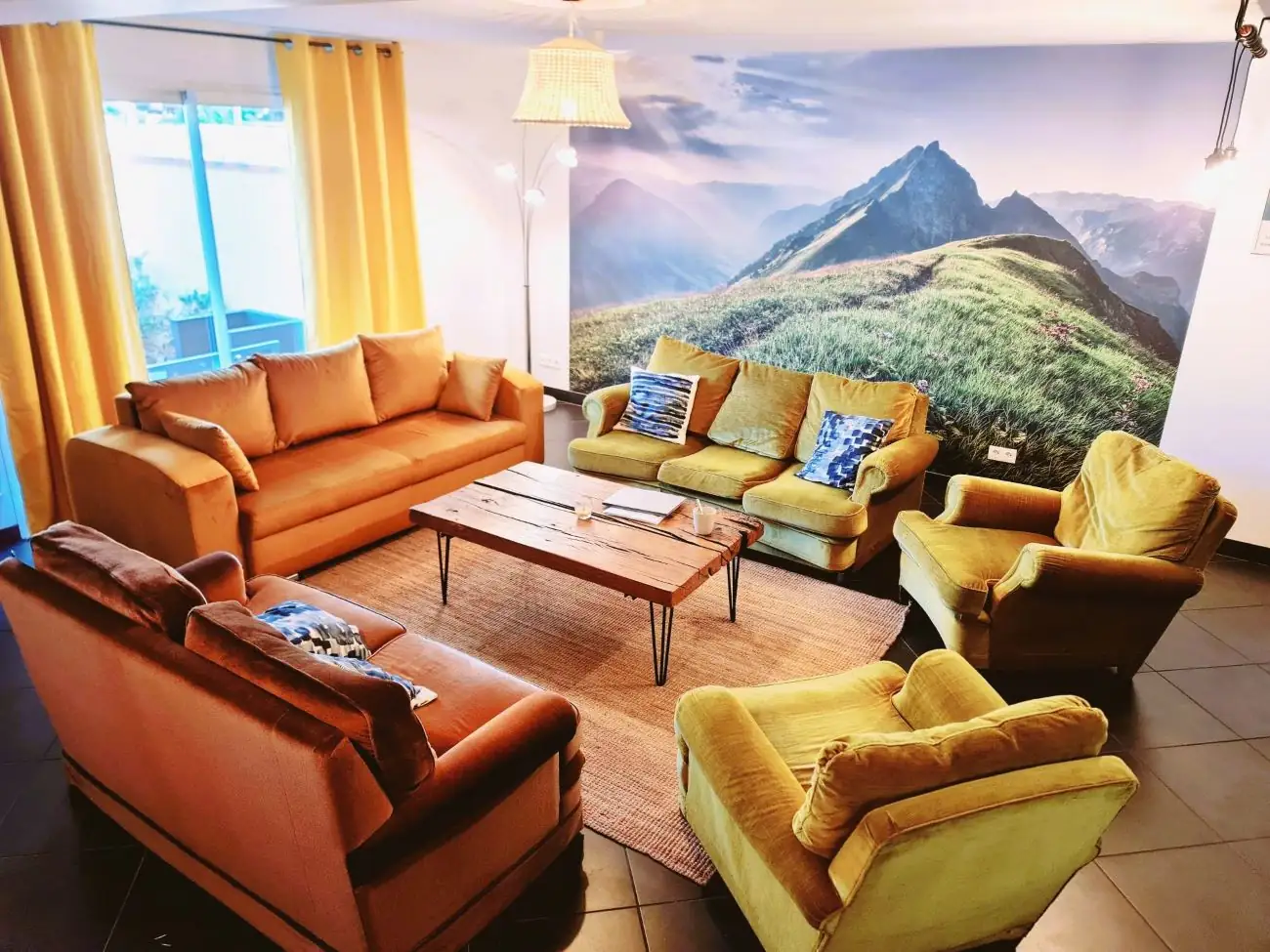
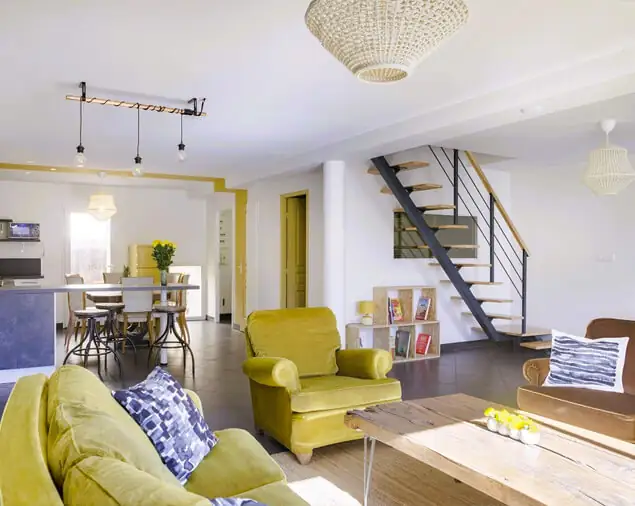
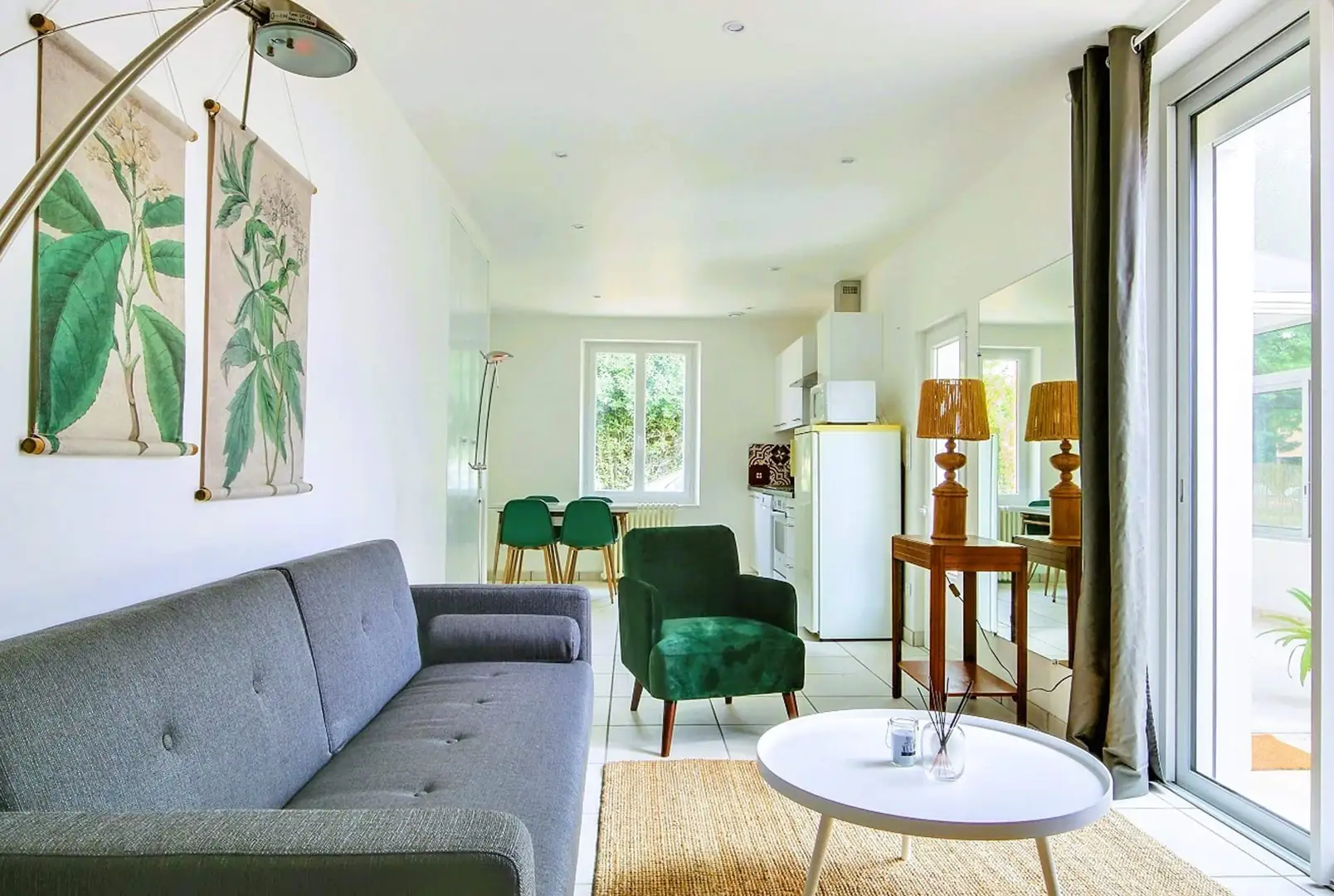
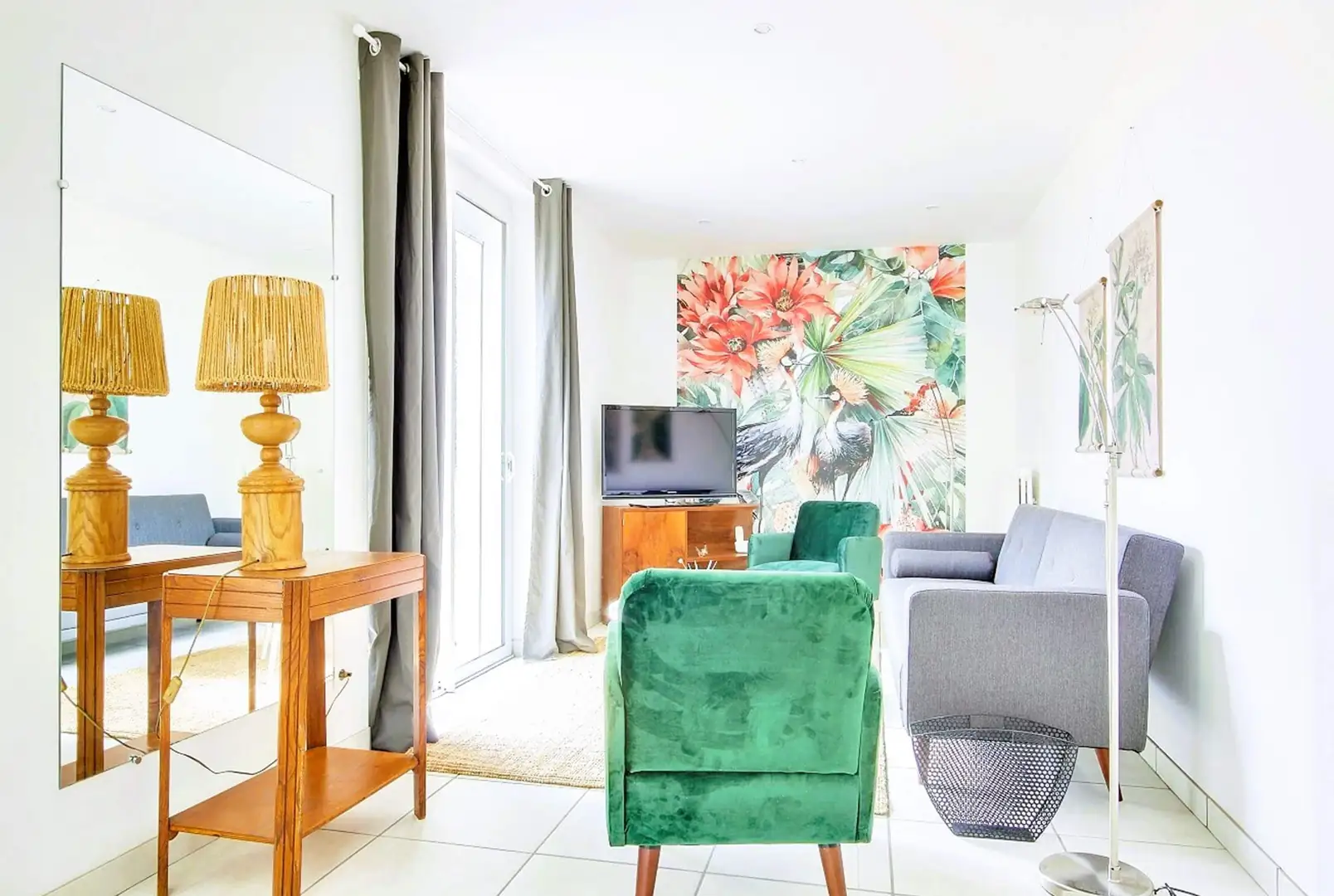
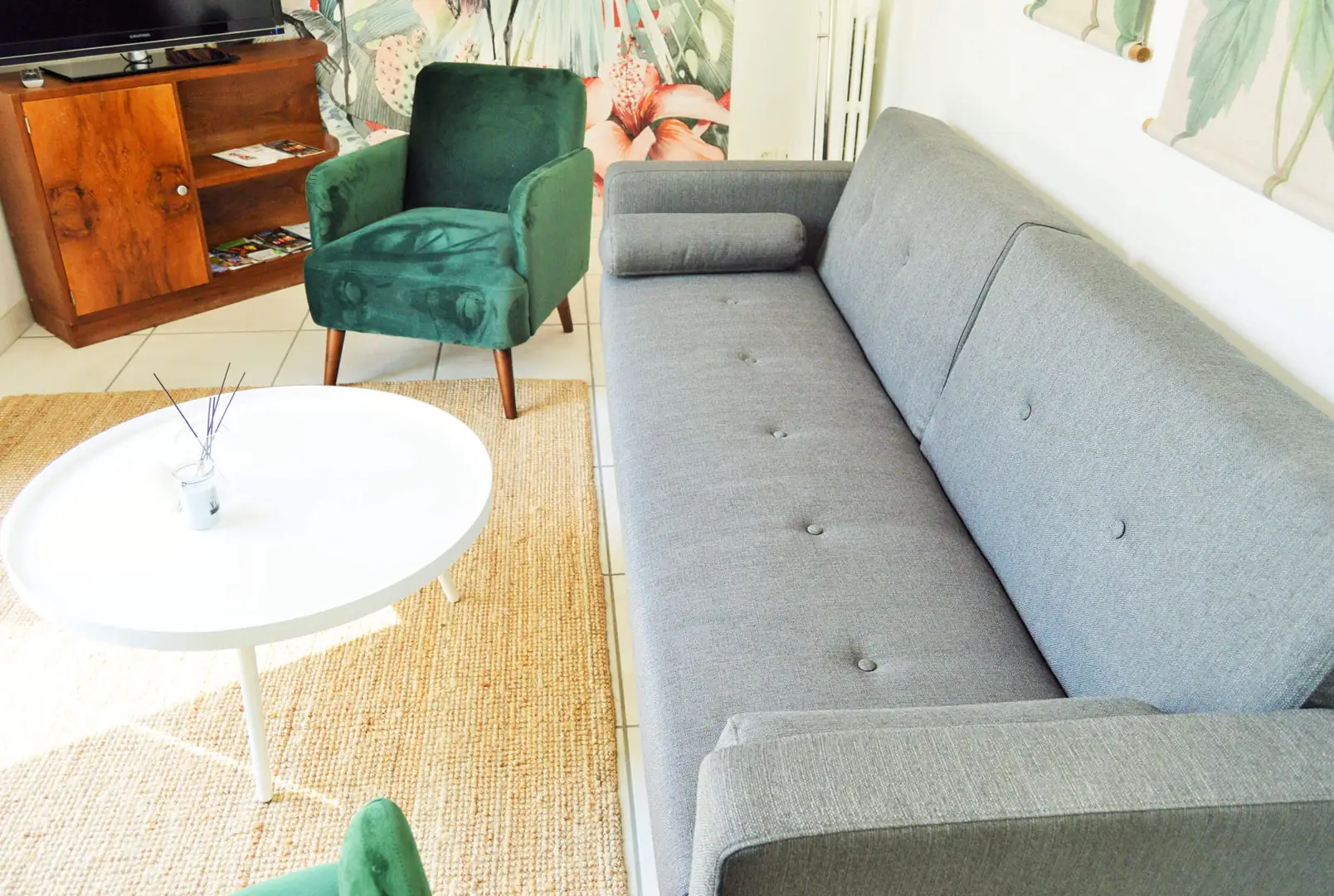
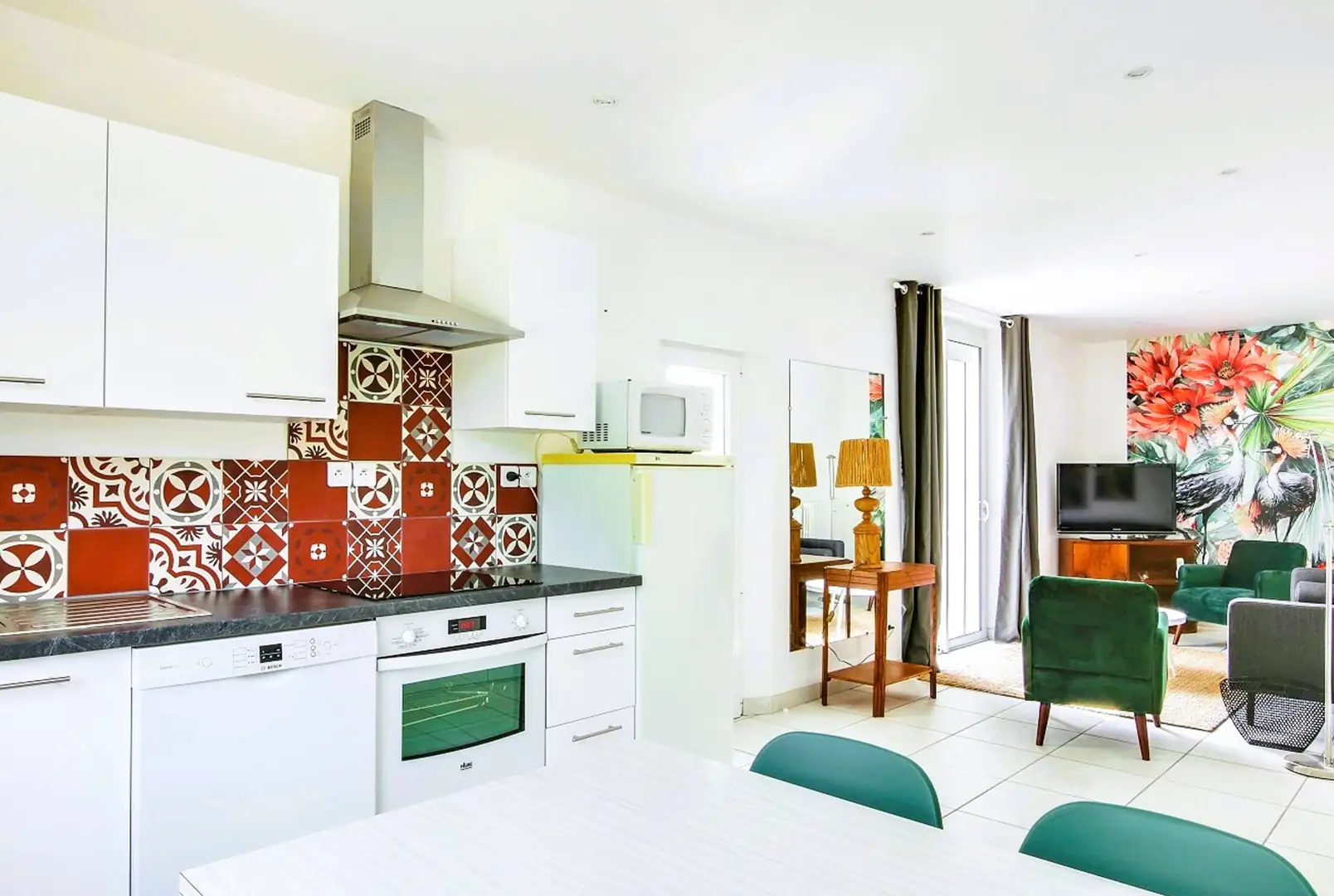
- 🌿 Loft Nature Bien-Être — Open-plan living space, private pool, ideal for families
- 🏡 L’Appart Nature Bien-Être — Authentic charm, large garden, private pool
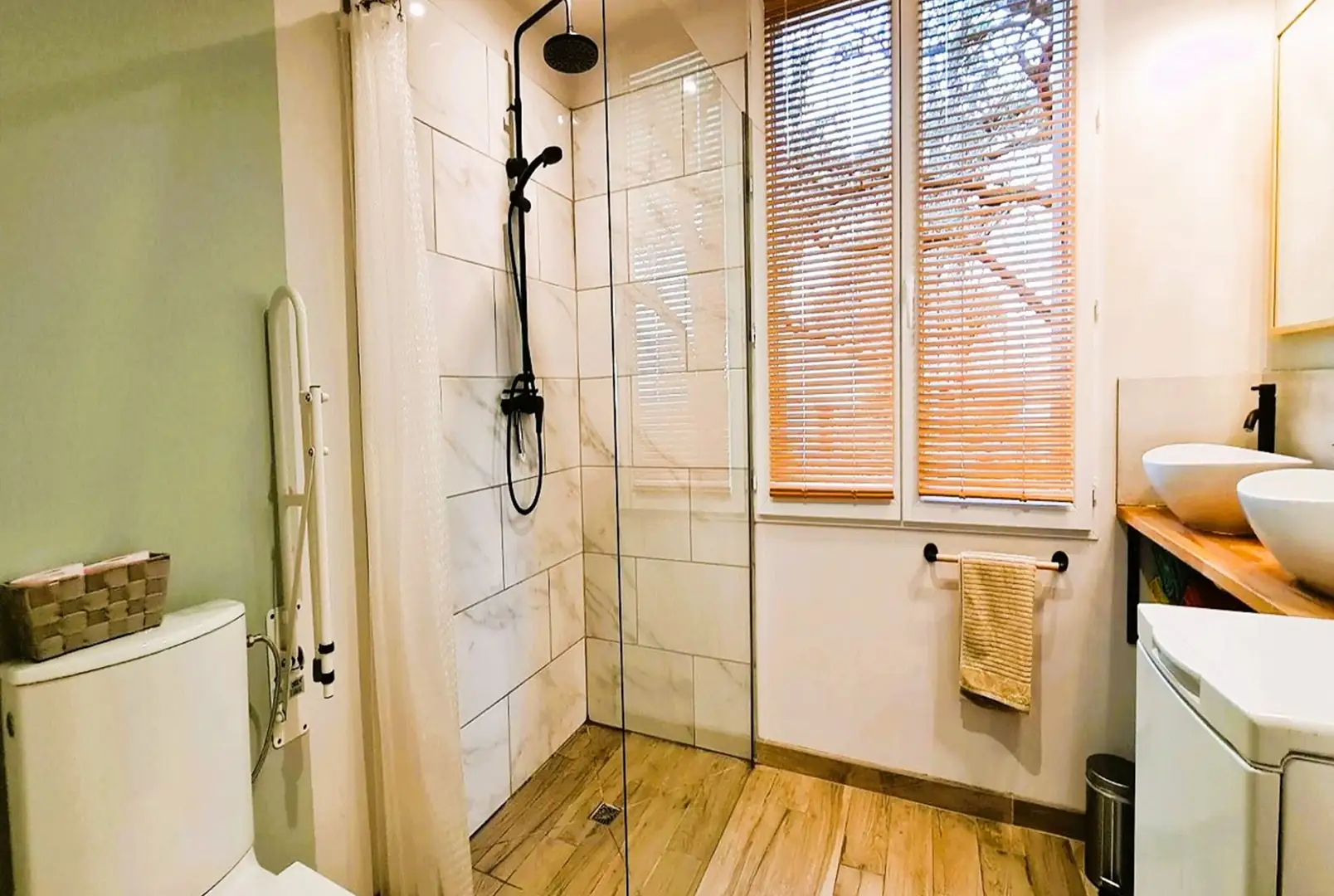
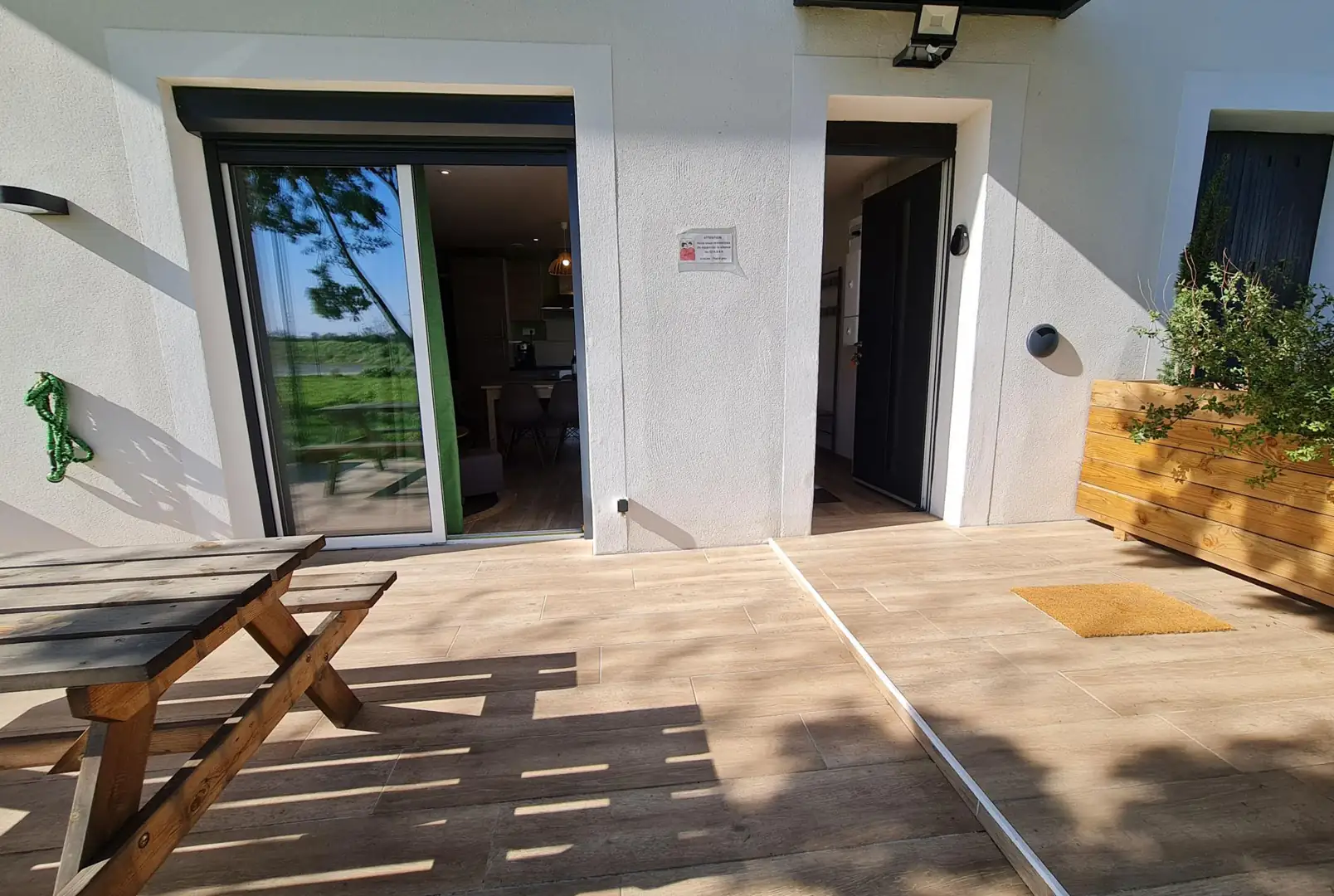
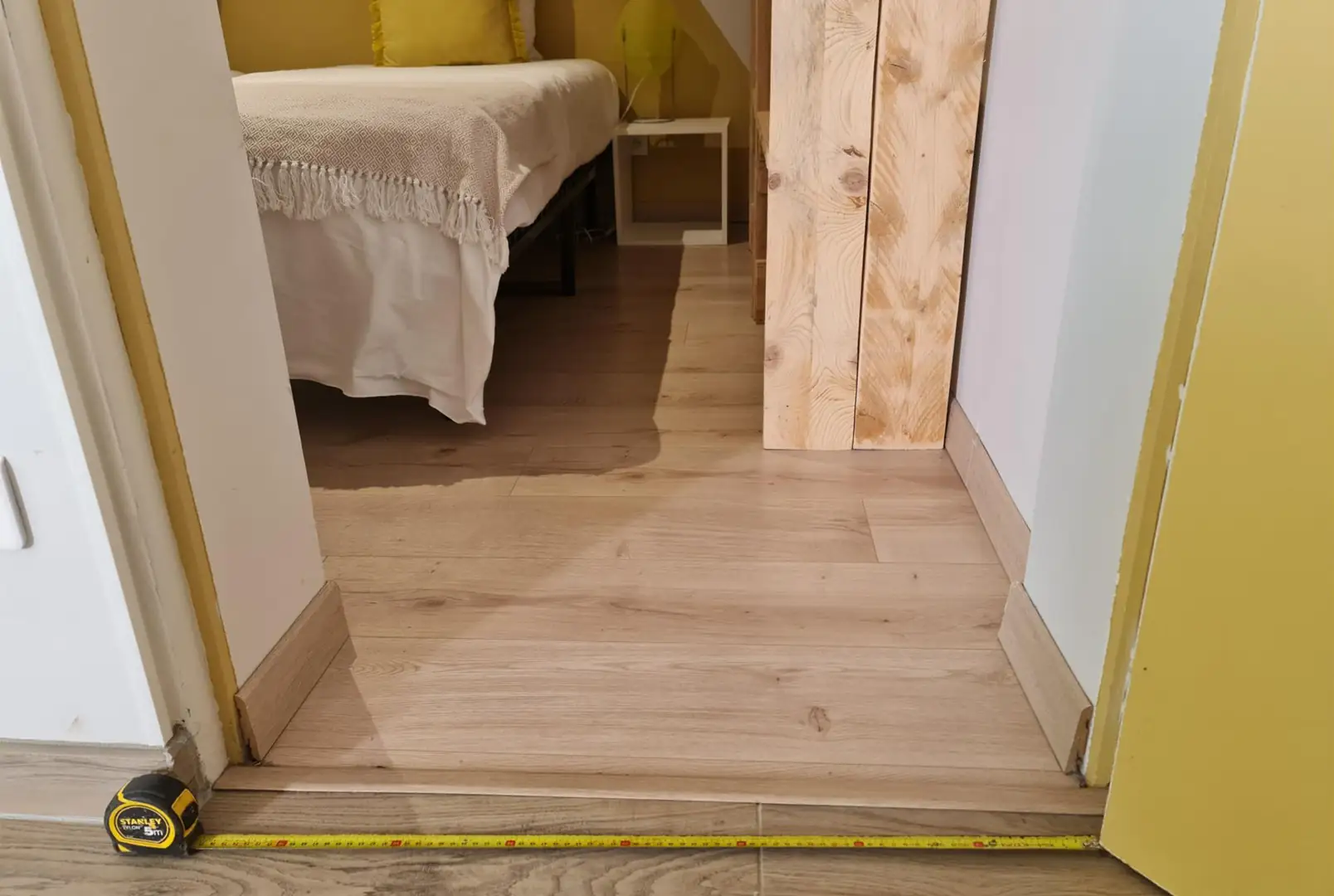
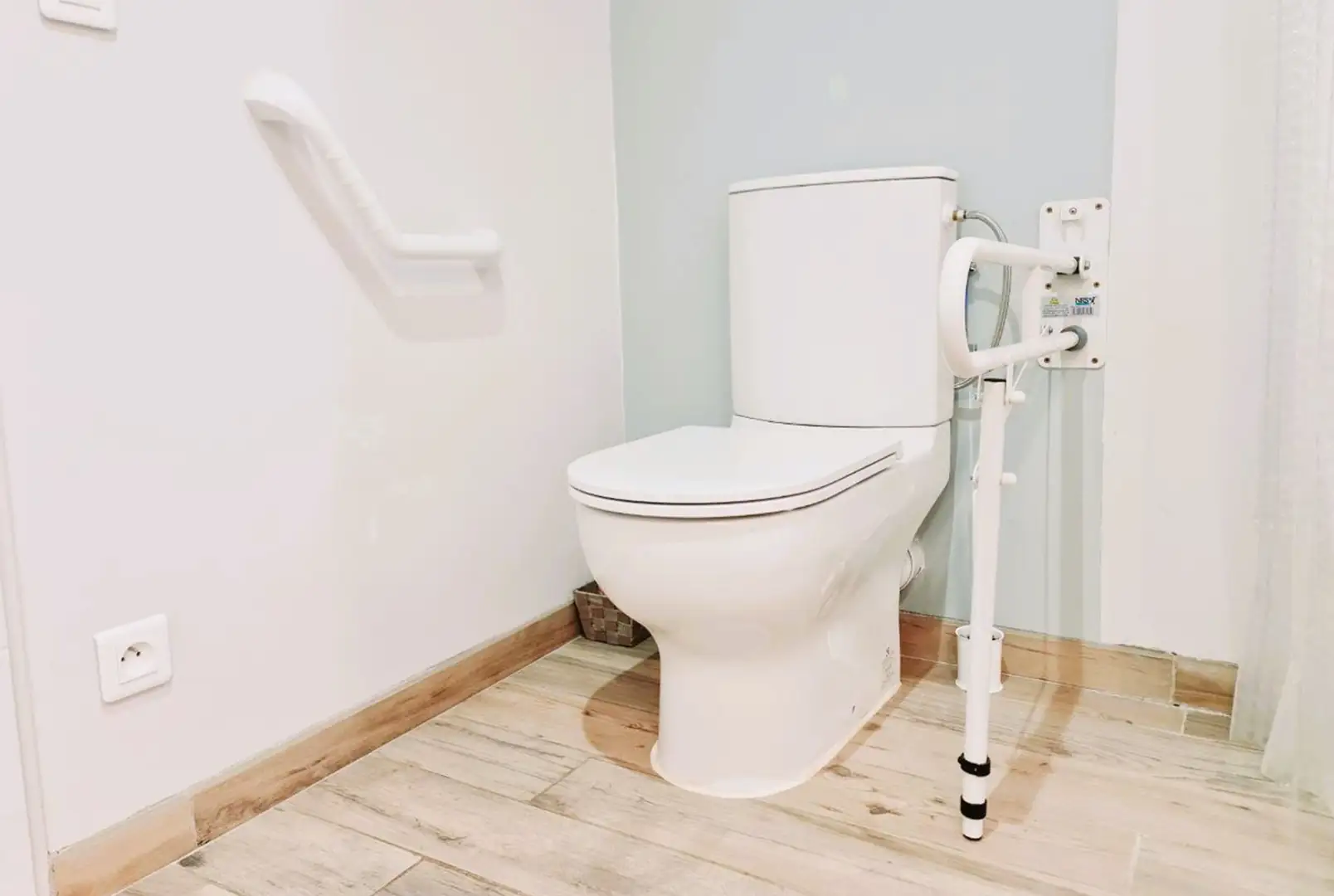
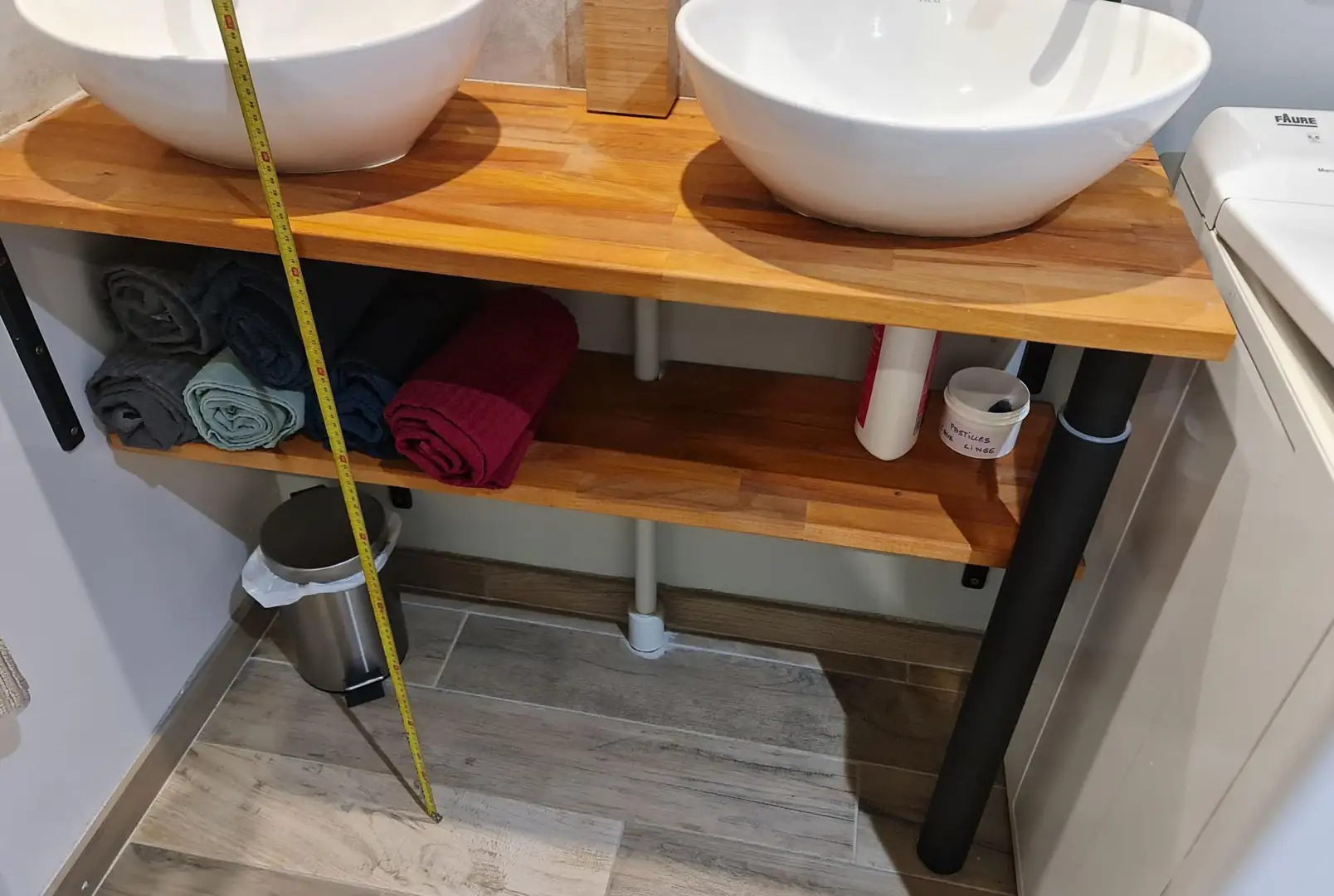
- ♿ Le Grand Cottage Nature Bien-Être — Wheelchair accessible, large capacity, private pool
- 🌸 Le Cottage Bohème — Bohemian spirit, surrounded by nature, private pool
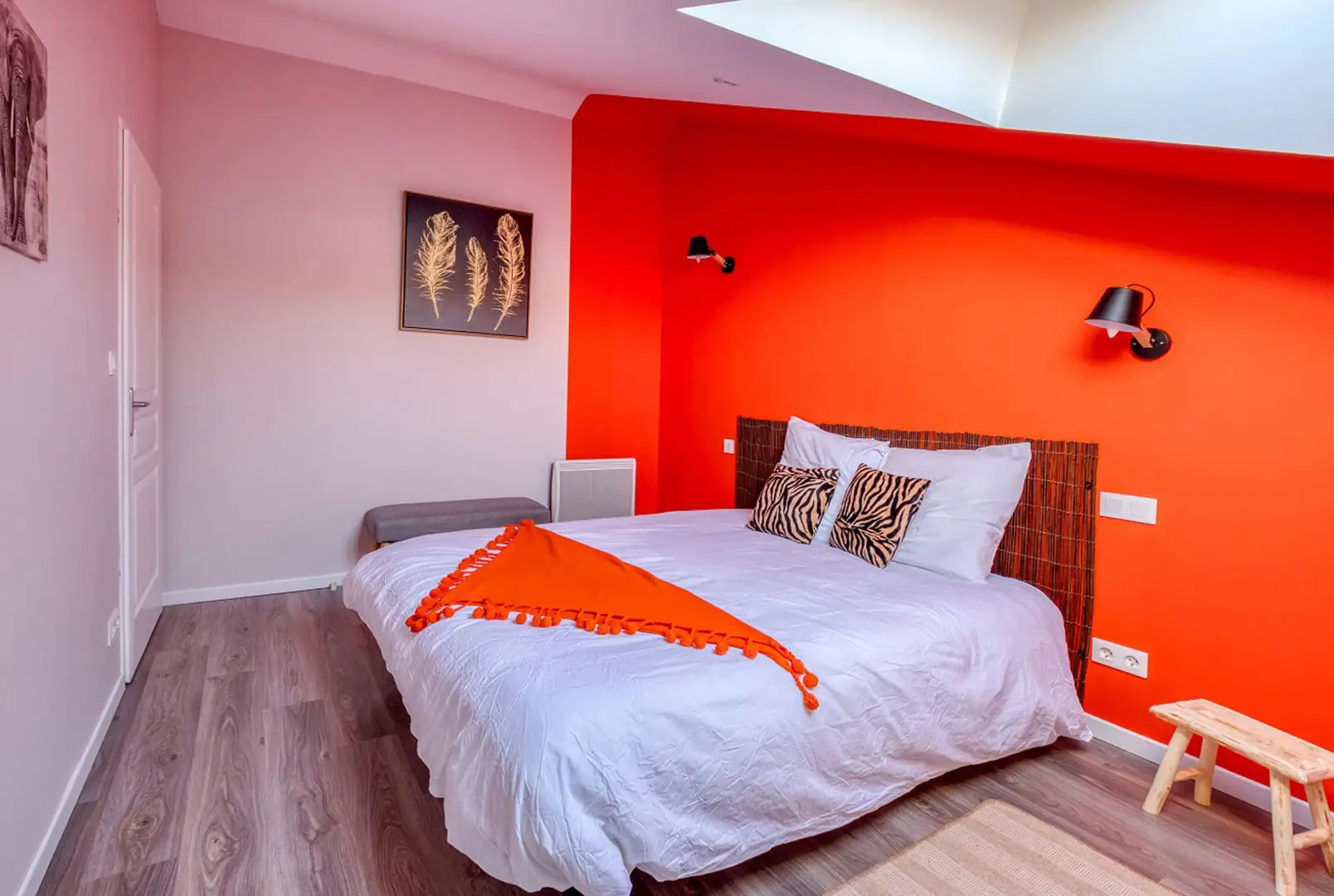
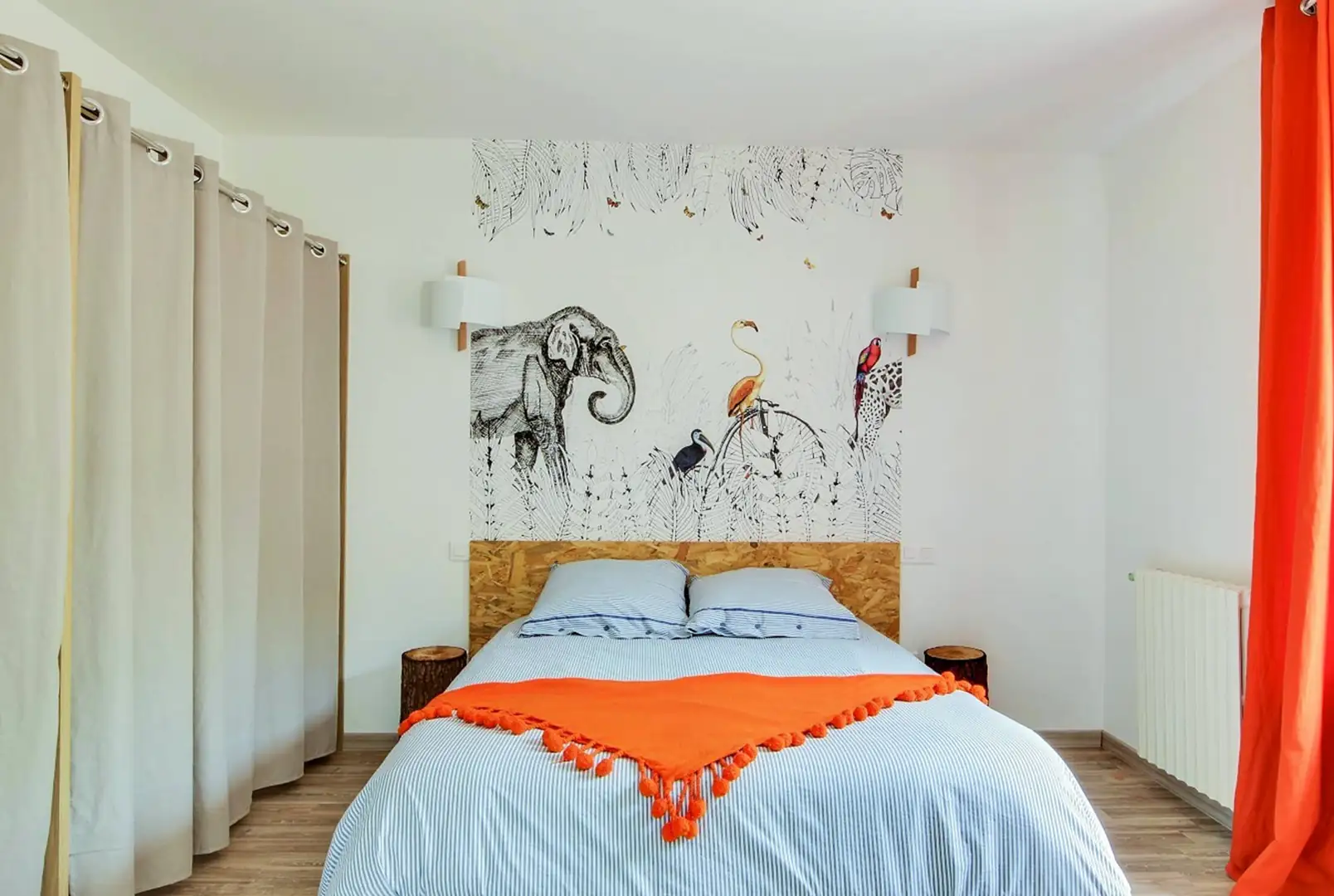
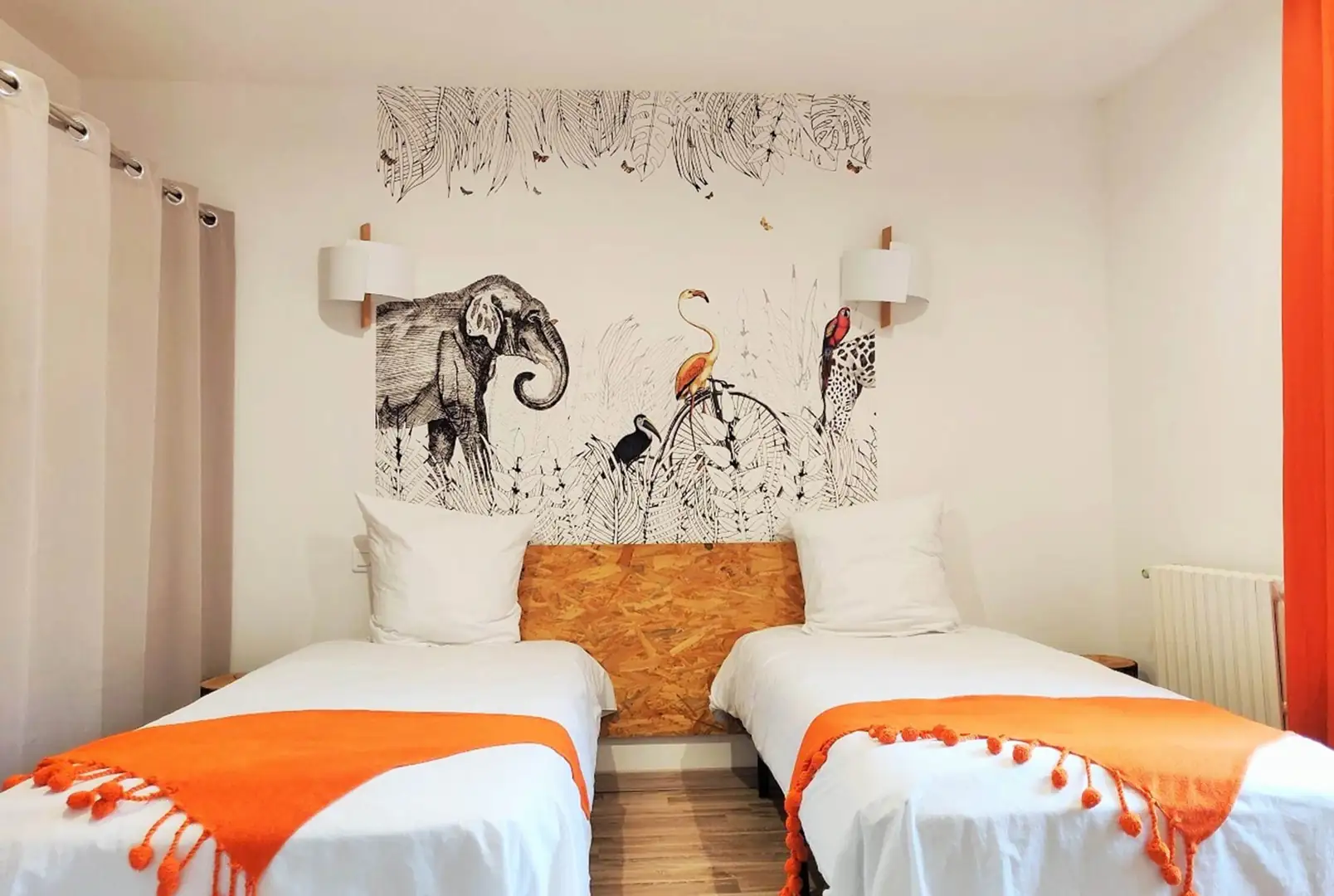
- 🦁 Le Safari (new 2026) — Immersive safari theme, private hammam, panoramic views, private pool
🍇 Brens Estate — The Art of Living Among the Vines
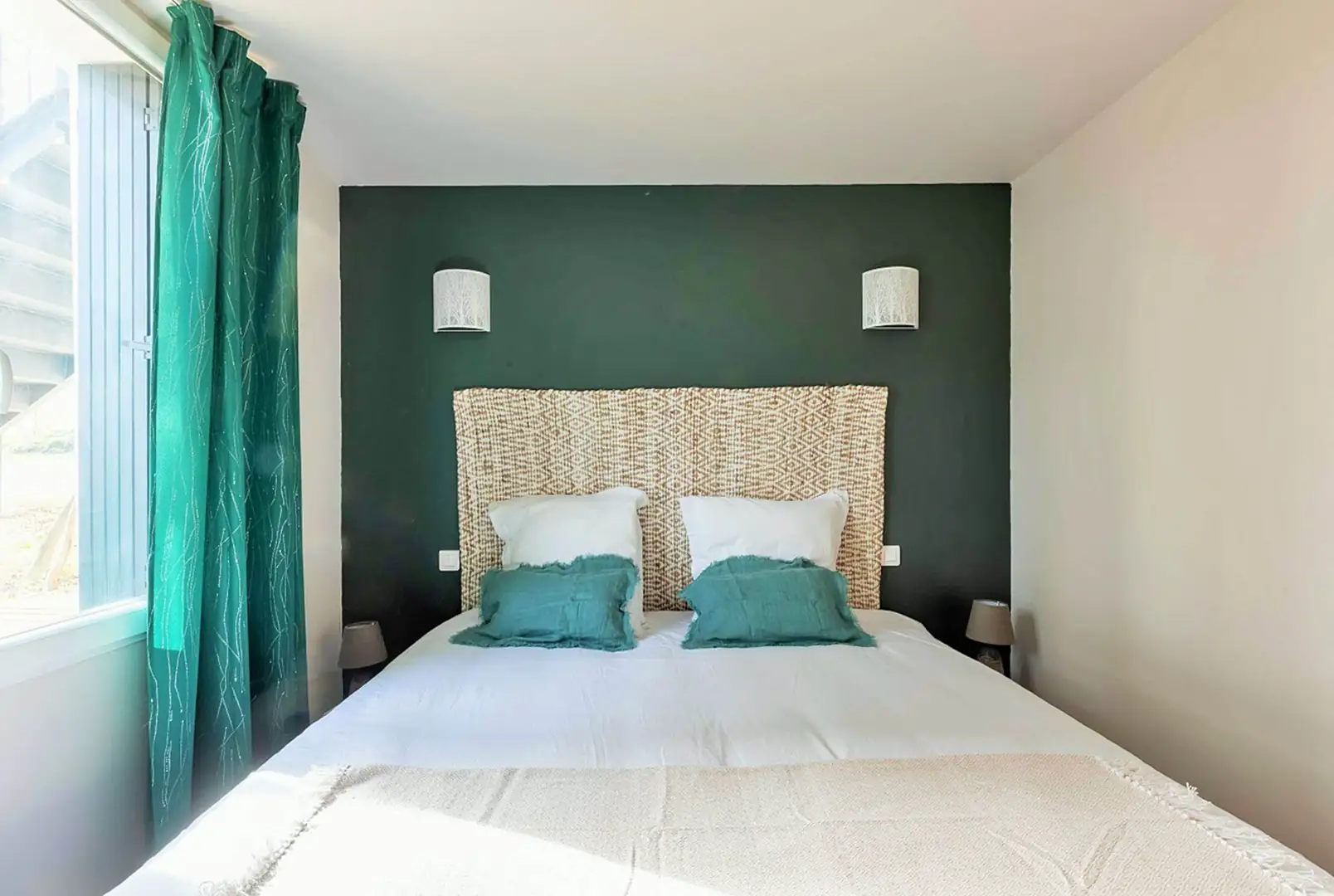
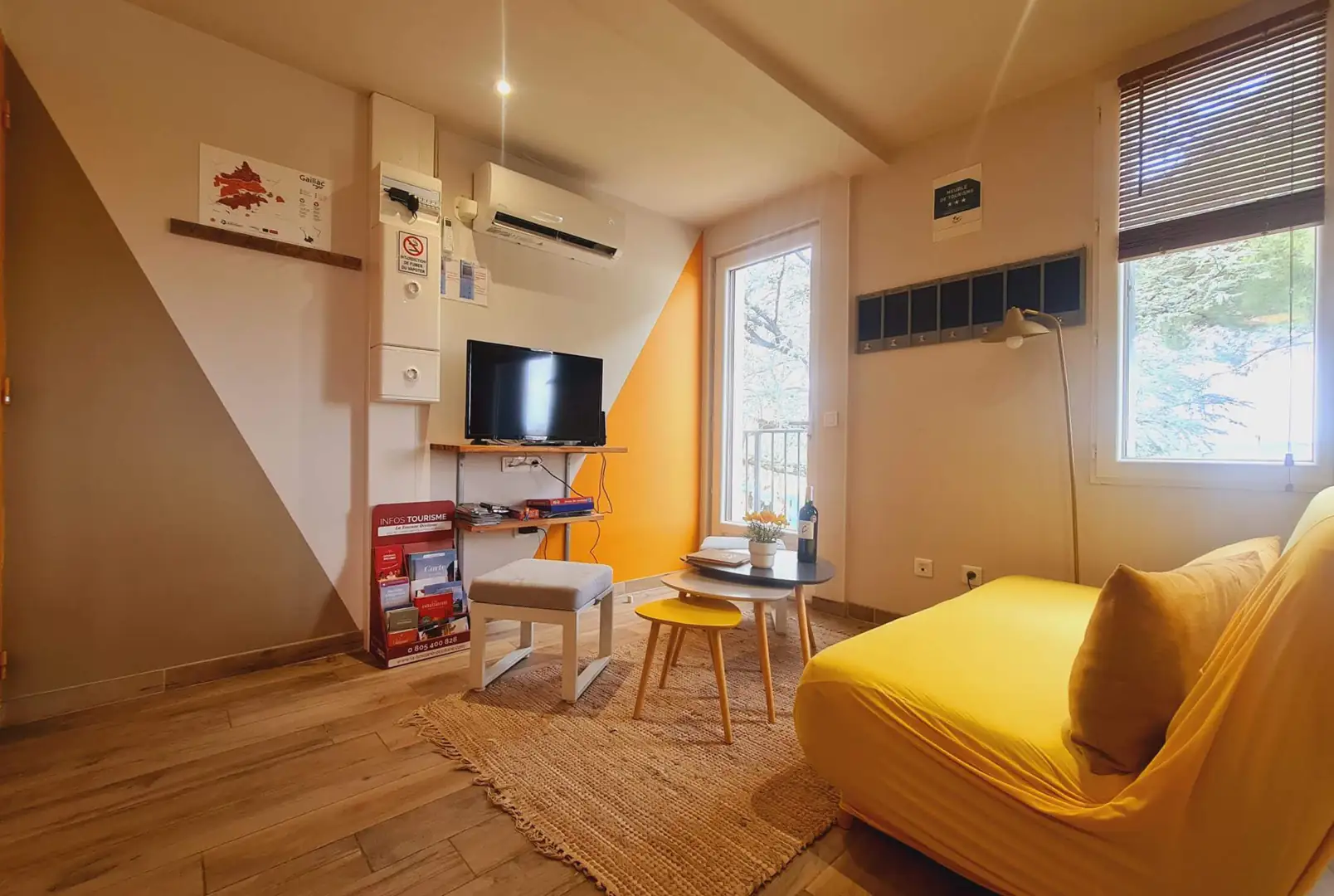
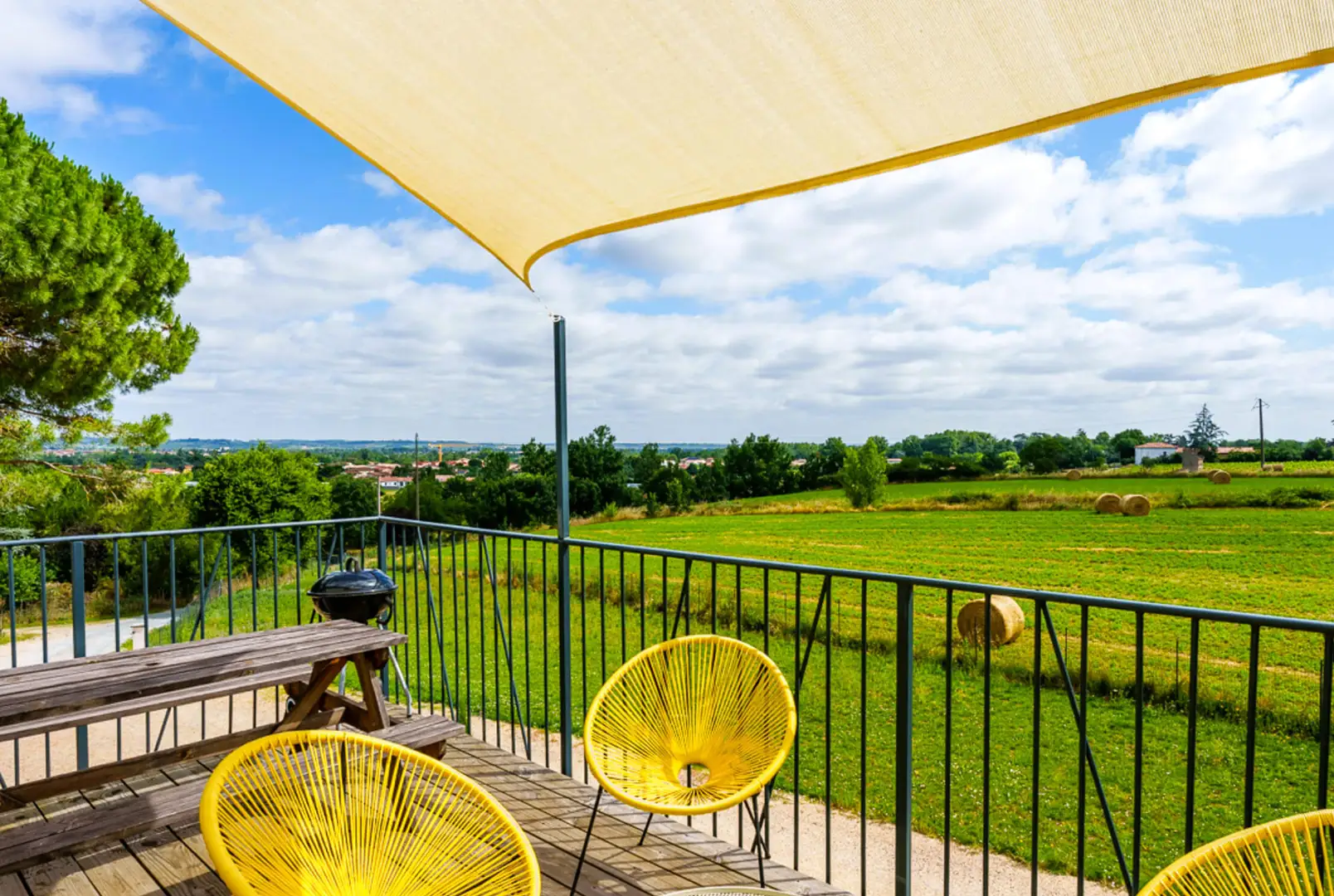
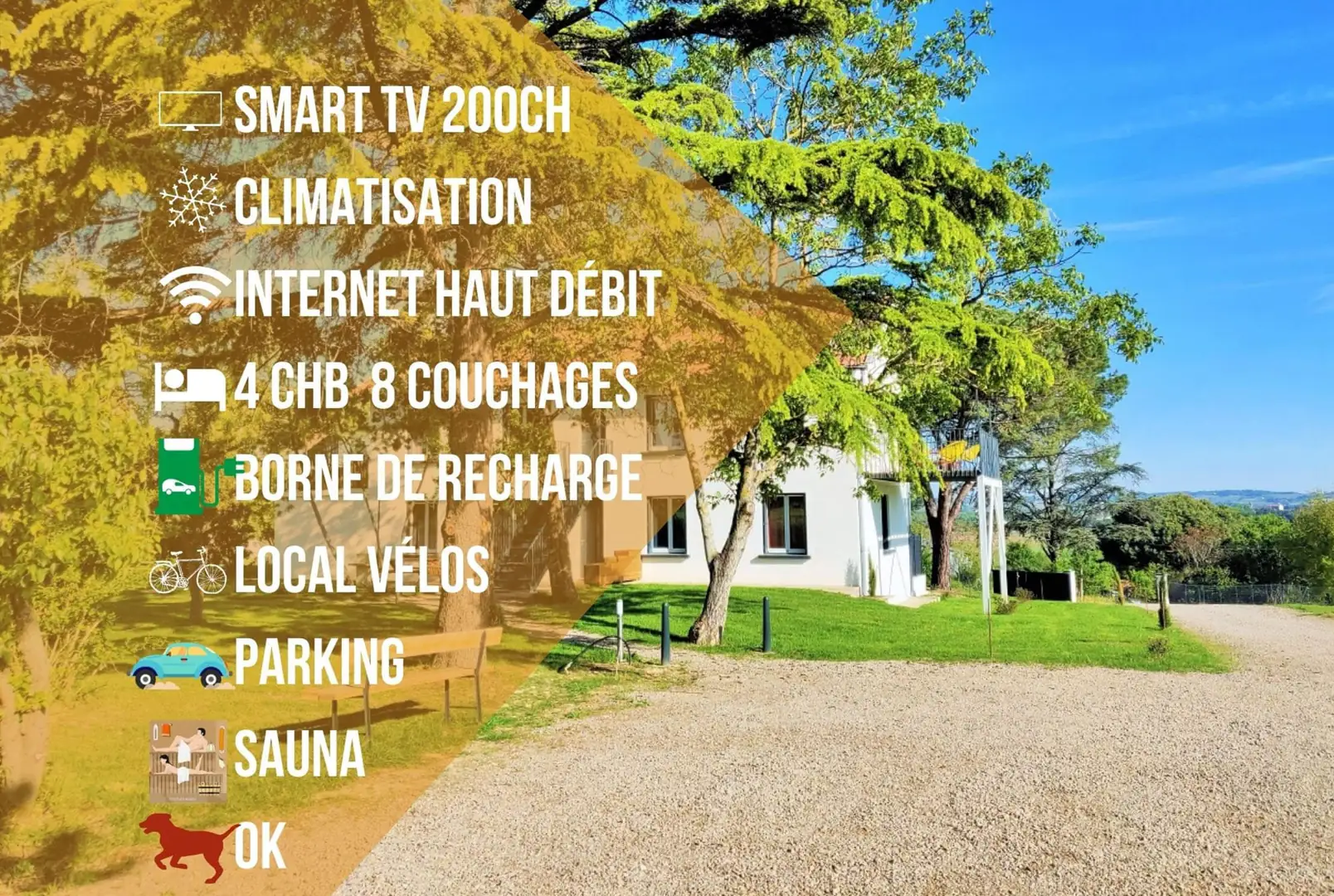
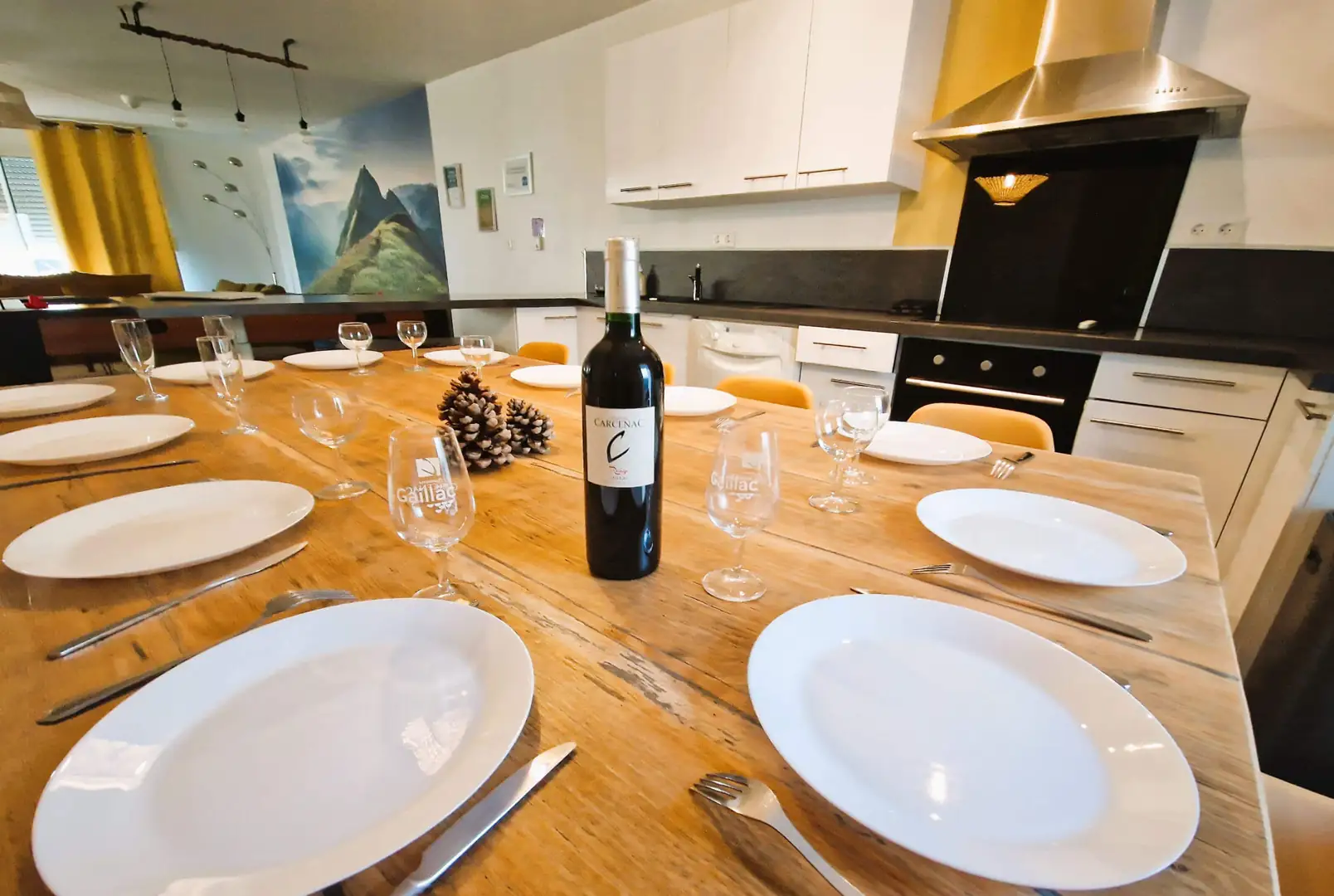
In the heart of the Gaillac vineyard, our second estate offers 6 lodgings set among rolling hills and vine-covered landscapes. The Gaillac AOC wine estates are within cycling distance, the Maison des Vins is 1.5 km away, and the Gaillac market — where you can find local saffron — is just minutes away.
- 🍷 La Syrah — Elegant, cosy, wine-country spirit
- 🌿 Le Loin de l’Œil — Named after Gaillac’s emblematic grape variety
- 🍇 Le Primeur — Fresh and bright, perfect for a short break
- ❤️ La Vigne Rouge — Romantic, with views over the vines
- 👫 Duo Syrah / Loin de l’Œil — Duo option for small groups
- 👫 Duo Vigne Rouge / Primeur — Duo option for small groups
Why Book Directly on Our Website?
- ✅ Best price guaranteed — no platform commission
- ✅ Direct contact with Martial & Cathy to personalise your stay
- ✅ The option to request a tailor-made quote for groups and events
- ✅ 100% secure payment
- ✅ Full flexibility to organise your gastronomic getaway as you wish
👉 Book directly on our website and enjoy our best price guarantee